

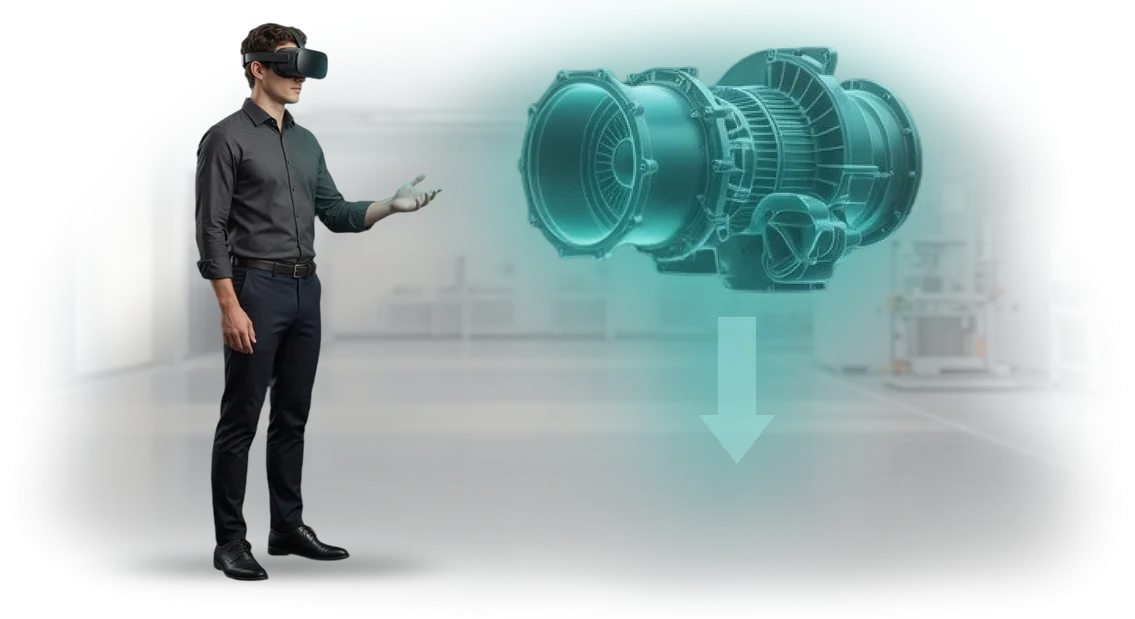
אמפתיה ב-VR: כשהעובדים לא מבינים את הלקוח
כל מנהל יודע כמה יקר למשוך לקוח חדש. אבל מעטים מחשבים כמה עסקים מפסידים בגלל שירות אדיש. רק מילה אחת לא נוחה או צורך שלא הבחינו בו — והלקוח עוזב למתחרה, ואיתו הולכת הנאמנות שנבנתה במשך שנים.
זה בולט במיוחד בשירות לאנשים עם מוגבלות. עובד לא יודע איך להציע עזרה, חושש לעשות צעד לא נכון — ובסופו של דבר נראה קר או אפילו גס רוח.
האדם לא חוזר, משאיר ביקורת שלילית, והמוניטין של החברה נפגע בעיני מאות לקוחות פוטנציאליים בבת אחת.
אובדן נאמנות הוא לא סיפור מוניטין מופשט, אלא הפסדים ישירים. לקוחות חוזרים מביאים יותר הכנסות, עולים פחות לשירות, ומביאים מכרים.
כשהצוות לא מרגיש את הלקוח, החברה צריכה להוציא על פרסום כדי למלא את הפער — וכל מחזור כזה עולה פי כמה יותר מהכשרת צוות איכותית.
כאן עובדת אמפתיה ב-VR. על ידי טבילת העובד במצב של הלקוח — בין אם זה אדם בכיסא גלגלים, עם לקות ראייה, או מבקר מבוגר — המציאות המדומה מאפשרת לו לחוות חוויה של מישהו אחר ולפתח תגובות נכונות.
זו לא הרצאה על נימוס, אלא אימון שגורם לעובד להתחיל לראות את המצב דרך העיניים של אדם אחר.
הכשרת צוות באמצעות אמפתיה ב-VR מחזירה את ההשקעה במהירות: שביעות רצון הלקוחות גדלה, חלקם של הביקורים החוזרים עולה, ושירות לאנשים עם מוגבלות מפסיק להיות מקור לתלונות. אנחנו עוזרים ליישם תוכניות כאלה בחברה שלכם — מאבחון תרחישים ועד קורס מוכן.
אילו יתרונות החברה מקבלת מההכשרה
לקוח עוזב בשקט כשהוא מרגיש שלא מבינים אותו. רוב הקונפליקטים בחברות שירות מתחילים לא בגלל טעויות אובייקטיביות, אלא בגלל תקשורת פורמלית: העובד עונה לפי הספר, לא שומע רגשות, לא מתאים את הדיבור למצבו של האדם. כל דיאלוג כזה הוא תלונה פוטנציאלית, ביקורת שלילית, ונאמנות שאבדה.
אנחנו מפתחים אימון במציאות מדומה שהופך אמפתיה ממושג מופשט למיומנות עובדת.
העובד מוצא את עצמו בתפקיד הלקוח — אדם עם מוגבלות, מבקר מבוגר, הורה עם עגלה, או זר — וחווה את כל האינטראקציה בגוף ראשון. חוויה כזו משנה את היחס לאנשים יותר עמוק מכל קורס או הרצאה.
כדי שתבינו איך זה עובד בפועל, הנה התוצאה של אחד הפרויקטים שלנו. ראש רשת המרפאות AlfaMed, מרינה ק.
מציינת: "אחרי ההכשרה, הצוות התחיל לדבר עם מטופלים אחרת — תלונות על אדישות ירדו פי שלושה, וחלקם של המטופלים שחוזרים אלינו בהמלצה גדל בכמעט שליש."
מניסיון הלקוחות שלנו, שילוב אמפתיה ב-VR בהכשרה נותן לחברה ארבעה תוצאות מדידות. ראשית, צמיחת נאמנות: לקוחות שמקבלים יחס קשוב נשארים עם המותג במשך שנים ומביאים חברים.
שנית, פחות קונפליקטים ותלונות — הצוות מתחיל להחליק בעדינות חוסר שביעות רצון בלי לתת לזה להסלים. שלישית, שירות מכיל: אתם לא מפנים גב לאנשים עם צרכים מיוחדים, אלא הופכים את הקהל הזה ללקוחות נאמנים שלכם.
רביעית, צמיחת מכירות: לקוח אסיר תודה מוכן יותר להסכים לשירותים נוספים ומגדיל את החשבון הממוצע.
על ידי שילוב אמפתיה ב-VR בהכשרת עובדים, אתם משנים לא מילים אלא התנהגות. האפקט הופך להרגל וממשיך לעבוד למען ההכנסות כל יום — בלי פיקוח מתמיד של מנהלים.
פורמטי הכשרה: איך לבחור למשימה שלכם
אין פתרון אחד שמתאים לכולם: פורמטי אימון ב-VR נבדלים בעומק, במשך ובתקציב. אנחנו משתמשים בשלושה עיקריים — טבילה מלאה, תרחישי אינטראקציה קצרים, ופורמט מעורב. כל אחד נותן מענה למטרה עסקית משלו, ואנחנו עוזרים לבחור את האופטימלי לתעשייה שלכם.
שלושה פורמטים למשימה שלכם
| פורמט | למי | מה זה נותן ללקוח |
|---|---|---|
| טבילה מלאה | הכשרה לקמעונאות, חינוך רפואי, עבודה עם רגשות | טבילה עמוקה במצב, מיומנות לאורך זמן, צמיחת אמפתיה |
| תרחישים קצרים | הכשרה המונית של צוות קדמי | השקה מהירה, עלות נמוכה לעובד, תרגול מיומנות אחת |
| פורמט מעורב | צוותים מפוזרים, תקציב מוגבל | VR + סימולטורים מקוונים, כיסוי כל הסניפים, חיסכון בנסיעות |
תרחישי אינטראקציה קצרים נמשכים 5–7 דקות ואידיאליים להכשרה המונית: קל לשלב אותם בתוכנית הקיימת ולהשיק בכל הסניפים.
טבילה מלאה מספקת רגש מקסימלי ומפתחת אמפתיה ב-VR בצורה הטובה ביותר — העובד חווה את המצב דרך עיני הלקוח. הפורמט המעורב משלב VR וסימולטורים מקוונים רגילים, מפחית עלות תוך שמירה על אפקט הטבילה.
איך לבחור פורמט
אם חשוב שהעובד ירגיש את עצמו בנעלי הלקוח וישנה התנהגות, בחרו בטבילה מלאה. כשצריך להכשיר במהירות מאות אנשים, בחרו בתרחישים קצרים. הפורמט המעורב עובד כשגם כיסוי וגם ריאליזם חשובים.
אנחנו נעזור לכם לבחור פורמט לתעשייה ולתקציב שלכם, נריץ השקה פיילוט, ונראה איך אמפתיה ב-VR משפיעה על איכות השירות ועל מכירות חוזרות.
שלבי הפרויקט: מבריף ועד תמיכה
יישום אימון ב-VR הוא פרויקט שבו גם מתודולוגיה מחושבת וגם ניהול תהליך ברור חשובים. מבננו את השלבים כך שתמיד תבינו מה קורה ותוכלו לשלוט בתוצאה. להלן איך העבודה מתנהלת מהבריף הראשון ועד לתמיכה לאחר ההשקה.
- בריף. אנחנו דנים במטרות, בקהל ובציפיות שלכם. אתם מקבלים תוכנית ברורה, לוחות זמנים, והבנה ברורה של מה יסופק.
- ניתוח משימה. אנחנו חוקרים את תהליכי העבודה שלכם ומזהים תרחישי מפתח שבהם אימון ב-VR יספק את הערך הרב ביותר. זה מכוון את ההכשרה לפתרון משימות עסקיות אמיתיות, לא רק "היכרות עם הטכנולוגיה".
- תרחיש. המתודולוגים שלנו והמומחים שלכם יחד יוצרים את תרחיש ההכשרה: הוא מערב עובדים, מדמה מצבים אמיתיים, ובונה מיומנויות מעשיות. אין תיאוריה מופשטת — רק מה שמיושם בעבודה.
- אישור תרחיש. אתם בודקים ומאשרים את התרחיש לפני תחילת הפיתוח. בשלב זה אפשר לבצע עריכות בלי עלות נוספת — ולכן עבודות חוזרות ופספוס מועדים אינם נכללים.
- פיתוח ובדיקות. אנחנו יוצרים את אימון ה-VR, מתקנים אותו על ציוד מקצועי, ומריצים בדיקות פיילוט. אתם רואים אב טיפוס עובד לפני ההשקה המלאה, ואנחנו מוודאים שהכל רץ ביציבות.
- השקת הכשרה ותמיכה. אנחנו עוזרים לשלב את ההכשרה במערכת שלכם, מאמנים מנהלים, ותומכים בפרויקט לאחר ההשקה: אנחנו מעדכנים תוכן, עוקבים אחר יציבות, ומספקים תמיכה טכנית. אתם מקבלים כלי עבודה ארוך טווח, לא פיתוח חד פעמי.
חבילת מסירה: מה כלול בתוכנית
הכנו חבילת מסירה מלאה כדי שתוכלו להשיק הכשרה בלי לערב קבלנים חיצוניים ואישורים ארוכים. כל מה שצריך זה למנות בעל פרויקט ולהקצות זמן לעובדים להשלמת התוכנית.
- תרחיש התוכנית — תרחיש מפורט של מצבים וירטואליים, מותאם לתהליכים העסקיים שלכם ולמשימות האמיתיות של העובדים. אתם מקבלים סיפור מוכן עם דיאלוגים, פעולות ונקודות החלטה — אין מה להמציא או לחדד.
- מדריך למדריך — הוראות שלב אחר שלב להעברת מפגשים: איך להקים קבוצה, להשיק תרחיש, לסקור טעויות ולחזק תוצאות. המדריך נכנס במהירות לתפקיד ויכול להעביר את המפגש הראשון ביום שבו החומרים מגיעים.
- חומרים מתודולוגיים — תזכורות למשתתפים, תבניות לתרגול מיומנויות בעבודה אמיתית, והמלצות לשילוב שיעורי VR בלוח הזמנים הנוכחי. זה עוזר להעביר חוויה וירטואלית למשימות יומיומיות ומחזק את אפקט ההכשרה.
- דוח הכשרה — סטטיסטיקה ברורה לכל עובד ולקבוצה כולה: התקדמות, טעויות אופייניות, זמן השלמה, דינמיקת שיפור. אתם רואים מי תפס את החומר ומי צריך עבודה נוספת — בלי בדיקות ידניות ארוכות.
- תרחיש עדכון — אנחנו מעדנים באופן קבוע את התוכנית בהתאם לשינויים ברגולציות, במוצרים או במצבים אופייניים שלכם. עדכונים מותקנים בלי להפסיק את הפעילות ודורשים מכם כישורים טכניים.
- סמינר מקוון הכשרה לצוות — מפגש חי קצר שבו אנחנו מראים איך לעבוד עם התוכנית, עונים על שאלות, ועוזרים ליצור תוכנית השקה. הצוות שלכם מרגיש בטוח מהיום הראשון.
- תמיכה טכנית לאורך כל תקופת השימוש — אתם פונים אלינו כשצריך עזרה: במהלך יום העבודה אנחנו עונים על שאלות, מסייעים בהתקנה, ופותרים כל בעיה. אתם לא צריכים להבין לבד בציוד.
אמפתיה ב-VR בפעולה: מקרה של רשת מרפאות
בשירות רפואי, מה שחשוב הוא לא רק הכישורים של הרופא ומהירות התור, אלא גם היחס האנושי. מטופל סולח על המתנה אם הוא מרגיש דאגה, ועוזב למתחרים אחרי קבלה קרה.
אמפתיה ב-VR עוזרת לצוות לראות פרוצדורות מוכרות דרך עיני המטופל — להקל על חרדה, לבחור מילים נכונות, ולהימנע מהפיכת בדיקה לפס ייצור.
רשת המרפאות MedLife יישמה את הסימולטור ה-VR שלנו לרופאים ומנהלים. עובדים עברו תרחישים קצרים: תור עם ילד מפוחד, מסירת אבחנה קשה, טיפול בתלונה בקבלה.
במרחב הווירטואלי אפשר לטעות, לראות את תגובת המטופל, ולנסות מיד מודל התנהגות אחר — בלי לסכן מוניטין או לוח זמנים.
תוצאות ההכשרה נראו כבר ברבעון הראשון: מטופלים דירגו את הקשיבות של הצוות גבוה ב-30%, ומספר התלונות ירד פי שניים. במקביל, מדד הנאמנות עלה — הזמנות חוזרות והמלצות מביאות למרפאה גידול ממשי בהכנסות.
הסימולטורים בנויים על פלטפורמת Unity: זה אפשר להתאים במהירות תרחישים להתמחויות שונות ולספק אינטראקציה ריאליסטית עם מטופל וירטואלי.
הגישה הזו משתלמת לא רק במספרי שביעות רצון. צוות שיודע להקשיב ולהסביר יוצר פחות קונפליקטים, מבזבז פחות זמן בטיפול בשליליות, ושומר על עומס עבודה יציב יותר.
אמפתיה ב-VR הופכת לחלק מתקן השירות — ומטופלים בוחרים במרפאה לפי המלצות, לא לפי מחיר.
תשובות לשאלות וחששות
עובדים ומנהלים מודאגים לרוב מבטיחות, מהחלפת תקשורת חיה, ומקשיי הסתגלות. זה נורמלי: VR הוא פורמט חדש שדורש התרגלות. אנחנו מיישמים תוכניות כאלה באופן קבוע, אז אספנו תשובות לחששות העיקריים.
אנחנו לא מבקשים מהצוות "פשוט לשים את המשקפת ולהבין לבד": אנחנו מספקים הדרכה, מפגשים קצרים, ותרחישים המבוססים על מצבי עבודה אמיתיים. להלן תשובות לשאלות נפוצות.
האם זה בטוח לעבוד ב-VR?
כן. אנחנו משתמשים בציוד מאומת מקצועית ומבנים מפגשים לנוחות: גישות קצרות, הפסקות, והנחיות לפני התחלה. במשך שנים של ניסיון, לא היו תלונות על אי נוחות.
האם VR יחליף תקשורת חיה?
לא. VR הוא סימולטור לתרגול דיאלוגים קשים בסביבה בטוחה. העובד מתאמן ואז מעביר את המיומנות למציאות. מפגשי צוות וקשר אישי נשמרים.
האם קשה להתאים את התרחיש לחברה שלנו?
אנחנו כותבים את התרחיש על סמך המקרים האמיתיים שלכם — התנגדויות, קונפליקטים, רגולציות. ההתאמה אורכת 1–2 שבועות, ואתם לא צריכים לשנות תהליכים פנימיים.
איך מודדים את יעילות ההכשרה?
המערכת עוקבת אחר התקדמות: זמן, טעויות, דינמיקה של ניסיונות חוזרים. אתם מקבלים דוח שמראה מי שלט במיומנות ומי צריך תשומת לב נוספת.
מה מקבלים אחרי הזמנת התוכנית
אתם לא מזמינים "מציאות מדומה לשם הטכנולוגיה", אלא כלי עבודה שישנה התנהגות עובדים ויפחית סיכונים.
לכן עלות השירות כבר כוללת את כל מה שהופך את הקורס לתוצאה מעשית — מהתרחיש הראשון ועד תמיכה במדריכים בהשקה בפועל.
בונוסים בהזמנה:
- פרויקט פיילוט. אנחנו מפתחים תרחיש הכשרה אחד (5–7 דקות) ללא עלות — אתם רואים איך אמפתיה ב-VR עובדת בשטח שלכם לפני קניית הקורס המלא.
- ייעוץ. אנחנו בוחנים את המשימה והקהל שלכם ומציעים פתרון — לפני תחילת הפרויקט, בלי התחייבויות.
- הכשרת מדריכים. אנחנו מעבירים הכשרה נפרדת למדריכים הפנימיים שלכם: הם יוכלו לשלב באופן עצמאי מודולי VR בתוכנית ולהעביר מפגשים.
- תמיכה לשנה. המתודולוגים והמהנדסים שלנו זמינים: אנחנו מעדכנים תוכן, עוזרים בבעיות טכניות, ומתאימים את התוכנית לפי משוב.
- חומרים מתודולוגיים למנחה. מדריך שלב אחר שלב להעברת המפגש ודיון בתרגילים — אין צורך לאלתר.
- אנליטיקת מעורבות. דוחות פשוטים: מי השלים את ההכשרה, אילו תרחישים נבחרו יותר, איפה נוצרו קשיים.
חידדנו את הגישה הזו בעשרות פרויקטים: הלקוח מקבל לא "הדגמה גולמית" אלא תהליך הכשרה מוכן. אתם משלמים פעם אחת, ונהנים באופן שיטתי — ובמהלך השנה התוכנית מתפתחת יחד עם המטרות שלכם.
מה אם יש לנו דרישות ספציפיות?
דרישות ספציפיות הן הנורמה, לא החריג. אנחנו מתכננים את התרחיש סביב התעשייה, מאפייני המוצר וקהל היעד שלכם, ולא מתאימים תבנית מוכנה. אז בקשה לא סטנדרטית היא משימה מוכרת עבורנו, לא סיבה לעלויות נוספות.
בהתחלה, אנחנו חוקרים איך העבודה שלכם מאורגנת: אילו מצבים עובדים נתקלים בהם, איפה האיכות אובדת לרוב, ואילו טעויות עולות לעסק הכי הרבה.
על סמך זה, אנחנו מתאימים את עומק הטבילה, מורכבות המשימה וסגנון התקשורת בתוך התרחיש הווירטואלי, כך שההכשרה משקפת במדויק את המציאות של החברה שלכם.
אמפתיה ב-VR עובדת בעוצמה הגדולה ביותר כשהעובד נתקל במצב קרוב ככל האפשר לחיים האמיתיים: מאפייני לקוח, התנגדויות אופייניות, רגעים רגשיים.
אנחנו משחזרים בדיוק את התרחישים האלה — ממשא ומתן ועד טיפול בתלונות — ואחרי ההכשרה, האדם פועל בביטחון כי הוא כבר חי את המצבים האלה בסביבה בטוחה.
אין הגבלות תעשייה: ייצור, קמעונאות, רפואה, פיננסים, לוגיסטיקה, מסעדנות. אם יש רגולציות פנימיות או תקני שירות ארגוניים, אנחנו בונים אותם ישירות לתוך התרחיש. כך אתם שומרים על התרבות הארגונית ומקבלים את כל היתרונות של הכשרה סוחפת.
ספרו לנו על הדרישות שלכם בבריף קצר — נציע איך לטפל בהן ונראה דוגמה לתרחיש דומה. ההתאמה מובנית בתהליך שלנו מההתחלה, כך שהיא לא מאריכה את הפרויקט או מנפחת את התקציב.