

אימון VR לכישורים רכים: מדוע עובדים מאבדים לקוחות?
בכל יום, המנהלים שלכם מנהלים עשרות שיחות שמשפיעות ישירות על ההכנסות. עובד שלא מקשיב ללקוח, נכשל בטיפול בהתנגדות, מאבד את היוזמה — והעסקה עוברת למתחרה.
זה לא כשל חד-פעמי אלא דליפת הכנסות מערכתית שלעתים רחוקות נראית בדוחות הכספיים.
לפי ההערכות שלנו, חברות מפסידות 20–30% מההכנסות הפוטנציאליות דווקא בגלל כישורי תקשורת חלשים במשא ומתן קריטי.
לקוחות סולחים על המחיר, אבל הם לא סולחים על היחס: שיחה לא נוחה עם מנהל היא אחת הסיבות המרכזיות לנטישת לקוחות.
הדרכות מסורתיות לא פותרות את הבעיה: העובדים יודעים את התיאוריה, אבל תחת לחץ אמיתי, תחת לחץ מצד הלקוח, הם פועלים מתוך הרגל ישן.
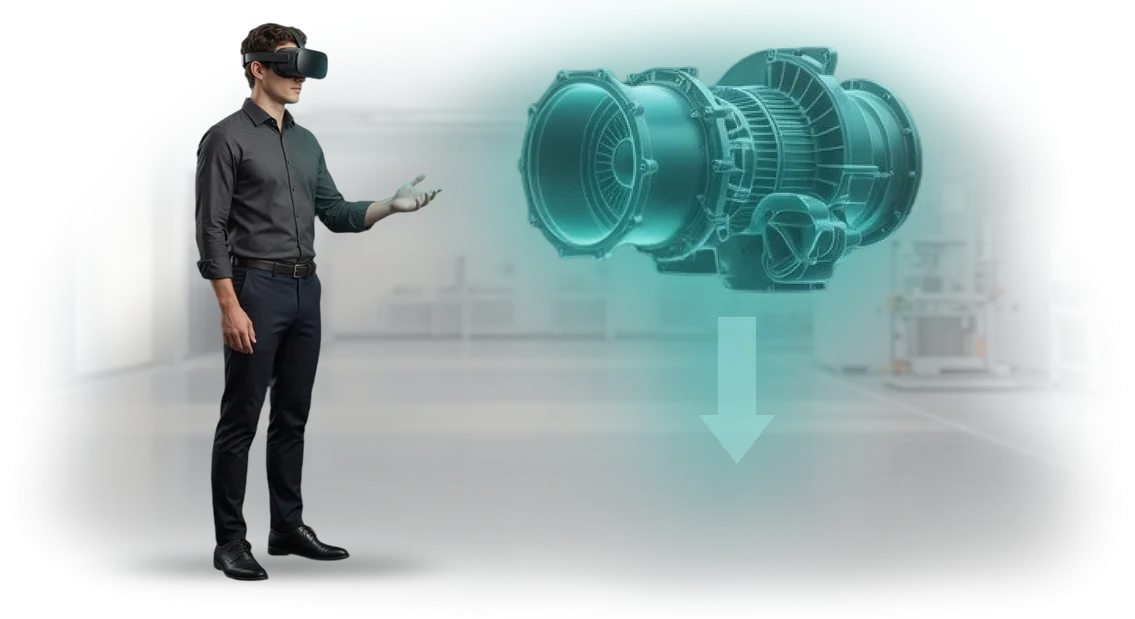
הפתרון הוא אימון VR לכישורים רכים. סביבה סוחפת מדמה פגישה אמיתית: משא ומתן, התנגדויות אגרסיביות, קונה תובעני, שותף שמתמהמה.
אדם מתאמן שוב ושוב בסביבה בטוחה, מקבל משוב מיידי, ומפנים את המיומנות דרך התנסות ולא דרך הרצאות.
אנחנו מפתחים תוכניות כאלה המותאמות ליעדים עסקיים — עם דגש על הגדלת המרות, מכירות חוזרות והפחתת נטישת לקוחות.
אילו יתרונות עסקיים מניבה הדרכה לכישורים רכים?
כישורים רכים הם מה שמבדיל חברה עם סטנדרטים גבוהים של שירות משאר החברות. משא ומתן, יחס ללקוח ויכולת עבודה בצוות — כל אלה משפיעים ישירות על מכירות חוזרות ומוניטין.
עם זאת, הדרכות מסורתיות ממעטות להכין עובדים לאתגרים אמיתיים: העובד שומע תיאוריה אבל לא מתאמן בסביבה בטוחה. אימון VR סוגר את הפער הזה בכך שהוא מספק ניסיון מעשי ללא סיכון לעסק.
ביטחון עצמי של העובד
כשעובד חווה וירטואלית שיחה קשה עם לקוח או קונפליקט בתוך הצוות, הוא מפסיק לפחד מטעויות. בעבודה האמיתית זה מתבטא בטון רגוע, בטיעונים ברורים ובנכונות לקחת אחריות. עובד בטוח בעצמו בונה אמון עם שותפים ומעלה את איכות השירות.
קליטה מהירה יותר של עובדים חדשים
במקום שבועות של תיאוריה, עובד חדש צולל מיד לסיטואציות האופייניות לחברה. הוא שולט בסטנדרטים של השירות פי שלושה עד ארבעה מהר יותר ומתחיל לייצר ערך מוקדם יותר.
עבור מנהל, זה אומר פחות זמן המושקע בפיקוח ידני ותוצאה צפויה יותר מכל עובד חדש.
חיסכון בהדרכות ונסיעות
סימולטורי VR מחליפים סמינרים מחוץ לאתר וביקורי מדריכים במשרדים. תרחיש אחד יכול להיות מושק במקביל במאה סניפים — ללא עלויות השכרת אולמות או הובלה.
לדוגמה, עבור רשת בתי הקפה "טריטוריית הארומה", המרנו הדרכה ל-150 בריסטות ל-VR: החיסכון בנסיעות המדריכים הסתכם בכ-30–40 אלף דולר לשנה (העלות חושבה לאחר ביקורת).
בקרת איכות אחידה ותיקנית
כל העובדים עוברים את אותם תרחישים, כך שהתוצאה לא תלויה באישיותו של המדריך. ההנהלה רואה נתונים אובייקטיביים: מי כבר מוכן לעבודה עצמאית ומי זקוק לשיפור נוסף. זה מאפשר לבצע התאמות בזמן אמת בהדרכה ולשמור על סטנדרט שירות גבוה.
פורמטים של אימון VR ו-AR ליעדי הצוות שלכם
יעדים שונים של צוות דורשים פורמטים שונים. לפעמים צריך התעמקות מלאה ותרגול של משא ומתן מורכב; לפעמים צריך תדריך מהיר באתר בלי למשוך עובדים מהמשימות שלהם.
אנחנו בוחרים את הפורמט שיתאים ליעד שלכם, ולא להפך: זה חוסך תקציב, מקצר את לוחות הזמנים של ההטמעה ומגביר את המעורבות בהדרכה.
להלן התרחישים האופייניים שהלקוחות שלנו בוחרים לרוב. בכל מקרה, אתם מקבלים תוצאה ברורה וניתנת למדידה: זמן עד למיומנות, הפחתת שגיאות וצמיחה בהמרות.
| פורמט הדרכה | למי זה מיועד | מה זה נותן ללקוח |
|---|---|---|
| התעמקות מלאה ב-VR | עובדים שצריכים לתרגל מצבים מורכבים או מסוכנים | ניסיון ללא סיכון לאנשים או לתקציב: טעויות לא מובילות להפסדים אמיתיים |
| הוראות AR המוצגות על גבי עצמים אמיתיים | מומחים טכניים, מפעילי ציוד | הדרכה ישירות במקום העבודה: אין צורך לעצור את הייצור |
| סימולטור משא ומתן וירטואלי | מנהלי מכירות, ראשי צוותים | טיפול בטוח בהתנגדויות, יותר עסקאות סגורות |
| תרחישי VR קצרים לקליטה | עובדים חדשים, גיוס המוני | הגעה מהירה לקצב עבודה, איכות הכנה אחידה |
בחירת הפורמט משפיעה רק על התוצאה, לא על מורכבות השימוש: העובדים עוברים את ההדרכה בקצב הנוח להם.
אנחנו מטפלים בבחירת הציוד, בהכנת התרחישים ובתמיכה שוטפת כך שהקורס ישתלב בשגרת העבודה שלכם ללא השבתה או עלויות מיותרות.
שלבי השקת אימון VR לכישורים רכים בחברה שלכם
השקת אימון VR לכישורים רכים בחברה עוקבת אחר תהליך ברור: אתם תמיד יודעים היכן הפרויקט עומד ומה תקבלו כתוצאה.
מהצד של הלקוח, זה עובד כמו פרויקט עם נקודות ביקורת קבועות — מהבריף הראשוני ועד למסירת הפתרון המוגמר ותמיכה לאחר ההשקה.
-
בריף והתעמקות בבעיה. אנחנו מנתחים אילו כישורים צריך לפתח, מי קהל היעד, ואילו מדדים עסקיים ההדרכה תשפיע עליהם.
אנחנו מציבים יעדים וקריטריוני הצלחה כך שכל הצדדים מבינים בעד מה משלמים ואיזו תוצאה נחשב למושגת.
-
עיצוב תרחיש. המתודולוגים והתסריטאים שלנו הופכים את הניסיון והמומחיות שלכם לדיאלוגים מציאותיים, לסיטואציות עבודה ולתרגילים. אתם מאשרים את המבנה והתוכן לפני תחילת ההפקה — בלי הפתעות בשלב הסופי.
-
אב-טיפוס ואישור. אנחנו בונים דוגמה עובדת של קטע אחד: אתם רואים איך ההדרכה תיראה ותרגיש ומבצעים עריכות בשלב מוקדם. זה חוסך תקציב וזמן כי לא צריך לשכתב את כל הקורס המוגמר.
-
הטמעת פרויקט אימון VR. אנחנו יוצרים את החבילה המלאה: סביבות וירטואליות, דמויות, מערכת דיאלוג, ממשק וכלים להערכת פעולות העובד. בכל שלב אתם מקבלים גרסאות הדגמה ויכולים לראות איך העבודה מתקדמת.
-
בדיקה עם קבוצת מיקוד. אנחנו בודקים את התרחיש על עובדים אמיתיים: אוספים משוב, מזהים אזורים קשים ומשפרים את ההדרכה לתוצאה יציבה. זה מבטיח שההשקה לא תהפוך לסדרה של תקלות טכניות.
-
השקה והתאמה. אנחנו מחברים את הציוד, מתקינים את התוכן ומכשירים מנהלי מערכת ומשתמשים ראשונים. אנחנו מספקים הוראות ותמיכה כך שהצוות יוכל להתחיל לעבוד מהיום הראשון בלי לבזבז זמן.
-
תמיכה ופיתוח לאחר ההשקה. אנחנו מנתחים סטטיסטיקות השלמה, ציונים ודינמיקת מיומנויות. אנחנו עוזרים לעדכן תרחישים, להוסיף מודולים חדשים ולהרחיב את ההדרכה למחלקות אחרות ככל שהעסק גדל.
מה אתם מקבלים עם אימון VR מוכן
יחד עם אימון ה-VR המוגמר, אתם מקבלים חבילה מלאה להשקת הדרכה ארגונית — בלי צורך להרכיב את המערכת חלק אחר חלק.
תוצאת הפרויקט היא לא רק סרטון הדגמה אלא כלי עבודה שניתן לשלב בתוכנית הקליטה, המכירות או ניהול הכישורים שלכם כבר בשבוע הבא.
- תרחישי הדרכה מוכנים — עלילות מפותחות היטב המותאמות ליעדים שלכם: משא ומתן, טיפול בהתנגדויות, שירות לקוחות. כל תרחיש כולל נקודות הכרעה ומשוב, כך שההדרכה לא הופכת ל"סרט חינוכי".
- סימולציות וירטואליות — סיטואציות מציאותיות שבהן עובדים מתאמנים בסביבה בטוחה. טעויות לא משפיעות על לקוחות אמיתיים אבל מספקות ניסיון רב ערך ומפחיתות את הפחד משיחות קשות.
- חבילת מסירה מלאה — כל ההוראות הדרושות להשקה: הגדרת ציוד, ניהול מפגשים והמלצות לעובדים ולמנהלי מערכת. מתאים להתחלה מהירה ללא קבלנים חיצוניים.
- אנליטיקת למידה — דשבורד אישי עם דוחות על כל משתתף: התקדמות, טעויות שנעשו, זמן השלמה ודינמיקת ניסיונות חוזרים. אתם רואים מי מוכן לעבודה אמיתית ומי זקוק להכנה נוספת.
- חומרים מתודולוגיים למשאבי אנוש ולמנהלים — המלצות לשילוב ההדרכה בתוכניות למידה קיימות, קריטריוני הערכה ותבניות משוב. זה עונה על השאלה "איך ליישם ולמדוד את התוצאה".
- תמיכה ועדכונים — הצוות שלנו נשאר בקשר לאחר ההשקה: אנחנו עוזרים בהגדרות, בוחנים תוצאות ראשוניות ומשלימים תוכן לפי הצורך ליעדים עסקיים חדשים.
מקרה בוחן: כיצד אימון VR הגדיל עסקאות מוצלחות ב-30%
רשת קמעונאית גדולה — נקרא לה RetailGroup — התמודדה עם נקודת כאב אופיינית במחלקת המכירות: מנהלים היו בטוחים במוצר אבל איבדו עסקאות בשלב המשא ומתן.
התנגדויות לקוחות, ספקות, שיחות קשות — שם הוכרע אם החברה תנצח את הלקוח או שהמתחרה יעשה זאת.
הדרכות בסגנון הרצאה לא הניבו את האפקט הנדרש: המיומנות לא חוזקה, ובמצבי לחץ העובדים חזרו להרגלים ישנים.
הצענו להחליף חלק מהמפגשים הפרונטליים באימון VR לכישורים רכים. בסביבה הווירטואלית, המנהלים חוו תרחישים מציאותיים: שיחה עם לקוח תובעני, טיפול בהתנגדות וסגירת עסקה.
לאחר כל תרחיש התקיים תחקיר עם משוב, ואחריו ניסיון נוסף תוך התחשבות בטעויות. ההדרכה התקצרה ב-40% בזמן, אבל חשוב מכך, המיומנות נבנתה בתנאים הקרובים ככל האפשר למכירות אמיתיות.
תוצאות היישום מדברות בעד עצמן. לאחר שלושה חודשים, חלקם של העסקאות המוצלחות גדל ב-30% — בדיוק בזכות טיפול בטוח בהתנגדויות ויכולת להוביל משא ומתן לתוצאה.
ההמרה בשלב "ייעוץ → רכישה" עלתה ב-18 נקודות אחוז, והסל הממוצע גדל בזכות מכירות נוספות (upsells) שמנהלים היססו בעבר להציע.
ראש המחלקה קיבל לא רק הדרכה אלא השפעה עסקית מדידה: צוות המכירות החל לייצר יותר הכנסות ללא הגדלת כוח אדם. שישה חודשים לאחר מכן, החברה הזמינה מודול הדרכה שני — לעבודה עם לקוחות מפתח.
מקרה זה הוא דוגמה ברורה לאופן שבו אימון VR מתורגם להמרה גבוהה יותר ולהכנסות ישירות לעסק.
כיצד לבחור פורמט הדרכה לפי המאפיינים העסקיים שלכם?
בחירת אימון VR מתחילה לא בטכנולוגיה אלא בתשובה לשתי שאלות: איזו בעיה עסקית ההדרכה פותרת ובאילו תנאים עובדים עובדים כל יום.
עבור צוותים בחזית עם משמרות קצרות ותחלופה גבוהה, הסתגלות מהירה היא המפתח — תרחישי VR קצרים שמתרגלים סטנדרטים של עבודה ללא סיכון לציוד הם אופטימליים.
עבור מנהלים ואנשי מכירות, דיאלוגים אינטראקטיביים עם בני שיח וירטואליים מספקים את הערך הרב ביותר, שבהם מאומנים כישורי משא ומתן, טיפול בהתנגדויות ואינטליגנציה רגשית.
המאפיינים הספציפיים של התעשייה קובעים את הריאליזם ואת אורך התרחיש. בייצור ולוגיסטיקה, סימולטורים המשכפלים פעולות אמיתיות ומצבי חירום אופייניים הם יעילים.
בקמעונאות ובמזון מהיר — מיני-מקרים בנקודות שירות שעובד מבצע ב-10–15 דקות ומיד מיישם במהלך המשמרת שלו. צוותים רפואיים והנדסיים מרוויחים מסימולציות רב-שלביות עם מעקב אחר שגיאות ותחקיר השלכות.
תקציב ההדרכה קובע את ההיקף אבל לא מגביל את התוצאה. אפשר להתחיל עם מודול אחד לקבוצת פיילוט, למדוד את השיפור במדדים מרכזיים, ואז להרחיב את התוכנית למחלקות אחרות.
אנחנו מציעים אפשרויות שונות: ממודולים מוכנים במפתח מלא ועד פיתוח מותאם אישית לחלוטין הקשור למדיניות ולסטנדרטים שלכם.
הכלל המרכזי בבחירה: הפורמט חייב להשתלב בהדרכה הקיימת ולהניב תוצאה מדידה — המרה גבוהה יותר, פחות שגיאות וזמן קצר יותר עד לביצוע.
אנחנו עוזרים לקבוע פורמט זה במהלך ניתוח היעדים שלכם, ורק אז מציעים פתרון המותאם למאפיינים ולתקציב שלכם.
חששות נפוצים לפני הזמנת אימון VR
לפני השקת אימון VR, לרוב החברות יש את אותם חששות: האם הציוד יעמוד בעומס, האם יהיה מספיק תוכן, ומתי ההשקעה תשתלם. זה נורמלי — החלטה גדולה צריכה להיות רגועה וצפויה. הנה איך אנחנו מטפלים בחששות אלה.
מה קורה אם הציוד מתקלקל?
אנחנו בונים מרווח ביטחון: הערכות שלנו מיועדות לשימוש קבוצתי יומיומי, לא להדגמות חד-פעמיות. אם מכשיר נכשל באשמתנו, נחליף אותו או נספק יחידת גיבוי — ההדרכה לא תיפסק והעובדים לא יישארו בטלים.
האם יהיה מספיק תוכן, או שעובדים ישתעממו אחרי חודש?
התוכן נוצר סביב היעדים העסקיים שלכם, כך שהוא לא נגמר. בהשקה אתם מקבלים תרחישים למצבי עבודה מרכזיים, ואז אנחנו משלימים אותם ככל שתהליכים או מדיניות משתנים. עדכונים לוקחים ימים, לא חודשים.
כמה מהר ישתלם אימון VR?
המהירות תלויה במספר העובדים, אבל עם תוכניות המוניות החיסכון נראה מיד: אין צורך לשכור אולמות, לשלם עבור נסיעות מדריכים או להוציא אנשים מהעבודה ליום שלם.
הלקוחות שלנו מחזירים את ההשקעה תוך מספר חודשים, ועבור קבוצות של 100+ אנשים, החיסכון השנתי מגיע לשווי של 50–100 אלף דולר (העלות חושבה לאחר ביקורת).
מה אם אנחנו לא יודעים אילו תרחישים אנחנו צריכים בעצמנו?
המתודולוגים שלנו עוזרים בהתחלה: הם מנתחים סיטואציות אופייניות בחברה שלכם, מראיינים את המצטיינים שלכם, והופכים את הניסיון שלהם לתרחישי הדרכה. אתם לא צריכים להמציא את התוכן — רק להראות איך העבודה באמת עובדת.
אם עדיין יש לכם שאלה — כתבו לנו, ונשיב תוך יום עסקים אחד. אנחנו יכולים גם להכין שיעור הדגמה ב-VR לעובדים שלכם ולחשב יחד את החיסכון עבור הצוות שלכם.השאירו פנייה — נחשב את הפרויקט תוך יום אחד
כשאתם פונים אלינו, אתם מקבלים לא רק חישוב אלא תוכנית הטמעה מוכנה של אימון VR המותאמת ליעד שלכם. תוך יום אחד, ננתח את המצב שלכם, נבחר את הפורמט ונספק את העלות המדויקת.
בלב העניין עומדת המתודולוגיה שלנו לאימון VR לכישורים רכים, שכבר עזרה לחברות לקלוט עובדים חדשים מהר יותר ולשפר את איכות המשא ומתן.
בשלב הבא מגיעה הדרכת הדגמה: אתם והעובדים שלכם תחבשו משקפי VR ותעברו תרחיש שהוכן עבור הפנייה שלכם. תראו איך עובדים מגיבים לסיטואציות וירטואליות ותוכלו לקבל החלטה על סמך ניסיון אמיתי ולא על סמך מצגת.
גם אם אתם לא בטוחים ש-VR מתאים לצוות שלכם, התחילו בייעוץ. המומחה שלנו יבחן את היעדים שלכם, יענה על השאלות שלכם ויציע תרחיש פיילוט שניתן להשיק תוך שבועיים בלבד.
מה אתם מקבלים לאחר הפנייה:
- חישוב עלות הפרויקט תוך יום אחד — ללא עמלות נסתרות או "אותיות קטנות".
- הדרכת הדגמה: אתם אישית בודקים את התרחיש על העובדים שלכם.
- ייעוץ מומחה: נייעץ לכם אילו כישורים לפתח קודם.
- תוכנית הטמעה: שלבים, לוחות זמנים ואחראים — הכל במסמך אחד.
- בחירת ציוד ותוכנה לתקציב שלכם — אנחנו עובדים עם מערכות VR מקצועיות שמספקות תוצאות עקביות.
- תמיכה לאחר ההשקה: אנחנו עוזרים לעדכן תרחישים ולהרחיב את ההדרכה.
השאירו פנייה בעמוד זה — ועד מחר תקבלו חישוב עם אפשרויות לתקציב שלכם. אנחנו עובדים מרחוק, כך שאין צורך לנסוע לשום מקום: נדון בהכל בשיחת וידאו ונביא את ההדגמה לאתר שלכם.