

אימון אנדוסקופיה: מדוע רופאים עושים טעויות וכיצד לתקן זאת
אנדוסקופיה היא אחת המיומנויות המורכבות ביותר ברפואה: היא דורשת קואורדינציה מדויקת, הבנה אנטומית בזמן אמת וטיפול רגוע במצבים בלתי צפויים. טעויות כאן קורות לעיתים קרובות לא מחוסר תיאוריה, אלא מחוסר תרגול.
רופא צעיר מבצע מניפולציות ראשונות על מטופל חי, וכל סיבוב לא בטוח של המכשיר הוא סיכון לנזק לרקמה, זמן פרוצדורה נוסף ולחץ עבור המומחה.
המרפאה משלמת על כך פעמיים: איכות הטיפול הרפואי נפגעת, והכשרת צוות חדש נמתחת על פני חודשים. אפשרויות קלאסיות—עבודה עם סימולטורים או התבוננות בעמית מנוסה—אינן מספקות את נפח החזרות הדרוש.
מטופלים אמיתיים אינם זמינים לאימון, פנטומים מפשטים את התרחיש, ומנטור פיזית אינו יכול להקדיש זמן לכל מתאמן. כתוצאה מכך, רופאים נכנסים לחדר הפרוצדורות עם ניסיון מינימלי, והפרוצדורות העצמאיות הראשונות שלהם הופכות למקור סיכון.
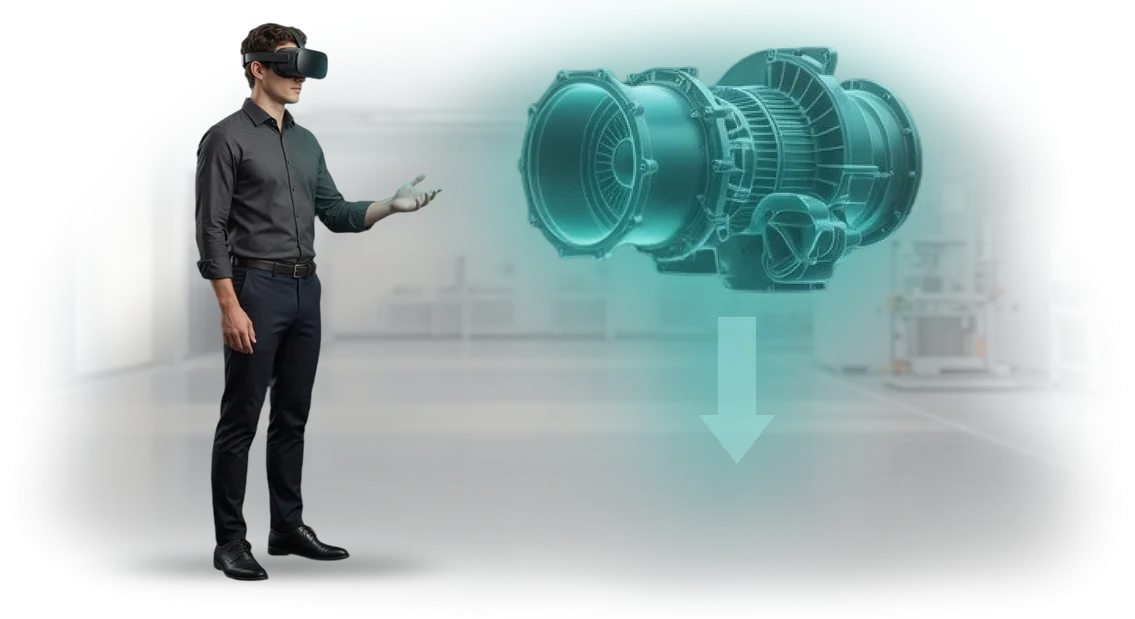
הפתרון הוא אימון VR: מאמנים רפואיים מאפשרים לרופא לתרגל אנדוסקופיה בתנאים וירטואליים הקרובים ככל האפשר למציאות.
איש הצוות חוזר על המניפולציות שוב ושוב עד שהתנועה הופכת לבטוחה, והמרפאה מקבלת רמת הכשרה צפויה ללא כל פגיעה במטופלים.
החברה שהצוות שלנו מתכנן פתרונות VR כאלה עבורה לצרכים הספציפיים של מרפאה: מתרגול בסיסי של החדרת אנדוסקופ ועד תרחישים מורכבים עם סיבוכים.
אנו הופכים את אימון האנדוסקופיה מפורמט "ללמוד מטעויות" לפורמט "לתרגל את המיומנות מראש".
רופאים צוברים ניסיון לפני הפרוצדורה האמיתית הראשונה שלהם, פועלים בביטחון רב יותר במקרים קשים, והמרפאה רואה פחות סיבוכים ורמת איכות גבוהה יותר. זו התשובה לבעיה המרכזית של אימון אנדוסקופי—חוסר תרגול.
מה מאמן VR למיומנויות רפואיות נותן למרפאה
מאמן VR לאנדוסקופיה אינו תחליף למטופלים אמיתיים, אלא סביבה מבוקרת שבה רופא לומד לפעול בביטחון וללא סיכון. המרפאה מקבלת כלי שמתייחס לשלוש מטרות: בטיחות המטופל, צמיחת מיומנויות ותקציב הכשרה צפוי.
| המטרה של המרפאה | יכולת מאמן ה-VR | תוצאה |
|---|---|---|
| הפחתת סיכונים בשלבים המוקדמים | תרגול על מטופלים וירטואליים | טעויות נשארות במאמן, לא בפרקטיקה |
| שיפור המיומנות של הצוות | תרחישים מבדיקה ועד ביופסיה | רמת הכשרת רופאים עקבית |
| חיסכון בהכשרה | ללא חומרים מתכלים או מכשירים | כל שעת אימון עולה פחות |
הפחתת סיכונים למטופלים
אנדוסקופיסט יכול לחזור על תרחיש מורכב עשרות פעמים עד שהתנועות הופכות לאוטומטיות. בפרקטיקה האמיתית, ניסיון כזה הוא יקר—גם במובן המילולי וגם במובן הפיגורטיבי. מאמן VR מסיר את עלות הטעות תוך שמירה על עומס עבודה ריאלי.
סטנדרטיזציה של הכשרת רופאים
כל אנשי הצוות עוברים את אותם מקרים קליניים. ראש המחלקה רואה תמונה אובייקטיבית: מי מוכן לעבודה עצמאית ומי זקוק לתרגול נוסף. זה ממשמע את התהליך ומפשט את בקרת האיכות.
חיסכון בחומרים מתכלים
אימון אנדוסקופיה מסורתי דורש מכשירים יקרים וחומרים חד-פעמיים. מאמן מאפשר תרגול ללא הגדלת התקציב, במיוחד כשמכשירים קבוצה שלמה של רופאים.
פורמטי אימון VR לאנדוסקופיה המותאמים לצרכי המרפאה
כל מרפאה מבצעת אנדוסקופיה לפי הפרוטוקולים שלה—עם מכשירים, שלבים וסטנדרטים איכות משלה. קורסים מוכנים מראש מתעלמים מהניואנסים האלה: רופאים לומדים או יותר מדי או דברים לא נכונים.
לכן אנו בונים אימון VR סביב המטרות של המרפאה—מתרגול תנועות בסיסי ועד שכפול מלא של נהלים פנימיים.
אנו מציעים שלושה פורמטים כדי להתאים לצרכי המרפאה. כל אחד מהם אומת בפרויקטים אמיתיים ומגיע עם מדריך למאמן.
| פורמט | למי | מה זה נותן ללקוח |
|---|---|---|
| מאמן VR בסיסי | מתמחים ורופאים ללא ניסיון | תרגול מיומנויות בסיסיות ללא סיכון למטופלים, כניסה מהירה לפרקטיקה. |
| סימולטור מתקדם עם תרחישים נוספים | מומחים מנוסים | אימון על מקרים נדירים ומורכבים, ביטחון במצבים לא סטנדרטיים. |
| פיתוח מותאם אישית על בסיס פרוטוקולי המרפאה | מרפאות עם סטנדרטים משלהן | המאמן משכפל את האלגוריתמים שלכם—סטנדרט ביצוע אחיד לכל הצוות. |
הפורמטים הבסיסיים והמתקדמים הם פתרונות מוכנים שאנו מתאימים לציוד וללוח הזמנים של המרפאה. פיתוח מותאם אישית הוא עותק דיגיטלי של התהליך שלכם: מקבלת מטופל ועד דיווח תוצאות.
כל תרחיש נוצר בשיתוף אנדוסקופיסטים פעילים, כך ששגיאות ותחושות מישוש ב-VR תואמות לפרקטיקה האמיתית.
האימון אינו דורש הכנה מיוחדת—פשוט שימו את המשקפת ועקבו אחר ההנחיות. אנו נעזור לכם לבחור את האפשרות הנכונה, נציג תרחישים לדוגמה ונחשב לוחות זמנים עבור לוח הזמנים שלכם. השאירו פנייה—נשיב תוך יום עסקים אחד.
כיצד אנו משיקים אימון VR תוך 4 שבועות
יישום אימון VR לאנדוסקופיה אינו דורש הכנה ממושכת או שיבוש של לוחות עבודה. מבננו את התהליך כך שתוך 4 שבועות הצוות שלכם יתאמן בסביבה וירטואלית ריאלית ותראו תוצאות ראשונות. להלן השלבים שאנו עוברים איתכם.
-
בריף והתעמקות במשימה. אנו אוספים דרישות: רמת המיומנות של המומחים שלכם, תרחישי אנדוסקופיה טיפוסיים והטעויות שברצונכם לטפל בהן. אנו מגדירים מטרות למידה וקריטריוני הצלחה.
-
אישור תוכנית ותרחיש. אנו מתכננים את מבנה המאמן: מספר מודולים, מורכבות המשימות והמכניקה להערכת פעולות. אנו מציגים לכם את התרחיש, ואתם מבצעים עריכות לפני תחילת הפיתוח—זה חוסך זמן וכסף.
-
פיתוח מאמן ה-VR. אנו יוצרים סביבת תלת-ממד ריאלית, מכשירים אינטראקטיביים ומערכת רמזים. כבר בשלב זה אתם מקבלים גרסאות ביניים כדי לראות התקדמות ולכוונן פרטים.
-
השקה פיילוט עם קבוצת ניסוי. הצוות שלכם משלים את מחזור האימון המלא. אנו רואים כיצד החומר נקלט, היכן מתעוררות קשיים, ואוספים משוב.
-
שיפור וכוונון סופי. אנו מבצעים שינויים על סמך תוצאות הפיילוט: מבהירים הוראות, מאזנים קושי ומוסיפים תרחישים נחוצים. אתם מקבלים את הגרסה הסופית, מוכנה לשימוש שוטף.
-
השקה ותמיכה. אנו פורסים את המאמן על הציוד שלכם ומכשירים מנהלים. לאחר ההשקה, אנו נשארים בקשר: מעדכנים תוכן ומוסיפים מודולים חדשים ככל שתוכניות ההכשרה שלכם מתפתחות.
הודות לרצף זה, אתם תמיד יודעים היכן עומד הפרויקט ומה יקרה בהמשך. השבועיים הראשונים מוקדשים לאישור ופיתוח, השניים הבאים לפיילוט וכוונון סופי.
כתוצאה מכך, אתם מקבלים כלי עבודה שמחזיר את ההשקעה במהירות על ידי הפחתת העומס על המנטורים ושיפור איכות הכשרת המומחים.
מה כלול במסירת מאמן ה-VR
מסירת מאמן ה-VR אינה רק קובץ תוכנה, אלא תהליך עבודה מלא עבור תוכנית ההכשרה שלכם. אנו מרכיבים חבילה שמאפשרת לכם להתחיל באימון מיד לאחר הגדרת הציוד, מבלי להסיח את הדעת לפרטים טכניים.
- מאמן VR מוכן הבנוי סביב המתודולוגיה שלכם. התוכנה מוגדרת לתרחישי תרגול מיומנויות ספציפיים—הצוות שם את המשקפת ומיד מתחיל באימון, ללא הגדרה או התאמה ממושכת.
- חומרי הוראה למדריכים. תרחישי שיעור, רשימות בדיקה וניתוח טעויות טיפוסיות—צוות המדריכים שלכם מקבל תוכנית מוכנה במקום לבזבז שבועות בפיתוח אחת.
- הוראות ציוד. מדריכים פשוטים לצוות ולמנהלים: כיצד להכין את האזור, להפעיל את המערכת, להפעיל מחדש מפגש אימון ולפתור תקלות קלות.
- הכשרת המדריכים שלכם. מפגש מעשי עם המומחה שלנו, שלאחריו הצוות שלכם מנהל באופן עצמאי שיעורים ומנטר התקדמות קבוצתית.
- תמיכה טכנית לכל תקופת השימוש. אנו עונים על שאלות, תומכים בהשקות הראשונות, מעדכנים תוכן ועוזרים לכם להרחיב את תוכנית ההכשרה.
- לוח מנהל עם נתוני ביצועים. אתם רואים מי השלים מודול, כמה זמן נמשך האימון ואילו טעויות מתרחשות בתדירות הגבוהה ביותר—זה הבסיס לשיפור הקורס.
- המלצות לארגון חלל האימון. אנו מייעצים לגבי השטח הדרוש לאזור ה-VR, כיצד לסדר את הציוד וכיצד לשלב את האימון בלוח הזמנים ללא השבתה.
מקרה בוחן: כיצד שיפרנו את דיוק האבחון במרפאה
ברשת המרפאות Medscan, האנדוסקופיה הייתה המחלקה העמוסה ביותר. מטופלים קבעו תורים שבועיים מראש, ורופאים צעירים הורשו לבצע בדיקות עצמאיות רק לאחר התבוננות ממושכת בעמיתים בכירים. בשל חוסר תרגול, מתחילים עבדו לאט, וחלק מהאבחנות דרשו אישור חוזר.
מה עשינו
פיתחנו מאמן VR המשכפל במלואו את עבודת האנדוסקופיסט: מהחדרת המכשיר ועד צילום תמונות וכתיבת מסקנות. רופאים תרגלו את רצף הבדיקה במציאות וירטואלית המדמה מקרים מורכבים אמיתיים—דימומים, ניאופלזמות, דלקות.
במשך שלושה חודשים, 14 רופאים השלימו יותר מ-500 מפגשי אימון. לאחר מכן, הם עברו לעבודה עצמאית.
תוצאות עבור המרפאה
השווינו מדדים ממוצעים לפני ואחרי היישום:
- דיוק האבחון עלה ב-34%;
- זמן הפרוצדורה הממוצע ירד ב-25%;
- מספר הסיבוכים במהלך הבדיקות העצמאיות הראשונות ירד בחצי;
- רשימת ההמתנה לאנדוסקופיה התקצרה משבועיים לשלושה ימים.
הרופא הראשי של המרפאה ציין שהמאמן אפשר לסטנדרטיזציה של ההכשרה: "הפסקנו להסתמך על זרימה אקראית של מטופלים וקיבלנו תוצאה צפויה מכל רופא." לאחר פרויקט הפיילוט, המרפאה הזמינה הרחבה של התוכנית לכל מחלקת האנדוסקופיה.
מקרה זה מראה: אימון VR אינו מחליף פרקטיקה חיה—הוא מכין רופאים אליה כך שהיא תהיה מהירה יותר ובטוחה יותר עבור המטופל.
כיצד לבחור פורמט אימון לצרכי המרפאה שלכם?
אין פורמט אחד שמתאים לכל המרפאות. הבחירה תלויה בשלושה גורמים: רמת הרופאים, מטרת ההכשרה והתקציב. חשוב לקבוע מראש מה בדיוק המרפאה צריכה כדי לא לשלם יותר מדי עבור אפשרויות מיותרות.
למתמחים ולמומחים מתחילים, טבילה מלאה ב-VR היא אופטימלית: הם יכולים לתרגל שוב ושוב תמרוני אנדוסקופ ללא סיכון למטופל.
רופאים עם ניסיון זקוקים לעיתים קרובות יותר לתרחישים נדירים ומקרים מורכבים—מודולי AR קצרים ומקרים אינטראקטיביים המשולבים בתהליך העבודה מטפלים בכך היטב.
מטרת ההכשרה קובעת את ההיקף. ביסוס מיומנות בסיסית דורש קורס מלא עם שלבים ובקרת התקדמות. עדכון ידע או תרגול טכניקה ספציפית—מודול של 20–30 דקות.
אם נדרשת הערכת כשירות אובייקטיבית, אנו מוסיפים אנליטיקה: המערכת מראה אילו פעולות רופא מבצע בביטחון ואילו יש לשפר.
תקציב ותשתית משפיעים גם הם על הבחירה. אפשר להתחיל עם קבוצת פיילוט ותחנת VR אחת, ואז להתרחב. ציוד מודרני מסתגל לתשתית הקיימת של המרפאה, כך שרף הכניסה נמוך.
אנו בוחרים את הפורמט באופן אישי: אנו מנתחים את רמת הרופאים, המטרות והיכולות הטכניות, ואז מציעים פתרון—מאמן עצמאי, מודול AR או שילוב של שניהם. כך אתם מקבלים תוצאה צפויה ומשתמשים בתקציב שלכם בתועלת מרבית.
שאלות נפוצות על יישום אימון VR
יישום אימון VR לאנדוסקופיה הוא צעד משמעותי, ולכן מנהלי מרפאות, מנהלי מרכזי הכשרה ואנשי משאבי אנוש שואלים שאלות באופן טבעי.
אספנו תשובות להתנגדויות הנפוצות ביותר כדי שתוכלו לראות את התמונה האמיתית של היישום ולקבל החלטה ללא אי-ודאות.
האם יהיה קשה לרופאים ללמוד את מאמן ה-VR?
תוכניות VR מודרניות מתוכננות סביב תרחישי מניפולציה אנדוסקופית אמיתיים, כך שהממשק אינטואיטיבי. רופא שם את המשקפת ותוך דקות ספורות כבר עובד בחדר בדיקה וירטואלי.
אנו תומכים במפגשים הראשונים ומספקים הוראה קצרה—רוב המומחים משלימים תרגילים בביטחון כבר לאחר השיעור הראשון.
כמה זמן נמשך היישום, והאם הוא מסיח את דעת הצוות?
אנו מטפלים בכל התהליך: מניתוח המשימה שלכם ועד ההשקה והכשרת מנהלים. פרויקט טיפוסי אורך בין שבועיים לארבעה שבועות, ורופאים מתאמנים במפגשים קצרים שקל לשלב בלוח העבודה.
ללא סמינרים ארוכים—רק תרגול מעשי על המאמן, כשההוראות נשארות במערכת לעיון.
כמה זה עולה, ומתי זה מחזיר את ההשקעה?
העלות מחושבת לאחר ביקורת ותלויה במספר התרחישים ובפורמט המסירה—אפשר להתחיל עם מודול פיילוט ולהתרחב ככל שתגדלו. אימון VR מחזיר את ההשקעה על ידי הפחתת שימוש בחומרים מתכלים, הורדת העומס על המנטורים והפחתת טעויות של מתאמנים. אתם מקבלים כלי שעובד שנים וקל לעדכן.
איזה ציוד נדרש, ומי מתקין אותו?
כל מה שצריך הוא משקפות מודרניות ומחשבים ברמה בינונית—אנו עוזרים לכם לבחור תצורה לתקציב ולמשימות שלכם. אנו מטפלים בכל ההגדרות, הכיול והאינטגרציה עם תוכנית ההכשרה.
המומחים שלנו עובדים מרחוק ומבצעים את ההפעלה מרחוק, כך שאינכם צריכים לשכור טכנאי נפרד.
מה קורה לאחר ההשקה? האם יש תמיכה?
אנו לא נעלמים לאחר מסירת הפרויקט. אנו מספקים אחריות על המערכת, מכשירים את המנהלים שלכם ומעדכנים תוכן ומוסיפים תרחישים חדשים בעת הצורך. אם לאנשי צוות יש שאלות, צוות התמיכה שלנו מגיב במהירות—אתם יכולים לסמוך על עזרה בכל עת.
הזמינו הדגמה של מאמן ה-VR למרפאה שלכם
ההדגמה היא הזדמנות לראות את המאמן בפעולה וליישם אותו למשימות המרפאה שלכם. תראו כיצד רופאים מתרגלים מיומנויות אנדוסקופיה בתרחישים ריאליסטיים, ללא סיכון למטופלים וללא לחץ לצוות.
במהלך הפגישה, נציג את מודולי ההכשרה המרכזיים, נסביר כיצד לשלב אימון VR בתוכנית פיתוח המומחים הנוכחית שלכם ונענה על שאלות מהמתודולוגים שלכם.
הכי חשוב—תקבלו תוכנית יישום קונקרטית וחישוב עבור המצב שלכם, לא מצגת מופשטת.
מה ההדגמה תיתן לכם:
- ראיית תרחישי מאמן—ממיומנויות בסיסיות ועד מקרים קליניים נדירים.
- הבנה כיצד VR מקצר את זמן התרגול ומגביר את ביטחון הרופא.
- הערכת נוחות המדריך: מעקב אחר התקדמות וטעויות של כל מתאמן.
- דיון כיצד להתאים את המאמן לפרוטוקולים ולציוד שלכם.
- קבלת תוכנית השקת פיילוט ראשונית והערכת לוח זמנים סוהר.
- פגישה עם הצוות שלנו—אנו עובדים עם מרכזי הכשרה רפואיים ומכירים את הפרטים של התעשייה.
השאירו פנייה—נציע זמן הדגמה בתשובה ונכין חומרים עבור המרפאה שלכם. נראה כיצד מאמן VR הופך לכלי הכשרה עובד, לא רק לניסוי.