

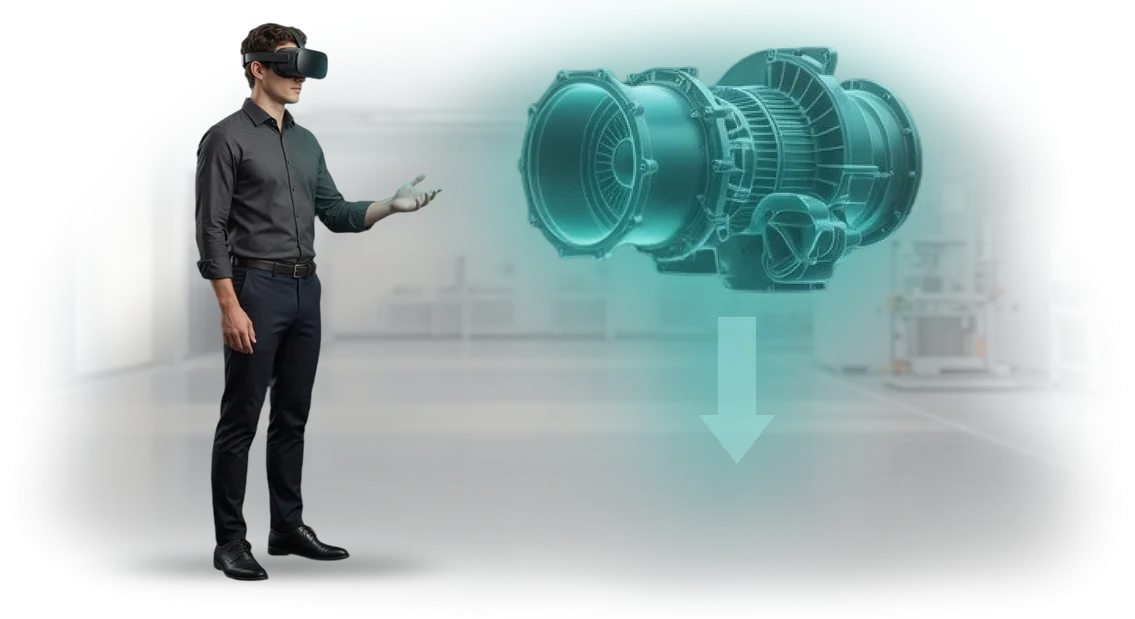
סימולטורי VR לגסטרואנטרולוגיה: כיצד להפחית את הסיכונים לטעויות רופא?
טעויות רופא בגסטרואנטרולוגיה הן אחד הנושאים הרגישים ביותר עבור מרפאה.
מומחה צעיר עלול לפספס סימנים מוקדמים של פתולוגיה, לפרש לא נכון נתוני אנדוסקופיה, או לעכב החלטה — וזה משפיע ישירות על בריאות המטופל, על המוניטין של המחלקה ועל הביצועים הפיננסיים של המוסד הרפואי.
הכשרה מסורתית לא עוזרת כאן: מטופלים אמיתיים לא יכולים לחכות בזמן שהמתמחה צובר ניסיון, ומדריכים פיזית לא יכולים לפקח על כל צעד. כתוצאה מכך, מרפאות מאבדות מטופלים שהולכים למקום שבו הם יכולים להיות בטוחים בכל אבחנה.
סימולטור VR לגסטרואנטרולוגיה סוגר את הפער הזה. הרופא נכנס לסביבה וירטואלית מציאותית: בודק מטופל וירטואלי, רואה נתוני היסטוריה רפואית, מדדי אבחון אינסטרומנטליים, ולומד לקבל החלטות בתנאים קרובים לפרקטיקה האמיתית.
הכשרה כזו בטוחה — טעות לא תזיק לאדם חי, אבל תיזכר טוב יותר מכל הרצאה.
אפשר לחזור על תרחישים עשרות פעמים, ולתרגל מקרים נדירים שמתרחשים פעם בשנה בפרקטיקה רגילה.
ראש המחלקה רואה סטטיסטיקה אובייקטיבית: כמה ניסיונות נדרשו, אילו טעויות חוזרות, היכן הרופא כבר בטוח בעצמו, והיכן עדיין נדרשת תמיכה. זה מאפשר פיתוח מיומנויות ממוקד במקום ללמד את כולם באותה צורה.
עבור המרפאה, התוצאה מדידה: מעבר מהיר יותר של רופא צעיר לקבלת מטופלים עצמאית, פחות סיבוכים וביקורים חוזרים, ואמון גבוה יותר של המטופלים.
אנחנו מתכננים סימולטורי VR לפי המטרות של המחלקה שלך: מתרחישי אבחון ועד תרגול מקרים קליניים מורכבים, כולל אינטגרציה עם תוכנית ההכשרה ותמיכה לאחר ההשקה.
מדוע הכשרת VR משפרת את דיוק הרופא וחוסכת בתקציב המרפאה
הדיוק האבחוני גדל באמצעות תרגול בטוח
בצוות שלנו, הקורסים בנויים על מקרים קליניים אמיתיים בגסטרואנטרולוגיה. רופא יכול לבצע בדיקה וירטואלית עשרות פעמים עד שרצף הפעולות הופך לאוטומטי. טעות ב-VR לא עולה למטופל כלום, אבל מספקת ניסיון שלא יסולא בפז.
לאחר ההכשרה, הרופא מבחין מהר יותר באותות מסוכנים ופחות מפספס פתולוגיות. זה מקצר את זמן האבחון ומפחית את הסיכון לטעות רפואית.
חיסכון בתקציב: ערכה אחת במקום חדר שלם
הכשרה קלאסית עם בובות מלאכותיות וחומרים מתכלים דורשת השקעה מתמדת. סימולטור VR נרכש פעם אחת ומכסה את עלותו באמצעות עשרות מפגשים. ההכשרה מתקיימת בין משמרות, ללא צורך בשכירת מקום או הוצאות נסיעה.
ניתן להרחיב את התוכנית לכל הצוות ללא עמלות נוספות עבור כל עובד חדש. זה חשוב במיוחד עבור מרפאות עם תקציב מוגבל לפיתוח מקצועי.
ביטחון הצוות — רופאים רגועים ומטופלים מרוצים
סימולציה של מקרים מורכבים מסירה את הפחד מטעויות ומגבירה את המוכנות למצבים אמיתיים. הרופא מבצע פעולות רפואיות בביטחון, מוסח פחות, וחווה פחות שחיקה.
זה משפיע ישירות על אווירת הצוות ועל נאמנות המטופלים, שכן מטופלים חשים במקצועיות מהדקה הראשונה של התור. בסופו של דבר, המרפאה מקבלת צוות שפועל בדיוק ולא מפחד ממקרים מורכבים.
פורמטי הכשרת VR לגסטרואנטרולוגיה: בחרו מה שמתאים למשימה שלכם
מספר פורמטי הכשרת VR/AR עובדים בהצלחה שווה בגסטרואנטרולוגיה — הם נותנים מענה למטרות שונות: מתרגול ראשוני של מיומנויות ידניות ועד ניטור פרוטוקול הבדיקה.
הבחירה תלויה בתוצאות שאתם מצפים להן: הכשרה מהירה יותר למתחילים, סטנדרטיזציה של פעולות רופאים מנוסים, או הפחתת טעויות במקרים קליניים נדירים.
להלן ארבעה פורמטים שאנו מיישמים במרפאות ובמרכזי הכשרה. כולם רצים על ציוד מקצועי, אבל הכי חשוב — עבור כל פורמט אנחנו מתכננים תרחיש ספציפי סביב המתודולוגיה שלכם, ולא פשוט "שמים רופא במשקפת".
| פורמט | למי מיועד | מה זה נותן ללקוח |
|---|---|---|
| סימולטור אנדוסקופיה מלא ב-VR | מנתחים, אנדוסקופיסטים, מתמחים | תרגול החדרה, תמרון וביופסיה ללא סיכון למטופל. עד 30% מעבר מהיר יותר לפרוצדורות עצמאיות |
| רמזי AR על בובה מלאכותית או מכשיר | אלה שמתאמנים על סימולטורים חיים, מדריכים | הרופא רואה את אזור הבדיקה ורמזים ישירות בשדה הראייה שלו — מפחית את מספר הטעויות ומאיץ את המשוב מהמדריך |
| סימולטור VR נייד | רופאים במחלקות מרוחקות, רשתות מרפאות גדולות | אותו תקן הכשרה בכל הסניפים, ללא הפרעה לעבודה או הוצאות נסיעה |
| מודלים אנטומיים אינטראקטיביים בתלת-ממד | סטודנטים, צוות רפואי זוטר, מטופלים | לימוד ויזואלי של איברים ופתולוגיות. עובד מצוין גם כחלק מהרצאה וגם להסברה למטופלים לפני פרוצדורה |
על ידי שילוב פורמטים, נבנה מסלול הכשרה מלא: מתיאוריה על מודלים תלת-ממדיים ועד מניפולציות מורכבות על סימולטור אנדוסקופיה.
במקביל, כל פורמט משתלב בקלות בתוכנית הנוכחית שלכם — אנחנו מתאימים את התרחישים לפרוטוקולים הקליניים שלכם במקום לכפות עליכם להתאמן מחדש לפי תקן של מישהו אחר.
אם אינכם בטוחים איזה פורמט מתאים למשימה שלכם, נבחן את תרחישי ההכשרה שלכם בייעוץ חינמי ונציע את השילוב האופטימלי. השאירו פנייה, ונשלח לכם דוגמאות של יישומים במרפאות מהתחום שלכם.
איך עובד פיתוח סימולטור VR: 7 שלבים עם המעורבות שלכם
תהליך פיתוח שקוף הוא הזדמנות לשלוט בתוצאה ובתקציב, במקום להסתמך על "קופסה שחורה". מבננו את העבודה כך שאתם משתתפים בכל שלב: מקבלים החלטות מפתח, רואים גרסאות ביניים, ומבינים מה קורה עם הפרויקט.
הצוות שלנו עבר עשרות יישומי הכשרה ארגוניים, כך שכל שלב מלוטש וברור ללקוח. להלן 7 שלבים שעובר סימולטור ה-VR שלכם, מהבריף הראשון ועד ההשקה בתהליך ההכשרה.
-
בריף ומטרות הכשרה. בהתחלה, אנחנו נפגשים ומנתחים את המשימה שלכם: אילו מיומנויות אנחנו מאמנים, לאיזה קהל, ואיזו תוצאה אתם רוצים להשיג. אנחנו מתעדים קריטריוני הצלחה — למשל, מהירות ביצוע פעולות או מספר טעויות לאחר ההכשרה.
-
תרחיש ומתודולוגיה. יחד עם המומחים שלכם — רופאים או מתודולוגים — אנחנו מפתחים את תרחיש הסימולטור. אנחנו מגדירים מקרים קליניים, רצפי פעולות ותגובות לטעויות. בשלב זה, אתם מאשרים את הלוגיקה ההכשרתית.
-
אב-טיפוס והצגה ראשונה. אנחנו יוצרים גרסת טיוטה של האינטראקטיב: פעולות בסיסיות, ממשק, לוגיקה. אתם רואים איך תיראה ההכשרה ומבצעים תיקונים לפני שמשקיעים משאבים משמעותיים בגרפיקה סופית.
-
עיצוב ותוכן ויזואלי. אנחנו מפתחים סביבה מציאותית, מודלים של מכשירים ומבנים אנטומיים. בשלב זה, אנחנו גם מכינים רמזים קוליים וטקסטים. אתם מקבלים תמונות מפורטות ומאשרים את הסגנון הוויזואלי.
-
הרכבה ובדיקות פנימיות. אנחנו בונים סימולטור מלא ובודקים את כל התרחישים לתקינות ונוחות שימוש. אנחנו בודקים אותו על קבוצת מיקוד של העובדים שלכם כדי לוודא שההכשרה ברורה ומספקת את המיומנות הנדרשת.
-
אישור ותיקונים סופיים. אתם מקבלים את הגרסה המוגמרת, ואנחנו עוברים יחד על כל תרחישי ההכשרה. אנחנו מבצעים את השינויים הסופיים, מאשרים את גרסת ההשקה ומסכמים על תאריך ההשקה.
-
השקה ותמיכה. אנחנו מתקינים את הסימולטור על המכשירים שלכם ומכשירים מנהלים ומדריכים. לאחר ההשקה, אנחנו נשארים בקשר: מעדכנים תרחישים, מוסיפים מקרים חדשים ומספקים תמיכה טכנית למערכת.
כל התהליך אורך בין כמה שבועות לכמה חודשים — התזמון תלוי במורכבות התרחישים ובכמות התוכן. אתם תמיד יודעים מה קורה בכל שלב ומחליטים לעבור לשלב הבא רק לאחר אישור.
מה אתם מקבלים בחבילה: אספקה להשקת הכשרה תוך שבועיים
בהזמנת סימולטור VR לגסטרואנטרולוגיה, אתם מקבלים לא רק תוכנה, אלא מערכת הכשרה שלמה. כל החומרים מותאמים למשימות שלכם ולדרישות התאימות הפנימיות, כך שההשקה אורכת שבועיים — ללא אישורים ארוכים או גימורים.
החבילה כוללת:
- תרחיש מודול הכשרה מוכן למרפאה או למרכז ההכשרה שלכם. הוא מתאר כל פעולת עובד בסביבה הווירטואלית ואת הקריטריונים שלפיהם מוערכות התוצאות.
- חומרים מתודולוגיים למדריך: מערך שיעור, מדריך לניתוח טעויות, תבניות משוב.
- הוראות למנהל המערכת — כיצד להוסיף עובד במהירות, להתחיל מפגש ולייצא דוח ביצועים.
- חומרים לאינטגרציה עם מערכת ההכשרה הפנימית שלכם: ייבוא תוצאות ליומן אלקטרוני או לפלטפורמה ארגונית.
- מדריך משתמש לציוד VR: הגדרת משקפת, בקרות בתוך התרחיש, פתרון בעיות נפוצות.
- גישה לעדכונים ולתמיכה טכנית לכל תקופת השימוש.
- רשימת בדיקה למוכנות: צעד אחר צעד, מה צריך לעשות כדי להתחיל הכשרה תוך 14 יום.
כל רכיב בחבילה כתוב בשפה ברורה ונבדק בפרויקטים רפואיים אמיתיים. אתם מקבלים כלי עבודה שמשמש מיד להכשרת רופאים אנדוסקופיסטים, אחיות ומומחים אחרים. אין חומרי גלם ואין "תסיימו לבד" — רק מה שצריך להשקה.
אנחנו מספקים הכל בצורה אלקטרונית ופותחים גישה לחומרים מיד לאחר התשלום. אם אתם צריכים עזרה בהתחלה, המתודולוגית שלנו תערוך סמינר מקוון קצר לצוות שלכם ותעזור לבנות את המפגשים הראשונים.
מקרה בוחן: כיצד מחלקת גסטרואנטרולוגיה האיצה את הכשרת הרופאים ב-30%
הכשרת אנדוסקופיסטים בגסטרואנטרולוגיה היא תהליך ארוך ויקר. תרגול מיומנויות על מטופלים אמיתיים נושא סיכון לסיבוכים, והדרכה אישית גוזלת זמן מרופאים מנוסים.
מרפאות מחפשות דרכים להאיץ את הכשרת המומחים מבלי לאבד איכות, וזה בדיוק המקום שבו הכשרת VR עוזרת.
פיתחנו סימולטור VR עבור מרפאת גסטרואנטרולוגיה. יחד עם הרופא הראשי, בחרנו תרחישים קליניים מורכבים שגורמים לרוב לקשיים אצל אנדוסקופיסטים מתחילים.
הרופאים קיבלו הזדמנות לתרגל פעולות שוב ושוב בסביבה וירטואלית קרובה ככל האפשר למציאות — ללא סיכון למטופל וללא תלות בלוחות הזמנים של המדריכים.
מה השתנה עבור המרפאה
חודשיים לאחר היישום, המרפאה רשמה הפחתה של 30% בזמן הדרוש להכשרת מומחים חדשים. הרופאים עברו לפרוצדורות עצמאיות מהר יותר, ומספר הטעויות בשלב הראשוני ירד באופן ניכר.
מחלקת האנדוסקופיה הגדילה את התפוקה שלה, ורופאים מנוסים קיבלו יותר זמן למקרים מורכבים במקום ללוות כל הזמן מתחילים.
התוצאה המדוברת ביותר — הרחבת הפרויקט. לאחר השלב המוצלח הראשון, המרפאה הזמינה מודולים נוספים לתחומים קשורים.
זה מאשר שהסימולטור VR הפך לא להדגמה חד-פעמית אלא לכלי עבודה שמשתלם בפרקטיקה היומיומית ומגביר את ביטחון הרופאים בעבודה עם מטופלים אמיתיים.
מה אם תרחיש ההכשרה שלכם לא סטנדרטי? אנחנו מתאימים אותו עבורכם
לעתים קרובות לפני הזמנה, לקוחות שואלים: מה אם תרחיש ההכשרה שלנו לא סטנדרטי? נניח שיש לכם פרוטוקול מיוחד לניהול מטופלים, טכניקת אנדוסקופיה נדירה, או משימה לתרגל פעולות במהלך סיבוכים.
פתרונות מוכנים לא תמיד מכסים את זה, ולכן אנחנו בונים מראש התאמה למציאות שלכם — זה חלק מהעבודה הסטנדרטית שלנו עם לקוחות.
הגישה האישית מתחילה בניתוח המשימה. אנחנו בוחנים את הפרוטוקולים שלכם, חומרי ההכשרה והמקרים הקליניים, ואז בונים את התרחיש סביב הלוגיקה של העבודה שלכם.
זה חשוב במיוחד בגסטרואנטרולוגיה: לכל מחלקה יש מאפיינים משלה, ציוד ופרופיל מטופלים משלה, וסימולטורים סטנדרטיים rarely מתחשבים בהם.
לכן, תרחיש לא סטנדרטי הוא משימה שגרתית עבורנו. אנחנו יכולים לדמות סיבוכים נדירים במהלך קולונוסקופיה, סדר חריג של שלבי פרוצדורה, או מקרים המבוססים על ההיסטוריות הרפואיות שלכם.
אתם מאשרים את הלוגיקה, הפרטים ורמת המורכבות, ואנחנו מיישמים אותה בסימולטור שמובן לכל עובד.
כתוצאה מכך, ההכשרה נותנת מענה למטרות שלכם במקום לסטנדרט מופשט. העובדים מעבירים את המיומנות לפרקטיקה מהר יותר כי הם מתאמנים בתנאים קרובים לעבודה האמיתית שלהם. אנחנו מתאימים את התרחיש עד שהוא נוח לצוות שלכם, ואנחנו מטפלים בצד הטכני.
אם המקרה שלכם נראה לא סטנדרטי — זו סיבה לפנות אלינו. נדון במשימה, נציע התאמה ונראה איך זה ייראה על המסך.
ספקות נפוצים לפני הזמנת הכשרת VR: אנחנו עונים בכנות
בהזמנת הכשרת VR, מנהלים מודאגים: האם הציוד יחזיק מעמד, האם העובדים יתפסו, האם יופיעו הוצאות בלתי צפויות. אלה ספקות נורמליים — במשך השנים שמענו אותם עשרות פעמים. להלן, אנחנו מסבירים בכנות כיצד אנחנו מטפלים בכל סיכון.
מה אם הציוד יתקלקל?
אנחנו משתמשים בציוד מקצועי שנבדק לפני כל פרויקט. המכשירים מכוסים באחריות, ובמקרה של תקלה, אנחנו מחליפים או מתקנים במהירות את הציוד מבלי לעצור את ההכשרה. התמיכה כלולה בחוזה — אתם לא צריכים לחשוב על זה.
האם העובדים לא יתבלבלו עם VR?
התוכנה מתוכננת כך שהמשתמש מרכיב את המשקפת ומיד רואה רמזים בכל שלב. לפני ההתחלה, מומחה מתדרך את הקבוצה בקצרה, ושאר הדברים מוסברים על ידי הסימולטור עצמו. אפילו עובדים ללא ניסיון ב-VR מתחילים לבצע פעולות בביטחון תוך הדקות הראשונות.
האם יהיו עמלות נסתרות לאחר ההשקה?
ההערכה קבועה לפני תחילת העבודה ואינה משתנה במהלך התהליך. תוכן, תמיכה טכנית ותחזוקת מכשירים כלולים במחיר לכל תקופת החוזה. לא תצטרכו לרכוש שום דבר נוסף — אתם רואים את העלות הסופית מראש.
האם היישום ייקח הרבה זמן?
אנחנו מתאימים תרחישי גסטרואנטרולוגיה סטנדרטיים לפרטים הספציפיים שלכם תוך כמה שבועות. ההכשרה מתקיימת בזמן נוח ואינה דורשת עצירת המחלקה. התחלה מהירה, מאמץ ארגוני מינימלי — והעובדים שלכם מתחילים הכשרה כבר בחודש הבא.
יישמנו תוכניות VR עבור מרפאות, אוניברסיטאות רפואיות וחברות תרופות, וכל פרויקט התחיל עם אותן שאלות. בקשו מקרי בוחן בגסטרואנטרולוגיה — נראה את התוצאות ונסביר כיצד אנחנו מטפלים בסיכונים עוד לפני ההשקה.רוצים לדון בסימולטור VR למחלקת הגסטרואנטרולוגיה שלכם? השאירו פנייה
סימולטור VR לגסטרואנטרולוגיה הוא כלי הכשרה מעשי המאפשר לרופאים ולאחיות לתרגל פרוצדורות מורכבות בסביבה וירטואלית בטוחה.
בניגוד לסימולציות קלאסיות, העובד מקבל משוב מיידי ויכול לחזור על התרחיש כמה פעמים שצריך כדי לבנות מיומנות בטוחה. מטופלים לא מעורבים בתהליך ההכשרה, מה שמבטל טעויות במהלך תורים אמיתיים.
הסימולטור משתלב בקלות במערכת ההכשרה של המרפאה: אתם קובעים תרחישי בדיקה משלכם, פירוש תמונות והכנה לאנדוסקופיה, ומקבלים תקן איכות אחיד לכל הצוות.
זה מקצר את זמן הקליטה של עובדים חדשים ומפחית את התלות במדריכים בודדים. כדי להבין איך פורמט כזה יכול להיות מיושם במרפאה שלכם, התחילו בייעוץ חינמי. השאירו פנייה — נראה דוגמאות, ננתח את המשימות שלכם ונכין הצעה מסחרית.
לאחר הפנייה שלכם, תקבלו:
- ניתוח מקדים של תוכנית ההכשרה הנוכחית שלכם ורשימת תרחישים שהכי כדאי להעביר ל-VR.
- הדגמה של הפתרונות שלנו לגסטרואנטרולוגיה ודוגמאות מהפרקטיקה האמיתית.
- המלצות לשילוב הסימולטור בהכשרה השוטפת של הצוות.
- הערכת לוחות זמנים ותקציב לפיתוח, השקה ותמיכה טכנית.
- תוכנית פיילוט מוכנה ליישום עם קריטריוני הערכת יעילות עבור הצוות שלכם.
השאירו פנייה לייעוץ — זה לא מחייב. נדון במטרות של מחלקת הגסטרואנטרולוגיה שלכם ונציע פתרון שמתאים לתהליכים ולתקציב הקיימים שלכם. מלאו את הטופס בעמוד — נחזור אליכם תוך יום עסקים אחד.