

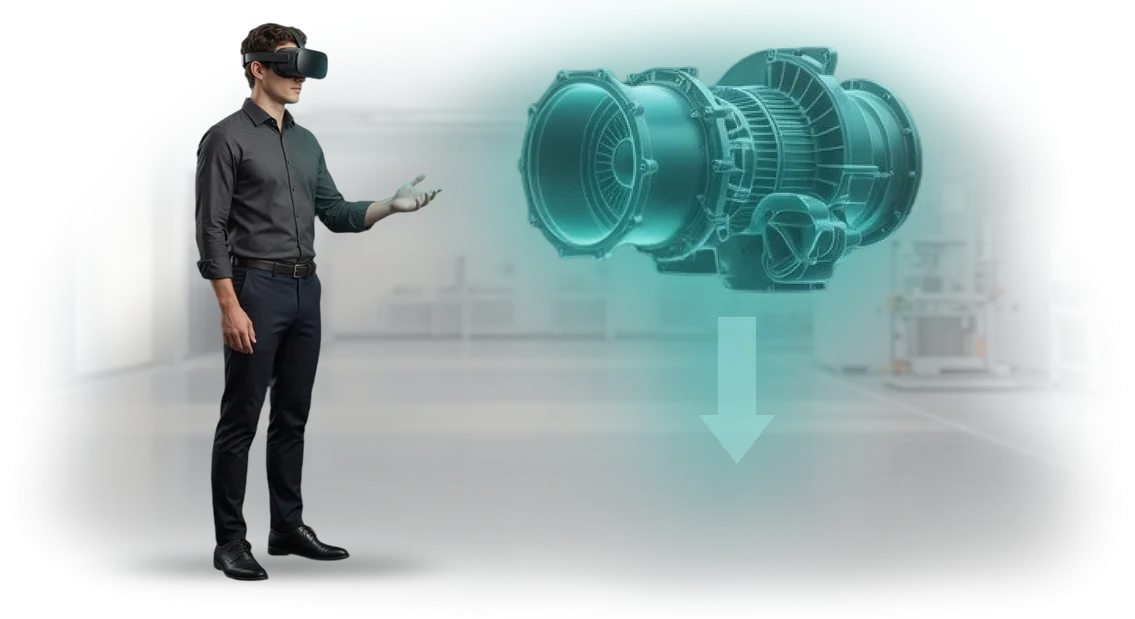
טעויות בניתוח עולות ביוקר — אימון VR מפחית סיכונים
טעויות בניתוח יקרות עבור כולם: המטופל משלם בבריאותו, המרפאה במוניטין ובכספים, והמנתח בביטחון ובקריירה.
אפילו מנתח מנוסה יכול ללכת לאיבוד במצב לא שגרתי: סיבוך נדיר, אנטומיה בלתי צפויה, החלטה דחופה. רגעים כאלה אי אפשר לתרגל על מטופל אמיתי, ומחיר הטעות הוא חיי אדם וסיכונים פיננסיים עצומים למרפאה.
לפי הסטטיסטיקה, חלק משמעותי מהתקריות מתרחש לא בגלל חוסר ידע אנטומי, אלא בגלל פעולות לא מתורגלות תחת לחץ.
שיטות הכשרה מסורתיות — הרצאות, צפייה בניתוחים, תרגול על בובות — יש להן מגבלות חמורות. הן דורשות זמן רב, ציוד יקר, ואינן מאפשרות ליצור תרחיש מורכב באמת עם מצב משתנה של המטופל.
כתוצאה מכך, מנתחים נתקלים לעיתים קרובות במצבים קריטיים בפעם הראשונה כשהבריאות והחיים על כף המאזניים.
אימון VR משנה את כללי המשחק. בחדר ניתוח וירטואלי אפשר לדמות כל מצב — מניתוח מתוכנן ועד מקרה חירום. הרופא לומד להעריך במהירות את המצב, לקבל החלטות ולבצע פעולות, ולחזור עליהן כמה פעמים שצריך.
כל טעות בסימולטור אינה גורמת להשלכות, אך מספקת ניסיון שלא יסולא בפז. זה מפחית ישירות את מספר הטעויות הרפואיות ואת הסיכונים הניתוחיים, וגם מזרז את פיתוח המיומנויות.
אנחנו — הצוות שלנו — מפתחים סימולטורים כירורגיים ב-VR שמשתלבים במערכות הכשרת רופאים. הלקוחות שלנו מציינים שמוכנות הצוות עולה כבר אחרי הפגישות הראשונות, והמנתחים עצמם מרגישים בטוחים יותר.
עלות פיתוח הסימולטור זניחה בהשוואה להפסדים מטעות חמורה אחת. אנחנו מטפלים בכל המחזור: מניתוח המשימה ועד הטמעה ותמיכה. צרו קשר — נראה לכם כיצד אימון VR מפחית סיכונים במרפאה שלכם.
שלושה יתרונות מרכזיים של סימולטורי VR למרפאה שלכם
בניתוח, מחיר הטעות הוא בריאות המטופל. הכשרה קלאסית דורשת חונך, חומרים מתכלים ומטופל אמיתי. סימולטורי VR מאפשרים לטעות ולתקן את הטכניקה ללא השלכות.
עבור מרפאה, אימון VR מספק שלושה יתרונות: בטיחות המטופל, צמיחה מהירה בכשירות וחיסכון במשאבים.
יתרון 1: בטיחות המטופל
מנתח מתרגל תרחיש מורכב עשרות פעמים לפני שהוא מבצע אותו בחדר הניתוח. דיוק, עומק וזמן תגובה נראים עם מדדים אובייקטיביים. עובד מורשה לבצע ניתוח אמיתי רק לאחר שעבר אימות ללא סיכון למטופל.
יתרון 2: שיפור מהיר בכשירות
אין צורך לחכות לחונך או לחדר ניתוח פנוי — האימון לוקח פחות זמן. הסימולטורים בנויים לפי רמת קושי: המנתח עובר מניתוחים סטנדרטיים לתרחישים נדירים. שיפור שיטתי בכשירות במקום תרגול אקראי.
יתרון 3: חיסכון במשאבי המרפאה
אימון אמיתי פירושו חומרים מתכלים, בלאי ציוד וזמן של מנתחים. סימולטור VR מסיר את ההוצאות האלה: אפשר להריץ תרחיש פעמים רבות ללא עלויות נוספות. מנהל רואה סטטיסטיקות התקדמות ומתכנן אימונים ללא מצבי חירום.
אנחנו מפתחים סימולטורים כירורגיים ב-VR כבר למעלה מ-10 שנים. ספרו לנו על המרפאה שלכם — נציע פתרון מותאם למשימות שלכם.
פורמטים של אימון VR לניתוח: בחרו לפי המשימה שלכם
ניתוח הוא תחום שבו מחיר הטעות גבוה במיוחד וההזדמנויות לתרגל על רקמה חיה מוגבלות. אימון VR אינו מחליף תרגול, אבל הוא נותן למנתחים סביבה בטוחה לתרגול טכניקה, סיבוכים נדירים ואינטראקציה צוותית.
חשוב לבחור את הפורמט שפותר את המשימה הספציפית שלכם: שיפור אישי, תיאום צוותי או אימון קבוע ללא סיכון למטופלים.
ריכזנו את הפורמטים המרכזיים של סימולטורי VR בטבלה כדי שתוכלו להתמצא במהירות. ראו איזו אפשרות קרובה ביותר למרפאה או למרכז ההכשרה שלכם.
| פורמט | מתאים ל | מה הוא נותן ללקוח |
|---|---|---|
| סימולטור VR אישי | מנתחים ומתמחים | תרגול בטוח של שלבים מורכבים בניתוח, הגברת ביטחון ומהירות, הערכה אובייקטיבית של פעולות |
| אימון VR קבוצתי | צוותי ניתוח | סנכרון פעולות ותקשורת, תרגול חלוקת תפקידים, הפחתת סיכון לאי-הבנות |
| סימולציית VR במחזור מלא | מרכזי הכשרה ומרפאות | חזרה קבועה על הפרוטוקול הניתוחי ללא צריכה של חומרים וללא עומס על חדר הניתוח |
| סקירת מקרה אינטראקטיבית | רופאים ממגוון התמחויות | היכרות מהירה עם מקרים נדירים, אימון קבלת החלטות במצבים לא סטנדרטיים |
בחירת הפורמט תלויה במטרה: לשפר את הטכניקה של רופא ספציפי או ללטש את העבודה של כל הצוות.
אנחנו עוזרים לתכנן תרחיש עבור תוכנית ההכשרה שלכם וליישם אותו כך שהתוצאה תורגש בפרקטיקה האמיתית — מביטחון המנתחים ועד להפחתת מספר הטעויות.
כיצד פועלת הטמעת אימון VR: 6 שלבים לתוצאה
הטמעת אימון VR אינה קנייה של "קופסה", אלא תהליך מובנה שבו ברור מה קורה בכל שלב ומתי תופיע התוצאה.
ביצענו עשרות פרויקטים וחידדנו מתודולוגיה שמסירה סיכונים ושאלות מיותרות: אתם תמיד יודעים באיזה שלב נמצא פיתוח סימולטור ה-VR ומה תקבלו בסוף. להלן ששת השלבים שאנחנו עוברים יחד אתכם.
-
בריף וסקירת צרכים. ראשית, אנחנו צוללים לתוך הפרטים שלכם: אילו מיומנויות צריך לתרגל, מי ילמד, ואילו תרחישים מתרחשים בעבודה האמיתית. בשלב זה אנו מתעדים מטרות הכשרה, קריטריוני הצלחה ולוח זמנים לפרויקט.
-
תרחיש מתודולוגי. יחד עם מומחי תוכן — מנתחים פעילים ומדריכים — אנו מתארים מקרים קליניים ואלגוריתמי פעולה. זהו הבסיס של הסימולטור העתידי: כאן מונחים הדיוק הרפואי והתועלת לצוות.
-
אב-טיפוס ומודלים תלת-ממדיים. אנו יוצרים מודל ויזואלי של מרחב העבודה, הכלים והגרפיקה הריאליסטית. אתם רואים איך ייראה האימון ומבצעים תיקונים לפני תחילת הפיתוח המרכזי.
-
פיתוח סימולטור ה-VR. בשלב זה אנו מרכיבים מודולי הכשרה, מגדירים פיזיקת אינטראקציה ומערכת הערכת פעולות. אתם מקבלים גרסאות עבודה באופן אינקרמנטלי — לא "בסוף הפרויקט", אלא כשהן מוכנות.
-
בדיקות קבוצת מיקוד. אנו בודקים תרחישים פנימיים על הצוות שלכם או על קבוצת לימוד. אנו אוספים משוב, משפרים את הממשק ומתאימים את רמת הקושי כך שהאימון יהיה גם נוח וגם אפקטיבי.
-
השקה ותמיכה. אנו מוסרים את הפתרון המוגמר ומכשירים מנהלים ומדריכים לעבודה עם המערכת. אנחנו נשארים בקשר: מעדכנים תוכן, עוזרים בבעיות טכניות ומקבלים בקשות לשיפורים נוספים.
כתוצאה מכך, אתם מקבלים תהליך הטמעה צפוי, לוחות זמנים שקופים וסימולטור שבאמת פותר את הבעיה שלכם — לא "טכנולוגיה לשם הטכנולוגיה".
כל שלב מסתיים בתוצאה ברורה, כך שאתם שולטים בפרויקט ורואים לאן הפיתוח הולך.
מה כלול במסירת סימולטור VR לצוות רפואי
אנחנו מרכיבים עבורכם ערכת אימון VR מוכנה לשימוש מלא — מציוד ועד חומרים מתודולוגיים.
אינכם צריכים לקנות שום דבר נוסף, להגדיר משהו או להבין בפרטים טכניים: המערכת מגיעה, מתחברת ומופעלת, ואנחנו מבצעים את הדרכת הצוות בעצמנו.
המסירה הסטנדרטית כוללת:
- ציוד סימולטור — משקפי VR עצמאיים עם רכיבי חילוף, בקרים ועמדת טעינה. הכל בדרגה מקצועית ומיועד לשימוש יומיומי אינטנסיבי.
- תוכנה עם תרחישים טעונים — סימולציות ניתוחיות אינטראקטיביות המשקפות שלבים אמיתיים של ניתוחים, עם אפשרות לעדכון לפרוטוקולים שלכם.
- עמדת עבודה למנהל — לוח בקרה שבו אפשר להקצות אימונים, לעקוב אחר התקדמות הצוות וליצור דוחות סיום קורס.
- חומרים מתודולוגיים — הוראות למדריכים, מדריך למשתמש, תרחישי שיעור ורשימות הערכת מיומנויות. אפשר לשלב אותם בתוכנית ההכשרה מיד.
- הכשרת המדריכים שלכם — אנו מבצעים הדרכה באתר או מרחוק כדי שתוכלו להכשיר צוות באופן עצמאי ללא מעורבות קבלן.
- תמיכה טכנית ואחריות — תמיכה מרחוק, עדכוני מערכת והחלפת ציוד במקרה של תקלות, ללא השבתה בתהליך ההכשרה.
למעשה, אתם מקבלים מעגל סגור: ציוד, תוכן, ניהול והכשרת מדריכים. זה מאפשר להשיק תוכנית הכשרת סימולציה בתוך השבועות הראשונים ולהרחיב אותה למחלקות או סניפים אחרים.
מקרה בוחן: כיצד האצנו את הכשרת המנתחים פי 3
ההכשרה הרגילה של מנתח היא שנים של תצפית ליד שולחן הניתוחים ותרגול נדיר על פנטומים. כל טעות עולה הרבה, וכמעט אין זמן לתרגול מיומנויות.
מרכז ההכשרה הכירורגי פנה אלינו עם האתגר הזה: היה צורך ללמד מתמחים ניתוחים לפרוסקופיים ללא סיכון למטופלים.
פיתחנו קורס של סימולטורי VR לשלבים המרכזיים של הניתוח. ההטמעה ארכה חודש: התרחישים אושרו עם מנתחים מובילים, נבחרו מסלולי הכשרה אישיים לכל מתמחה, והמדריכים הוכשרו. לאחר חודשיים מדדנו את התוצאות.
ההכשרה הואצה פי שלושה: קורס שתוכנן ל-12 שבועות הושלם ב-4. כל 40 המתמחים השלימו את ההכשרה, וחלקם של המעברים המוצלחים בבחינות המעשיות עלה בשליש.
הטעויות במניפולציות בסיסיות הפכו לפחותות כמעט פי שניים — ב-VR אפשר לחזור על תרגיל עשרות פעמים ללא צריכה של חומרים וללא פגיעה במטופל.
מנהל המרכז העריך זאת כך: "המתמחים הגיעו לחדר הניתוח עם ניסיון של עשרות התערבויות וירטואליות.
הם פועלים ברוגע ובביטחון, והחונכים מקדישים פחות זמן ליסודות ויותר למומחיות." לאחר הפיילוט, המרכז הזמין מודול לניתוח אנדוסקופי והרחיב את התוכנית למחלקות אחרות.
מקרה זה מאשר שאימון VR מספק תוצאות עסקיות מדידות: מעבר מהיר יותר לעבודה עצמאית, עומס מופחת על מדריכים ותרגול בטוח של מצבים מורכבים.
אם אתם מחפשים דרך להאיץ הכשרת מומחים ללא פגיעה באיכות — בואו, נראה לכם הדגמה.
שאלות נפוצות על אימון VR לרפואה
כל מנהל אחראי רוצה לוודא שפורמט ההכשרה החדש בטוח, לא "יהפוך את התהליכים המוכרים" ובאמת ישתלם.
אספנו תשובות לשאלות שנשאלות לרוב לפני קבלת החלטה — ללא פרטים טכניים, רק על פרקטיקה ותוצאות.
איזה ציוד נדרש ומי מתקין אותו?
לא תצטרכו להבין בטכנולוגיה בעצמכם. אנחנו מספקים ערכות מוכנות, מגדירים את כל עמדות העבודה ובודקים אותן לפני ההשקה. הצוות רק צריך להרכיב משקפיים — ההוראות מופיעות מול העיניים, והשליטה מבוססת על תנועות ידיים טבעיות.
עבור מרפאה, זה אומר שינויים מינימליים: אין צורך בשרתים, כבלים או חדרים מיוחדים. כיתת הדרכה רגילה מתאימה אם יש מעט מקום פנוי. כל השאר הוא באחריותנו, כולל תחזוקה שוטפת והחלפת ציוד בעת הצורך.
כיצד סימולטור ה-VR משתלב בהכשרה הקיימת?
הסימולטור אינו מחליף עבודה עם חונך; הוא מחזק אותה. התרחישים בנויים סביב הסטנדרטים והשיטות שלכם — אנו משתמשים בפרוטוקולים הניתוחיים שלכם, במקרים מהפרקטיקה של המרפאה ובטעויות האופייניות שברצונכם לטפל בהן.
המערכת עוקבת אחר פעולות הלומד ומספקת הערכה אובייקטיבית: זמן, מספר שלבים נכונים ותוצאות מניפולציות.
גישה זו משתלבת בקלות בלוח הזמנים הקיים: הסימולטור משמש הן להכשרה ראשונית והן כתרגול חובה לפני ניתוח אמיתי. המדריך מקבל דוח אוטומטית — התהליך שקוף ואינו דורש בקרה ידנית.
מה קורה אם משהו נשבר או צריך לעדכן תרחיש?
אנחנו תומכים בפרויקט גם לאחר ההשקה: מעדכנים תרחישים לשיטות חדשות, מוסיפים מודולים נוספים ופותרים כל בעיה טכנית במהירות. זמן התגובה מוגדר בחוזה, כך שאתם מוגנים מהשבתה בהכשרה.
חשוב גם שהמומחים שלנו מכשירים את המדריכים שלכם לעבודה עם המערכת. אתם לא תלויים בנו בשגרה היומיומית, וכשמרחיבים את התוכנית — פשוט שולחים בקשה חדשה.
גישה זו כבר אפשרה למספר מרכזים כירורגיים להשתמש בסימולטורים במשך שנים ולהוסיף תרגילים חדשים ללא בנייה מחדש של כל המערכת.
אם עדיין יש לכם שאלות — שאלו אותן בייעוץ. נספר לכם איך תיראה ההשקה במוסד שלכם, נראה הדגמה ונעריך את לוח הזמנים שיתאים ללו"ז שלכם.מוכנים לשפר את כשירות המנתחים שלכם? בואו נדון בפרויקט
שיפור כשירות המנתחים אינו פורמליות אלא דרך להפחית סיכונים ולחזק את מוניטין המרפאה. אימון VR מאפשר לתרגל תרחישים נדירים ומורכבים ללא מטופל, אבל התוצאה תלויה במתודולוגיה ובתרחישים מפותחים היטב. אנחנו מלווים את הפרויקט מהרעיון ועד לשימוש יומיומי, כך שהסימולטור באמת עובד למען המטרות שלכם.
לאחר פנייתכם, תקבלו:
- סקירת תוכנית הכשרה — ננתח את המשימות ונקודות הצמיחה שלכם ונבחר תרחישי VR להתמחות שלכם.
- גישת הדגמה למודול הכשרה — תראו את הריאליזם ותבינו אם זה מתאים לצוות שלכם.
- תוכנית הטמעה — לוח זמנים, עומס עבודה ומדדי התקדמות למתמחים ולמנתחים פעילים.
- הערכת עלות שקופה ולוח זמנים — ללא הוצאות נסתרות ועם שלבים ברורים.
- הכשרת המדריכים שלכם — תוכלו לפתח את התוכנית בעצמכם.
- תמיכה לאחר ההשקה — עדכוני תרחישים ותמיכה טכנית.
אפשר להזמין סימולטור VR או לקבל ייעוץ על אימון VR כבר עכשיו. נסביר כיצד הפורמט הזה משתלב בלוחות הזמנים של הרופאים, איזו כמות אימון מייצרת מיומנות מתמשכת וכיצד להצדיק את התקציב מול ההנהלה.
השאירו פנייה — נתקשר בזמן נוח, נדון במצבכם ונכין הצעה למרפאה שלכם. נתחיל בשיחה קצרה אחת, וכל השאר יתנהל לפי התוכנית.
כיצד לבחור פורמט VR להתמחות הכירורגית שלכם?
בחירת פורמט ה-VR מתחילה לא בציוד, אלא בשאלה: איזו מיומנות אתם רוצים לפתח אצל המנתח?
למיומנויות מוטוריות עדינות ורצף פעולות, מתאימים תרחישי погружения מלא, שבהם הרופא עובד עם שתי הידיים ורואה אנטומיה תלת-ממדית.
לפעולות צוותיות בחדר הניתוח, תרחישים עם נוכחות משותפת של כמה מומחים יעילים יותר — כל אחד רואה את התמונה המשותפת ומגיב לפעולות העמיתים.
הפרטים של ההתמחות הכירורגית קובעים את עומק התרחיש. לדוגמה, לפרוסקופיה דורשת תיאום תנועות ועבודה עם מכשירים תחת בקרה ויזואלית של מסך — זהו פורמט נפרד עם דגש על מיומנויות מוטוריות.
לניתוחי כלי דם, העדיפות היא תחושות מישוש וקבלת החלטות במצבים לא סטנדרטיים. אנו בוחרים פורמט לפרופיל שלכם כך שהאימון ישחזר באופן מקסימלי את הניתוח האמיתי, אך ללא סיכון למטופל.
אנחנו גם מתחשבים בשלב ההכשרה: מתמחים זקוקים למודולי למידה עם רמזים ובקרה שלב-אחר-שלב, בעוד מנתחים מנוסים זקוקים לתרחישי בחינה עם סיבוכים אקראיים ומגבלות זמן.
אותו סימולטור VR ניתן להרחבה לרמות קושי שונות, אבל נכון יותר לתכנן את התרחיש מלכתחילה עבור משימה וקהל ספציפיים.
אנחנו עוזרים לכם להתמצא בייעוץ: אנו מנתחים את תוכניות ההכשרה שלכם, את הניתוחים האופייניים ואת הטעויות האפשריות.
בהתבסס על זה, אנו מציעים פורמט שיביא תוצאה מדידה — זמן תרגול מיומנויות מופחת ופעולות בטוחות של מנתחים בחדר ניתוח אמיתי.
אנחנו מתמקדים בתרחיש, לא בטכנולוגיה לשם הטכנולוגיה, ולכן כל פרויקט מתחיל בסקירת צרכי המרפאה.