

מנתחי לב לומדים על מטופלים אמיתיים — וזה סיכון
הכשרת מנתחי לב מבוססת באופן מסורתי על מטופלים חיים: המומחה הצעיר מסייע, ואחר כך מבצע שלבים מורכבים יותר ויותר תחת פיקוחו של מנטור. כל ניתוח כזה הוא סיכון קליני לאדם מסוים וסיכון תדמיתי למרפאה. טעות על לב אמיתי עולה ביוקר, וכמעט בלתי אפשרי לתקן אותה ברגע.
דגמים ומודלים מפלסטיק אינם פותרים את הבעיה. הם מספקים מוטוריקה בסיסית, אך אינם משחזרים את האנטומיה של מטופל מסוים, את תגובת הרקמות, את התנהגות כלי הדם תחת עומס. הרופא יוצא לניתוח אמיתי מבלי שהתמודד עם מה שמחכה לו על השולחן.
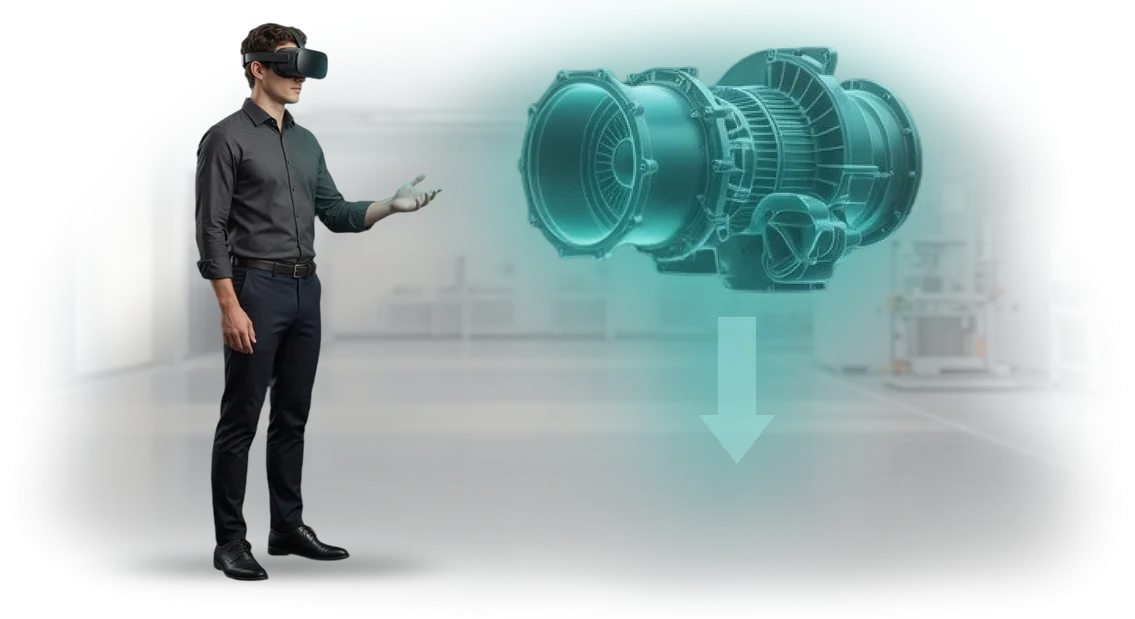
סימולטור VR לכירורגיית לב סוגר את הפער הזה. המנתח עובר סימולציה של ניתוחים בסביבה הקרובה למציאות: אותם שלבים, אותו רצף פעולות, אותו מחיר של טעות — רק בלי מטופל. התרגול נמשך עד לתוצאה בטוחה, ולא עד לניסיון המוצלח הראשון.
עבור מנהל המרפאה זה פותר כמה משימות בבת אחת. הכשרת מנתחי לב מפסיקה להיות תלויה בזרימת מטופלים "מתאימים" ובלוח הזמנים של חדר הניתוח — אפשר להתאמן בכל זמן ובכמות הנדרשת. מומחים צעירים מגיעים לעבודה עצמאית מהר יותר, ומנוסים שומרים על כושר לפני התערבויות נדירות ומורכבות.
סימולציה של ניתוחים מספקת גם תמונה אובייקטיבית: רואים היכן הרופא מאט, אילו שלבים הוא מדלג, כמה פעמים הוא חוזר לאותה פעולה. המנטור מקבל לא "נראה שהוא מסתדר" סובייקטיבי, אלא דינמיקה ברורה — ומחליט את מי כבר אפשר להתיר למטופל, ולמי עוד דרוש זמן.
הסיכונים של למידה על מטופלים לא נעלמים לחלוטין, אך הם מפסיקים להיות הדרך העיקרית לרכישת מיומנות. קודם — סימולטור, אחר כך — חדר ניתוח. אנו בונים סימולטורים כאלה להתמחות מסוימת ולניתוחים מסוימים של המרפאה, ולא "קורסים על VR" מופשטים.
מה מקבלת הקליניקה מסימולטור VR
סימולטור VR לכירורגיית לב אינו תחליף לחדר הניתוח, אלא דרך להביא את הרופא המתמחה אליו כשהוא מוכן. מנהל הקליניקה מקבל תהליך נשלט: התערבויות מורכבות מתורגלות בסביבה וירטואלית, שבה טעות אינה עולה למטופל בבריאותו, ולקליניקה — במוניטין ובבירור.
במקום ללמוד על לב חי תחת פיקוחו של מנטור, הרופא המתמחה רוכש מיומנות מוטורית ורצף פעולות מראש — ומגיע לחדר הניתוח כשהוא כבר מחזיק במיומנות מגובשת.
הפחתת סיבוכים כאן היא אפקט כלכלי ישיר. סיבוך הוא אשפוז חוזר, מיטה נוספת, עומס על היחידה לטיפול נמרץ ועקבות תדמיתיים. כאשר המנתח תרגל את התרחיש עשרות פעמים לפני ההתערבות העצמאית הראשונה, שיעור הטעויות הטכניות יורד, ואיתו — עלות ומשך הטיפול.
הכשרת הרופאים המתמחים מואצת מבלי להוריד את הרף. תוכנית הלימודים הופכת לשחזורית: כל אחד עובר את אותם תרחישים, והמנטור רואה תמונה אובייקטיבית של מוכנות, ולא "נראה שהוא מסתדר" סובייקטיבי.
הדבר מסיר חלק מהעומס מעל המנתחים המנוסים — הם מתערבים במקום שבו הניסיון שלהם נדרש באמת, ולא בכל שלב בסיסי.
לימוד ללא סיכון למטופל מפסיק להיות פשרה בין בטיחות לבין תרגול. הקליניקה מקבלת מסלול הכשרת כוח אדם צפוי: מומחים חדשים יוצאים לעבודה עצמאית מהר יותר, ואיכות הטיפול נשארת מדד נשלט, ולא מזל.
פורמטים של הדרכת VR המותאמים למשימות המחלקה
אותו סימולטור פותר משימות שונות של המחלקה בדרכים שונות: במקום אחד יש צורך להכניס במהירות רופא מנתח צעיר לעניינים, במקום אחר — לכוונן את שיתוף הפעולה של כל הצוות, ובמקום שלישי — לאשר הרשאה לניתוחים.
לכן אנחנו לא מוכרים "קופסה", אלא בונים פורמט בהתאם למטרה שלכם: מתרגול אישי של מיומנות ועד לתרחישים צוותיים לכל חדר הניתוח.
| פורמט | למי מיועד | מה נותן לקליניקה |
|---|---|---|
| סימולטור אישי | מנתח בודד, קרדיולוג פולשני | פיתוח מוטוריקה ורצף פעולות ללא סיכון לחולה, חזרה על שלבים מורכבים עד לאוטומטיות |
| תרחישים צוותיים | צוות: מנתח, עוזר, מרדים, אחות | תיאום במצבי חירום, פרוטוקול פעולה אחיד, פחות פערים בחדר הניתוח בפועל |
| קורס עם מנטור | מומחים צעירים, מתמחים | הטמעה מבוקרת תחת השגחת רופא מנוסה, ניתוח טעויות בסביבה בטוחה |
| הסמכת מנתחים | המחלקה, מחלקת כוח אדם | הערכה אובייקטיבית של הרשאה לניתוחים, קריטריונים שקופים, תיעוד התקדמות לכל עובד |
כיצד לבחור פורמט עבור המחלקה שלכם
סימולטור אישי ותרחישים צוותיים פותרים משימות שונות: הראשון מזרז את הצמיחה של מומחה מסוים, השני מפחית את מספר התקלות בעבודה בצוות. בפועל מחלקות לוקחות את שניהם — תחילה תרגול מיומנות, לאחר מכן ריצות משותפות.
הסמכת מנתחים נבנית על גבי כל אחד מהפורמטים: אנחנו קובעים מראש את הקריטריונים שלפיהם הסימולטור מעריך את הפעולות, ואתם מקבלים תמונה ברורה של ההרשאה. קורס עם מנטור נוח כאשר יש צורך להכניס אנשים חדשים לפרוטוקולים שלכם, ולא לתרחישים מופשטים.
הפורמטים משולבים ומתרחבים: מתחילים עם צוות אחד, מוסיפים תרחישים ועובדים בהתאם למידת המוכנות. נדון במשימה של המחלקה — נחזור עם הערכה ותוכנית איזו קבוצת פורמטים תפתור אותה במהירות הרבה ביותר.
איך עובר הפרויקט: מהבריף ועד ההשקה במחלקה
התהליך בנוי כך שתדעו באיזה שלב נמצא הפרויקט ומה יידרש מכם. אנחנו מובילים את הלקוח מהפגישה הראשונה ועד לרגע שבו ההדרכה כבר מתקיימת במחלקה, ולוקחים על עצמנו את כל החלק הטכני — לכם נשארת המומחיות וקבלת התוצאה.
- בריף ומטרות ההדרכה. דנים במשימה: את מי מכשירים, אילו מיומנויות וטעויות הן קריטיות, ואיך נדע שההדרכה עבדה. בתום השלב — הבנה מסוכמת של התוצאה, ולא בקשה מעורפלת כמו "תעשו VR".
- תוכנית ותסריטים. המהנדסים שלנו יחד עם הרופאים-מומחים שלכם מתארים תרחישים קליניים: מה עושה העובד, אילו פעולות נחשבות נכונות, ואיפה טועים לרוב. אתם מאשרים את התסריטים לפני תחילת הפיתוח — תיקונים בשלב הזה הם ללא עלות ומהירים.
- פיתוח הסימולטור. בונים סביבה וירטואלית, מדייקים את הריאליזם של הפעולות ואת המשוב. מציגים גרסאות ביניים כדי שתראו את ההתקדמות ותוכלו להעיר בזמן.
- בדיקה עם רופאים. קבוצת פיילוט עוברת את הסימולטור, אנחנו אוספים הערות לגבי נוחות ומהימנות ומשפרים. זה מונע הפתעות לפני ההשקה במחלקה.
- הטמעה בקליניקה. עוזרים לפרוס את ההדרכה על הציוד שלכם, מלמדים את המדריכים, ומכינים חומרי לימוד לעובדים.
- השקה ותמיכה. לאחר ההתחלה מלווים: מעדכנים תסריטים לפי שיטות חדשות, שומרים על יציבות, ועונים לשאלות של הצוות שלכם.
כל שלב מסתיים בתוצאה ברורה ובאישור שלכם — אתם לא משלמים על "קופסה שחורה". סדר כזה מאפשר לעמוד בלוחות הזמנים ולקבל סימולטור שבאמת משתלב בתהליך הלמידה של המחלקה.
מה ייכלל באספקה
המזמין מקבל לא "קובץ עם סימולטור", אלא מערך הכשרה מוכן שאפשר להפעיל בקליניקה ולהגן עליו בפני ההנהלה. האספקה כוללת את כל הדרוש למחזור הראשון של מתמחים ולהמשך עבודה עצמאית של צוות המדריכים שלכם.
- סימולטור VR לכירורגיית לב — תרחישי עבודה לפי הפעולות המרכזיות: גישה, שלבי הניתוח, סיבוכים אופייניים. הלומד עובר אותם בקצב שלו, והמערכת מתעדת כל פעולה.
- חומרים מתודיים — תוכנית לימודים, פירוט שלבים, קריטריונים לפעולה נכונה ולפעולה שגויה. המרצה לא צריך לכתוב מחדש את הקורס בפורמט חדש.
- הכשרת מדריכים — המומחים שלנו מעבירים את המרצים שלכם דרך הסימולטור ומראים כיצד לנהל שיעור, לנתח טעויות וללוות קבוצה.
- תקנון הסמכה — קריטריונים שקופים לקבלה: מה נחשב שלב שהושלם, אילו טעויות הן קריטיות, כיצד נקבעת ההערכה הסופית.
- פאנל למנהל — סיכום לפי קבוצה: מי עבר את המודול, היכן טועים לרוב, כמה זמן ארכה ההכשרה.
- תמיכה טכנית ועדכונים — ליווי לאחר ההפעלה, שדרוג תרחישים בהתאם למתודולוגיות חדשות ועדכון קריטריוני ההערכה.
- העברת זכויות ותיעוד — הסימולטור נשאר אצלכם, וגם הוראות ההפעלה והניהול.
מערך כזה מכסה את כל המחזור: להכשיר, להעריך, לאשר לתרגול. אין צורך לאסוף קבלנים לחלקים נפרדים — המתודולוגיה, הטכניקה וההסמכה מגיעות בפתרון אחד.
את הרכב האספקה קובעים סופית בשלב הדיון במשימה: הוא תלוי במספר התרחישים, בגודל הקבוצה ובאופן שבו אצלכם כיום מאורגן אישור המתמחים. תארו את המשימה — נחזור עם הערכה ותוכנית.
מקרה בוחן: כיצד סימולטור VR הפחית את מספר הסיבוכים
עבדנו עם מרכז לניתוחי לב, שבו מומחים צעירים לא הגיעו במשך זמן רב לניתוחים עצמאיים: ההסמכה התעכבה בחודשים, וכל ניתוח ראשון התנהל בסיכון מוגבר. הנהלת התחום רצתה לקצר את הדרך מהתמחות למנתח בטוח, מבלי לסכן את המטופלים יתר על המידה. הרכבנו סימולטור VR שבו מתורגלות בדיוק אותן מניפולציות שבהן לרוב נוצרים סיבוכים.
מה השתנה לאחר ההטמעה
המדד המרכזי — שיעור הסיבוכים בשלב ההתערבויות העצמאיות הראשונות. בתקופת העבודה עם הסימולטור הוא ירד בכשליש בערך: המנתחים הגיעו לשולחן הניתוחים עם מוטוריקה מתורגלת והבנה של רצף הפעולות.
התוצאה השנייה — מהירות ההסמכה: הזמן עד לניתוח העצמאי הראשון התקצר כמעט פי שניים, משום שהמיומנות אושרה לא רק על מטופלים חיים, אלא גם על הסימולטור.
האפקט השלישי — הביטחון של המומחים עצמם. לפי סקרים, הפחד מפני מקרים מורכבים ירד באופן ניכר, ומספר הפניות לעזרה מעמיתים מנוסים יותר במהלך הניתוח פחת. עבור המנהל משמעות הדבר היא עומס צפוי יותר על חדר הניתוח ופחות מצבים בלתי מתוכננים.
מדוע זה עבד
לא כתבנו מחדש את תוכנית הלימודים, אלא שילבנו את הסימולטור בתהליך ההכשרה הקיים — כשלב חובה לפני ההסמכה. התרחישים מבוססים על מקרים קליניים אמיתיים של המרכז, ולכן ההכשרה ענתה מיד על שאלות שעולות בחדר הניתוח. אנו עובדים על ציוד מקצועי, מה שמעניק תוצאה יציבה ותגובה צפויה של הסימולטור לפעולות המנתח.
בנפרד אציין את КардиоЦентр: לאחר המחזור הראשון של ההכשרה הם חזרו אלינו להרחבת התרחישים לתחומים משיקים. הזמנה חוזרת — המדד הטוב ביותר לכך שמדדי ההכשרה היו לא לנתונים דו"חיים, אלא לתועלת מעשית.
איך לבחור את הפורמט המתאים למשימות של המחלקה?
יש להתחיל לא מהטכנולוגיה, אלא מהמשימות העומדות בפני המחלקה. אם המטרה היא לאפשר לרופאים בסטאז' לבצע התערבויות באופן עצמאי — פורמט אחד; אם לתרגל סיבוכים נדירים או להכין את הצוות להסמכה — פורמט אחר.
לכן, את התאמת פורמט ההדרכה אנחנו תמיד מתחילים בניתוח הפרופיל של המחלקה: אילו ניתוחים מבוצעים בתדירות הגבוהה ביותר, היכן לרוב מתעוררים קשיים, את מי ולאיזו רמה של הרשאה יש להביא.
רמת ההכנה של העובדים היא נקודת הציון השנייה. למתחיל נדרש סימולטור עם רמזים וניתוח שלב-אחר-שלב, למנתח מנוסה — תרחישים עם סיבוכים והגבלת זמן. לערבב את הקבוצות האלה בתרחיש אחד אין טעם: אחדים ישתעממו, אחרים לא יספיקו לשלוט בבסיס. אנחנו עוזרים לחלק את העובדים לפי רמות ולהתאים לכל אחד מסלול משלו.
נקודת הציון השלישית היא מטרות ההסמכה. אם יש צורך לאשר באופן אובייקטיבי הרשאה, חשוב לתעד את התוצאה: כמה ניסיונות, אילו טעויות, לאיזו תוצאה הגיע העובד. אז vr тренажер кардиохирургия הופך לא לבידור, אלא לכלי עבודה להערכה — ומנהל המחלקה רואה תמונה כוללת של המחלקה, ולא רשמים בודדים.
בפועל, הבחירה מצטמצמת לשלוש שאלות: את מי מלמדים, מה בדיוק, ואיך נדע שהמטרה הושגה. התשובות לשאלות אלה קובעות אם זה יהיה מודול קצר למיומנות אחת או קורס מלא עם כמה תרחישים. אנחנו מנתחים את השאלות האלה יחד איתכם ומציעים פורמט שסוגר את המשימה, ולא כזה שרק נראה יפה.
אם אתם מתלבטים בין האפשרויות — תארו את המשימות של המחלקה ואת רמת הרופאים בסטאז', ואנחנו נחזור עם הערכה ותוכנית: איזה פורמט יתאים, מה ייכלל בשלב הראשון ואיך תיראה התוצאה.
ספקות נפוצות לפני הזמנת סימולטור VR
ספקות לפני הזמנה הם בדרך כלל אותם ספקות: "מה אם הציוד יתקלקל", "איך מחליפים תרחישים כשהפרוטוקולים מתעדכנים", "האם נצטרך להחזיק מומחה נפרד". אלו שאלות לגיטימיות של מנהל שאחראי על התוצאה, ולא על החומרה. נבחן כל אחת מהן.
מה אם הציוד יתקלקל
האמינות של סימולטור VR מובנית כבר בשלב התכנון: אנו בוחרים משקפות וחיישנים מוכחים המתאימים לתנאי מרפאה או מרכז הכשרה אמיתיים, ולא את "הדגם האופנתי ביותר". כל ערכה מגיעה עם אחריות, ולמשך התיקון או ההחלפה אנו מציעים ערכה חלופית — ההכשרה לא נעצרת.
כיצד לעדכן תרחישים
כירורגיית לב משתנה: מופיעות שיטות חדשות, פרוטוקולים מתעדכנים. לכן את התרחישים אנו בונים בצורה מודולרית — תיקון של שלב אחד בניתוח לא פוגע באחרים. אתם שולחים את השינויים, אנו מטמיעים אותם ומעבירים את העדכון, והמדריכים שלכם לא נדרשים ללמוד מחדש מאפס.
האם נדרש מומחה נפרד
לא. אנו מכשירים את המתודיסטים והמדריכים שלכם לעבודה עם הסימולטור ומעבירים הוראות ברורות. הפעלת סשן, בחירת תרחיש, ייצוא תוצאות עבור כל עובד — הכל נעשה בכוחות הצוות שלכם, ללא מתכנת בסגל.
ומה אם נזדקק להרחבה חצי שנה אחרי ההשקה?
אנו נשארים בקשר גם לאחר מסירת הפרויקט: תמיכה בציוד ועדכון תרחישים הם חלק מהעבודה, ולא שירות חד-פעמי. תארו מה השתנה בתהליך ההכשרה — נחזור עם הערכה ותוכנית הרחבה.
עד כמה הסימולטור ריאליסטי לכירורגיית לב?
את התרחישים אנו בונים יחד עם המנתחים והמתודיסטים שלכם: שלבי ניתוח אמיתיים, סיבוכים אופייניים, ניתוח טעויות. הרופא מתרגל את רצף הפעולות ואת התגובה למצבים לא שגרתיים לפני שהוא נתקל בהם במטופל.
נדון במשימה שלכם ונחזור עם תוכנית
להזמין סימולטור VR לכירורגיית לב — זה לא רכישה של "קופסה", אלא השקת מוצר לימודי שצריך להשתלב בתוכנית הכשרת המומחים שלכם. לכן אנחנו מתחילים בשיחה עניינית: אילו ניתוחים מתרגלים המנתחים שלכם, היכן כרגע מתבזבז זמן, ועל אילו טעויות הכי יקר ללמוד. בסיום הדיון תקבלו תוכנית הטמעה עם שלבים, לוחות זמנים ותחומי אחריות — בלי מילים כלליות.
מכאן העבודה מתנהלת במסלול ברור: פיתוח תרחישים על בסיס המקרים הקליניים האמיתיים שלכם, הרכבת הסימולטור, הכשרת המדריכים שלכם והעברת הנהלים. אנחנו לא נעלמים לאחר המסירה — התמיכה לאחר ההשקה כוללת עדכון תרחישים, התאמת רמת הקושי וליווי כאשר הפרוטוקולים שלכם משתנים.
מה תקבלו לאחר ההזמנה:
- תוכנית הטמעה עם שלבים, לוחות זמנים ונקודות בקרה לתוצאה
- תרחישי למידה שנבנו עבור הניתוחים שלכם והטעויות האופייניות
- סימולטור מוכן לעבודה בכיתה הלימודית שלכם או בשטח
- נהלים והוראות למרצים ולמנהלי התוכנית
- הכשרת הצוות שלכם: כיצד להעביר שיעורים ולהעריך התקדמות
- תמיכה לאחר ההשקה: עדכונים, שיפורים ומענה על שאלות
- דיווח על ביצוע — ניתן לראות מי וכיצד תרגל את המיומנות
תארו את המשימה: אילו ניתוחים בעדיפות, כמה מומחים אתם מלמדים ובאילו לוחות זמנים תרצו להשיק. נחזור עם הערכה ותוכנית — קונקרטית, עם שלבים ותוצאה בכל אחד.