

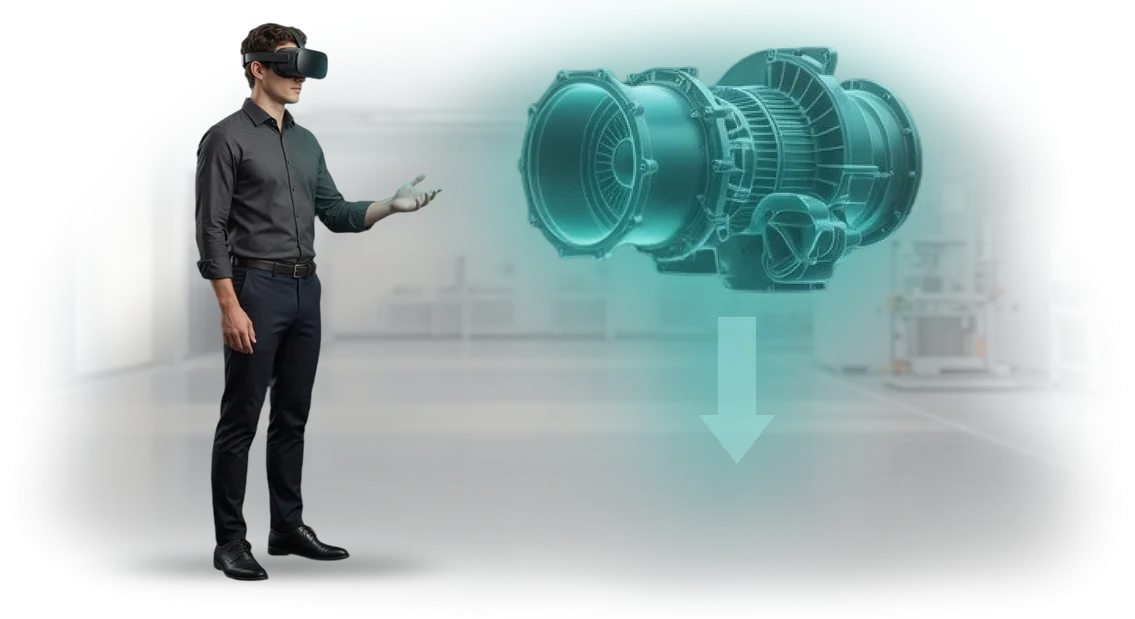
אימון בלפרוסקופיה ללא סיכון למטופלים
טעות בלפרוסקופיה עולה ביוקר: המטופל סובל, המוניטין של המרפאה נפגע, והמנתח מאבד ביטחון.
הכשרה מסורתית של מנתחים אינה מספקת את כמות התרגול הנדרשת — רופאים צעירים בעיקר צופים בעמיתים בכירים, ומניפולציות עצמאיות מותרות רק בניתוחים בודדים.
כל אחד מהניתוחים הללו מתרחש בתנאי לחץ שבהם התוצאה חשובה יותר מהלמידה.
סימולטור וירטואלי מעביר את תרגול המיומנויות לסביבה בטוחה. הסימולטור הרפואי משחזר רקמות, מכשירים ותגובות גוף, כך שמנתח יכול לחזור על שלבי הניתוח עשרות פעמים מבלי לפגוע במטופל אמיתי.
הוא גם מציג סיבוכים נדירים — דימומים, ניקובים — שבפרקטיקה רגילה עשויים שלא להתרחש במשך שנים.
אבל סימולטור הוא לא רק "חזרה חסרת מחשבה." המכשיר הווירטואלי מתעד את דיוק התנועה, זמן הפעולה והטעויות שנעשו, ולאחר כל סשן נוצרת תמונה אובייקטיבית של ההתקדמות.
הכשרת המנתחים הופכת לשיטתית: כל רופא משלים את אותם מודולים, ראש המחלקה רואה מדדים לכולם, והחלטות על אישור כניסה לחדר ניתוח מתקבלות על בסיס נתונים.
עבור המרפאה, זה אומר סיכונים מופחתים ופיקוח ברור על כישורים. אנו מפתחים סימולטורים וירטואליים עבור התחום שלך, התרחישים והגדרות הציוד שלך. בטיחות המטופל מובטחת לפני תחילת הניתוחים: המנתח נכנס לחדר הניתוח עם רמת מיומנות מאומתת.
מה סימולטור VR נותן לצוות כירורגי
עבור צוות כירורגי, לפרוסקופיה היא עבודה עם מחיר גבוה לטעות. כל תנועת מכשיר משפיעה על תוצאת הניתוח, ולכן תרגול תמרונים על מטופל אמיתי קשור תמיד בסיכון.
סימולטור VR מעביר את ההכשרה לסביבה וירטואלית בטוחה: המנתח חוזר על השלבים המרכזיים של ההתערבות כמה פעמים שצריך, ללא השלכות על המטופל.
ניתוח וירטואלי מספק את מה שבלתי אפשרי בפרקטיקה רגילה — מספר בלתי מוגבל של חזרות. מיומנויות לפרוסקופיות נבנות באמצעות זיכרון שריר: ככל שמבצעים תנועות מדויקות יותר, כך הטכניקה יציבה יותר.
הסימולטור מתעד כל פעולה ומאפשר תרגול מקרים נדירים או מורכבים שעשויים שלא להתרחש במשך שנים בבית חולים אמיתי.
תוצאה נפרדת היא ביטחון המנתח. כאשר רופא יודע שכבר ביצע את הניתוח הזה בסביבה וירטואלית, הוא מקבל החלטות בצורה רגועה ומהירה יותר בחדר הניתוח.
עבור הצוות, זה אומר פחות עיכובים, פעולות מתואמות ותוצאה צפויה. המערכת מספקת גם הערכה אובייקטיבית: זמן השלמה, דיוק תנועה, מספר שגיאות — הכל מתועד ומושווה מול מדדי יעד.
בסופו של דבר, סימולטור ה-VR הופך לסטנדרט הכשרה משותף לכל הצוות. עוזרים, מנתחים ואחיות חדר ניתוח עוברים את אותם תרחישים, מבינים זה את פעולותיו של זה ללא מילים, ועובדים כמנגנון אחד.
אימון ללא סיכון, מדדים אובייקטיביים וחזרתיות — אלו בדיוק המרכיבים שחסרים בהכנה הקלאסית כדי להביא את מיומנויות המנתח לרמה חדשה.
פורמטי אימון לפרוסקופיה ב-VR למשימות שלך
סימולטור לפרוסקופיה וירטואלי אישי הוא כאשר מנתח מתאמן לבד, בקצב נוח, ומקבל הערכה אובייקטיבית של כל תנועה. פורמט קבוצתי משלב מספר תחנות עבודה לתרחיש משותף — למשל, תרגול תיאום צוות כירורגי. אימון היברידי משלב סשנים וירטואליים עם תיאוריה קלאסית ותרגול על פנטומים.
משמעות הדבר היא שבחירת הפורמט קובעת לא רק את הנוחות אלא גם את התוצאה הסופית: מהירות רכישת המיומנות ומוכנות העובד לניתוח אמיתי. להלן פירוט של שלוש התצורות האופייניות שאנו מספקים כדי לענות על צרכי המרפאה.
| פורמט | למי זה מיועד | מה זה נותן ללקוח |
|---|---|---|
| סימולטור אישי | מתמחים, רופאים בשלב הראשוני של רכישת מיומנות | תרגול תמרונים בסיסיים ללא סיכון למטופל. המערכת מתעדת כל תנועה ומדגישה שגיאות — המדריך רואה את דינמיקת ההתקדמות בדוחות מיד לאחר הסשן |
| קורס קבוצתי | מחלקה שלמה, סגל, מרכז הכשרה | סטנדרט הכשרה אחיד: כל הצוות משלים את אותם תרחישים ומגיע לרמת מיומנות משותפת. המדריך מנהל את עומס העבודה ורואה את הביצועים של כל מתאמן בלוח מחוונים אישי |
| אימון היברידי | מרפאות עם מרכז הכשרה משלהן, תוכניות השתלמות | חיסכון במשאבים: תיאוריה ותרגול על פנטומים מתחלפים בסשנים וירטואליים. ניתן להכשיר יותר רופאים ללא הרחבת סגל המדריכים |
אם אינך יודע מאיפה להתחיל, אנו ממליצים על הסימולטור האישי — זו הדרך המהירה ביותר להעריך את יעילות הגישה על עובד אחד או שניים. התוצאה תראה איזה פורמט להרחיב בשלב הבא: למחלקה או למרכז ההכשרה כולו.
אנו עובדים על ציוד מקצועי ומתאימים את התוכנית לפרוטוקולים ולטכניקות הניתוחיות שלך — ללא תלות במגבלות ספק.
כיצד פועלת הטמעת הסימולטור: מבריף ועד השקה
הטמעת סימולטור VR היא לא רק אספקת ציוד אלא תהליך מובנה שבו אתה נשאר הלקוח, לא משתתף בפרטים טכניים. אנו מטפלים בכל השלבים — מבריף ועד השקה — ותומכים בך לאחר ההפעלה כך שהאימון יעבוד מהיום הראשון.
- ניתוח משימה. אנו בוחנים אילו מיומנויות צריך לתרגל, מי יתאמן ומהן מגבלות הזמן. בשלב זה, אנו מכינים הצעה לתרחיש האימון ומסכמים על התוצאה הצפויה.
- פיתוח תרחיש. יחד עם המומחים שלך, אנו בונים את מצב האימון: פעולות העובד, טעויות אופייניות, רמזים וקריטריוני הערכה. אתה מקבל מסמך ברור שתוכל להראות למתודולוגים ולמנהלים.
- אישור ותיקונים. אנו מציגים אב טיפוס של התרחיש ומבצעים שינויים לפני תחילת הייצור. אינך צריך לחכות לסימולטור המוגמר כדי לראות אם הוא מתאים — הכל נראה מראש.
- הרכבה והגדרה. אנו בונים את המוצר המוגמר, בודקים אותו על קבוצת פיילוט ומתאימים אותו למתקן ולזמנים שלך. אתה מקבל סימולטור שמופעל ללא עיבודים חוזרים.
- מסירה והתקנה. אנו מביאים את הערכה, מתקינים אותה ומגדירים את המערכת בכיתת ההכשרה שלך. ההשקה אורכת יום אחד בלבד — הצוות שלך לא מוסח מהעבודה לזמן רב.
- הכשרת צוות. אנו עורכים תדריכים למנהלים ולמדריכים: כיצד להקצות תרחישים, לעקוב אחר התקדמות ולבחון שגיאות. התמיכה נשארת איתך גם לאחר ההשקה.
- תמיכה שוטפת. אנו מעדכנים את הסימולטור, מרחיבים את ספריית התרחישים ופותרים בעיות במהירות כך שהאימון לעולם לא נעצר.
בסופו של דבר, אתה מקבל מערכת הכשרה מקצועית עובדת, לא רק ציוד בחדר. כל שלב שקוף מבחינת לוחות זמנים ותוצאות — אתה תמיד יודע מה קורה ומתי האימון יושק.
חבילת אספקה: הכל כדי להתחיל להתאמן
כדי להפעיל הכשרת מנתחים מהיום הראשון, אינך צריך לקנות או להגדיר שום דבר בעצמך. חבילת האספקה כוללת את כל הדרוש: מציוד ועד חומרי הדרכה למדריכים. אתה מקבל מערכת שלמה — כל מה שנשאר הוא לקבוע את סשני ההכשרה הראשונים.
הנה מה שכלול בחבילה הסטנדרטית:
- ציוד VR — משקפי מציאות מדומה מקצועיים, מכוילים ומוגדרים לתרחיש שלך. המכשירים מוכנים לשימוש מיד לאחר פתיחת האריזה, וחלקי חילוף וסוללות כלולים לסשנים ללא הפרעות.
- רישיון תוכנה — זכות רשמית להשתמש בסימולטור ללא מגבלות זמן או מספר עובדים. הוא כולל עדכוני תרחישים ותרגילים חדשים לכל תקופת הרישיון.
- חומרי הדרכה — מדריכי מדריך מפורטים, רשימות הערכה וקריטריוני ביצוע לתרגילים. זה מתקן את ההכשרה ומאפשר השוואה אובייקטיבית של התקדמות כל רופא.
- תדרוך לצוות שלך — אנו מאמנים מנהלים ומדריכים לנהל את המערכת: התחלת סשן, התאמת רמת קושי, ניתוח תוצאות. זה בדרך כלל אורך יום אחד, אך אנו יכולים לקיים סשנים חוזרים במידת הצורך.
- תמיכה טכנית — קו ייעודי לצוות שלך. אנו עוזרים בכל שאלה: מתקלות ציוד ועד ייעוץ מתודולוגי. זמן תגובה ממוצע הוא 15 דקות בשעות העבודה.
כל החבילה נמסרת במסגרת חוזה, עם אחריות ותעודת איכות. אתה מקבל לא רק "קופסה עם VR" אלא מערכת הכשרה ניתנת לניהול שפותרת את משימת הכנת המנתחים ובקרת המיומנויות.
במידת הצורך, אנו יכולים להשלים את החבילה עם תרחישים מותאמים אישית למקרים הקליניים שלך או אנליטיקה מורחבת למחלקה.
מקרה בוחן: כיצד מרפאה קיצצה את זמן תרגול המיומנויות בחצי
אחד ממקרי הבוחן שלנו הוא הטמעת סימולטור VR במרפאה שמכשירה מנתחים בלפרוסקופיה.
בעבר, תרגול המיומנויות התקיים על סימולטורים עם מספר מוגבל של ניסיונות: מתמחים חיכו בתור, ושעות חדר ניתוח פנויות לא תמיד שימשו להכשרה.
מיומנות בסיסית לקחה מספר חודשים לשליטה, וחלק מהזמן אבד להשבתה ארגונית.
הצענו למרפאה להשלים את התוכנית שלה עם סימולטור VR. המנתחים קיבלו יכולת להתאמן בכל זמן, ללא צריכת חומרים וללא תלות בלוח הזמנים של חדר הניתוח.
לאחר חודשיים של מדידות, התוצאות הוכיחו עקביות: הזמן הממוצע לשליטה במיומנות בסיסית נחתך בחצי, וחלק המעברים המוצלחים בניסיון הראשון של התקן עלה מ-61% ל-88%.
תוצאות המרפאה
- הזמן עד לניתוח עצמאי ראשון ירד מ-4 ל-2 חודשים.
- שיעור המעבר בניסיון הראשון בתקן המעשי עלה ב-27 נקודות אחוז.
- המרפאה הזמינה הזמנה חוזרת לשלב ההכשרה הבא תוך שישה חודשים.
חשוב לציין, ההשפעה נמשכה גם לאחר סיום תקופת הפיילוט. המנתחים המשיכו להשתמש בסימולטור ה-VR כדי לשמר את מיומנויותיהם ולתרגל תרחישים נדירים, ומרכז ההכשרה קיבל סטטיסטיקות מדידות לכל עובד. זה אפשר תכנון עומס עבודה וזיהוי מהיר יותר של אלה הזקוקים לתרגול נוסף.
ראש מרכז ההכשרה של המרפאה ציין: "סימולטור ה-VR אינו מחליף אינטראקציה חיה עם המטופל, אבל הוא מאפשר להפוך תנועות בסיסיות לאוטומטיות לפני הניתוח הראשון.
המנתחים שלנו הפכו לבטוחים יותר בהתערבויות אמיתיות, וזמן ההכנה נחתך בחצי," — המרכז לניתוחים לפרוסקופיים.
כיצד לבחור את פורמט אימון ה-VR הנכון?
פורמט אימון ה-VR נקבע לא על ידי "האופנתיות" של הטכנולוגיה אלא על ידי שלושה גורמים מעשיים: מספר המנתחים, מורכבות המיומנות ומטרות התוכנית.
אם אתה צריך לתרגל טכניקה ספציפית אחת עם קבוצה קטנה, תרחיש מוכן מספיק; להכשרה שוטפת של מחלקה שלמה, אתה צריך סימולטור מלא עם הגדרות אישיות.
מספר המתאמנים הוא נקודת הייחוס הראשונה. עבור שניים או שלושה מומחים, קורס מודולרי שפועל על ציוד קיים הוא יעיל.
עבור זרם של 20–30 אנשים, מתחם נייח עם תחנות עבודה נפרדות ותצוגת התקדמות כוללת לקבוצה כולה הוא הגיוני יותר. ככל שמכשירים יותר מנתחים, כך הכיול האישי לכל משתמש משתלם מהר יותר.
נקודת הייחוס השנייה היא אופי המיומנות. רצף הפעולות בניתוח לפרוסקופי סטנדרטי דורש פורמט אחד: שלבים ברורים, רמזים, בקרת שגיאות. עבודה עדינה עם מכשירים ורקמות דורשת אחרת: אנטומיה מפורטת ומשוב מישושי.
לכן אנו מתאימים את הסימולטור לניתוח הספציפי ולרמת המיומנות של הקבוצה, לא "ל-VR בכלל."
הגורם השלישי הוא תקציב ולוחות זמנים. תרחישים מוכנים מספרייה מושקים מהר יותר ועולים פחות; פיתוח מותאם אישית למתודולוגיה שלך עולה יותר אך מספק תוצאות ניתנות לשחזור ומתרחב בקלות לקבוצות וסניפים חדשים.
אנו עוזרים למצוא את האיזון: אנו מחשבים את מספר מחזורי ההכשרה ובוחרים פורמט שפותר את המשימה ללא תשלום יתר.
הפורמט הנכון הוא כזה שבו המנתח רוכש מיומנות מוצקה לפני העבודה עם מטופל, ואתה רואה תמונה אובייקטיבית של ההתקדמות.
במהלך ייעוץ, אנו שואלים שאלות על מספר המתאמנים, המטרות ולוחות הזמנים — וחוזרים עם הצעה ספציפית למקרה שלך.
שאלות נפוצות על הטמעת סימולטור VR
כל מנהל שמטמיע סימולטור VR שואל את אותן שאלות: האם זה בטוח, האם זה ישתלב בהכשרה הנוכחית, ומתי יופיעו תוצאות. אנו עונים בכנות — על בסיס ניסיון הטמעה, לא הבטחות.
האם בטוח להשתמש בסימולטור VR להכשרת צוות?
כן. הסימולטור פועל בסביבה מבודדת, ללא מגע עם מטופל או מצבים מסוכנים. התוכנית מאפשרת להשהות או לצאת בכל רגע, והרמזים נשארים תמיד בשדה הראייה. הציוד מוסמך ונמצא בשימוש במרפאות בהתאם לתקנים סניטריים.
האם קשה ללמוד את הסימולטור אם הצוות מעולם לא עבד עם VR?
זה לוקח 15–20 דקות ללמוד. הממשק אינטואיטיבי, ותרחיש הדרכה מובנה מדריך את המשתמש בכל הפעולות לפני ההתחלה. עובדים בכל הגילאים עובדים בביטחון לאחר הסשן הראשון עצמו, ללא מעורבות של מומחים טכניים.
כמה מהר תורגש השפעת ההטמעה?
ההשפעה נראית מיד: מיומנויות מפתח מתורגלות מהר יותר, ונעשה שימוש בפחות חומרים מתכלים ובפחות זמן מדריך.
מרפאות בדרך כלל מבחינות בהכשרה מהירה יותר בתוך החודש הראשון, וההשקעות מתחילות להשתלם לאחר מספר חודשים הודות לתפוקת הכשרה מוגברת. אנו מחשבים את הדינמיקה הספציפית לתהליך שלך בתחילת הפרויקט.
האם הסימולטור ישתלב בתוכנית ההכשרה הקיימת?
כן, אנו מתאימים תרחישים למתודולוגיה שלך. אימון VR יכול להיות שלב נפרד או תוספת לסשנים מעשיים — הבחירה היא שלך. ההשקה דורשת רק הגדרה קצרה, ולאחר מכן הסימולטור עובד במסגרת הלוח הרגיל שלך מבלי לעצור את תהליך ההכשרה.
אם עדיין יש לך ספקות — שלח לנו את השאלה שלך, ונייעץ כיצד VR יכול להתאים למשימה הספציפית שלך.מוכן להעלות את רמת המיומנות של המנתחים שלך? השאר בקשה
לקחת את הצעד הראשון קל יותר ממה שזה נראה: בקשה היא לא התחייבות אלא דרך להבין אם הפורמט מתאים למרפאה או למרכז ההכשרה שלך.
אנחנו לא מתחילים עם חוזים ארוכים ומפרטים טכניים — בהתחלה, שיחה קצרה על המטרות שלך ורמת המיומנות הנוכחית של הרופאים מספיקה.
בייעוץ של 15 דקות, לא רק תבהר את דרישות הסימולטור אלא גם תקבל תוכנית הטמעה עובדת. לאחר שליחת בקשה, אתה מקבל:
- ייעוץ עם מתודולוג: סקירה של תוכנית ההכשרה שלך, אזורי צמיחה ופורמט הסימולטור — להכשרה ראשונית, תרגול מיומנות ספציפית או הסמכה.
- סשן הדגמה על תרחיש אמיתי: אנו מראים כיצד מנתח משלים את המחזור המלא — מהקצאת משימה ועד סקירת שגיאות. תראה את הממשק ומערכת ההערכה, לא מצגת.
- מחיר מחושב לאחר בדיקה: הערכה מדויקת ללא תשלומים נסתרים או "כפתורי תשלום לפתיחה." הסימולטור בנוי עבור מלאי הציוד ומספר המתאמנים שלך.
- דוגמאות להטמעות במרפאות: אנו מראים כיצד עמיתים משתמשים בהכשרה ואילו תוצאות הם משיגים. זה עוזר להימנע מטעויות נפוצות ומאיץ את ההשקה.
- גישת פיילוט לסשן הכשרה: לפני ההשקה המלאה, המנתחים שלך יכולים לבדוק את התרחיש בעצמם ולספק משוב. כך תבין כיצד הסימולטור משתלב בעבודה היומיומית.
- נרכיב תוכנית הטמעה: שבוע אחד עד ההשקה, לוח זמנים לקבוצות הראשונות וחומרי הדרכה למדריכים. ללא השבתה.
הנקודה המרכזית: אתה לא קונה "קופסה" של משקפי VR ומקווה לטוב. אתה מקבל כלי שמשתלב במערכת ההכשרה שלך, מספק סטטיסטיקות ברורות ומגביר את ביטחון המנתחים לפני ניתוחים אמיתיים.
השאר בקשה — נספר לך כיצד אימון על הסימולטורים שלנו עובד במרפאות בתחום שלך, ונענה כמה זמן תיקח ההטמעה במקרה שלך.