

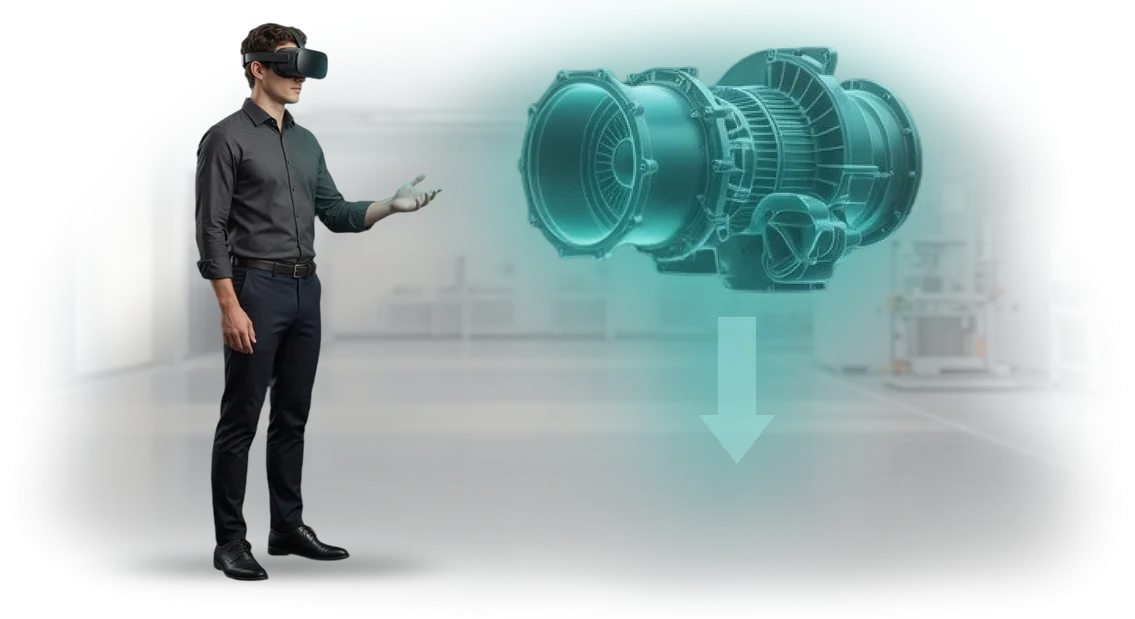
נוירוכירורגיה: היכן מתאמן מנתח לפני ניתוח?
נוירוכירורג זוכה בזכות לנתח לאחר שנים של תיאוריה וסיוע, אך הרגע הקריטי באמת הוא הגישה העצמאית הראשונה למוח או לחוט השדרה.
מחיר הטעות כאן אינו ניתן להשוואה לשום הוצאות הדרכה: כל מילימטר נוסף, כל תנועה שגויה מסכנים את חיי המטופל ואת המוניטין של המרפאה.
לכן המודל המסורתי של "קודם צפה, אחר כך נסה" נכשל יותר ויותר הן בפני ראשי מחלקות והן בפני המנתחים עצמם.
סימולציה כירורגית מאפשרת לתרגל תרחישים מורכבים ללא מטופל וללא לחץ. מנתח יכול לחזור על קרניוטומיה, שליטה בדימום או הסרת גידול עשרות פעמים עד שהפעולה הופכת לבטוחה ומדויקת.
בדיוק למשימות כאלה אנו יוצרים סימולטורי VR, המעניקים לרופאים תרגול בטוח ולמרפאות תהליך מנוהל להכשרת צוות.
הסביבה הווירטואלית משחזרת את האנטומיה בדיוק גבוה, ומשוב הפטי ריאליסטי מקרב את התחושות לעבודה אמיתית. המנתח מתאמן לא רק במיומנויות מוטוריות אלא גם ברצפי קבלת החלטות תחת אילוצי זמן.
ראש המחלקה מקבל תמונה אובייקטיבית של מוכנות המומחה: כמה ניסיונות נדרשו, היכן מתרחשות שגיאות, אילו שלבים קשים. כתוצאה מכך, ההכשרה מפסיקה להיות "מבחן על מטופל" והופכת לתהליך צפוי עם תוצאות מדידות.
מדוע סימולטור VR עדיף על פני הכשרה קלאסית
הכשרה קלאסית בנוירוכירורגיה משמעה קורסים יקרים, מחסור במטופלים לתרגול, ודרך ארוכה לעבודה עצמאית. סימולטור VR מסיר מגבלות אלה: הרופא מתאמן ללא לחץ וללא סיכון למטופלים.
אנו בונים תרחישי VR המותאמים לצרכים הספציפיים של מרפאה מסוימת, כך שאתה מקבל תוצאה מדידה ולא חידושים מופשטים. הנה רשימת בדיקה של יתרונות ששמו לב אליהם ראשי מחלקות ורופאים ראשיים.
רשימת בדיקה של יתרונות למרפאה
-
מהירות הכשרה. רופאים רוכשים מיומנויות מהר פי 2–3. הסימולטור מאפשר לחזור על תרגילים ללא תלות בלוח הזמנים של המנטור.
-
הערכה אובייקטיבית. המערכת מתעדת שגיאות ודיוק בפעולות. המפקח רואה את ההתקדמות של כל רופא ומעניק גישה מעשית בזמן הנכון.
-
פיתוח מקצועי והפחתת סיכונים. טעויות נשארות בסימולטור ולעולם אינן מאיימות על מטופלים. סיבוכים נדירים מתורגלים ללא השלכות — זה מעלה את הרמה של כל רופא.
-
מוניטין המרפאה. טכנולוגיה מודרנית מושכת מומחים צעירים ומגבירה את אמון המטופלים.
-
חיסכון במשאבים. סימולטור אחד מחליף נסיעות עסקים לקורסי סימולציה וחומרים מתכלים. ההכשרה מתבצעת במקום.
קח את רשימת הבדיקה הזו להנהלת המרפאה שלך. סמן את הפריטים שחשובים כרגע — ואנו נראה לך איך נראה סימולטור VR עבור המומחיות שלך.
פורמטי הכשרת VR: מהתערבויות סטנדרטיות ועד נדירות
עוצמת התרגול היא הגורם המרכזי בהכשרת נוירוכירורגים. אך טעויות על מטופלים חיים עולות ביוקר, ומקרים נדירים נופלים מחוץ לשגרה היומיומית. סימולטורי VR ממלאים פער זה: המנתח מקבל שעות של עבודה ריאליסטית ללא סיכון לאדם.
משימות שונות דורשות פורמטים שונים — מתרגילים קצרים לשלב בודד ועד סימולציה מלאה בחדר ניתוח וירטואלי.
כדי לבחור את האפשרות הנכונה, השתמש בטבלה: היא משווה את פורמט הסימולטור, קהל היעד והתוצאה שהמרפאה תקבל בפועל.
| פורמט סימולטור | קהל יעד | מה הוא נותן למרפאה |
|---|---|---|
| תרחישי בסיס של ניתוחים סטנדרטיים | מתמחים, מנתחים מתחילים | פיתוח מהיר של מיומנויות ידניות: שלבים אופייניים מתורגלים עד לאוטומטיזם, מה שמפחית את מספר השגיאות בניתוחים העצמאיים הראשונים |
| חדר ניתוח וירטואלי במחזור מלא | מנתחים פעילים וצוות כירורגי | תרגול רצף ההתערבות כולו והאינטראקציה — עבודה מתואמת בתנאים קרובים ככל האפשר לחדר ניתוח אמיתי |
| תרחישי התערבות נדירים המבוססים על נתוני מטופל | מנתחים מובילים, ראשי מחלקות | תכנון טרום-ניתוחי של מקרה מורכב, חזרה על אנטומיה לא סטנדרטית — הפחתת סיכונים במצבים לא טיפוסיים |
| תרגילים מודולריים לשלב בודד | כל קטגוריות המנתחים | תרגול ממוקד של מיומנות ספציפית — גישה, קליפ, המוסטזיס — ללא סימולציה מלאה כאשר נדרש רענון טכני מהיר |
הפורמטים קלים לשילוב: תרחישים סטנדרטיים מתאימים להכשרה שוטפת של מנתחים, בעוד תרחישים נדירים מתאימים להכנה לניתוח ספציפי. כך המרפאה מקבלת מערכת אחידה מתרגולים מתוכננים ועד חזרה אישית על התערבויות מורכבות.
שלבי פיתוח סימולטור VR לנוירוכירורגיה
פיתוח סימולטור VR לנוירוכירורגיה הוא תהליך שבו אתה נשאר המשתתף המרכזי. אנו מציגים את השלבים, תפקיד הצוות שלך ולוחות הזמנים מראש, כך שתקבל החלטות בזמן, לא בסוף הפרויקט.
שלבי פיתוח
-
בריף וניתוח משימה. אנו נפגשים עם מנתחים ומדריכים, חוקרים ניתוחים ספציפיים, שגיאות אופייניות ותקני חינוך. כתוצאה מכך, אתה מקבל תוכנית מפורטת עם לוחות זמנים ברורים — מיד ברור מתי ומה יהיה מוכן.
-
אישור תרחיש. יחד עם המומחים שלך, אנו מפתחים תרחיש ריאליסטי: רצף פעולות, תגובה לשגיאות, רמזים וקריטריוני הצלחה. האישור שלך כאן מבטיח שהסימולטור מלמד בדיוק את המיומנויות הנדרשות.
-
גרסת בדיקה לאימות. אנו מרכיבים בסיס עבודה עם השלבים הכירורגיים המרכזיים. הצוות שלך מנסה אותה בפועל ומבצע עריכות לפני פיתוח בקנה מידה מלא — זה הופך שינויים לזולים פי כמה.
-
גרסת סימולטור מלאה. אנו משכללים פרטים: דיוק אנטומי, התנהגות מכשירים ומשוב למתאמן. אנו מציגים גרסאות ביניים באופן קבוע כדי שתוכל לראות את התוצאה ולהתאים את התהליך.
-
שילוב בהכשרה. אנו מגדירים את הסימולטור לקורסים שלך, משלבים אותו בלוח ההכשרה ומכשירים צוות. מדריכים מקבלים הוראות ומתודולוגיה, ואתה מקבל תוכנית שיעורים מוכנה.
-
השקה ותמיכה. אנו נוכחים במפגשים הראשונים, אוספים משוב ממתאמנים ומדריכים ומשכללים פרטים. אנו מספקים אחריות לפעולה יציבה ותמיכה לאחר היישום.
כך אתה נמנע מפיתוח "עיוור" ממושך, מסימולטור שאינו תואם משימות אמיתיות ומקשיי השקה. כל שלב מסתיים בתוצאה ברורה — אתה תמיד יודע איך הפרויקט מתקדם ומה לעשות הלאה.
מה כוללת אספקת סימולטור VR למרפאה
שקיפות היא העיקרון המרכזי באספקת פתרונות למרפאה. לפני חתימת החוזה, אתה רואה בבירור את החבילה המלאה: מה אתה מקבל, כיצד היא מיושמת ואיזו תמיכה כלולה. גישה זו מבטלת עבודה נסתרת, עלויות בלתי צפויות ואישורים ממושכים לאחר ההשקה.
האספקה הסטנדרטית של סימולטור VR לנוירוכירורגיה כוללת:
- תרחישי הכשרה — מודולים מעשיים המשקפים שלבים אמיתיים של התערבויות כירורגיות. התרחישים מתאימים את עצמם לפרוטוקולים ולרמות המיומנות הספציפיות של המנתחים שלך, ממיומנויות בסיסיות ועד מניפולציות מורכבות.
- מדריכים מתודולוגיים — תקנונים והוראות למדריכים ולמתאמנים. זו תוכנית מוכנה שניתן לשלב מיד בתוכנית הלימודים של מחלקה או במחזור השתלמות, ללא צורך בפיתוח תיעוד מאפס.
- ציוד מקצועי — מערכת של מערכות VR ותחנות עבודה, מוגדרת ונבדקת למשימות שלך. הציוד מוכן לעבודה מהיום הראשון, ומונע רכישות חלקיות וניסויים טכניים.
- מערכת ניהול ודיווח — לוח מחוונים אישי למדריך המציג את ההתקדמות של כל איש צוות: מספר תרגילים שהושלמו, שגיאות ודינמיקת צמיחת מיומנויות. זה מפשט את הבקרה והופך את תהליך הלמידה למדיד.
- הכשרת הצוות שלך — הכוונה למדריכים ולצוות טכני. אנו מעבירים את כל הכישורים כך שתוכל להפעיל מפגשים באופן עצמאי ולקלוט עובדים חדשים ללא מעורבות מתמדת שלנו.
- תמיכה טכנית ועדכונים — סיוע בכל שלבי התפעול, כולל חידוד תרחישים לשיטות חדשות או שינויי פרוטוקול. אנו מגיבים במהירות לפניות כך שההכשרה לעולם אינה מופרעת.
גישה שקופה זו פירושה שלא תיתקל ב"הפתעות" או בחשבוניות נוספות לאחר חתימת החוזה. אתה מקבל כלי עבודה מוכן, לא "קופסת חומרה" שעליך להרכיב ולהגדיר בעצמך.
מקרה בוחן: כיצד מרפאה האיצה הכשרת נוירוכירורגיה
הכשרת נוירוכירורגים כרוכה בחודשי תיאוריה ובתרגול מעשי נדיר בניתוחים אמיתיים. למתאמנים חסרים תרחישי סיבוכים, ומנטור פיזית אינו יכול להיות נוכח בכל הליך.
כתוצאה מכך, הזמן עד לעבודה עצמאית מתארך, והביטחון מגיע רק לאחר עשרות משמרות.
הצענו למרפאה מובילה לסגור פער זה עם סימולטור VR. רופאים ברמות שונות מתרגלים מערך תרחישים מלא — מגישות סטנדרטיות ועד דימום קריטי — בסביבה בטוחה.
הסימולטור מתעד כל פעולה ומספק הערכה אובייקטיבית, כך שהמנטור רואה נקודות חולשה לפני ניתוח אמיתי, לא לאחר שגיאה.
תוצאות היישום
זמן ההכשרה הממוצע של מתמחים ירד מ-12 ל-7 חודשים, ומספר התרחישים שהושלמו באותה תקופה שולש.
מנתחים הפכו לבטוחים יותר באופן ניכר בטיפול בסיבוכים: מספר השגיאות בניתוחים העצמאיים הראשונים ירד בכמעט חצי.
יעילות הסימולטור אושרה גם בפועל — המרפאה הרחיבה את התוכנית לנוירו-אונקולוגיה ולנוירוכירורגיה וסקולרית.
הצוות משתמש כעת בסימולטור ה-VR לא רק להכשרת מתחילים אלא גם לבדיקות מיומנות שוטפות של רופאים מנוסים. זה הפך לחלק מתקן האיכות הפנימי.
מקרה המרפאה מראה: הכשרת נוירוכירורגים מואצת והסיכונים יורדים — ללא פגיעה באיכות או הוספת שעות הוראה.
איזה פורמט סימולטור VR כדאי לבחור לנוירוכירורגיה?
אין פורמט סימולטור VR נכון יחיד לנוירוכירורגיה — הפתרון הנכון תלוי במטרותיך, ברמת המיומנות של הרופאים ובציוד שכבר יש לך.
מרכז הכשרה אחד צריך לתרגל ניתוחים נדירים ללא סיכון למטופלים; אחר צריך להעריך מיומנויות של מתמחים לפני מתן אפשרות לבצע עבודה מעשית. לכן איננו מציעים קופסה מוכנה אלא עוזרים לך לבחור את הפורמט למקרה הספציפי שלך.
ראשית, אנו מנתחים דרישות אישיות: אילו מניפולציות על המנתחים לשלוט, כמה אנשים יתאמנו וכיצד הסימולטור ישתלב בלוח ההכשרה הקיים.
לאחר מכן אנו משווים זאת לפורמטים — מתחנת טבילה מלאה ועד אפשרות קומפקטית שבה הרופא עובד עם תצוגת מסך. כך אתה מקבל פתרון הפותר את הבעיה הספציפית שלך, לא "סימולטור בכלל" מופשט.
כדי לקבל החלטה סופית, אנו משיקים פרויקט פיילוט: קבוצת רופאים אחת עובדת על הפורמט הנבחר, אנו אוספים משוב, משווים תוצאות עם הכשרה מסורתית ומתאימים הגדרות.
זה מאפשר לך לראות את ההשפעה בסביבתך לפני השקעה בפריסה מלאה. הסיכונים מינימליים, וההחלטה מבוססת על עובדות, לא על הנחות.
בחירת סימולטור קלה יותר עם אנשים שתכננו תוכניות כאלה לעשרות מוסדות רפואיים. כתוב לנו — אנו נערוך ייעוץ מומחה, נענה על שאלות לגבי פורמטים ונכין תוכנית פעולה קצרה.
אתה תקבל לא קטלוג מבריק אלא פתרון קונקרטי המתאים לתקציבך ומניב תוצאות מוחשיות להכשרת נוירוכירורגיה.
שאלות נפוצות על יישום VR בחינוך רפואי
יישום VR בחינוך רפואי מעלה שאלות טבעיות בקרב מנהלי מרפאות. האם זה בטוח להכשיר רופאים על מטופל וירטואלי? באיזו מהירות הצוות יתאקלם לטכנולוגיה חדשה? מה זה יעלה בסופו של דבר, וכיצד משלבים סימולטור בזרימת העבודה?
הספקות מובנים: ההימור גבוה כשמדובר בהכשרת מומחים האחראים על חיי אנשים.
אנו מפתחים סימולטורי VR לרפואה, כולל נוירוכירורגיה, כבר יותר מעשר שנים.
בפועל, אישרנו כי עם יישום נכון, הכשרה וירטואלית אינה מחליפה הכשרה מסורתית אלא משפרת אותה — רופאים מקבלים הזדמנות לתרגל שוב ושוב תרחישים מורכבים ללא סיכון למטופלים. להלן, אנו מתייחסים לשאלות הנפוצות ביותר של לקוחות.
עד כמה בטוחה ההכשרה על סימולטור VR?
בטוחה לחלוטין. הרופא מבצע את כל הפעולות בסביבה וירטואלית, ולשגיאות אין השלכות על מטופל אמיתי. זה מאפשר לתרגל מקרים נדירים ומורכבים — כמו ניתוחי חירום — כמה פעמים שצריך, עד שנוצרת מיומנות יציבה.
כיצד רופאים מסתגלים לטכנולוגיה החדשה?
אנו מעצבים את הממשק במיוחד כך שיהיה מובן גם למי שנתקל ב-VR בפעם הראשונה. ההכשרה אורכת לא יותר מיום עבודה אחד, ובזכות הוראות מפורטות, הרופא מרגיש בטוח כבר במהלך המפגש הראשון.
כמה עולה לפתח תוכנית VR?
העלות תלויה בתרחיש ובהיקף מודולי ההכשרה. אנו מנתחים תחילה את משימות המרפאה, מציעים את האפשרות הטובה ביותר מבחינת היקף ותקציב, ואז קובעים את המחיר בחוזה. תשלומים מדורגים זמינים עבור מוסדות רפואיים.
האם קשה לשלב VR בהכשרה הקיימת של המרפאה?
התהליך מתוכנן מראש. סימולטור ה-VR פועל על ציוד מחשב סטנדרטי ואינו דורש תשתית שרתים ייעודית. אנו מתאימים את לוח השיעורים לתוכנית הלימודים שלך, תומכים בהשקה ומכשירים מדריכים פנימיים.
השלב הבא: בקש סימולטור VR למרפאתך
שלח בקשה לסימולטור — וביום העסקים הראשון נצור איתך קשר כדי לדון במטרות המרפאה שלך. אנו נסביר כיצד פתרונות VR מסייעים להכשיר מיומנויות נוירוכירורגים ללא סיכון למטופלים או ללא השבתה בלוח הניתוחים.
מיד לאחר פנייתך, אתה מקבל:
- ייעוץ עם מומחה הכשרת VR ייעודי — אנו ננתח את המשימה שלך ונראה היכן הסימולטור יניב תועלת מרבית.
- תרחיש ראשוני של מודולי הכשרה המותאמים לפרופיל הכירורגי שלך ולמאפייני המרפאה.
- הערכת תקציב ולוח זמנים של פרויקט הפיילוט — עם התחלה מהירה ושלבים ברורים.
- גישת הדגמה לחומרי הכשרה כדי שתוכל להעריך את הריאליזם של הסימולציה בפועל.
- תוכנית לשילוב הסימולטור בתהליך החינוכי — עם עומס מינימלי על הצוות ותקנונים ברורים למתמחים ולרופאים.
אין התחייבויות לאחר השיחה הראשונה: איננו מוכרים "מודולים לשם מודולים". אנו מציעים פתרון שמשתלם באמצעות פחות שגיאות וצוות מיומן יותר. כל החומרים חסויים ומותאמים לתקני המרפאה.
דון במשימה שלך איתנו גם אם אינך עדיין בטוח שסימולטור VR הוא הפתרון הנכון. שיחה אחת תעזור לך להבין כיצד להטמיע את הטכנולוגיה בהכשרה ואיזה פורמט פיילוט יניב תוצאות מהר ביותר.