

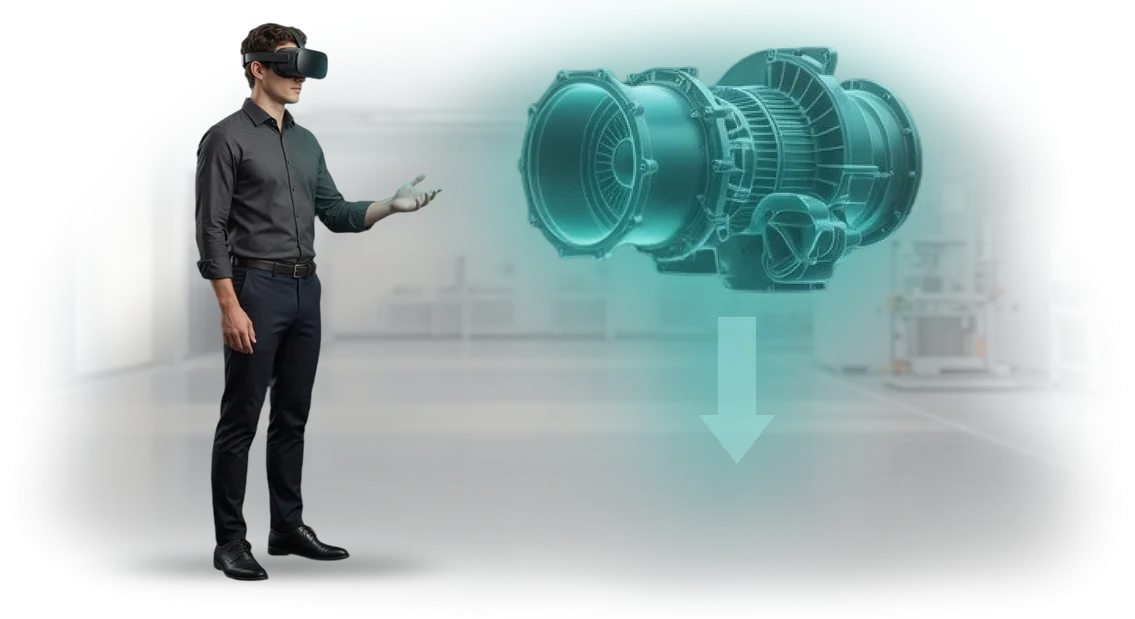
מדוע הכשרה סטנדרטית בפרוקטולוגיה אינה מספקת ניסיון
הכשרה קלאסית בפרוקטולוגיה מבוססת על הרצאות, לימוד אטלסים ותצפית על ניתוחים. אך אפילו התיאור המפורט ביותר אינו מחליף תחושה טקטילית, קואורדינציית תנועות וקבלת החלטות בזמן אמת.
תרגול על מטופלים מההתחלה פירושו חשיפתם לסיכון מיותר, ומומחה צעיר אינו יכול להרשות לעצמו לטעות. מספר הניתוחים שהוא יכול לבצע מוגבל — המנטור אינו יכול פיזית "לאמן" אותו במידה מספקת.
ידע ללא תרגול נשכח במהירות, וביטחון מופיע רק לאחר עשרות חזרות.
זה בולט במיוחד בפרוקטולוגיה: האנטומיה מורכבת, האזור רגיש מאוד, וההשלכות של טעות עלולות להיות חמורות לבריאות המטופל.
לכן, הכשרה סטנדרטית מוגבלת לרוב לתצפית: הרופא המנטור מבצע את הפעולות בעצמו, בעוד הסטודנט רק מסייע.
גישה זו נמשכת שנים ואינה מספקת ניסיון שיטתי, במיוחד כאשר יש צורך לפתור משימות לא סטנדרטיות.
מתמחים ועוזרים נאלצים ללמוד בניסוי וטעייה, ומנטורים אינם יכולים להקדיש מספיק זמן לכל אחד — הפחד מטעות על אדם חי מונע מהם לפעול בחופשיות.
כאן נכנסת ה-VR ברפואה לעזרה. סימולטורים כירורגיים וירטואליים יוצרים סביבה ריאלית שבה ניתן לתרגל פעולות מספר בלתי מוגבל של פעמים.
המטופל הווירטואלי לא ייפגע — טעות הופכת לניסיון בעל ערך, לא לתקרית, והרופא לומד לפעול בביטחון וללא השלכות על אנשים אמיתיים.
המרפאה מקבלת הזדמנות להכשיר מומחה לפני שהוא עולה לראשונה לשולחן הניתוחים, וניתן לתרגל התערבויות מורכבות עד כדי אוטומציה.
סימולטור VR לפרוקטולוגיה סוגר את הפער המרכזי של הגישה הקלאסית — היעדר תרגול בטוח. עובד עובר תרחישים מאבחון ועד התערבויות מורכבות, והמערכת מעריכה באופן אובייקטיבי כל פעולה.
ניתן לחזור על הכשרה כזו ללא תלות בלוח הזמנים של חדר הניתוחים, מה שאומר קיצור זמן קליטה. אנו מתאימים תרחישים למרפאה ספציפית ולרמת ההכשרה של הצוות, כך שההכשרה פותרת בעיות אמיתיות של המחלקה. כתוצאה מכך, סיכוני ההכשרה מופחתים, והמטופלים מקבלים עזרה מרופא מוכן באמת.
אילו יתרונות מציע סימולטור VR לפרוקטולוגיה
סימולטור VR לפרוקטולוגיה הופך את הכשרת הרופאים מתהליך יקר לתהליך ניתן לניהול וצפוי. המרפאה מקבלת תוצאות מדידות: כישורים גבוהים יותר, פחות טעויות, חיסכון במשאבים ואמון מצד המטופלים. הנה היתרונות העיקריים שאנו מתעדים בפרויקטי ההטמעה הקבוצתיים שלנו.
- שיפור כישורים ללא סיכון למטופלים. רופאים מתרגלים מקרים נדירים ומורכבים שוב ושוב עד שהמיומנות הופכת לבטוחה. הערכת הפעולות היא אובייקטיבית — ההתקדמות של כל מומחה נראית, לא רק רושם סובייקטיבי.
- בטיחות בהכשרה והגנה על המוניטין. טעויות בסביבה הווירטואלית אינן עולות בבריאות המטופל ואינן נכנסות לסטטיסטיקות המרפאה. עובדים מתרגלים טכניקות חדשות ברוגע לפני יישומן בחדר הניתוחים.
- חיסכון במשאבי המרפאה. אין צורך בחומרים מתכלים, בעלי חיים או חומרי גוויות — מספיקים תרחישים וירטואליים בלבד. ההכשרה מתבצעת ללא הפסקה מהעבודה: מפגש נמשך שעה, לא יום שלם.
- הגברת אמון המטופלים. כאשר רופא בטוח בפעולותיו, זה מורגש במהלך הייעוץ. תעודת תוכנית VR הופכת לטיעון בעד המרפאה כאשר מטופל בוחר.
- קליטה מהירה של עובדים חדשים. במקום תצפית ארוכת טווח על ניתוחים — תרגול מיומנויות מובנה מהיום הראשון. רופא מתחיל עבודה עצמאית מהר יותר, ואיכות ההכשרה גבוהה באותה מידה עבור כולם.
יתרונות אלה פועלים יחד: המרפאה מייצרת מומחים בטוחים מהר יותר, מוציאה פחות משאבים על הכשרה ומחזקת את מעמדה בשוק. אנו עוזרים להשיק סימולטור VR למשימות המרפאה שלך — מבחירת תרחישים ועד לשילוב בתוכנית ההכשרה.
פורמטי הכשרת VR למשימות המרפאה
הכשרת רופאים בפרוקטולוגיה נתקלת בשני מגבלות: הסיכון לטעות על המטופל ולוח הזמנים העמוס של המרפאה. VR מסיר את שניהם — עובד מתרגל את המיומנות בסביבה בטוחה, ואין צורך בכיתה נפרדת להכשרה; מספיקה משקפת אחת.
אבל VR אינו כלי יחיד, אלא מערכת פורמטים למשימות שונות. בצוות שלנו, מתוך למעלה מעשר שנות עבודה עם מרפאות רפואיות, זיהינו ארבעה תרחישים טיפוסיים המכסים את רוב בקשות ההכשרה.
| פורמט הכשרת VR | למי | מה זה נותן למרפאה |
|---|---|---|
| סימולטור ניתוח VR | מנתחים, מתמחים | הבאת טכניקת התערבות לרמת אוטומטיזם ללא סיכון למטופל |
| סימולטור אבחון | רופאי מחלקת חירום | מיומנויות בדיקה וזיהוי פתולוגיות בטוחות במצבים ריאליסטיים |
| תרחישי חירום | הצוות כולו, צוותי משמרות | תרגול תגובה לסיבוכים — כאשר מחיר הטעות הוא מקסימלי |
| קורסים אינטראקטיביים | אחיות, מתמחים | לימוד פרוטוקולים ותקנים בקצב נוח ללא יציאה מהמשמרת |
כל פורמט אינו רק "תמונה במשקפת" אלא תרחיש מבוקר עם משוב. המערכת מציינת טעויות ורומזת על איזו מיומנות כדאי להתמקד — המנהל רואה את ההתקדמות של כל עובד, לא רק סימן סיום קורס.
אם אינך בטוח היכן להתחיל, קח את סימולטור האבחון: הוא מיושם מהר יותר ומגביר באופן ניכר את ביטחון הרופאים. אנו נבחר את הפורמט למשימת המרפאה, נציג הדגמה ונחשב כמה זמן זה יחסוך.
כיצד מתנהל פרויקט פיתוח סימולטור
אנו מלווים את המרפאה מהבריף הראשון ועד ההשקה המלאה של ההכשרה ומעבר לכך. התהליך שקוף: אתה רואה מה קורה בכל שלב, מאשר את התוצאות ומבצע עריכות.
כל שלבי פיתוח סימולטור VR לפרוקטולוגיה מתוכננים כך שהפתרון הסופי פותר בדיוק את המשימה שלך — הכשרת רופאים ללא סיכון למטופלים.
- בריף וניתוח צרכים. אנו לומדים תוכניות הכשרה, טעויות טיפוסיות, תרחישי עבודה של רופאים ויעדי למידה. אנו קובעים אילו מיומנויות הסימולטור צריך לתרגל.
- עיצוב תרחיש ההכשרה. יחד עם מומחי הפרוקטולוגיה שלך, אנו עובדים על מקרים קליניים: מבדיקה ראשונית ועד פעולות מורכבות. התרחיש הופך לבסיס התוכנית העתידית.
- אישור פרויקט ואב טיפוס. אנו מציגים את הקונספט, את סכמת האינטראקציה של הרופא עם הסביבה הווירטואלית ותוכנית פעולה משוערת. אתה נותן משוב — אנו מתקנים לפני המעבר לפיתוח.
- יצירת תוכן הסימולטור. אנו מדמים סביבת תלת-ממד ריאליסטית, פרטים אנטומיים ותגובות לפעולות המשתמש. אנו עובדים על ציוד מקצועי, כך שהתמונה והבקרות יציבות מהיום הראשון.
- בדיקות עם רופאים. אנו משיקים קבוצת פיילוט של העובדים שלך, אוספים משוב ומתבוננים כיצד הם עוברים את התרחישים. אנו משכללים פרטים — ממורכבות המשימה ועד לממשק.
- השקת הכשרה במרפאה. אנו משלבים את הסימולטור בלוח ההכשרה ומנחים מנהלים ורופאים. העובדים מתחילים להתאמן ללא תקופת הסתגלות ארוכה.
- תמיכה ופיתוח סימולטור VR. אנו מספקים תמיכה טכנית, מעדכנים תרחישים לשיטות חדשות ומרחיבים פונקציונליות אם משימות המרפאה משתנות.
כתוצאה מכך, אתה מקבל כלי מוכן המשולב בהכשרה השוטפת ונותן תוצאה מדידה — רופאים שולטים במיומנויות מעשיות מהר יותר ועובדים עם מטופלים בביטחון רב יותר.
מה כלול בפתרון הכשרת VR מוכן
פתרון VR מוכן למחלקת פרוקטולוגיה אינו רק משקפת ואפליקציה. זו מערכת הכשרה מובנית היטב שמושקת ביום-יומיים ואינה דורשת את השתתפותך בהתקנה.
אתה מקבל חבילה מלאה שבה העובדים מתחילים לתרגל מיומנויות מיד, ואתה רואה את התוצאות.
החבילה כוללת:
- תרחישי הכשרה — מודולים מוכנים לפעולות פרוקטולוגיות: מבדיקה ואבחון ועד התערבויות אינסטרומנטליות. כל תרחיש משחזר מקרים קליניים אמיתיים, כולל טעויות ומצבים קשים, כך שהרופא משכלל פעולות ללא סיכון למטופלים.
- ממשק VR — תפריט אינטואיטיבי המיועד למי שמרכיב משקפת בפעם הראשונה. העובד בוחר את רמת הקושי בעצמו, והמערכת מנחה מה לעשות הלאה, כך שאין צורך להזמין מפתחים בכל פעם.
- הוראות לצוות — חומרים קצרים לרופאים ולמדריך: איך להרכיב משקפת, איך להפעיל תרחיש, איך לתעד מיומנויות. ראש המחלקה שלך יוכל להכשיר את הצוות ללא תשתית IT.
- דוחות התקדמות — סטטיסטיקות אוטומטיות לכל עובד: כמה תרחישים הושלמו, אילו טעויות חוזרות, היכן מיומנות עדיין לא נוצרה. נתונים אלה נוחים לייצוא ולהצגה בהסמכה או בדוח לרופא הראשי.
- תיעוד טכני — תיאור מלא של הציוד, תקופות תחזוקה ופעולות במקרה של תקלות. הכל שקוף: אתה יודע מה נרכש, איך לתחזק ומה לעדכן.
חבילה כזו סוגרת את נקודת הכאב המרכזית: אתה לא קונה פיתוח "גולמי", אלא מקבל כלי הכשרה מוכן.
הדוחות מראים כמה זמן העובדים השקיעו בהכשרה, ואתה יכול לראות בכל רגע מי מוכן לעבודה עצמאית ומי צריך לחזור על תרחישים מורכבים.
ניתן להפעיל את התוכנית ממש בהפסקה בין ניתוחים — ההכשרה אינה דורשת חדר נפרד או חיבור אינטרנט קבוע. בסופו של דבר, כישורי הצוות גדלים, ובקרת האיכות נשארת בידיך.
מקרה בוחן: הטמעת סימולטור VR בהכשרת פרוקטולוגיה
הטמעת סימולטור VR בהכשרת פרוקטולוגיה אינה ניסוי לשם הטכנולוגיה, אלא כלי עבודה הפותר בעיות ספציפיות של המרפאה.
לדוגמה, רשת מרכזים רפואיים אחת נתקלה בבעיה שרופאים צעירים לקחו זמן רב לשלוט בפעולות בסיסיות: הרצאות ותצפית על ניתוחים סיפקו תיאוריה, אך לא מיומנויות מעשיות.
מנטורים בילו עד 60% מזמנם בהסברת אותן פעולות, וטעויות על מטופלים אמיתיים יצרו סיכונים מוניטריים.
הצענו להחליף חלק מהשיעורים המסורתיים בסימולטור VR המשחזר במלואו את מהלך ההליכים הפרוקטולוגיים — מבדיקה דיגיטלית של פי הטבעת ועד סיגמואידוסקופיה.
הרופא עובד בסביבה בטוחה, מקבל משוב מיידי על דיוק התנועות וזווית החדרת המכשיר, והמערכת מתעדת כל שלב בסטטיסטיקות.
זה איפשר לתרגל מיומנויות ללא מגבלות זמן וללא העמסה על המחלקה.
תוצאות ההטמעה ברשת מרפאות ProctoFocus הוכיחו עצמן כמדידות. הזמן הממוצע למומחה צעיר להתחיל לקבל מטופלים באופן עצמאי ירד משישה חודשים לארבעה.
שיעור המעבר של הרופאים בהסמכה הפנימית עלה מ-72% ל-94% — וההכשרה התבצעה ללא הפסקת עבודה, 30–40 דקות ביום. דיוק הפעולות הבסיסיות השתפר ברבע לאחר שלושת השבועות הראשונים של ההכשרה.
יתרון נוסף הוא הפחתת העומס על עמיתים בכירים. בעבר, מנטורים ליוו אישית כל מתחיל בהליכים הראשונים; כעת תרחישים רבים מתורגלים בסימולטור, בעוד תרגול חי נשאר למקרים מורכבים.
המרפאה מתכננת להרחיב את התוכנית לכיוונים אחרים, ואנו ממשיכים לתמוך בפרויקט: מעדכנים תרחישים, מוסיפים מקרים קליניים נדירים ומנתחים את התקדמות כל קבוצת רופאים.
גישה זו מחזירה את ההשקעה לאחר מספר קבוצות הכשרה בלבד. המרפאה מקבלת רמת הכשרת רופאים צפויה, פחות טעויות בקבלות, וקליטה מהירה יותר של עובדים חדשים — והמטופלים מקבלים ביטחון בכישורי המומחה.
כיצד לבחור פורמט VR לפרוקטולוגיה?
בחירת פורמט VR לפרוקטולוגיה מתחילה לא בציוד, אלא במשימת ההכשרה. אם צריך לתרגל טכניקות בדיקה ואבחון, תרחיש עם מטופל אינטראקטיבי ורמזים יעבוד.
אם המשימה היא תרגול התערבויות זעיר-פולשניות, יידרש סימולציה עם משוב הפטי, אך להכשרה ראשונית מספיק סימולטור ויזואלי.
חשוב לקבוע את רמת ההכשרה של הצוות: מתמחים ורופאים חדשים זקוקים לתרחיש שלב-אחר-שלב עם בקרת טעויות, מנתחים מנוסים זקוקים לתרגול מקרים קליניים נדירים.
כמו כן, יש לשקול את הצורך בהערכה אובייקטיבית: קריטריונים וזמן השלמה, מספר ניסיונות, ניתוח טעויות. זה מאפשר לשלב הכשרת VR במערכת ההסמכה.
הקריטריון השלישי הוא תקציב והיקף ההטמעה. למרפאה עם סניף אחד מספיקה ערכה ל-2-3 משתמשים; לרשת נדרש אחסון תוצאות בענן עם פאנל ניהול אחיד.
אנו בוחרים את הפורמט לתרחיש שלך: ממודולים קצרים לשמירת מיומנויות ועד קורס מלא עם אישור עבודה.
נקודה חשובה נוספת היא הספציפיות של ההכשרה בפרוקטולוגיה. הרגישות של ההליכים והיכולת המוגבלת לתרגל על מטופלים אמיתיים הופכים את ה-VR לשימושי במיוחד.
הסימולטור מאפשר לתרגל תרחישים מורכבים ללא לחץ על המטופל והרופא, ולאחר מכן להעביר את המיומנות לפרקטיקה אמיתית. בעת הבחירה, שים לב לגישה לסטטיסטיקות התקדמות לכל עובד — זה הבסיס לבקרת איכות.
בסופו של דבר, הבחירה הנכונה של פורמט היא איזון בין משימת ההכשרה, רמת הצוות והתקציב. אנו עוזרים למרפאות לקבוע את דרישות הכשרת ה-VR שלהן ומציעים תרחישים מוכנים להתמחות ספציפית. אתה מקבל פתרון שפותר בדיוק את המשימה שלך, לא רק "ציוד אופנתי".
תשובות לשאלות נפוצות לפני הזמנה
אנו מבינים: לפני שמפקידים את הכשרת העובדים בטכנולוגיה חדשה, אתה רוצה תשובות ברורות. אספנו את השאלות שמנהלי מרפאות שואלים לרוב לפני תחילת פרויקט. אם לא מצאת את שלך — פשוט התקשר, נדון בפרטים.
כמה זמן לוקח לפתח סימולטור VR לפרוקטולוגיה?
בדרך כלל בין 4 ל-8 שבועות, תלוי במורכבות התרחישים. בהתחלה, אנו קובעים מועדים ושלבים — אתה רואה את תאריכי ההשקה.
האם הכשרת VR משתלבת עם המערכת שלנו?
כן, הפתרון מוטמע במערכת ההכשרה שלך. לאחר השלמת ההכשרה, נתוני התוצאות מיוצאים או מועברים לפלטפורמת ההכשרה שלך — אין צורך בארגון מחדש של תהליכים.
אילו ערבויות אתם מספקים?
אנו קובעים מועדים, שלבים וקריטריוני קבלה בחוזה. לאחר ההשקה, אנו נשארים בקשר במהלך תקופת האחריות — אנו עוזרים בעדכונים ושיפורים.
איזה ציוד העובדים צריכים?
מספיקה משקפת VR מקצועית אחת — היא מותקנת בחדר ההכשרה. אנו עוזרים לבחור את הציוד ולתאם משלוח.
אם עדיין יש לך ספקות — נשלח הקלטות הדגמה ונענה על כל הבהרה. נרכיב הצעה אישית למשימות שלך.השאר בקשה לפיתוח סימולטור VR
התחל בצעד פשוט — השאר בקשה. נחזור אליך תוך יום עסקים אחד, נבהיר את המשימות שלך ונציע פתרון למצב הספציפי שלך. ללא מצגות כלליות: רק ניתוח המקרה שלך וצעדים ברורים להמשך.
לאחר פנייתך, תקבל:
- ייעוץ עם מומחה הכשרת VR — נבחן אילו תרחישים ותרגילים העובדים שלך צריכים.
- חישוב עלות וזמנים לפיתוח לפי המשימה שלך. ההערכה שקופה, ללא תוספות נסתרות.
- גישת הדגמה לסימולטור VR עובד — תראה במו עיניך איך נראית הכשרה במציאות מדומה וכמה היא מרתקת.
- תוכנית הטמעה ראשונית עם שלבים, תחומי אחריות ונקודות בקרה.
- תשובות לשאלות על ציוד ותמיכה טכנית לאחר ההשקה.
- ליווי אישי בכל השלבים: מחתימת החוזה ועד להטמעת הסימולטור בתהליך ההכשרה.
הזמנת סימולטור VR לפרוקטולוגיה פירושה מתן מגרש אימונים בטוח למנתחים ומתמחים לתרגול מיומנויות עד לרמת אוטומטיזם. אתה מפחית את סיכוני הטעויות ומאיץ את הכשרת המומחים.
השאר בקשה עכשיו כדי לקבל ייעוץ, חישוב עלות וגישת הדגמה. נכין הצעה מסחרית תוך שני ימי עסקים, ונשלח גישת הדגמה עוד היום.