

למה צוותי אמבולנס לא מוכנים למצבי חירום אמיתיים
השניות במהלך קריאת חירום קובעות הכל, והמחיר של טעות כאן אינו KPI שהוחמץ — אלא חיי אדם.
במצב מלחיץ, אפילו צוות אמבולנס מנוסה אינו פועל לפי פרוטוקול אלא על טייס אוטומטי: פחד, רעש, בני משפחה ולחץ זמן שוברים את רצף הפעולות הרגיל.
שגיאות בעזרה ראשונה קורות בדיוק בגלל שהמיומנות לא מחוזקת בתנאים קרובים לקרב אמיתי.
הכשרה קלאסית — הרצאות, בובות, מבחנים — בודקת ידע בפרוטוקול אבל לא מכינה את המוח למציאות. המתאמן רגוע, הכיתה שקטה, וכל פעולה אפשר לחשוב עליה.
זה אף פעם לא כך בקריאה: המוח עמוס, צריך לפעול מיד, והצוות חייב לעבוד כיחידה מגובשת.
לכן אחרי הכנה סטנדרטית, עובדים מאבדים את קור הרוח במהלך הדקות האמיתיות הראשונות שלהם — ועושים טעויות שלא היו עושים בסביבה רגועה.
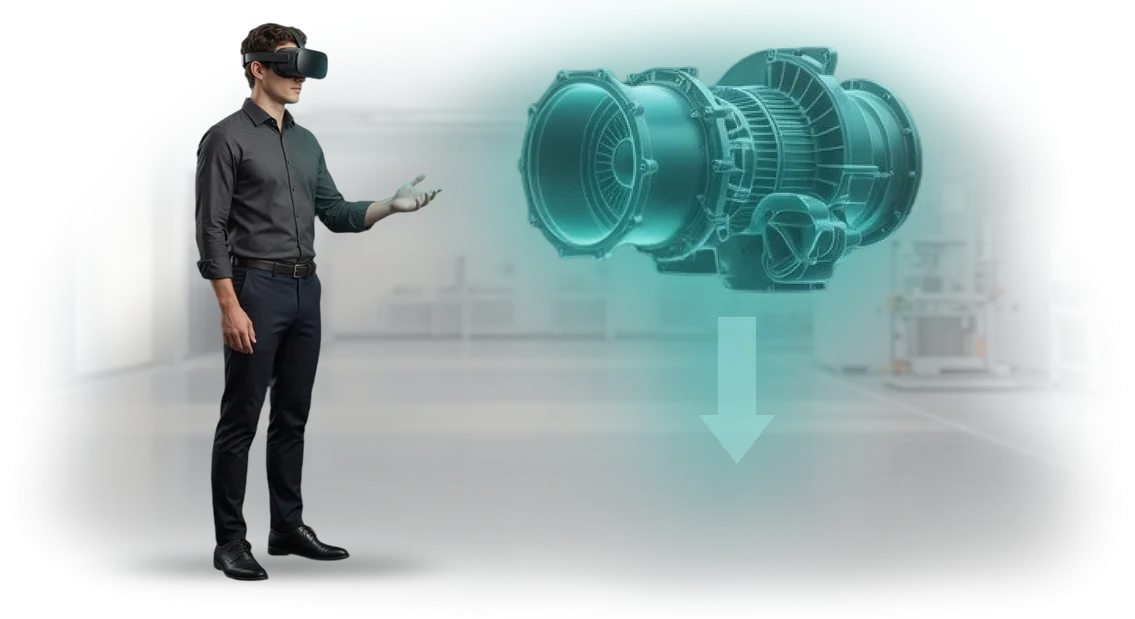
אנחנו סוגרים את הפער הזה עם מאמן VR לאנשי מקצוע רפואיים. התרחיש האימרסיבי מכניס את הצוות לקריאה ריאלית: רעש, לחץ זמן, מצב המטופל, הצורך בחלוקת תפקידים.
תרגול מיומנויות ללא סיכון מאפשר טעויות ותיקונים בזמן שהן לא עולות למטופל כלום. אימון VR לצוותי אמבולנס בונה פרוטוקול יציב וחוסן ללחץ — משהו ששום ספר לימוד או בובה לא יכולים לספק.
אילו תוצאות אימון VR מביא לצוות שלך
אימון VR לצוותי אמבולנס פותר בעיות שהרצאות לא יכולות: פחות טעויות, תגובות מהירות יותר ומוכנות לתרחישים נדירים. בואו נפרק את התוצאות שתראו בצוות שלכם.
מהירות ודיוק במצבים קריטיים
המאמן הווירטואלי לאנשי צוות רפואי מתרגל פרוטוקולים של עזרה ראשונה עד כדי אוטומציה. במקום הרצאות — תרחישים ריאליסטיים שבהם כל דקה חשובה. אחרי כמה מפגשים, הצוות מעריך את מצב המטופל מהר יותר ועושה פחות טעויות בקריאות אמיתיות.
אימון ללא סיכון למטופל
ב-VR, רופא עושה טעויות ללא השלכות על אדם אמיתי. זה מאפשר לתרגל מקרים נדירים — אנפילקסיס, פוליטראומה, דום לב בילד. בפרקטיקה אמיתית, ניסיון כזה נבנה במשך שנים ולעתים קרובות מגיע במחיר של טעות.
גידול בביטחון העצמי ובכישוריהם של העובדים
העובדים רואים את ההתקדמות שלהם, והביטחון משפיע ישירות על איכות העבודה. ההתפתחות המקצועית מפסיקה להיות פורמליות: הצוות לומד פרוטוקולים חדשים ומחזק אותם בפרקטיקה. המנהל יודע שכל צוות מוכן למצבים לא סטנדרטיים.
מדדים שקופים של הכשרת עובדים
המערכת מתעדת כל פעולה: זמן עד תחילת החייאה, בחירת תרופות, רצף בדיקות. אתם רואים תמונה אובייקטיבית של מוכנות ונקודות חולשה של המומחה, לא רק סימון של "קורס הושלם". זו רמת שליטה שאי אפשר להשיג בהכשרה רגילה.
פורמטים של אימון VR למשימות שונות בבית החולים
בבית חולים, אותם פרוטוקולים משמשים מומחים שונים — מאחות קבלה בחדר מיון ועד צוות החייאה. הכשרה אוניברסלית לא עובדת כאן: לכל משימה צריך פורמט אימון VR משלה.
אנחנו מתאימים את הסוג למצב הקליני הספציפי כך שהמפגש יהיה קרוב ככל האפשר למציאות ויניב תוצאות מדידות.
אימוני VR לאנשי מקצוע רפואיים מגיעים בתרחישים אישיים, צוותיים וקצרים. הטבלה שלהלן מציגה את הפורמטים הסטנדרטיים שאנחנו מיישמים בבתי חולים ובתחנות אמבולנס.
פורמטים למשימות של המרפאה שלך
| פורמט | למי | מה הלקוח מקבל |
|---|---|---|
| תרחיש אישי, 10–15 דקות | אחיות, רופאים ראשוניים | תרגול פרוטוקולים עד אוטומציה, פחות שגיאות במהלך קבלה |
| אימון צוותי לצוות | פרמדיקים באמבולנס, צוות החייאה | פעולות מתואמות, חלוקת תפקידים ברורה בזמן קצר |
| תרחיש חירום נדיר | מרדימים, מנתחים, משמרות תורן | ביטחון מול מקרה נדיר, מוכנות ללא פרקטיקה אמיתית |
| מודול רענון קצר (5–7 דקות) | כל הצוות, כולל אנשי תמיכה | שמירה על מיומנויות ללא יציאה מהעבודה, עדכוני פרוטוקול מהירים |
מגוון הפורמטים הזה מכסה את כל מחזור ההכשרה: מהכשרה ראשונית ועד בדיקות מיומנות קבועות. נייעץ לכם איזה סוג של אימון VR מתאים למשימות שלכם ונתאים את התרחיש לפרוטוקולים של המרפאה שלכם.
איך מאמן ה-VR מוטמע: שלבי שיתוף הפעולה
בנינו את תהליך ההטמעה כך שתשלטו בכל שלב בלי לטבוע בפרטים. הצד שלכם מטפל במומחיות ההכשרה; הצד שלנו מטפל בטכנולוגיה ובניהול הפרויקט. להלן נתיב פרויקט טיפוסי שאורך 4 עד 8 שבועות תלוי במספר התרחישים.
-
בריף וטבילה במשימה. אנחנו דנים באילו מיומנויות צריך לתרגל: פרוטוקולים של עזרה ראשונה, מיון נפגעים, פעולות במצבים לא סטנדרטיים. אתם שולחים את הנהלים והפרוטוקולים שלכם — אנחנו הופכים אותם לבסיס של התרחיש העתידי.
-
תרחיש ומתודולוגיה. יחד עם המומחים שלכם, אנחנו מתארים כל מצב אימון: מה העובד רואה, אילו פעולות מצופות, איפה יכולות לקרות טעויות. התוצאה היא מסמך שאתם מאשרים — לא אנחנו.
-
בחינת אב טיפוס. אנחנו מראים איך ייראו הסביבה הווירטואלית והאינטראקציה איתה. בשלב הזה אנחנו מתקנים את הלוגיקה, הממשק והריאליזם — לפני שמשקיעים משאבים בפיתוח בקנה מידה מלא.
-
בנייה ותוכן. אנחנו יוצרים מיקומים וירטואליים, מודלים של ציוד ודמויות, ומתכנתים את תגובות המערכת לפעולות המשתמש. אתם מקבלים גרסאות ביניים ורואים התקדמות — בלי הפתעות בקו הסיום.
-
בדיקות עם העובדים שלכם. קבוצת פיילוט עוברת את האימון, אנחנו אוספים משוב ומשפרים פרטים: קושי, רמזים, תזמון. חשוב שהמאמן יהיה שימושי לצוות הספציפי שלכם, לא למשתמשים מופשטים.
-
השקה במפתח פתוח. אנחנו מתקינים את המערכת, מחברים את הציוד ומכשירים מנהלים. ביום ההשקה, אתם עובדים, לא מתעסקים בהגדרות.
-
תמיכה לאחר ההשקה. אנחנו עוקבים אחרי סטטיסטיקות השלמה, מעדכנים תרחישים כדי להתאים לנהלים חדשים ועוזרים להתרחב לקבוצות עובדים אחרות. המאמן מתפתח יחד עם תוכניות ההכשרה שלכם.
בכל שלב, אתם יודעים מה קורה ומתי התוצאה תגיע. אנחנו מכסים את כל המחזור: מרעיון ועד כלי עובד שהעובדים שלכם משתמשים בו כבר בשבוע הראשון אחרי ההשקה.
מה כלול בחבילת המסירה של אימון ה-VR
אימון VR אינו "קופסה עם משקפת" — זה כלי מוכן לשימוש בתוכנית ההכשרה שלכם. אנחנו מוסרים את החבילה המלאה כך שתוכלו להשיק קורס לצוותי אמבולנס בלי לערב מפתחים או מתודולוגים מהצד שלכם. כל מה שצריך כדי להתחיל הוא לתזמן את התרחישים ולחלק את הציוד.
החבילה כוללת:
- תוכנית קורס מוכנה: מפגשים מבוססי זמן, מטרות וקריטריוני הערכה. העובד מבין מה מצופה ממנו, והמנהל רואה את רמת המוכנות.
- מספר תרחישי VR לתרגול מצבי קריאה אמיתיים: ממטופל יציב ועד מצב קריטי שבו נשארו רק דקות. אנחנו מתרגלים פרוטוקולים, פעולות צוות וקביעת סדרי עדיפויות.
- מדריך למדריך: איך לשלב מפגשי VR בלוח הזמנים הנוכחי, איך לסקור טעויות ואיך לחזק מיומנויות בפרקטיקה היומיומית.
- הוראות השקה וניהול: מדריך שלב-אחר-שלב פשוט לצוות הטכני — אין צורך בהכשרה מיוחדת.
- תמיכה לאחר ההשקה: אנחנו עונים על שאלות, עוזרים בהגדרת ציוד ומעדכנים תרחישים לפי המשוב שלכם.
- דוחות לכל עובד: אתם יכולים לראות מי השלים את האימון, אילו טעויות חוזרות ואילו מיומנויות צריך לשפר. הנתונים האלה עוזרים להתאים את תוכנית ההכשרה של הצוות.
אין מסירת קבצים "ריקה": אתם מקבלים פתרון עובד ותמיכה עד שהקורס הופך לחלק מההכשרה הקבועה. אנחנו מושקעים בתוצאה, ולכן אנחנו נשארים בקשר אחרי מסירת הפרויקט.
מקרה בוחן: איך מאמן VR עזר לתחנת אמבולנס להפחית שגיאות
משמרת טיפוסית בתחנת אמבולנס כוללת עשרות קריאות ודקות לקבלת החלטות. דווקא במיון נפגעים — כשצריך לקבוע במהירות את חומרת המצב ואת סדר הטיפול — עובדים צעירים עושים הכי הרבה טעויות.
פרמדיקים מנוסים עובדים על טייס אוטומטי, בעוד שמתחילים חסרים ניסיון — ולמידה בסביבה אמיתית היא יקרה ומסוכנת.
פיתחנו מאמן VR שמשחזר תרחישי קריאה טיפוסיים: מתאונת דרכים המונית ועד מקרה חמור יחיד. צוותים בתחנת האמבולנס סטוליצ'ניה התאמנו בתנאים וירטואליים במשך 20–30 דקות ביום במשך שבועיים בלי לצאת מהמשמרות שלהם.
המאמן מתאים תרחישים לרמה של כל עובד: מתחיל מתרגל פרוטוקולים בסיסיים, מנוסה — מקרים נדירים ומורכבים.
מה השתנה אחרי האימון
התוצאה העיקרית: שגיאות במיון הפכו לנדירות בשליש. לפני האימון, סדר טיפול שגוי התרחש בכמעט אחד מכל שלושה מקרים מדומים; אחרי שבועיים, רק אחד מכל חמישה.
גם קליטת עובדים חדשים הואצה פי שניים: במקום שלושת החודשים הסטנדרטיים של חניכה, מתאמנים התחילו לעבוד בביטחון אחרי חודש וחצי בלבד.
חשוב לציין, שהאפקט נראה לא רק בסימולציה אלא גם בקריאות אמיתיות. התחנה ציינה פחות תלונות חוזרות ממטופלים, והצוותים החלו לפעול בשלווה רבה יותר במצבי לחץ.
מפקד המשמרת אמר שהצוות הפסיק "לאבד את הראש" במהלך אירועים המוניים — הפעולות שלהם הפכו למדויקות ומסונכרנות.
למה הלקוח נשאר איתנו
אחרי השלב הראשון, התחנה הזמינה מודול נוסף לאינטראקציה בין מוקדן לצוות. זה מאשר שאימון VR מניב תוצאות מדידות, לא רק בידור לעובדים.
היום, המאמן הוא שלב חובה בקליטת עובדים חדשים ומשמש לבדיקות הסמכה שנתיות.
שאלות נפוצות ממנהלים לפני הזמנת אימון VR
מנהלי מחלקות ומרכזי הכשרה שואלים שאלות דומות לפני הזמנת אימון VR: איך המאמן משתלב בלוח הזמנים של העבודה, כמה הוא בטוח, ומה קורה אם הציוד נכשל.
אספנו וענינו בכנות על השכיחות ביותר — בלי פרטים טכניים מורכבים, רק מה שמשפיע על ההחלטה שלכם.
איך אימון VR ישתלב בלוחות הזמנים של משמרות האמבולנס?
המאמן מיועד למפגשים קצרים — 10 עד 20 דקות. אפשר לקיים את הפורמט הזה לפני משמרת או בין קריאות בלי למשוך עובד מהעבודה לזמן ממושך. נעזור לכם לבנות לוח זמנים שלא יפריע לקצב של המחלקה.
האם מאמן ה-VR בטוח לעובדים?
התוכנית מתחשבת במאפיינים של רפואת חירום: תרחישים לא יוצרים לחץ מוגזם, והמפגשים כוללים הפסקות עדינות. הציוד עובר את כל הבדיקות ומשמש בהתאם לתקנים סניטריים.
לפני ההתחלה, כל אחד מקבל בריף קצר — ההסתגלות אורכת לא יותר מכמה דקות.
מה קורה לנתונים של המחלקה?
כל רשומות האימון מאוחסנות במערכת מאובטחת ונגישות רק לצוות מורשה. אתם מקבלים דוחות סיכום על פעולות הצוות: מה תורגל ואיפה נדרשת הכשרה נוספת. הנתונים לא משותפים עם צדדים שלישיים.
מה אם הציוד נכשל?
אנחנו לוקחים אחריות מלאה על תקינות הערכה: אנחנו מספקים ציוד גיבוי ומחליפים יחידות פגומות במהירות. האחריות והתמיכה הטכנית מוגדרות בחוזה, כך שהאימון לא ייפסק אפילו במצב בלתי צפוי.
איך העובדים יסתגלו לפורמט האימון החדש?
הניסיון מראה שאנשים מסתגלים ל-VR במהירות, גם אלה שמעולם לא התמודדו עם טכנולוגיה כזו. אנחנו עושים את ההשקה הראשונה יחד עם הצוות שלכם, והמאמן כולל מצב תרגול. רוב הצוותים משלימים תרחישים באופן עצמאי אחרי מפגש אחד או שניים בלבד.
הזמינו אימון VR לצוות שלכם — וקבלו תרחישים מוכנים
צוותי אמבולנס עובדים תחת לחץ זמן מתמיד: כל דקה חשובה, ולמצוא זמן להכשרה זה קשה. הרצאות רגילות לא בונות את מהירות התגובה שאתם צריכים — טעויות צצות רק בקריאות אמיתיות.
אימון VR פותר את זה: העובדים מתרגלים פרוטוקולים בסביבה בטוחה, ואתם מקבלים רמת מוכנות צפויה בלי להפריע למשמרות.
אנחנו מטפלים בפיתוח המאמן במפתח פתוח: מהבריף הראשון ועד להטמעה בחדר ההכשרה שלכם. השאירו פנייה — וקבלו חבילה מלאה ליישום מהיר כבר מההתחלה.
- בריף פיתוח אימון VR המותאם לפרוטוקולים ולתרחישי הקריאה שלכם.
- תרחיש הדגמה של מקרה טיפוסי — תראו איך המאמן נראה ועובד לפני שלב הפיתוח הסופי.
- תוכנית הטמעה: איך לשלב מפגשים בלוח המשמרות בלי להפריע לשיגור.
- הערכות זמנים והעלות המדויקת של מאמן ה-VR המחושבת אחרי הבדיקה — בלי עמלות נסתרות.
- ייעוץ הטמעה: נעזור לכם לבחור ציוד ולהקים אזור אימון.
- תמיכה בהשקה: נכשיר את המדריכים שלכם ונעזור להריץ את המפגשים הראשונים.
הפורמט הזה כבר הוכיח את עצמו בשירותי חירום: עובדים מקבלים החלטות מהר יותר, וההנהלה רואה תוצאות אובייקטיביות לכל מתאמן. סומכים עלינו בפרויקטים מורכבים — אנחנו עובדים מרחוק ועומדים בזמנים.
רוצים להזמין אימון VR לצוות שלכם? התקשרו אלינו או השאירו פנייה — נחזור אליכם תוך יום עסקים אחד, נענה על השאלות שלכם ונכין הצעה מסחרית.
התחילו בייעוץ הטמעה: נדון במטרות שלכם, ניתן לכם את העלות של מאמן ה-VR ונראה כמה מהר האימון ישתלם.
מה אם אתם צריכים תרחיש אימון מותאם אישית?
תרחישים מותאמים אישית אינם היוצא מן הכלל — הם הפרקטיקה הקבועה שלנו. תוכניות סטנדרטיות מספיקות להכשרה בסיסית, אבל שירותי אמבולנס לעתים קרובות פועלים לפי פרוטוקולים משלהם: מאפייני מחלקה, תכונות ציוד, תקנים אזוריים. לכן אנחנו מתאימים את המאמן לזרימות העבודה האמיתיות שלכם, לא להיפך.
ההתאמה מתחילה בסקירת המסמכים שלכם: נהלים, נוהלי הפעלה סטנדרטיים, הוראות ומקרים אמיתיים מהפרקטיקה. אנחנו מדברים עם הרופאים והפרמדיקים שלכם כך שהתרחיש ישקף את הניסיון והטעויות שלהם.
התוצאה היא אימון VR מותאם שבו כל שלב תואם את הפרוטוקולים שלכם, לא ספרי לימוד מופשטים.
דרישות ספציפיות מטופלות באמצעות רמות קושי ותפקידים מתכווננים. לדוגמה, אפשר ליצור תרחישים נפרדים למתחילים ולמנוסים, למשמרות החלפה ולתרגול מצבים נדירים אך קריטיים.
כל משתתף מתאמן בדיוק על מה שהוא צריך — בלי תיאוריה מיותרת ומצבים תבניתיים.
התוצאה היא אימון שעובר במהירות לפרקטיקה אמיתית. העובדים פועלים בשלווה ובדיוק רב יותר כי הם כבר עברו מצבים דומים בסביבה וירטואלית. אתם מקבלים לא רק עוד מאמן, אלא כלי משולב במערכת ההכשרה שלכם. ספרו לנו על הדרישות שלכם — נציע פתרון לתחנה שלכם.