

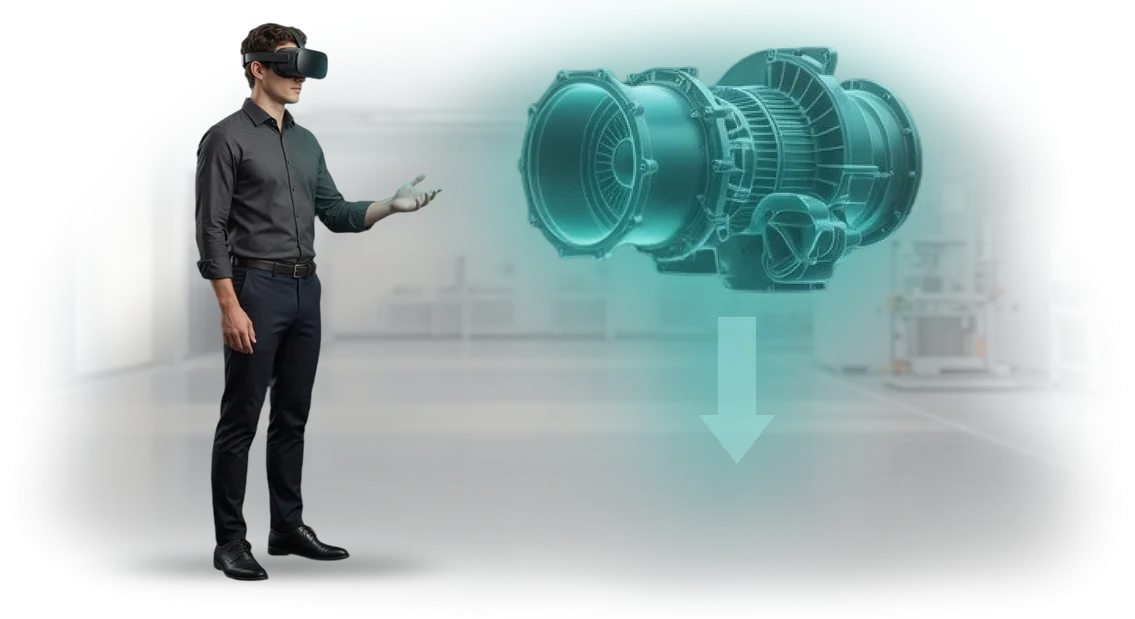
כירורגיית כלי דם: סימולטור VR להכשרת מנתחים
הכשרת מנתח בכירורגיית כלי דם הייתה תמיד כרוכה בסיכונים גבוהים: טעות בחולה אמיתי עלולה לעלות בחיים, וכל פעולה דורשת דיוק מרבי.
במקביל, הפרקטיקה המסורתית — סיוע בניתוחים, צפייה במנטור, אימון על בובות — אינה מספקת את הדבר החשוב ביותר: היכולת לעבוד שוב ושוב על תרחישים מורכבים מבלי לסכן אדם.
מנתח צעיר נאלץ ללמוד "בקרב", כאשר מחיר ההחלטה נמדד בשניות.
הכשרת VR משנה גישה זו. סימולטור רפואי מאפשר לתרגל התערבויות בכלי דם בסביבה וירטואלית בטוחה: מניתוח מעקפים סטנדרטי ועד מצבי חירום עם דימום.
המנתח רואה את האנטומיה בתלת-ממד, לומד לשלוט במכשירים, מקבל החלטות תחת לחץ זמן, ומקבל הערכה אובייקטיבית של פעולותיו. ניתן לחזור על כל תרגיל עשרות פעמים עד שהתנועה הופכת לאוטומטית.
עבור מרפאה, משמעות הדבר היא איכות הכשרה צפויה: כל הצוות עובר את אותם תרחישים, וניתוח טעויות מתרחש לא לאחר אירוע אלא הרבה לפני המפגש עם מטופל.
ראש המחלקה מקבל כלי שמודד את ההתקדמות של כל מנתח ומגביר את ביטחון הצוות בהתערבויות מורכבות.
סימולטורי VR לכירורגיית כלי דם אינם תחליף להכשרה מעשית, אלא מגרש אימונים בטוח לתרגול מיומנויות לפני ניתוח אמיתי.
אנו לוקחים על עצמנו את כל המחזור: ניתוח משימה, פיתוח תרחישים, יצירת אנטומיה ריאלית, ושילוב בתהליך החינוכי. התוצאה: סיכונים מופחתים, צמיחה במיומנויות המנתחים, ושקט נפשי להנהלה לגבי כל צעד ליד שולחן הניתוחים.
אילו יתרונות מקבלת מרפאה מהכשרת צוות ב-VR
בכירורגיית כלי דם, מחיר הטעות גבוה במיוחד: כל תנועה של המנתח משפיעה ישירות על חיי המטופל. הכשרה מסורתית תמיד כרוכה בסיכון במהלך ניתוחים אמיתיים או בחוסר תרגול על מקרים קליניים נדירים.
סימולטור VR נותן למנתח הזדמנות לתרגל שוב ושוב תרחישים מורכבים מבלי לאיים על המטופל — מהתערבויות סטנדרטיות ועד מצבי חירום המתרחשים לעתים רחוקות בפרקטיקה השגרתית.
היתרון העיקרי עבור מרפאה הוא מנתחים בטוחים בעצמם הפועלים בבהירות ובשלווה. כאשר רופא כבר "חווה" מקרה מורכב בסביבה וירטואלית, הוא מקבל החלטות מהר יותר ובדיוק רב יותר במהלך ניתוח אמיתי.
זה משפר ישירות את איכות הטיפול ואת המוניטין של המחלקה: מטופלים בוחרים במרפאה שבה הם בטוחים בכל צעד של הצוות הרפואי.
בטיחות המטופל הופכת למערכתית. אלגוריתמי פעולה מחודדים, שהובאו לאוטומציה, מפחיתים את הסבירות לסיבוכים ולהתערבויות חוזרות.
ראש המחלקה מקבל כלי המאפשר לתקנן את ההכנה של כל המנתחים — ללא קשר לוותק ולניסיון. התוצאה היא תוצאות ניתוחיות צפויות ופחות תלונות, וזהו הבסיס לאמון במרפאה.
חיסכון בהכשרה הוא יתרון משמעותי נוסף. סימולטור VR מחליף חלק מהחומרים המתכלים היקרים, את הצורך בגיוס מנטורים, וארגון התמחויות. ההכשרה מתבצעת ישירות במרפאה, ללא הפסקת עבודה וללא עלויות לוגיסטיקה.
במקביל, עשרות עובדים משתמשים באותו סימולטור — ההשקעה מחזירה את עצמה במהירות, והתועלת מכל הכשרה עוקבת רק גדלה.
לבסוף, הכשרת VR מסייעת לשמר מומחים יקרי ערך. מנתחים מעריכים את היכולת לשפר את כישוריהם ללא נסיעות והשבתה. עבור מרפאה, משמעות הדבר היא תחלופת עובדים נמוכה יותר וצוות חזק המוכן לכל אתגר.
על ידי יישום VR, אתה רוכש לא רק טכנולוגיה, אלא יתרון מערכתי באיכות, בבטיחות וביעילות של כל השירות הכירורגי.
פורמטים של סימולטור VR לכירורגיית כלי דם
שני פורמטים — למטרות מרפאה שונות
בכירורגיית כלי דם, מחיר הטעות גבוה במיוחד: כל תנועה חייבת להיות מדויקת, וכל שלב חייב להיות מתורגל. אבל אי אפשר להתאמן על מטופלים, והזמן של המנטורים מוגבל.
סימולטורי VR פותרים בעיה זו: המנתח מקבל סביבה בטוחה שבה ניתן לחזור על תרחישים מורכבים עשרות פעמים מבלי לסכן אנשים אמיתיים.
אנו מפתחים שני פורמטי הכשרה, והם נותנים מענה למטרות מרפאה שונות. הראשון הוא סימולטור סוחף במחזור מלא המכין את הצוות לניתוח אמיתי שלם.
השני הוא מודול קומפקטי לתרגול אלגוריתמים ספציפיים, כאשר יש צורך לרענן מיומנות במהירות או להביא עובד חדש לרמה. הבחירה תלויה במטרה שלך.
| פורמט | למי | מה הוא מספק ללקוח |
|---|---|---|
| סימולטור סוחף במחזור מלא | מנתחים, מתמחים, כל צוות הניתוח | שקיעה מלאה בתהליך הניתוחי: מגישה לכלי דם ועד סגירת פצע. רצף הפעולות, הטקטיקה ותיאום הצוות מתורגלים — ללא סיכון למטופל. |
| מודול קומפקטי לתרגול אלגוריתמים | מנתחים מנוסים לפני מקרה מורכב, עובדים חדשים במהלך קליטה | חזרה מהירה על שלבים מרכזיים: בידוד כלי דם, תפירה, שליטה בדימום. בסשן קצר, המנתח מרענן את האלגוריתם ופועל בביטחון רב יותר בחדר הניתוח האמיתי. |
שני הפורמטים בנויים על פרוטוקולים קליניים אמיתיים ומותאמים לסטנדרטים של המחלקה שלך. מנתחים עובדים עם מכשירים מוכרים, רואים אנטומיה ריאלית, ומקבלים משוב על כל פעולה. זה מאפשר לבנות מערכת הכשרה אחידה — ממתמחה ועד מנתח ראשי.
הצוות שלנו יוצר פרויקטים סוחפים לעסקים ולרפואה כבר למעלה מ-10 שנים, כך שאנו יודעים להפוך VR לכלי עבודה ולא לבידור. אנו מתחילים בבדיקת המשימות שלך ובוחרים את הפורמט שיביא תוצאות במהירות הרבה ביותר.
שלבי יישום סימולטור VR: מהבריף ועד ההשקה
תכננו את התהליך כך שתשלוט בכל שלב ותראה כיצד הסימולטור העתידי מתגבש. להלן נתיב אופייני מהבריף ועד ההשקה שכבר עברו לקוחותינו מארגונים רפואיים וחינוכיים.
-
בריף ושקיעה במשימה. אנו לומדים את תהליכי העבודה, התרחישים והטעויות האופייניות במחלקה שלך. אנו מגדירים את מטרות ההכשרה וקריטריוני ההצלחה — אתה מקבל תוכנית שפותרת את המשימה הספציפית שלך, לא קורס מופשט.
-
תרחיש ומבנה הסימולטור. יחד עם המומחים שלך, אנו מתארים מצבי הכשרה: מה העובד עושה, אילו צעדים הוא נוקט, מה אנו מחשיבים כטעות. בשלב זה, אתה רואה כיצד תיראה ההכשרה לפני שפיתוח בכלל מתחיל.
-
פיתוח אב-טיפוס עובד. אנו יוצרים גרסה בסיסית של התרחיש המרכזי עם גרפיקה מינימלית. אתה והעובדים שלך מתנסים בו ונותנים משוב — אנו מבצעים התאמות מבלי לבזבז משאבים על שיפוץ מלא.
-
הכנת תוכן וסביבה. אנו מרנדרים את חדר הניתוח, המכשירים והממשק, ומקליטים הנחיות קוליות. אנו משתמשים בחומרי ההוראה ובזהות החזותית שלך כך שההכשרה תרגיש מוכרת.
-
הרכבה ובדיקת גרסה מלאה. אנו מאחדים את כל המודולים ומריצים סדרת ניסויים עם העובדים שלך. אנו בודקים פעולה יציבה על מכשירים שונים ונוחות ניהול המערכת.
-
השקה והכשרת צוות. אנו מתקינים את הסימולטור, מגדירים גישה ומכשירים מנהלים. העובדים משלימים את הקורס במצב נוח — אין צורך לעצור את תהליך העבודה.
-
תמיכה ופיתוח. לאחר ההשקה, אנו נשארים בקשר: אנו מעדכנים תרחישים, מוסיפים מצבי הכשרה חדשים ומסייעים בשאלות. הסימולטור חי יחד עם התהליכים שלך ואינו מתיישן.
גישה שלב-אחר-שלב זו מאפשרת להשיק הכשרה בפרק זמן קצר ולמדוד מיד את התוצאה — לפי זמן השלמת הפעולה ומספר הטעויות. בכל שלב, אתה מבין מה אתה מקבל ושולט בתקציב.
מה כלול במסירת סימולטור VR למרכז רפואי
חבילת המסירה המלאה של סימולטור VR לכירורגיית כלי דם היא פתרון סוהר למרכז רפואי. אנו מספקים לא רק תוכנה אלא את כל התשתית, כך שהכשרת הצוות מושקת ללא עיכובים ותואמת את המטרות הקליניות של המרפאה.
מה כלול במסירה:
- סימולטור VR עם סט תרחישים — מתרגול מניפולציות בסיסיות ועד התערבויות כירורגיות מורכבות, כולל אבחון, בחירת מכשירים ופעולות בסיבוכים.
- חומרי הוראה למדריכים — מערכי שיעור מוכנים, קריטריונים להערכת מיומנויות והמלצות להתאמת התוכנית למנתחים עם רמות ניסיון שונות.
- הוראות התקנה ושימוש — מדריכים קצרים למנהלים ולרופאים, המיועדים לאנשים ללא הכשרה טכנית.
- גישה לעדכונים — תרחישי הסימולטור מורחבים ומשופרים באופן קבוע בהתאם להמלצות קליניות; אתה מקבל גרסאות חדשות ללא תשלום נוסף.
- תמיכה טכנית — סיוע בהתקנה, הכשרת צוות אחראי ופתרון מהיר של בעיות במהלך העבודה השוטפת.
- תמיכה בהשקה — המומחה שלנו מסייע לשלב את הסימולטור בלוח ההכשרות, עורך את הסשן הראשון ואוסף משוב מהצוות הרפואי.
חבילת מסירת סימולטור VR זו מאפשרת למרכז רפואי להתמקד בדבר העיקרי — שיפור כישורי המנתחים ובטיחות הניתוחים העתידיים.
מקרה בוחן: כיצד סימולטור VR סייע למרפאה להכשיר מנתחים
באמצעות דוגמה אמיתית, נראה כיצד סימולטור VR סייע למרפאה לקצר את הדרך מתיאוריה לפרקטיקה בטוחה. הלקוח היה המרכז לכירורגיית כלי דם, מרפאה המבצעת מאות ניתוחי כלי דם מדי שנה.
הבעיה הייתה מוכרת לכל ראש מחלקה: מתמחים מבלים זמן רב בצפייה בניתוחים, אך הצעדים העצמאיים הראשונים שלהם עדיין כרוכים בסיכון.
מנטורים בילו עד 40% מזמנם בהסברת טכניקות בסיסיות, ולמנתחים צעירים לא הייתה הזדמנות לתרגל בבטחה מצבים נדירים. כתוצאה מכך, הגעה לעבודה עצמאית ארכה חודשים.
כיצד עבדה ההכשרה
יצרנו תרחישים וירטואליים של ניתוחים אמיתיים: מהתערבויות טיפוסיות ועד סיבוכים נדירים. המנתח עובד בסביבת VR שבה כל טעות מודגשת והפעולות מושוות לטכניקת ייחוס.
ההכשרה מתבצעת ללא סיכון למטופלים וללא תלות בלוח הניתוחים — המערכת זמינה מסביב לשעון.
תוצאות היישום
תוך חודשיים בלבד, המרפאה הבחינה בשינוי מערכתי. זמן ההכנה של מנתחים לניתוח העצמאי הראשון שלהם קוצר פי שלושה — מתשעה חודשים לשלושה.
דיוק התנועות בחדר הניתוח עלה ב-27%, ומספר הטעויות הטכניות בעבודה עם מכשירים כמעט נחתך בחצי. במקביל, צפייה במנטורים חדלה להיות שיטת ההכשרה היחידה.
אפקט נוסף הוא הביטחון של מומחים צעירים. הם נכנסים לחדר הניתוח לא בפעם הראשונה, אלא לאחר עשרות ריצות תרגול של תרחישים מורכבים. ראש המחלקה ציין שהצוות החל לקבל החלטות מהר יותר במצבים לא סטנדרטיים. לאחר פרויקט הפיילוט, המרפאה הזמינה הרחבת התוכנית לתחומים קשורים.
כיצד לבחור סימולטור VR למטרות המרפאה שלך?
בחירת סימולטור VR לכירורגיית כלי דם מתחילה לא בקטלוג ציוד אלא בשאלה: איזו משימה ספציפית המרפאה רוצה לפתור? אם המטרה היא לתרגל מיומנויות מוטוריות לפני הניתוח העצמאי הראשון, יש צורך בפורמט אחד.
אם חשוב להעריך את פעולות המנתח במצב חירום או להכין צוות שלם לעבודה מתואמת — בפורמט אחר.
לכן, אנו מציעים להתחיל בניתוח קצר: מי יוכשר, מה רמת ההכשרה של הקבוצה, כמה אנשים צריך להכשיר בחודש, ואילו סיבוכים נפוצים ביותר בפרקטיקה.
ארבע נקודות אלו כבר קובעות את התרחיש המתאים, את מידת הריאליזם ואת עומק המשוב הנדרש.
מה שנותר הוא לבחור את היישום הטכני — סימולטור עצמאי או פתרון עם תמיכת מדריך, אבל זה כבר עניין של תקציב ותדירות שימוש, לא של יעילות.
קריטריון המפתח הוא לא מספר הפונקציות אלא התקדמות מדידה. סימולטור VR טוב צריך להראות למנתח בדיוק היכן הוא מבזבז זמן או מבצע תנועה מסוכנת, ולתת המלצות לתיקון.
אם אין משוב כזה, אפילו הגרפיקה היפה ביותר לא תסייע להכין מומחה לניתוח אמיתי.
נקודה חשובה נוספת היא התאמה לפרוטוקולים של המרפאה.
אנו מתאימים תרחישים לשיטות שלך, לסיבוכים האופייניים ולמפרט הציוד בחדר הניתוח שלך, כך שהעברת המיומנויות מהסביבה הווירטואלית לאמיתית מתרחשת ללא אובדן איכות.
זה מבדיל את הגישה שלנו מרכישת סימולטור אוניברסלי, שלעתים קרובות דורש הסבה לסטנדרטים של אחרים.
לבסוף, שימו לב לתמיכה. אנחנו לא רק מוסרים מוצר; אנו מכשירים את המדריכים שלך, מסייעים לשלב את ההכשרה בלוח ההתמחות, ואוספים סטטיסטיקות על כל משתתף.
כך, אתה מקבל לא "משחק בקופסה" אלא כלי עבודה שפותר משימה חינוכית ספציפית ומשפר את בטיחות המטופלים.
שאלות נפוצות על יישום סימולטור VR
לפני יישום סימולטור VR לכירורגיית כלי דם, למרפאות יש את אותן שאלות חוזרות: לוחות זמנים לפיתוח, ריאליזם של תרחישים והתאמה לפרוטוקולים. זה נורמלי — פורמטי הכשרה חדשים דורשים אימות. להלן, אנו מתייחסים להתנגדויות המרכזיות.
כמה זמן לוקח פיתוח סימולטור VR?
המחזור הסטנדרטי הוא שישה עד עשרה שבועות: מהבריף ועד תרחיש מוכן להכשרת מתמחים. אנו קובעים את הפרוטוקולים הכירורגיים ואת הדרישות של ראש המחלקה. תוך מספר שבועות, מנתחים בודקים את הסצנות הראשונות ומבצעים עריכות.
כמה ריאליסטי נראה הסימולטור?
אנו מעבירים את האנטומיה של כלי הדם, התנהגות הרקמות ושלבי ההתערבות. התרחיש בנוי על מקרים קליניים אמיתיים — מגישה לכלי דם ועד הנחת תפרים. זה יוצר רצף פעולות נכון אצל המתאמן, לא רק תמונה.
האם ניתן להתאים את הסימולטור לפרטי המרפאה?
כן, זהו הבסיס לגישה. אנו לוקחים את סטנדרטי הניתוח, הסיבוכים האופייניים והציוד בחדר הניתוח ובונים אותם לתוך התרחיש. הסימולטור משקף את הפרקטיקה שלך, כך שהיישום מהיר יותר ואמון המנתחים גדל.
עבדנו על שאלות אלו בפרויקטים למחלקות כלי דם ולמרפאות שבהן הוכשרו מיומנויות כלי דם. הצוות שלנו תומך ביישום בכל השלבים — מהבריף הראשון ועד לתמיכה לאחר ההשקה.התחל את פרויקט הכשרת ה-VR שלך: הצעד הראשון לתוצאות
כדי שהכשרת VR תניב תוצאות, חשוב לא רק להזמין פיתוח אלא להתחיל בצעד הראשון הנכון.
לאחר פנייתך, אנו מנתחים את המשימה שלך, את הפרטים של עבודת כירורגיית כלי הדם, ומציעים נתיב שיוביל לאפקט מדיד — הפחתת זמן הכנת הצוות, הפחתת טעויות והגברת ביטחון הצוות.
מה אתה מקבל מיד לאחר יצירת קשר:
- ייעוץ על יישום הכשרת VR. נדון באילו תרחישי כירורגיית כלי דם יביאו תועלת מרבית לצוות שלך: מתרגול סיבוכים נדירים ועד אימון מיומנויות קבוע.
- לוח זמנים והערכת שלבי עבודה. תוכנית ברורה: מהבריף הראשון ועד השקת פרויקט הפיילוט. אתה יודע מתי יופיעו התוצאות הראשונות ומה נדרש מצידך בכל שלב.
- תרחיש פיילוט לבדיקה. לא סרטון הדגמה מהולל, אלא קטע מהסימולטור הקרוב ככל האפשר לפרקטיקה הכירורגית שלך. ניתן להעריך אותו עם עובדים אמיתיים כבר בהתחלה.
- הדגמת הגישה על דוגמה חיה. נראה כיצד סימולטור ה-VR משתלב בהכשרה הקיימת: כיצד מתבצע התדריך, אילו מיומנויות מתורגלות וכיצד נרשמת ההתקדמות של כל עובד.
- מדדי יעילות ברורים. לאחר הפיילוט, תקבל נתונים: זמן השלמת מניפולציות, מספר הטעויות והדינמיקה של ניסיונות חוזרים. זהו הבסיס להחלטה על הרחבה.
פורמט זה מפחית סיכונים: אתה לא קונה "חזיר בשק" אלא מקבל החלטה על סמך עובדות.
אנו עובדים מרחוק כבר זמן רב ומנהלים פרויקטים ללקוחות מאזורים שונים — התהליך מבוסס היטב, כך שהצעד הראשון ייקח לא יותר מיום עסקים אחד.
השאר בקשה באתר, ואנו נכין הצעה למשימה שלך. לאחר מכן — ייעוץ, פרויקט פיילוט ותוכנית ברורה ליישום הכשרת VR לכירורגיית כלי דם.