

מדוע הכשרה מסורתית באורולוגיה אינה מכינה מנתחים לניתוחים אמיתיים
הכשרה מסורתית באורולוגיה מבוססת על הרצאות, ספרי לימוד ותצפית על ניתוחים. מנתח צעיר מבלה שנים בצפייה בעמיתים מנוסים בעבודה, אך עד לניתוח העצמאי הראשון שלו, אין לו ניסיון אמיתי בקבלת החלטות.
חוסר תרגול הוא הסיבה העיקרית לכך שהתערבויות ראשונות נושאות סיכון מוגבר לשגיאות ניתוחיות.
המחיר של שגיאות כאלה אינו רק בריאות המטופל אלא גם המוניטין של המרפאה. ניתוחים אורולוגיים מורכבים דורשים רמת דיוק שלא ניתן לפתח באמצעות קריאת אטלסים או צפייה בהקלטות.
כל כישלון הופך לסיפור שמטופלים דנים בו, ובהדרגה האמון במרפאה נשחק — ואיתו גם זרם ההפניות.
בתחומים אחרים ברפואה, הכשרת סימולציה כבר הפכה לסטנדרט, אך הכשרה באורולוגיה נותרה לעיתים קרובות שמרנית. מנתחים נאלצים ללמוד על מטופלים חיים, ובדיוק בתקופה זו מתרחשים רוב הסיבוכים.
זוהי בעיה מערכתית שלא ניתן לפתור פשוט על ידי הגדלת מספר הניתוחים או הגברת הפיקוח.
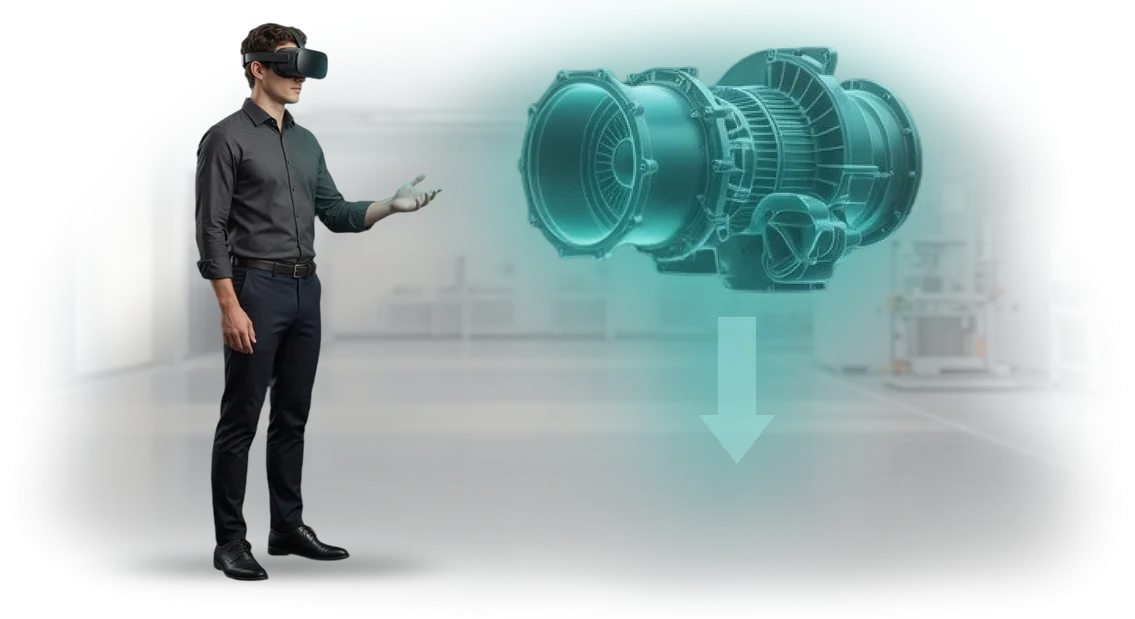
אנו סוגרים את הפער הזה עם סימולטורי VR לאורולוגיה. מנתח מקבל יכולת לתרגל שוב ושוב שלבים מורכבים של התערבות בסביבה וירטואלית בטוחה, בעוד המרפאה מפחיתה סיכונים ומגנה על המוניטין שלה.
כך, הכשרה אורולוגית מפסיקה להיות "תיאוריה עם השלכות" והופכת לתרגול מבוקר, שבו כל טעות היא חווית למידה ולא תוצאה קטלנית.
מה מאמן VR ייתן למרפאה ולמטופלים שלך
מרפאה מודרנית מעוניינת שכל אורולוג יעבוד בביטחון ובדיוק. הכשרה מסורתית מורכבת מהרצאות, תצפית על ניתוחים ותרגול נדיר בפיקוח עם חונך.
מאמן VR משנה את הגישה: הרופא מקבל יכולת לתרגל מניפולציות בסביבה ריאלית ללא סיכון למטופלים.
בטיחות המטופל הופכת לערך המרכזי של ההכשרה. מאמן וירטואלי מאפשר לבצע טעויות וללמוד מהן לפני שהרופא פוגש מטופל אמיתי.
באורולוגיה, שבה דיוק התנועות משפיע ישירות על בריאות האדם, זה מפחית את הסיכון לסיבוכים ולניתוחים חוזרים.
תרגול מיומנויות מתרחש שוב ושוב ועד לאוטומטיזם מלא. שלבים מורכבים — גישה לדרכי השתן, כריתה של רקמות, עצירת דימום — ניתנים לחזרה כמה פעמים שצריך.
רמת תרגול זו בלתי אפשרית בקורסים או בתצפית על עמיתים מנוסים, והתוצאה היא ביטחון של המנתח בכל פעולה.
החיסכון במשאבים למרפאה ברור. אין צורך להוציא על חומרים מתכלים, להקצות זמן לנסיעות להכשרה או להזמין מומחים חיצוניים.
המאמן זמין בכל רגע, כך שלוח הזמנים של ההכנה משתלב בקלות בקצב העבודה, ואין צורך בחונך לכל מפגש — המערכת עצמה מצביעה על שגיאות ומציעה טכניקה נכונה.
בסופו של דבר, המרפאה מקבלת צוות שמשפר את כישוריו ברציפות מבלי לעזוב את העבודה. זה מוביל לפחות סיבוכים, שיעורי 만족 גבוהים של מטופלים ומוניטין מחוזק למרכז הרפואי.
יישום הכשרת VR הוא השקעה אסטרטגית באיכות השירותים הנראית לעין הן למטופלים והן לשותפים.
פורמטי הכשרת VR למשימות אורולוגיות שונות
כל מרפאה מתמודדת עם משימות שונות באורולוגיה: חלקן צריכות להביא טכניקה ניתוחית לאוטומטיזם, אחרות צריכות להכשיר צוות חדש במהירות, ועוד אחרות צריכות להכין את הצוות למקרים נדירים אך מורכבים.
אין פתרון VR אוניברסלי, ולכן אנו בוחרים פורמט על סמך המטרה הספציפית ורמת המיומנות של הצוות.
להלן — כיצד פורמטי הכשרה שונים נותנים מענה למשימות המרפאה.
| פורמט | למי | מה הוא נותן למרפאה |
|---|---|---|
| סימולטורים וירטואליים | מנתחים אורולוגים ומתמחים | תרגול מניפולציות ללא סיכון למטופל, הבאת טכניקה לאוטומטיזם, הערכת התקדמות אובייקטיבית |
| רמזי AR | צוות רפואי, עוזרים, מומחים מתחילים | הדמיה של אנטומיה ושלבי פרוצדורה ישירות בשדה הראייה, פחות שגיאות, הכשרה מהירה יותר של צוות חדש |
| תרחישים אינטראקטיביים | כל הצוות הניתוחי | הכשרה למצבים נדירים וחירום, תרגול תיאום צוות, מוכנות למקרים לא סטנדרטיים |
קל לשלב בין הפורמטים: למשל, תחילה סימולטור לתרגול טכניקה, ולאחר מכן תרחיש אינטראקטיבי לאינטראקציה צוותית.
אנו עוזרים לבחור את השילוב האופטימלי למשימות המחלקה, מספר אנשי הצוות ולוח הזמנים של העבודה — ללא רכישת ציוד מיותר או התקנה ארוכה.
כיצד עובד פיתוח מאמן: מבריף ועד השקה
פיתוח מאמן VR הוא תהליך הבנוי על שלבים שקופים והתאמה עם הצוות שלך. אנחנו לא רק יוצרים "תוכנית" — אנו בונים תהליך עבודה: מהתעמקות בפרטי האורולוגיה ועד השקת הפתרון המוגמר ותמיכה שוטפת בו.
להלן שלבי הפיתוח שכל פרויקט עובר, כדי שתבין מה אתה מקבל ומתי.
-
הגדרת המשימה והבריף. אתה מספר לנו אילו מיומנויות או תרחישים הצוות צריך לתרגל: אבחון, תכנון ניתוח, עבודה עם מכשירים. אנו שואלים שאלות, לומדים את הפרוטוקולים וחומרי ההכשרה שלך — כך שהמאמן פותר בדיוק את המשימה שלך.
-
התאמת התרחיש והמתודולוגיה. אנו מציעים מבנה הכשרה: רצף פעולות, שגיאות אופייניות, קריטריוני הערכה. אנו מתאמים אותו עם הרופאים-המומחים שלך — בשלב זה מאושרים נכונות רפואית וערך חינוכי.
-
אב טיפוס ועיצוב חזותי. אנו מראים כיצד ייראו חדר הניתוח, המכשירים והממשק. אתה רואה מה הצוות יקבל ויכול לבצע עריכות לפני תחילת העבודה המרכזית — זה חוסך זמן וכסף.
-
פיתוח המאמן. אנו יוצרים סימולציה מלאה: תגובת מכשירים, סביבה ריאלית, משוב על פעולות. עבור הרופא, זו היכולת לחזור על טכניקות מורכבות פעמים רבות ללא סיכון למטופל — עם ניתוח ברור של התוצאה.
-
בדיקות עם הצוות שלך. אנו בודקים את המאמן במצב אמיתי על קבוצת מומחים. אנו אוספים משוב, מתאימים תרחישים וממשק — אתה מקבל כלי נוח לצוות, לא "ויטרינה" ללא ערך מעשי.
-
השקה ויישום. אנו פורסים את המאמן המוגמר על הציוד שלך או מספקים גישה דרך ארכיטקטורת שרת. אנו מגדירים חשבונות משתמש, הרשאות ואינטגרציה עם תוכנית ההכשרה — אין צורך להגדיר שום דבר נוסף.
-
תמיכה ופיתוח. לאחר ההשקה, אנו נשארים בקשר: אנו מעדכנים תרחישים, מוסיפים מודולי הכשרה חדשים ומנטרים יציבות. אם הפרוטוקולים משתנים, המאמן מתאים את עצמו לדרישות החדשות, והצוות שלך תמיד מקבל תרגול עדכני.
כל שלב מסתיים בהתאמה — אתה שולט בתוצאה ובלוחות הזמנים. לשם כך, אנו משתמשים בפורמטים פשוטים: הדגמות, דוחות קצרים וקשר ישיר עם מנהל הפרויקט.
מה כלול במסירה של מאמן VR מוכן
מאמן VR מוכן לאורולוגיה אינו אוסף של "קופסאות" אלא פתרון עבודה מלא. אנו מספקים חבילה שלמה המאפשרת להתחיל בהכשרה מהיום הראשון ולהפיק תוצאות במהירות.
- תרחישי VR עם מקרים קליניים. מספר רמות קושי — ממניפולציות בסיסיות ועד פתולוגיות נדירות. כל תרחיש מתורגל בסביבה בטוחה, ללא סיכון למטופלים.
- ציוד מקצועי. משקפי VR ובקרים מכוילים למשימות הכשרה, עם אישורים ואחריות. אין "הרכבה במוסך" — הכל נבדק ומוכן לשימוש.
- תוכנה ברישיון. גישה לכל התרחישים ועדכונים עתידיים ללא עמלות נסתרות. הצוות שלך עובד במערכת יציבה, לא בגרסת ניסוי.
- הוראות ונהלים. חומרים ברורים למדריכים ולמנהלים: כיצד להגדיר תרחיש, להריץ מפגש, לרשום תוצאה. כל מה שצריך כדי לא להיות תלוי במפתח בעבודה היומיומית.
- הכשרת צוות. מפגש הכשרה ייעודי לעובדים שלך: תרגול מעשי עם המאמן, סיור בממשק, מתודולוגיה להערכת ביצועי לומדים. אתה מקבל מנהלים מוכנים, לא רק חוברת הוראות.
- לוח מחוונים וסטטיסטיקות. התקדמות של כל רופא או סטודנט, מספר ניסיונות, שגיאות אופייניות, דינמיקת מיומנויות. זה מאפשר לראות את רמת ההכנה האמיתית, לא רק את העובדה ש"התרחיש הושלם."
- עדכונים ותמיכה טכנית. אנו תומכים במאמן לאחר המסירה: אנו מעדכנים תרחישים בהתאם להנחיות קליניות עדכניות, עונים על שאלות ועוזרים לשלב אותו בתוכנית ההכשרה.
החבילה כולה נמסרת עם מסמכים ונהלים ברורים — הצוות שלך מתחיל בהכשרה ביום הראשון במקום לחפור בתיעוד טכני. התוצאה: השקה מהירה, מעורבות גבוהה וצמיחת כישורים מדידה.
מקרה בוחן: כיצד מאמן VR עזר למרפאה להפחית שגיאות
מרפאה המתמקדת באורולוגיה פנתה אלינו עם נקודת כאב מוכרת: מנתחים צעירים למדו על מטופלים אמיתיים, ומחיר השגיאה בחדר הניתוח נמדד לא בעצבים אלא בבריאותם של אנשים.
כל חבר צוות חדש נדרש לחודשים של תצפית ופיקוח לפני שזכה לעבוד באופן עצמאי — תהליך ארוך ויקר.
הצענו להשלים את ההכשרה שלהם עם מאמן VR המאפשר לתרגל שלבי מפתח של ניתוחים בסביבה וירטואלית בטוחה.
הצוות שלנו, יחד עם המתודולוגים של המרפאה, ניתח תרחישים ושגיאות אופייניות והפך אותם למודולים אינטראקטיביים.
המנתחים קיבלו יכולת לחזור על מניפולציות מורכבות עשרות פעמים ללא סיכון למטופל — עד שהפכו לטבע שני.
אילו תוצאות השיגה המרפאה
לאחר שלושה חודשים של שימוש במאמן ה-VR, המרפאה ערכה הערכה פנימית: מספר השגיאות הטכניות בקרב מתמחים כמעט נחתך בחצי, והזמן להשלמת שלבים בסיסיים של הניתוח ירד בשליש.
ראש המחלקה ציין שמנתחים צעירים הפכו לבטוחים יותר באופן ניכר — הם שואלים פחות שאלות ומקבלים החלטות מהר יותר במצבים לא סטנדרטיים.
המספרים אישרו את מה שהורגש בעבר באופן אינטואיטיבי. מנתחים שהתאמנו על הסימולטור ביצעו פחות סטיות מהטכניקה הסטנדרטית ונזקקו לפחות תיקונים מהחונך שלהם.
זה הפחית את עומס העבודה על המומחים הבכירים והאיץ את שילוב הצוות החדש בעבודה עצמאית.
כבונוס, המרפאה קיבלה נתונים אובייקטיביים להערכת התקדמות. מערכת ה-VR מתעדת כל פעולה, כך שראש המחלקה יכול לראות אילו שלבים קשים ביותר עבור מנתח מסוים — ולהתאים במדויק את תוכנית ההכשרה.
ההסמכות הראשונות כבר הושלמו, והמרפאה משתמשת כעת במאמן לבדיקות מיומנות שגרתיות, לא רק למתחילים.
למה זה עבד כאן
הסוד אינו במציאות הווירטואלית כשלעצמה, אלא במתודולוגיה. לא רק "הבאנו תמונה לחיים" — בחרנו מקרים אמיתיים מהפרקטיקה של המרפאה ובנינו את ההכשרה כך שתשקף את ההיגיון של חדר הניתוח.
המנתח עובד ברצף מוכר אך מקבל הזדמנות לעצור, לחזור ולתקן שגיאה ללא השלכות.
לאחר הפרויקט, המרפאה האריכה את חוזה התמיכה ומתכננת להרחיב את ספריית התרחישים לסוגי ניתוחים חדשים. עבורנו, זה המדד המרכזי: הפתרון מספק ערך מדיד, לא רק מראה מודרני.
תשובות לשאלות נפוצות על הכשרת VR ברפואה
לפני השקת הכשרת VR ברפואה, עולות שאלות אופייניות: אינטגרציה עם תהליכים קיימים, לוחות זמנים, עלות ואבטחת מידע. נענה עליהן בקצרה — ללא פרטים טכניים, אך עם תשובות ברורות.
אנו עומדים מאחורי התוצאה: כל תרחיש נבדק עם רופאים ונתמך לאחר ההשקה.
אילו ערבויות אתם נותנים למאמן ה-VR?
אנו עובדים על פי חוזה עם שלבים קבועים. במהלך הפיילוט, אנו מאמנים את המדריכים שלך, משכללים את התרחיש ונשארים בקשר לאחר ההשקה. הערבות המרכזית היא שהמאמן נמצא בשימוש פעיל בתהליך ההכשרה, לא יושב בטל.
כמה זמן ייקח הפיתוח?
בדרך כלל, חודש עד חודשיים מושקעים בתרחיש ובאב הטיפוס, וחודש נוסף בבדיקות עם קבוצת רופאים. אתה מקבל תוכנית עם נקודות ביקורת ורואה התקדמות כל שבוע.
ממה מורכבת העלות?
היא מורכבת ממספר התרחישים, מורכבות המודלים והאינטגרציה עם פלטפורמת ההכשרה שלך. ההערכה קבועה מראש ואינה משתנה בדרך. אתה יכול להתחיל עם תרחיש פיילוט כדי להעריך את ההשפעה לפני הקורס המלא.
כיצד לשלב את המאמן ללא סיכון לנתונים?
המאמן פועל כיישום עצמאי, ותוצאות המפגש מיוצאות בפורמט נוח. הנתונים נשארים בתוך המרפאה, הגישה מבוססת תפקידים, וההעברה מוגנת. האינטגרציה אינה דורשת החלפת ציוד.
לא מצאת תשובה לשאלתך? נשלח דוגמאות של תרחישים אורולוגיים, הקלטות הדגמה ותוכנית יישום המותאמת למרפאה שלך — פשוט כתוב לנו.הזמן מאמן VR למרכז הרפואי שלך
הכשרת אורולוגים היא אחריות לחיי מטופלים. מאמן VR מאפשר לתרגל טכניקה ניתוחית ללא סיכון לאנשים אמיתיים, ויישומו דורש גישה מחושבת.
אנו תומכים במרכזים רפואיים בכל שלב — מהגדרת המשימה ועד להפעלת המאמן בתוכנית ההכשרה היומיומית.
הרופאים מקבלים תרגול בטוח, והמרפאה מקבלת צמיחת כישורים לצוות ללא היעדרות מהעבודה, plus מוניטין של מרכז המאמץ טכנולוגיה מודרנית.
כדי שתבין מיד את היקף ההשקעה והתוצאה, לאחר ביצוע ההזמנה אתה מקבל:
- חישוב עלות למשימה שלך — ללא עמלות נסתרות או תשלום יתר על אפשרויות מיותרות.
- ייעוץ מתודולוגי לשילוב הכשרת VR בתוכנית ההכשרה של מחלקת האורולוגיה.
- פיתוח תרחישים על בסיס המקרים הקליניים והפרוטוקולים של המרפאה שלך.
- הכשרה למדריכים שלך — הם ישגרו את המאמן באופן עצמאי ויעבדו עם האנליטיקה.
- תמיכה טכנית ועדכוני תוכן מתוזמנים לכל אורך חיי השירות.
- ערבות לתוצאה: אנו קובעים לוחות זמנים, היקף עבודה וקריטריוני אפקטיביות בחוזה.
השאר בקשה לייעוץ — נסביר כיצד מאמן ה-VR משתלב בלוח הזמנים של הצוות שלך ובתקציב המרכז. נחשב את העלות על בסיס מספר הרופאים, תדירות המפגשים ומורכבות התרחישים.
נתחשב בדרישות ההסמכה ובאפשרות להרחיב את ההכשרה למחלקות אחרות.
צור קשר דרך הטופס או בטלפון — נגיב תוך יום עסקים אחד, נכין הצעה מסחרית ונענה על כל שאלותיך.
אם אתה עדיין לא בטוח אם אתה צריך VR, פשוט כתוב לנו: נאמר בכנות מתי הפורמט יביא ערך ומתי שיטות מסורתיות מספיקות.
התחל בשיחה קצרה — תקבל תוכנית פעולה ברורה ותבין בדיוק כיצד הטכנולוגיה תחזק את תהליך ההכשרה שלך.
כיצד לבחור את פורמט הכשרת ה-VR המתאים למרפאה שלך?
בחירת פורמט הכשרת VR למרפאה אורולוגית מתחילה לא בציוד אלא במשימה. ספר לנו מה חשוב יותר: האצת שילוב מנתחים חדשים, סיסטמטיזציה של תרגול לסיבוכים נדירים, או העלאת הרמה הממוצעת של המחלקה?
למניפולציות בסיסיות כמו ציסטוסקופיה ו-TUR, מודול עם תמיכה שלב-אחר-שלב מספיק — הוא נותן למתחילים תרגול בטוח וביטחון.
אם אתה צריך למודל מצבים לא סטנדרטיים, יש צורך בתרחיש עם הסתעפויות המגיב לפעולות הרופא ומראה את ההשלכות של שגיאות.
הקריטריון השני הוא היקף ותדירות ההכשרה. למרפאה קטנה שבה 3–5 אנשים עוברים הסבה בשנה, מאמן אוניברסלי אחד עם רישום תוצאות אוטומטי הוא אופטימלי.
לבית חולים גדול או מרכז הכשרה עם זרם קבוע של מתמחים, תוכנית מקיפה עם רמות קושי, סטטיסטיקות לכל עובד ומודולי חוזר מתאימה יותר.
במקרה זה, ההחזר ברור: ההוצאות על חומרים מתכלים וזמנם של מומחים בכירים יורדות, והבקרה הופכת לשקופה.
הגורם השלישי הוא תנאי העבודה. מאמן VR עצמאי ניתן להציב בחדר נפרד ולהשתמש בו בכל זמן, ללא נוכחות קבועה של טכנאי.
הרופא מרכיב את המשקפיים, עובר את התרחיש, וכל פעולותיו, זמנו ושגיאותיו נשמרות בחשבון אישי. גישה זו מפשטת את סקירת התוצאות ומונעת השלמה פורמלית.
במידת הצורך, מודול ה-VR מתווסף עם הוראות קצרות ודוגמאות וידאו להתייחסות ישירות בתוך הסימולטור.
נקודה נוספת שלעתים קרובות מתעלמים ממנה: התאמה לפרוטוקולים של המרפאה. אנו מתאימים את התרחיש לתקנות שלך: אנו מתאימים את שלבי המניפולציה, מוסיפים רמזים למתחילים או מקשים על משימות לאורולוגים מנוסים.
אנו מתחילים בביקורת של משימות ותקציב, מציעים פורמט מתאים, ואם יש לך ספקות — אנו מריצים מפגש פיילוט עם קבוצה קטנה. בסופו של דבר, אתה מקבל לא "קופסה" אלא כלי שבאמת מעלה את כישורי הצוות ומפחית סיכונים בחדר הניתוח.