

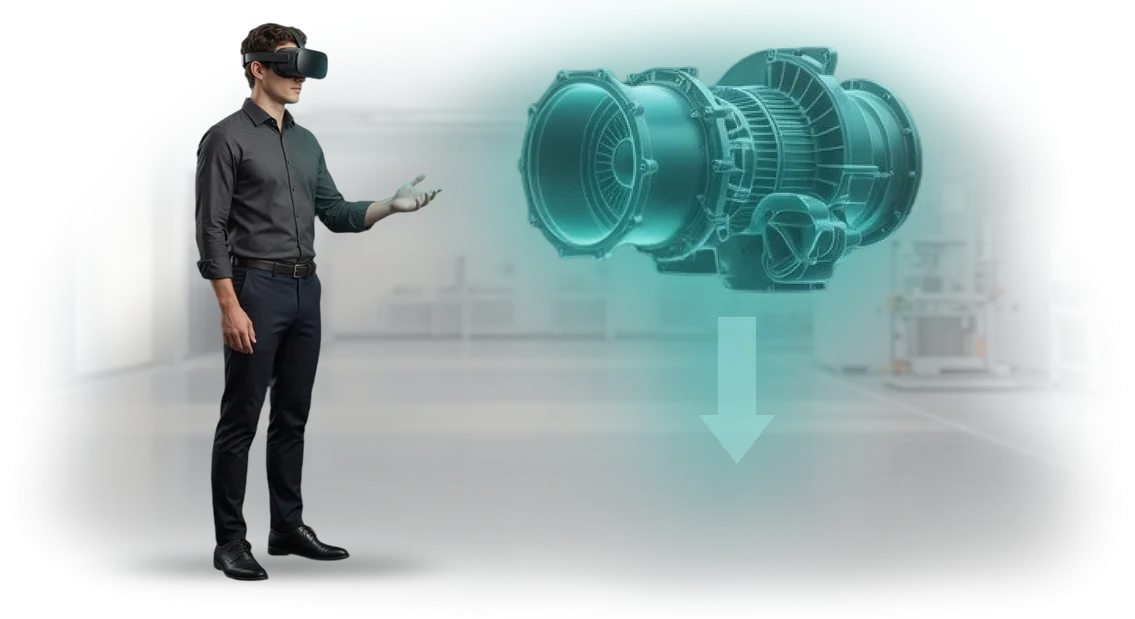
אימון דיבור מול קהל ב-VR: למה אנשים מאבדים ביטחון על הבמה
הפחד מדיבור מול קהל הוא אחת הסיבות הנפוצות ביותר לכישלון על הבמה, גם כשהאדם יודע את החומר בצורה מושלמת. בסביבה אמיתית, נכנסת לפעולה תגובה ישנה: הגרון מתייבש, הדופק מואץ, המחשבות מתפזרות.
ובכל זאת, עסקאות, הגנות פרויקטים והמוניטין של החברה תלויים בדיוק באופן שבו העובד מציג את עצמו מול קהל.
רוב ההכשרות מספקות רק תיאוריה, ודפי טיפים לא עובדים ברגע של לחץ. הפחד מקהל הוא תגובה גופנית, ואפשר להקל עליו רק באמצעות תרגול בתנאים קרובים ככל האפשר למציאות.
כאן בדיוק עוזר אימון דיבור מול קהל ב-VR: העובד מתאמן על מצגת מול קהל וירטואלי שמגיב, מסיח את הדעת ושואל שאלות לא נוחות.
אימון כזה מפתח את אותן כישורים רכים — ביטחון עצמי, ניהול קשב, יכולת לחזור לחוט המחשבה של המצגת לאחר הפרעה. אדם משחק שוב ושוב תרחישי לחץ עד שהם מפסיקים לעורר פחד.
הסביבה הווירטואלית בטוחה: טעות לא עולה כלום, אבל החוויה מתגבשת ומועברת לבמה אמיתית.
התוצאה נראית מהר וניתנת למדידה: משך הדיבור השוטף גדל, התגובות לפרובוקציות נעשות רגועות יותר, מעורבות המאזינים עולה. בניגוד להרצאות מופשטות, VR מספק משוב אובייקטיבי והתקדמות ברורה.
ועובד שהפסיק לפחד מקהל מתחיל להביא יותר ערך לחברה — הוא משכנע לקוחות, מגן על רעיונות ומוביל את הצוות קדימה.
מה מספק אימון מצגות: 5 יתרונות
הפחד מדיבור מול קהל הוא אחת הסיבות העיקריות לכך שמומחים חזקים לא הופכים למנהיגים ורעיונות טובים לא זוכים לתמיכה. כשעובד מפחד לדבר, כל החברה סובלת: מצגות נכשלות, לקוחות הולכים לאיבוד, והחלטות פנימיות מתקדמות לאט יותר.
אימון במציאות מדומה מסיר את החסם הזה, והיתרונות של האימון נראים במהירות בתוצאות העבודה.
היתרון הראשון הוא הפחתת לחץ. העובד מתאמן על דיווח מול קהל וירטואלי, מתרגל להתרגשות ולומד להתמודד איתה. במצגת אמיתית, רמת החרדה נמוכה יותר באופן ניכר, המחשבות לא מתפזרות והקול נשמע בטוח יותר.
השני הוא גידול בביטחון של הדובר. לאחר כמה מפגשי אימון, אדם מפסיק לדאוג איך הוא נראה מבחוץ ומתמקד בתוכן. הוא מנסח רעיונות בצורה ברורה יותר, מאלתר בקלות רבה יותר ומוצא שפה משותפת עם הקהל מהר יותר.
השלישי הוא תרגול תגובות לבלתי צפוי. צופים וירטואליים יודעים לשאול שאלות מסובכות, לפקפק ולהסיח את הדעת, והעובד לומד להחזיק את תשומת הלב שלהם בלי לאבד קור רוח.
זה מכין אותם למשא ומתן אמיתי ולהגנות פרויקטים, שבהם השאלות לעיתים קרובות קשות יותר מאשר על הבמה.
הרביעי הוא חיסכון בזמן. האימון מתקיים בלי לשכור אולמות, נסיעות עסקים או משא ומתן ארוך עם מאמן: העובד מתאמן מתי שנוח לו, והחברה מקבלת דובר מוכן מהר יותר מאשר עם הכשרה קלאסית. במקביל, המנטור רואה את ההתקדמות ומתאים את התוכנית במידת הצורך.
החמישי הוא פיתוח כישורים רכים בכלל. עבודה על מצגות משפרת את היכולת לארגן מידע, להקשיב ליריבים ולשכנע, והכישורים האלה עובדים בכל תקשורת: עם עמיתים, שותפים או לקוחות. העסק מקבל לא רק דובר, אלא עובד בוגר יותר שמוכן לקחת אחריות.
כל חמשת היתרונות מצטברים לתוצאה מדידה: פחות מצגות שנכשלו, מעורבות גבוהה יותר של הצוות ועמדה חזקה יותר של החברה בשוק. אנחנו עוזרים ליישם את פורמט האימון הזה ולהתאים אותו למשימות של היחידה העסקית שלכם.
פורמטי אימון למשימות שונות
אימון דיבור מול קהל ב-VR ניתן להתאמה למשימה ספציפית: להכין מתחילים, לשדרג את הכישורים של מחלקה שלמה או ללטש את ההגשה של מנהלים בכירים. הפורמט נבחר על פי מטרות הלמידה, כך שהתוצאה מדידה ומשתלמת.
| פורמט | למי | מה הוא נותן ללקוח |
|---|---|---|
| אימון קבוצתי | צוות או מחלקה שצריכים לסנכרן כישורי מצגות | המשתתפים מתאמנים על תרחישים בקהל וירטואלי משותף, מקבלים משוב ולומדים אחד מהשני. מתאים להשקת תוכנית אימון חדשה. |
| אימון אישי | מנהלים ומומחים שמתכוננים למצגת חשובה או שרוצים לעבוד על נקודות חלשות בלי עדים | קצב אישי, סקירת טעויות מעמיקה ויכולת להתאמן בזמן נוח. מפחית לחץ ומאיץ את ההכנה למצגת בעלת חשיבות גבוהה. |
| אימון עם הקלטה ואנליטיקה | אנשי משאבי אנוש ומנהלים שצריכים לראות התקדמות ולהשוות תוצאות | דוח אוטומטי על מדדי מפתח: קצב דיבור, הפסקות, משך, ביטחון. מאפשר להעריך באופן אובייקטיבי את התפתחות העובד ולזהות אזורים בעייתיים. |
ניתן לשלב כל אחד מהפורמטים: להתחיל באימון קבוצתי, ואז להעביר עובדי מפתח לעבודה אישית עם אנליטיקה. המהנדסים שלנו מתאימים את התרחיש לענף ולמאפייני החברה שלכם — זה לא לוקח יותר זמן מאשר אימון סטנדרטי, והאפקט יהיה מדיד.
איך נבנה פרויקט אימון: מבריף ועד השקה
פיתוח אימון VR הוא לא "קופסה שחורה" אלא תהליך ברור ושלב אחר שלב. עיצבנו אותו כך שתראו תוצאה ביניים בכל שלב ותבינו את לוח הזמנים. פרויקט בדרך כלל לוקח 8–10 שבועות, מהבריף הראשון ועד ההשקה בחברה שלכם.
- בריף והתעמקות. אנחנו לומדים את המשימה שלכם, את המאפיינים של המצגות ואת קהל העובדים. אנחנו מתעדים מטרות למידה וקריטריוני הצלחה כדי שבסיום נדע בדיוק שהמשימה נפתרה.
- תוכנית והערכת עלות. אנחנו יוצרים תוכנית מפורטת עם שלבים, מועדים ועלות. אתם יודעים את כל העבודה והתקציב מראש — בלי תוספות נסתרות או "הפתעות".
- תרחיש ומתודולוגיה. יחד עם המומחים שלכם, אנחנו מפתחים תרגילים, קריטריוני הערכה ותרחישים למצבים קשים. מאמן ה-VR מדמה קהל אמיתי ומספק משוב — העובד לומד להגיב לשאלות, חרדה ומקרים לא סטנדרטיים.
- אב טיפוס ובדיקות. בשלב מוקדם, אנחנו מציגים סצנות מפתח. אתם רואים איך האימון נראה ועובד ועורכים שינויים לפני שפיתוח מלא מתחיל.
- פיתוח ובקרת איכות. אנחנו מרכיבים אפליקציה מלאה, בודקים אותה על מכשירים שונים ובודקים את כל התרחישים והיציבות. אתם מקבלים מוצר מלוטש, לא גרסה "גולמית".
- הטמעה והשקה. אנחנו עוזרים להקים את החלל והציוד, להעלות תוכן ולהכשיר מנהלי מערכת. עובדים מתחילים לעבור קורסים בלי המעורבות שלכם בפרטים טכניים.
- תמיכה ופיתוח. לאחר ההשקה, אנחנו נשארים בקשר: מעדכנים תרחישים, מוסיפים תרגילים ועוקבים אחר מדדים. למוצר יש אחריות לשנה — זו האחריות שלנו לתוצאה.
מה כלול בחבילת מסירת האימון
הרכבנו חבילה מלאה כדי שתוכלו להשיק אימון דיבור מול קהל ב-VR בלי לגייס מומחים טכניים. להלן כל מה שכלול במסירה: תרחישים, מודולים וירטואליים, הוראות, פלטפורמה ואנליטיקה. אלה לא רק קבצים אלא כלי עבודה שמשמשים מיד באימון.
-
תרחיש אימון. תרחישים מפורטים המותאמים למשימות העסקיות שלכם. הם כוללים מצבים אמיתיים: מצגת מוצר, פגישה, מענה לשאלות קשות של קהל. העובד מתאמן על מה שבאמת קורה בעבודה שלו.
-
מודולים וירטואליים. סט תרגילים במציאות מדומה שבו עובד מדבר מול קהל ריאליסטי. המודולים נבדלים ברמת קושי ובפורמט: מצגות קצרות, מצגות מורחבות, ניהול תשומת הלב של החדר.
-
הוראות למשתתפים ולמנהלים. תזכורות פשוטות בלי ז'רגון טכני: איך להתחיל סשן, כמה זמן נמשך האימון, איך לסקור טעויות. הן עובדות גם למי שמעולם לא השתמש ב-VR.
-
גישה לפלטפורמה עם חומרים. חשבונות לכל הצוות, אחסון ענן לקורס ותמיכה טכנית לתקופת השימוש. עדכונים ומודולים חדשים מופיעים אוטומטית.
-
דיווח ואנליטיקת אימון. לוח מחוונים למנהל מראה את ההתקדמות של כל עובד: מספר סשנים, משך אימון, דינמיקה של שיפור דיבור וביטחון. אפשר להשוות תוצאות לפני ואחרי.
-
המלצות מתודולוגיות להטמעה. עצות מעשיות איך לשלב את האימון בלוח הזמנים, לשמור על מוטיבציה של הצוות ולהעריך את ההשפעה על מדדים עסקיים.
ניתן להתאים את החבילה למאפיינים שלכם: לשנות תרחישים, להוסיף מודול למחלקה מסוימת או להתאים רמות קושי. לאחר המסירה, אתם מקבלים פתרון מוכן לחלוטין.
מקרה בוחן: איך הפחתנו לחץ לדוברים באמצעות מציאות מדומה
עבור רוב המנהלים, הופעה פומבית היא לחץ: הדופק עולה, המחשבות מתבלבלות. קורסים קלאסיים מספקים תיאוריה אבל לא מאפשרים לחזור בבטחה על מצגת בסביבה ריאליסטית.
בדיוק עם המטרה הזו הגיעה אלינו הקבוצה הפיננסית Вектор: מנהלים התכוננו לכנס גדול לשותפים ומשקיעים.
פיתחנו אימון VR שבו משתתף מדבר מול קהל וירטואלי: האולם משתנה, המאזינים מגיבים, שואלים שאלות לא נוחות. אחרי כל ניסיון, המערכת נותנת רמזים על קצב, עוצמת קול וקשר עין.
זו סביבה בטוחה — אפשר לעשות טעויות ולנסות שוב לפני שיוצאים מול משקיעים אמיתיים.
תוצאות האימון
120 מנהלים סיימו את האימון. החרדה ירדה ב-40%, הביטחון עלה, וההכנה לוקחת חצי מהזמן. הערכת מומחים של המצגות הראתה שהציון הממוצע עלה ב-35%.
חודש לאחר מכן, 9 מתוך 10 עובדים יישמו את הכישורים בפגישות. המצגות עברו בלי הפרעות, מספר ההסכמים עלה על התוכנית, אז Вектор הזמינה המשך של התוכנית.
משוב לקוח
"לפני כן, קנינו קורסים פרונטליים ולא ידענו אם הם עובדים. כאן, כל אחד קיבל מסלול התפתחות אישי, וההנהלה קיבלה תוצאות מדידות.
אחרי חודש, ראינו דוברים בטוחים שמחזיקים את תשומת הלב של הקהל ועונים בשלווה על שאלות קשות."
המקרה הזה הוא הוכחה שאימון דיבור מול קהל ב-VR מפחית לחץ ועושה את ההכנה צפויה. אם אתם רוצים את אותה תוצאה, התחילו עם פיילוט קצר על הצוות שלכם: נראה לכם איך להתאים את התוכנית לדוברים שלכם.
איך לבחור פורמט אימון למשימה שלכם?
בחירת פורמט האימון נקבעת לא על ידי הטכנולוגיה אלא על ידי המשימה: מה צריך לפתח ומי ילמד. עבור מנהלים מנוסים שעומדים לדבר בכנסים, מספיקים כמה מפגשים אישיים עם מאמן VR.
עבור צוות מכירות חדש, תוכנית קבוצתית עם תרגול קבוע במצבים וירטואליים עובדת בצורה שיטתית יותר.
הקריטריון הראשון הוא התוצאה. אם צריך לתרגל מיומנות עד כדי אוטומטיות, למשל עמידה במגבלות זמן או מענה לשאלות לא נוחות, אנחנו משתמשים בפורמט אינטנסיבי שממוקד בזה.
אם המשימה רחבה יותר — הסרת פחד במה ומתן ניסיון כללי — אנחנו משלבים סשנים קצרים של VR בתוכנית פיתוח קיימת.
הקריטריון השני הוא הקהל ורמתו. מתחילים צריכים משוב תומך ותרחישים פשוטים. עובדים מנוסים צריכים לחץ: אולם רועש, שאלות מסובכות, תזמון קפדני.
הקריטריון השלישי הוא שליטת המנהל: בכל פורמט, אתם מקבלים תוצאות סשן והמלצות כדי לראות את ההתקדמות של כל אדם.
אנחנו בוחרים את הפורמט שיתאים למשימה, לא להיפך. זה יכול להיות טבילה קצרה של 20–30 דקות, מחזור אימון עם תרחישים שמתקשים בהדרגה, או היברידי עם עבודה קבוצתית חיה.
בכל אפשרות, האימון מפיק תוצאה מדידה: דיבור בטוח, עבודה עם קול, קשב ושאלות קהל.
אם אתם לא בטוחים, התחילו עם בריף חינמי — נפרק את המטרות, הקהל והאילוצים. תקבלו המלצה על התוכנית, מספר הסשנים, התקציב ולוח הזמנים.
כך תדעו בדיוק מה אתם קונים, ואנחנו נדע איך להביא ערך מקסימלי לצוות שלכם.
שאלות נפוצות על אימון מצגות
אנחנו מבינים: לפני הטמעת אימון VR לכישורי מצגות, למנהלים יש שאלות לגיטימיות. עד כמה זה יעיל בהשוואה לאימון קלאסי? האם זה ייקח יותר מדי זמן להכנה? מה קורה אם הציוד נכשל ברגע הכי קריטי? החששות האלה טבעיים, ואנחנו מוכנים לענות עליהם.
אימון VR בנוי על תרגול חוזר ומעשי. העובד מדבר מול קהל וירטואלי, מקבל משוב מיידי על קצב, עוצמת קול, מחוות ותוכן. הוא יכול לחזור על המצגת כמה פעמים שצריך ולתקן טעויות לפני האירוע האמיתי.
זו סביבה בטוחה שבה אין פחד לעשות טעויות או לאבד פנים מול עמיתים.
מה אם הציוד מתקלקל במהלך האימון?
אנחנו מביאים ערכת גיבוי ומטפלים בתמיכה טכנית. אם משהו קורה, מהנדס משחזר הכל בזמן מינימלי, והסשן נדחה או ממשיך על מכשיר חלופי. העובדים שלכם לא יפסידו אפילו יום אחד. לכן כל התוכניות שלנו כוללות אחריות לפעולה רציפה.
שלחו בקשה לפיתוח אימון
שלחו בקשה לפיתוח אימון — ותוך 1–2 ימים תדעו את העלות של סימולטור VR לדיבור מול קהל ואיך לשלב אותו בתוכנית פיתוח העובדים שלכם. אנחנו עובדים עם צוותים בכל הגדלים, ממחלקות מכירות בודדות ועד מרכזי הכשרה ארגוניים.
באימון VR, עובדים משכללים מצגות, משא ומתן ודיבור מול קהל מול קהל וירטואלי — עם תגובות, שאלות והערכות. אפשר להפעיל את המאמן על משקפי ה-VR הקיימים שלכם, או לשכור ציוד לתקופת הפיילוט. לאחר הבקשה שלכם, נציע את האפשרות הטובה ביותר למשימה ולתקציב שלכם.
מה תקבלו לאחר פנייה אלינו:
- ייעוץ על אימון דיבור מול קהל ב-VR: האם הפורמט מתאים לצוות שלכם, אילו כישורים הוא יבנה וכמה מהר הוא ישתלם.
- בריף פיתוח — מבנה מוכן למאמן: תרחישים, רמות קושי, קריטריוני הערכת עובדים.
- הערכת עלות ולוח זמנים — אנחנו נועלים את ההערכה לפני תחילת העבודה ומבטלים תשלומים נסתרים ותוספות בלתי צפויות.
- הדגמה של פתרונות דומים מהפרקטיקה שלנו — תראו איך המאמן נראה ו"מרגיש" בפעולה.
- המלצות על ציוד וארגון אימון: משרד, מרחוק, היברידי — מה דרוש להשקה.
- הרכב צוות ותוכנית עבודה: מתודולוג, תסריטאי, מעצבים, מפתחים — מי אחראי על התוצאה בכל שלב.
- לוח זמנים להשקת פיילוט — בדרך כלל 4–8 שבועות מרגע אישור הבריף.
אפשר להזמין פיתוח עם הודעה אחת או שיחה קצרה. נשאל כמה שאלות הבהרה, נכין בריף ונחזור עם חישוב — בלי לחץ ובלי שיחות המשך מיותרות.
שלחו בקשה לאימון — נשלח הערכה ראשונית תוך 1–2 ימי עסקים. נתחיל בייעוץ חינמי: נסקור את המשימה שלכם, נראה איך אימון VR מפחית את פחד הבמה של העובדים, ונציע פתרון במסגרת התקציב שלכם.