

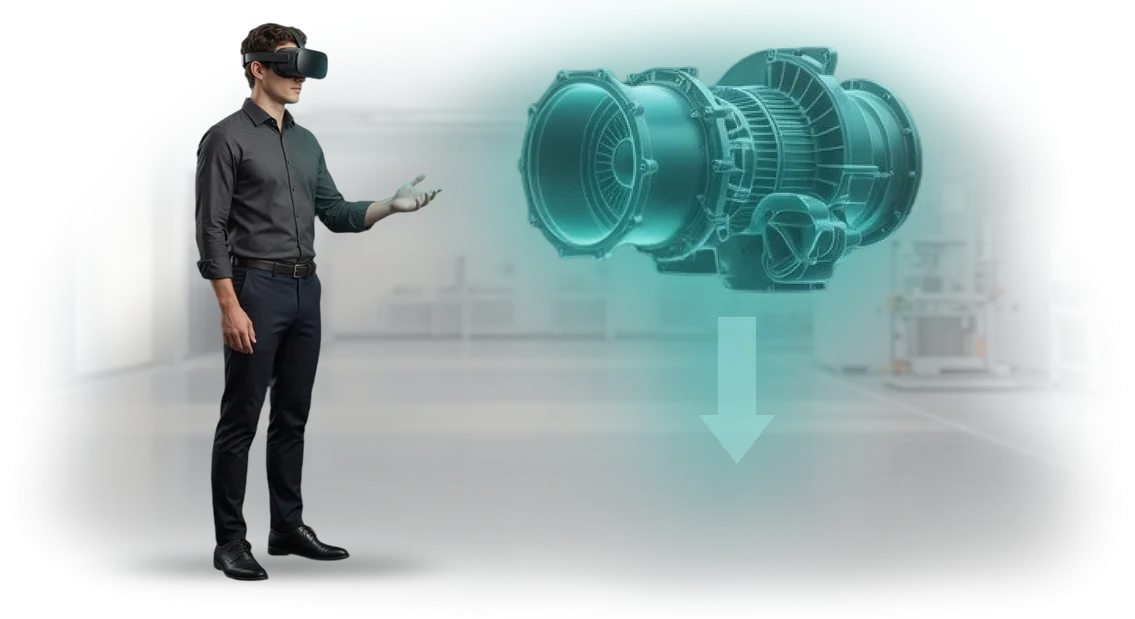
מאמן דיבור מול קהל ב-VR: כשפחד הבמה פוגע במכירות
כל מנהל שני מאבד עד 30% מלקוחותיו לא בגלל מוצר חלש, אלא בגלל הפחד לדבר. בפגישת לקוח הם מגמגמים, נמנעים מקשר עין, מדברים מהר מדי — ומפסידים למתחרים שיודעים להחזיק תשומת לב.
במשא ומתן, לא המספרים הם שחשובים, אלא הביטחון שבו הם מוצגים.
הבעיה היא שהדרכות רגילות לא משנות התנהגות תחת לחץ. צריך תרגול בסביבה קרובה ככל האפשר למציאות: קהל חי, שאלות מסובכות, לקוח תובעני.
כך בדיוק פועל מאמן דיבור מול קהל ב-VR — עובד משכלל מצגת בסביבה וירטואלית בטוחה, והפחד נעלם אחרי כמה מפגשים ראשונים.
אנחנו מפתחים מאמנים שמשתלבים במערכת הדרכת המשא ומתן והדרכת המצגות שלכם. העובד נכנס לאולם וירטואלי שבו דמויות ריאליסטיות מקשיבות לו — מדירקטור פלגמטי ועד לקוח תוקפני.
הם מתרגלים טיעון, לומדים להחזיק הפסקות, לענות על שאלות לא נוחות, ומקבלים משוב מיד לאחר המצגת.
התוצאה העסקית היא מנהלים בטוחים שמעבירים ערך ללקוח, מצילים עסקאות במקום לאבד אותן, ומעבירים ניסיון בתוך הצוות.
מי שמשלים את ההדרכה מגיע לפגישה הסופית מהר יותר, מתמודד עם התנגדויות בקלות רבה יותר, ולא מאבד חוזים בשלב המכריע של המצגת. הזמינו מפגש הדגמה — תראו איך מאמן VR משנה התנהגות של עובד בהדרכה אחת.
היתרונות של מאמן VR לצמיחת הצוות שלכם
ביטחון מול קהל הוא מיומנות שאפשר לאמן. אבל בחיים האמיתיים, עובד רק לעתים רחוקות מקבל תרגול בטוח: בהדרכות פרונטליות מפחיד לטעות, ובפגישות מחיר הטעות הוא עסקה.
כשעובד מציג בביטחון, זה מגביר את המודעות למותג ואת אמון הלקוחות. אנחנו עונים על הצורך הזה עם מאמן VR שנותן לעובדים במה וקהל משלהם ללא סיכון.
ביטחון במצגות
מאמן ה-VR מדמה אולם, קהל, ואפילו שאלות בלתי צפויות. עובד יכול לחזור על התרגול מדי יום ולראות התקדמות, במקום לחכות להדרכה הפרונטאלית הבאה. תרגול כזה בונה רוגע ושליטה — מה שהקהל תופס כמקצועיות.
הדרכה ללא לחץ
טעות בסביבה וירטואלית לא עולה כלום: היא לא מאכזבת את הצוות ולא הורסת עסקה. לכן המוח רושם חוויה מוצלחת ללא פחד ומעגן אותה כנורמה. במצב אמיתי, העובד פועל בביטחון וללא מתח מיותר.
חיסכון בהדרכות
קורסי דיבור מול קהל קלאסיים דורשים השכרת אולם, תשלום למאמן, ויום עבודה מלא. מאמן VR מחליף סדרה של שיעורים כאלה — העובד מתאמן מתי שנוח לו, והחברה משלמת פעם אחת על גישה.
לפי PwC, הדרכת VR היא חסכונית יותר מהפורמטים הפרונטליים אפילו עם קבוצה קטנה, ונשארת נגישה לכל הצוות.
פיתוח עובדים
המאמן עובד על מצגות, משא ומתן, והגנת פרויקטים. מפגש נמשך 15–20 דקות, כך שקל לשלב אותו ביום העבודה. כתוצאה מכך, אתם מקבלים צוות שמוכר חזק יותר ומגן על רעיונות בצורה משכנעת יותר.
ההטמעה לא דורשת מכם להבין בטכנולוגיה: אנחנו בוחרים את הציוד ומפעילים את התוכנית למשימה שלכם. התוצאה היא צוות בטוח וחיסכון בתקציב על הדרכות פרונטליות.
פורמטי הדרכה לצרכי החברה שלכם
כל פורמט עונה על צורך ספציפי: חלקם צריכים הכנה מהירה למצגת חשובה, אחרים צריכים פיתוח שיטתי של מיומנויות למחלקה שלמה.
אנחנו בוחרים באפשרות שמתאימה למצב שלכם כך שההדרכה תיקח מינימום זמן ותניב תוצאה מדידה, לא רק "וי" בתוכנית הפיתוח.
| פורמט | למי | מה הוא נותן ללקוח |
|---|---|---|
| הדרכה אישית | מנהלים, מרצים, עובדים לפני מצגת חשובה | 1-2 שעות של תרגול אינטנסיבי ללא צופים: תרגול מבנה המצגת, שליטה בקול ומחוות. התרחיש בנוי סביב המשימה האמיתית של העובד — הגנת פרויקט, פגישת לקוח. |
| הדרכה קבוצתית | צוותי מכירות, מנהלי פרויקטים, כל מי שמציג באופן קבוע | 4-8 משתתפים, 3-4 שעות. כל משתתף מתרגל את המקרים שלו, השאר משמשים כמשקיפים ו"קהל". אנחנו מנתחים טעויות בסביבה בטוחה, מחזקים את המיומנות מיד, ומספקים משוב. |
| תוכנית ארגונית | חברות שבהן עשרות או מאות עובדים מציגים | פיתוח שיטתי של מיומנויות: מאבחון ועד הדרכה קבועה. התוכנית ניתנת להרחבה לכל המחלקות, אתם רואים התקדמות לאורך זמן, וניתן לשלב אותה בתוכנית הקליטה של עובדים חדשים. |
משך ומורכבות הפורמטים משתנים: ממפגש חד-פעמי של שעתיים ועד תוכנית שנתית עם מפגשים קבועים.
אנחנו ממליצים על פורמט לאחר בריף קצר איתכם — כך אתם מקבלים בדיוק את התוצאה שמחזירה את ההשקעה: מצגות בטוחות, משא ומתן מוצלח יותר, ופחות לחץ לצוות.
איך אנחנו יוצרים הדרכה לצרכים שלכם
בנינו תהליך מובנה כך שכל שלב ברור לכם: מה קורה, מי מעורב, ומתי התוצאה מופיעה. אין "קסם" או הפסקות ארוכות — רק שלבים שמובילים למאמן מוכן לעובדים שלכם.
-
בריף והתעמקות במשימה. בשיחה, אנחנו מבררים את מי צריך ללמד מה, אילו מיומנויות לפתח, ואיך למדוד הצלחה. אתם מקבלים תוכנית ברורה עם היקף עבודה ואסמכתא ללוח זמנים.
-
ניתוח ועיצוב תרחיש. המתודולוגים והמהנדסים שלנו הופכים את תוכנית ההדרכה שלכם למבנה של מאמן VR: מצבים, שורות, תגובות של קהל וירטואלי, ורמות קושי. אנחנו מיישרים את התרחיש לפני תחילת הפיתוח כדי שתוכלו לראות את היגיון הלמידה מראש.
-
פיתוח אב-טיפוס ומכניקות מפתח. אנחנו בונים את הגרסה העובדת הראשונה של המאמן — אפשר להפעיל אותה על משקפת ולבדוק את התרחישים המרכזיים. בשלב הזה, פרטים שצריך להתאים לפני הפיתוח המלא מתגלים במהירות.
-
סקירות התקדמות ותיקונים. אנחנו לא נעלמים לחודשים: כל 1-2 שבועות אנחנו מציגים התקדמות, אתם נותנים משוב, ואנחנו מבצעים תיקונים. כך אתם שולטים בתהליך העבודה ונמנעים מהפתעות בסיום.
-
בדיקות סופיות ואריזה. אנחנו בודקים את המאמן על עובדים אמיתיים, מדייקים את הפרטים, ומכינים ערכת השקה: הוראות, הגדרת ציוד, וחומרי הדרכה למנהלי מערכת.
-
השקת ההדרכה. אנחנו עוזרים להריץ את המפגשים הראשונים, מחברים את הקבוצות שלכם, ומגדירים רישום תוצאות. אתם רואים איך עובדים משלימים את ההדרכה ומקבלים את נתוני ההתקדמות הראשונים.
-
תמיכה לאחר ההשקה. אנחנו נשארים בקשר: מעדכנים תוכן, מוסיפים תרחישים חדשים ככל שהמשימות שלכם גדלות, ומספקים תמיכה טכנית למאמן. אם משהו משתנה בתוכנית שלכם, אנחנו מתאימים את ההדרכה ללא בנייה מחדש מהיסוד.
מה כלול במסירה: חבילה לעסק
הכנו חבילה שמכסה את כל שלבי הטמעת הדרכת VR בתוכנית פיתוח העובדים שלכם. אתם מקבלים לא רק מאמן, אלא פתרון מלא: מתרחיש מותאם ועד אנליטיקה למשאבי אנוש.
כל מה שצריך להשקה ולתמיכה כבר כלול — אתם רק צריכים למנות אנשים אחראיים.
- תרחיש VR מוכן למשימה שלכם. העובד מתרגל מצגת בסביבה ריאליסטית: מול קהל וירטואלי, עם תגובות מאזינים, מגבלת זמן, והסחות דעת בלתי צפויות. התרחיש מותאם לפרטי החברה שלכם: הצגת מוצר, הגנת פרויקט, משא ומתן מול לקוח.
- חומרים מתודולוגיים למאמן. מדריך לניהול מפגשים, תרחישי תרגילים, קריטריוני הערכה, והמלצות לניתוח טעויות. המאמן שלכם עובד עם הוראות ברורות ולא צריך להבין בטכנולוגיה.
- גישה לפלטפורמת ניהול למידה. הקצאת קורסים, תכנון מפגשים, ומעקב אחר התקדמות בחשבון אישי. הפלטפורמה מתאימה את עצמה לתהליכים שלכם, לא להפך.
- הכשרת המאמנים שלכם. אנחנו מעבירים מפגש מעשי לצוות: איך להפעיל את המאמן, לתמוך בעובדים, לנתח תוצאות, ולשלב הדרכת VR בתוכנית הפיתוח הכוללת. לאחר ההכשרה, המומחים שלכם עובדים באופן עצמאי.
- דוחות למנהלים ולמשאבי אנוש. המערכת מייצרת נתונים: מספר מפגשים, דינמיקת ביטחון, מבנה דיבור, מהירות תגובה, והתקדמות לכל עובד. אתם רואים תוצאות במספרים ויכולים להעריך את יעילות ההדרכה, לא רק את העובדה שהיא הושלמה.
- עדכוני תוכן ותמיכה טכנית. אנחנו מעדכנים באופן קבוע תרחישים ופלטפורמה ומגיבים לפניות הצוות שלכם. אם צריך לחדד תרחיש למשימה עסקית חדשה, אנחנו מבצעים שינויים ללא תהליך אישור ארוך.
זו חבילה מלאה להשקת תוכנית פיתוח מיומנויות דיבור מול קהל בסביבה וירטואלית. אתם מקבלים כלי עובד, לא "קופסה" — עם מתודולוגיה, הכשרת מאמנים, ודיווח שקוף. כל מה שנשאר זה להגדיר את המשימה — משם, אנחנו לוקחים על עצמנו הכל.
מקרה בוחן: איך לימדנו מחלקת מכירות להציג בביטחון
מפתחת ה-CRM OmegaSoft פנתה אלינו עם נקודת כאב: אנשי מכירות איבדו עד שליש מהעסקאות בשלב ההדגמה. מצגות חיות לקונים היו פורמליות, מנהלים מעדו תחת שאלות, ומצגות הפכו לקריאת שקופיות. הדרכות רגילות לא הניבו תוצאות לאורך זמן.
בנינו מאמן VR שמשחזר משרד של קונה טיפוסי: בן שיח וירטואלי שואל שאלות לא נוחות, עוקב אחר מחוות וטון דיבור, ומציג ניתוח שגיאות לאחר כל מפגש. במשך שבועיים, כל אחד מ-24 המנהלים השלים עשר פגישות וירטואליות. זו סביבה בטוחה שבה אפשר לטעות ללא סיכון לאבד לקוח.
תוצאות
חודש לאחר ההשקה, מחלקת המכירות העלתה את ההמרה ממצגת לשלב הבא מ-32% ל-54%. חלק הזכיות במכרזים גדל ב-17 נקודות אחוז, וגודל העסקה הממוצע גדל.
סיפקנו ללקוח אנליטיקה לכל עובד — המנהל רואה מי מוכן לפגישות אמיתיות. האפקט נשמר גם לאחר שישה חודשים.
מנהל המכירות ציין: "העיקר שמנהלים הפסיקו לפחד משאלות.
הם חוזרים על אותו פתיח כמה פעמים שצריך ומגיעים לפגישה בביטחון." מאוחר יותר, הלקוח הוסיף מודול לטיפול בהתנגדויות וחזר אלינו להכשיר גל שני של מתמחים.
מה אם יש לנו דרישות הדרכה ספציפיות?
דרישות ספציפיות הן לא בעיה — הן הסטנדרט עבורנו. אנחנו רק לעתים רחוקות מייצרים שני מאמנים זהים: לכל חברה יש תהליכים, מדיניות, וטעויות אופייניות משלה.
ההדרכה בנויה על המצבים האמיתיים שלכם, מהקשר ראשון ועד משא ומתן מורכב שמתרחש ספציפית בענף שלכם. דרישות אישיות הן סיבה להפוך את המאמן למדויק יותר, לא מגבלה.
ההתאמה מתחילה לפני הפיתוח: אנחנו לומדים את החומרים, המדיניות והמקרים שלכם, ומקליטים ראיונות עם העובדים והמנהלים הטובים ביותר שלכם. זה מאפשר לנו להכניס את שפת השוק, התנגדויות אופייניות וסטנדרטים פנימיים של איכות לסביבה הווירטואלית.
כתוצאה מכך, העובד מתאמן לא "באופן כללי", אלא על מה שיפגוש בעבודה מחר.
חשוב גם שאנחנו מתאימים לא רק את התוכן אלא גם את מערכת ההערכה. אתם מגדירים אילו פעולות נחשבות נכונות ועל מה להתמקד: מהירות תגובה, משפטי מפתח, עמידה בפורמט, או השגת מטרת השיחה.
יחד, אנחנו קובעים את רמת הקושי לקבוצות עובדים שונות ומתאימים את התרחיש כשהתהליכים שלכם משתנים — מבלי לאבד איכות.
גישה זו מסירה את הפחד המרכזי של מנהלים: "יכריחו אותנו ללמוד מתבנית של מישהו אחר." להיפך, אתם מקבלים מאמן שהופך לחלק ממערכת הלמידה שלכם ומשקף את הפרטים של החברה שלכם בכל היבט — מסטנדרטים ארגוניים ועד מצבים לא סטנדרטיים שקשה לתרגל במשחק תפקידים רגיל.
תשובות לשאלות נפוצות על ההדרכות
כל מנהל שואל את אותן שאלות לפני הצגת פורמט חדש: האם הטכנולוגיה תשתרש, האם יהיה צורך לבנות מחדש את התוכנית, מה לעשות אם התוצאה חלשה מהצפוי. אספנו תשובות לספקות המרכזיים כדי שההחלטה תהיה מחושבת היטב.
מה אם המאמן לא מתאים לפורמט ההדרכה שלנו?
לפני ההשקה, אנחנו בודקים את התרחיש על הדוגמאות שלכם ומתאימים את התרגילים יחד עם המאמנים שלכם. אם הפורמט לא מניב את האפקט הצפוי לאחר השקה פיילוט, אנחנו משפרים את התרחיש או מציעים חלופה — ללא עלות נוספת.
איך נשלב הדרכת VR בתוכנית הלמידה הנוכחית שלנו?
המאמן לא מחליף מנטור; הוא מחזק אותו. אנחנו מתאימים תרחישים לנושאים ולפורמטים שלכם: אנחנו מחליפים כמה תרגילים פרונטליים, מוסיפים תרגול ביתי, או משתמשים במאמן במהלך מפגשים פרונטליים כתרגול חימום.
ההטמעה אורכת כמה ימים, והמאמנים שלכם מקבלים הוראות קצרות וחומרים מוכנים.
אילו ערבויות יש לכך שעובדים באמת ילמדו להציג?
אנחנו בונים תוצאות מדידות: לפני ואחרי כל מפגש, אנחנו מתעדים קצב דיבור, ביטחון, זמן תגובה, ותגובת קהל וירטואלי. אתם רואים את ההתקדמות של כל עובד בחשבון האישי שלכם.
אם אין שיפור לאחר הפיילוט, אנחנו מחזירים את עלות המאמן או מביאים את התוצאה לרמה הנדרשת.
מה אנחנו צריכים לספק להשקה?
רק את הזמן של המנהל לאישור התרחיש ויום עבודה אחד להגדרת הציוד. אנחנו דואגים לכל ההכנות, הכשרת המאמנים שלכם, ותמיכה טכנית. לאחר ההשקה, אתם מקבלים כלי ברור והתמיכה שלנו לכל תקופת השימוש.
מוכנים להגביר את הביטחון של העובדים שלכם? בקשו הדגמה
עובדים בטוחים משמעותם מכירות חיות, משא ומתן ברור, ומצגות חזקות. אבל אימון דיבור מול קהל בתנאים אמיתיים הוא יקר: צריך זמן, קהל, וסיכון לטעות מול כולם.
מאמן VR מסיר את המגבלות האלה: העובד מתאמן בסביבה ריאליסטית, מקבל משוב, ומחדד את המיומנות ללא השלכות לעסק.
בדקו אם אתם מוכנים להטמעה:
- בקשת הדרכת VR — נבחר תרחיש לענף שלכם: מכירות, משא ומתן, הגנת פרויקטים.
- גרסת הדגמה — תראו את המאמן בפעולה ותעריכו כמה הוא פשוט לעובדים.
- ייעוץ — נדון במטרות, קהל, ובמדדים שעליהם נסתמך.
- הערכת אפקט — נחשב כמה שעות הדרכה VR חוסך בהשוואה להדרכות רגילות.
- תוכנית השקה — שלבים ברורים: פיילוט, הערכה, הרחבה לכל הצוותים.
- תמיכה — אנחנו נשארים בקשר ומחדדים תרחישים למשימות חדשות.
שלחו בקשת הדגמה — היא לא מחייבת. נבחר זמן נוח, נראה לכם את גרסת ההדגמה, ונענה על השאלות שלכם. תקבלו פתרון מוכן למשימה שלכם ותבינו איך הדרכת VR מגבירה את ביטחון העובדים.