

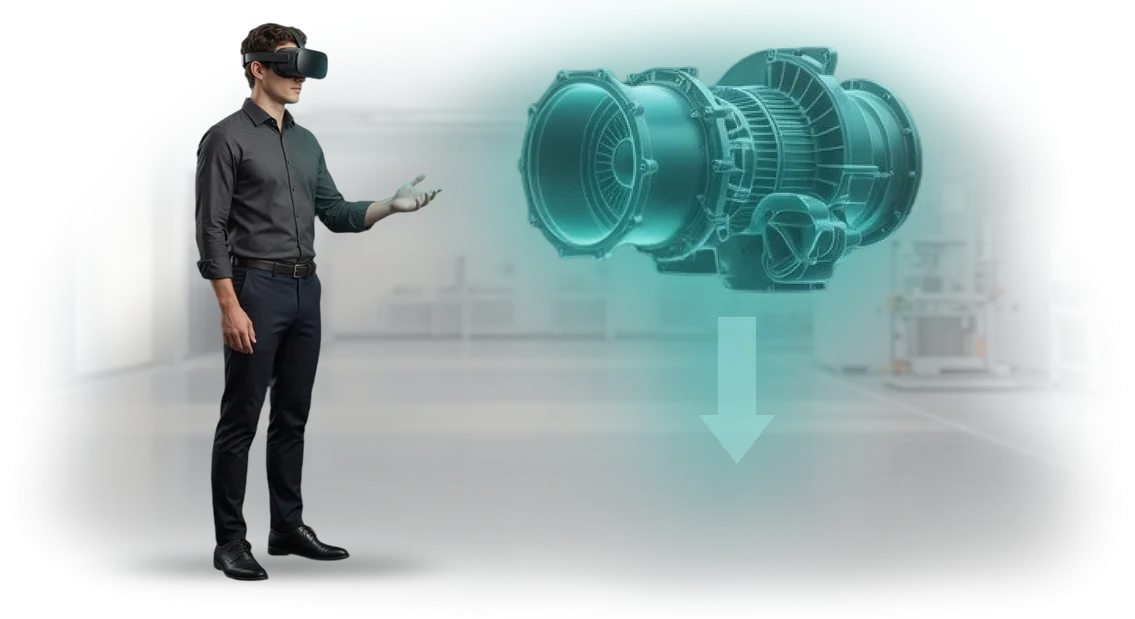
אימון VR לקוסמטיקאיות: למה מרפאות מפסידות רווח
קוסמטולוגיה היא תחום שבו לקוחות שופטים תוצאות באופן מיידי. טעות בטכניקה, היסוס של מומחית, או פרוטוקול שנבחר בצורה לא נכונה — והלקוחה לא תחזור, בעוד ששמועות מפיצות את השלילי מהר יותר מסיום משמרת.
במקביל, השתלמויות מקצועיות לקוסמטיקאיות מבוססות לרוב על תיאוריה: הרצאות, סמינרים מקוונים, תעודות. התרגול האמיתי הראשון קורה על לקוחה חיה — ושם בדיוק נחשפים הפערים.
מרפאות מפסידות רווח לא בגלל חוסר בזרימת לקוחות, אלא בגלל שהכשרת הצוות לא עומדת בקצב הציפיות. הכשרה פורמלית יוצרת מראית עין של מיומנות: להקשיב, לעבור מבחן, לקבל דיפלומה.
אבל מיומנות מתמשכת מתפתחת רק דרך תרגול, ולקוחה חיה לא צריכה להיות שטח אימונים.
כשקוסמטיקאית נתקלת לראשונה בתגובת עור לא טיפוסית או באזור מאתגר, המחיר של טעות הוא מוניטין הרוס, ביקורת שלילית וכסף שאבד.
אימון VR פותר את הבעיה הזו לפני המפגש עם לקוחה אמיתית. בסביבה וירטואלית, המומחית מתרגלת שוב ושוב פרוצדורות על תרחישים ריאליסטיים: סוגי עור שונים, תגובות, סיבוכים, תלונות אופייניות.
זו לא תחליף למדריכה, אלא דרך להפוך את הטכניקה לאוטומטית ולהסיר את הפחד ממקרים מורכבים. המנהלת מקבלת עובדת שמגיעה למשמרת כבר מוכנה לעבודה, במקום "ללמוד תוך כדי" על חשבון הלקוחות.
אנחנו מתכננים סימולטורי VR סביב הפרוטוקולים של המרפאה שלך: אנחנו מדמים את הפרוצדורות שלך, את הסטנדרטים שלך ואת המצבים האופייניים שלך. אנליטיקה מובנית מראה באילו שלבים כל קוסמטיקאית מתקשה — והופכת את ההשתלמות המקצועית מפורמליות לתהליך ניתן לניהול.
כתוצאה מכך, המרפאה מביאה עובדות חדשות לרמת מיומנות מהר יותר, מקבלת פחות תלונות, ושומרת על לקוחות באופן יציב.
מה מספק סימולטור VR: רמות מיומנות גבוהות יותר ונאמנות לקוחות
סימולטור VR להכשרת קוסמטיקאיות הוא לא תחליף לתיאוריה, אלא דרך להביא מיומנויות מעשיות לאוטומטיזם ללא סיכון ללקוחות אמיתיים.
עובדת מתרגלת פרוצדורות, עבודה על אזורי פנים ומצבי חירום בסביבה וירטואלית כמה פעמים שצריך לפני כניסה לחדר הטיפולים.
זמן הקליטה יורד מחודשים לכמה ימים, ואיכות ההכשרה כבר לא תלויה בזמינות של מנטורית.
איכות ההכשרה קובעת ישירות את המוניטין של המכון. כשכל אינטראקציה בין קוסמטיקאית ללקוחה היא רצף מדויק של פעולות וטכניקה זהירה, יש פחות טעויות, מחלוקות וביקורות שליליות.
לקוחות חשות בביטחון של המומחית, חוזרות ברצון רב יותר וממליצות עליך לחברות — כך נבנית נאמנות לקוחות, והיא עובדת עבורך יותר מכל פרסומת.
היעילות של אימון VR באה לידי ביטוי גם במדדים פיננסיים. קוסמטיקאית שהוכשרה על הסימולטור שולטת בטכניקות חדשות ובתוכניות טיפוח מהר יותר ובביטחון רב יותר מציעה פרוצדורות ומוצרים נוספים.
הניסיון מראה שאחרי יישום תוכניות כאלה, החשבון הממוצע עולה ב-20–30 אחוזים בזכות מכירות נוספות וביקורים חוזרים, בעוד ששיעור הטעויות במהלך פרוצדורות יורד באופן ניכר.
לבעלת עסק, זה אומר תוצאה צפויה: פחות הוצאות על הכשרה חוזרת ותיקון טעויות, וזרם קבוע של לקוחות שנשארים לאורך זמן.
סימולטור ה-VR מחזיר את ההשקעה לא רק ככלי הדרכה, אלא כהשקעה באיכות השירות ובגידול בערך החשבון הממוצע. הצוות עובד עם יותר ביטחון, לקוחות חוזרות — ואתה רואה תוצאות מדידות כבר בשבועות הראשונים לאחר היישום.
פורמטים של אימון VR לקוסמטיקאיות: בחרי את שלך
קוסמטיקאית רואה עד תריסר לקוחות ביום, וכל פרוצדורה דורשת תנועות מדויקות וביטחון. סמינרים מסורתיים מספקים תיאוריה, אבל מיומנות אמיתית נולדת רק דרך תרגול.
אימון VR מאפשר לקוסמטיקאיות לתרגל טכניקות על מטופלות וירטואליות — ללא סיכון ללקוחות ועם משוב מיידי.
הכנו שלושה פורמטים של אימון VR למשימות שונות: מהכשרה ראשונית למתחילות ועד תרגול שיטות הזרקה ומכשור מתקדמות. בחרי את שלך או שלבי ביניהם — נייעץ מה הכי מתאים לצוות שלך.
| פורמט VR | למי מיועד | מה זה נותן ללקוחה |
|---|---|---|
| אימון אישי | עובדות חדשות, תרגול פרוצדורות מורכבות | העובדת מביאה את הטכניקה לאוטומטיזם ברוגע, בלי להפריע לעבודה או לסכן מוניטין |
| אימון קבוצתי | כל הצוות, סטנדרטיזציה של פרוצדורות | סטנדרט איכות אחיד: כל קוסמטיקאית עובדת לפי אותם פרוטוקולים |
| פורמט משולב: תיאוריה + VR + הסמכה | השקת הכשרה, מעקב אחר תוצאות | מחזור מלא: הערכת רמה לפני ואחרי, מדדי התקדמות ברורים ותחומי שיפור |
נעזור לך לבחור את הפורמט המתאים למכון או למרפאה שלך: נחשב עומס עבודה של הצוות, זמן יישום ותוצאות צפויות. נתאים את תוכנית ה-VR לפרוצדורות ולסטנדרטים שלך כך שההכשרה תתייחס ישירות ליעדים העסקיים.
איך אנחנו מיישמים אימון VR: שלבי הפרויקט לצוות שלך
יישום אימון VR הוא לא קנייה של "קופסה" אלא פרויקט משותף עם היגיון ברור.
חילקנו את התהליך לשלבים, כשכל צד אחראי על התחום שלו: אתם מספקים מומחיות במקצוע הקוסמטולוגיה, ואנחנו מספקים טכנולוגיה, מתודולוגיה וניהול פרויקטים.
להלן איך זה נראה בפועל, עם לוחות זמנים ריאליסטיים ותוצאות ברורות אחרי כל שלב.
- בריף וניתוח הצרכים שלך. אנחנו נפגשים איתך ובוחנים אילו מיומנויות קוסמטיקאיות צריכות לתרגל ואילו טעויות מתרחשות הכי הרבה בעבודה שלהן. הפלט הוא מסמך קצר עם יעדי הכשרה וקריטריונים להערכת תוצאות. לוח זמנים: 2–3 ימים. אתם מספקים מומחית, אנחנו מספקים מתודולוגיה.
- עיצוב תרחיש ה-VR. מתודולוגית ומעצבת יוצרים את ההיגיון של הסימולטור: מה הקוסמטיקאית עושה, אילו תגובות התוכנית מדמה, ואיך היא מספקת רמזים. אנחנו מאשרים את התרחיש איתך כך שההכשרה משקפת בדיוק את הסטנדרטים והנהלים שלך. לוח זמנים: 1–2 שבועות, נעשה יחד.
- אב טיפוס לבדיקת הרעיון. אנחנו בונים גרסה מפושטת של הסימולטור שתוכלו ממש לחוות במשקפת לפני שפיתוח מלא מתחיל. זה השלב הזול ביותר לביצוע שינויים: אתם מיד רואים את ההיגיון והבקרות, ואנחנו יכולים להתאים את הקורס לפני שמשקיעים משאבים גדולים. לוח זמנים: 1–2 שבועות, באחריותנו.
- פיתוח מלא של הסימולטור. אנחנו ממלאים את התרחיש בפרטים, גרפיקה ריאליסטית, סאונד ומערכת הערכה. אנחנו עובדים באיטרציות קצרות — כל שבועיים אתם מקבלים תוצאות ביניים ומספקים משוב. לוח זמנים: 3–5 שבועות, בהובלתנו.
- בדיקות עם העובדות שלך. אנחנו מריצים פיילוט עם 2–3 קוסמטיקאיות, אוספים את ההתרשמות שלהן ובוחנים היכן נוצרים קשיים. אנחנו משפרים את התרחיש על סמך תרגול אמיתי. לוח זמנים: כשבוע, יחד.
- השקה והדרכת צוות. אנחנו מתקינים את הציוד, מגדירים את התוכנה ומכשירים אנשי משאבי אנוש ומנהלות כדי שיוכלו לקלוט עובדות חדשות בעצמן. אנחנו מוסרים מדריך משתמש ברור. לוח זמנים: 2–3 ימים, הכל כלול.
- תמיכה ופיתוח. אחרי ההשקה, אנחנו נשארים בקשר: אנחנו מעדכנים את הסימולטור בהתאם לשינויים בסטנדרטים שלך, מוסיפים תרחישים חדשים ועוזרים בשאלות טכניות. סימולטור ה-VR מחזיק מעמד לשלוש שנים או יותר, ובמשך כל הזמן הזה הוא נשאר רלוונטי לצוות שלך.
מה כלול במסירה של סימולטור VR לקוסמטיקאיות
חבילת המסירה המלאה היא פתרון מוכן להכשרת קוסמטיקאיות שאינו דורש עבודה נוספת מהצוות שלך. אתם מקבלים כל מה שצריך להשקה: מהסימולטור עצמו ועד חומרים מתודולוגיים ותמיכה.
בלי תוספות מחיר נסתרות, בלי "צריך גם לקנות את זה" — רק כלי עובד שמשתלב מיד בהכשרה שלך.
הנה מה שכלול במסירה של סימולטור VR לקוסמטיקאיות:
- סימולטור VR עם תרחישים מוכנים — תרגול מיומנויות על מטופלות וירטואליות: מפרוצדורות בסיסיות ועד מצבי חירום. התרחישים תואמים לתרגול אמיתי, כך שעובדות מיישמות מיד את המיומנויות שלמדו.
- מדריך מתודולוגי למדריכה — תוכנית שיעור שלב אחר שלב, קריטריוני הערכה והמלצות לעבודה עם הסימולטור. המדריכה לא צריכה להבין לבד איך לשלב VR בשיעור.
- חוברת עבודה לעובדות — חומרים מובנים לחיזוק התיאוריה וללמידה עצמית. עוזרת לארגן ידע לפני ואחרי סשן VR.
- סשן הכשרה למדריכות שלך — אנחנו מראים איך להשתמש בסימולטור, מספקים הדגמה ועונים על שאלות. המומחיות שלך עובדות עם הפתרון בביטחון מהיום הראשון.
- תמיכה טכנית — עזרה בכל שאלות התפעול, מהתקנה ועד ייעוץ בנושאי תרחישים. אנחנו פותרים בעיות במהירות כך שההכשרה לעולם לא נעצרת.
- עדכוני תוכן — תרחישים וחומרים מתעדכנים בהתאם לשינויים בתעשייה ולצרכים שלך. הסימולטור לא מתיישן; הוא נשאר כלי רלוונטי.
- מדריך התקנה וניהול — הוראות פשוטות שלב אחר שלב למחלקת ה-IT שלך. ההשקה אורכת זמן מינימלי, וההגדרה לא דורשת ידע מיוחד.
- גישה לסטטיסטיקות התקדמות — אתם יכולים לראות איך עובדות משלימות הכשרה, אילו מיומנויות הן מתרגלות והיכן נוצרים קשיים. זה עוזר להתאים את תוכנית ההכשרה.
בסופו של דבר, אתם מקבלים לא אוסף מפוזר של קבצים, אלא מערכת הכשרה מובנית. המדריך, התמיכה וסשן ההכשרה מבטיחים התחלה מהירה בלי להביא מומחים חיצוניים. כל מה שצריך לעבודה כבר בחבילה — כל מה שנשאר זה להתחיל להשתמש.
מקרה בוחן: איך סימולטור VR הגדיל ביקורים חוזרים במרפאה
ככה זה עובד בפועל. רשת מרפאות אסתטיקה עם 5 סניפים, Beauty Pro, פנתה אלינו עם משימה: להפחית את מספר הטעויות שעושות עובדות חדשות ולהחזיר מטופלות לפרוצדורות חוזרות.
הכשרה סטנדרטית על בובות סיפקה בסיס, אבל עובדות חדשות איבדו את הביטחון כשעברו למטופלות אמיתיות — קוסמטיקאית עלולה לטעות בחישוב הזווית להזרקת חומר מילוי או לבחור פרוטוקול טיפוח לא מתאים. זה הוביל לפרוצדורות כושלות, תלונות ועזיבת לקוחות.
פיתחנו סימולטור VR שמטביע קוסמטיקאיות במרפאה וירטואלית עם סוגי פנים שונים ומקרים קליניים מורכבים.
העובדת משכללת תנועות עד לאוטומטיזם ללא סיכון למטופלת אמיתית — המערכת מצביעה על טעויות ומאפשרת לחזור על שלב קשה כמה פעמים שצריך.
ההכשרה מתבצעת על ציוד מקצועי, והתהליך עצמו אורך פי כמה פחות זמן מקורסים קלאסיים עם השגחה.
תוצאות שנראות בדוחות הפיננסיים
אחרי יישום הסימולטור, רשת המרפאות ציינה ירידה של 40% בטעויות פרוצדורליות — זה השפיע מיד על מספר התלונות וההחזרים.
התוצאה העסקית המרכזית הייתה עלייה של 25% בהזמנות חוזרות: מטופלות הפכו מוכנות יותר לחזור לפרוצדורות המשך כי הן סומכות על המומחית ורואות תוצאות עקביות.
הכלכלה פשוטה: המרפאה שומרת על עד רבע מההכנסות שאיבדה בעבר בגלל מבקרות לא מרוצות ומפחיתה את התקציב להכשרה חוזרת מתמדת של הצוות.
לבעלת עסק, זה אומר שהשקעות באימון VR מחזירות את עצמן דרך עלויות נמוכות יותר ונאמנות מוגברת של לקוחות קבועות.
הסימולטור מתרחב בקלות לסניפים חדשים: אחרי ההתקנה הראשונית, השכפול אורך שבועות ולא חודשים, וכל עובדת חדשה מגיעה במהירות לרמה של עבודה בטוחה עם מטופלות. אם את רוצה תוצאות דומות — בואי נתחיל בפרויקט פיילוט במיקום אחד.
איך לבחור סימולטור VR לצרכים של המרפאה שלך?
בחירת סימולטור VR מתחילה לא בקטלוג, אלא בתשובה לשאלה: איזו בעיה את פותרת?
דבר אחד הוא הכנסת קוסמטיקאיות חדשות לפרוצדורות ולפרוטוקולים של המרפאה; דבר אחר הוא שכלול מניפולציות מורכבות אצל עובדות מנוסות או הכנת צוות למצבי חירום נדירים. זה קובע אילו מודולים את צריכה ואילו יישארו ללא שימוש.
אם המטרה שלך היא קליטה מהירה של עובדות חדשות, תרחיש קומפקטי עם שלבים מרכזיים, רמזים ותיקון שגיאות בזמן אמת מספיק.
להערכה שוטפת של מיומנויות כל הצוות, תצטרכי פתרון עם הקלטת פעולות ואנליטיקה ברורה: המנהלת רואה אילו שלבים מאתגרים כל עובדת ומתאימה את תוכנית ההכשרה. העיקר שהפורמט מתאים לתהליכים שלך — לא להיפך.
בבחירה, הסתכלי על שלושה דברים: עד כמה התרחיש משקף את העבודה האמיתית של קוסמטיקאית, כמה קל להתאים אותו לסטנדרטים של המרפאה שלך, והאם את מקבלת דוח על פעולות העובדת אחרי סשן.
משוב הוא מה שהופך VR מהדגמה נוצצת לכלי עבודה. אם הסימולטור רק מציג תמונה אבל לא מתעד טעויות או מספק המלצות, הלמידה עליו כמעט חסרת תועלת.
אל תשלמי יותר מדי על פלטפורמות אוניברסליות עם עשרות פיצ'רים שלא תשתמשי בהם. חכם יותר להתחיל עם תרחיש אחד למשימה ספציפית — למשל, תרגול טכניקות הזרקה או שיטות אספסיס — לראות תוצאות, ולהרחיב את המגוון אם צריך. גישה זו מאפשרת לך להשקיע בערך ברור ולא ב"פוטנציאל" מופשט.
אנחנו בוחרים סימולטור VR ספציפית לצרכים של המרפאה שלך: אנחנו לומדים את ההכשרה הנוכחית שלך, מציעים תרחיש מתאים ומראים איך הוא ישתלב בלוח הזמנים של העבודה בלי השבתה.
את מקבלת כלי שמתייחס לצורך המוצהר ומחזיר את ההשקעה בהאצת הכשרת הצוות והפחתת מספר הטעויות בעבודה.
שאלות נפוצות על אימון VR לצוות
בעלי מכונים ומרכזי הכשרה רבים שואלים את אותן שאלות לפני השקת אימון VR לקוסמטיקאיות: כמה קשה ליישם את הטכנולוגיה, איזה ציוד נדרש, ומתי תופיע ההחזר. להלן תשובות לחששות הנפוצים ביותר, על סמך הניסיון שלנו ביישום פרויקטים כאלה.
כמה קשה לשלב אימון VR בתהליכים הקיימים?
אנחנו מטפלים בשילוב בעצמנו — מהתקנת ציוד ועד חיבור למערכת מעקב העובדות שלך. זה בדרך כלל אורך ימים, לא שבועות. עובדות מתחילות להתאמן מיד אחרי בריף קצר, שאנחנו גם מעבירים.
לא מתווספת שגרה נוספת למנהלת שלך: כל הדוחות על השלמת תרחישים מגיעים אוטומטית.
מהן דרישות הציוד לאימון VR לקוסמטיקאיות?
ערכת משקפת VR מקצועית אחת לחדר הכשרה או למכון מספיקה. אנחנו בוחרים ציוד על סמך המשימות והחלל שלך, ומספקים אותו מוגדר ומאומת מראש. עדכונים ותמיכה טכנית הם בצד שלנו, כך שאת לא צריכה להבין במפרטים או לקנות משהו נוסף.
מתי זה יחזיר את ההשקעה ואיך אפשר למדוד את זה?
אימון VR מחזיר את ההשקעה דרך שלושה דברים: קליטה מהירה יותר של קוסמטיקאיות חדשות, פחות טעויות עם לקוחות אמיתיות, וחשבון ממוצע גבוה יותר אחרי תרגול טכניקות.
לוח הזמנים המדויק תלוי במספר העובדות ובתדירות ההכשרה, אבל בממוצע תוצאות נראות אחרי הקבוצה הראשונה. אנחנו עוזרים לך לחשב את החיסכון לפני ההתחלה — על סמך מספר הסטודנטיות ועלות זמן העבודה שלהן.
אם עדיין יש לך שאלות, ספרי לנו על המשימה שלך ונראה לך איך אימון VR ישתלב בתהליך הספציפי שלך.קבלי פיילוט של סימולטור ה-VR לקוסמטיקאיות
יישום אימון VR הוא תמיד צעד אל הלא נודע: איך עובדות יקבלו את הפורמט, האם זה יהיה נוח בעבודה היומיומית, והאם זה יניב תוצאות?
אנחנו מציעים להסיר את הסיכונים האלה ולבדוק את סימולטור ה-VR לקוסמטיקאיות — עם הצוות שלך וללא התחייבויות. את מעריכה את היעילות לפני שמחליטים אם להתרחב.
הפיילוט הוא לא סרטון הדגמה או מצגת, אלא עבודה מעשית מלאה על הסימולטור. הקוסמטיקאיות שלך עוברות תרחישים אמיתיים, מתרגלות טכניקות על מודלים ריאליסטיים, ואת מקבלת נתונים על כמה טוב עובדות קולטות את החומר.
גישה זו עוזרת להעביר עובדות חדשות לעבודה עצמאית מהר יותר ומגבירה את הביטחון של הצוות בעבודה עם לקוחות.
מה כלול בפיילוט החינמי עבורך:
- גישה לסימולטור ה-VR ל-10–15 עובדות — הן יעברו תרחישי הכשרה ללא עלות עבורך;
- תרחיש מותאם לפרוצדורות קוסמטיות: מטיפולים בסיסיים ועד טכניקות מתקדמות;
- אנליטיקה אחרי הפיילוט: כמה זמן ארכה ההכשרה ואילו מיומנויות נשמרו;
- ייעוץ מתודולוגית על איך לשלב VR בתוכנית ההכשרה הקיימת שלך;
- סקירת תוצאות איתנו ותוכנית יישום אם תחליטי להמשיך;
- תמיכה טכנית לאורך כל שלב הבדיקה — העובדות שלך לא יצטרכו להבין לבד.
כדי להשתתף, פשוט השאירי פנייה בעמוד זה. נכין סשן בדיקה תוך יומיים, נמצא זמן נוח ונעביר בריף לצוות שלך. את לא משלמת כלום ולא לוקחת סיכון — את מקבלת החלטה רק אחרי שראית תוצאות במו עיניך.