

לקוחות עוזבים אחרי הפגישה הראשונה — הכשרת מכירות טכניות לא עובדת
הכשרת מכירות טכניות בנויה ברובה על תיאוריה: מצגות, תסריטים ומשפטים כלליים על המוצר. אבל בפגישה אמיתית הכל נראה אחרת — הלקוח שואל שאלות לא נוחות על אינטגרציה, עומס, אבטחה והטמעה.
המנהל מאבד ביטחון, עונה בחוסר ודאות, והעסקה הולכת למתחרה שנזכר בזכות המומחיות שלו, לא המחיר.
הבעיות בהכשרת מנהלים מתגלות לא בכיתה אלא במספרי המכירות.
אחרי הכשרות מסורתיות, העובדים זוכרים את מבנה המצגת אבל לא יודעים להתמודד עם ההתנגדות "יקר מדי" או "אנחנו כבר עובדים עם ספק אחר." התוצאה — עסקאות אבודות, אמון מתערער במוצר, וצוות חסר מוטיבציה.
המנהל רואה שהכסף לפיתוח הושקע, ויעילות ההכשרה מתקרבת לאפס.
הבעיה אינה כישורי העובדים — אלא השיטה. כדי שמומחה מכירות טכניות ירגיש בטוח במשא ומתן, הוא צריך לחוות עשרות תרחישים מורכבים לפני שהוא פוגש לקוח אמיתי.
בסביבה בטוחה שבה טעות עולה לא בעסקה אלא בזמן לבדיקה. צריך תרגול שמדמה התנגדויות אמיתיות, רגשות לקוח ותפניות בלתי צפויות בדיאלוג.
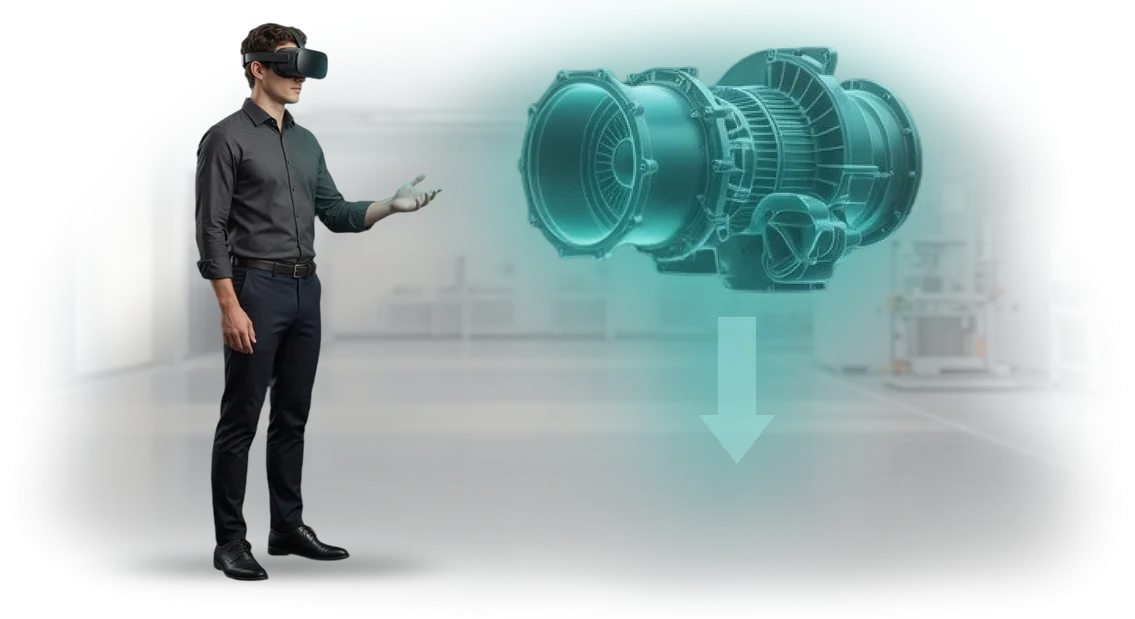
זו הגישה שלנו. אנחנו סוגרים את הפער בין תיאוריה למציאות באמצעות סימולציות VR ו-AR של פגישות אמיתיות.
מומחי המכירות הטכניות שלכם מתרגלים משא ומתן מורכב בתנאים קרובים ככל האפשר לקרב אמיתי — ויוצאים ללקוח עם תשובות מוכנות וביטחון רגוע. במקום עסקאות אבודות, אתם מקבלים תוצאות יציבות בכל שלב במשפך.
אילו יתרונות הכשרת VR מביאה למחלקת המכירות
הכשרת VR נותנת למחלקת המכירות תוצאות מדידות, לא "עוד תוכנית" עם יתרונות מופשטים. היא מאפשרת למומחי מכירות טכניות להגיע למכסה מהר יותר, להגדיל את הצ'ק הממוצע ולהפחית תלות במנטורים. להלן המדדים המרכזיים שמשתנים לאחר ההטמעה.
תוצאות מדידות
-
עלייה בהמרת עסקאות. בתרחישי VR מציאותיים, העובדים מתרגלים התמודדות עם התנגדויות, משא ומתן מורכב ובקשות חריגות. עד שהם פוגשים לקוח אמיתי, הם מרגישים בטוחים יותר, כך שאחוז הסגירות המוצלחות גדל.
-
קיצור זמן הכשרה. במקום תיאוריה שצריך לקרוא שוב, אדם שקוע בתרגול מהיום הראשון. מה שנמשך בעבר שבועות לוקח עכשיו כמה ימים — עובדים חדשים מתחילים להביא רווח מהר יותר.
-
הגדלת הצ'ק הממוצע. תרחישי VR כוללים תרגול של מכירות נוספות והצדקת פתרונות יקרים יותר. איש המכירות מתרגל לעשות זאת ללא פחד מדחייה, כך שכל עסקה מביאה יותר הכנסה.
-
סטנדרט עבודה אחיד. כל מומחי המכירות הטכניות עוברים את אותן סיטואציות, כך שתוצאת ההכשרה אינה תלויה באיזה מנטור "אימן אותם." זה מפשט את קנה המידה של המחלקה ואת בקרת האיכות.
-
החזר השקעה בסימולטור. הפחתת עלויות להכשרה פרונטלית, ירידה בתחלופה והגעה מהירה יותר למכסה — את המספרים האלה קל לחשב. בדרך כלל הפרויקט מחזיר את עצמו דרך מכירות מהירות יותר, לא רק חיסכון בהכשרה.
אנחנו בונים סימולטורים כאלה על בסיס המוצרים וההתנגדויות האמיתיים של הצוות שלכם. לכן תוצאות ההטמעה נראות כבר בחודש הראשון לעבודה — במספרים הקונקרטיים של מחלקת המכירות.
פורמטים של הכשרת VR למשימות שונות של מחלקת המכירות
אין תרחיש הכשרה אוניברסלי: עובד חדש צריך היכרות פשוטה עם המוצר, מנהל מנוסה צריך תרגול עם לקוחות מורכבים, ומנהל צריך מעקב שקוף אחר התקדמות.
לכן אנחנו מחלקים את פורמטי הכשרת ה-VR לסוגי סימולטורים, שכל אחד מהם פותר משימה ספציפית של מחלקת המכירות.
| פורמט | למי | האפקט שהוא מספק |
|---|---|---|
| הכשרה וירטואלית introductory | עובדים חדשים ללא ניסיון במכירות | היכרות מהירה עם המוצר והנהלים, דיאלוגים ראשונים ללא סיכון ללקוח |
| סימולטור דיאלוג | מנהלים מנוסים | תרגול תרחישים לא סטנדרטיים ולקוחות קשים, עלייה בהמרה לשלב הבא |
| סימולטור התמודדות עם התנגדויות | מנהלים עם "תקרה" במשא ומתן | מחדד תשובות לפחדים המרכזיים של הלקוחות, מקצר את מחזור העסקה |
| מצגת מוצר וירטואלית | כל עובדי המחלקה | סטנדרט מצגת אחיד, פחות שגיאות הדגמה, אמון גבוה יותר של הלקוח |
היתרון המרכזי של הפורמטים האלה הוא תרגול בטוח. מנהל יכול לטעות עשר פעמים עד שהוא מפתח מודל התנהגות נכון, ואף לקוח אמיתי לא ייפגע. המנהל רואה בדיוק היכן איש המכירות מאבד את העסקה ומתאים את תוכנית הפיתוח.
אנחנו נבחר שילוב של תרחישי הכשרה לצוות שלכם — ממודולים קצרים למתאמנים ועד מפגשים קבועים לעובדים מנוסים. סימולטורי מכירות וירטואליים משתלבים בקלות במערכת ההכשרה הקיימת ומספקים תוצאות מדידות אחרי ההפעלות הראשונות.
תהליך פיתוח סימולטור VR למומחי מכירות טכניות ב-4 שבועות
כדי שתקבלו סימולטור ולא "קופסה שחורה," בנינו תהליך שבו כל שלב שקוף ומבוקר. אתם לא צריכים להבין בפרטים הטכניים — רק לראות את התוצאה בכל שלב.
אנחנו עובדים לפי תרחיש אישי למוצרים ולהתנגדויות הלקוחות שלכם, לא לפי תבנית. אנחנו קובעים לוחות זמנים בחוזה ועומדים בהם תוך 4 שבועות.
- בריף וסקירת מכירות. אנחנו מקליטים דיאלוגים אמיתיים של מומחי המכירות הטכניות שלכם, מנתחים התנגדויות ושאלות קשות טיפוסיות. קובעים אילו כישורים צריך לפתח קודם.
- תרחיש ומתודולוגיה. אנחנו הופכים את המקרים שלכם לענפי דיאלוג בסימולטור ה-VR. מפתחים דמויות לקוח ותגובותיהן כך שהעובד ילמד להגיב לתפניות בלתי צפויות.
- אישור אב טיפוס. אנחנו מראים את מבנה הסימולטור ואת לוגיקת הדיאלוג על "נייר" לפני תחילת הפיתוח. אתם רואים מה ואיך העובד ילמד, ומבצעים תיקונים ללא עבודה חוזרת.
- פיתוח ותוכן. אנחנו בונים את הסימולטור: סצנות תלת-ממד, דיאלוגים ומערכת הערכת תשובות. אנחנו משתמשים בכלים מקצועיים כדי שהחזות והתנהגות בן השיח הווירטואלי יהיו מציאותיים ככל האפשר.
- בדיקה עם העובדים שלכם. אנחנו מפעילים קבוצת פיילוט של מומחי מכירות טכניות, אוספים משוב ומשפרים. מסירים כל מה שמפריע: משפטים מביכים, הפסקות לא טבעיות, רמזים לא ברורים.
- השקה, מסירה ותמיכה. אנחנו מוסרים את הסימולטור, מאמנים מנהלים ועוזרים לשלב אותו בתוכנית הקליטה. תומכים בו לאחר ההשקה ומעדכנים תרחישים ככל שמופיעים מוצרים או התנגדויות חדשות.
מה כלול במסירת סימולטור ה-VR: חבילת השקה מלאה
-
הרכב הפתרון מותאם למשימה, אבל החבילה הבסיסית תמיד מכסה את המחזור המלא: מההשקה הראשונה ועד להערכת תוצאות. לא תצטרכו להרכיב את המערכת מקבלנים שונים — כל הסט מסופק "מפתח ביד."
-
באופן ספציפי, החבילה כוללת:
- תרחישי הכשרה למוצר שלכם — אנחנו מתרגלים התנגדויות לקוח אמיתיות ושאלות טכניות שעולות במהלך משא ומתן.
- חומרים מתודולוגיים למדריך — מערך שיעור, המלצות לבדיקת טעויות, רשימות בדיקה להערכת התקדמות.
- הוראות למנהל מערכת ולמשתמש — השקה, הגדרה, עבודה שוטפת ללא מעורבות מפתחים.
- מערכת אנליטיקה — ראו את ההתקדמות של כל עובד: ניסיונות מוצלחים, טעויות, זמן השלמת מודול.
- גישה לעדכונים — תרחישים מסתגלים למוצרים חדשים ולשינויים בתסריטי המכירות.
-
זה פותר את נקודת הכאב המרכזית של העסק: העובד לא רק צופה בסרטון אלא רוכש מיומנות שהוא מיישם בעבודה. המדריך לא צריך להסביר איך VR עובד — כל החומרים כבר מותאמים להכשרה.
מומחה המכירות הטכניות מתאמן על לקוחות וירטואליים, כך שמשא ומתן אמיתי עובר חלק ובביטחון.
-
אנחנו גם מטפלים בהטמעה: מתקינים ציוד, מעלים את התוכנה ומבצעים בריף קצר למדריכים. ההשקה הראשונה מתבצעת תחת הפיקוח שלנו כדי שהצוות יתחיל מיד לעבוד במלוא התפוקה.
מקרה בוחן: איך הגדלנו מכירות לאחר הטמעת סימולטור VR
המקרה של Volna Telecom הוא דוגמה טובה לאיך הכשרת VR הופכת לכסף. החברה השיקה קו תעריפים חדש לשוק, אבל מומחי המכירות הטכניות לא הצליחו להתמודד: התנגדויות לקוחות צרכו עד חצי מהדיאלוגים.
המנהלים הכירו את המוצר אבל הלכו לאיבוד במשא ומתן חי, כך שההמרה למכירות נשארה נמוכה.
איך בנינו את ההכשרה
תכננו סימולטור VR עם תרחישים מציאותיים: התנגדויות אגרסיביות, לוחות זמנים לחוצים, ספקות לגבי מחיר. 40 מנהלים התאמנו בסביבה בטוחה במשך 20–25 דקות בשבוע.
המערכת העריכה דיבור, התנהגות ותוצאת כל דיאלוג כך שנקודות חולשה נראו מיד.
תוצאות אחרי רבעון אחד
אחרי רבעון אחד, המרת המכירות גדלה ב-28%. המנהלים התחילו לאבד פחות עסקאות בשלב ההתנגדויות וסגרו מכירות נוספות בביטחון רב יותר.
ראש המחלקה המסחרית ציין: "לא רק הכשרנו עובדים — שינינו את מודל ההתנהגות שלהם בשיחה." עלויות הפיתוח החזירו את עצמן בשלושה חודשים.
| מדד | לפני הסימולטור | אחרי רבעון אחד |
|---|---|---|
| המרת מכירות | 14% | 18% |
| עמידה במכסה | 62% | 89% |
| ציון רשימת בדיקה לדיאלוג | 3.1 מתוך 5 | 4.4 מתוך 5 |
עכשיו Volna Telecom משתמשת בסימולטור לקליטת מומחי מכירות טכניות חדשים ולהכשרה חוזרת מתוזמנת של הצוות. זה לא פעילות חד-פעמית אלא כלי מתמשך ששומר על כישורים חדים.
הגישה הוכיחה את יעילותה — החברה שמרה על תוכנית ה-VR במערכת ההכשרה הרגילה שלה.
איך לבחור פורמט הכשרת VR למשימה שלכם?
לרוב, לקוחות מגיעים עם הבקשה "תעשו לנו הכשרת VR" — ולעיתים קרובות לא יודעים איזה פורמט תרחיש יביא תועלת מרבית לעסק.
בינתיים, הבחירה בין פתרון סטנדרטי לפתרון אישי היא שקובעת אם תקבלו תוצאה מהירה "כאן ועכשיו" או כלי ארוך טווח שיעבדוד לחברה במשך שנים.
תרחיש סטנדרטי הוא פתרון מוכן למשימה טיפוסית: למשל, תרגול מצגת מוצר או התמודדות עם התנגדויות. הוא מתאים כשצריך להכשיר במהירות קבוצה גדולה של עובדים ולבסס מאגר ידע אחיד.
תרחיש אישי בנוי סביב הפרטים שלכם: המוצרים שלכם, הלקוחות שלכם, המקרים הקשים שלכם. פורמט זה מאפשר להעביר מקרים אמיתיים מהפרקטיקה שלכם ל-VR כך שמומחה המכירות הטכניות מתאמן התנהגות בסיטואציות שבאמת קורות בעבודה. הוא יקר יותר ולוקח יותר זמן, אבל כאן קורה הקפיצה באיכות המכירות.
קריטריון הבחירה המרכזי הוא תפקיד ההכשרה בתהליך העסקי. אם המטרה היא לתקנן ידע ולחסוך זמן בקליטה, קחו תרחיש סטנדרטי.
אם המטרה היא להגדיל את המרת המכירות ולהכין עובדים לסיטואציות חריגות, אתם צריכים גישה אישית.
החדשות הטובות: הפורמטים האלה לא סותרים זה את זה. חברות רבות מתחילות עם מודול סטנדרטי, בודקות אותו על קבוצת פיילוט, אוספות מדדים — ואז מעמיקות לפיתוח אישי. גישה מדורגת זו מפחיתה סיכונים והופכת את התקציב לצפוי.
בפרקטיקה שלנו, 70% מהלקוחות מגיעים בסופו של דבר לתרחיש אישי כי רק הוא מספק עלייה ניכרת באיכות המשא ומתן ובסגירת עסקאות. אנחנו נעזור לקבוע איזה פורמט יפתור בדיוק את המשימה שלכם ונציע תוכנית הטמעה מדורגת. השאירו פנייה — נבחר פתרון למטרות ולתקציב שלכם.
שאלות נפוצות על הטמעת הכשרת VR בחברה
הטמעת הכשרת VR מעלה שאלות: מנהלים מודאגים מבטיחות, מוכנות טכנית ותגובות עובדים. אנחנו עונים על החששות המרכזיים — כדי שתבינו מה קורה בכל שלב.
האם זה בטוח לעובדים לעבוד עם משקפי VR?
כן, בשימוש בציוד מקצועי ופרוטוקול פשוט: מפגשים נמשכים 10–15 דקות, אנחנו מבצעים בריף הדרכה לפני התחלה, ומתאימים את התרחיש לרמה של כל אדם. משקפיים מודרניים לא מאמצים את העיניים ולא גורמים לאי נוחות.
אילו דרישות טכניות החברה צריכה?
מינימום: מחשב נייד, חדר בגודל 2×2 מטר ושקע חשמל. אנחנו מביאים, מגדירים ובודקים את הציוד בעצמנו — מחלקת ה-IT שלכם לא צריכה להתערב בהגדרה מורכבת; הכל עובד מיד לאחר החיבור.
האם עובדים יתנגדו לפורמט החדש?
רובם תופסים את ה-VR כמשחק ומתחברים מהר יותר מאשר עם סימולטורים רגילים. אנחנו מוסיפים תרחישים עם התנגדויות לקוח אמיתיות — מומחי מכירות טכניות רואים את התועלת ומבקשים מפגשים נוספים בעצמם. למי שמפקפק, אנחנו מראים הדגמה ביום הראשון.
מה אם הכשרת ה-VR תתקלקל?
תקלות הן באחריותנו. מנהל ייעודי תומך בכם מהיום הראשון, ואם מתרחשת תקלה, הוא מתחבר מרחוק לציוד ומשחזר את הפעולה תוך יום עסקים אחד.
קבלו הדגמת סימולטור VR לצוות שלכם
אתם מטילים ספק שהכשרת VR תתאים לצוות המכירות הטכניות שלכם? זה מובן: רוב המנהלים רגילים להכשרה חיה ולא מוכנים לשנות תהליך עובד בשביל ניסוי.
לכן אנחנו לא מציעים לקנות "חתול בשק" — קודם אתם צופים בסימולטור בפעולה על התרחישים שלכם.
השאירו פנייה — ותוך יום עסקים אחד תקבלו:
- גישת הדגמה לסימולטור ה-VR עם מקרה מקו המוצרים שלכם. תראו איך עובד מתמודד עם התנגדויות, מצגות ושאלות קשות של לקוחות.
- בחירת פורמט הכשרה: מפגשים אישיים, מפגשים קבוצתיים באולם או פורמט מרחוק — תוך התחשבות בצוות ובלוח הזמנים של המכירות.
- חישוב עלות על בסיס מספר העובדים והתרחישים שנבחרו. תקבלו הערכת עלות ברורה לפני השקת הפרויקט, ללא תוספות נסתרות.
- המלצות להשקה: אילו תרחישים מחזירים את ההשקעה הכי מהר, כמה זמן לוקח להכשיר את הקבוצה הראשונה ואיך לעקוב אחר התקדמות.
- תוכנית פעולה ברורה: בריף, הכנת תרחיש, התקנה, הכשרת מדריכים ומפגשים ראשונים — עם גורמים אחראיים ולוחות זמנים.
זה ללא התחייבות: אם סימולטור ה-VR לא מתאים לצוות שלכם, נגיד זאת בכנות. ואם כן, תקבלו כלי עבודה שמקצר את זמן הקליטה ומגדיל את המרת המכירות.
מלאו את הטופס למטה — נכין הדגמה אישית וחישוב עלות למשימה שלכם.