

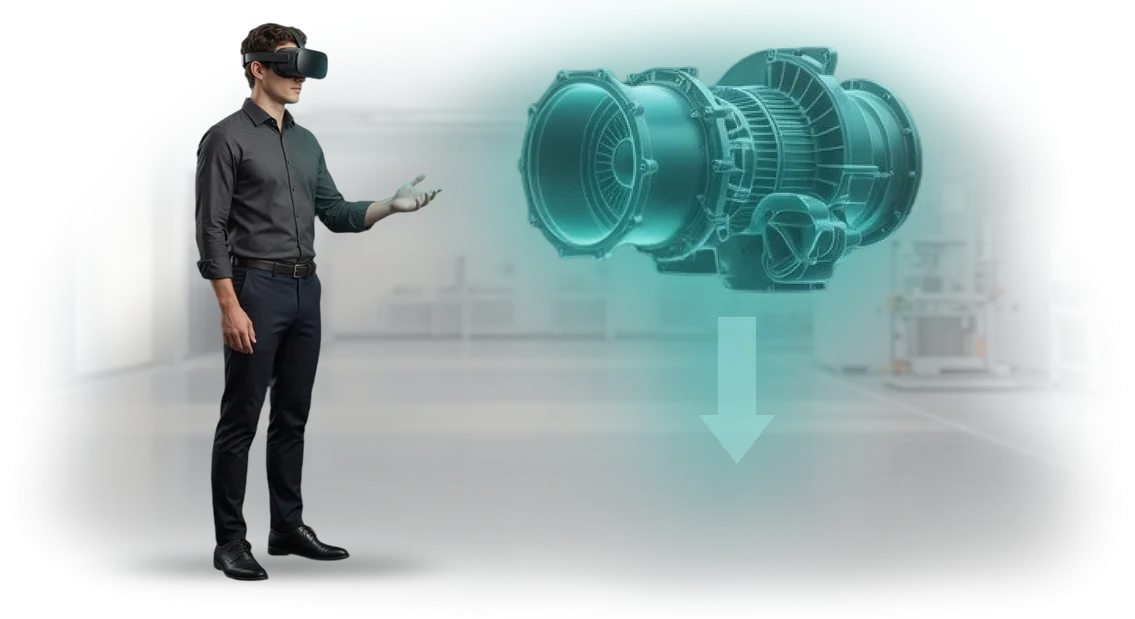
הכשרת מנתחים על סימולטור VR ללא סיכון למטופלים
הכשרת מנתחים באופן מסורתי נתקלת בעלות גבוהה ובזמינות מוגבלת של משאבים.
בובות, חומרי גוויות ותחנות אימון דורשים השקעות גדולות, ומתאמן מורשה להיכנס לניתוחים אמיתיים רק לאחר הכנה ממושכת — מחיר הטעות גבוה מדי.
אפילו מנתח מנוסה לא תמיד יכול לתרגל סיבוך נדיר, כי בפרקטיקה האמיתית הוא מתרחש במקרה. כתוצאה מכך, איכות ההכשרה תלויה במספר מפגשי התרגול הזמינים, לא בכישרון המומחה. המטופל נשאר מקור הסיכון העיקרי: כל התערבות היא בחינה ללא מקום לטעות.
סימולטור VR לניתוח משנה גישה זו. הכשרה וירטואלית לרופאים מאפשרת לתרגל מיומנויות בבטחה על תרחישים הניתנים לחזרה: מנתח יכול לבצע ניתוח 20 פעמים, תוך ניתוח כל תנועה ותגובת רקמה.
ניתן להפוך את התרחיש למורכב יותר ולהתאים אותו למומחיות ספציפית — מלפרוסקופיה ועד ניתוחי כלי דם. ההכשרה הופכת לצפויה, והערכת התוצאות הופכת לאובייקטיבית ושקופה עבור המדריך.
רופא צובר ניסיון ללא לחץ וללא השלכות על המטופל, בעוד שהמרפאה מקבלת יכולת לשפר באופן שיטתי את כישורי הצוות ללא השבתת חדרי ניתוח.
זו בדיוק הסיבה שמרכזים רפואיים מובילים בוחרים יותר ויותר בסימולטורים וירטואליים כבסיס להכשרה סדירה. אנו נותנים מענה לצורך זה: אנו מתכננים תוכניות VR יחד עם מנתחים פעילים ומשלבים אותן בתהליך ההכשרה הקלינית.
מה הכשרת VR נותנת למרפאה ולמרכז הכשרה
חומרים מתכלים, חדרי ניתוח וזמנם של מנתחים מנוסים — כל זה עולה כסף בזמן שרופא צעיר מחדד את כישוריו.
סימולטור VR מעביר את תרגול המיומנויות לסביבה בטוחה: טעויות אינן פוגעות במטופלים, וכל מפגש הכשרה מתועד בסטטיסטיקה.
עבור מנהל מרפאה, משמעות הדבר היא צמיחה צפויה בכישורי הצוות וסטנדרטיזציה של טכניקות ניתוחיות. במקום "כל אחד לומד איך שהוא יכול" — תוכנית אחידה שניתן למדוד ולהרחיב.
- צמיחת כישורים ללא סיכון למטופלים. מנתח יכול לחזור על שלב מורכב בניתוח פעמים רבות עד שהוא הופך לאוטומטי. הסביבה הווירטואלית סולחת על טעויות, והמטופל אינו סובל.
- סטנדרטיזציה של כישורי כל הצוות. רופאים צעירים לומדים באמצעות אותה מתודולוגיה כמו מומחים מובילים. התוצאות של כל אחד נמצאות בדוח: מספר ניסיונות, רמת דיוק, ואילו שלבים דורשים שיפור.
- חיסכון בחומרים מתכלים. הסימולטור אינו דורש בובות, מכשירים או ריאגנטים. עלות מפגש הכשרה בודד נמוכה פי כמה משיעור פנים אל פנים על מודל אימון.
- הערכה אובייקטיבית לפיתוח מקצועי. המערכת מתעדת תנועות, זמן ורצף פעולות. זהו חומר מוכן להסמכה ולהוכחה למרפאה על רמת המיומנות שהמומחה הפגין.
- הכשרה ללא שיבוש לוח הזמנים. עובד מתאמן בזמן נוח לו במקום לחכות לחדר ניתוח פנוי או לביקור מדריך. הרופא מווסת את עוצמת המפגשים בתוך התוכנית.
אנו מחדדים תרחישים הקרובים לניתוחים אמיתיים ומאשרים באופן קבוע את יעילותם עם קבוצות פיילוט.
הכשרת VR ברפואה כבר הוכיחה: תוך חודשיים עד שלושה חודשים של אימון סדיר, הביטחון של הרופאים ומהירות קבלת ההחלטות גדלים באופן ניכר.
פורמטי הכשרת VR למנתחים: סימולציה, AR, ניתוחים
קל יותר להתחיל לבחור פורמט הכשרת VR עם משימה קלינית: מה בדיוק הרופאים צריכים לתרגל — את כל מהלך הניתוח, שלב ספציפי או תיאום צוות.
זה קובע את עומק הסימולציה, מספר המשתתפים ומשך המפגש. גם רמת ההכשרה חשובה: מתמחים זקוקים לתרגול שלב אחר שלב של מיומנויות בסיסיות, בעוד מנתחים מנוסים זקוקים לניתוח מקרים נדירים ולתכנון טרום-ניתוחי.
בטבלה, אנו משווים את ארבעת פורמטי ההכשרה העיקריים של VR ו-AR שבהם אנו משתמשים במרכזים רפואיים ובמרפאות. זה יעזור לך לבחור את האפשרות המתאימה למומחיות שלך ולמטרות המחלקה.
| פורמט | לאיזו משימה הוא נועד | מה הוא נותן למרפאה |
|---|---|---|
| סימולציית VR של ניתוח מלא | תרגול התערבות מחיתוך ועד סגירה, כולל מצבי חירום | ביצוע בטוח של המנתח בחדר הניתוח האמיתי, סיכון מופחת לטעויות |
| סימולטור VR לשלב ספציפי | חידוד מיומנות מסוימת — המוסטזיס, תפירה, טיפול באנדוסקופ | התקדמות מהירה לרופאים צעירים ללא עומס נוסף על מטופלים |
| הכשרת AR עם שכבת אנטומיה | לימוד מהלך ניתוח על בובה או סקירת אנטומיה לפני התערבות | הבנה מדויקת של האנטומיה האישית של המטופל, תכנון בטוח יותר |
| וידאו 360 של ניתוח אמיתי | הדגמת עבודתו של מנתח מנוסה ללא נוכחות בחדר הניתוח | העברת ידע ותרגול אלגוריתם הפעולה עבור כל הצוות |
אלה תרחישים עובדים, לא מסגרות נוקשות: אנו מרבים לשלב פורמטים — סימולציית VR למיומנויות בסיסיות והכשרת AR ללימוד אנטומיה בהכנה לניתוח ספציפי. בייעוץ ראשוני, נייעץ לך איזה פורמט יניב תוצאות מהירות במחלקה שלך.
כיצד אנו בונים סימולטור VR לצרכי המרפאה שלך
פיתוח סימולטור VR למנתחים אינו רכישת "מוצר ארוז" אלא תהליך מובנה שבו אתה משתתף בכל שלב מפתח.
עברנו עשרות פרויקטים דומים ואנו יודעים להפוך רעיון לתוכנית הכשרה שגם רופאים וגם הנהלת המרפאה יקבלו. להלן שלבי פיתוח סימולטור VR שאנו עוברים יחד איתך.
- בריף וניתוח משימה. אנו לומדים אילו ניתוחים והליכים דורשים תרגול בתדירות הגבוהה ביותר ומהן הטעויות האופייניות של מנתחים צעירים. אנו מתעדים את מטרות הלמידה ואת התוצאה הצפויה למחלקה.
- אישור תרחיש. יחד עם המומחים המובילים שלך, אנו מתארים מקרים קליניים — משגרתיים ועד סיבוכים נדירים. זה הופך פרויקט מופשט למצב ניתוחי ריאלי שניתן לתרגל ללא סיכון למטופל.
- מתודולוגיה וקריטריוני הערכה. אנו מגדירים אילו פעולות נחשבות נכונות, כיצד נמדדים מהירות ודיוק התנועות, ואילו רמזים מותרים. זה יוצר מערכת, לא בידור: כל מיומנות מוערכת מול סטנדרטים ברורים.
- יישום אב טיפוס. אנו מרכיבים תרחיש VR עובד ומציגים אותו לקבוצה קטנה של המנתחים שלך. אתה רואה את התוצאה הביניים ומבצע עריכות לפני שמשקיעים את זמנם של כל הצוות.
- יישום פיילוט. אנו עורכים הכשרה על מערכות VR אמיתיות, אוספים משוב מרופאים ומתאימים את הממשק, הקושי ומשך המפגשים. לאחר הפיילוט, אתה מבין כיצד התוכנית עובדת במרפאה שלך.
- השקה מלאה ותמיכה. אנו מסייעים בפריסת ההכשרה לכל המחלקות הנדרשות, מאמנים מדריכים פנימיים, מנטרים יציבות ומעדכנים תוכן כדי להתאים לשיטות חדשות.
הודות לרצף זה, אתה לא מקבל מוצר "גולמי"; במקום זאת, אתה מביא בהדרגה את הכלי לנקודה שבה הוא מתחיל לספק ערך — האצת הכשרת רופאים והפחתת סיכונים בחדר הניתוח.
מה אתה מקבל לאחר השקת הכשרת VR
לאחר השקת הכשרת VR, אתה מקבל לא "רק תוכנית" אלא מערכת מוכנה לפעולה מלאה.
אנו מפרטים את כל חבילת המסירה בחוזה כך שכל עובד מבין מה ומתי הוא יקבל, ואתה מבין איזו תשואה ההשקעה תביא.
חבילת המסירה כוללת:
- סימולטור VR מוכן לשימוש לתרחישים שלך. הסימולטור מותאם לפרוטוקולים ולתקנות הפנימיים של המרפאה שלך, נבדק על קהל היעד ופועל על ציוד מקצועי. אתה מקבל מוצר שניתן ליישם כבר בשבוע הבא.
- חומרים מתודולוגיים למדריכים. מערכי שיעור, תרחישי תרגול וקריטריוני הערכת מיומנויות — כל מה שהמנתחים-המדריכים שלך צריכים כדי להעביר הכשרה ללא מעורבות מפתחים חיצוניים. זה חוסך זמן ומסיר תלות בקבלן.
- הוראות ותקנות לצוות. מסמכים ברורים למנהלים, לטכנאים ולרופאים עצמם — כיצד להתחיל מפגש, מה לעשות במקרה של תקלה, כיצד לעקוב אחר התקדמות. כל עובד יבין במהירות ללא הכשרה טכנית מעמיקה.
- הכשרה למאמנים ולמנהלים שלך. אנו עורכים מפגשים מעשיים שבהם האנשים שלך שולטים במערכת: הם לומדים להקצות תרגילים, לעקוב אחר שגיאות ולנהל את הקהל. לאחר מכן, הצוות שלך יכול להכשיר עובדים חדשים בעצמו.
- גישה לעדכונים ולתמיכה טכנית. אנו מפתחים את הסימולטור יחד איתך: מוסיפים תרחישים חדשים, משפרים את הממשק, מעדכנים המלצות מתודולוגיות. לכל שאלה, אתה פונה אלינו במסגרת הזמנים המוסכמת ומקבל פתרון — המערכת אינה נשארת "לבדה".
- דיווח על התקדמות הרופאים. אתה רואה מי סיים את ההכשרה, כמה זמן זה לקח ואילו שגיאות מתרחשות בתדירות הגבוהה ביותר. נתונים אלה עוזרים להתאים תוכניות הכשרה בזמן ולאשר את כישורי הצוות.
במהות, לאחר ההשקה יש לך תשתית הכשרה מוכנה: סימולטור, מתודולוגיה, צוות מדריכים מיומן ותמיכה לכל תקופת השימוש. כל שנותר הוא להקצות את קבוצת המנתחים הראשונה ולהעריך את התוצאה בפועל.
מקרה בוחן: סימולטור VR לתרגול ניתוחים כירורגיים
מקרה היישום של הכשרת VR לרופאים במרכז להכשרה כירורגית הראה: ניתן לתרגל מיומנויות מעשיות ללא סיכון למטופלים. מנתחים צעירים מסייעים בניתוחים במשך חודשים לפני שמורשים להם לעבוד באופן עצמאי.
סימולטור VR מאפשר לקצר נתיב זה: רופא חוזר על מניפולציות מורכבות בסביבה וירטואלית עד שהן הופכות לאוטומטיות.
פיתחנו סימולטור המדמה את כל מהלך הניתוח: גישה לאיבר, עבודה עם מכשירים, התנהגות רקמות ומצבים לא סטנדרטיים. ההכשרה מבוססת על תרחישים אמיתיים, וטעויות אינן מובילות להשלכות על המטופל.
לאחר כל מפגש, הרופא רואה פירוט של פעולותיו — היכן התנועות היו לא מדויקות והיכן בזבז זמן.
| מדד | תוצאת היישום |
|---|---|
| זמן הכנה לניתוח עצמאי | ירד ב-40% |
| דיוק תנועות בעבודה עם מכשירים | גדל ב-30% |
| מספר שגיאות במניפולציות סטנדרטיות | פחת בחצי |
נתונים אלה הם תוצאות יישום, לא הערכות מעבדה. הם תועדו במרכז ההכשרה בהשוואת קבוצות: רופאים שעברו הכשרת VR שלטו בטכניקה מהר יותר ועשו פחות שגיאות במשמרת האמיתית הראשונה שלהם.
משוב על הכשרת VR ממנהל המרכז: "בעבר, השקענו עד שישה חודשים בהכנת מנתח לעבודה עצמאית. עם סימולטור ה-VR, תקופה זו כמעט נחצתה. רופאים מגיעים לחדר הניתוח בביטחון רב יותר, ואנו רואים חיסכון אמיתי במשאבים."
מקרה הכשרת ה-VR הוא דוגמה ברורה לאופן שבו טכנולוגיה מגבירה את יעילות הכשרת הצוות. אם המוסד החינוכי או המרפאה שלך זקוקים לכלי דומה — נספר לך כיצד להתאים אותו לשיטות שלך ונראה הדגמה על תרחישים אמיתיים.
כיצד לבחור פורמט הכשרת VR למשימה שלך?
בחירת פורמט ההכשרה נקבעת לא על ידי מחלקת הטכנולוגיה אלא על ידי התוצאה הרפואית.
אין סימולטור VR אוניברסלי "לכל המקרים": מה שאידיאלי להכשרה ראשונית של מתמחה לרוב אינו מתאים לתרגול ניתוח נדיר עם מנתח מנוסה.
לכן, ראשית הגדר את המטרה, את רמת הכשרת הרופא ואת התדירות שבה יהיה צורך לחזור על המיומנות.
להכשרה ראשונית ותרגול מיומנויות בסיסיות, טבילה מלאה בסביבת VR היא אופטימלית. המנתח רואה אנטומיה בתלת-ממד, מבצע חתכים ותפרים ראשונים ללא סיכון למטופל, ויכול לחזור על התרגיל עשרות פעמים לאחר טעות.
פורמט זה נותן ביטחון לפני הניתוח האמיתי הראשון ומפחית את זמן המדריך המושקע בהסברים שגרתיים.
לפיתוח מקצועי, תרחישי VR מודולריים קצרים מתאימים יותר. לדוגמה, שליטה בטכניקת תפירה חדשה, עבודה עם מכשיר ספציפי או גישה לא סטנדרטית.
מספר מפגשים של 20 דקות בשבוע בונים מיומנות יציבה מהר יותר מאשר סדנאות גוויות נדירות. במקביל, הרופא מתאמן מבלי לעזוב את המחלקה, וההתקדמות מתועדת אוטומטית.
לניתוחים נדירים ומורכבים המתרחשים פעם בחודש או פחות, כדאי לבחור סימולטור VR עם תרחישי סיבוכים מפותחים היטב.
בדיוק כאן הטבילה נותנת את העיקר: המנתח "עובר" רגעים מסוכנים מראש ומגיב אליהם בשלווה.
טכנולוגיות AR בהכשרה שימושיות באופן סלקטיבי — לדוגמה, כהנחיות על גבי מכשיר אמיתי — אך את התרגול העיקרי בטוח יותר לבצע ב-VR.
ציוד מקצועי ותרחישים מעודנים מאפשרים לנו להרכיב פורמט למשימה הספציפית שלך: מההיכרות הראשונה עם ניתוח ועד הכשרה סדירה של התערבויות נדירות.
נעזור לך לבחור את האפשרות האופטימלית ולתכנן את התוכנית כך שרופאים ירכשו מיומנות, לא רק "יסתכלו על תמונה". צור קשר — נבחר פורמט למרפאה ולתקציב שלך.
תשובות לשאלות נפוצות על הכשרת VR
אנו מבינים שהחלטה על טכנולוגיה חדשה דורשת בהירות. לכן, אספנו תשובות לשאלות הנשאלות ביותר על ידי מנהלי מרפאות ורופאים ראשיים לפני השקת הכשרת VR למנתחים.
כמה עולה יישום הכשרת VR?
העלות תלויה במספר התרחישים, במספר המתאמנים ובפורמט: השכרת ערכה או רכישה. אנו מכינים הערכה אישית לאחר הבריף — היא כוללת רישיונות, ציוד ותמיכה, ללא עמלות נסתרות.
כמה זמן לוקח היישום?
אנו