

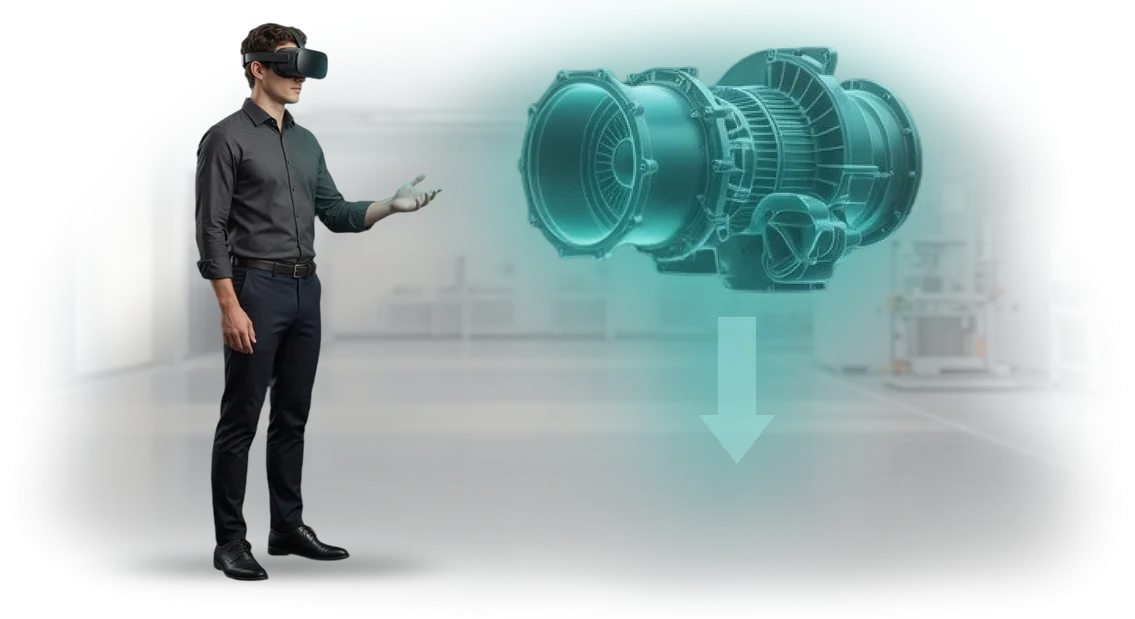
מעבדת כימיה במציאות רבודה: הפחתת סיכונים ועלויות בהדרכה
מעבדת כימיה במציאות רבודה היא כלי שמעביר את ההדרכה בכימיה לסביבה דיגיטלית בטוחה, ללא סיכון לאנשים או לתקציב. במעבדה אמיתית, כל טעות משמעותה עלות של ריאגנטים, ציוד פגום, ולעיתים אף פציעה של עובד.
יש לתרגל מיומנויות תחת לחץ: זמן, כסף והפחד מטעויות – כל אלה מפריעים ללמידה.
אנחנו מסירים את הקונפליקט הזה. הצוות שלנו בונה מעבדת AR שבה עובדים עובדים עם חומרים וכלים וירטואליים, בעוד שהתגובות מתנהגות בדומה לאלה האמיתיות.
טעות בסביבה הזו לא הורסת דבר – הדרכת הכימיה הופכת לבטוחה וניתנת לחזרה, והמיומנות שנרכשת עוברת לעבודה האמיתית ללא אובדן.
עבור מנהל, זה אומר עלויות הדרכה צפויות. ריאגנטים לא נצרכים, מעבדות לא יושבות בטלות בגלל תקלות, והזמן עד שעובד יכול לעבוד באופן עצמאי מתקצר משמעותית.
ראינו פרויקטים שבהם, לאחר הטמעת מעבדה וירטואלית, מספר מצבי החירום ירד פי כמה, ועובדים חדשים צברו ביטחון לאחר שניים או שלושה מפגשי הדרכה בלבד.
חשוב לציין, אנחנו לא מוכרים טכנולוגיה מופשטת – אנחנו מטמיעים אותה בתהליך ההדרכה הקיים שלכם. תרחישי מעבדת ה-AR מותאמים לפרוצדורות שלכם, לתגובות האופייניות ולרמות המיומנות של העובדים.
כך, אתם מקבלים תוצאות מדידות מהר יותר, ובמקום לשבש את מערכת ההדרכה הקיימת שלכם, אתם הופכים אותה ליעילה יותר באופן ניכר.
מה מעבדת AR נותנת לעסק: 5 יתרונות מדידים
מעבדת AR הופכת הדרכה מהרצאה פורמלית לתרגול מעשי, שבו עובדים רואים את התהליך במקום דיאגרמה על שקופית.
זה משנה את האופן שבו הצוות מגיב: עובדים חדשים מתחברים מהיום הראשון, ומומחים מנוסים יכולים לתרגל תרחישים נדירים מבלי לסכן את הייצור.
היתרון המרכזי הוא קליטת עובדים מהירה. במקום שבועות של תיאוריה ואישורים, אדם שולט בפעולות מפתח במציאות רבודה תוך מספר ימים ומגיע לאתר העבודה האמיתי מוכן. המעסיק מקבל תקופת הסתגלות קצרה יותר והחזר מהיר על ההשקעה בהדרכה.
בטיחות וחיסכון בריאגנטים הולכים יד ביד. במעבדה וירטואלית אפשר לטעות כמה שרוצים: בקבוקונים לא מתפוצצים, חומרים יקרים לא נהרסים, והצוות לא נפגע.
החברה מפסיקה להוציא כסף על חומרים מתכלים לצורכי הדרכה ומפחיתה את מספר התאונות והפגמים בייצור.
החזר ההשקעה בהדרכה מורכב מכמה מרכיבים: פחות קורסים חוזרים, ידע שנשמר לאורך זמן ושיעור תחלופת עובדים נמוך יותר. עובדים באמת יודעים ליישם את הכישורים שלהם, כך שהמעסיק לא משלם פעמיים על אותה הדרכה.
לבסוף, מעבדת AR היא הזדמנות PR טבעית לתוכנית ההדרכה שלכם. הגישה המודרנית נראית למועמדים ולשותפים, מחזקת את המותג המעסיק ומושכת אנשים שרוצים להתפתח.
בסופו של דבר, היתרונות של הדרכת AR מדידים: מהירות, בטיחות, חיסכון ומוניטין החברה.
פורמטים של הטמעת מעבדת AR לצרכים שלכם
כל חברה נכנסת להדרכת AR בדרכה: אחת צריכה תוצאה מהירה לקבוצה קטנה של עובדים, אחרת צריכה תקן אחיד לרשת סניפים, ושלישית צריכה עדכוני ידע שוטפים ללא השקעות חד-פעמיות גדולות.
כדי לוודא שאתם משלמים רק על מה שאתם צריכים, חילקנו את פורמטי הטמעת מעבדת AR לשלושה תרחישים בסיסיים. כולם רצים אצלנו – אין צורך לרכוש ציוד או להעסיק מומחה ייעודי.
הטבלה שלהלן לא מתמקדת בפרטים טכניים אלא במה שאתם מקבלים כמנהלים: לוחות זמנים, יכולת חיזוי תוצאות ואפשרויות צמיחה.
| פורמט הטמעה | למי זה מיועד | מה זה נותן ללקוח |
|---|---|---|
| מודול מוכן | לקבוצה קטנה או השקה ראשונה | התחלה מהירה תוך 1-2 שבועות, מחיר קבוע, תוצאה ברורה ללא מעורבות מחלקת ה-IT שלכם |
| השכרת מעבדת AR | לקורסים חד-פעמיים או לבדיקת הגישה | חסם כניסה נמוך: משלמים על תקופה, בודקים את השיטה על עובדים אמיתיים, ורק אז מחליטים על רכישה |
| פיתוח מותאם אישית | לרשת סניפים והדרכה שוטפת | מודול המותאם לפרוצדורות ולמאפייני הייצור שלכם, משולב בתוכניות הדרכה קיימות |
ללא קשר לפורמט הנבחר, הטמעת מעבדת AR עוקבת אחר נתיב ברור. ראשית, פיילוט עם קבוצה קטנה: הוא מדגים מעורבות וערך עסקי מדיד.
לאחר מכן אנו מנתחים את התוצאות, מתאימים תרחישים ומרחיבים את הפתרון לכל הרשת או משיקים קורסים שוטפים לעובדים חדשים.
השכרת מעבדה מאפשרת ללכת בנתיב הזה ללא אישורים ארוכים והוצאות הוניות. כשאתם רואים את האפקט – שימור חומר טוב יותר, פחות שגיאות או זמן הכנה קצר יותר – אתם מחליטים על פורמט קבוע. ואנחנו תומכים בפרויקט בכל שלב, מהפגנת הדמו הראשונה ועד לפריסה מלאה.
איך עובד פיתוח מעבדת AR: מהבריף ועד ההשקה
פיתוח מעבדת AR להדרכת כימיה עוקב אחר תהליך ברור, כך שאתם תמיד מבינים מה קורה ומה תהיה התוצאה. אנחנו תומכים בפרויקט מהבריף הראשון ועד ההשקה ומעבר לה, ומטפלים בכל העניינים הטכניים.
שלבי הפיתוח
- בריף והבנת המשימה — אנו מבהירים מטרות הדרכה, קהל היעד, חומרים קיימים וציפיות, כדי שנוכל להציע פתרון המותאם לתוכנית שלכם.
- תוכנית והערכת עלות — אנו קובעים לוחות זמנים, היקף עבודה ותקציב. אתם יודעים מראש מתי הכל יהיה מוכן ומה הוא יכלול.
- אישור תרחישים — יחד, אנו עובדים על האופן שבו התלמידים ישתמשו במעבדה הווירטואלית, אילו תגובות, ניסויים ומסקנות לתרגל. אתם רואים אב-טיפוס ויכולים לבצע שינויים לפני תחילת הפיתוח.
- פיתוח והרכבה — אנו בונים את אפליקציית ה-AR, חומרי הדרכה ומדריכים למדריכים. בשלב זה, כבר יש לכם תמונה ברורה של איך הכל יעבוד.
- השקת מעבדת AR — אנו מתקינים את הפתרון, בודקים אותו על הציוד שלכם ומריצים מפגש הדרכה קצר כדי שהמדריכים יוכלו להתחיל להשתמש במעבדה מיד.
- תמיכה לאחר ההשקה — אנו מעדכנים תוכן, מגיבים למשוב ועוזרים בבעיות טכניות. אתם אף פעם לא נשארים לבד עם המוצר.
אנחנו מנהלים את הפרויקט כמכלול אחד, מהדיון הראשון ועד לפעולה יציבה. בסופו של דבר, אתם מקבלים מעבדת AR המשולבת בתהליך ההדרכה שלכם מבלי לבזבז זמן על פרטים טכניים.
מה כולל משלוח מעבדת ה-AR לצוות שלכם
הכנו חבילת מעבדת AR מלאה – כל מה שצריך כדי להשיק הדרכה, מאורגן במערכת ברורה. אתם לא מקבלים אפליקציה חשופה; אתם מקבלים פתרון עובד שהמדריכים יכולים להשתמש בו כבר למחרת ההתקנה.
-
תרחישי עבודה במעבדה — סט של ניסויי כימיה מוכנים, מבסיסיים ועד מתקדמים. כל תרחיש מפותח עם מתודולוגים: התלמידים רואים הוראות שלב-אחר-שלב, מתקשרים עם חומרים וציוד, ובסוף מקבלים הערכה של פעולותיהם.
-
חומרים מתודולוגיים למדריכים — מערכי שיעור, דפי עבודה והמלצות לשילוב AR בתוכנית הלימודים שלכם. המדריכים לא צריכים להבין איך לשלב AR בשיעור; התוכנית כבר כתובה.
-
הוראות לתלמידים ולצוות — מדריכים קצרים וסרטוני הדרכה על שימוש בציוד ובממשק. זה מסיר את הפחד מטכנולוגיה חדשה ומקצר את זמן ההדרכה המקדימה.
-
כלי ניהול — אתם מקצים כיתות, עוקבים אחר התקדמות כל תלמיד ורואים סטטיסטיקות לפי קבוצה. הכל זמין בלוח בקרה אישי, ללא צורך לפנות למפתחים.
-
עדכוני תוכן — אנו מוסיפים תרחישים חדשים באופן קבוע ומתאימים קיימים למשימות שלכם ולשינויים בתוכנית הלימודים. התוכן לא מתיישן; המעבדה מתפתחת יחד עם ההדרכה שלכם.
-
דוח הדרכה — המערכת מייצאת סיכום תוצאות: מי השלים את העבודה, כמה ניסיונות נדרשו ואילו שגיאות אופייניות מתרחשות. נתונים אלה עוזרים לשפר קורסי הדרכה ומדגימים את אפקטיביות ההטמעה להנהלה.
חבילה זו מכסה את כל המחזור, מהתקנה ועד ניטור תוצאות. אתם מקבלים כלי מוכן שקל ליישם ופשוט לתחזק – ההדרכה מתחילה ללא הכנה ממושכת או השקעות נוספות.
מקרה בוחן: מעבדת AR הפחיתה עלויות ריאגנטים ב-38%
KhimProm היא אחת מחברות הכימיה שבהן הטמענו מעבדת AR להדרכת צוות. המשימה הייתה מוכרת: עובדים חדשים עשו טעויות בעבודה עם ריאגנטים, וכל טעות משמעותה לא רק חומרים מקולקלים אלא גם סיכונים בריאותיים.
הדרכה על חומרים אמיתיים הייתה יקרה, ומדריכים בילו את רוב זמנם בחזרה על פעולות בסיסיות.
פיתחנו סימולטור הדרכה ב-AR על פלטפורמת מציאות רבודה מקצועית המשכפל לחלוטין מעבדה אמיתית: עובדים רואים ציוד, ריאגנטים והנחיות, ויכולים לחדד את פעולותיהם ללא מגע אמיתי עם כימיקלים.
פורמט זה הוא גם דוגמה להדרכת AR וגם כלי בטיחות: טעויות מתרחשות בסביבה וירטואלית ואין להן השלכות אמיתיות.
תוצאות ההטמעה היו מדידות. עלויות הריאגנטים לצורכי הדרכה ירדו ב-38% – החניכים הפסיקו להשתמש בחומרים יקרים לפעולות ניסיון.
הכשרת עובדים חדשים הפכה למהירה כמעט פי שניים: במקום שלושה חודשים, הם מתחילים לעבוד באופן עצמאי לאחר חודש וחצי.
מספר השגיאות בפעולות האמיתיות הראשונות שלהם ירד ביותר מחצי, והמדריכים קיבלו יכולת לנטר את התהליך מרחוק ולבחון מקרים קשים.
תוך מספר חודשים, הנהלת המפעל הזמינה הרחבה של מעבדת ה-AR למחלקות נוספות.
עבורנו, זה האישור העיקרי: תוצאות הטמעת ה-AR משתלמות לא רק באמצעות חיסכון בריאגנטים אלא גם באמצעות הכנה מהירה יותר, סיכונים נמוכים יותר וביטחון גדול יותר של עובדים בייצור האמיתי.
איך לבחור פורמט מעבדת AR למאפייני החברה שלכם?
אין מעבדת AR אוניברסלית – פורמט שעובד לייצור תרופות לא סביר שיעבוד למחלקת מכונות או לקו עיבוד מזון.
אז הבחירה הנכונה תמיד מתחילה בשאלה: מה העובדים צריכים לדעת לעשות לאחר ההדרכה, והיכן הם טועים הכי הרבה?
אם לחברה כבר יש תוכנית קליטה מבוססת או קורסי פיתוח מקצועי קבועים, מודולי AR משתלבים בהם באופן טבעי – מבלי ליצור מערכת הדרכה מקבילה.
כשמאפייני הייצור ייחודיים ואין תרחישים מוכנים, קורס AR ייעודי שמתרגל את פעולות התהליך והפרוצדורות המדויקות שלכם הוא יעיל יותר.
פורמט זה שימושי בהשקת ציוד חדש, הכנסת שיטת ניתוח חדשה או ארגון מחדש של תהליכים.
אפשרות שלישית היא פרויקט פיילוט במשמרת או באתר אחד: הוא מאפשר להעריך במהירות כיצד עובדים תופסים מציאות רבודה, אילו מיומנויות משתפרות, ולהחליט אם להרחיב לכל החברה.
המהנדסים שלנו עוזרים לכם לבחור את הפורמט לאחר ניתוח המשימות שלכם: אנו בוחנים היכן ההדרכה לוקחת הכי הרבה זמן, היכן השגיאות שכיחות ביותר, ובאיזו תדירות פרוצדורות משתנות. זה מאפשר לנו לא לבנות מחדש מערכת עובדת אלא לחזק נקודות חלשות במדויק.
בסופו של דבר, אתם מקבלים הדרכה המותאמת למאפיינים שלכם – היא מאיצה קליטה, מפחיתה שגיאות ונותנת לעובדים כלי ברור לתרגול מיומנויות ללא סיכון בייצור האמיתי.
אם אתם לא בטוחים מאיפה להתחיל, אנו ממליצים על פיילוט: הוא יראה תוצאות עם העובדים שלכם והציוד שלכם לפני שתתחייבו להטמעה בקנה מידה מלא.
מענה לחששותיכם: בטיחות, אמינות, החזר השקעה
אספנו את חמש השאלות שמנהלים שואלים הכי הרבה לפני השקת מעבדת AR. אנו עונים ללא ז'רגון טכני – רק מה שמשפיע על ההחלטה והתקציב שלכם.
האם נתוני החברה והעובדים בטוחים?
כל הנתונים מאוחסנים על שרתים מאובטחים, והגישה מבוססת תפקידים. אנו חותמים על הסכם סודיות ובמידת הצורך פורסים את המערכת על התשתית שלכם – מידע אף פעם לא עוזב את גבולות החברה.
מה אם הציוד יתקלקל או יתיישן?
תקלה לא תעצור את ההדרכה: רכיבים מכוסים באחריות, וזמן ההחלפה הממוצע הוא 2-3 ימי עסקים. אנו חותמים על SLA עם זמן תגובה קבוע – אנו מגיבים תוך 4 שעות עבודה בשעות הפעילות.
במקביל, אנו מספקים ערכת גיבוי או גישה לענן לסימולציות כדי שהשיעורים יימשכו לפי לוח הזמנים. עדכוני תוכן ותוכנה כלולים בתמיכה, כך שהמעבדה לא מתיישנת לאחר כמה חודשים.
מתי מעבדת הכימיה ב-AR תחזיר את ההשקעה?
אנו מחשבים את ההחזר לפני ההשקה: אנו מראים את התרחיש, מספר הלומדים והחיסכון בחומרים מתכלים. בפועל, מדובר ב-8-14 חודשים עם עומס של 15 קבוצות בחודש.
לאחר מכן, כל מפגש עובד לטובתכם: עלויות ריאגנטים, פינוי והשכרת חללים ייעודיים יורדות.
האם קשה לשלב AR בתוכנית קיימת?
אין צורך לשכתב את תוכנית הלימודים. אנו מתאימים תרחישים לפרוצדורות ולחומרי ההוראה שלכם ועוזרים בתיעוד. מדריכים לומדים את המערכת תוך 1-2 ימים ואז מעבירים שיעורים בעצמם.
האם תלמידים ועובדים יקבלו את הפורמט החדש?
AR לא מחליף את המדריך – הוא מעצים אותו: תהליכים מורכבים הופכים ויזואליים, והמעורבות גדלה. אנו מודדים לפני ואחרי בקבוצת פיילוט – ככלל, הזמן הדרוש לשליטה במיומנות יורד בשליש בערך.
הזמנת פיתוח מעבדת AR: מה אתם מקבלים מיד
כדי להזמין מעבדת AR, אין צורך להכין מפרט טכני או להבין בפרטים. פשוט שלחו בקשה – אנחנו נבין איזה פורמט מתאים לעובדים שלכם, ותקבלו פתרון סוהר.
אנו עובדים עם ציוד מקצועי וכלים מוכחים, כך שתוכן AR רץ באופן אמין על כל מכשיר שכבר יש לצוות שלכם.
לאחר פנייתכם, אנו מספקים ייעוץ להדרכת AR, בוחרים את פורמט המעבדה ומחשבים את העלות. אין צורך להבין בטכנולוגיה – אנחנו מטפלים בהכל. הנה מה שאתם מקבלים מיד:
- ייעוץ מומחה להדרכת AR – ננתח את המשימה שלכם ונציע אילו תרחישים יניבו תוצאות.
- חישוב עלות ולוחות זמנים – הערכה מדויקת ללא חיובים נסתרים, קבועה בחוזה.
- בחירת פורמט מעבדת AR – מאפליקציה ניידת ועד מתחם נייח, בהתאם למספר העובדים ולתקציב.
- המלצות מתודולוגיות – כיצד לשלב AR בתוכנית ההדרכה שלכם כדי להגביר מעורבות ושימור חומר.
- מנהל אישי – נקודת קשר אחת בכל שלב, מהבריף ועד ההטמעה והתמיכה.
שלחו בקשת ייעוץ, ותוך יום יהיה לכם תוכנית הטמעת מעבדת AR עם תקציב ולוחות זמנים ברורים. זה ללא התחייבות: פשוט תלמדו כיצד AR יכול לשפר את אפקטיביות ההדרכה ולהחזיר את ההשקעה במקרה שלכם.