



מדוע כנסים מקוונים רגילים מאבדים את תשומת הלב של המשתתפים
כנסים מקוונים הפכו מזמן לפורמט מוכר, אבל דווקא ההיכרות הזו הורגת את האפקטיביות שלהם. המשתתפים מפעילים את השידור ובמקביל בודקים דוא"ל, גוללים בפידים, עונים בהודעות — תוך 15–20 דקות תשומת הלב שלהם דועכת.
המרצה מדבר אל הריק: המצלמה לא מעבירה תגובות חיות, והמארגן רואה רק את מספר החיבורים ואת הירידה בנוכחות באמצע המצגת. עסקים משקיעים זמן ותקציב באירוע שבקושי מביא לידים ומכירות.
הצד השני של הבעיה הוא עייפות מוובינרים אחידים. שקופיות, "ראש מדבר" וצ'אט: כך נראים רוב האירועים המקוונים, והקהל מפסיק להבחין ביניהם.
חלק מהצופים מגיעים בשביל מרצים חזקים, אבל אחרי השידור מעטים זוכרים את המותג של המארגן — הוא לא נצרב, ובסיס למעורבות חוזרת לא נבנה.
פלטפורמות קודמות לא עוזרות: המקסימום שהן מציעות הוא כפתור "הרמת יד" וצ'אט טקסטואלי, וזה לא מחזיק עניין. צריך לשנות את הפורמט עצמו כך שהמשתתף ירגיש נוכחות וחופש פעולה.
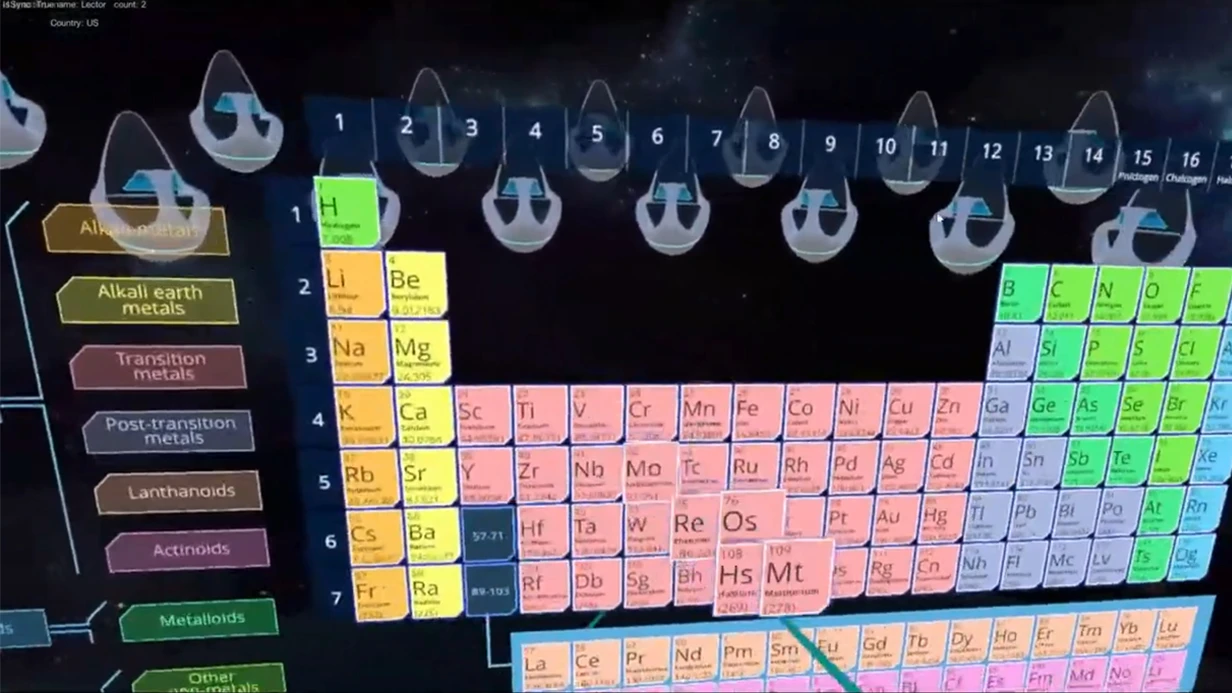
לכן אנחנו מפתחים פלטפורמת כנסים וירטואלית בתלת-ממד — מרחב שבו האורחים נעים, מתחברים חברתית, נכנסים לאולמות נושאיים ומקיימים אינטראקציה עם חומרים, בדיוק כמו באירוע פיזי.
עבור המארגן, תשומת לב מפוזרת מתורגמת להפסדים ישירים: תוכן מוכן, מרצים מוזמנים, קידום בתשלום — והצופים עוזבים באמצע. כל עזיבה כזו היא ליד שאבד והכנסה שאבדה.
אנחנו סוגרים את נקודת הכאב הזו: אנחנו שומרים על מעורבות האורחים מהדקה הראשונה עד האחרונה, מחזירים את ההשקעה שלכם והופכים את האירוע לבלתי נשכח.
מה פלטפורמת כנסים וירטואלית בתלת-ממד מביאה לאירוע שלכם
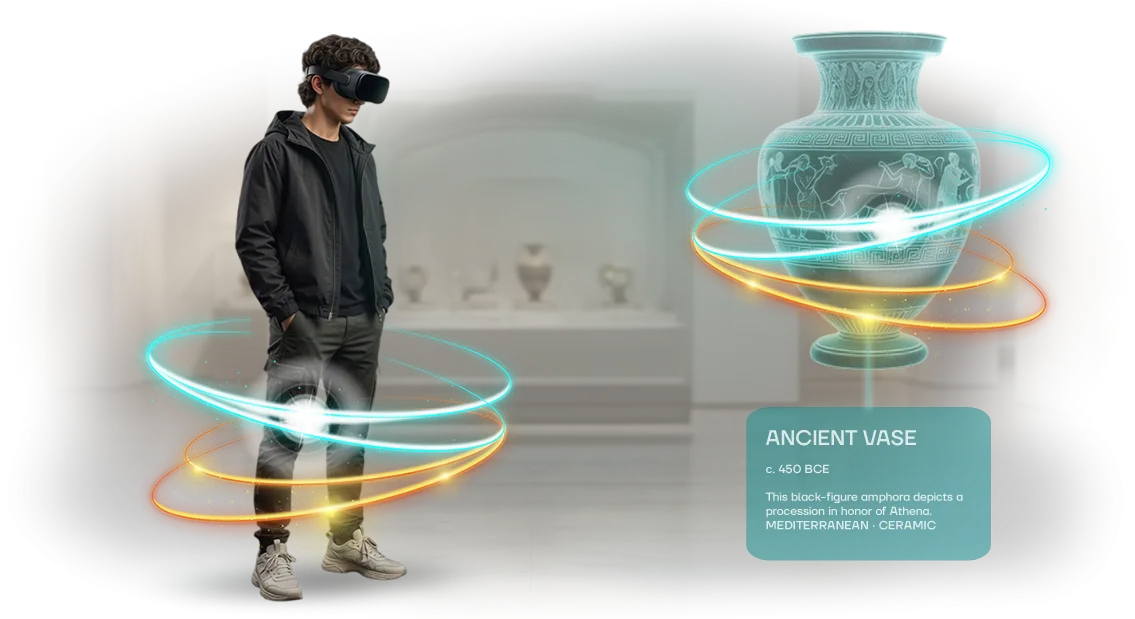
כנס מקוון רגיל מחזיק את תשומת הלב של המשתתפים רק לכמה דקות במקרה הטוב: וידאו, צ'אט ותריסר טאבים מקבילים מפזרים את המיקוד. אירוע וירטואלי על פלטפורמת תלת-ממד הוא מרחב שבו כל משתתף הולך בין אולמות, ניגש לדוכנים ומקיים אינטראקציה עם חומרים.
במקום צפייה פסיבית — חקר עצמאי, וזה בדיוק מה שמייצר לידים חיים ואיכותיים.
פלטפורמת כנסים וירטואלית בתלת-ממד מסירה את המגבלה המרכזית של אירועים פיזיים — הגיאוגרפיה. משתתפים מכל אזור ואזור זמן יכולים להשתתף, ואתם מקבלים כיסוי בקנה מידה מלא שאי אפשר היה לאסוף באולם כנסים אחד.
המארגן גם רואה מה באמת מעניין את הקהל: אילו תערוכות נצפו, כמה זמן הושקע ומה אנשים חזרו אליו.
אינטראקטיביות היא המנוע המרכזי של מעורבות. המשתתפים לא רק מקשיבים למרצה — הם מתקשרים בסביבה לא פורמלית, שואלים שאלות ומתחברים לנציגי המותג.
פורמטים כאלה נזכרים, והאורחים חוזרים לאירועים הבאים — חלק ההרשמות החוזרות והנאמנות למוצר שלכם גדל.
פרסונליזציה הופכת שידור סטנדרטי למסע אישי. ניווט, תוכן והמלצות מתאימים את עצמם לתחומי העניין של כל אורח, כך שכל משתתף רואה בדיוק מה רלוונטי עבורו. זה מעמיק את חקר החומרים וכתוצאה מכך את הנכונות להשאיר פרטי קשר.
פלטפורמת כנסים בתלת-ממד משמעה גם ROI צפוי: אין צורך לשכור אולם, לשלם על לוגיסטיקה או חומרים מודפסים. אתם משיקים את האירוע במהירות, מרחיבים אותו לכל קהל ומקבלים אנליטיקה שעוזרת להפוך את האירוע הווירטואלי למקור יציב של לידים.
פורמטים של פלטפורמת תלת-ממד לכנסים לכל משימה
לכל אירוע יש מטרות משלו: לפעמים צריך להציג מוצר, לפעמים לקיים מושב מליאה ולפעמים ליצור מרחב לתקשורת לא פורמלית.
אין כאן "כפתור אחד" אוניברסלי, ולכן אנחנו מציעים בחירה של פורמט כנס וירטואלי למטרה ספציפית — מדוכן ממוקד ועד תערוכת תלת-ממד בקנה מידה מלא. להלן השוואה של האפשרויות המרכזיות כדי שתוכלו לראות מיד איזו מהן פותרת את המשימה שלכם.
| פורמט | מתי לבחור | מה הלקוח מקבל |
|---|---|---|
| דוכן וירטואלי | הצגה ממוקדת של מוצר או שירות בודד | השקה מהירה תוך 2–3 שבועות, מיקוד בפתרון אחד, הדגמה נוחה במהלך משאים ומתנים |
| אולם כנסים | מצגות מפתח, פאנלים, הכרזות | שידורים חיים עם שאלות ותשובות, הקלטות מושבים, תחושת נוכחות לאלפי מאזינים |
| תערוכת תלת-ממד | תערוכה רחבה, משתתפים ומותגים רבים | אולמות וירטואליים עם ניווט, מבקרים נעים בין דוכנים ומשאירים פרטי קשר |
| אירוע היברידי | שילוב אירוע פיזי עם קהל מקוון | תוכנית אחידה לאולם ולאורחים מרוחקים, הרחבת טווח הגעה ללא אובדן מעורבות |
פורמט אחד לא שולל אחר: לקוחות לרוב משלבים אולם כנסים עם דוכנים וירטואליים, ומשתמשים באזור התערוכה התלת-ממדית כנקודת עוגן אחרי המצגות.
גישה זו מגדילה את זמן השהייה של המשתתפים בפלטפורמה — מה שאומר יותר צפיות בתוכן ויותר לידים לצוות המכירות שלכם.
אנחנו לא כופים פתרון "ארוז": המהנדסים שלנו בונים את המבנה סביב לוח הזמנים שלכם, מספר המרצים והתנועה הצפויה כך שהפלטפורמה תפעל ללא תקלות ברגעי שיא.
אם עדיין לא החלטתם איזה פורמט כנס וירטואלי מתאים למשימה שלכם, שלחו לנו כמה שורות על האירוע — מספר משתתפים, מטרות ולוחות זמנים. נכין תוכנית פלטפורמה עם המלצות פורמט ספציפיות תוך שני ימי עסקים. זה ללא התחייבות.
איך אנחנו יוצרים כנס וירטואלי: שלבי העבודה
תוכנית שלב-אחר-שלב ללא הפתעות
בנינו את התהליך כך שתמיד תבינו מה קורה בכל שלב. אין "קופסאות שחורות" — אתם מקבלים שליטה על לוחות זמנים, תוכן ותקציב.
- בריף: אנחנו דנים במטרות הכנס, בקהל ובתוצאה הרצויה. אתם מתארים את המשימה; אנחנו מציעים את הפורמט והפונקציונליות.
- קונספט והערכת עלות: אנחנו קובעים את תוכנית העבודה, לוח הזמנים והעלות. מסכימים על הסגנון החזותי, מבנה האולמות ותסריט האירוע.
- הכנת חומרים: אנחנו עוזרים להתאים מצגות, סרטונים ודוכנים למתחם הווירטואלי. אתם לא יוצרים שום דבר "מאפס" — אנחנו משתמשים בנכסים הקיימים שלכם.
- פיתוח הפלטפורמה: אנחנו בונים אולמות וירטואליים, הרשמה, ניווט ואזורי תקשורת. בכל שלב אתם רואים את התוצאה הביניים.
- בדיקות והשקה: אנחנו עורכים חזרות, בודקים יכולת עומס ולוגיסטיקה. ביום הכנס אנחנו מספקים תמיכה טכנית לכם ולאורחים שלכם.
- תמיכה ואנליטיקה: אחרי האירוע אנחנו מוסרים סטטיסטיקות: מספר משתתפים, פעילות, משך ביקור. אנחנו נותנים המלצות לעתיד.
גישה זו מפחיתה סיכונים וחוסכת לכם זמן. אתם מתמקדים בתוכן המצגות והפגישות; הצד הטכני עלינו.
מה כלול במסירת פלטפורמת הכנסים
אחרי מסירת הפרויקט, אתם לא מקבלים רק קישור — אתם מקבלים ערכה מלאה להפעלת כנס וירטואלי: הפלטפורמה עצמה, תוכן, הדרכת צוות ואנליטיקת אירוע. הכל מוכן לשימוש בשבועות הקרובים.
הנה מה שכלול במסירה:
- פלטפורמת כנסים וירטואלית המותאמת לתוכנית ולסגנון המותג שלכם: אולמות, במות, אזורי מצגות ודוכני מציגים.
- מרחב תלת-ממדי עם התוכן שלכם — לוגואים, סרטונים, מצגות, אלמנטים אינטראקטיביים. מוכן יחד איתכם, ללא קבלנים נוספים.
- הדרכת צוות: הוראות ומפגשים מעשיים למנהלים, מנחי מושבים ומרצים. הצוות שלכם מריץ את האירוע באופן עצמאי.
- אנליטיקת אירוע: מספר משתתפים, זמן בפלטפורמה, עניין בדוכנים, לידים שנאספו. אתם רואים מה עבד ומשפרים אירועים עתידיים.
- תמיכה טכנית לפני, במהלך ואחרי הכנס. מהנדסים זמינים; בעיות נפתרות במהירות.
- הרחבה וצמיחה: אולמות נוספים, שפות, אינטגרציה עם מערכת ההרשמה או מאגר הלקוחות שלכם.
חבילה זו מכסה את כל המחזור: אין צורך לחפש קבלנים שונים או לסכן את האירוע. אתם מקבלים כלי שמרחיב מיד את טווח ההגעה וחוסך תקציב על השכרת אולם ולוגיסטיקה.
דוגמה אמיתית: איך שילשנו את נוכחות הכנס
הלקוח — מפיק בינלאומי של תוכניות חינוכיות EduSpace — איבד עד 80% מהקהל שלו בכנסים מקוונים: אנשים עזבו תוך חצי השעה הראשונה, שותפים לא ראו טעם בדוכנים ונותני חסות קיצצו תקציבים.
החלפנו את הוובינר הקלאסי בפלטפורמת תלת-ממד וירטואלית: משתתפים נעו באולם תערוכה דיגיטלי, חקרו את התערוכה ויצרו קשרים בחדרי הרצאות נפרדים. ההכנה ארכה חודשיים — הלקוח הכין תוכן בזמן שהמהנדסים שלנו בנו את המתחם.
תוצאות מדידות
ביום הפתיחה ביקרו במתחם 910 אורחים — פי שלושה מהשיא הרגיל של שידורים קודמים. המשתתפים רשמו 2,400 כניסות, עם משך ביקור ממוצע של 47 דקות במקום 10–15 הרגילות. בחודש שלאחר האירוע, ההקלטות והקטלוג של התערוכה צברו עוד 1,800 צפיות.
הדבר המרכזי לעסקים הוא ROI: 85% מהמבקרים השאירו בקשות לכנס הבא, ושלושה מתוך שבעה נותני חסות הגדילו את התקציבים שלהם. הפלטפורמה החזירה את עצמה אחרי האירוע הראשון ונשארה ערוץ מכירות קבוע.
המשוב של הלקוח
"ציפינו לצמיחה מתונה וקיבלנו שילוש. אנשים מבלים כמעט שעה על הפלטפורמה וחוזרים — זה בלתי אפשרי בוובינר רגיל.
הפלטפורמה הווירטואלית בתלת-ממד הפכה לערוץ הקבוע שלנו לעבודה עם הקהל, לא לאירוע חד-פעמי." — מנהלת השיווק ב-EduSpace.
איך לבחור פורמט כנס וירטואלי למשימה שלכם?
פורמט כנס וירטואלי נבחר לא לפי טרנדים אלא לפי שלוש שאלות: מי הקהל שלכם, איזו בעיה האירוע פותר ומה התקציב המוקצה.
על ידי מענה עליהן, תבינו אם אתם צריכים פלטפורמת תלת-ממד בקנה מידה מלא עם אזורי משא ומתן, שידור קומפקטי או היבריד של שידור חי ודוכנים אינטראקטיביים.
התחילו ממטרות. אם העדיפות היא להציג מוצר, לאסוף בקשות ולתת למשתתפים לדבר עם מנהלים, אולם וירטואלי עם תערוכה, לוח זמנים וחדרי פגישות מתאים.
אם המשימה היא לקיים מצגת או דיון לקהל רחב, פלטפורמה עם שידור חי וצ'אט מספיקה. כך אתם לא משלמים יותר מדי על פיצ'רים שהאורחים לא ישתמשו בהם.
שלב שני — קהל. מספר המשתתפים, הרקע שלהם והגיאוגרפיה משפיעים על הפורמט. לקבוצה קטנה של מומחים, אולם תצוגה מפורט בתלת-ממד שבו אפשר לבחון מוצרים הגיוני.
לאלפי צופים, אתם צריכים פלטפורמה ניתנת להרחבה עם כניסה בקישור פשוט כדי שאף אחד לא ילך לאיבוד בדרך לאירוע.
ולבסוף, תקציב. הוא קובע את קנה המידה ואת לוח הזמנים של ההשקה. כנס בסיסי עם שידור חי יעלה פחות מעולם תלת-ממד מפורט עם אווטארים ואזורי נטוורקינג.
אנחנו עוזרים לכם לבחור את הפורמט: אנחנו מראים איפה לחסוך בלי לאבד השפעה ואיפה להשקיע כדי שהאירוע ישתלם בבקשות.
המפתח הוא לא לכפות את המשימה לתוך תבנית. הפורמט הנכון פותר את המטרות העסקיות שלכם ונשאר בעלויות סבירות. המהנדסים שלנו מתכננים את הפלטפורמה סביב תסריט האירוע — משידור של יום אחד ועד תערוכה של שבועות עם תוכנית ומשא ומתן.
שאלות נפוצות על יצירת כנסים וירטואליים
לפני השקת כנס וירטואלי, לכל מנהל יש את אותן שאלות: כמה זמן זה ייקח, כמה זה יעלה ומה קורה אם משהו משתבש. אנחנו עונים על החששות המרכזיים — בלי פרטים טכניים או אותיות קטנות.
כמה זמן לוקח ליצור כנס וירטואלי?
בממוצע, שלושה עד שישה שבועות — תלוי בקנה המידה, במספר המתחמים ובפונקציונליות הנדרשת. אנחנו מראים הדגמה ראשונה תוך 7–10 ימים אחרי הבריף כדי שתראו תוצאות, לא רק מצגת.
אחר כך מגיעות איטרציות קצרות: אתם עורכים שינויים, ואנחנו מיישמים אותם תוך כמה ימים. עד ההשקה, הפלטפורמה תואמת לחלוטין את הציפיות שלכם — לא "מה שיצא".
כמה עולה פלטפורמת אירועים וירטואלית?
התקציב תלוי במספר המבקרים בו-זמנית, במספר הבמות ובפורמט — כנס, תערוכה או אולם תצוגה.
להתייחסות: פרויקט בסיסי עם במה אחת ואולם ל-100–200 איש מתחיל מעלות המחושבת לאחר בדיקה; תערוכה בקנה מידה מלא עם עשרות דוכנים ואינטגרציות מתומחרת בטווח המחושב לאחר בדיקה.
אנחנו תמיד מציעים שלוש אפשרויות שיתאימו לתקציב ולמטרות שלכם. אם המשימה היא לארח 200 אורחים ביום אחד, אין צורך לשלם יותר מדי על פיצ'רים שלא תשתמשו בהם.
מה קורה אחרי שהכנס מושק? תישארו איתנו?
התשלום כולל לא רק פיתוח אלא גם תמיכה ביום האירוע: המהנדסים שלנו מנטרים את יציבות המושבים, מסייעים למנחים ופותרים כל בעיה בזמן אמת. אחרי ההשקה, אתם מקבלים גישה לסטטיסטיקות נוכחות ולהקלטות המצגות.
אחריות הפלטפורמה מתחילה מ-30 יום. אם תרצו להפוך את הכנס לאירוע קבוע, נציע הנחה לעונה החדשה ונעביר את הנכסים למועד החדש.
כמה קשה להעביר את הצוות לפורמט וירטואלי?
כל ההכנה מתנהלת לפי תסריט מוכן: שבוע לפני האירוע, אנחנו עורכים חזרה עם המרצים והמנחים שלכם, מגדירים מעברי סצנות ועוזרים בתזמון. האורחים צריכים רק לפתוח קישור בדפדפן — אין מה להתקין.
הצוות שלכם מקבל מדריך קצר ומתאמן באולם ניסוי. בדרך כלל, שליטה בפקדים לוקחת לא יותר משעה.
בסופו של דבר, אתם מקבלים לא מוצר "גולמי" אלא כלי עבודה לנגישות לקהל ואיסוף בקשות. לפני התשלום, אנחנו קובעים את כל לוחות הזמנים ואת היקף העבודה בחוזה — כך שהסיכונים מינימליים. עדיין יש שאלות על האירוע שלכם? כתבו לנו, ונציע פתרון למשימה שלכם תוך יום עסקים אחד.מוכנים להשיק כנס וירטואלי? בואו נדון במשימה
תכנון כנס הוא תמיד איזון בין טווח הגעה, תקציב ולוחות זמנים. מתחם פיזי מוגבל במקומות, לוגיסטיקה וגיאוגרפיה, בעוד שידור מקוון לרוב לא מצליח לספק תחושת נוכחות ונטוורקינג "חי".
כתוצאה מכך, חלק מהקהל מנותק, והערך של האירוע עבור נותני חסות ושותפים יורד.
אנחנו סוגרים את הפער הזה: אנחנו מפתחים מתחמים וירטואליים שבהם כנס נראה מקצועי ואוסף משתתפים ללא קשר למיקום.
אתם לא צריכים להבין בצד הטכני — אנחנו מטפלים בהשקת הכנס הווירטואלי מרעיון ועד דוח סופי, ואתם מקבלים כלי עבודה למעורבות עם הקהל שלכם.
אחרי שתפנו אלינו, הנה מה שמצפה לכם:
- ייעוץ: ננתח את המשימות שלכם ונייעץ איזה פורמט הכי מתאים לכם.
- הערכת עלות ולוח זמנים לפני תחילת הפרויקט — אתם מבינים מיד את התקציב והשלבים.
- גישה לאזור הדגמה כדי שתראו איך המתחם שלכם ייראה לפני חתימת החוזה.
- צוות ייעודי לכל הפרויקט: מנהל פרויקט, מעצבים, מפתחים.
- תמיכה טכנית ביום האירוע ואחריות לפעולה יציבה לכל האורחים.
- עזרה במשיכת משתתפים: חומרי דוא"ל, דף הרשמה, פעילויות קידום.
השאירו פנייה באתר שלנו — ותוך יום עסקים אחד ניצור קשר, נענה על השאלות שלכם ונכין הצעה ראשונית.
זה ללא התחייבות, אבל תבינו כמה מהר תוכלו להשיק כנס וירטואלי ומה הוא יכול לעשות לצמיחת קו העסקים שלכם.