



למה העסק שלך צריך כנס וירטואלי
משתתפים באירועים מקוונים רגילים משתיקים את הסאונד אחרי עשר דקות, עוברים למייל, וזוכרים רק כמה שקופיות.
הפורמט של "מצגת + צ'אט" כבר מזמן מיושן: הוא לא יוצר רגשות, לא מערב את הקהל, ולא נותן לעסק תוצאה מדידה.
וגם אם המשתתפים נשארים עד הסוף, תשומת הלב שלהם מתפזרת והמידע נשכח במהירות — בסופו של דבר, אתה מבזבז זמן על הכנה, והאורחים עוזבים בלי התרשמות ובלי קשרים.
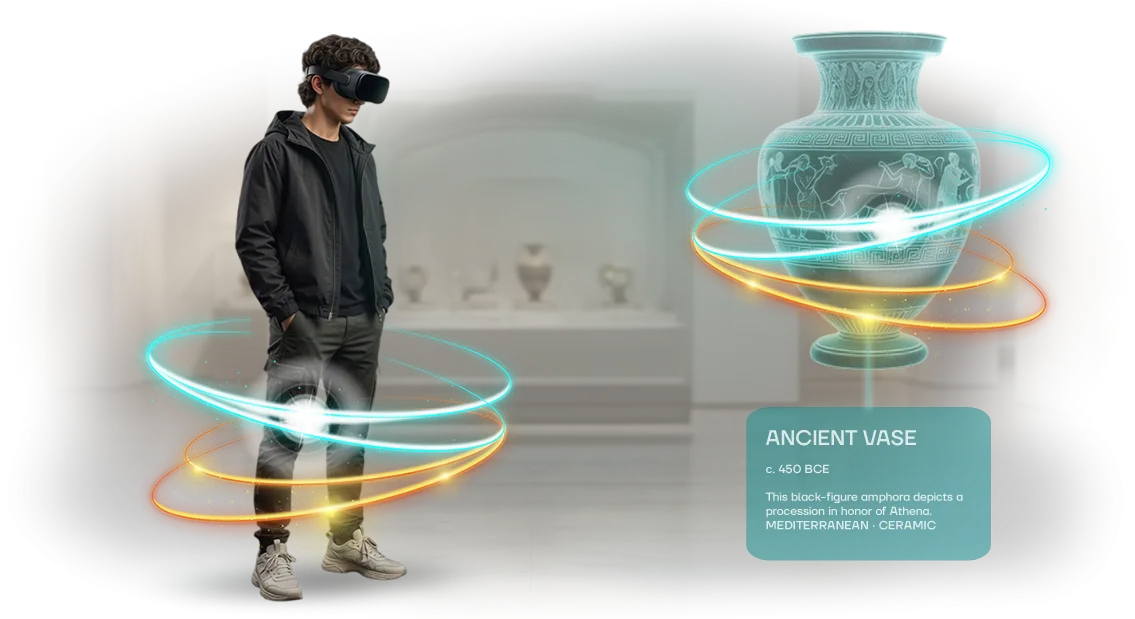
כנס וירטואלי מודרני הוא לא שיחת וידאו, אלא אירוע מקוון מלא עם אזורים אינטראקטיביים, נטוורקינג, והתעמקות במרחב של המותג.
המשתתפים בוחרים את המסלול שלהם בעצמם, מדברים באולמות ובדוכנים, שואלים שאלות את המרצים, ומשאירים פניות — בדיוק כמו באירוע פיזי.
סוג כזה של אינטראקציה הוא זה שמחזיק את תשומת הלב במשך שעתיים-שלוש ונזכר לאורך זמן, מה שאומר שהמותג שלך מקבל יותר סיכויים להיבחר.
בניגוד להקלטת וובינר, שרק מעטים צופים בה עד הסוף, כנס וירטואלי יוצר תחושת נוכחות. אנשים מגיעים בשעה שנקבעה, מתערבים בפעילות, ומרגישים חלק מהאירוע.
ולעסק, זה אומר מכירות ישירות ומאגר קשרים: כל משתתף משאיר חותם דיגיטלי שניתן לנתח ולהשתמש בו לתקשורות המשך.
אנחנו עוזרים לעסקים להריץ אירועים כאלה: אנחנו מתכננים מרחבים וירטואליים, מגדירים את לוגיקת האינטראקציה, ותומכים בהשקה. כתוצאה מכך, אתה מקבל קהל מעורב, קשרים חדשים, ומדדים ברורים — מספר משתתפים, עומק צפייה, ועניין במוצרים שלך.
כנס וירטואלי הופך אירוע מקוון חד-פעמי למקור של פניות חוזרות ומודעות מותג גוברת.
מה אתה מרוויח מפורמט האירוע הדיגיטלי
הפורמט הדיגיטלי מסיר את המגבלות העיקריות של אירועים פיזיים: אין יותר הגבלה על מספר המקומות או על הגיאוגרפיה של המשתתפים. במקום אולם אחד, אתה מקבל מרחב שכל אחד יכול להיכנס אליו — מעיר שכנה או ממדינה אחרת.
זה אומר שהחשיפה שלך גדלה פי כמה ללא עלייה פרופורציונלית בתקציב: אין צורך לשכור אולמות גדולים, לשלם על לוגיסטיקה, או להדפיס חומרים.
במקביל, כנס דיגיטלי עובד לא פחות טוב מפגישה חיה לחיזוק המותג. מרחב מעוצב היטב עם סגנון תאגידי, אזורים אינטראקטיביים, וניווט ברור יוצר תחושה של חברה מודרנית שנעים להתעסק איתה.
המבקר זוכר את ההתרשמות, לא את הפיקסלים — וההתרשמות הזו מקושרת אליך. כל מסך הופך לנקודת מגע שמגבירה הכרה ואמון.
איסוף לידים הוא ערך נפרד. באירוע פיזי, קשה להבין מי באמת מעוניין: חלק מהכרטיסים הולכים לאיבוד, העניין של האורחים דועך במהירות.
הפורמט הדיגיטלי מתעד כל פעולה — ביקור בדוכן, צפייה במצגת, הורדת חוברת, שאלה בצ'אט. אתה מקבל לא רק רשימת קשרים, אלא משתתפים חמים עם רמת מעורבות ברורה.
קל יותר להמיר לידים כאלה לעסקאות כי אתה כבר יודע במה האדם מתעניין.
הניצחון המרכזי הוא השילוב של חשיפה ודיוק. אתה בו-זמנית מגיע לקהל המעוניין המקסימלי ואוסף את הנתונים השימושיים המקסימליים על כל משתתף. הצוות שלנו עוזר לבנות אירוע דיגיטלי בדיוק עם המיקוד הזה: חשיפה רחבה יותר, מותג חזק יותר, יותר לידים.
אנחנו לוקחים על עצמנו את פיתוח הפלטפורמה, מילוי התוכן, והתמיכה הטכנית — אתה מקבל אירוע שעובד בשביל התוצאה שלך, לא כזה שדורש שליטה מתמדת.
פורמטים של כנס וירטואלי למטרות המותג
כשמדברים על כנס וירטואלי, רבים מדמיינים פשוט שידור חי. אבל אירוע מקוון מלא הוא מרחב שבו משתתפים מתקשרים, חוקרים מוצרים, וזוכרים את המותג.
השאלה היא איזה פורמט מתאים למשימה הספציפית שלך: להעביר רעיון, ליצור דיאלוג, או להראות מוצר בפירוט.
אנחנו בוחרים פורמט למטרה ספציפית, לא "מציירים תמונה לשם התמונה". להלן שלושה תרחישים בסיסיים שמכסים 90% מהמשימות העסקיות.
| פורמט | מתי לבחור | מה הוא נותן למותג |
|---|---|---|
| במה וירטואלית | המרכיבים המרכזיים הם הרצאות מרצים, הכרזות, תוכניות אירוח | חשיפה לקהל, ניהול תשומת לב, האפקט של אירוע חי ללא מגבלות גיאוגרפיות |
| אולם תצוגה | אתה צריך להכיר למשתתפים שותפים, לתת להם אפשרות לשאול שאלות את צוות הדוכנים | תקשורת חיה, איסוף קשרים, התחושה של להיות בתערוכה אמיתית |
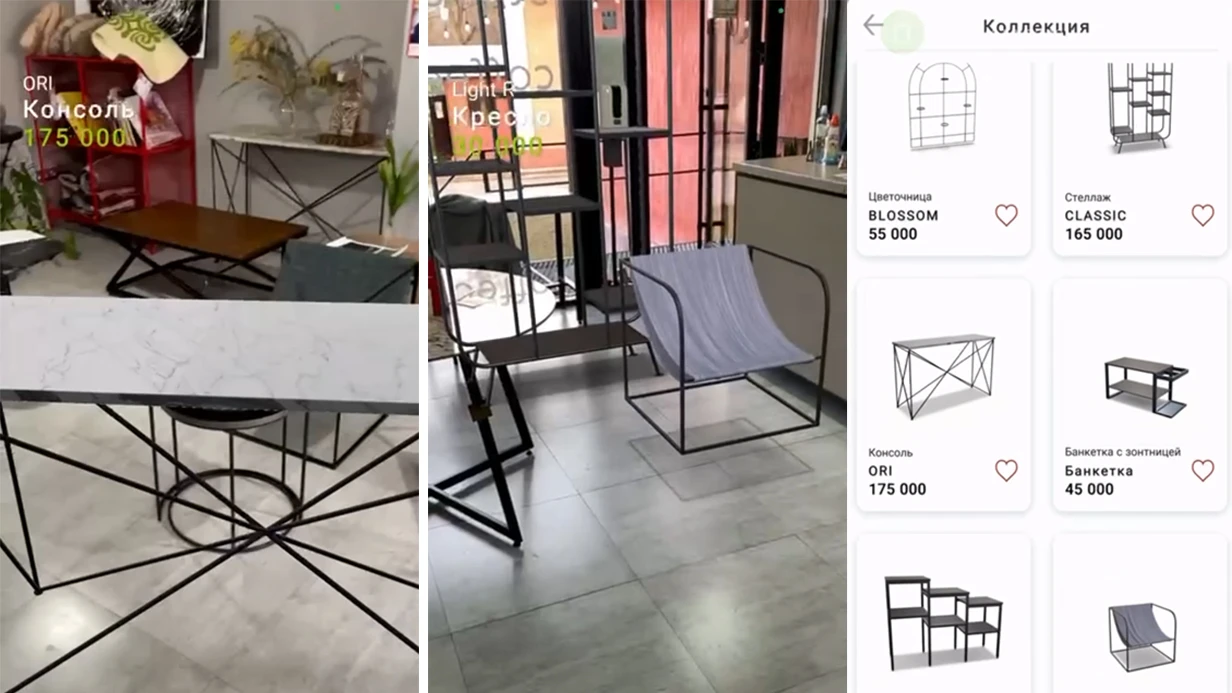
| חדר תצוגה תלת-ממדי | המוצר במרכז: להראות אותו בפירוט, לתת לאנשים "לגעת" בו במרחב הווירטואלי | הדגמה מעמיקה, אמון מוגבר, המרה גבוהה יותר לפנייה |
הבמה נבחרת כששידור וקנה מידה חשובים. האולם — כשצריך תקשורת "חיה" בין משתתפים ודוכנים. חדר התצוגה — כשהמוצר צריך לדבר בעד עצמו.
במקביל, קל לשלב בין הפורמטים: להתחיל בהתכנסות כללית על הבמה, ואז לשלוח משתתפים לאולם התצוגה, ואחר כך לחדר התצוגה להסתכלות מפורטת על המוצר. זה יוצר תרחיש שמנחה את האורח מעניין לפנייה.
כבר קיימנו כנסים שבהם שילוב של במה ואולם הכפיל את הזמן שמשתתף בילה באירוע. וחדר התצוגה התלת-ממדי באותו מקום הניב יותר פניות מאתר רגיל עם קטלוג. ספר לנו על המשימה שלך — נייעץ איזה פורמט או שילוב יביא את התוצאה המקסימלית.
איך הפרויקט מתנהל: מבריף ועד השקה
שלבי הפרויקט מסודרים בשקיפות: אתה תמיד יודע מה קורה ומתי תופיע התוצאה. אנחנו מתחילים בבריף — מתעדים מטרות, מספר משתתפים, תוצאה צפויה. אנחנו מסכמים על תוכנית והערכת עלות כדי שתבין את היקף העבודה ולוחות הזמנים.
- בריף ומטרות. תוך 1–2 ימי עבודה, אנחנו אוספים דרישות: פורמט, קהל, תרחישים מרכזיים. הפלט הוא מסמך מוסכם שבו אנחנו משתמשים להמשך העבודה.
- קונספט ותוכנית. אנחנו מתכננים את המבנה של הכנס הווירטואלי: אולמות, דוכנים, אזורי תקשורת. אנחנו מראים את הסכמה ואת האומדן, וקובעים את לוחות הזמנים.
- אישור עיצוב. אתה מקבל אב-טיפוס אינטראקטיבי של הפרויקט. אתה בודק את הלוגיקה, הטקסטים והחזותיים, עורך שינויים — בלי לפספס מועדים.
- הרכבה ותוכן. המומחים שלנו בונים את המקום, מעלים שידורים וחומרים, ומגדירים גישה. אתה רואה את התוצאה הבינונית במרחב עבודה משותף.
- ריצת ניסיון. אנחנו עורכים חזרה סגורה עם הצוות שלך: בודקים יציבות, סאונד, הרשמה וניווט. אנחנו מתקנים תקלות לפני הפתיחה.
- השקה ותמיכה. ביום האירוע, אנחנו עוקבים אחר ההתקדמות בזמן אמת, עוזרים למרצים ולמשתתפים. אחרי הכנס, אנחנו מעבירים נתוני נוכחות ופעילות.
- מעבר לתמיכה. אם אתה מתכנן להשתמש במקום שוב, אנחנו לוקחים על עצמנו תמיכה טכנית ועדכונים.
הסדר הזה נותן תוצאה צפויה: אתה לא דואג לצד הטכני, ומקבל כנס וירטואלי עובד בזמן.
מה כלול בחבילת העבודה לאירוע שלך
אחרי ההשקה, אתה מקבל לא רק קישור למקום וירטואלי, אלא חבילת עבודה מלאה — כל מה שצריך כדי להריץ את האירוע ולעבוד עם הקהל. אנחנו מוסרים את הפרויקט מוגדר במלואו ותומכים בצוות לפני ואחרי תאריך האירוע.
אנחנו מרכיבים את החבילה לאירוע שלך — מהפורמט ועד מספר המשתתפים, כך שאין אפשרויות מיותרות במסירה. כל מה שרשום למטה כבר כלול בעבודה ועובד מיד אחרי המסירה.
- מקום וירטואלי מוכן: אולמות, במה, אזורי תקשורת וניווט — מותאם לתרחיש שלך.
- חשבון אישי למארגן: ניהול לוח זמנים, מרצים וגישה ללא מפתחים.
- הגדרת משתתפים ותפקידים: גישה לאורחים, מרצים, מנחים ומנהלים.
- הדרכה לצוות שלך: מפגש קצר שבו אנחנו מראים איך לנהל חזרה ולנהל את השידור.
- תמיכה בהשקה: המהנדסים שלנו זמינים במהלך האירוע, עוזרים לפתור בעיות בזמן אמת.
- הוראות ורשימות בדיקה למארגנים: חומרים שלב-אחר-שלב להכנה ולהרצת הכנס.
- גישה לסטטיסטיקה אחרי האירוע: דוחות על נוכחות, פעילות ותחומי עניין של משתתפים.
החבילה הזו מאפשרת לצוות שלך להתמקד בתוכן התוכנית ולא בחלק הטכני. אתה מקבל תוצאה צפויה: האירוע מתנהל לפי התוכנית, והאורחים רואים כנס וירטואלי מאורגן בצורה מקצועית. הדרכה ותמיכה מסירים את הסיכונים העיקריים, כך שאתה מרגיש בטוח לפני ההשקה.
מקרה בוחן: איך הבאנו תערוכה מקוונת לחיים והגדלנו לידים
עבור מארגן תערוכת ציוד הבנייה הבינלאומית СтройТех, המשימה הרגילה הייתה להעביר אירוע פיזי לאינטרנט בלי לאבד תקשורת חיה וזרם לידים.
העונה הקודמת התקיימה בפורמט של שידורי וידאו רגילים — מבקרים עזבו אחרי 5 דקות, דוכנים כמעט לא נתנו קשרים, ונותני חסות הטילו ספק אם להשתתף שוב.
הצענו להחליף שידורים משעממים במרחב וירטואלי מלא. על פלטפורמה מקצועית, פרסנו חדר תצוגה תלת-ממדי עם אולם כנסים, אזור דוכנים וחדרי ישיבות.
אורחים נעו בין מיקומים בלי להתקין יישומים, השאירו כרטיסי ביקור בלחיצה אחת, ותקשרו עם נציגי חברות בדיוק כמו בתערוכה אמיתית.
תוצאות
במשך יומיים, התערוכה הווירטואלית זכתה לביקור של 2,140 משתתפים — כמעט פי שלושה ממה שהיו מגיעים למקום פיזי בגודל כזה. זמן השהייה הממוצע גדל מ-4 ל-19 דקות, והכי חשוב, המארגן אסף 380 לידים ממוקדים. מתוכם, 60% הגיעו מדוכנים וירטואליים ו-40% מאולם הכנסים אחרי הרצאות.
חלק מהמציגים כבר אישרו השתתפות לשנה הבאה. נותני החסות קיבלו לא רק באנר, אלא חשיפה מדידה: נתוני נוכחות וקשרים חמים. המארגן שמר על הכנסות מחבילות חסות ובמקביל חסך על השכרת מקום ולוגיסטיקה.
מה זה אומר עבורך
המקרה מראה: כנס וירטואלי עובד בדיוק כמו פיזי אם הוא בנוי סביב המשימות של המשתתפים. אנחנו לוקחים על עצמנו את הפלטפורמה, התוכן והתמיכה הטכנית ביום האירוע.
אתה מקבל תוצאה צפויה — קהל מעורב ומאגר פניות שאפשר להעביר מיד למחלקת המכירות.
איזה פורמט מתאים למשימה הספציפית שלך?
אין תשובה אחת: בחירת הפורמט תמיד תלויה במשימה שלך, במותג ובתקציב הזמין. אנחנו עושים את הבחירה הזו יחד איתך בהתחלה, כדי שלא תשלם יותר מדי על אפשרויות מיותרות ולא תקצץ במה שבאמת משפיע על התוצאה.
אם אתה צריך לאסוף כמה אלפי אורחים במקום אחד, לקיים דוחות רשמיים ומפגשים מקבילים עם דוכני תערוכה — זה כנס וירטואלי מלא.
אם המשימה היא תצוגת מוצר של 24 שעות שעובדת כמו מחלקת מכירות, חדר תצוגה תלת-ממדי מתאים יותר. ולפגישה סגורה עם שותפים או משקיעים, פורמט אינטימי ל-30–50 איש עם תוכנית אישית נוח.
המותג והתקציב קובעים את עומק העבודה. להשקה פרימיום, אנחנו יוצרים מרחבים ריאליסטיים עם גרפיקה ואנימציה מפורטת. לעדכונים תכופים או תקציב מוגבל, אנחנו בוחרים פתרונות קלים יותר שעדיין נראים מכובדים ונטענים מהר לאורחים.
אנחנו לא כופים את הטכנולוגיה היקרה ביותר — אנחנו בוחרים את הרמה שבה המותג שלך נראה מנצח בעוד האומדן נשאר סביר.
הקריטריון המרכזי הוא המשימה העסקית, לא האופנה לתלת-ממד. צריך חשיפה ואיסוף קשרים — בחר כנס עם אזורי תקשורת למשתתפים. צריך מכירות דרך קטלוג — חדר תצוגה עם פניות.
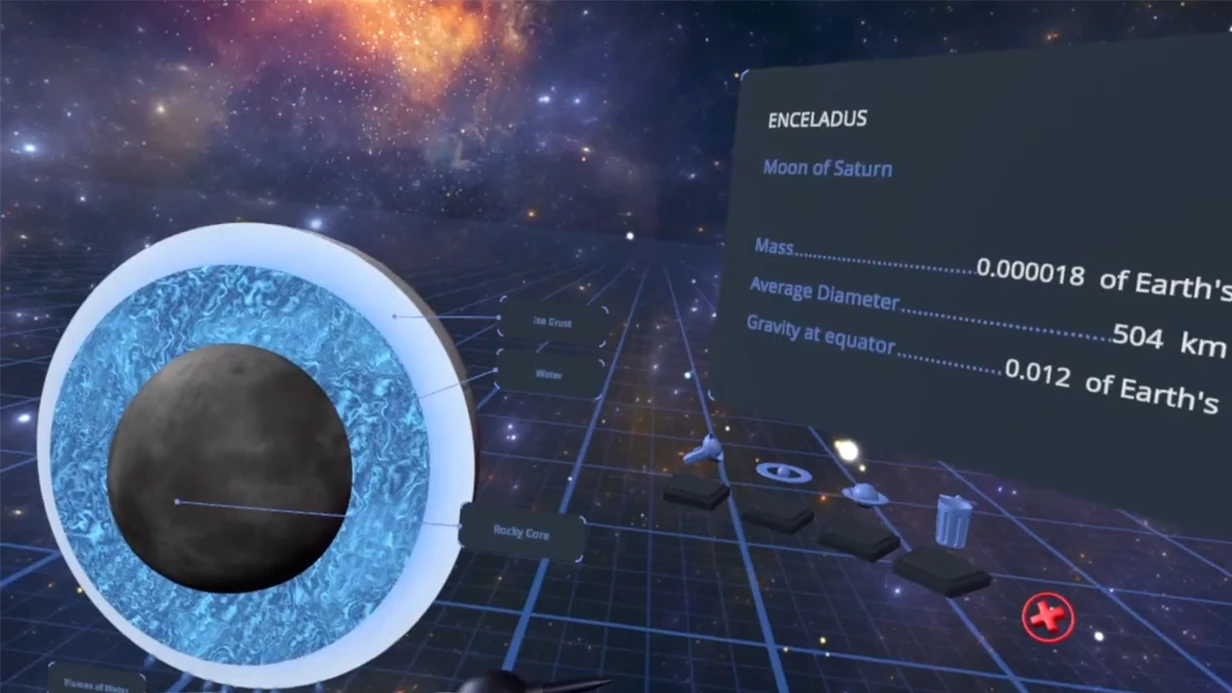
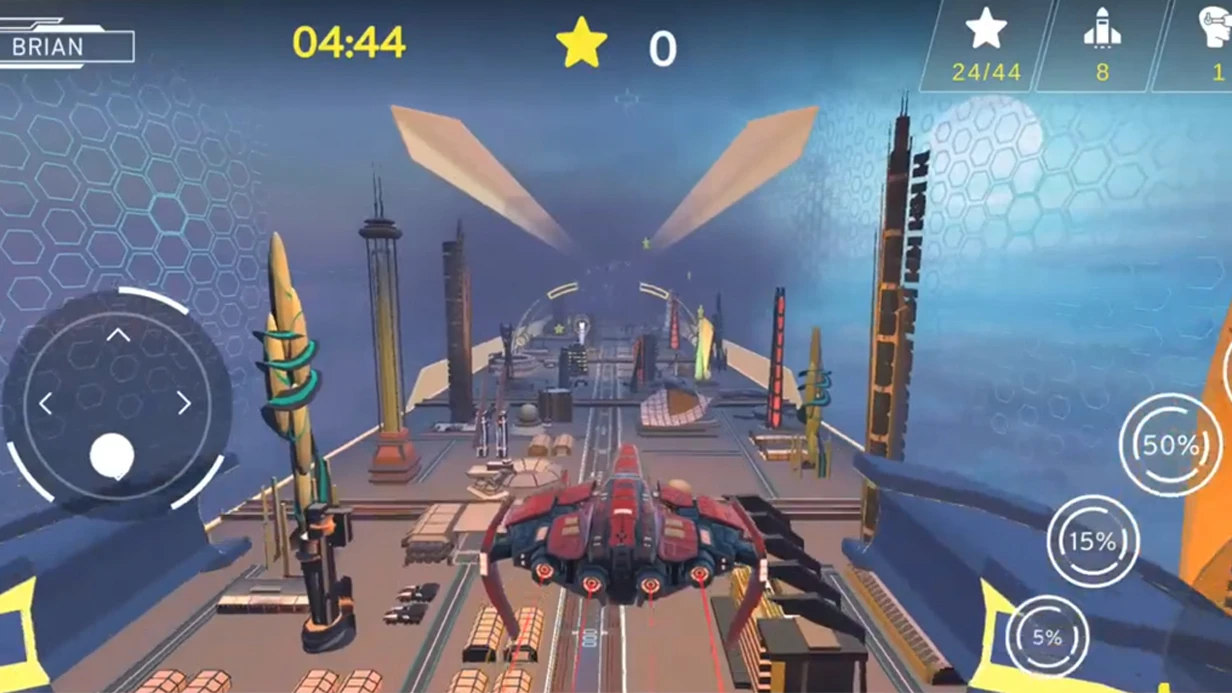
צריך להפתיע וליצור סיפור חדשותי — מרחב אינטראקטיבי עם אלמנטים של משחק. בכל מקרה, אנחנו מציעים תרחיש שמוביל לתוצאה מדידה: הרשמות, פניות, פניות חוזרות.
אז בוא אלינו עם משימה, לא עם פתרון מוכן. נערוך בריף קצר, נציע פורמט, נעטוף אותו באומדן עלות, ונראה לך מה אתה מקבל עבור כל יחידת תקציב מושקעת. ככה אתה מקבל החלטה על סמך ערך אמיתי לעסק שלך, לא על סמך תמונה יפה.
תשובות לשאלות נפוצות על אירועים דיגיטליים
כל לקוח שמתכנן אירוע דיגיטלי עובר את אותם ספקות: האם נעמוד בלוחות הזמנים, האם התקציב יספיק, האם הציוד ייכשל ברגע הכי חשוב.
אנחנו שומעים את השאלות האלה בכל בריף, אז אספנו תשובות כנות — בלי ז'רגון טכני או תנאים נסתרים.
להלן דאגות טיפוסיות ואיך אנחנו מטפלים בהן בפועל.
כמה זמן לוקח להכין כנס או תערוכה וירטואלית?
הכל תלוי בפורמט. כנס קטן ל-100–300 משתתפים מוכן תוך 2–3 שבועות; אירוע רחב היקף עם שידורים ואולמות אינטראקטיביים לוקח 1.5–2 חודשים.
אנחנו נותנים אומדן מדויק אחרי הבריף וקובעים את לוחות הזמנים בחוזה כדי שתדע את תאריך ההשקה מההתחלה.
כמה עולה אירוע וירטואלי?
העלות מורכבת ממספר המשתתפים, מספר האולמות, השידורים והאפשרויות הנדרשות. אנחנו מציעים 2–3 אפשרויות אומדן לתקציבים שונים כדי שתוכל לראות על מה אתה משלם.
אין תשלומים נסתרים — כל העבודה והציוד מפורטים מראש, והסכום הסופי מסוכם לפני ההתחלה.
מה אם לאורחים שלי יש אינטרנט חלש או מחשבים ישנים?
אנחנו מתכננים אירועים שעובדים בדפדפן רגיל. גרפיקה כבדה נטענת בצורה חלקה, וקיימת גרסה קלה למכשירים חלשים. משתתפים לא צריכים להתקין כלום — פשוט פותחים קישור, והכל עובד על כל מכשיר מודרני.
מהם הסיכונים הטכניים ואיך אתם מונעים אותם?
אנחנו בודקים את המערכת תחת עומס מראש ומכינים אתרי גיבוי וערוצי תקשורת. ביום האירוע, מהנדס בתורנות: אם משהו משתבש, המעבר יקרה תוך שניות, והצופים לא ישימו לב. אתה מקבל אירוע עם אחריות לפעולה יציבה.
דון במשימה שלך וקבל אומדן עלות תוך יום
כדי להשיק כנס וירטואלי, אתה לא צריך לחכות שבוע לחישובים. השאר פנייה — ותוך יום נחזור עם אומדן עלות מדויק ותוכנית פעולה.
בלי "בוא נקבע שיחה בעוד שבוע". הפנייה שלך מגיעה למנהל, הוא שואל כמה שאלות הבהרה, ואתה מקבל חישוב עלות מוכן לפורמט שלך: מספר משתתפים, משך, פונקציות נדרשות. בלי הבטחות מופשטות — רק פרטים ספציפיים למשימה שלך.
אנחנו עובדים עם ארגונים שאכפת להם מחשיפה ותוצאות, אז אנחנו מיד נותנים מספרים ריאליים. אם האירוע צריך להתקיים בעוד חודש, נגיד שאנחנו יכולים לעשות את זה; אם לוחות הזמנים צפופים, נציע אפשרות עם זמן הכנה מינימלי.
מיד אחרי הפנייה שלך, תקבל סט מלא לקבלת החלטה:
- ייעוץ: אנחנו מנתחים את המשימה שלך, ממליצים על הפורמט והפלטפורמה האופטימליים.
- אומדן עלות: חישוב עלות שקוף — בלי תשלומים נסתרים או "כוכביות".
- לוחות זמנים: אנחנו נוקבים בתאריכי מוכנות ונקודות בקרה לפרויקט.
- צוות: אנחנו ממנים מנהל שיעדכן אותך.
- הפניות: אנחנו מראים כנסים וירטואליים דומים שכבר קיימנו.
- תשובות לכל השאלות: הקלטה, אנליטיקה, ניהול, אינטגרציות — נדון בפרטים.
השאר פנייה בטופס — נדון במשימה, נענה על שאלות, ונכין אומדן עלות תוך יום. בלי התחייבויות, רק בהירות על מספרים ומועדים. נהיה בקשר מיד אחרי השליחה כדי להבהיר את הפרטים.