



דיבור מול קהל ב-VR: איך להתגבר על פחד במה
הפחד מדיבור מול קהל הוא אחת הסיבות הנפוצות ביותר לכך שמומחים חזקים מפסידים את ההזדמנות לבנות לעצמם שם. הדובר מסתכל על הקהל, שוכח את המילים, מדבר מהר יותר ממה שהוא חושב, והמצגת בסופו של דבר נכשלת בהשגת המטרה שלה.
מבחינה עסקית, זה אומר הפסדים ישירים: עסקה שנכשלה, חוזה שלא נסגר, ותדמית מומחה שנחלשת.
ההכנה הטיפוסית למצגת מסתכמת בשקפים ותרגול מול מראה — היא לא נותנת לך את התחושה של במה אמיתית. והתחושה הזו היא בדיוק מה שצריך כדי להתגבר על פחד במה. אנחנו מציעים דרך אחרת: סימולטור דיבור מול קהל ב-VR.
אתה מוצא את עצמך באולם וירטואלי עם קהל חי שמגיב לדבריך, שואל שאלות, מסיח את דעתך, ויוצר לחץ עבודה אמיתי — אבל בסביבה בטוחה.
כל סשן מדמה את התנאים של מצגת אמיתית: קהל גדול, מצלמות, מאזינים קפדניים או, להיפך, שותפים מתעניינים. אתה לומד לשלוט בקול שלך, בהפסקות, בקשר עין ובמחוות, והמערכת מנחה אותך מה לשפר.
זה מאפשר לך להעביר את הביטחון שלך בדיבור מהאולם הווירטואלי לאולם האמיתי — בלי הסיכון להיכשל מול אנשים חשובים.
אימון VR סוגר את הפער המרכזי בהכנה: הוא נותן ניסיון מעשי, לא רק תיאוריה. אחרי כמה סשנים, הדובר מפסיק לחשוב על הפחד ומתחיל לחשוב על המטרה של המצגת — להעביר את המסר, לשכנע, לעורר השראה.
הפורמט הזה עובד גם למתחילים וגם למנהלים שצריכים לדבר באופן קבוע בישיבות, כנסים ומשא ומתן. כבר עזרנו להרבה צוותים להפוך מצגות ממקור של לחץ לכלי עבודה, ועכשיו אנחנו יכולים לעשות את אותו הדבר עבורכם.
מה העסק מרוויח מאימון VR
חברות מפסידות כסף כשמוצר חזק לא מקבל את המצגת שמגיעה לו: פיצ'ים לא סוגרים עסקה, משא ומתן נמשך, ומוכשרים קופאים מול קהל.
אימון VR פותר את הבעיה הזו באופן שיטתי — הוא מעביר את הלמידה לסביבה קרובה ככל האפשר למצגות אמיתיות, אבל בלי הסיכון לפגוע בקשר עם לקוח או להיכשל באירוע חשוב.
תרגול דיבור מול קהל במציאות מדומה משפר ישירות את שיעורי ההמרה של מצגות. הדובר מתאמן עד כדי אוטומציה: לומד להחזיק הפסקות, להתמודד עם התנגדויות ולנהל את תשומת הלב של הקהל.
במשא ומתן, זה מספק יתרון מוחשי — העובד מנהל את השיחה בביטחון, באמת מקשיב לצד השני, ומקדם את העסקה לתוצאה במקום ל"נחשוב על זה".
ערך מרכזי נוסף הוא הפחתת הלחץ של העובדים. הסביבה הווירטואלית מאפשרת לחוות בבטחה את התרחישים המלחיצים ביותר: שאלות קשות, לקוחות קשים, כישלון פומבי.
אחרי אימון כזה, פגישה אמיתית מרגישה כמו מצב מוכר, ורמות החרדה יורדות באופן ניכר. הצוות עובד רגוע יותר ויעיל יותר, עם פחות שחיקה.
אימון VR הוא גם פיתוח מואץ של מיומנויות רכות. בפרק זמן קצר, עובד בונה מיומנויות שבעבר לקח שנים של מצגות חיות לפתח: דיבור משכנע, קריאת תגובות קהל והתאמה תוך כדי תנועה. המנהל מקבל צוות שמייצג את החברה בביטחון בכל נקודת מגע עם לקוח.
והכי חשוב — תוצאות מופיעות מהר. תרגול ב-VR עם משוב וניתוח פעולות לוקח ימים, לא חודשים. אחרי הסשנים הראשונים, העובדים מתנהגים אחרת: הם מנסחים מחשבות בצורה ברורה יותר, מתעסקים פחות ושואלים את השאלות הנכונות.
אנחנו מתאימים את התוכנית ליעדים העסקיים שלכם ומבטיחים התקדמות מדידה לכל משתתף — זה עובד הרבה יותר טוב מהדרכות קלאסיות שנשארות רק תיאוריה.
פורמטים של אימון דיבור מול קהל
כל מצגת היא פומבית — אפילו הגנה על פרויקט או פיץ' לשותפים. עד כמה אתה נשמע בטוח תלוי בפורמט האימון. אנחנו בוחרים את האפשרות הנכונה למשימה שלך: תרגול אישי, תרגול קבוצתי או סימולטור VR ארגוני. ואם צריך, אנחנו משלבים פורמטים לתוכנית אחת.
ההכנה ב-VR מטביעה אותך באווירה של האולם: אתה רואה את המאזינים, עוקב אחרי התזמון ומתרגל את המילים והמחוות שלך. אחרי החזרה, אתה מקבל ניתוח — מה לחזק כדי להחזיק תשומת לב. ככה אתה נכנס למצגת אמיתית עם ניסיון, לא מדף חלק.
| פורמט | למי | מה זה נותן ללקוח |
|---|---|---|
| אימון אישי | דוברים שצריכים עבודה ממוקדת על הטעויות שלהם | ניתוח דיבור אישי, תרגול עם שאלות קשות, ביטחון לפני העלייה לבמה |
| תרגול קבוצתי | צוותים שמתכוננים למצגות קבוצתיות | הגשה מסונכרנת, תרגול תפקידים והתמודדות עם התנגדויות קהל |
| סימולטור VR ארגוני | חברות שבהן אנשים מציגים באופן קבוע | חזרות בכל זמן בלי לשכור אולם, פלטפורמה מוכנה להכנת עובדים |
אחרי בריף קצר, נציע תוכנית שמתאימה ללוח הזמנים שלכם. אנחנו מתאימים את התוכנית לענף שלכם ולרמת הדובר. חזרה לוקחת סשן אחד עד שלושה, והתוצאה נראית מיד: פחות הפסקות, קשר עין בטוח, מעורבות גבוהה יותר.
איך תהליך בניית המיומנות עובד
התהליך מתוכנן כך שתקבלו לא "פיתוח גולמי" אלא מיומנות מוכנה לצוות שלכם. התחלנו עם עשרות פרויקטים של הכשרת עובדים ואנחנו יודעים: תוצאות מגיעות לא מהציוד, אלא מתרחיש אימון מעוצב נכון.
לכן כל שלב מסתיים בתוצאה קונקרטית ומדידה — מהבריף הראשון ועד עובד שמדבר בביטחון מול כל קהל.
- בריף וניתוח צרכים. אנחנו בוחנים בדיוק אילו מצגות אתם צריכים: פיץ' ללקוח, הגנה על פרויקט מול ההנהלה או הרצאה בכנס. אנחנו לומדים את הרכב הקהל, האתגרים האופייניים של הדוברים ורמת המיומנות הנוכחית — זה יוצר מפרט טכני מדויק.
- עיצוב תרחיש ותוכנית אימון. בהתבסס על הניתוח, אנחנו יוצרים תרחישים: אולמות, שאלות מהקהל, הפרעות בלתי צפויות, תזמון קפדני. תוכנית האימון היא מפת דרכים: מה אנחנו מתרגלים בשבוע הראשון, מה מחזקים אחרי חודש, איך מגדילים את הקושי ככל שהמיומנויות גדלות.
- הגדרת סימולטור ה-VR למשימה שלכם. אנחנו מחברים ציוד מקצועי ומגדירים את הסביבה: קהל וירטואלי, הערות, טיימר, רמת לחץ. אתם מקבלים סביבה קרובה ככל האפשר לתנאי מצגת אמיתית.
- הכשרת עובדים ומסירת הנחיות. אנחנו מעבירים סשן לצוות שלכם: איך להשתמש בסימולטור, איך לקרוא את התוצאות ואיך להתאים את רמת הקושי של התרחיש באופן עצמאי. אין מוצר "נטוש" — כולם יודעים להשתמש בו מיד.
- השקה פיילוט והתאמות. אנחנו מאמנים קבוצת מיקוד של 2-3 אנשים, אוספים משוב ומבצעים חידודים: שינוי השורות של הקהל הווירטואלי, משכי הסבבים וספי הניקוד. אחרי זה, הסימולטור מוכן להשקה מלאה.
- ניטור התקדמות ותמיכה. אתם רואים איך הביטחון של כל עובד גדל: זמן דיבור, מספר מילות מילוי, תגובות לשאלות. בשלב הזה, אנחנו נשארים בקשר ומחדדים תרחישים ליעדים עסקיים חדשים.
אחרי ההשקה, כל המתודולוגיה נשארת אצל הצוות שלכם — מתוכניות אימון ועד הנחיות להגדרה עצמאית. אנחנו לא קושרים אתכם אלינו: הסימולטור משולב בזרימת העבודה שלכם, והמיומנות של דיבור מול קהל נשארת עם העובדים שלכם לטווח ארוך.
מה כוללת תוכנית האימון
תוכנית האימון היא חבילה מלאה ליעדים העסקיים שלכם: תרחישי מצגת, משוב, אנליטיקת התקדמות והתאמה ליעדים ארגוניים. אתם מתרגלים בסביבה וירטואלית עם קהל חי, לא באולם ריק, כך שפחד הבמה דוהה מהר יותר.
כל אלמנט קשור לתוצאה שההנהלה יכולה לראות בדוחות אחרי הסשנים הראשונים.
מה כוללת התוכנית
- תרחישי מצגת מותאמים למשימות שלכם. אנחנו מכינים את המבנה לפיץ' מוצר, הגנה על פרויקט או הרצאה בכנס — תוך התחשבות בענף שלכם ובסוג הקהל.
- קהל וירטואלי עם תגובות שונות. אתם מתרגלים עם שאלות, התנגדויות, ספקנים ומאזינים מעורבים — הכל בסביבה בטוחה.
- משוב אחרי כל סשן אימון. אנחנו מנתחים את הקצב, ההפסקות, המחוות וקשר העין שלכם, כך שאתם רואים תחומים קונקרטיים לשיפור.
- אנליטיקת התקדמות. אנחנו עוקבים אחר הדינמיקה של ביטחון, שמירת תשומת לב ובהירות דיבור — אתם מבינים בדיוק מה השתפר.
- דיווח להנהלה. אנחנו מציגים את תוצאות האימון בפורמט ברור: אילו מיומנויות פותחו ואיך הן משפיעות על משימות עבודה.
- התאמה ליעדים ארגוניים. אנחנו מחברים את התוכנית ל-KPI של החברה: המרת משא ומתן גבוהה יותר, הגנות פרויקט מוצלחות, מצגות לקוח בטוחות.
- הדגמה סופית. מצגת מלאה מול קהל וירטואלי עם הקלטה — כדי שתראו את התוצאה הסופית.
בסופו של דבר, אתם מקבלים לא רק "אימון שהושלם", אלא כלי עבודה: תרחישים מנוסים ואנליטיקה ברורה על ההחזר מההשקעה באימון. ההנהלה רואה תוצאות בדוחות, והעובדים רואים את הביטחון שלהם על הבמה.
מקרה בוחן: הכנת מחלקת מכירות למשא ומתן
הדרכת משא ומתן סטנדרטית מספקת תיאוריה, אבל בשיחה אמיתית המנהל הולך לאיבוד: הלקוח שואל שאלה לא נוחה — והמצגת מתפרקת. בסופו של דבר, מחלקת המכירות לומדת על לקוחות חיים, ומפסידה עסקאות וזמן בתהליך.
אנחנו סוגרים את הפער הזה. בנינו סביבת אימון וירטואלית לחברת ציוד B2B: מנהלים תרגלו משא ומתן עם בן שיח דיגיטלי שהגיב למילים, להתנגדויות ולטון הדיבור שלהם.
במשך חמישה סשני VR קצרים, כל עובד השלים עשרות פגישות וירטואליות — עם תרחישים שונים ורמות שונות של התנגדות לקוח.
תוצאות אחרי היישום
המדד המרכזי: שיעור ההמרה של מצגות גדל ב-20% בתוך הרבעון הראשון. מנהלים הפסיקו לפחד משאלות קשות, למדו להחזיק הפסקות, לקרוא התנגדויות ולהוביל שיחות להצעה קונקרטית.
החברה ראתה גם אפקט משני: מחזור העסקה הממוצע התקצר, ועובדים חדשים הגיעו ליעדים שלהם פי שניים מהר יותר. מנהל המכירות קיבל לוח מחוונים אנליטי פשוט שהראה אילו תרחישים היו החלשים ביותר ואיפה כל מנהל איבד את חוט השיחה. זה אפשר שיפור ממוקד של נקודות חולשה בלי אימון נוסף.
מה זה אומר עבור הצוות שלכם
VR לא מחליף ניסיון חי, אבל הוא מעביר טעויות ממשא ומתן אמיתי לסביבה בטוחה. העובדים שלכם יכולים לחזור על פגישות חשובות כמה פעמים שהם צריכים — עד שביטחון הופך לחלק מההתנהגות שלהם.
הגישה עובדת גם להכנת מצגות ללקוחות גדולים וגם לפיתוח צוות מתמשך. התוצאה מדידה: המרה, מהירות עסקה וביטחון עובדים בפגישות.
רוצים את אותו כלי לצוות שלכם? נראה לכם איך להתאים את התרחישים למוצר שלכם ולהשיק את האימון תוך שבועיים בלבד.
איך לבחור את פורמט האימון הנכון?
אין פורמט אימון אוניברסלי: מה שעובד למצגת מול דירקטוריון לא יתאים לפיץ' בתערוכה או להגנה על פרויקט מול קהל רחב.
לכן התשובה הנכונה היא לא "לבחור אפשרות מוכנה", אלא "אנחנו מתאימים את הפורמט למשימה שלכם". אנחנו מתחילים בניתוח הפרטים: מי הקהל שלכם, איזו תוצאה אתם צריכים, באילו תנאים תתקיים המצגת, ואילו התנגדויות ושאלות עשויות לעלות.
בהתבסס על זה, אנחנו קובעים את עומק העבודה: אינטנסיב קצר לליטוש מסר מרכזי, מחזור סשנים עם קושי עולה בהדרגה או טבילה מלאה עם מודלים של הסביבה האמיתית.
אנחנו גם מתחשבים ברמת המיומנות: מתחיל צריך תמיכת תרחיש ומשוב בכל שלב, בעוד דובר מנוסה צריך עבודה על ניואנסים, ניהול תשומת לב ומצבים בלתי צפויים.
אנחנו מתאימים את התוכנית לדרישות הספציפיות של הלקוח: אם המצגת תהיה בפורמט דיבור מול קהל ב-VR, אנחנו מאמנים בסביבה וירטואלית קרובה לבמה העתידית — עם התאורה הנכונה, מיקום המאזינים והסחות דעת אפשריות.
אם האירוע מתקיים באינטרנט, אנחנו מוסיפים עבודה עם מצלמה, קצב דיבור ומעורבות של קהל מרוחק.
הפורמט לא נבחר אחת ולתמיד. אחרי סשן הניסיון הראשון, אנחנו רואים מה עבד ומתאימים את התוכנית: שינוי משך, הוספת תרגילים לרגעים ספציפיים וחיזוק העבודה על בלוקים קשים.
הקריטריון המרכזי הוא שאתם עולים לבמה בביטחון, והתוצאה נמדדת לא במספר שעות האימון, אלא בחופש ובהשפעה שלכם על הקהל. אנחנו פותרים את הבעיה הזו לחלוטין: אתם מקבלים תוכנית שעובדת ספציפית למצב שלכם.
שאלות נפוצות על סימולטורי VR
לפני אימוץ סימולטור VR, למנהלים כמעט תמיד יש את אותם ספקות: האם זה לא יתברר כצעצוע יקר בלי תוצאות מדידות, האם ההשקה תתמשך, מה קורה עם הציוד, ומי אחראי על התוצאה.
זה נורמלי — הטכנולוגיה עדיין נתפסת כמורכבת, למרות שבפועל היא כבר מזמן הפכה לכלי עבודה למכירות והדרכה. אספנו את השאלות שאנחנו שומעים הכי הרבה ועונים עליהן בכנות, בלי ז'רגון טכני.
עקרון הליבה של העבודה שלנו הוא הסרת הסיכונים של הלקוח לפני שהחוזה נחתם. לכן, בשלב הבריף, אנחנו בודקים את התרחיש על הנתונים שלכם, קובעים את לוח הזמנים בחוזה ומבטיחים את ביצועי הסימולטור. להלן התשובות להתנגדויות הנפוצות ביותר.
האם סימולטור VR באמת מספק תוצאות, או שזה רק מצב הדגמה מרשים?
כן — בתנאי שהסימולטור משולב בתהליך אמיתי: הכנת מנהלי משא ומתן, תרגול דיבור מול קהל או הצגת מוצר ללקוחות.
בניגוד להדגמה חד-פעמית של "וואו", אפשר להשתמש בסימולטור מספר בלתי מוגבל של פעמים — כל עובד עובר את התרחיש כמה פעמים שצריך, ואתם רואים התקדמות במספרים.
בממוצע, אחרי שלושה עד ארבעה סשנים בלבד, הביטחון של הדובר גדל באופן ניכר ומספר הטעויות בנוסחת המכירה יורד.
כמה זמן לוקח היישום ומתי נראה את הגרסה הראשונה?
פרויקט טיפוסי לוקח שלושה עד ארבעה שבועות. אנחנו מראים את הגרסה העובדת הראשונה עם תרחיש אחד תוך שבוע עד שבועיים אחרי הבריף — זה מספיק כדי "לגעת" במוצר ולאשר שהוא פותר את המשימה שלכם.
אחרי זה, אנחנו מוסיפים באופן איטרטיבי תרחישים חדשים, רמות קושי ופרטים של קהל וירטואלי. לוח הזמנים קבוע בחוזה, ואנחנו לוקחים אחריות פיננסית אם נחרוג ממנו.
האם אנחנו צריכים לקנות ציוד יקר, ומה קורה אם הוא מתקלקל?
קניית ציוד היא לא דרישה: אנחנו עובדים על משקפי VR מקצועיים שאנחנו מספקים להשכרה למשך הפרויקט או על בסיס קבוע. אם אתם מעדיפים להשתמש בציוד שלכם, המהנדסים שלנו יבצעו בדיקת תאימות ויגדירו אותו לסימולטור.
אנחנו לוקחים על עצמנו את כל הסיכונים של תקלות או כשלים טכניים: ארכיטקטורת השרת מונעת אובדן נתונים, ותמיכה כלולה בעלות לכל תקופת השימוש.
מה קורה אחרי ההשקה — נשארים לבד עם הסימולטור?
לא, הצוות שלנו תומך בפרויקט גם אחרי ההשקה. אנחנו מאמנים את העובדים שלכם, מוסרים הנחיות ברורות ונשארים בקשר כדי לפתור כל בעיה במהירות.
במהלך תקופת האחריות (בדרך כלל לפחות שנה), כל העדכונים, התיקונים וחידודי התרחישים בהתבסס על המשוב שלכם כלולים בעלות. אפשר להאריך את התמיכה לכל תקופה שתצטרכו.
אם יש לכם שאלות שלא כיסינו, אנחנו מזמינים אתכם להדגמה חיה. נראה את הסימולטור על התרחיש שלכם, נענה על הפרטים ונכין הערכת עלות למשימה שלכם. זה ללא התחייבות.הזמינו סשן הדגמה
סשן הדגמה הוא דרך לגלות בשעה אחת אם VR מתאים לאירוע שלכם — בלי סיכון.
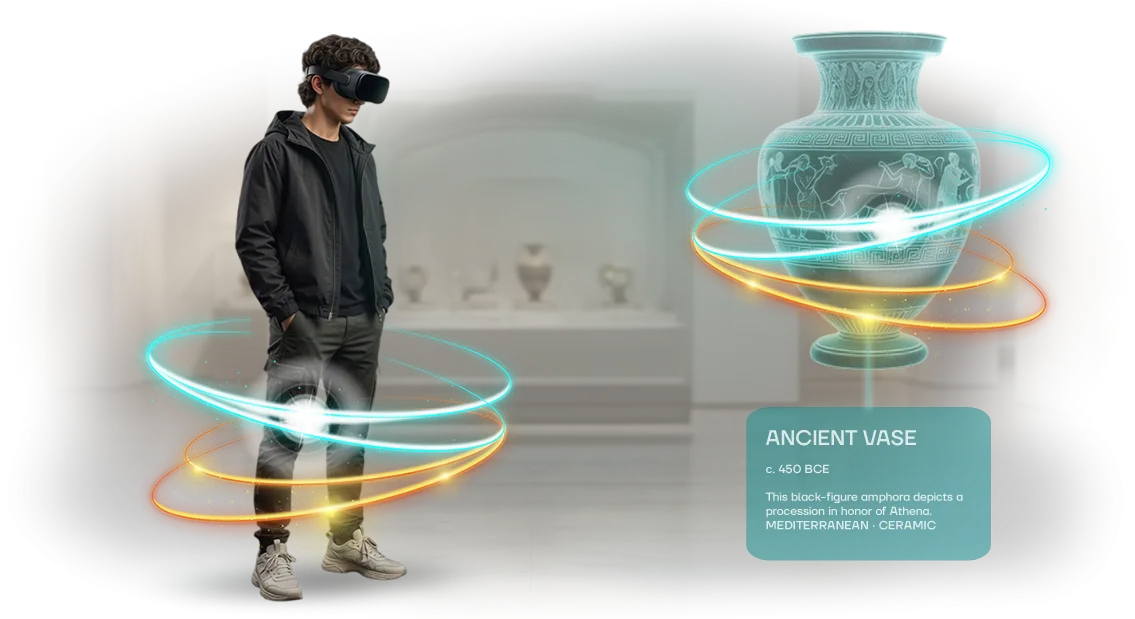
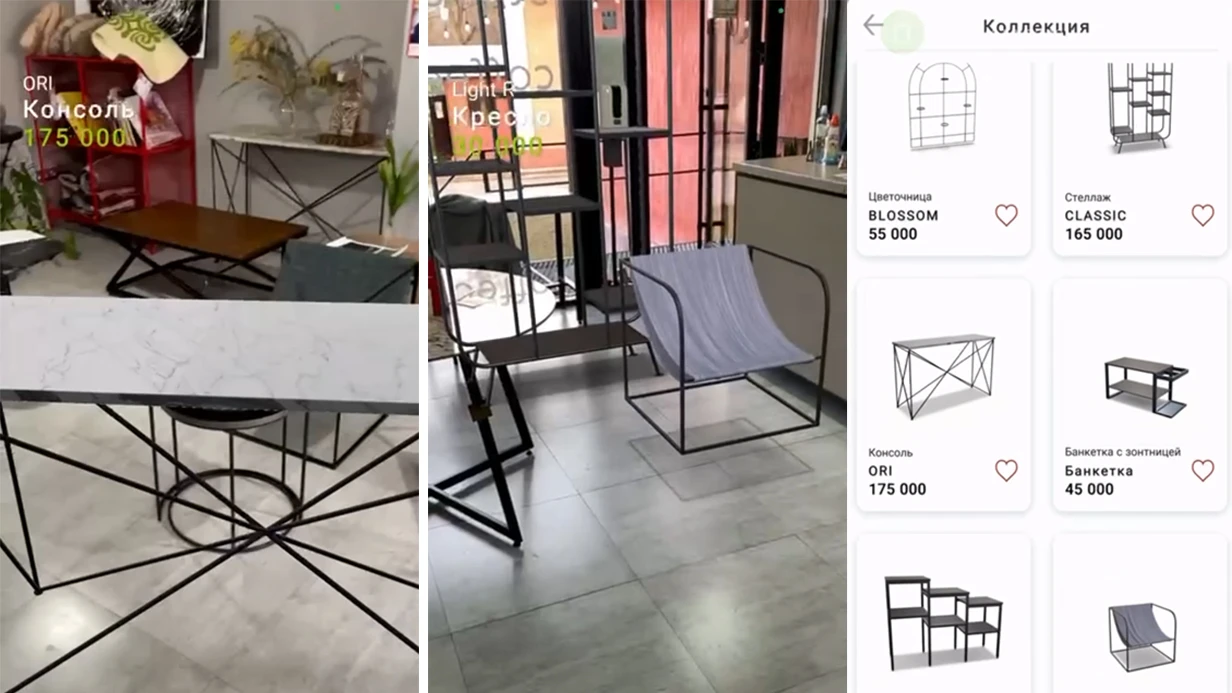
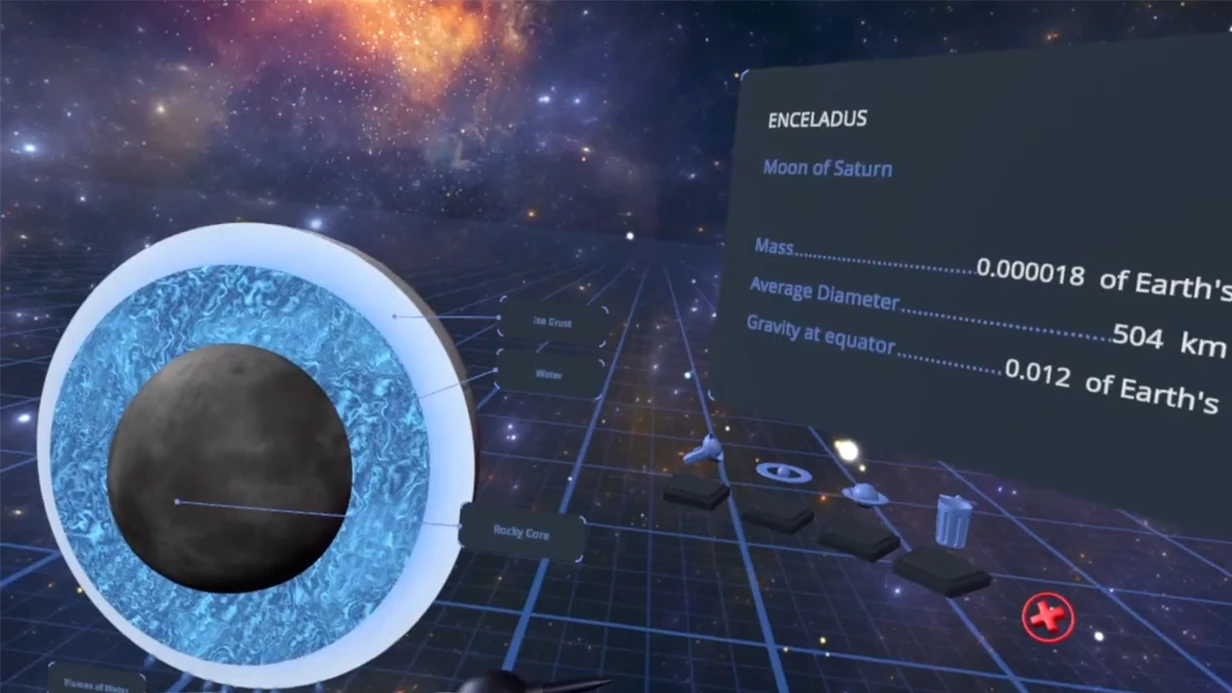
נראה פרויקטים אמיתיים ונסביר איך תערוכות וירטואליות וחללי תצוגה תלת-ממדיים עובדים, ואז נדון מיד במשימה שלכם, תוך התחשבות בענף ובקהל שלכם.
ההדגמה שימושית גם אם אתם עדיין לא יודעים מאיפה להתחיל. נדון בתרחיש: מדוכן וירטואלי ועד אולם מצגות לקהל מקוון. תקבלו הכוונה ברורה לגבי לוח זמנים, תקציב ומשאבים — ללא התחייבות.
איך עובדת ההדגמה החינמית
- אתם שולחים בקשה באתר — בוחרים זמן נוח לפגישה.
- אנחנו מקיימים ייעוץ קצר: הבהרת המטרות שלכם, מספר המשתתפים ופורמט האירוע.
- בסשן ההדגמה, אתם צופים בדוגמאות חיות של חללים וירטואליים.
- אנחנו דנים במשימות שלכם: תוכן, שידורים, תקשורת עם מבקרים.
- אתם מקבלים תוכנית יישום ראשונית: שלבים, לוח זמנים, הרכב צוות והערכת עלות משוערת.
- אנחנו מביאים את המומחים שלכם — הם יכולים לשאול שאלות ולהעריך אינטגרציה עם התהליכים שלכם.
מה תקבלו אחרי ההדגמה:
- הקלטה של הפגישה ומבחר דוגמאות של תערוכות וירטואליות רלוונטיות לתחום שלכם.
- תוכנית יישום עם שלבים ברורים ונקודות ביקורת.
- ייעוץ טכני: מה נדרש מכם — ציוד, תוכן, אינטגרציות.
- הערכת תקציב בטווח — בלי עמלות נסתרות ובלי אותיות קטנות.
- קשר ישיר עם הצוות שיעבד על הפרויקט שלכם.
הבקשה מגיעה ללא התחייבות — אתם מקבלים ערך מהפגישה הראשונה. השאירו את פרטי הקשר שלכם, ונחזור אליכם תוך יום עסקים אחד.