



מבקרים נשארים בבית: איך מחזירים אותם למוזיאון?
מוזיאון עובד למען אנשים, אבל חלק ניכר מהקהל שלו לא יכול להגיע אליו פיזית. חלק גרים בעיר או במדינה אחרת, חלק מוגבלים בזמן ובבריאות, וחלק פשוט אין להם דרך להגיע בשעות הפתיחה.
כתוצאה מכך, מספר המבקרים במוזיאון יורד, התערוכה נשארת בלתי נגישה, וההכנסות מכרטיסים, סיורים ומזכרות אובדות יחד עם זה. טווח ההגעה מוגבל לקירות הבניין, למרות שאלפי אורחים פוטנציאליים מתעניינים באוסף.
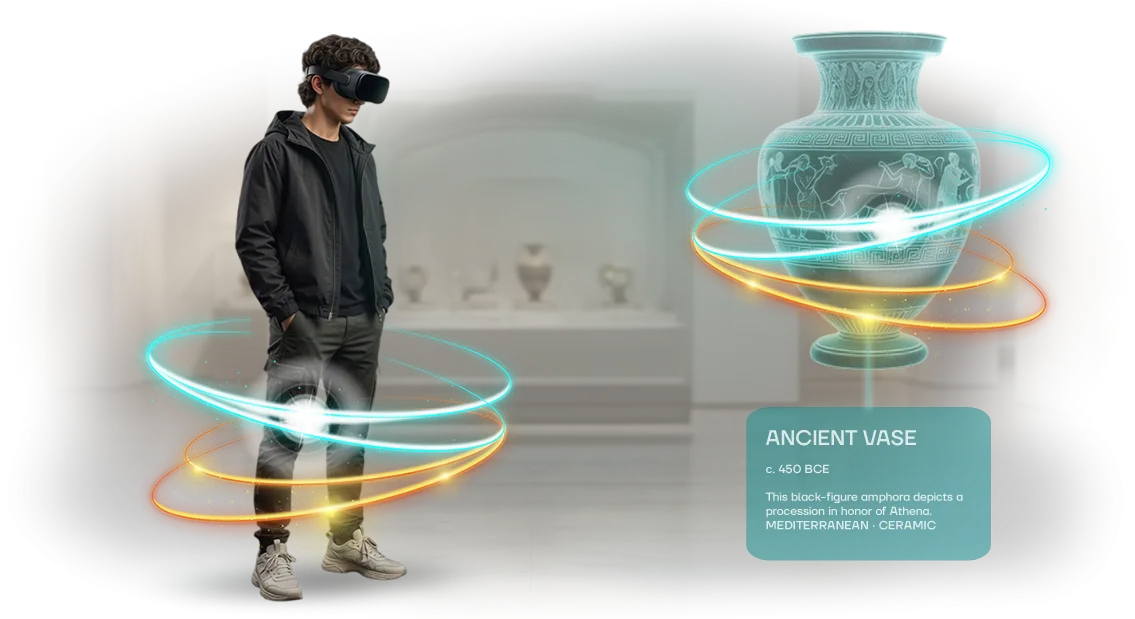
סיור וירטואלי במוזיאון פותר את הבעיה הזו: סיור מקוון פותח את התערוכה לכל מי שיש לו טלפון או מחשב. המבקר "מטייל" באולמות, בוחן מוצגים בפירוט, מקשיב להקראת המדריך — הכל בלי תורים, כרטיסים או נסיעות.
עבור המוזיאון, זה לא רק עותק דיגיטלי אלא ערוץ תקשורת חדש: הוא מושך את אלה שלא יכלו להגיע ומחזיר את אלה שכבר היו — ודוחף אותם לביקור חוזר.
אנחנו עוזרים למוזיאונים לשמר ולהגדיל את הקהל שלהם עם סיורים וירטואליים. המהנדסים שלנו יוצרים חללים מציאותיים שמעבירים את האווירה של התערוכה ומעוררים את הרצון לראות את המקוריים באופן אישי.
כך, המוזיאון מפסיק להיות תלוי בגיאוגרפיה ובלוח זמנים — התערוכה עובדת מסביב לשעון ונגישה מכל מקום בעולם.
מה הפורמט הווירטואלי נותן למוזיאון ולמבקרים
הפורמט הווירטואלי פותח את המוזיאון למי שלא יכול להגיע באופן אישי: תושבי ערים אחרות, אנשים עם מוגבלות בניידות, תלמידי בית ספר מאזורים מרוחקים ותיירים שמתכננים את המסלול שלהם לפני הטיול.
במקביל, הוא לא מחליף ביקורים פיזיים אלא משלים אותם — אחרי סיור מקוון, אורחים רבים מגיעים למוזיאון כבר מכירים את התערוכה, והם חוזרים לעתים קרובות יותר.
הנה מה שמשתנה עבור המוזיאון והקהל שלו:
- טווח הגעה בלתי מוגבל. הסיור המקוון נראה מכל מקום בעולם — המוזיאון זוכה לקהל בינלאומי ולא תלוי יותר בזרם התיירים בעיר שלו.
- תרבות נגישה 24/7. המבקרים בוחרים בעצמם מתי לחקור את התערוכה: בבוקר, בלילה, בחגים. זה חשוב במיוחד עבור אנשים עם מוגבלויות, תיירים עסוקים ומשפחות עם ילדים.
- הכרה ותדמית. פורמט דיגיטלי מודרני מעלה את מעמדו של המוזיאון בעיני הקהילה התרבותית, נותני החסות והתקשורת ועוזר למצוא שותפים לפרויקטים משותפים.
- משיכת מבקרים אופליין. הסיור הווירטואלי לא מחליף את המוזיאון אלא עובד כמו פוסטר: אחרי היכרות מקוונת, אנשים נוטים יותר להגיע באופן אישי ולהביא חברים.
- לידים חדשים ואיסוף נתונים. טופס בקשה בתוך הסיור מאפשר ללכוד את פרטי הקשר של אורחים מתעניינים, להזמין אותם לתערוכות ולאסוף סטטיסטיקות על עניין במוצגים.
הניסיון של ההרמיטאז' מאשר: תערוכות מקוונות לא לוקחות מבקרים מהאולמות אלא יוצרות כניסה נוספת למוזיאון.
סיור מעוצב היטב עובד גם כמוצר עצמאי וגם ככלי קידום — המפתח הוא להגדיר מטרה ולחשוב על התרחיש. אנחנו נעזור להפוך את התערוכה לחוויה דיגיטלית חיה שמגבירה את הנוכחות ומחזקת את המותג של המוזיאון.
פורמטים של סיור וירטואלי במוזיאון למשימה שלך
כל מוזיאון צריך גישה משלו. חלק רק צריכים להראות את האולמות באתר שלהם כדי שמבקר יחליט להגיע, בעוד אחרים רוצים להפוך את התערוכה למוצר דיגיטלי נפרד שמייצר הכנסות. אנחנו מציעים שלושה פורמטים שנבדלים בעומק ההתעמקות ובתקציב.
| פורמט | למי | מה זה נותן ללקוח |
|---|---|---|
| סיור מקוון באולמות המרכזיים | מוזיאונים שרוצים להראות את התערוכה במהירות ובזול | יותר אורחים מערים אחרות, הסרת חסם "המקום הלא מוכר", עלייה בנוכחות |
| סיור תלת-ממדי אינטראקטיבי עם תיאורים ומדריך שמע | מוזיאונים שמפתחים סיורים דיגיטליים | תשומת לב שנשמרת 10–15 דקות, ביקורים חוזרים, היכולת למכור כרטיסים באינטרנט |
| עותק דיגיטלי מלא של המוזיאון | מתחמים גדולים ומרכזי תערוכות | מוצר עצמאי: תוכן בלעדי, פרויקטים של שותפים, גישה 24/7 לאוסף |
בחירת הפורמט תלויה במטרה שלך. אם המשימה היא לספר לקהל רחב על המוזיאון, האפשרות הראשונה מספיקה. אם אתה רוצה ליצור מקור הכנסה נוסף ולקיים עניין — פנה לכיוון הסיור האינטראקטיבי.
אנחנו עוזרים לקבוע את הפורמט האופטימלי במהלך בריף חינמי ומראים דוגמאות לאיך זה עובד עבור עמיתים — למשל, ההרמיטאז' הממלכתי משתמש בכמה רמות של גישה דיגיטלית לאוסף שלו.
איך נוצר סיור וירטואלי: 6 שלבים
בנינו את שלבי יצירת הסיור הווירטואלי כך שתמיד תבין איפה הפרויקט עומד ומה יהיה הפלט. אתה מקבל את ההחלטות המרכזיות — מאשר את התרחיש והמבנה — בעוד אנחנו מטפלים בצילום, בהרכבה ובהשקה.
-
בריף והתעמקות בתערוכה. אנחנו דנים במטרות הסיור, בקהל היעד ובתוצאה הרצויה. אנחנו אוספים חומרי מקור: תצלומים, תוכניות קומה ותיאורי מוצגים. פלט: לוחות זמנים מדויקים והערכת עלות.
-
תוכנית סיור וירטואלי. אנחנו מפתחים מסלול דרך האולמות, מדגישים נקודות מפתח ומתכננים אלמנטים אינטראקטיביים וטקסטים. התרחיש מאושר לפני תחילת הצילום.
-
אישור פרויקט. אנחנו מראים דיאגרמה של הסיור העתידי: איך המבקר ינוע ומה הוא יראה בכל נקודה. אנחנו מבצעים תיקונים בלי לשנות את העלות.
-
צילום ועיבוד. אנחנו מצלמים את חלל המוזיאון עם ציוד מקצועי, תופרים פנורמות, עורכים תמונות ומוסיפים רמזי ניווט.
-
הרכבת הסיור המקוון. אנחנו משלבים לוגיקת מעבר, מדריך שמע, תיאורים קופצים ואלמנטים אחרים. אנחנו בודקים ביצועים במחשבים, בטאבלטים ובסמארטפונים.
-
השקה ותמיכה. אנחנו מפרסמים את הסיור באתר שלך או בעמוד נפרד ומגדירים גישה למבקרים. אחרי ההשקה, אנחנו מתחזקים אותו ומעדכנים תוכן לפי הצורך.
כתוצאה מכך, המוזיאון מקבל כלי מוכן למשיכת מבקרים שעובד כל יום ואינו דורש כישורים טכניים מיוחדים מהצוות.
מה כלול במסירה: חבילת פתרון מלאה
מסירת הפרויקט היא חבילת סיור וירטואלי מלאה, לא רק קישור לסצנה תלת-ממדית. אתה מקבל את תוצאת הפיתוח שניתן להשיק מיד ולהשתמש בה בעבודה היומיומית של המוזיאון.
- סיור וירטואלי מוכן במוזיאון — עם ניווט חלק באולמות, היכולת לבחון מוצגים בפירוט ומדריך שמע. הסיור עובד ללא רבב במחשבים, בטאבלטים ובסמארטפונים, אינו דורש התקנת תוכנה ונפתח בכל דפדפן מודרני.
- מערכת ניהול תוכן — אתה יכול לעדכן באופן עצמאי תיאורי מוצגים, להוסיף נקודות חמות חדשות, תמונות וסרטונים ולשנות מידע על תערוכות זמניות. אין צורך בכישורי תכנות — שינויים מתפרסמים בכמה קליקים.
- תיעוד ברור — סט הוראות להגדרת הסיור, ניהול ופעולות סטנדרטיות. כל החומרים כתובים בשפה פשוטה, עם דוגמאות וצילומי מסך, כך שהצוות יכול להתעדכן במהירות.
- הכשרת צוות — אנחנו מעבירים מפגש מקוון שבו אנחנו מראים איך לעבוד עם הסיור על מקרים אמיתיים, עונים על שאלות ומקליטים את השיעור. הסרטון נשאר אצלך — אתה יכול להשתמש בו כדי להכשיר עובדים חדשים.
- תמיכה טכנית — לאורך כל תקופת התמיכה, אנחנו מגיבים במהירות לפניות, עוזרים לפתור כל בעיה ומבצעים עריכות בעת הצורך. אתה תמיד יכול לסמוך על הסיוע שלנו.
- זכויות לתוכן וחומרי מקור — אתה מקבל את כל קבצי הפרויקט וכן את הזכויות להשתמש ולשנות אותם. הסיור שייך כולו לך, ואתה יכול לפתח אותו עם כל צוות.
מקרה בוחן: איך סיור וירטואלי הגדיל את נוכחות המוזיאון ב-40%
נוכחות המוזיאון נתקלת בגיאוגרפיה ובשעות פתיחה: אורחים מערים אחרות לא מוכנים לנסוע על סמך סיכוי, ומקומיים לא תמיד יודעים מה מחכה בפנים.
המוזיאון מאבד את אלה שכבר גילו עניין אבל לא יכולים להגיע "רק כדי להסתכל." פתרנו את הבעיה הזו עבור מוזיאון ההיסטוריה העירונית City Museum — יצרנו סיור וירטואלי שהפך לא רק לחלון ראווה אלא לכלי למכירת כרטיסים.
במקום תצלומים שטוחים, בנינו מסלול דרך האולמות: המשתמש נע בתערוכה, מתקרב למוצגים, קורא כיתובים ומגיע לרכישת כרטיסים בקליק אחד.
עבור המוזיאון, זה אומר מעורבות קהל מסביב לשעון — הסיור מקבל אורחים כשהדלתות סגורות ועוזר להם להחליט לבקר.
תוצאה אחרי שישה חודשים
שישה חודשים לאחר מכן, נוכחות המוזיאון גדלה ב-40%. אחד מכל ארבעה כרטיסים שנקנו באתר התחיל בסיור הווירטואלי. חלקם של ביקורי המשפחות גדל גם הוא: אנשים מגיעים כבר מכירים את התערוכה, לא מסתובבים בחיפוש אחר האולם הנכון ונשארים יותר זמן. ההוצאה הממוצעת של מבקר לא השתנתה, בעוד מספר הביקורים החוזרים גדל באופן ניכר.
למה זה עובד: הסיור מסיר את הפחד מהלא נודע. המבקר רואה את ההיקף, הניווט והאווירה מראש, כך שהוא מקבל החלטה מהר יותר ומגיע עם ציפיות שהמוזיאון עומד בהן.
עבור המוזיאון, זה אומר מכירות ישירות ללא מתווכים וערוץ תקשורת נוסף. אחרי ההשקה המוצלחת, הוזמנו אצלנו סיור שני — לתערוכה זמנית.
איך לבחור את פורמט הסיור הנכון?
אין פורמט "נכון" אוניברסלי — הבחירה תלויה במטרת הסיור. אם אתה צריך להציג את התערוכה למי שלא יכול להגיע פיזית, ביקור עצמאי חינמי מספיק.
אם המשימה היא להחזיק תשומת לב עם סיפור מעמיק ולהוביל לרכישת כרטיס, אתה צריך מסלול מודרך.
כדי להבין איזה סיור וירטואלי אתה צריך, ענה על שלוש שאלות: מי המבקר, כמה זמן הוא מוכן להשקיע, ואיזו פעולה צריכה להיות התוצאה. עבור קבוצת בית ספר, זה תרחיש אחד; עבור קהל מבוגר, אחר. אותו מתחם יכול לעבוד בכמה פורמטים, וזה נורמלי.
| פורמט סיור | למי | מה זה נותן ללקוח |
|---|---|---|
| ביקור עצמאי חינמי | קהל רחב, מדיה חברתית, מבקרים חד-פעמיים | טווח הגעה מקסימלי ללא התחייבויות; המבקר בוחר את הקצב שלו |
| סיור עם מדריך קולי | משפחות, תיירים, אנשים עם מוגבלות בניידות | התעמקות בהיסטוריה ללא נוכחות איש צוות; מסלול נוח |
| תוכנית נושאית | קבוצות בית ספר, מפגשים עסקיים, פרויקטים מיוחדים | תרחיש ברור למשימה: חינוך, מצגת, גיבוש צוות |
| סיור אירוע | שותפים, עיתונות, משתתפים באירועים פרטיים | גישה בלעדית ונרטיב מודרך — בונה מעמד |
בפועל, לקוחות מתחילים לעתים קרובות עם פורמט אחד ומוסיפים שני חודש לאחר מכן: תחילה ביקור עצמאי חינמי כדי למשוך תנועה, ואז סיור מודרך כדי להמיר לשירותים בתשלום. זו אסטרטגיה נורמלית — היא מונעת תשלום יתר בהתחלה ומסתמכת על ביקוש אמיתי של מבקרים.
אנחנו עוזרים לבחור את הפורמט בשלב הבריף: אנחנו מנתחים את הקהל, המטרות והתקציב. אם אתה מתלבט — התחל בייעוץ, שבו נבחן את המצב הספציפי שלך ונציע תרחיש סוהר.
שאלות נפוצות על סיורים וירטואליים במוזיאון
לקוחות לעתים קרובות חוששים שסיור וירטואלי הוא ארוך, יקר ומסוכן: מה אם הצילום יפגע במוצגים, הפרויקט יימשך חודשים, והמבקרים עדיין לא יעריכו את התוצאה?
בפועל, רוב הסיכונים האלה מסולקים בשלב התכנון, ולכן כדאי לגשת לשאלות המפתח ברוגע — עם מספרים בחוזה ותוכנית עבודה ברורה.
להלן תשובות כנות לשאלות שמוזיאונים שואלים לרוב לפני תחילת פרויקט.
כמה זמן לוקח ליצור סיור וירטואלי?
בדרך כלל מכמה ימים עד חודש — הכל תלוי במספר האולמות ונקודות העניין. רוב הזמן הולך לצילום ועיבוד, לא לאישורים אינסופיים.
אנחנו קובעים את לוחות הזמנים בחוזה, ולפני ההשקה אתה מקבל סיור מוכן לבדיקה ומבצע עריכות לפני התשלום הסופי.
איזו השקעה נדרשת?
העלות תלויה בגודל החללים ובמספר האלמנטים האינטראקטיביים — ההערכה המדויקת מחושבת אחרי תיאור קצר של המשימות שלך.
ההשקעה בדרך כלל מחזירה את עצמה דרך עלייה במכירות כרטיסים, תשומת לב מבקרים והיכולת להשתמש בסיור בבקשות מענקים.
מה אם התערוכה משתנה אחרי הצילום?
אנחנו מוסרים פרויקט שבו קל להחליף תמונות, כיתובים ותיאורים ללא מעורבות מפתחים. אם המוזיאון מעדכן ויטרינות או מזיז מוצגים, מספיק לתקן כמה פריימים במקום לצלם הכל מחדש.
אם תרצה, אנחנו חותמים על הסכם לעדכונים מתוזמנים כך שהסיור תמיד תואם לחלל האמיתי.
האם יש סיכונים טכניים ומי מטפל בתמיכה?
אנחנו עובדים עם ציוד מקצועי וארכיטקטורת שרת מכווננת היטב, כך שהסיור נפתח בצורה אמינה בכל מכשיר ואינו דורש התקנת תוכנה מהמבקרים. תמיכה טכנית פעילה לאורך כל תקופת האירוח.
אתה בודק את התוצאה מראש במחשב, בטלפון ובטאבלט — כל חשש נפתר לפני ההשקה הרשמית.
הזמן סיור וירטואלי סוהר במוזיאון
כשמוזיאון מחליט להזמין סיור וירטואלי, מה שחשוב הוא לא רק קישור אלא כלי שמושך מבקרים ובונה אמון במוסד. אנחנו לוקחים על עצמנו את כל התהליך — מייעוץ ועד פרסום הסיור המוגמר באתר שלך ובמדיה החברתית.
פיתוח סוהר משחרר אותך ממציאת קבלנים לצילום, עיבוד ואינטגרציה. חוזה אחד — והצוות שלנו אחראי לתוצאה. הנה מה שאתה מקבל אחרי פנייה אלינו:
- ניתוח התערוכה ובחירת פורמט כדי להדגיש את נקודות החוזק של המוזיאון;
- צילום מקצועי שמעביר את האווירה של האולמות ואת הפרטים של המוצגים;
- תרחיש מחושב היטב עם כיתובים והקראת שמע — מהפנורמה הכללית ועד לכל אובייקט;
- התאמה לסמארטפונים, טאבלטים ומחשבים לצפייה בכל מקום;
- הצבה באתר שלך ובמדיה החברתית, הוראות לצוות;
- תמיכה לאחר ההשקה ואחריות שהסיור עובד;
- עמידה בלוחות זמנים ושלבי פרויקט ברורים — אתה רואה התקדמות בכל שלב.
סיור כזה פותר את המשימות של המוזיאון: המודעות לתערוכה גדלה, מבקרים מתכננים את הביקור שלהם מראש, והקהל המקוון מקבל גישה אפילו לאותם אולמות שקשה לבקר בהם באופן אישי.
השאר בקשה — תוך שני ימי עסקים נשלח הצעה מסחרית ונציע את הפורמט האופטימלי. התחל פיתוח סיור סוהר כדי לפתוח את המוזיאון למיליוני מבקרים מקוונים.