



ועידת תלת-ממד וירטואלית: פורמט חדש לעסק שלך
כנסים ותערוכות מסורתיים דורשים השקעות רציניות: השכרת אולם, לוגיסטיקה, חומרים מודפסים ונסיעות משתתפים.
במקביל, טווח ההגעה הגיאוגרפי מוגבל לעיר אחת, ומי שלא יכול היה להגיע נשאר בחוץ — תשומת הלב שלהם הולכת למתחרים.
שידורים מקוונים ווובינרים לא פותרים את הבעיה: המשתתפים מאבדים במהירות ריכוז, התצוגה נראית שטוחה, ולא מתפתח דיאלוג חי בין המבקרים למותג.
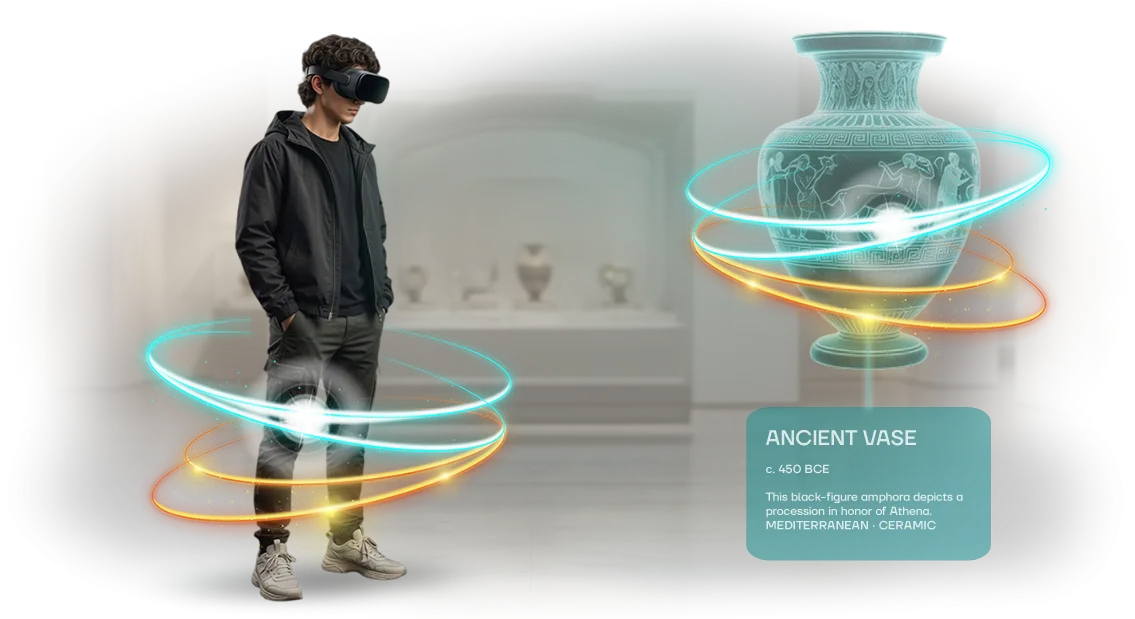
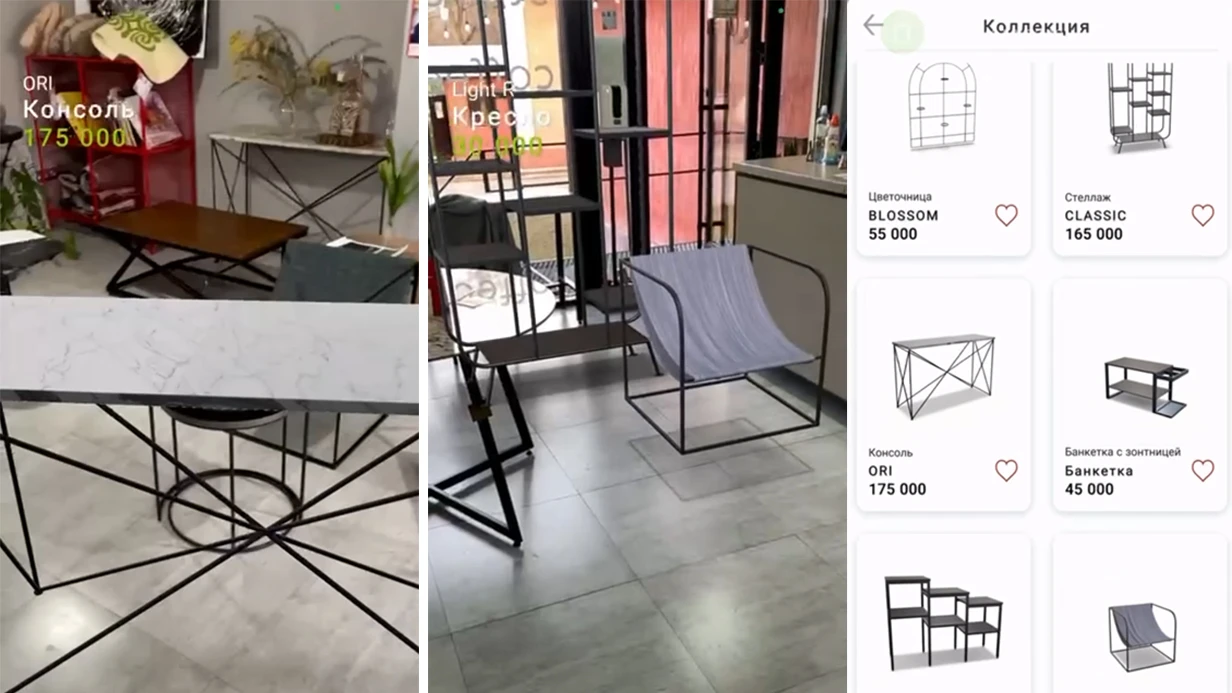
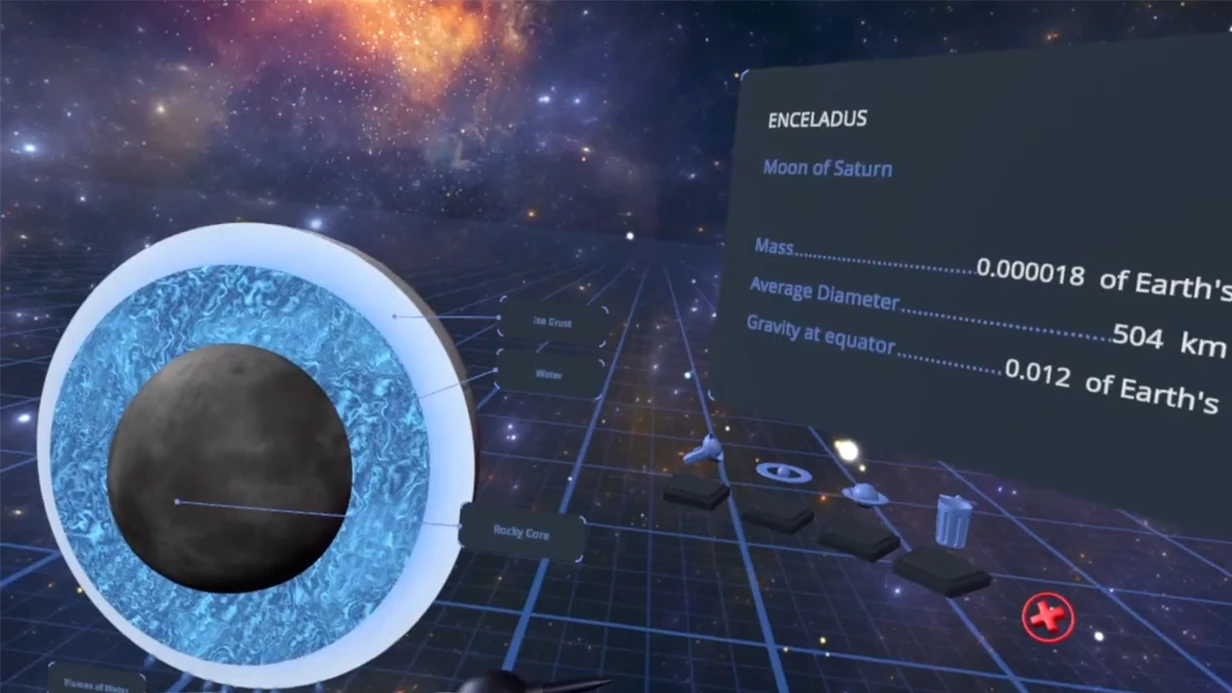
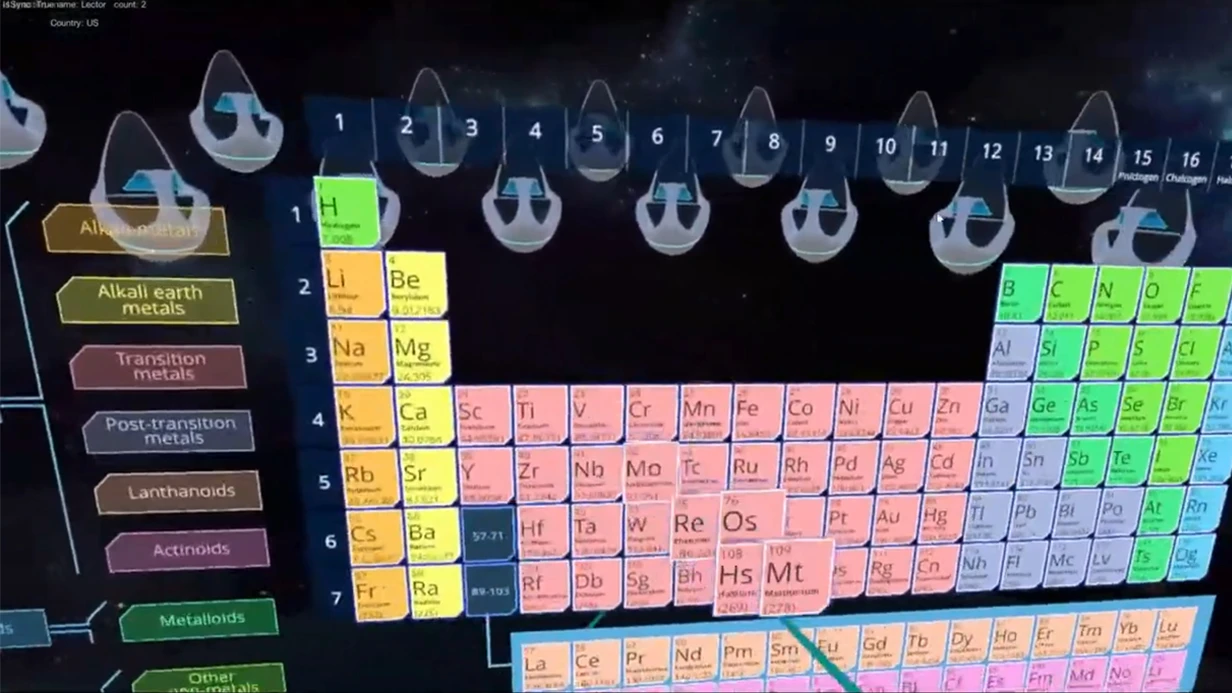
ועידת תלת-ממד וירטואלית משנה את כללי המשחק. זהו אירוע מקוון שבו אורחים נעים בין אולמות דיגיטליים כאילו היו בתערוכה אמיתית: הם בוחנים מוצגים, מבקרים בדוכנים ומתקשרים בצ'אטים ובחדרי קול. פורמט תלת-ממד זה יוצר תחושת נוכחות שחלון וובינר רגיל לא יכול לספק.
עבור עסקים, זה אומר קהל מעורב גדול יותר ללא עלויות נסיעה והשכרה. ניתן להזמין משתתפים מכל מקום בעולם בכמה קליקים בלבד.
ומכיוון שכל פעולת מבקר מתועדת, מקבלים אנליטיקה מדויקת על תחומי עניין ואנשי קשר — בדיוק מידע הלקוחות שעוזר לסגור עסקאות.
אנו מפתחים כנסים וירטואליים ותערוכות דיגיטליות במפתח מלא: מהתסריט ועד ההשקה. תוך מספר שבועות בלבד, מקבלים פלטפורמה מוכנה לשימוש שמחזקת את התדמית, מושכת שותפים חדשים וממשיכה להניע מכירות הרבה אחרי סיום השידור.
מה חברה מרוויחה כשמעבירה את התצוגה שלה למרחב דיגיטלי
העברת תצוגה למרחב דיגיטלי מסירה את המגבלות העיקריות של תערוכה פיזית: שטח רצפה, שעות פתיחה וגיאוגרפיית מבקרים. אולם תצוגה וירטואלי פתוח מסביב לשעון מכל מקום בעולם — כך שכל ביקור הופך לקשר פוטנציאלי.
הנה מה שמקבלים:
- טווח קהל רחב יותר. במקום מאות מבקרים ביום — אלפי משתמשים ייחודיים מאזורים שונים. ואין צורך לשכור שטח נוסף או לשלם על לוגיסטיקה.
- חיזוק הכרת המותג. דוכן תלת-ממד בולט נזכר יותר מעלון קלאסי. מבקרים משתפים את קישור התערוכה ברשתות החברתיות — כך שהמותג מקבל אזכורים חינמיים.
- לידים איכותיים. במרחב דיגיטלי קל לעקוב אחר אילו מוצגים נצפו הכי הרבה זמן ואילו חומרים הורדו. מחלקת המכירות מקבלת רשימה של אנשי קשר חמים עם עניין מוכח.
- חיסכון בתקציב. כספים שבעבר הלכו להשכרה, התקנה ונסיעות עסקים מתפנים. אפשר לנתב כסף זה לקידום התערוכה עצמה.
כפי שמראה הניסיון של Web Summit, הפורמט המקוון מושך פי כמה וכמה משתתפים מהפיזי. במקביל, החברה לא מאבדת שליטה על ההצגה: כל הדוכנים עוקבים אחר הסגנון הארגוני, והחומרים המועלים עומדים בתקני המותג.
כל פריט ברשימה זו משפיע ישירות על השורה התחתונה: קהל רחב יותר פירושו יותר מכירות, הכרה חזקה יותר פירושה מותג חזק יותר, לידים מדויקים יותר פירושם מחזור עסקה קצר יותר. תערוכה וירטואלית יכולה להחזיר את ההשקעה כבר בחודש הראשון לפעילות.
פורמטים של תצוגה דיגיטלית למטרות שונות
לפני שמזמינים פיתוח, כדאי להבין איזה פורמט תצוגה דיגיטלית פותר את המשימה שלכם. להציג מוצר חדש לשותפים זה דבר אחד; לקבל מאות אורחים מקוונים ולאסוף בקשות זה דבר אחר. להלן התרחישים האופייניים שאנו עובדים איתם. כל אחד מהם ניתן להרחבה לפי מספר האורחים והתקציב.
| פורמט | למי | מה הוא נותן ללקוח |
|---|---|---|
| חלון ראווה אינטראקטיבי | קמעונאות, סטודיו, שירותים | השקה מהירה והכרה: מבקרים "נוגעים" במוצר בתלת-ממד, משתפים את הקישור וחוזרים לקנות |
| אולם תצוגה מקוון | יצרנים, משווקים, מחלקות מכירות | הצגת כל קו המוצרים ללא השכרת אולם, קיצור מחזור העסקה בזכות מצגת ויזואלית |
| תערוכה וירטואלית | מארגני אירועים בתעשייה | טווח הגעה גלובלי במהלך האירוע ואחריו, הרחבת קהל אפקטיבית, סטטיסטיקת ביקורים |
| ועידת תלת-ממד וירטואלית | חברות עם אירועים קבועים | תקשורת חיה בין מרצים למשתתפים, טווח הגעה נוסף בזכות אפקט התלת-ממד, צפיות חוזרות בהקלטות |
ניתן לשלב כל אחד מהפורמטים הללו: אולם תצוגה עם שידור מובנה, או תערוכה עם אזור משא ומתן. אנו בונים את הפתרון ממודולים מוכחים ואינם מעמיסים על הפרויקט פונקציונליות מיותרת — מקבלים בדיוק מה שיביא תוצאה מדידה. אם אינכם בטוחים איזה פורמט מתאים לכם, נבחן את המשימות שלכם ונציע אפשרות.
שלבי השקת האירוע שלכם: מבריף ועד תמיכה
בנינו את התהליך כך שלא תצטרכו להיכנס לפרטים טכניים: מקבלים תוכנית ברורה, לוחות זמנים שקופים ואירוע מוכן במפתח מלא. בכל שלב, אתם רואים תוצאות ביניים ומקבלים החלטות — ללא "קופסה שחורה".
- בריף והבנת המשימה. אנו מקשיבים למטרות שלכם: מה צריך לקרות עם הקהל, איזה מוצר או רעיון להציג, אילו אורחים ישתתפו. אנו מתעדים את הפורמט, התוכן וציר הזמן הרצוי — זה הבסיס להערכת העלות והתוכנית.
- אישור קונספט ותוכנית. אנו מציעים מבנה חלל, תרחיש זרימת מבקרים, רשימת פעילויות ודרכי אינטראקציה עם מוצגים. אתם עורכים תיקונים עד לאישור הגרסה הסופית — בדרך כלל מספיקים סיבוב אחד או שניים.
- הכנת תוכן ואב-טיפוס. אנו אוספים את החומרים שלכם: תמונות, תיאורים, סרטונים, לוגואים. על בסיסם, אנו מרכיבים גרסת טיוטה של הפלטפורמה, שאותה אתם בודקים בדפדפן ורואים איך ייראה האירוע.
- הרכבה והתאמה לאירוע שלכם. אנו מתכנתים את הלוגיקה: רישום אורחים, לוח זמנים של מושבים, צ'אטים, אזורי מצגות ומשא ומתן. הכל מוגדר לתרחישים האמיתיים של האירוע שלכם, לא לתבניות מופשטות.
- השקת ניסיון וחזרה. אנו עורכים בדיקות סגורות עם הצוות והמנחים שלכם: בודקים איך אורחים נכנסים, איך קישורים עובדים ואיך מצגות נראות במכשירים שונים. מבצעים תיקונים אחרונים.
- השקת האירוע ותמיכה. ביום האירוע, המהנדסים שלנו זמינים: הם עוקבים אחר יציבות, עוזרים לאורחים לפתור בעיות כניסה וניווט, ומגיבים במהירות לכל מצב חריג. אתם מטפלים בתוכן ובאורחים — אנחנו דואגים לשאר.
לאחר הסיום, אנו מעבירים סטטיסטיקת נוכחות ופעילות, וכן חומרי פלטפורמה. אם אתם מתכננים אירוע חוזר, החלל כבר מוכן, וההשקה הבאה תהיה מהירה וזולה יותר.
מקרה בוחן: איך הרצנו תערוכה מקוונת והגדלנו לידים פי 3
אחד מפרויקטי הדגל שלנו היה תערוכה מקוונת עבור יצרנית הציוד התעשייתי הבינלאומית Atlantic Hydraulics.
החברה נזקקה להציג את קו המוצרים החדש שלה למפיצים מ-12 מדינות, אבל וובינרים סטנדרטיים הניבו תוצאות חלשות: משתתפים צפו באופן פסיבי במצגת ועזבו, בעוד מחלקת המכירות קיבלה מעט מאוד קשרים חמים.
פיתחנו אולם תצוגה וירטואלי ואולמות ועידה על פלטפורמה אחת. כל דוכן עבד כמו דוכן חי: מבקר בחן את מודל התלת-ממד של המוצר, שאל שאלות מנהל מיד, והשאיר בקשה לחישוב עלות.
לאורחים זה פשוט — הם רק לוחצים על קישור, ללא צורך בהתקנה. למארגנים זו תמונה מלאה: כמה אנשים נכנסו, כמה זמן בילו בדוכן, ואילו מוצרים נצפו הכי הרבה.
תוצאות
- 15,000 משתתפים במשך יומיים של דוכנים מקוונים ושידורים חיים;
- מספר הלידים האיכותיים גדל פי 3 בהשוואה לתערוכה רגילה;
- זמן ממוצע בדוכן — 14 דקות, לאורחים היה זמן לבחון את המודל ולשאול שאלות המשך;
- כל הבקשות נשלחו אוטומטית ל-CRM, והמנהלים החלו לטפל בהן מיד לאחר האירוע.
תוצאה כזו מושגת באמצעות לוגיקת אירוע מעוצבת היטב ותשומת לב לפרטים — ממסך הפתיחה ועד טופס הגשת הבקשה. הלקוח ראה זאת בפועל וחזר אלינו עם פרויקט שני, והרחיב את הפלטפורמה לכיסוי כל קו המוצרים.
מה לשקול כשבחירת תערוכת תלת-ממד לנישה שלכם
בבחירת תערוכת תלת-ממד, חשוב להתחיל לא מטכנולוגיה אופנתית אלא ממטרה עסקית ספציפית. אם צריך לאסוף בקשות למוצר, אולם תצוגה קומפקטי עם קטלוג וטופס משוב מספיק.
אם המטרה היא לחזק את התדמית ולמשוך תשומת לב קהל, תצטרכו חלל מלא עם אזורים אינטראקטיביים ושידורים.
הקריטריון השני הוא הקהל שלכם. קבעו באילו מכשירים ישתמשו המשתמשים, עד כמה הם בקיאים טכנולוגית, ובאיזה אזור הם נמצאים.
לקהל המוני, פשטות וכניסה מהירה ללא התקנה עובדות הכי טוב; לקהל מקצועי, תשומת לב עמוקה לפרטים ותרחישי אינטראקציה נוספים עדיפים.
הנקודה השלישית היא תוכן ותרחישי ביקור. חשבו אילו חומרים מבקר צריך: קטלוגים, מצגות, ייעוץ חי, סרטוני מוצר. ככל שהתכנית עשירה יותר, כך אורחים נשארים יותר זמן בתערוכה וסופגים יותר מידע על המוצר שלכם. זה משפיע ישירות על ההמרה לבקשות.
חשובה לא פחות היא האינטגרציה עם משפכי המכירות שלכם: העברת בקשות ל-CRM, איסוף סטטיסטיקה לפי דוכן, וניתוח התנהגות מבקרים. ללא נתונים אלה, לא תבינו איזה מוצג ביצע הכי טוב או איך לשפר את ההשקה הבאה.
אנו עוזרים להגדיר תהליכים אלה על פלטפורמה מקצועית, כך שתקבלו תוצאה מדידה, לא רק תמונה יפה.
ולבסוף, תקציב ולוחות זמנים. לכל נישה יש סטנדרטים משלה, אבל העיקרון המרכזי פשוט: הפורמט חייב להחזיר את ההשקעה.
אנו נבחר תצורה למשימה שלכם — מהשקה מהירה של תערוכה מינימלית ועד אירוע רחב היקף עם עשרות אזורים — וניתן תחזית כנה של עלות ולוחות זמנים לפני תחילת העבודה.
שאלות נפוצות על פורמטים דיגיטליים והארגון שלהם
אספנו את השאלות שנשאלות לרוב לפני השקת תערוכה דיגיטלית. אנו עונים בקצרה ולעניין — כדי שתבינו את התקציב, לוחות הזמנים והסיכונים לפני הבריף, לא אחרי חתימת החוזה.
כמה עולה פיתוח תערוכה וירטואלית?
העלות תלויה במספר המוצגים, בפורמטים (אולם תצוגה תלת-ממדי, ועידה, היברידי) ובאינטגרציה עם מערכת ניהול הלקוחות שלכם.
ברוב המקרים, העלות מחושבת לאחר בדיקה: אולם תצוגה בסיסי ל-10–20 אובייקטים זול יותר, בעוד ועידה רחבת היקף עם שידורים ואזורי נטוורקינג יקרה יותר.
אנו נותנים טווח מדויק לאחר בריף קצר ונועלים את ההערכה לפני תחילת העבודה — ללא עמלות נסתרות.
כמה זמן לוקחת השקה?
פרויקט טיפוסי אורך 3 עד 8 שבועות: תחילה בריף ואב-טיפוס, אחר כך מילוי תוכן, הרכבה ובדיקות. אם צריך תאריך יעד ספציפי לאירוע, אנו בונים זמן חיץ לאישורים.
בהתחלה, אנו מספקים תוכנית עם אבני דרך כדי שתוכלו לראות התקדמות כל שבוע ולהשפיע על התהליך.
האם התערוכה תעבוד על כל מכשיר?
כן — אנו בונים את הפרויקט כך שיפעל על מחשבים, טאבלטים וסמארטפונים ללא התקנת תוכנה נוספת. מבקר לוחץ על קישור ונכנס מיד לחלל.
אם צריך גישה מוגבלת לשותפים או עובדים, נגדיר אימות והפרדת תפקידים, ותראו סטטיסטיקת ביקורים בלוח הבקרה האישי שלכם.
מה אם משהו ישתבש ביום האירוע?
אנו עורכים בדיקות עומס לפני ההשקה ומחזיקים מהנדס תורן במהלך שידורים ומושבי שיא. תקלות קריטיות נפתרות תוך שעה, והאחריות מכסה זמן השבתה.
מקבלים גישה לניטור — אתם רואים פעילות מבקרים בזמן אמת ויכולים להגיב במהירות לשינויים.
אם עדיין יש לכם שאלות — שאלו אותן לפני הבריף: נבחן את התרחיש שלכם ונכין הערכת עלות ראשונית תוך יום עסקים אחד. כך תבינו אילו פורמטים מתאימים למשימה שלכם ותימנעו מהפתעות בתקציב ובלוחות זמנים.השלבים הבאים: בקשה ויישום הפרויקט שלכם
כדי להשיק ועידת תלת-ממד וירטואלית, אין צורך בשבועות של אישורים או בדרישות טכניות מורכבות. פשוט הגישו בקשה באתר שלנו — ואנחנו נדאג לכל המסע: מהבריף הראשון ועד ההשקה והתמיכה באירוע.
תוך יום עסקים אחד, מנהל אישי יפנה אליכם, יבהיר את מטרות הפרויקט, מספר המשתתפים הצפוי והתקציב. לאחר מכן נציע פורמט פלטפורמה, נציג דוגמאות פתרונות מהתעשייה שלכם, ונכין הערכת עלות שקופה ללא תשלומים נסתרים.
לאחר בקשתכם, אתם מקבלים:
- קשר ישיר עם המנהל שלנו — ערוץ תקשורת אחד לכל השאלות, ללא עשרות צ'אטים.
- תוכנית יישום ראשונית ולוחות זמנים תוך 2–3 ימי עסקים.
- גרסת הדגמה של הפלטפורמה לחקירת הממשק והיכולות לפני התשלום.
- אב-טיפוס של החלל שלכם: אולמות, במה, אזורים לדוכנים ומשא ומתן.
- תמיכה בכל שלב — ממילוי תוכן ועד דוח לאחר האירוע.
- אנליטיקה סופית: כמה אורחים ביקרו בכל אולם ואילו דוכנים משכו הכי הרבה תשומת לב.
אנו מבינים שכל פרויקט הוא ייחודי: מספר האזורים, תרחיש התכנית העסקית, האינטראקטיביות. לכן, בשלב הבריף, אנו מגדירים מדדי מפתח ומיד דנים באפשרויות הרחבה.
הגישו את בקשתכם — ותוך מספר ימים תקבלו הצעה מותאמת אישית עם תוכנית צעד-אחר-צעד ליישום אולם התצוגה התלת-ממדי הווירטואלי שלכם.