

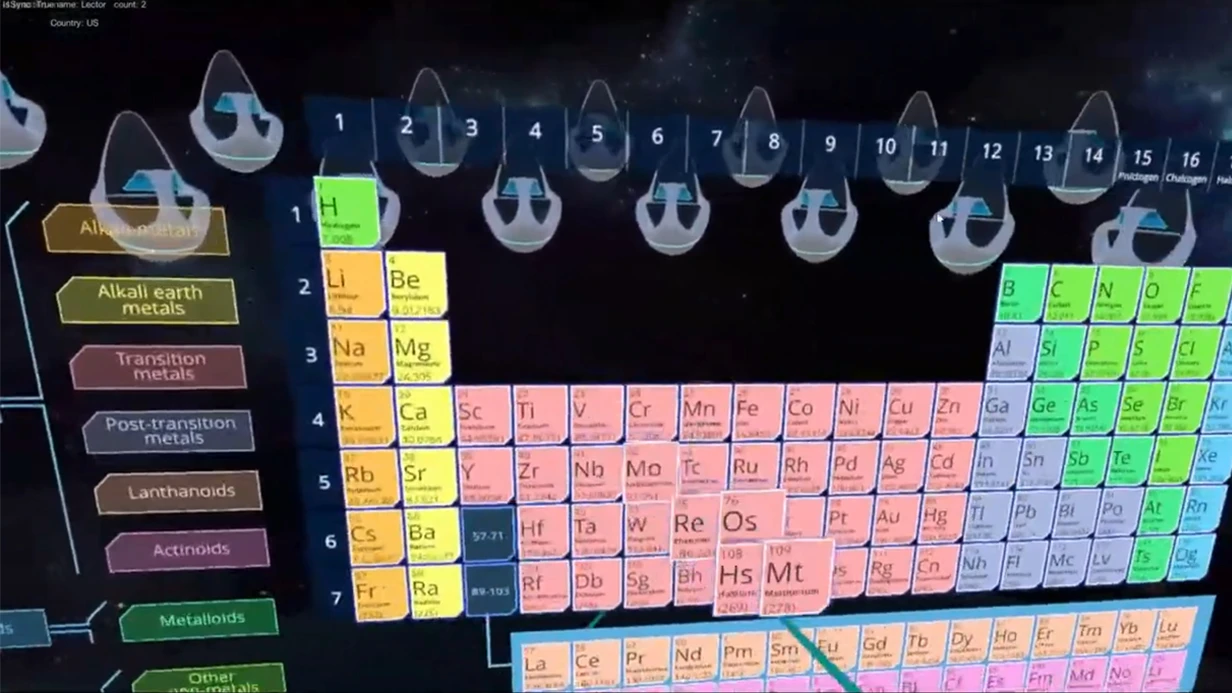


מדוע ועידת VR חובה לכל תערוכה
תערוכה מקוונת רגילה כיום הופכת פעמים רבות לדפדוף בכרטיסים עם תמונות ותיאורים קצרים. מבקר נכנס, מציץ בזוג דוכנים, ועוזב — אין תחושת נוכחות, אין הרגשה של אירוע חי ששווה להישאר עבורו.
זה פוגע במדד המרכזי — שימור מבקרים. המארגנים מוציאים תקציב על משיכת משתתפים, ואותם משתתפים מבלים דקות ספורות בפלטפורמה, אף פעם לא מגיעים למשא ומתן ולא זוכרים את המותג.
תערוכה וירטואלית ללא חוויה סוחפת נשארת רק קטלוג שלא מביא לא רגשות ולא לידים.
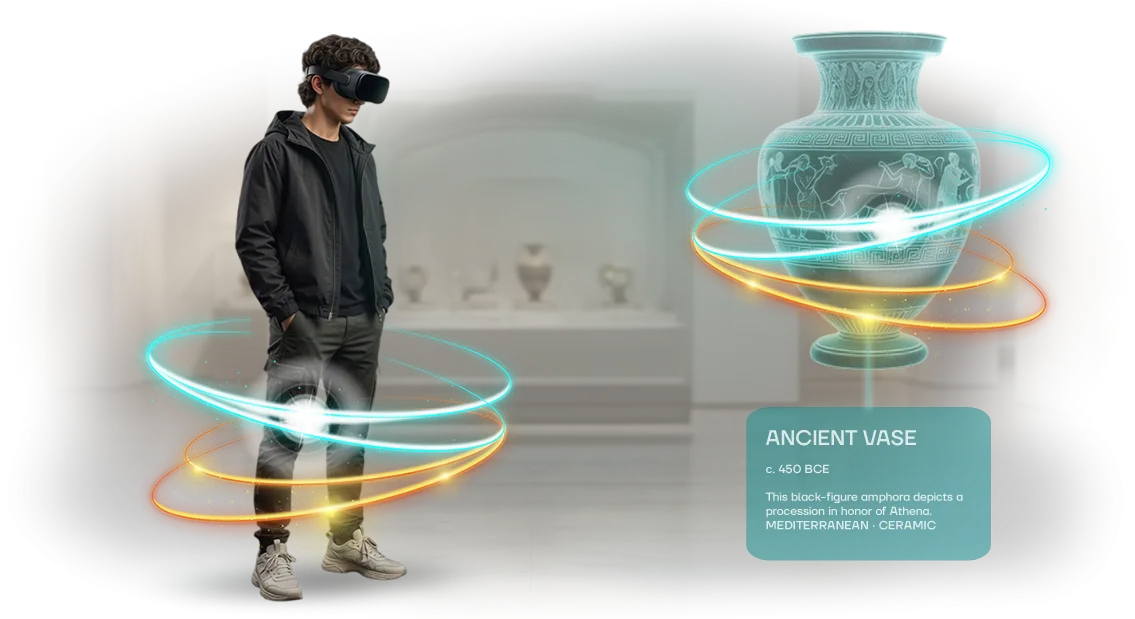
ועידת VR פותרת את הבעיה הזו. משתתף מוצא את עצמו בתוך חלל שבו הוא יכול לנוע בחופשיות בין אולמות, לגשת לדוכנים, לבחון מוצגים ולדבר עם נציגי חברות.
תחושת הנוכחות היא שמחזיקה את תשומת הלב: האדם מפסיק להיות צופה והופך לאורח שבוחר את המסלול שלו באירוע.
עבור עסקים, זה אומר יותר זמן בדוכן, קשרים חמים יותר ומשא ומתן אמיתי, לא רק הרשמות. אירועים מקוונים בפורמט VR נזכרים ומדברים עליהם, מה שאומר שהחשיפה והמודעות למותג גדלות ללא הוצאות פרסום נוספות.
אנחנו עוזרים לסגור את הפער הזה: אנחנו מתכננים תערוכות וירטואליות ואולמות תצוגה בתלת-ממד שמעניקים למבקרים תחושת נוכחות מלאה ולמארגנים תוצאה מדידה בצורת שימור קהל והחזר השקעה.
מה משתנה עם תערוכת VR: 5 תוצאות מדידות
תערוכה מסורתית נמשכת שלושה ימים ומביאה כמה קשרים כמו שהצוות בדוכן הספיק לרשום. אחרי שהיא נסגרת, המבקרים עוזבים, ואלה שלא הגיעו נשארים בלתי נגישים. תערוכת VR עובדת מסביב לשעון ופתוחה לאורחים מכל מקום בעולם.
בפלטפורמת Orbita VR פתחנו אולם בו-זמנית למבקרים מ-12 מדינות: כל אדם עבר בתערוכת התלת-ממד ודיבר עם מנהלים באינטרנט. הפורמט מספק חמש תוצאות מדידות.
חמישה שינויים מדידים
- חשיפה. ללא שכירות ולוגיסטיקה, לקוחות מערים ומדינות אחרות משתתפים — הקהל רחב פי 5-10.
- לידים. כל ביקור משאיר חותם דיגיטלי: אנשי קשר, תחומי עניין, היסטוריית פעולות — בסיס מוכן של פניות חמות.
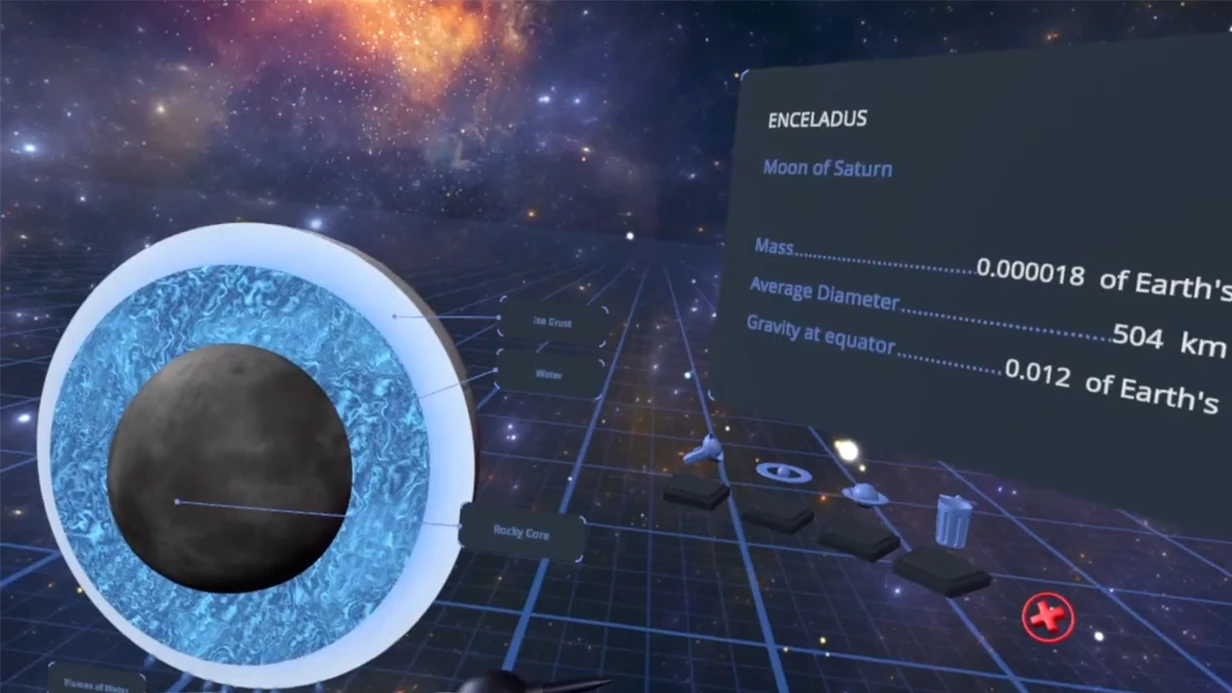
- מעורבות. מודלים אינטראקטיביים בתלת-ממד ומצגות חיות מחזיקים אורח פי 3-4 יותר זמן מאשר קטלוג.
- מודעות למותג. האולם אף פעם לא נסגר: הוא מקודם במשך שנים דרך מדיה חברתית, ניוזלטרים ותוכניות שותפים.
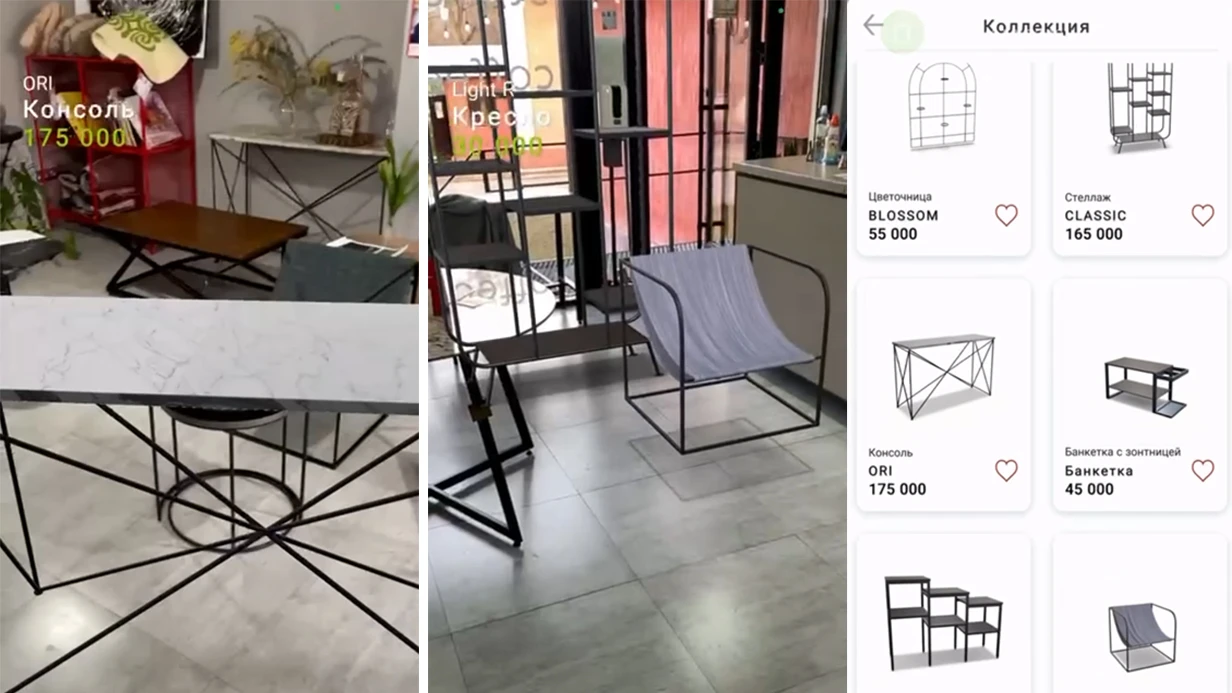
- גידול במכירות. חלונות ראווה עם מחירים וצ'אטים ישירים הופכים את החלל לחנות מקוונת עובדת.
מי מרוויח הכי הרבה
ליצרנים — הדגמת מוצר ללא משלוח דוגמאות וכניסה מהירה לשווקים חדשים. למארגנים — שימוש חוזר באולם לאירועים שונים ומכירת השתתפות במנוי.
אנחנו קובעים את הנתונים האלה בהתחלה ומאשרים אותם תוך 2-4 שבועות. להלן תשובות לשאלות נפוצות על לוחות זמנים, תקציב ואחריות.
פורמטים של חללים וירטואליים: בחרו את שלכם
כל פורמט פותר משימה משלו: להציג מוצר, לרכז קהל מרוחק, או לשלב אופליין ואונליין. אנחנו משתמשים בשלוש תוכניות עבודה — הן שונות בפרטים אבל ברורות באותה מידה למבקר.
תערוכת קבע: אולם תצוגה בתלת-ממד
אם יש לכם קטלוג רחב שלקוח צריך ללמוד בפירוט, הכינו אולם תצוגה בתלת-ממד פתוח לצמיתות. המבקר "מסתובב" באולם, מתקרב למוצר ומתוודע למאפיינים שלו.
תערוכה כזו עובדת מסביב לשעון, מבטלת עלויות שכירות וכוח אדם, ונותנת לקונה תחושת נוכחות אישית.
אירוע חי: ועידת VR ותערוכה היברידית
כשצריך לקיים מצגת, ועידה או תערוכה תעשייתית, פורמטים של אירועים עובדים טוב יותר. ועידת VR מאפשרת למשתתפים מערים שונות להיות בחלל אחד ללא נסיעות עסקים.
תערוכה היברידית מחברת אולם פיזי עם אורחים מקוונים: לא מאבדים לא את הקהל הפיזי ולא את הקהל המרוחק.
| פורמט | למי | מה זה נותן ללקוח |
|---|---|---|
| אולם תצוגה בתלת-ממד | חברות עם קטלוג מוצרים גדול | הקונה לומד את המוצר ללא נסיעות והמתנה, חלק ההזמנות החוזרות גדל |
| ועידת VR | מארגני ועידות ומצגות | משתתפים מכל עיר, חשיפה גדולה פי כמה באותה עלות אירוע |
| תערוכה היברידית | אירועים עם מקום פיזי | שילוב של אולם חי וקהל מקוון, קבלת חשיפה כפולה ותוכן צילומי למדיה חברתית |
ברור איזה פורמט מתאים למשימה שלכם? כתבו לנו — נעזור לכם לבחור חלל, נראה דוגמאות בתחום שלכם ונחשב הערכת עלות.
איך מתבצע השקת תערוכה וירטואלית: שלב אחר שלב
פיתוח תערוכה וירטואלית הוא תהליך רציף שבו אנחנו פועלים כקבלן מפתח. אתם מספקים מטרות וחומרים, ואנחנו לוקחים על עצמנו את כל השאר: מהקונספט ועד לניתוח אחרי האירוע. בכל שלב אתם מקבלים תוצאה ברורה ורואים איך הפרויקט מתפתח.
המחזור בדרך כלל אורך 4–8 שבועות — הזמן המדויק תלוי בהיקף החלל ובמספר הפעילויות.
- בריף ומטרות. בפגישה או שתיים, אנחנו קובעים למי מיועדת התערוכה, אילו מוצרים להציג ואיזו תוצאה חשובה: חשיפה, לידים או מכירות ישירות.
- קונספט ותסריט. אנחנו מתכננים את מבנה האולם, מסלולי מבקרים ונקודות אינטראקטיביות: דוכנים, מצגות, חדרי ישיבות.
- פיתוח ותוכן. אנחנו בונים את החלל, מעלים חומרים ומחברים הרשמה, צ'אטים ושיחות וידאו. אתם רואים גרסאות ביניים בכל שלב.
- בדיקות ותיקונים. אנחנו בודקים איך התערוכה עובדת על מחשבים ניידים, טאבלטים ומשקפי VR, ומתרגלים עומסי שיא אפשריים. עד למועד ההשקה, כל התרחישים מכווננים.
- השקה ותמיכה. ביום האירוע, צוות תמיכה זמין: אנחנו עוזרים למשתתפים להיכנס, מנחים סיורים ושומרים על סדר באולמות. אתם עסוקים לחלוטין בשיחות עם אורחים.
- ניתוח ומסירה. יום או יומיים אחרי ההשקה, אנחנו מספקים דוח: נוכחות, זמן בדוכנים, פעילות משתתפים ואנשי קשר שנאספו.
מה כלול במסירת תערוכה וירטואלית
כשלקוח קונה תערוכה וירטואלית, הוא צריך לא רק מודל תלת-ממדי אלא כלי עבודה למשיכת מבקרים ואיסוף לידים. לכן, אנחנו כוללים במסירה את כל מה שצריך כדי להשיק ולנהל את האירוע — מהחלל עצמו ועד להכשרת הצוות שלכם.
- חלל תערוכה או אולם תצוגה מוכן עם ניווט ומיתוג המותאם לחברה שלכם. הוא נפתח דרך קישור בדפדפן מכל מכשיר — מבקרים לא צריכים להתקין כלום.
- פאנל ניהול לניהול עצמאי של התערוכה: שינוי מוצגים, מחירים, מבצעים, טקסטים ולוח זמנים ללא מעורבות מפתחים.
- ניתוח אירועים ומבקרים: מספר אורחים, עומק צפייה, דוכנים וחומרים פופולריים, פניות ופעולות יעד אחרות. כל הנתונים בדוחות נוחים וברורים להנהלה.
- הגדרת אינטגרציה עם ה-CRM שלכם או טופס הרשמה, כך שלידים מהתערוכה הווירטואלית יגיעו מיד למחלקת המכירות ולא יאבדו.
- הכשרת הצוות שלכם: אנחנו מכינים מנהלים, מדריכים ומנחי שיחות, ומראים איך לעבוד עם הכלים ולתקשר עם מבקרים.
- תמיכה טכנית ביום ההשקה ולכל תקופת פעילות התערוכה. מהנדסים עוקבים אחר יציבות ופותרים במהירות כל בעיה.
החבילה הזו מכסה את כל המחזור: אתם מקבלים חלל מודרני שמושך קהל ומערכת ניהול שהופכת עניין לתוצאה מדידה. כל מה שאנחנו צריכים מכם הוא לספק תוכן ולהגדיר מטרות — אנחנו נטפל בשאר.
מקרה בוחן: איך תערוכה וירטואלית הגדילה מכירות ב-40%
עבור מפעל לבניית מכונות שמוכר ציוד מורכב, השתתפות בתערוכה בינלאומית היא הוצאה גדולה: שכירת דוכן, לוגיסטיקת דוגמאות ונסיעות עסקים. במקביל, החשיפה מוגבלת פעמים רבות לשלושה ימים ולדוכן אחד. הלקוח ביקש מאיתנו להציג את המוצרים שלהם לקונים ממדינות אחרות ללא תקציב נסיעות.
יצרנו אולם תצוגה וירטואלי המבוסס על Unreal Engine — מודלים ריאליסטיים בתלת-ממד של מכונות וקווי ייצור. מבקרים יכלו "להסתובב" בבית המלאכה, לבחון את הציוד בפירוט, לפתוח מפרטים טכניים ולבקש ייעוץ ישירות בפלטפורמה.
התערוכה נמשכה שבוע, וזה יצר מכניקה שונה מהותית: לקוחות יכלו להיכנס בכל זמן, מכל מכשיר.
התוצאות עלו על הציפיות. 12,000 איש ביקרו בתערוכה הווירטואלית — פי 4 יותר מהתערוכה הפיזית בשנה שעברה. בשבוע אחד, המפעל קיבל 340 פניות, 90 מתוכן היו פניות ממוקדות ממפיצים זרים.
מחלקת המכירות ערכה 25 הדגמות מקוונות, ו-12 הפכו לחוזים. עד סוף הרבעון, המכירות הישירות דרך הדגמות גדלו ב-40%, ועלות הפיתוח כוסתה דרך החיסכון בדוכן ובנסיעות עסקים.
החזר השקעה והזמנה חוזרת
עבור הלקוח, זו לא הייתה קמפיין חד-פעמי אלא ערוץ מכירות חדש. אחרי ההשקה הראשונה, המפעל הזמין שתי תערוכות וירטואליות נוספות לשווקים אזוריים.
הפלטפורמה משמשת כעת ככלי קבוע למשא ומתן מרחוק — לקוחות רואים את המוצר לפני הפגישה, ומנהלים מבזבזים זמן רק על לידים חמים.
לפי ההערכה שלנו, הרווח השולי מעסקאות שיזמה התערוכה הווירטואלית בשנה הראשונה חושב לאחר ביקורת — וזו רק ההתחלה.
התייחסות לספקות: האם תערוכה וירטואלית מתאימה לכם
כל מנהל לפני השקת פלטפורמה דיגיטלית חדשה שואל את אותן שאלות: האם הקהל יגיע, איך לשלב את הפורמט בתהליכים הקיימים, ומי אחראי אם משהו נשבר.
ניהלנו עשרות ועידות ותערוכות וירטואליות — כך שכל חשש מטופל בשלב התכנון.
ספקות נפוצים ותשובות קצרות
"מה אם מבקרים לא יגיעו?" עם קמפיין אימייל נכון, עד 80% מהנרשמים מופיעים באינטרנט, והקלטות ההרצאות אחרי השידור החי מוסיפות עוד 20-30% צפיות.
"איך לאמץ את זה בלי לעצור את הפעילות?" אנחנו מקימים את הפלטפורמה ומכשירים את העובדים שלכם. כל מה שאנחנו צריכים מכם הוא בריף ואדם אחראי אחד; אנחנו עושים את השאר בעצמנו.
"מה אם משהו נשבר?" במהלך האירוע, מומחה טכני זמין, וארכיטקטורת השרת מתמודדת עם עליות שיא של מבקרים.
היישום אורך החל משלושה שבועות: מיתוג, העלאת תוכן וריצת מבחן. אחרי ההשקה, אנחנו תומכים בצוות לעוד חודש ועוזרים לאסוף נתונים לדוח ניהולי. בסופו של דבר, תערוכה וירטואלית היא כלי עבודה, לא מקור ללחץ.
מוכנים לדון בתערוכה וירטואלית? כתבו לנו
תערוכה וירטואלית פותרת כמה משימות בבת אחת: היא אוספת קהל מכל מקום בעולם, מפחיתה את התקציב לשכירות ולוגיסטיקה, ויוצרת תחושת נוכחות בלתי נשכחת.
כדי שפרויקט באמת ישתלם, מה שחשוב הוא לא רק הטכנולוגיה אלא תסריט האירוע, נוחות האורחים ופלטפורמה אמינה. כבר טיפלנו בעשרות השקות כאלה ואנחנו יודעים להפוך מקום וירטואלי למקור לידים.
השאירו פנייה לתערוכה וירטואלית — וביום העבודה הראשון נבצע ייעוץ ונכין הערכת עלות. זה לא מחייב: תקבלו נתונים ספציפיים ותוכנית, ותוכלו להשוות ולקבל החלטה מושכלת.
אחרי הפנייה שלכם, תקבלו:
- ייעוץ — ננתח את המשימה שלכם, את הקהל, ונציע את הפורמט האופטימלי: מוועידת VR ועד אולם תצוגה בתלת-ממד או אירוע היברידי.
- הערכת עלות — פירוט שקוף לפי שלבים: קונספט, פיתוח, בדיקות, השקה ותמיכה טכנית.
- תחזית לוח זמנים — לוח זמנים ריאלי שמתחשב בתאריך האירוע שלכם וכולל זמן רזרבה לאישורים.
- המלצות לחשיפה — אילו מכניקות מעורבות יניבו מקסימום ביקורים, ביקורים חוזרים ופניות משתתפים.
- דוגמאות מהניסיון שלנו — נראה פרויקטים דומים ותוצאותיהם כדי שתבינו את רמת האיכות לפני שמתחילים.
- תמיכה לאחר ההשקה — אנחנו עוזרים למנחי שיחות ומנהלים בשטח בזמן שהאירוע פעיל.
שלחו את הפנייה שלכם דרך הטופס או כתבו לנו במסנג'ר — נגיב תוך יום עסקים אחד. השיחה הראשונה תימשך 20-30 דקות: בזמן הזה נוכל להבין את המשימה, לענות על השאלות שלכם ולהציע פתרון שבאמת יעבוד.
איך לבחור פורמט תערוכה וירטואלית למשימה שלכם?
יש לבחור את הפורמט של תערוכה וירטואלית לא על סמך "תמונה יפה" אלא על סמך המטרה העסקית: מה צריך לקרות אחרי האירוע.
אם המטרה היא להכיר למבקרים מוצר, לאפשר להם ללמוד את הפרטים וליצור פנייה, אולם תצוגה בתלת-ממד עם גישה קבועה מתאים. אם המטרה היא תקשורת חיה, מצגות ואיסוף אנשי קשר, יש צורך באזור ועידה אינטראקטיבי.
כשחשוב להציג קטלוג רחב ולתת לכל אורח לנוע בקצב שלו, בחרו אולם תערוכה עם חלונות ראווה, תיאורים וסרטונים.
הפורמט הזה עובד כמו "אולם תצוגה 24/7": הוא ממשיך לייצר פניות גם אחרי שהאירוע נגמר, ללא עלויות שכירות או לוגיסטיקה. עבור הלקוח, זה אומר חיסכון מוחשי וזרם קבוע של עניין.
אם העדיפות היא לדון בפרטים, לנהל משא ומתן ולסגור עסקאות, יש צורך בפורמט ועידה חי: לוח זמנים של הרצאות, חדרי ישיבות וירטואליים ויכולת לשאול את המרצה שאלה בשידור חי.
כאן, המבקר מרגיש תחושת מעורבות, והמארגן מקבל לידים חמים ומשוב מיידי. הפורמט הזה ממיר תשומת לב לפגישות אמיתיות בצורה יעילה יותר.
שילוב הוא פעמים רבות יעיל: אולם תצוגה פתוח להכרת המוצר ואזור נפרד להרצאות ונטוורקינג. זה מאפשר להציג היקף ולספק אינטראקציה חיה.
ההחלטה תלויה באיזה מדד חשוב לכם יותר: מספר צפיות בקטלוג, מספר פניות שהושלמו, או משך האינטראקציה עם כל משתתף.
המהנדסים שלנו עוזרים לבחור ולהגדיר פורמט למשימה שלכם, ואז תומכים בהשקה ומנתחים את התוצאות. התחילו בהגדרת מטרת התערוכה שלכם — ונציע פתרון שמשתלם, לא רק נראה מודרני.