



מאבדים משתתפים ולידים? הגיע הזמן להטמיע חדר אירועים וירטואלי
השקעתם זמן ותקציב באירוע מקוון, והמשתתפים סוגרים את הטאב אחרי כמה דקות. סטרימינג סטנדרטי לא מצליח לשמור על תשומת הלב: האורחים מוסחים, אף פעם לא מגיעים להצעות המרכזיות, ולא משאירים את פרטי הקשר שלהם. האירוע מסתיים, ולידים פוטנציאליים נעלמים איתו — אתם מקבלים חשיפה, אבל לא תוצאות.
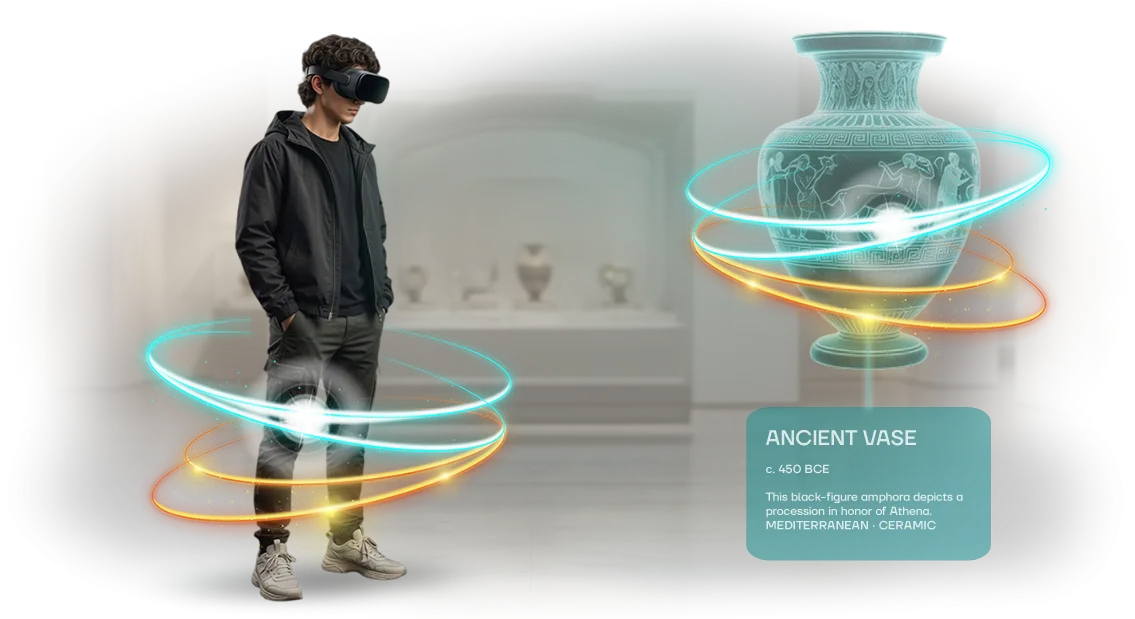
חדר וירטואלי משנה את כל התסריט. במקום צפייה פסיבית, המשתתף בוחר לאן ללכת: לאזור ההצגות, לקטלוג אינטראקטיבי, או לחדר פגישות עם עמיתים.
כל פעולה מתועדת — אתם רואים מה עורר עניין ואוספים פניות כבר במהלך האירוע. חדר אירועים וירטואלי כזה הופך קהל חד-פעמי לזרם מדיד של לידים.
חדר אינטראקטיבי עובד למודעות המותג. האורחים מבלים פי כמה יותר זמן במרחב, זוכרים את הזהות החזותית של החברה, ומשתפים את ההתרשמות שלהם עם עמיתים. זו חשיפה אורגנית שממשיכה לייצר פניות הרבה אחרי שהשידור מסתיים.
אנחנו מעצבים מרחבים וירטואליים שפותרים בעיות עסקיות: מעורבות משתתפים, איסוף פרטי קשר, והנעת פניות חוזרות. אנחנו מסתמכים על תסריטים מוכחים וכלים מקצועיים — אתם מקבלים תוצאות עקביות בלי להיכנס לפרטים טכניים.
הטמעת חדר אירועים וירטואלי פותרת את נקודת הכאב המרכזית: המשתתפים לא עוזבים — הם הופכים לפניות.
מה מרחב וירטואלי מודרני נותן לעסק שלכם
מרחב וירטואלי היום הוא לא תחליף לאירוע פיזי, אלא ערוץ תקשורת נפרד עם הקהל שלכם.
הוא עובד לשיווק, מכירות ומוניטין בו-זמנית, ומאפשר לחברות B2B ולמארגני אירועים להרחיב את החשיפה בלי להיות קשורים למקום או לגיאוגרפיה. הדבר המרכזי שעסקים מקבלים הוא תוצאה מדידה: יותר פניות, מעורבות גבוהה יותר, ונוכחות מותג חזקה יותר.
היתרון הברור הראשון הוא הגברת המודעות. אולם תצוגה או תערוכה וירטואלית נשארים נגישים גם אחרי שהאירוע מסתיים, כך שכל ביקור ממשיך לעבוד עבור המותג במשך שבועות.
המשתתפים משתפים קישורים והתרשמויות ברשתות החברתיות, והחברה מקבלת חשיפה חינמית ואזכורים נוספים במרחב המידע.
הגורם השני הוא מעורבות אורחים. סביבה אינטראקטיבית מאפשרת למבקרים לבחור במה לצפות ובמה להתעסק: מוצר, מצגת, דוכן או סרטון.
שקיעה עמוקה כזו מחזיקה תשומת לב הרבה יותר זמן מאתר סטטי או מצגת PDF, ומגדילה את הסבירות לפנייה עוקבת.
הנקודה החשובה השלישית היא איסוף פרטי קשר וסינון לידים. בניגוד לפגישות פיזיות חד-פעמיות, מקום וירטואלי עוקב אחר תחומי העניין של כל אורח: באילו תערוכות צפה, באילו מושבים השתתף, כמה זמן בילה בדוכן.
הנתונים האלה מאפשרים לשיווק לבנות תקשורת אישית מיד ולהימנע מבזבוז תקציב על שיחות קרות.
לבסוף, מרחב וירטואלי מודרני הוא נכס מותגי. הוא מראה ללקוחות ולשותפים שהחברה נשארת עדכנית, מעריכה טכנולוגיה, ומוכנה להפתיע.
גישה זו בונה אמון ומבדלת עסק מהמתחרים, במיוחד כשהחלטות מתקבלות על סמך רושם ראשוני.
פורמטים של מרחב אירועים למשימה שלכם
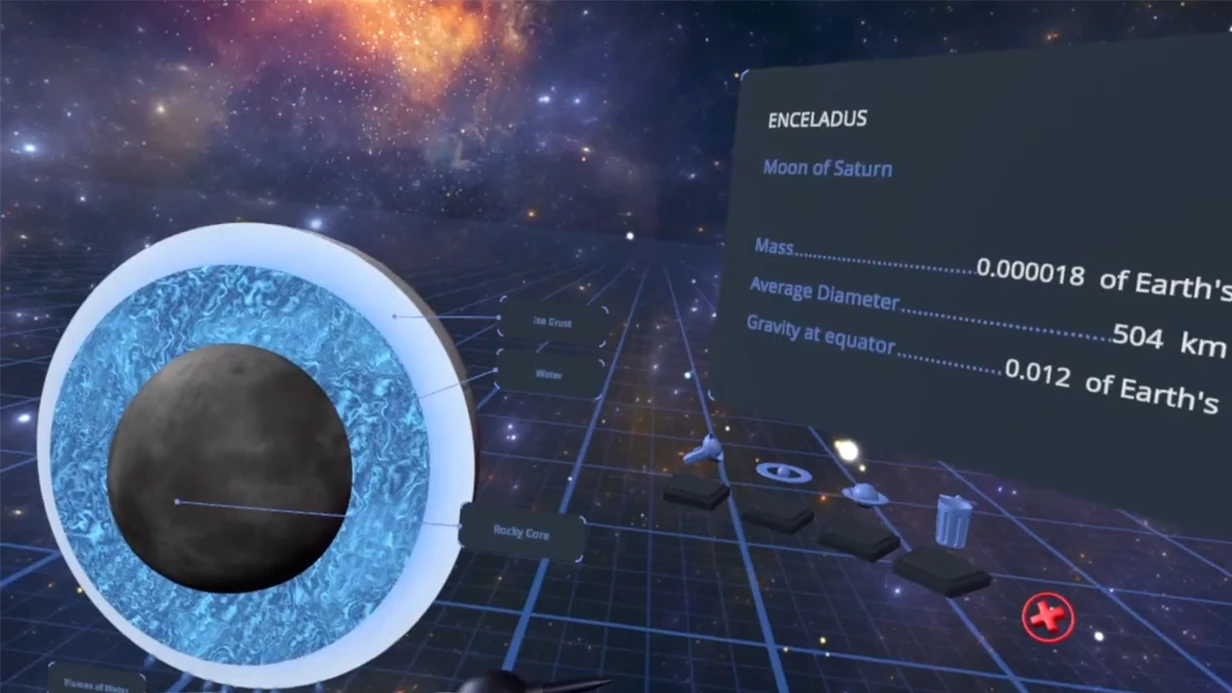
אירוע מקוון הוא לא רק שידור וידאו, אלא סביבה מלאה שבה אורחים מתקשרים עם המוצר וזה עם זה. אין מרחב וירטואלי אחד שמתאים לכולם: מה שעובד מצוין למצגת השקת מוצר לא יתאים לנטוורקינג לא פורמלי בין משתתפים.
לכן אנחנו מתחילים לא מהחזות אלא מהמטרה שלכם — ואז בונים את הפורמט הנכון סביבה.
לשם הבהירות, נשווה את שלוש האפשרויות המרכזיות שהלקוחות שלנו מזמינים לרוב.
| פורמט | למי | מה הוא נותן ללקוח |
|---|---|---|
| תערוכה וירטואלית | יצרנים ומפיצים שצריכים להציג עשרות פריטים ולאסוף פניות | חשיפה למבקרים מכל עיר, גישה לדוכנים מסביב לשעון, חיסכון בשכירות ולוגיסטיקה, איסוף פרטי קשר אוטומטי |
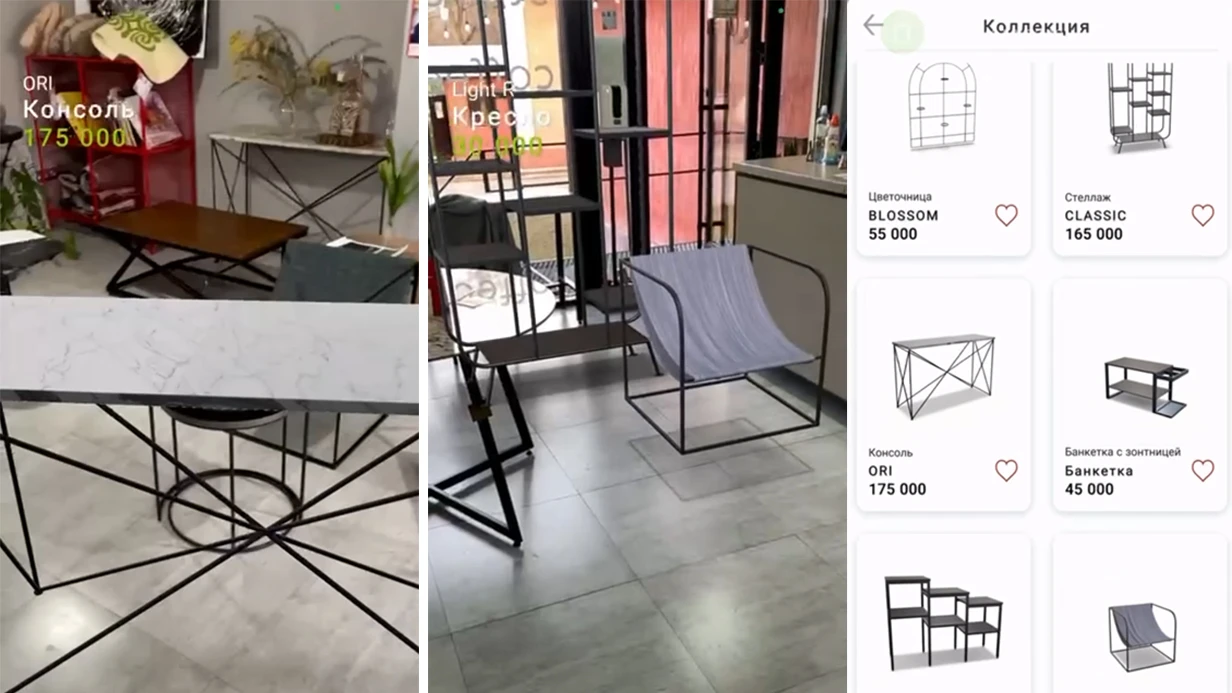
| אולם תצוגה תלת-ממדי | מותגים עם מוצר ייחודי — מכוניות, נדל"ן, פנים, ציוד | צפייה במוצר קרובה ככל האפשר למציאות, מעורבות רגשית, תמונות וסרטונים לרשתות החברתיות — פרסום חינמי לאחר ההשקה |
| אולם כנסים | מארגני פורומים, כנסים ואירועים עסקיים שבהם הערך המרכזי הוא הרצאות ודיונים | במה נוחה עם מצגות, מושבי שאלות ותשובות אינטראקטיביים, הקלטת שידור, אנליטיקה לכל הרצאה |
חשוב: אלה לא קטגוריות נוקשות. אנחנו משלבים פורמטים בחופשיות — למשל, אפשר לפתוח אולם כנסים לוובינר בתוך תערוכה וירטואלית. כך אתם מקבלים מרחב שפותר משימה עסקית: מושך, שומר, וממיר מבקרים לפניות.
שלבי פיתוח מרחב אירועים במפתח אחד
פיתוח מרחב וירטואלי לאירוע הוא לא רק הרכבה של מודל תלת-ממדי, אלא פרויקט מלא שמשפיע על התרשמות האורחים ועל תוצאות האירוע. כדי שתדעו מה קורה בכל שלב ותישארו בשליטה על התהליך, חילקנו את העבודה לשלבים ברורים.
- בריף וניתוח משימה — אנחנו לומדים את מטרות האירוע, פרופילי האורחים, והמסרים המרכזיים להעברה. הפלט הוא הבנה ברורה של הפורמט, החשיפה והתקציב.
- קונספט ותסריט — אנחנו מציעים פתרון חזותי והיגיון זרימת מבקרים: מה הם רואים, איך הם מתקשרים, אילו רגשות הם מקבלים. אתם מאשרים את הקונספט לפני תחילת הפיתוח.
- אישור תוכנית ולוח זמנים — אנחנו מסיימים את היקף העבודה, נקודות הביקורת ותאריכי המסירה. אתם תמיד יודעים איפה הפרויקט עומד.
- יישום המרחב — המומחים שלנו בונים אולמות וירטואליים, ממלאים אותם בתוכן, ומגדירים מנגנוני אינטראקציה. אנחנו מציגים גרסאות ביניים מעת לעת לצורך התאמות.
- בדיקות והכנה להשקה — אנחנו בודקים יציבות במכשירי האורחים, מתקנים תקלות, ומלוטשים את המקום. אתם מקבלים סביבה מוכנה להשקה.
- השקה ותמיכה — אנחנו מתחזקים את המרחב במהלך האירוע, פותרים שאלות במהירות, ועוזרים לאורחים להתמצא. לאחר האירוע, אנחנו מעבירים אנליטיקה וחומרים לדיווח שלכם.
גישה זו מאפשרת לכם לשלוט בתהליך בלי להיכנס לפרטים טכניים, והתוצאה הופכת לצפויה. בכל שלב, אתם יודעים מה תקבלו בסוף ויכולים להשפיע על הפרויקט לפני ההשקה.
מה כלול במסירת המקום הווירטואלי
חבילת המקום הווירטואלי היא פתרון מלא, לא מוצר חצי גמור. אתם מקבלים כל מה שצריך כדי להריץ אירוע: מהמרחב התלת-ממדי ועד הוראות לצוות שלכם. אין הרכבה עצמית ואין אישורים ארוכים — אתם מתחילים להשתמש במקום מיד לאחר המסירה.
החבילה הבסיסית כוללת:
- מודל תלת-ממדי של המרחב. עיצוב לפי המותג שלכם, ניווט נוח. האורחים מרגישים את אווירת האירוע במקום רק לפתוח טאב נוסף.
- ממשק מבקרים. כפתורים ברורים, צ'אט, ניווט בחדרים — המשתתפים לא מבזבזים זמן בלימוד המערכת ומוצאים בקלות את האזורים שהם צריכים.
- אינטגרציות עם השירותים שלכם. הרשמה, תשלומים, שידורי וידאו, רשתות חברתיות — אנחנו מחברים מה שהחברה שלכם כבר משתמשת בו כדי שלא תקבלו מערכות נוספות.
- מילוי תוכן. אנחנו מעלים את הסרטונים, המצגות, התמונות והטקסטים שלכם לאולם הווירטואלי. כל מה שאנחנו צריכים מכם זה חומרי מקור — אנחנו נטפל בשאר.
- הוראות למנהלים ולאורחים. מדריכים קצרים וברורים: איך להגדיר גישה, איך להריץ מושב, מה לעשות אם למשתתפים יש שאלות.
- תמיכה טכנית. המהנדסים שלנו זמינים במהלך ההשקה ולאורך כל האירוע. אתם אף פעם לא מתמודדים עם בעיות לבד — זמני תגובה מוסכמים מראש.
- אנליטיקת נוכחות. לאחר האירוע, אתם רואים כמה אורחים הגיעו, איפה הם בילו הכי הרבה זמן, ואילו אזורים היו מעניינים יותר. זה הבסיס לתכנון אירועים עתידיים.
איך שילשנו את החשיפה: מקרה בוחן של לקוח
מה שחשוב כאן הוא לא טכנולוגיה אלא תוצאות מדידות. ניקח מקרה אמיתי: מארגן תערוכה עסקית רצה להרחיב את קהל האירוע בלי להוציא כסף על אולם נוסף.
הצענו דוכן תערוכה וירטואלי — אורחים יכלו "להסתובב" בתערוכה, לצפות בדוגמאות, ולדבר עם נציגים, הכל מכל מכשיר.
מה קרה במקום
המבקרים בילו בממוצע 12 דקות בדוכן הווירטואלי, בעוד שבאתרי אירועים רגילים המדד הזה רק לעתים רחוקות עולה על כמה דקות.
הודות לנקודות תוכן אינטראקטיביות, האורחים לא רק דפדפו בין דפים — הם ממש חקרו מוצרים: חצי מהם פתחו חומרים של לפחות מציג אחד.
אחד מכל שלושה מבקרים חזר לדוכן — למשל, כדי לצפות שוב בהקלטת מצגת או לשאול שאלת המשך.
תוצאות שהלקוח ראה
האפקט המרכזי — החשיפה גדלה פי 3: 2,000 איש השתתפו בתערוכה הפיזית, בעוד למעלה מ-6,000 ביקרו בגרסה הווירטואלית. כמעט חצי מהאורחים היו מחוץ לעיר — הם הצטרפו כי לא נאלצו לבזבז זמן על נסיעות.
במהלך שבועיים שבהם הדוכן היה פעיל, החברה קיבלה פי 2.5 יותר פניות מאשר באירוע הפיזי — ולא שילמה על שכירת שטח נוסף.
הלקוח היה מרוצה מהמדדים והזמין מאיתנו מרחב וירטואלי נוסף לכנס השותפים השנתי שלהם. עבורנו, זה מאשר: פורמט וירטואלי מעוצב נכון עובד למטרות עסקיות — מושך קהלים חדשים, מחזיק תשומת לב, ומניע פניות ספציפיות. אם תרצו, נעבור על הפרטים של התסריט שלכם בייעוץ חינמי.
איך לבחור את הפורמט הנכון למשימה שלכם?
בחירת פורמט מתחילה לא בטכנולוגיה אלא במטרת האירוע. אם אתם צריכים להעביר מצגת במהירות ל-50 משתתפים, חדר ווב קל משקל מספיק.
אם המשימה היא להציג מוצר בפירוט, לאסוף פניות, ולהחזיק את תשומת הלב של המבקר במשך 10–15 דקות, אולם תצוגה תלת-ממדי מתאים יותר.
תערוכה רחבת היקף עם עשרות דוכנים דורשת מרחב וירטואלי מלא עם ניווט, אזורי נטוורקינג, ואולם לתוכנית העסקית.
הקריטריון השני הוא התסריט והקהל. וובינרים קצרים דורשים כניסה מהירה בלי התקנה, בעוד מצגת חווייתית יכולה להרשות לעצמה גרפיקה עשירה יותר.
חשוב לשלב אלמנטים מעורבים: אינטראקטיביות, חומרי וידאו, ויכולת לשאול שאלה ליועץ. הפורמט צריך להתאים ליכולות הטכניות של האורחים — ככל שהגישה פשוטה יותר, כך ההמרה לפניות וביקורים חוזרים גבוהה יותר.
השיקול השלישי הוא דרישות תוכן ואינטגרציות. אם אתם צריכים לחבר CRM, אנליטיקת ביקורים או תשלומי סיורים, זה נבנה מההתחלה.
צוות מנוסה יעזור לכם לבחור פתרון שפותר את המשימה בלי לשלם יותר מדי על אפשרויות מיותרות.
לעתים קרובות מתברר שבמקום מרחב VR יקר, מספיק אולם תצוגה וירטואלי עם פנורמות, נקודות עניין וצ'אט — והוא משיג אפילו תוצאות חשיפה טובות יותר.
בשלב הבריף, אנחנו שואלים שאלות על מטרות, מספר אורחים, משך אירוע ופעולות צפויות. על סמך התשובות, אנחנו מציעים שניים או שלושה פורמטים ספציפיים עם טווח תקציב ולוח זמנים.
אתם בוחרים מה שמתאים למשימה שלכם במקום להתאים את המשימה לפתרון אופנתי — ככה אתם מקבלים מקום שבאמת עובד לתוצאות.
מענה על חששות נפוצים לגבי מקומות וירטואליים
אנחנו מבינים: לפני השקת מקום וירטואלי, עולות שאלות — מתקציב ועד אבטחה. הנה התשובות המרכזיות כדי שתוכלו לקבל החלטה בבהירות מלאה.
כמה עולה פיתוח חדר וירטואלי ומתי הוא מחזיר את ההשקעה?
העלות תלויה בהיקף: מספר אולמות, תוכן, אינטגרציות. אנחנו נותנים את הנתון הסופי אחרי הבריף — הוא לא משתנה בדרך.
ברוב המקרים, מקום וירטואלי מחזיר את עצמו דרך חיסכון בשכירות, לוגיסטיקה וחומרים מודפסים, ומרחיב את החשיפה: אורחים מכל עיר יכולים להשתתף בלי הוצאות נסיעה.
האם קשה לארגן אירוע כזה?
לא. אנחנו מטפלים בצד הטכני: בחירת פתרונות, העלאת תוכן, הגדרות. כל מה שאתם צריכים לעשות זה לספק חומרים ולהזמין אורחים.
יום לפני האירוע אנחנו עורכים חזרה טכנית, ובמהלך השידור המהנדסים שלנו זמינים — אתם מתמקדים בתוכנית, לא בטכנולוגיה.
באילו מכשירים זה יעבוד?
החדר הווירטואלי נפתח בדפדפן במחשב, טאבלט או סמארטפון — אין צורך בהתקנת אפליקציה. האורחים נכנסים דרך קישור ישירות. אנחנו בודקים תאימות לדפדפנים פופולריים ומתאימים את הממשק למסך כך שכל משתתף מקבל חוויה זהה.
עד כמה הנתונים והתוכן מאובטחים?
הגישה למקום מבוקרת: אתם מחליטים מי יכול להיכנס, לצפות בתוכן ולתקשר. חומרים מתפרסמים לפי פקודתכם. נתונים מועברים בערוצים מאובטחים, כך שמידע מסחרי ומצגות נשארים בתוך האירוע.
מה קורה אחרי ההשקה אם משהו משתבש?
אנחנו לא נעלמים אחרי מסירת הפרויקט. ביום האירוע, צוות תורן עוקב אחר היציבות. אם מבקרים נתקלים בבעיה, אנחנו פותרים אותה תוך דקות.
לאחר האירוע, אתם מקבלים דוח ותמיכה: אנחנו יכולים לשפר את המקום למושב הבא או לעדכן תוכן בלי לשנות את כל המבנה.
מוכנים להשיק מרחב וירטואלי? קבלו הערכת עלות
השאירו פנייה — ועד יום העסקים הבא נשלח הערכת עלות ראשונית למשימה שלכם. אנחנו מסירים את כל אי-הוודאות: אתם מקבלים לא "מא' עד ת'" מופשט, אלא פרטים על פורמט, לוח זמנים ותקציב. אין עמלות נסתרות ואין "הפתעות" בשלב הסופי.
מילוי הטופס לוקח כמה דקות. אחרי זה, אנחנו מנתחים את המצב שלכם: בודקים מה כבר יש לכם, איזו תוצאה אתם צריכים, ומה יביא אתכם לשם הכי מהר. ואז שמים הכל במייל קצר.
מה תקבלו אחרי שליחת הפנייה:
- שיחה קצרה במסנג'ר נוח — אנחנו מבהירים מטרות, קהל וציפיות.
- הערכת עלות בשתיים או שלוש אפשרויות: מחדר מקוון קומפקטי ועד אולם תצוגה תלת-ממדי בקנה מידה מלא.
- דוגמאות של פרויקטים קודמים שלנו כדי שתראו את הסגנון והרמה לפני תחילת העבודה.
- לוחות זמנים מדויקים ושלבי יישום — בלי "זה תלוי..." מעורפל או שינויים מפתיעים.
- תוכנית מעוגנת בחוזה ומנהל פרויקט ייעודי לאורך כל הדרך.
- תמיכה לאחר ההשקה: אנחנו מאמנים את הצוות שלכם, עוזרים עם תוכן, ומכסים את העדכונים הראשונים.
איתנו, אתם מקבלים תהליך צפוי ותוצאה שמתחילה לספק ערך לעסק שלכם מיד לאחר הפרסום. מרחב וירטואלי שמחזיר את עצמו דרך חשיפה, מעורבות אורחים ופניות חדשות הוא לא קסם — זה תהליך מובנה היטב. השאירו פנייה או כתבו לנו במסנג'ר — נשלח הערכת עלות תוך יום עסקים אחד.