

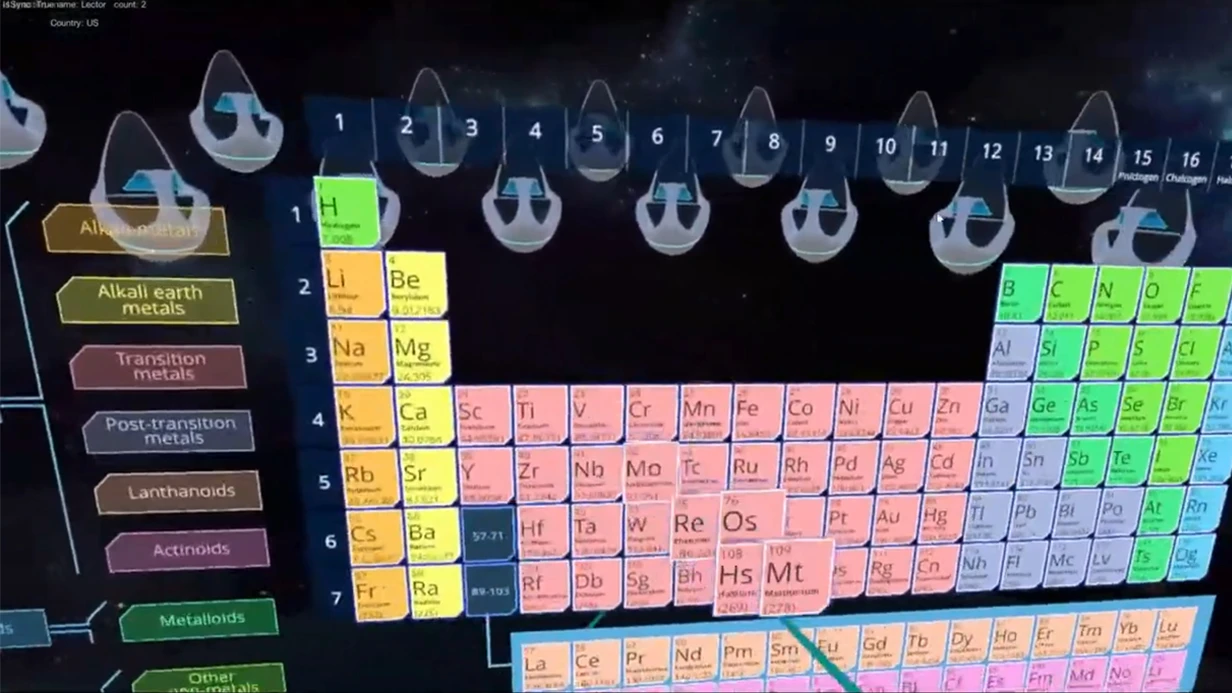


התערוכה שלכם מאבדת מבקרים? הפיכת וידאו ל-360 VR פותרת את זה
וידאו סטטי בדוכנים הוא תוכן פסיבי. מבקר מציץ בקליפ ובמשך כמה שניות עובר לדוכן השכן, כי שום דבר לא תופס את תשומת ליבו.
כתוצאה מכך, התערוכה רצה על ריק: ההשקעות בציוד ובהפקה נעשו, אבל אין עניין אמיתי או קשר בלתי נשכח עם המותג.
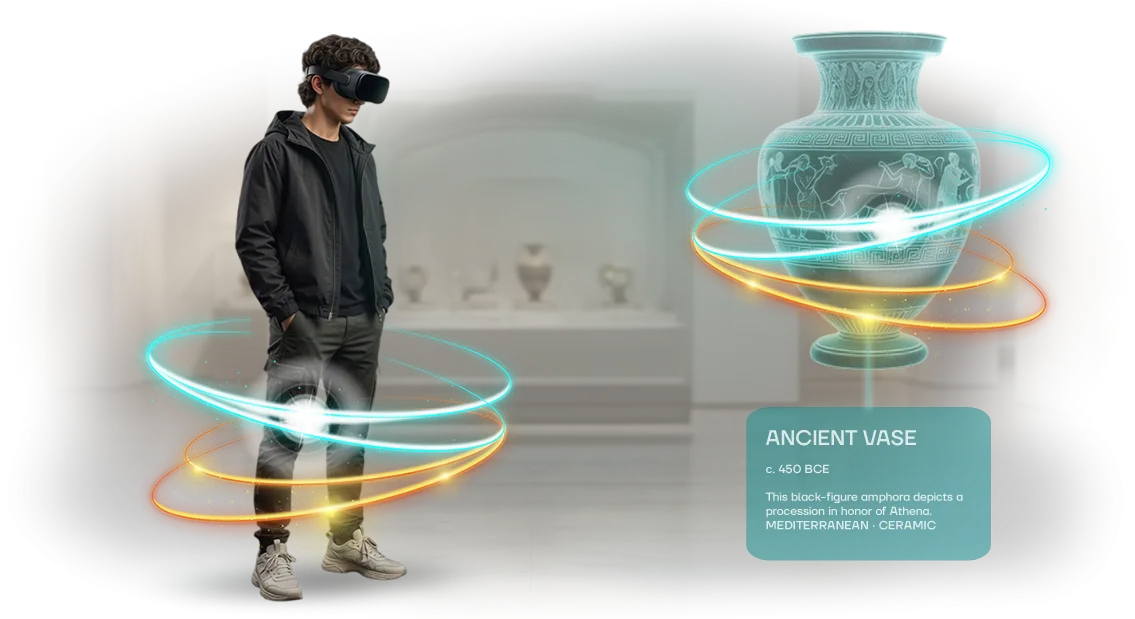
תערוכה וירטואלית עם וידאו 360 VR משנה את מכניקת האינטראקציה.
במקום מסך לא אישי, אתם נותנים למבקר את התפקיד של חוקר: הוא סורק את החלל בעצמו, מתקרב לפרטים, בוחר את הזווית — זה מעורר סקרנות אמיתית ורצון להישאר זמן רב יותר.
דוכן אינטראקטיבי הופך לנקודת משיכה, שבה אורחים לא רק צופים אלא משתתפים, ולכן מבלים משמעותית יותר זמן עם המוצר שלכם.
יותר זמן בדוכן משמעותו סיכוי גבוה יותר להפוך עניין לקשר. וידאו 360 VR קל להמיר מחומרים קיימים, כך שאתם מקבלים פורמט מרתק ללא צילומים חוזרים ועלויות נוספות.
מבקרים זוכרים חוויה כזו, מדברים עליה אחרי האירוע ומשתפים את התרשמותם — זו חשיפה נוספת שממשיכה לעבוד הרבה אחרי סגירת התערוכה.
אנחנו ממירים את סרטוני הווידאו הקיימים שלכם לוידאו 360 VR ומטמיעים אותם בתערוכה וירטואלית או בדוכן אינטראקטיבי. אנחנו לוקחים על עצמנו את כל המחזור: מהערכת החומרים ועד השקת הפתרון המוכן, כך שאתם מקבלים תוצאה שבאמת מושכת ושומרת על מבקרים.
שלוש סיבות להפוך וידאו ל-360 VR לעסק שלכם
וידאו רגיל מציג את המוצר אבל לא מאפשר לצופה לחוות אותו. בפורמט 360 VR, הצופים בוחרים בעצמם לאן להסתכל ועל מה להתמקד — אינטראקציה כזו נזכרת חזק יותר ומביאה לעסקים שלוש תוצאות מדידות.
לפי Statista, פורמטים אינטראקטיביים מחזיקים תשומת לב פי כמה יותר מאשר וידאו שטוח. לכן המרת וידאו ל-360 VR משתלמת לחברות שרוצות לבלוט מול מתחרים.
- מעורבות מבקרים. אדם לא גולל בפיד אלא חוקר את החלל שלכם: בוחן את הפנים, מתקרב לפרטים, חוזר לזוויות אהובות. ככל שהמגע ארוך יותר, כך האמון במוצר והנכונות לקנות גבוהים יותר.
- חשיפה ומודעות למותג. סרטוני 360 נוחים לצפייה בטלפון, בטאבלט ובמשקפי VR, ולכן אנשים משתפים אותם ברצון ברשתות חברתיות ובמסרים. כל שיתוף הוא אזכור חינמי של המותג, והפורמט החריג נשאר בזיכרון לאורך זמן כחוויה אישית.
- יצירת לידים ישירה. כפתורי הזמנה, טפסי יצירת קשר וקודי קידום ניתן למקם בנקודות מפתח בסצנה. הצופה עושה את הצעד הבא מבלי לעזוב את הווידאו — אתם מקבלים קשר ללא שרשרת פעולות מיותרת.
אנחנו לוקחים את הווידאו המוגמר שלכם והופכים אותו ל-360 VR המותאם למטרות היחידה העסקית, סוג הקהל וערוצי השיווק. אין צורך לצלם מחדש את החומר — אנחנו הופכים וידאו קיים לכלי מסחרי חדש.
פורמטים של תערוכה וירטואלית למשימות שלכם
חלון ראווה צריך לפתור משימה עסקית, לא רק להיראות יפה. לכן לפני ההשקה אנחנו עובדים איתכם כדי להגדיר את המטרה: למשוך מבקרים בקנה מידה רחב, להציג את המוצר בפירוט, או לשלב כמה תרחישים.
לכל משימה יש פורמט מתאים — מסיור 360 קל ועד חדר תצוגה VR ופתרונות היברידיים.
| פורמט | למי | מה הוא נותן ללקוח |
|---|---|---|
| סיור 360 | חברות שצריכות התחלה מהירה וחשיפה רחבה | צפייה קלה מכל מכשיר, חסם כניסה נמוך למבקרים ופרסום מהיר |
| חדר תצוגה VR | מותגים עם מוצר ייחודי שבו לטבילה יש חשיבות | היכרות עמוקה עם המוצר, שליטה בתשומת לב המבקרים ומעורבות גבוהה |
| תערוכה היברידית | מארגני אירועים ותערוכות קבועות | שילוב קהלים מקוונים ולא מקוונים, תרחישי תצוגה מרובים ואיסוף נתוני התנהגות |
הפורמטים נבדלים לא בטכנולוגיה אלא בתרחיש התנהגות המבקר. סיור 360 טוב לצפייה מהירה, חדר תצוגה VR מחזיק תשומת לב, ותערוכה היברידית מאפשרת לשלב בין שתי הגישות ולשנות אותן תוך כדי עבודה.
נייעץ לכם איזו אפשרות או שילוב לבחור למטרה שלכם ונוודא השקה בזמן וללא הפתעות.
המהנדסים שלנו משתמשים בכלים מוכחים, כך שאתם מקבלים תוצאה יציבה, וניתן להרחיב את הפורמט בקלות אם צריך. כך אתם משלמים על פתרון שעובד עבור העסק שלכם, לא על טכנולוגיה לשם טכנולוגיה.
איך אנחנו עושים הפיכת וידאו ל-360 VR: תהליך שלב אחר שלב
אנחנו הופכים וידאו רגיל לסיור 360 מלא שעובד על כל מכשיר — מסמארטפון ועד משקפי VR. התהליך בנוי כך שאתם שולטים בכל שלב ויודעים מראש מה תקבלו כתוצאה.
- בריף ובדיקת חומרי מקור. אתם מספרים לנו על המטרה, הקהל והפלטפורמה שבה הסיור יחיה. אנחנו בודקים את החומרים וקובעים מיד אילו סצנות לחזק ומה עדיף להחליף.
- תוכנית והערכת עלות. אנחנו קובעים את לוח הזמנים, העלות ופורמט התוצאה: חדר תצוגה תלת-ממדי מלא, וידאו 360 לרשתות חברתיות או סיור וידאו אינטראקטיבי.
- אישור קונספט. אנחנו מציגים קטע ניסיון עם ניווט ונקודות עניין. אתם רואים את ההיגיון של הסיור ועורכים שינויים לפני תחילת העבודה המרכזית.
- יישום. אנחנו ממירים את הווידאו ל-360°, מגדירים מעברים חלקים בין סצנות, מוסיפים תיאורי מוצר וכפתורי פעולה. הכל נפתח בדפדפן ללא התקנת תוכנה.
- בדיקות ועידון. אתם בודקים את הסיור במכשיר שלכם, אנחנו אוספים משוב ומבצעים שינויים מבלי לדחות את תאריך ההשקה.
- השקה. אנחנו ממקמים את התערוכה באתר שלכם או ב-YouTube, מגדירים קישורים וגישה לעובדים, ומראים לכם איך להשתמש בסיור אם צריך.
- תמיכה לאחר השקה. אנחנו נשארים בקשר, מעדכנים תוכן, מוסיפים אובייקטים חדשים ופותרים בעיות טכניות.
בסופו של דבר, אתם מקבלים לא רק וידאו מומר אלא כלי שמחזיק את תשומת לב המבקרים ומייצר פניות. אנחנו דואגים לכל הצד הטכני — כל מה שנשאר לכם זה לקבל את התוצאה ולהשפיע על התוכן שלה.
מה כלול ביצירת תערוכת VR
אנחנו לוקחים את סרטוני המקור שלכם והופכים אותם לתערוכת VR מלאה על בסיס מפתח. חבילת השירות כוללת עריכת וידאו, אלמנטים אינטראקטיביים, אינטגרציה לאתר והדרכת צוות — כל מה שצריך כדי לקבל כלי עובד ולא הדגמה טכנית.
אנחנו מארגנים את היקף העבודה בתכנית ברורה: קודם מנתחים את החומרים, אחר כך בונים את הסביבה האינטראקטיבית, לאחר מכן מטמיעים אותה באתר ומוסרים אותה לעובדים עם הדרכה.
בכל שלב אתם רואים את התוצאה הביניים ועורכים שינויים, כך שהגרסה הסופית לא מגיעה כהפתעה.
מה כלול בעבודה:
- עריכת וידאו של הקליפים המקוריים למרחב אחד של 360 מעלות — מעברים חלקים בין סצנות;
- הגדרת אינטראקטיביות: נקודות ניווט, תיאורי מוצר, קטעי וידאו וכפתורי פנייה;
- התאמה לסמארטפונים, טאבלטים ומשקפי VR — המבקר בוחר את הפורמט הנוח;
- אינטגרציה לאתר — התערוכה מוטמעת בעמוד הרצוי או בחלון מודאלי ללא שינוי הפלטפורמה;
- הדרכת עובדים — איך להוסיף סצנות, לעדכן תוכן ולצפות בסטטיסטיקות.
אנחנו קובעים את לוח הזמנים בחוזה. תערוכה בסיסית של 3–5 סצנות אורכת 2–4 שבועות, בעוד פרויקט מורכב עם קטלוג גדול אורך עד חודשיים. אתם תמיד מבינים באיזה שלב נמצאת העבודה ומה יקרה בהמשך.
כתוצאה מכך, אתם מקבלים ערוץ מכירות מוכן: לקוחות נעים במרחב, בוחנים פרטים ומשאירים פניות מבלי לעזוב את האולם הווירטואלי.
מקרה בוחן: תערוכה וירטואלית ליצרן רהיטים
יצרן רהיטים תחת המותג «МебельПрофи» פנה אלינו עם משימה: להעביר את תצוגת התערוכה השנתית לפורמט מקוון מבלי לאבד את אפקט הנוכחות החיה.
בעבר, מבקרים יכלו לראות דוגמאות רק בדוכן; עכשיו היה צריך להציג את העיצוב והמרקם באמצעות וידאו שהומר לפורמט 360.
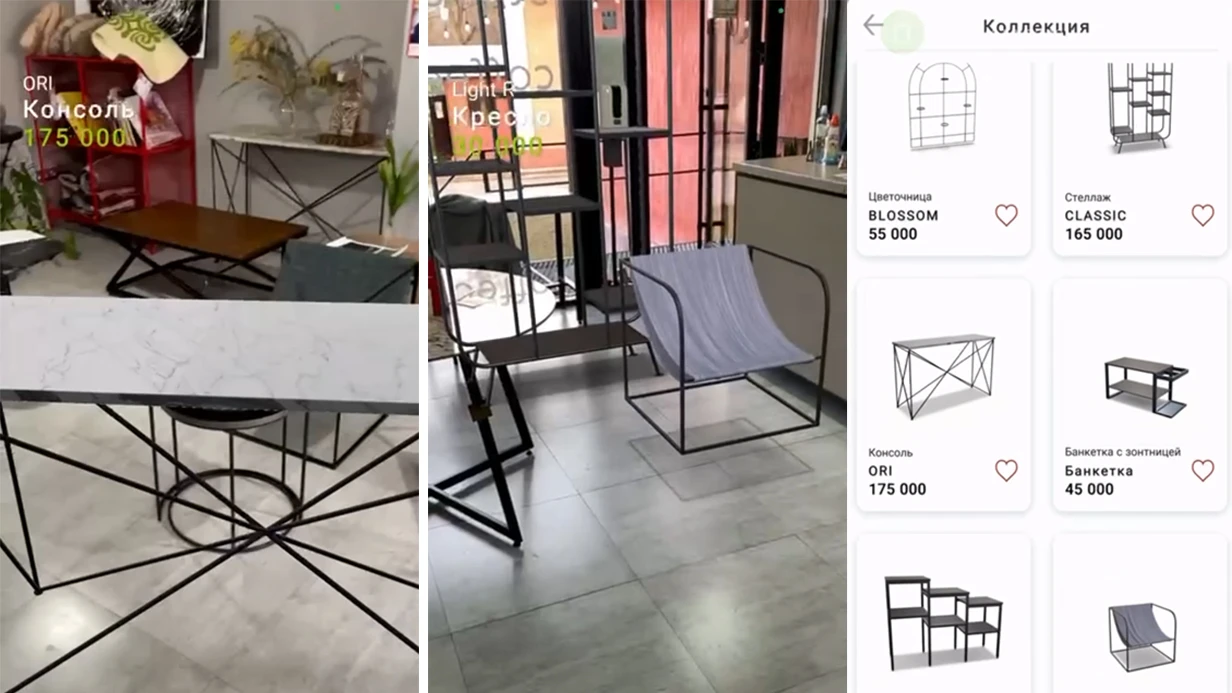
הפכנו סרטוני תערוכה רגילים לאולמות וירטואליים אינטראקטיביים. כל מבקר "הולך" באופן עצמאי בתערוכה, עוצר בדגמים האהובים עליו, פותח סקירות וידאו ומיד משאיר פנייה לחישוב עלות.
התוצאה הייתה חנות תצוגה מקוונת מלאה שעובדת מסביב לשעון ואינה דורשת שכירות שטח.
תוצאות במספרים
במהלך האירוע, יותר מ-12,000 איש ביקרו בתערוכה הווירטואלית — פי שלושה יותר מאשר בדוכן הפיזי במשך כל האירוע. זמן השהייה הממוצע בתערוכה עלה מ-1.5 ל-4.5 דקות, וההמרה לפניות עלתה ב-32%. התברר שהקונים לא רק צופים בסרטונים אלא באמת לומדים את המוצר.
חודש לאחר מכן, הלקוח חזר עם בקשה חדשה — ליצור את אותו פורמט לשלוש קולקציות חדשות. עכשיו חנויות תצוגה וירטואליות הפכו לחלק מהעבודה השוטפת עם משווקים: הם משתמשים בהן במשא ומתן, ולקוחות משתמשים בהן כדי לבחור רהיטים מבלי לבקר בחנות.
זה מאשר שהמרת וידאו לפורמט 360 עובדת לא כקמפיין חד-פעמי אלא ככלי מכירות שיטתי.
אנחנו עונים על שאלות נפוצות על תערוכות וירטואליות
לקוחות לעתים קרובות דוחים השקת תערוכה וירטואלית כי לא ברור: כמה זה עולה, כמה מהר ייעשה, האם זה ייפתח למבקרים, והאם חובה לקנות משקפי VR. בואו נפרק את הספקות העיקריים — בקצרה ולעניין.
כמה עולה פיתוח תערוכה וירטואלית?
העלות תלויה בהיקף: מספר המוצגים, מורכבות הסצנות והפונקציות הנדרשות. פרויקט בסיסי מתחיל מעלות המחושבת לאחר בדיקת חומרים — פלטפורמת תלת-ממד מוכנה עם ניווט והעלאת חומרים.
לרוב, לקוחות בוחרים חבילה בעלות המחושבת לאחר בדיקת חומרים, הכוללת עיצוב מותאם אישית, אנימציות ואחסון בדומיין שלכם.
אנחנו קובעים את האומדן בתחילת הדרך ואין עמלות נסתרות. אתם תמיד יודעים על מה אתם משלמים, ותוכלו להוסיף אפשרויות נוספות מאוחר יותר.
מהם לוחות הזמנים?
פרויקט טיפוסי אורך 3–6 שבועות מרגע אישור הבריף. במהלך תקופה זו, אנחנו מכינים את המבנה, ממלאים אותו בחומרים שלכם ומבצעים השקת ניסיון. אם התמונות והסרטונים של האובייקטים מוכנים, לוח הזמנים מתקצר לשבועיים.
אנחנו עובדים באיטרציות קצרות: כל כמה ימים אנחנו מציגים גרסת ביניים כדי שתוכלו לראות התקדמות ולערוך שינויים בשלבים מוקדמים.
האם חובה משקפי VR?
לא. התערוכה נפתחת בדפדפן רגיל במחשב, בטאבלט ובסמארטפון — המבקר נכנס דרך קישור וחוקר את המרחב עם עכבר או מגע.
משקפי VR נשארים בונוס נחמד לטבילה מלאה. אנחנו מוסיפים תמיכה במכשירים פופולריים מבלי להגדיל את עלות הפרויקט, אבל זה לא חובה לצפייה.
האם זה יעבוד על כל מכשיר?
אנחנו מייעלים את הגרפיקה כך שהתערוכה תיפתח ברוב המחשבים הניידים, הטאבלטים והטלפונים המודרניים. למכונות חלשות יותר, מסופקת תצוגה מפושטת ששומרת על איכות התמונה ומפחיתה עומס.
לפני ההשקה, אנחנו בודקים תאימות בכל הדפדפנים הפופולריים. אם המבקרים שלכם כוללים מכשירים ישנים, נגדיר אפשרות תצוגה חלופית מראש.
אם עדיין יש לכם שאלות על מחיר, לוחות זמנים או תאימות — כתבו לנו, נציע את הפתרון האופטימלי למשימה שלכם.איך לבחור פורמט תערוכה וירטואלית לתקציב שלכם?
התקציב קובע את ההיקף, לא את הפורמט. קודם כל, החליטו מה התערוכה צריכה לעשות: להציג מוצר, לקיים אירוע או לאסוף פניות. לשם כך, אתם בוחרים סיור 360 VR מווידאו, חדר תצוגה תלת-ממדי או תערוכה וירטואלית מלאה. כל אפשרות פותרת משימה משלה, ותשלום יתר נוצר כשהפורמט לא תואם למטרה.
ייעול עלויות משמעותו לא לשלם על המיותר. אם אתם צריכים לתת במהירות תחושת נוכחות, מספיק להפוך וידאו קיים ל-360 VR. זו האפשרות החסכונית ביותר: אין צילומים חדשים או גרפיקה מורכבת.
בדיקה אינטראקטיבית של המוצר ופניות מהאתר — זה חדר תצוגה תלת-ממדי. מוצגים רבים ותוכנית אירועים — תערוכה וירטואלית עם ניווט בחדרים.
| פורמט | מתי לבחור | תקציב | מה הוא נותן |
|---|---|---|---|
| סיור 360 VR מווידאו | כשצריך להציג במהירות אובייקט | מינימלי | תחושת נוכחות, יכולת הטמעה באתר |
| חדר תצוגה תלת-ממדי | כשהמבקר צריך לבחון את המוצר ולהשאיר פרטי קשר | בינוני | חלון ראווה אינטראקטיבי, פניות ללא שיחת טלפון |
| תערוכה וירטואלית | מוצגים רבים, אירוע לקהל | מורחב | ניווט בחדרים, תוכנית, איסוף פרטי קשר |
אנחנו עוזרים לכם לבחור פורמט לתקציב שלכם: בריף קצר קובע את המטרה וההיקף, ואז אנחנו מציעים את האפשרות האופטימלית. אפשר להתחיל עם סיור 360 VR ולהרחיב אותו לחדר תצוגה — ההשקעה שלכם לא תתבזבז, והתוצאה תעבוד עבורכם.
הזמינו פיתוח תערוכה וירטואלית וקבלו זרם של לקוחות
כדי שלקוחות יגיעו למוצרים שלכם במקום לדפדף בקטלוג, אתם צריכים פורמט שתופס תשומת לב ומציג את המוצר בפירוט.
תערוכה וירטואלית או חדר תצוגה תלת-ממדי פותרים את המשימה הזו — המרת וידאו ל-360 VR מאפשרת להציג את המוצר מכל הצדדים מבלי לדרוש מהמבקרים להתקין תוכנות נוספות.
אנחנו דואגים לכל הצד הטכני, הופכים את החומרים שלכם לפורמט אינטראקטיבי ומטמיעים אותם באתר או ברשתות החברתיות שלכם.
השאירו פנייה — וניצור איתכם קשר תוך יום עסקים אחד, נענה על שאלותיכם ונציע פתרון למשימה שלכם. כך נראית העבודה שלנו:
- פגישת ייעוץ — אנחנו מנתחים את המשימה שלכם ומייעצים איזה פורמט יעבוד הכי טוב: תערוכה מלאה, חדר תצוגה או המרת 360 מהירה.
- חישוב עלות — אנחנו נותנים מחיר מדויק לאחר הבריף, ללא עמלות נסתרות או אפשרויות כפויות. אתם מבינים על מה אתם משלמים.
- בחירת פתרון — אנחנו מציעים אפשרות שפותרת בדיוק את הבעיה העסקית שלכם: הגדלת חשיפה, שיפור המרה או הדגמת מוצר מורכב.
- דוגמאות ומקרי בוחן — אנחנו מציגים עבודה לענף שלכם: קמעונאות, ייצור, נדל"ן, חינוך. אתם רואים את התוצאה לפני ההתחלה.
- לוחות זמנים ברורים — אנחנו קובעים את תאריך ההשקה בחוזה ועומדים בו. הפרויקט הממוצע אורך 2–3 שבועות.
- תמיכה לאחר השקה — אנחנו עוזרים בעדכונים, בודקים יציבות העבודה ומייעצים איך להשתמש בתערוכה כדי למשוך לקוחות.
מלאו את הטופס בעמוד זה — ציינו זמן נוח לשיחה ותארו בקצרה את המשימה שלכם. נחזור אליכם, נראה מקרי בוחן רלוונטיים ונכין הערכת עלות באותו היום.
אתם לא צריכים להיכנס לפרטים טכניים: נהפוך את הווידאו שלכם לכלי שמביא לקוחות ומגדיל מכירות.