



כיצד שדה תעופה יכול להגדיל הכנסות באמצעות סיור וירטואלי
נוסעי שדה התעופה הם זרם לקוחות מוכן, שכבר שילמו עבור כרטיס ונמצאים בתוך המתחם שלכם.
עם זאת, רובם מבלים את זמן ההמתנה מבלי לדעת אילו שירותים ואזורים זמינים בטרמינל: טרקליני עסקים, חנויות, בתי קפה, חדרי ילדים, העברות VIP.
כתוצאה מכך, שדה התעופה מפסיד הכנסות, למרות שקיימות הזדמנויות למכירות נוספות בכל טרמינל.
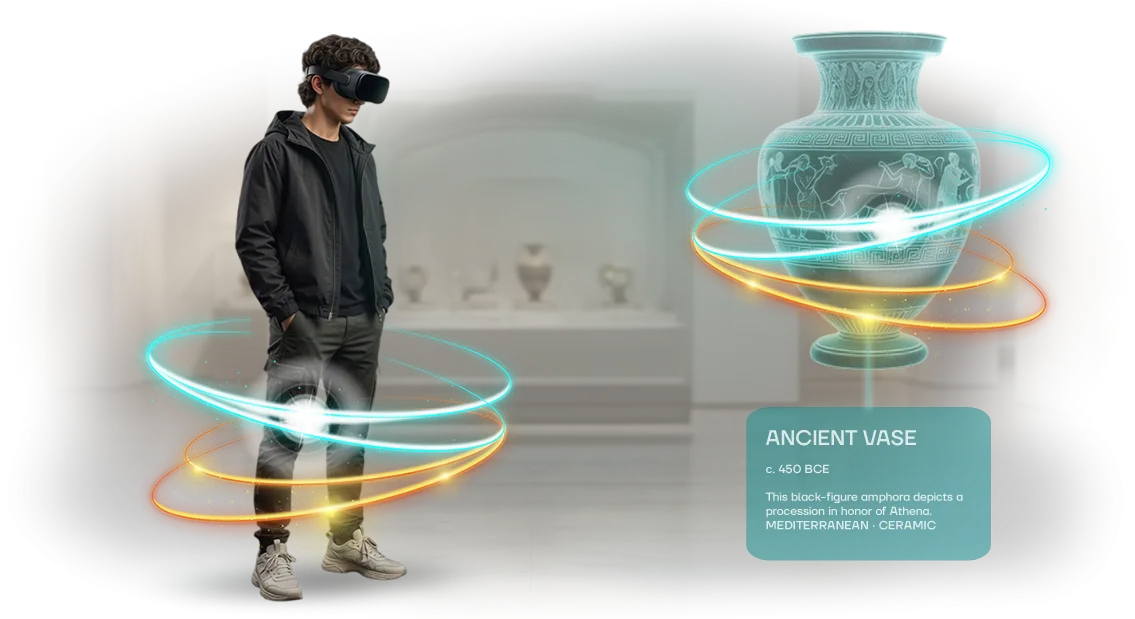
סיור תלת-ממד וירטואלי פותר בעיה זו: הוא מראה לנוסע את כל מה שזמין בשדה התעופה עוד לפני שהוא מגיע לאזור היציאה. הלקוח רואה ניווט, רשימת שירותים, אזורי מנוחה נעימים וחנויות — ומפתח רצון לדעת לאן ללכת ומה לנסות. זה הופך המתנה פסיבית לצריכה מודעת, והופך כל נוסע לקונה פוטנציאלי.
ההשפעה המרכזית של סיור כזה היא גידול בהכנסות נוספות ללא הרחבת תשתיות. אתם לא בונים חללים חדשים; אתם פשוט מציגים הזדמנויות קיימות בפורמט אטרקטיבי.
הנוסעים מקבלים תרחיש ברור לניצול זמן פרודוקטיבי, ושדה התעופה זוכה לעלייה בחשבון הממוצע ובתפוסת השוכרים.
חשוב לציין, הסיור הווירטואלי פועל גם ככלי ניווט וגם ככלי מכירה. על ידי הצגת טרקליני עסקים, בתי קפה או חנויות בתלת-ממד ריאליסטי, אתם מסירים את חסם אי-הוודאות: אנשים מוכנים יותר להוציא כסף כשהם יכולים לראות מראש מה מצפה להם.
עבור שדה התעופה, זו גם דרך לאסוף אנליטיקת עניין — אילו חללים מבוקשים, כדי שתוכלו לפתח כיוונים מסחריים בצורה מושכלת.
אנו יוצרים סיורים וירטואליים שמשתלבים בקלות באתר, באפליקציה לנייד או בקיוסקים למידע. בלחיצה אחת, נוסע נכנס לתצוגה התלת-ממדית של הטרמינל שלו, בוחן את ההצעות ומיד בונה מסלול לשירות הרצוי. עבור שדה התעופה, זו דרך פשוטה להגדיל הכנסות מבלי לשנות את היגיון השירות הרגיל.
מדוע לקוחות בוחרים בתערוכות וירטואליות
יתרון 1. הכרת המותג גדלה ללא תקציב פרסום
תערוכה וירטואלית היא כלי קידום מודרני שעובד עבור תדמית שדה התעופה. הנוסעים משתפים את הקישור לסיור, מדברים עליו ברשתות החברתיות, והחשיפה גדלה ללא השקעה נוספת.
יתרון 2. תנועת הנוסעים גדלה בזכות חוויה חדשה
הנוסעים בוחרים שדה תעופה לא רק לפי לוח זמנים אלא גם לפי חוויות. פורמט יוצא דופן — סיור וירטואלי בטרמינל או על מסלול ההמראה — נותן להם סיבה לבחור בכם. לדוגמה, עבור נמל התעופה סוקול יצרנו סיור VR, שלאחריו זרם המבקרים גדל ברבע.
יתרון 3. הכנסות נוספות משירותים בתוך הסיור
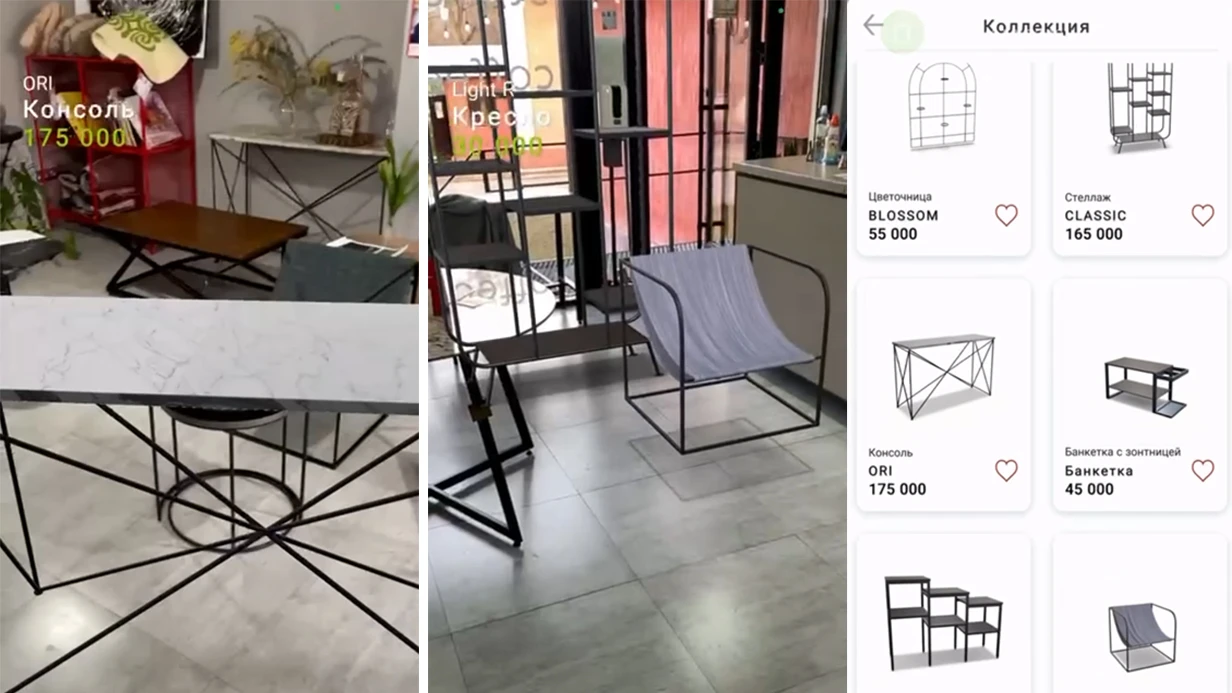
במרחב הווירטואלי אפשר להציג בתי קפה, חנויות, טרקליני עסקים — הנוסעים רואים מיד מה שדה התעופה מציע ולעתים קרובות יותר קונים שירותים נוספים. כך הפרויקט מחזיר את ההשקעה ומניב רווח, ולא רק עובד עבור התדמית.
יתרון 4. נאמנות מוגברת וביקורים חוזרים
לאחר חוויה דיגיטלית חיה, לנוסע יש קשר רגשי עם שדה התעופה. סביר יותר שיחזור וימליץ עליכם לחברים.
יתרון 5. זמינות מסביב לשעון ללא שכירת שטח
הסיור עובד 24/7 מכל מכשיר: הנוסע יכול לחקור את התשתית בבית, בדרך או ממש בטרמינל. אין צורך לשכור מתחמים או להחזיק צוות — חיסכון במשאבים תוך שמירה על ערך עסקי.
פורמטים של סיורים וירטואליים לשדה תעופה
כל פורמט מתחיל במטרה: למשוך נוסעים חדשים, להציג למשקיעים טרמינל חדש או להכשיר עובדים. לשדה תעופה יש כמה קהלים, ולכל אחד מהם צריך שיטת הצגה משלו.
פנורמות 360, סיור תלת-ממד וחוויית VR פותרים משימות שונות — לכן אנחנו לא מוכרים תבנית אוניברסלית אחת; אנו מתאימים את הפורמט למטרת תקשורת ספציפית.
להלן השוואה המבוססת על הניסיון שלנו עם פרויקטים עבור שדות תעופה ומתקני תחבורה. התמקדו במטרה: מוניטין, מכירות השכרה או ניווט תפעולי.
השוואת פורמטים
| פורמט | למי | מה הוא נותן ללקוח |
|---|---|---|
| סיור תלת-ממד עם פנורמות 360 | נוסעים, מועמדים, עיתונות | סקירה מהירה של הטרמינל מכל מכשיר: ניווט בין אזורים, מעברים פוטוריאליסטיים. מגביר אמון ומפחית את זרם השאלות החוזרות. |
| חוויית VR | שותפים, משקיעים, משלחות | שקיעה מלאה באווירת שדה התעופה לפני פתיחת טרמינל חדש. תחושת הנוכחות עוזרת לקבל החלטות שיתוף פעולה מהר יותר. |
| חלל תצוגה אינטראקטיבי | שיווק, בעלי נכסים, מפעילים | חלון ראווה עם אזורים ואזורים מסחריים: הגדרת פריסות, שינוי גימורים, הדגמת מיקומים עתידיים. מאיץ אישורים ומשא ומתן על שכירות. |
אם אינכם בטוחים באיזה פורמט לבחור, נתחיל באזור פיילוט קטן — למשל, סיור תלת-ממד של אזור הצ'ק-אין או חוויית VR למשקיעים. זה יראה תוצאות ויספק בסיס להרחבה לכל הטרמינל.
כיצד פועל פיתוח סיור וירטואלי: 7 שלבים
אנו מבינים שהשאלה הראשונה של הלקוח היא, "מה בדיוק אקבל וכמה זמן זה ייקח?" לכן תהליך הפיתוח מחולק לשבעה שלבים ברורים: תמיד תוכלו לראות את שלב הפרויקט ולהשתתף בהחלטות מפתח. זה מסיר אי-ודאות ואת הסיכון לקבל משהו בלתי צפוי בסוף.
-
בריף והבנה של מטרות שדה התעופה. אנו מבהירים את מטרות הסיור: להראות לנוסעים את נוחות הטרמינלים, להציג טרקלין המתנה חדש או להציג את ההיסטוריה של חברת התעופה. אנו מתעדים את כל האזורים שצריכים להיכלל במסלול.
-
פיתוח התסריט והמבנה. אנו יוצרים מסלול הגיוני: כיצד אדם נע בשדה התעופה הווירטואלי, מה הוא רואה ראשון, לאן הוא יכול "לפנות". אנו מגדירים נקודות עניין מרכזיות והדגשים סמנטיים.
-
אישור הקונספט עמכם. אנו מציגים את מבנה הסיור העתידי בתרשים ובתיאור טקסטואלי. אתם מבצעים עריכות לפני שנתחיל לבנות עולמות ויזואליים — זה חוסך זמן ותקציב.
-
יצירת המרחב הווירטואלי. בהתבסס על התוכניות, השרטוטים והתצלומים שלכם, אנו בונים מודל ריאליסטי של המתחמים: טרמינלים, דלפקי צ'ק-אין, אזורי מנוחה, טרקליני עסקים. הנוסעים שלכם ינווטו בו באופן אינטואיטיבי.
-
מילוי הסיור באינטראקטיביות. אנו מוסיפים נקודות עם מידע מפורט, מדריך קולי, כפתורי ניווט מובנים ומעברים בין מיקומים. אנו גם משלבים אלמנטים של מותג — לוגואים, צבעי חברה, שלטים.
-
בדיקות וניפוי באגים. אנו בודקים כיצד הסיור מתנהג במחשבים, טאבלטים וסמארטפונים. אנו מוודאים שהכל נטען בצורה אמינה, ללא עיכובים, ושהבקרות פשוטות אפילו למשתמש לא מוכן.
-
השקה ותמיכה. אנו מוסרים את הפרויקט המוגמר והוראות לפרסום באתר, ומספקים תמיכה טכנית במהלך ההפעלה. במידת הצורך, אנו מעדכנים תוכן — מוסיפים אזורים או חומרים חדשים.
מה כלול במסירה: חבילה מלאה ללקוח
אתם מקבלים לא רק סיור VR מוגמר של שדה התעופה, אלא חבילת מסירה מלאה שתוכלו להמשיך לעבוד איתה. כל הרכיבים נשארים שלכם: מקבצי מקור ועד זכויות שימוש. כך אינכם תלויים בנו בעדכון מידע על טיסות, אזורים או שירותים.
הנה מה שכלול בחבילה:
- קבצי מקור של הפרויקט: מודלים, טקסטורות, סצנות ונכסים בגרסה העדכנית, עם מבנה ברור.
- תיעוד: תיאור הארכיטקטורה, התיקיות והרכיבים כך שכל מומחה בצוות שלכם יוכל להבין אותו.
- מדריך הפעלה וניהול: כיצד לעדכן תוכן, לשנות טקסטים ולהוסיף נקודות עניין חדשות.
- הכשרת עובדים: מפגש חי שבו אנו מדגימים תרחישים מעשיים — מהפעלת הסיור ועד עריכות טיפוסיות.
- תמיכה טכנית לאחר ההשקה: אנו עונים על שאלות, עוזרים בעדכונים ובשיפורים קלים.
- אחריות: אנו מפרטים לוחות זמנים, נהלי אינטראקציה והתחייבויות לכל שלב.
הודות למערך זה, תוכלו לפתח את הסיור הווירטואלי בעצמכם או להזמין מאיתנו מודולים חדשים — בכל מקרה, חבילת הפתיחה מעניקה לכם עצמאות וביטחון.
כל התיעוד וההכשרה מתמקדים במשימות האמיתיות של הלקוח, כך שהצוות שלכם יתעדכן במהירות ויתחזק את הפרויקט ללא צלילה טכנית ארוכה.
מקרה בוחן: כיצד סיור וירטואלי החזיר את ההשקעה
שדה תעופה צריך לא רק לטפל בטיסות אלא גם להרוויח משירותים נוספים — טרקליני עסקים, העברות, חנויות. נוסע מבלה זמן מוגבל בטרמינל ואין לו רצון ללמוד דוכנים וחוברות.
סיור וירטואלי פותר בעיה זו: הוא מציג את ההזדמנויות של שדה התעופה בצורה ויזואלית ובפורמט נוח — מסמארטפון או טאבלט.
עבור נמל התעופה הבינלאומי סברני, פיתחנו סיור תלת-ממד אינטראקטיבי של הטרמינל: מצ'ק-אין ועד טרקליני עסקים וחדר ההמתנה VIP. הסיור הוצב באתר שדה התעופה ובאפליקציה לנייד, והושק בקיוסקים למידע בטרמינל.
חודש לאחר ההשקה, מדדנו את התוצאות הראשונות — הן עלו על ציפיות מחלקת השיווק.
| מדד | לפני ההשקה | חודש לאחר ההשקה |
|---|---|---|
| בקשות לשירותי טרקלין עסקים | 100% (קו בסיס) | +45% |
| הוצאות על חוברות מודפסות ותרשימים | 100% (קו בסיס) | −70% |
| זמן שנוסע מקדיש לחקירת שירותים נוספים | ~1–2 דקות | 4–5 דקות |
| בקשות להעברות וחניה | 100% (קו בסיס) | +30% |
מנהל השיווק של שדה התעופה ציין: "ציפינו שהסיור פשוט יעלה מודעות, אבל קיבלנו גידול מדיד במכירות.
הנוסעים מוצאים שירותים בעצמם ומזמינים אותם לפני ההגעה." לכן הלקוח חזר ברבעון לאחר מכן — וביקש סיור דומה עבור טרמינל ה-VIP החדש.
השורה התחתונה: הסיור הווירטואלי החזיר את ההשקעה תוך שלושה חודשים — הפחתת עלויות הדפוס והכנסות משירותים נוספים כיסו את השקעת הפיתוח וימשיכו לספק ערך ללא הוצאות נוספות על דפוס או עדכון דוכנים.
כיצד לבחור את הפורמט של סיור וירטואלי למשימות שדה התעופה שלכם?
כשמדובר בשדה תעופה, בחירת פורמט הסיור הווירטואלי מתחילה לא בטכנולוגיה אלא בשאלה: מה בדיוק אתם רוצים להראות ולמי?
נוסעים — הנתיב מהכניסה לעלייה למטוס; שותפים ושוכרים — יכולות הטרמינל; עובדים חדשים — תחומי אחריות ולוגיסטיקה. הפורמט, התוכן והתקציב תלויים בתשובה.
הקריטריון המרכזי הוא קלות הצפייה בתנאי תנועה אמיתיים. נוסע מסתכל לעתים קרובות תוך כדי תנועה, בתור או לפני טיסה, ולכן הסיור חייב להיטען במהירות, לענות בבירור על שאלות ניווט ולעבוד היטב גם בטלפון וגם במסך טרמינל. עבור נציגי עסקים ושוכרים, הפרטים חשובים יותר: פריסה, שטח, נקודות חיבור.
הספציפיות של שדה התעופה היא תנועה גבוהה ואבטחה. הסיור הווירטואלי לא צריך להפריע לזרם הנוסעים, ולכן אנו מרבים ליצור מצב עצמאי עם כתוביות — הוא לא דורש קול ועובד ליד אזורים רועשים.
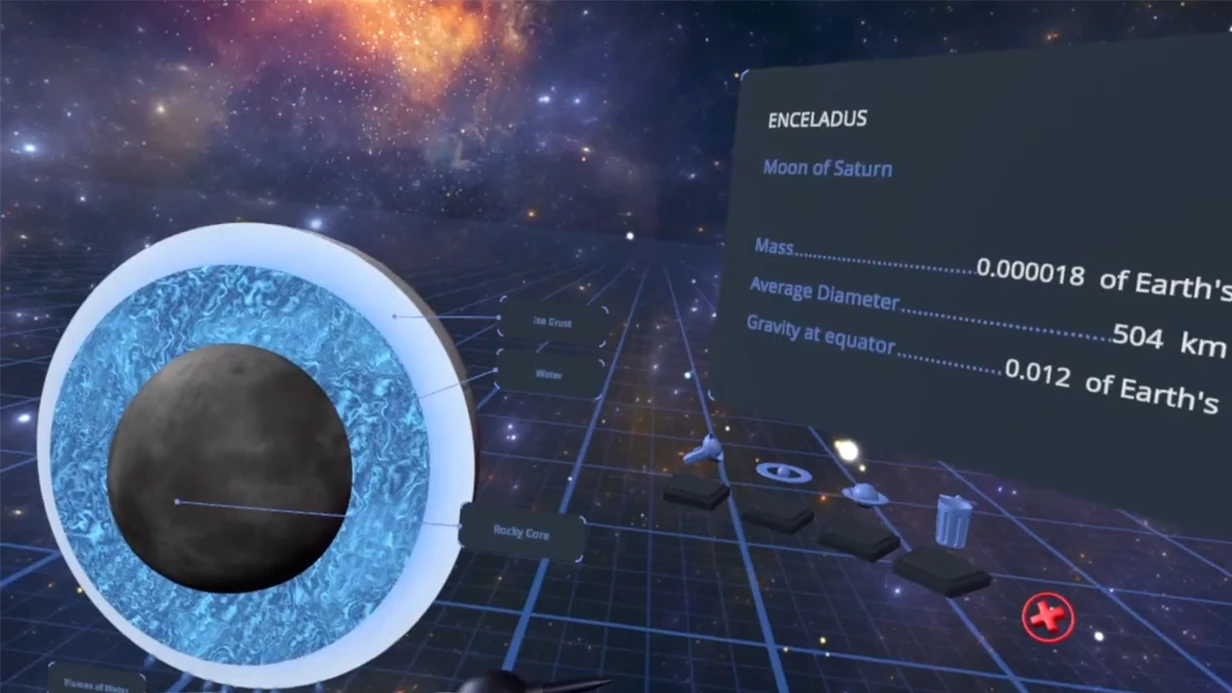
הניווט בין טרמינלים שונים מטופל בנפרד: חלקם צריכים סיורים פנורמיים, אחרים צריכים מודל תלת-ממד מפורט עם שכבות מידע על חנויות, אזורי המתנה ויציאות.
העלות מורכבת משלושה מרכיבים: מספר סצנות, רמת אינטראקטיביות ולוחות זמנים. בשלב הבריף, אנו מציעים את התצורה האופטימלית — ללא מודולים מיותרים אך עם מקום לשינויים עתידיים.
תקבלו הערכת עלות לפני תחילת העבודה ושקיפות מלאה על מה אתם משלמים.
כבר יצרנו סיור וירטואלי עבור שדה תעופה — אנו מכירים את הדרישות לביצועים, עומס וקלות תפיסה. שלחו לנו את המשימות שלכם — נעזור לכם לבחור את הפורמט ולתכנן פרויקט במסגרת התקציב שלכם.
חששות ופחדים נפוצים של לקוחות
פורמטים חדשים בשדה תעופה נבחנים בחוזקה. אנו שומעים את אותם פחדים: "הנוסעים לא יבינו", "מורכב מדי ליישום", "מה אם הכל יפסיק?". אנו עונים בכנות — בהתבסס על פרויקטי תחבורה ותיירות.
להלן שאלות נפוצות של לקוחות. במשך יותר מ-10 שנים, השלמנו עשרות פרויקטים, אנו יודעים היכן מתרחשים כשלים ומטפלים בהם מראש. אנו עובדים עם ציוד מקצועי ולא נוטשים לקוחות לאחר ההשקה: תמיכה כלולה בפרויקט.
האם הנוסעים יתקשו עם הטכנולוגיה החדשה?
עבור הנוסעים, זה פשוט: הם רק צריכים סמארטפון, ללא התקנת אפליקציה. הפעלה דרך קישור או קוד QR, והממשק ברור אינטואיטיבית.
כמה קשה לשלב את הסיור בשדה התעופה?
אין צורך לעצור פעולות או לשפץ חללים. אנו מאשרים תוכנית מראש, מתאימים את הפתרון לאתר ומבצעים ריצת ניסיון. העובדים לא משנים את התהליכים המוכרים שלהם — אנו מטפלים בהתקנה, בהגדרה ובהכשרה.
מה אם הציוד יתקלקל?
לפני ההשקה, אנו בודקים את כל המערכות בתנאים קרובים לפעולה אמיתית. מתוכננים תרחישי גיבוי והחלפת ציוד. הצוות נשאר בקשר, וזמני התגובה מפורטים בחוזה.
איזו תועלת מעשית יקבל שדה התעופה?
הפורמט הווירטואלי מחזיק תשומת לב פי 3–5 יותר מאשר דוכנים רגילים. הנוסעים מכירים טוב יותר את האזורים והשירותים, ושדה התעופה זוכה לחשיפה ברשתות החברתיות באמצעות תמונות וסרטונים.
השיקו סיור וירטואלי עבור שדה התעופה שלכם
סיור וירטואלי של שדה תעופה הוא לא רק וידאו תלת-ממדי אלא כלי עבודה עבור נוסעים, שותפים ושוכרים. הוא מפחית את זרם השאלות לדלפק המידע, עוזר לאנשים לחקור מסלולים מראש ויוצר תדמית של מוקד תעופה מודרני.
אבל כדי שהפרויקט יניב תוצאות, חשוב להגדיר את המשימה נכון מההתחלה — וכאן צריך קבלן מנוסה.
כשאתם פונים אלינו, אתם מקבלים תמיכה מקיפה: מרעיון ועד השקה, ללא צורך לצלול לפרטים טכניים. אנו מטפלים בפיתוח, בצילום או במודלים, באינטגרציה לאתר ובהכשרת הצוות שלכם. אתם רק מאשרים את השלבים ומקבלים את הסיור המוגמר.
מה תקבלו לאחר הפנייה אלינו:
- ייעוץ — נבחן את משימות שדה התעופה שלכם ונמליץ על פורמט הסיור הטוב ביותר.
- הערכת עלות — הצעת מחיר שקופה להיקף שלכם: אזור אחד, טרמינל או כל שדה התעופה עם התשתית הסובבת.
- אב טיפוס ותוכנית פרויקט — אתם רואים את מבנה הסיור העתידי לפני תחילת ההפקה ויכולים לבצע שינויים ללא עלויות נוספות.
- מוצר סוהר — סיור וירטואלי שעובד באתר, בגרסה לנייד ובקיוסקים למידע.
- תמיכה לאחר ההשקה — עדכון מידע, הוספת נקודות חדשות ותחזוקה טכנית.
- חיסכון בזמן לצוות שלכם — אנו מארגנים את עבודת הצילום/וידאו, האישורים והפרסום, בעוד אתם שולטים רק בהחלטות מפתח.
כל מה שצריך כדי להתחיל הוא לשלוח בקשה באתר או ליצור קשר בכל דרך נוחה. נגיב תוך יום עסקים אחד, נבהיר פרטים ונכין הצעה אישית.
אתם יכולים להתחיל את הפרויקט כבר בשבוע הבא — פשוט כתבו לנו ונראה דוגמאות של סיורים שהושלמו עבור מתקנים אחרים.
אל תדחו: המתחרים כבר משתמשים בסיורים וירטואליים כדי למשוך נוסעים ושותפים. קחו את הצעד הבא — בקשו ייעוץ, ותוך מספר ימים תדעו בדיוק איך ייראה הסיור שלכם וכמה זמן הוא ייקח.