



אקווריום מאבד מבקרים — איך מחזירים את העניין?
מבקרים מגיעים לאקווריום פעם או פעמיים, ואז העניין שלהם דועך. התערוכות נשארות זהות, המסלולים הופכים מוכרים, ואפילו תושבים חדשים לא מחזירים את ההתרגשות הישנה.
כתוצאה מכך, האקווריום מפסיד במאבק על זמן הפנאי המשפחתי: בתי קולנוע, קניונים ופארקים אינטראקטיביים מציעים חוויות מרשימות יותר.
הבעיה אינה תוכן התערוכה אלא פורמט ההצגה. הליכה רגילה בין מיכלי זכוכית ושילוט אינפורמטיבי לא נותנת למבקרים תחושת מעורבות. הם רוצים להיות בתוך העולם התת-ימי, לא לצפות בו מבחוץ.
לכן סיורים מודרכים קלאסיים מפנים יותר ויותר מקום לפורמטים חדשים שבהם האדם שולט בתרחיש ומקבל רגשות אמיתיים.
המבקר המודרני עמוס בגירויים — כל יום הוא מוקף בטכנולוגיה ודימויים חיים. כדי להחזיק תשומת לב, אקווריום צריך להציע משהו מעבר להליכה סטנדרטית.
פורמט סיור חדש קובע טרנד ומבדל אתכם מהמתחרים, והכי חשוב — הוא הופך ביקור חד-פעמי לסיפור שאנשים רוצים לחוות שוב.
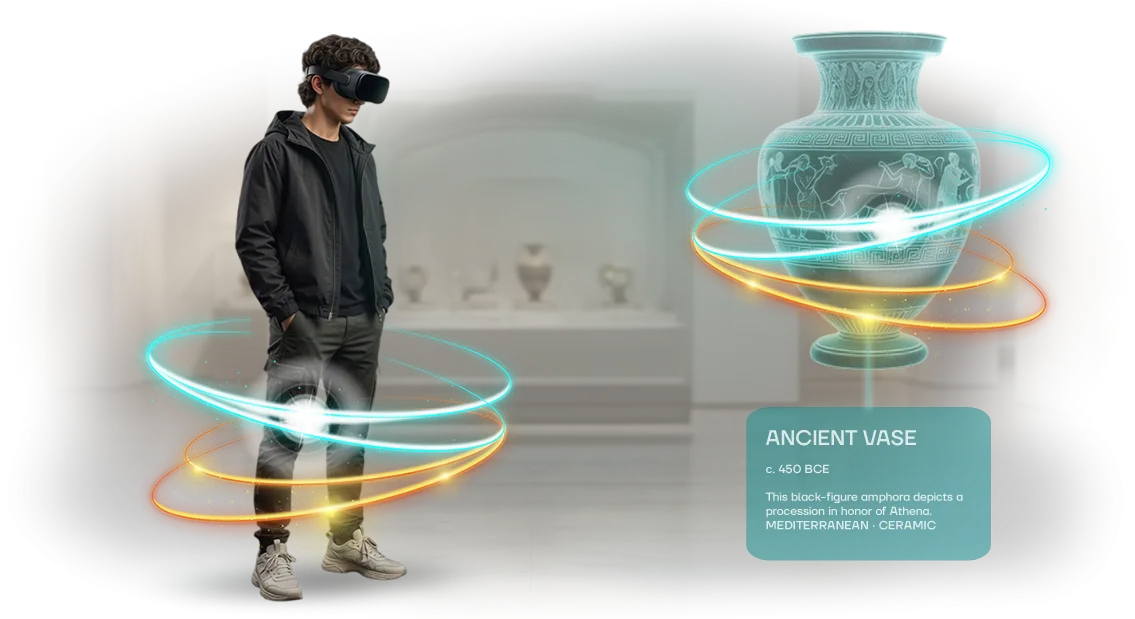
סיור וירטואלי לאקווריום פותר את הבעיה הזו: הוא הופך צפייה פסיבית למסע חי. מבקר יכול לראות את התושבים מקרוב, ללמוד את הסיפורים שלהם, ואפילו להציץ לאזורים סגורים למבקר הממוצע.
הפורמט הזה תופס תשומת לב מיד — אנשים משתפים אותו ברשתות החברתיות, מספרים לחברים, וכך מספר הביקורים החוזרים והמבקרים החדשים גדל.
עבור אקווריום, זה לא רק בידור אלא כלי צמיחה. סיור מקוון מרחיב את הגיאוגרפיה: אפשר לצפות בתערוכה מכל עיר, וזה מושך תיירים ומשפחות שמתכננים טיול.
ומבקרים אופליין מקבלים סיבה נוספת לחזור — להשוות את האקווריום האמיתי לגרסה הווירטואלית שלו. אנחנו עוזרים לאקווריומים להחזיר את העניין של הקהל ולהפוך את התערוכה לאירוע, לא רק להליכה ברקע.
למה סיור וירטואלי מגביר נאמנות מבקרים
נאמנות מתחילה לפני הביקור
אורחים מגיעים לאקווריום בשביל חוויה, והיא לא מסתיימת ביציאה. סיור וירטואלי הופך ביקור חד-פעמי לסיפור ששווה לשתף: אדם מראה לחברים "את הדגים שלו" ומתכנן מפגש נוסף.
זה היתרון העסקי המרכזי של סיור וירטואלי: הוא הופך את הרגש למוחשי, מאריך אותו על פני ימים ושבועות, והופך אורח למבקר קבוע.
ביקורים חוזרים במקום מבצעים חד-פעמיים
אנשים חוזרים למקומות שבהם הרגישו עניין ונוחות. סיור וירטואלי מזכיר להם על האקווריום שלכם שבועות וחודשים אחר כך: הם רוצים לצפות שוב בסרטון אהוב — ובמקביל לראות הכרזה על מופע חדש או האכלת כרישים.
הגישה הזו משפיעה ישירות על נאמנות המבקרים: האורח מרגיש שמטפלים בו, לא רק עוד מייל שיווקי.
זהו ערוץ תקשורת קבוע ללא השקעה פרסומית נוספת: אתם מובילים בעדינות את האורח למחשבה "כדאי לי לחזור", וביקורים חוזרים גדלים מעצמם.
מודעות המותג עובדת מסביב לשעון
כל אורח שמשתף קישור לסיור הווירטואלי מביא אנשים חדשים. עבורם, זהו ניסיון חינם לפני קניית כרטיס: הם יכולים לחקור את האקווריום מבפנים, לראות את הגודל והאווירה, ואז להגיע כבר עם ציפייה למשהו נפלא.
כך אתם מקבלים חשיפה אורגנית ברשתות החברתיות ובחיפוש, ושם האקווריום שלכם נקשר למקום מודרני ופתוח. מודעות המותג גדלה ללא מאמץ — יחד עם הרצון לחזור ולהמליץ עליכם לחברים.
פורמטים של סיורים וירטואליים לאקווריומים
אקווריום הוא סיור חי, אבל לא כל אורח יכול להגיע בשעות הפתיחה. תלמידים מערים אחרות, משפחות בחופשה, אנשים עם מוגבלות בניידות — כל הקהלים האלה נשארים מחוץ למרחב הפיזי.
סיור וירטואלי הופך את האקווריום לנגיש בכל זמן: האתר ממשיך לעבוד גם כשהדלתות סגורות.
הפורמט נבחר לפי משימה ספציפית — להכיר את האקווריום לפני ביקור, להעביר שיעור לתלמידים, או להחזיק את תשומת הלב של קהל משפחתי. להלן טבלת השוואה של הפורמטים המרכזיים.
| פורמט | למי זה מיועד | מה זה נותן ללקוח |
|---|---|---|
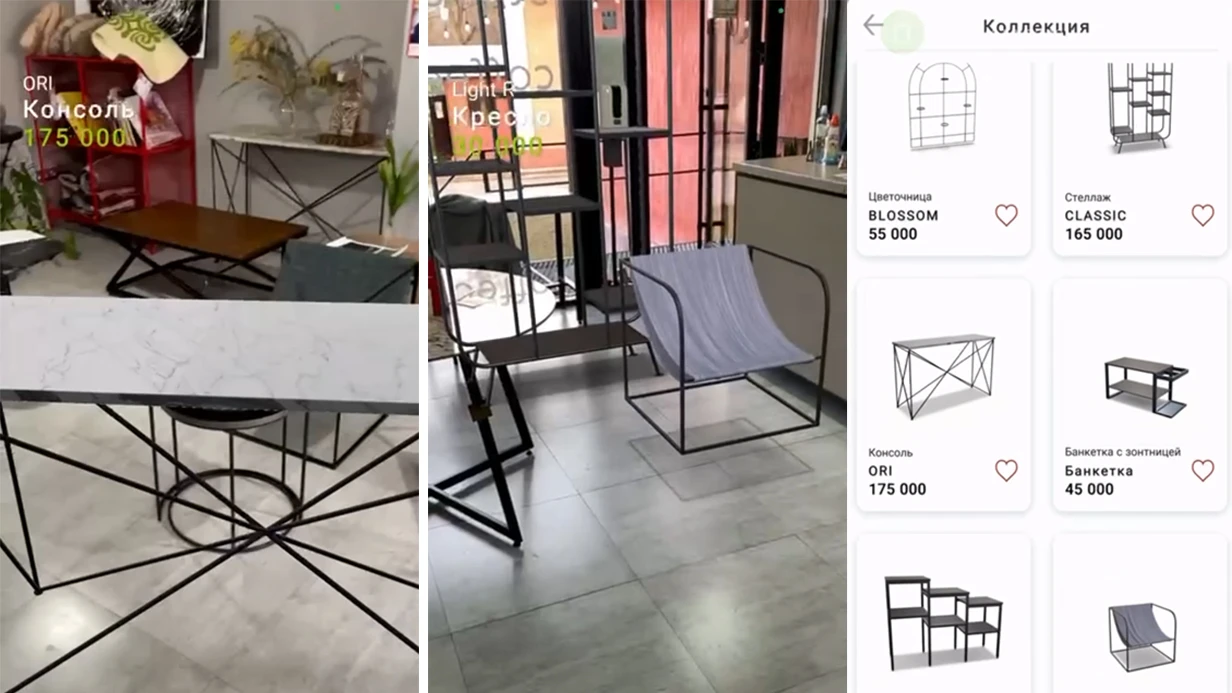
| סיור פנורמי | מבקרים פוטנציאליים, תיירים, מארגני אירועים | סקירה מהירה של האקווריום ללא התקנת אפליקציות: הצופה "מציץ" פנימה ומקבל החלטה על ביקור |
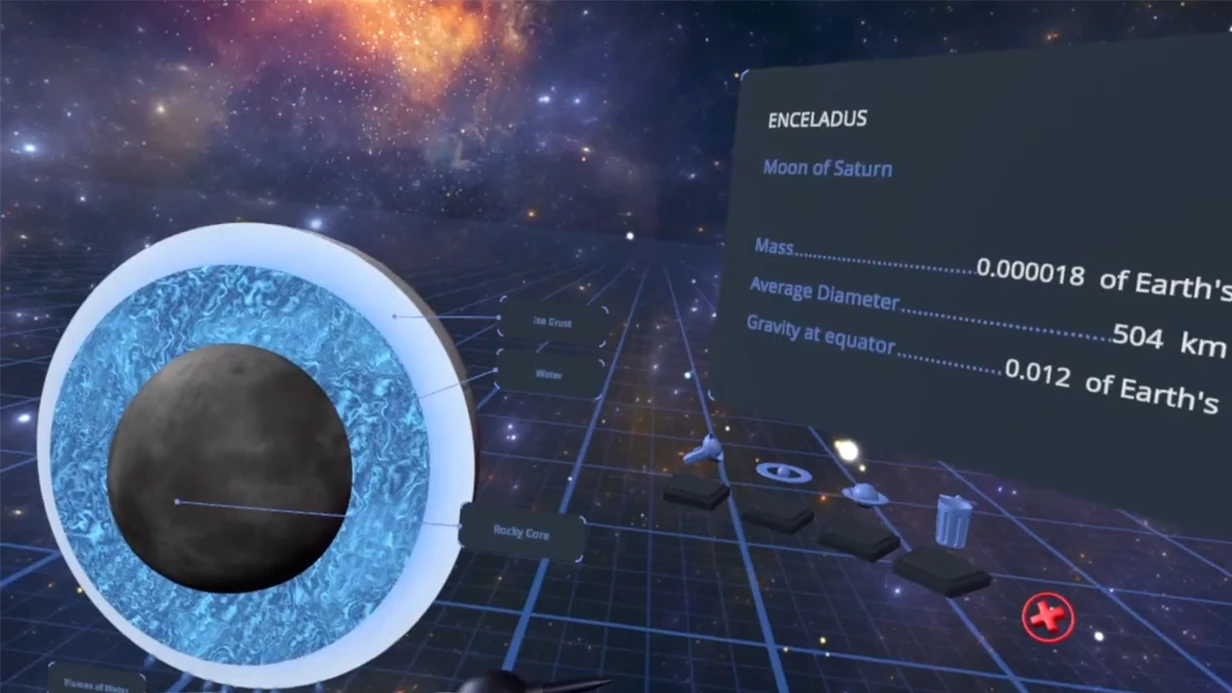
| סיור אינטראקטיבי | קבוצות בית ספר, תוכניות חינוכיות | היכולת לבחון את התושבים בפירוט ולקבל מידע בקצב נוח — מגביר ערך חינוכי ונאמנות מורים |
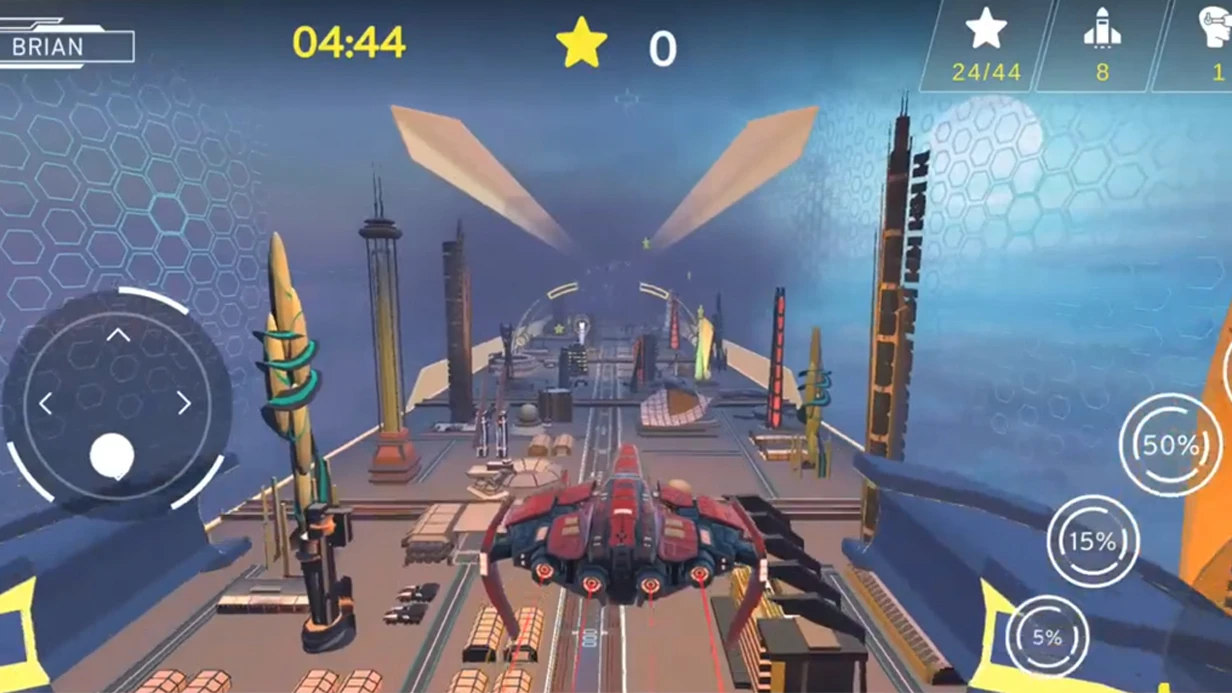
| סיור עם אלמנטים של גיימיפיקציה | קהל משפחתי, אורחים קבועים | משימות משחק מחזיקות תשומת לב ומגדילות את זמן השהייה באתר — ההמרה לביקורים חוזרים גדלה |
כל פורמט קל לשלב עם סיורים מודרכים אמיתיים או להשתמש בו כמוצר עצמאי להכרות מרחוק. אנחנו נעזור לכם לבחור את האפשרות שנותנת חשיפה מקסימלית לקהל הספציפי שלכם ונראה דוגמאות מפרויקטים חיים.
איך אנחנו מפתחים סיור וירטואלי: השלבים
אנחנו עובדים בשקיפות כדי שתבינו מה קורה בכל שלב ואיזו תוצאה אתם מקבלים. להלן שלבי הפיתוח של סיור וירטואלי לאקווריום: מהשיחה הראשונה ועד ההשקה והתמיכה.
- בריף לפיתוח. אנחנו דנים במשימה שלכם: למי מיועד הסיור — מבקרים, שותפים או משקיעים — אילו אזורים באקווריום חשוב להראות, מה התקציב ומה לוח הזמנים. התוצאה היא מפרט טכני ברור והערכת עלות ללא תשלומים נסתרים.
- קונספט ותרחיש. אנחנו מציעים כיצד המבקר ינוע במרחב הווירטואלי: בחופשיות או במסלול קבוע, עם אילו נקודות עניין. אתם מאשרים תרחיש שמתחשב במאפייני האקווריום שלכם וביעדי המותג.
- אישור אבטיפוס. אנחנו מראים אב-טיפוס אינטראקטיבי של הסיור העתידי: מיקומים מרכזיים, מעברים, פקדים. אתם רואים איך זה ייראה ועורכים שינויים לפני תחילת הפיתוח הסופי.
- יצירת המרחב הווירטואלי. אנחנו מרכיבים את הסיור עם ציוד מקצועי: עובדים על גרפיקה, תאורה וסאונד. אתם מקבלים מספר גרסאות לבדיקה ואישור פרטים.
- בדיקות ותיקונים. אנחנו בודקים איך הסיור עובד במכשירים שונים — מחשבים, טאבלטים, סמארטפונים. אנחנו מתקנים אי-דיוקים ומשכללים לפעולה יציבה לפני ההשקה.
- השקת הסיור. אנחנו מפרסמים אותו באתר שלכם או בעמוד ייעודי ומספקים הוראות לצוות. אנחנו גם עוזרים להגדיר גישה — לכל המבקרים או בסיסמה.
- תמיכה ועדכונים. אחרי ההשקה, אנחנו נשארים בקשר: מתקנים במהירות כל שגיאה אפשרית, מוסיפים אזורים חדשים לאקווריום ומעדכנים מידע אם התערוכות משתנות.
תהליך העבודה הזה מאפשר לכם לשלוט בפרויקט, לערוך שינויים בזמן ולקבל סיור שפותר משימות עסקיות — מושך מבקרים, מגביר מודעות ונותן לכם יכולת להראות את האקווריום למי שלא יכול להגיע פיזית.
מה כלול בחבילת הסיור הווירטואלי
כשאתם מזמינים סיור וירטואלי לאקווריום, אתם מקבלים לא רק תמונה אלא כלי מוכן למשיכת והחזקת תשומת לב המבקרים. אנחנו מספקים חבילה מלאה שניתן להשתמש בה מיד לאחר ההשקה — ללא גיוס מפתחים או הגדרה מורכבת.
חבילת המסירה כוללת:
- מודל תלת-ממדי מדויק של האקווריום עם תושביו והקישוטים: מבקרים הולכים בתערוכה, בוחנים את התושבים מכל הצדדים ומתקרבים לפרטים מעניינים.
- סיור מוכן עם מסלול מחושב היטב: אדם חוקר ברצף את אזורי האקווריום ומקבל מידע מפתח בקצב נוח.
- פקדים פשוטים למבקרים: הסיור עובד במחשב, טאבלט או משקפי מציאות מדומה; השליטה בעכבר או במגע.
- לוח ניהול לצוות: עובדים יכולים לעדכן במהירות מידע על התושבים, לשנות טקסטים ולהוסיף תערוכות חדשות ללא מתכנת.
- מערך הוראות לצוות שלכם: מדריכים ברורים כיצד להפעיל את הסיור, לעזור למבקר ולטפל בשאלות נפוצות.
- הכשרת צוות: אנחנו מעבירים מפגש מעשי קצר, עוברים על תרחישי עבודה ועונים על שאלות.
- אחריות איכות: אנחנו בודקים את הסיור במכשירים שונים, מוסרים את הפרויקט עם רשימת בדיקה ומאשרים אחריות בחוזה.
עם החבילה הזו, הצוות שלכם עובד בביטחון מהיום הראשון, והמבקרים מקבלים סיבה חדשה להגיע לאקווריום. אם עולות שאלות אחרי ההשקה, אנחנו זמינים ונעזור במהירות.
מקרה בוחן: גידול של 30% בכניסות לאקווריום
אקווריום אושניום פנה אלינו עם נקודת כאב ברורה: בימי חול האולמות היו ריקים, למרות שהתערוכה הייתה ייחודית. קהל משפחתי מתכנן טיולים לסוף השבוע, ובימי עבודה לא רואה סיבה להגיע.
היינו צריכים לתת למבקרים דרך "להציץ פנימה" לפני הביקור ולעורר את העניין שלהם.
פיתחנו סיור וירטואלי עם אלמנטים של אולם תצוגה תלת-ממדי: מבקר באתר הולך באולמות, מתקרב לתושבים וצופה בסיפורים קצרים על החיים באקווריום.
זה לא סרטון מצגת אלא תרחיש אינטראקטיבי שמערב אנשים בחקירת התערוכה. כתוצאה מכך, מבקרים הפסיקו להיות אקראיים — הם מגיעים עם רצון מגובש לראות הכל בעיניים שלהם.
תוך חודשיים, הכניסות לאקווריום גדלו ב-30%. יותר מ-12,000 איש השלימו את הסיור הווירטואלי, ואחד מתוך ארבעה עבר לקניית כרטיס.
המותג של האקווריום החל להיות מוכר מעבר לעיר — מספר האזכורים ברשתות החברתיות גדל ניכר, ובימי חול האולמות החלו להתמלא בערבים.
חוות דעת לקוח
מנהל האקווריום שיתף את התרשמותו: "הסיור הווירטואלי הפך לכלי המרכזי שלנו למשיכת קהל משפחתי.
מבקרים אומרים, 'כבר צפינו בהכל באינטרנט, עכשיו אנחנו רוצים לראות את זה חי.' אחרי הצלחה כזו, הזמנו סיור שני — לביתן החדש."
הסיפור הזה מראה שסיור וירטואלי עובד לא כצעצוע יפה אלא ככלי לגידול כניסות ומודעות. רוצים תוצאה דומה למקום שלכם? כתבו לנו — נראה דוגמאות ונחשב את ההשפעה למקרה שלכם.
איך לבחור פורמט סיור למטרות האקווריום שלכם?
ראשית, הגדירו את המשימה המרכזית: האם האקווריום צריך למשוך מבקרים חדשים, להגדיל מכירות כרטיסים, או ליצור תוכנית חינוכית לבתי ספר?
הפורמט הנכון תלוי בזה: אפשרות אחת מתמקדת בנראות וחשיפה, אחרת בעומק חוויה, ושלישית במשיכת ילדים וקהל משפחתי.
אם המטרה היא לעניין את מי שעדיין לא הגיע, בחרו סיור וירטואלי בפורמט פנורמי. האורח רואה את האקווריום מבפנים, "הולך" באולמות ומתכנן ביקור אמיתי מהבית.
כשצריך להחזיק תשומת לב בתערוכה מורכבת או להראות תושבים נדירים שקשה לצפות בהם חיים, סיור VR עובד טוב יותר — הוא יוצר תחושת נוכחות ונזכר חזק יותר מסרטון רגיל.
לקבוצות ילדים ומשפחות עם ילדים, פורמט אינטראקטיבי עם אלמנטים משחקיים מתאים: הילד לא רק צופה אלא מבצע משימות, לומד על דגים ורוכש ידע חדש.
סיור כזה משתלב בקלות בתוכנית הלימודים והופך לסיבה נוספת להגיע לאקווריום עם הכיתה. לתוכניות שותפים ותערוכות, אפשרות מודולרית נוחה — אחת שמתאימה לאירוע ולמקום ספציפיים.
אין תשובה אוניברסלית — אבל מה שחשוב הוא שהפורמט פותר את המשימה הספציפית שלכם, לא רק משמש כתוספת אופנתית.
אנחנו עוזרים לבחור אפשרות למטרות האקווריום, לקהל ולתקציב: מנתחים זרימת מבקרים, נקודות צמיחה ומציעים פורמט שמספק תוצאות מדידות — חשיפה גדולה יותר, ביקורים חוזרים או שותפויות חדשות.
התחילו בשאלה "מה המבקר צריך לעשות אחרי הסיור?" — והפורמט הנכון ימצא את עצמו.
תשובות לשאלות נפוצות לפני הזמנה
לפני הזמנת סיור וירטואלי לאקווריום, אנשים שואלים לרוב על לוחות זמנים, תקציב ותאימות מכשירים. אם לא מצאתם את השאלה שלכם, כתבו לנו דרך הטופס — נשיב תוך יום.
כמה זמן לוקח הפיתוח?
פרויקט אקווריום טיפוסי לוקח שבועיים עד ארבעה — לוח הזמנים תלוי במספר האזורים והאלמנטים האינטראקטיביים. בהתחלה, אנחנו יוצרים תוכנית עם שלבים ונקודות ביקורת כדי שתוכלו לראות התקדמות ולהבין את תאריך ההשקה.
במה תלוי המחיר?
המחיר נקבע לפי מספר אזורי הצפייה, כתוביות אינטראקטיביות ועיצוב הממשק. במהלך הבריף החינמי, אנחנו נותנים טווח תקציב משוער ומציעים פתרונות כדי להישאר במסגרת שלכם. הערכת העלות קבועה לפני ההתחלה — היא לא משתנה במהלך התהליך.
באילו מכשירים זה יעבוד?
במכשירים שיש לרוב המבקרים: סמארטפונים, טאבלטים ומחשבים. אין צורך להתקין כלום — פשוט פותחים קישור או מכוונים את המצלמה לקוד QR על הכרטיס. הסיור מותאם, כך שהוא עובד ביציבות גם במכשירים בני יותר מחמש שנים.
מה אם האקווריום מורכב?
אקווריום עם מים, השתקפויות ודגים נעים הוא נקודת החוזק שלנו. אנחנו משתמשים בצילום מקצועי ובמידת הצורך משלימים עם גרפיקה תלת-ממדית כדי להעביר את אווירת המעמקים. אתם מקבלים סיור שמקסים מבקרים ומדגיש את הייחודיות של האקווריום שלכם.
דונו בפרויקט שלכם עם המהנדס שלנו
הדיון בפרויקט אינו מחייב — זו הזדמנות לראות איך סיור וירטואלי יפתור את המשימה שלכם.
המהנדס שלנו, תוך שימוש באקווריום שלכם כדוגמה, יציע אילו נקודות תצפית לכלול, איך להפוך את הניווט לברור למבקרים ואיזה פורמט מתאים לכם — מסיור אינטרנט ועד חוויה מלאה. זה חשוב כדי שתבינו מראש את היקף העבודה ואת התוצאה.
במהלך הייעוץ החינמי, תקבלו:
- ניתוח של המשימה שלכם ורעיונות ספציפיים לסיור הווירטואלי.
- המלצות פורמט — למבקרים וליעדי המותג שלכם.
- תחזית לוחות זמנים ושלבי עבודה ללא הפתעות.
- דוגמאות פרויקטים לאקווריומים ומתקנים דומים.
- תשובות לשאלות על איך הסיור יעבוד באתר וברשתות החברתיות שלכם.
- הבטחות לתמיכה ועדכונים אחרי ההשקה.
כדי להזמין סיור וירטואלי, השאירו פנייה באתר — ניצור קשר תוך יום עסקים אחד ונמצא זמן נוח לשיחה. הייעוץ חינמי ואינו מחייב.
בסופו של דבר, תקבלו פתרון ברור שיגביר את המודעות של האקווריום ואת עניין המבקרים.