



תחנת כוח גרעינית: איך להציג את המתקן בלי להכניס גורמים חיצוניים פנימה?
תחנת כוח גרעינית היא מתקן שאי אפשר להראות לגורמים חיצוניים: דרישות בטיחות מחמירות, סדנאות סגורות, אזורים מוגבלים. אפילו עבור משלחות רשמיות, ביקור ביחידת הכוח כרוך בעשרות אישורים, ולציבור הרחב הוא סגור לחלוטין.
במקביל, שותפים, תושבי האזור ועובדים עתידיים צריכים להבין איך התחנה מאורגנת ולמה היא בטוחה.
סיור וירטואלי לתחנת כוח גרעינית מסיר את המגבלה הזו.
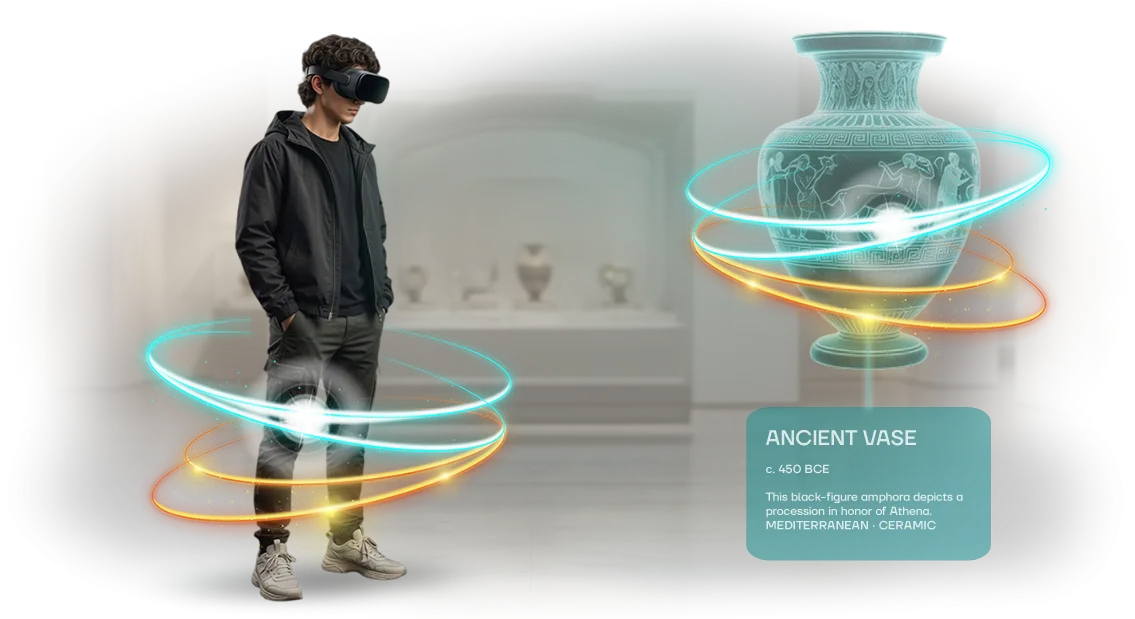
אנחנו יוצרים סיור תלת-ממדי אינטראקטיבי שבו יחידת הכוח מוצגת ללא גישה פיזית: המבקר "מטייל" באולם הטורבינות, בתא הכור ובחדר הבקרה, רואה תהליכים מרכזיים ומקבל תמונה מדויקת. המתקן נשאר סגור — האבטחה לא נפגעת, בעוד החשיפה מקסימלית.
הסיור האינטראקטיבי בתחנה עובד בכל תרחיש: בתערוכות וימי פתוח, במרכזי הדרכה ובפגישות עם משקיעים.
המבקרים בוחרים את המסלול שלהם, מתקרבים לרכיבים שמעניינים אותם ורואים כיתובים והסברים — זה מעורב יותר מתצוגה סטטית ונשאר בזיכרון זמן רב לאחר מכן. הפורמט הזה עונה על השאלה המרכזית "מה יש בפנים?" ובונה אמון במתקן.
כבר ביצענו פרויקטים דומים עבור מפעלים עם גישה מוגבלת ואנחנו יודעים לשלב דיוק גבוה עם אבטחת מידע.
אנחנו מוכנים לפתח סיור וירטואלי שמציג את התחנה שלכם באור הטוב ביותר — ללא פשרות בפרוטוקולי האבטחה ועם תוצאה ברורה לקהל שלכם.
מה סיור וירטואלי נותן למפעל שלכם
תלמידי בית ספר וסטודנטים לא יכולים להיכנס לתחנת כוח גרעינית מסיבות בטיחות, אבל סיור וירטואלי פותח בפניהם את הסדנאות והמעבדות ישירות מהכיתה.
במקום הרצאה משעממת — היכרות מעשית עם המקצוע, שאחריה יותר צעירים מתחילים לשקול קריירה אצלכם.
בצוות שלנו אנחנו יוצרים סיורי VR שפותרים שלוש משימות: מחזקים את התדמית, מושכים מומחים צעירים ומגבירים את אמון הקהל.
הכוונה תעסוקתית לתלמידי בית ספר וסטודנטים
סיור חווייתי הופך את הסיפור על תחנת כוח גרעינית לחוויה אישית: מהנדס עתידי רואה את התחנה מבפנים, מתוודע למקצועות ומסתכל אחרת על בחירת האוניברסיטה.
התדמית של מפעל פתוח ומונחה טכנולוגיה
שקיפות היא גורם האמון המרכזי עבור משקיעים, שותפים ותושבי האזור. סיור וירטואלי מראה שבטיחות ותהליכים מודרניים הם לא רק מילים אלא פרקטיקה יומיומית.
משיכת מומחים צעירים
בוגרים בוחרים במעסיק שמדבר בשפה שלהם. סיור VR מבדל אתכם מהמתחרים, מקצר את הדרך מהמגע הראשון לפניית התמחות ומחזק את המוניטין שלכם כמעסיק.
הסיור המוגמר עובד באירועים, באתר ובמדיה החברתית — יותר פניות, תדמית בהירה יותר, אמון גבוה יותר.
פורמטים של סיורי VR לצורכי תחנת כוח גרעינית
סיור וירטואלי לתחנת כוח גרעינית הוא לא רק דרך להציג את המתקן, אלא כלי שפותר שלוש משימות בו-זמנית: ליידע את הציבור, להכשיר מומחים ולמשוך כישרונות עתידיים.
הגישה הפיזית לאתר מוגבלת על ידי דרישות בטיחות, בעוד הצורך במידע חזותי גדל — מתלמידי בית ספר שבוחרים מקצוע ועד קבלנים שיעבדו במתקן.
אנחנו בוחרים את הפורמט לקהל ספציפי ולא יוצרים סיור אחד שמתאים לכולם. לכן פרויקט אחד מכסה גם משימות תדמיתיות וגם חינוכיות.
| פורמט | קהל יעד | מה זה נותן ללקוח |
|---|---|---|
| סיור היכרות | הציבור הרחב, תלמידי בית ספר, תושבי האזור | מטפל בחששות ובשאלות בטיחות, בונה אמון ופתיחות ללא מתן גישה למתקן |
| סיור טכני למומחים | מהנדסים, קבלנים, עובדים ממחלקות קשורות | מאיץ קליטה, מציג תהליכים וציוד אמיתיים, מקצר זמן פיקוח על עובדים חדשים |
| סיור חינוכי לסטודנטים | סטודנטים מאוניברסיטאות מתמחות, מתמחים, משתתפים בתוכניות הכוונה תעסוקתית | מסביר בבירור איך התחנה עובדת, עוזר לבחור מועמדים ממוטבים, מחזק את מותג המעסיק |
כתוצאה מכך, אותו מתקן נראה אחרת: לתלמידי בית ספר — תרחיש על מקצועות ויסודות האנרגיה הגרעינית; למהנדסים — סיור מפורט ממוקד בתהליכים טכנולוגיים; לסטודנטים — דוגמאות מעשיות הקשורות לתוכנית הלימודים.
כל העבודה נעשית על ציוד מקצועי, כך שהתוצאה יציבה באותה מידה על מסכים של כל מכשיר.
ברגע שהסיור מוכן, אתם מקבלים לא תמונה סטטית אלא כלי ניתן לניהול: אפשר להטמיע אותו באתר שלכם, להשתמש בו באירועי הכוונה תעסוקתית ובתוכניות הדרכה — ללא עלויות נוספות לארגון ביקורים בשטח.
איך אנחנו יוצרים סיור וירטואלי: שלבי העבודה
כדי שתבינו מה קורה אחרי חתימת החוזה ומתי התוצאה המוגמרת תהיה מוכנה, הגדרנו תהליך שקוף ליצירת סיור וירטואלי. בממוצע, פרויקט אורך 3–6 שבועות תלוי במספר האזורים וברמת הפירוט. בכל שלב, אתם רואים גרסאות ביניים ומבצעים תיקונים — בלי הפתעות ובלי השבתות.
- בריף וסקר מתקן. אנחנו אוספים דרישות, לומדים את התכנית, התמונות, השרטוטים ותקנות הגישה. על בסיס זה, אנחנו מסיימים את היקף הסיור, לוח הזמנים ונקודות אישור.
- קונספט עיצובי ומסלול. אנחנו מגדירים את אזורי התצוגה המרכזיים, את הלוגיקה של המעבר ביניהם ואת טקסטי ההסבר. אנחנו מאשרים את התרחיש לפני תחילת העיבוד — אתם רואים בדיוק מה המבקר יקבל.
- הכנת תוכן. אנחנו יוצרים או מעבדים פנורמות, שרטוטים, מדריכי שמע וחומרי עזר. אנחנו משתמשים בציוד מקצועי ובכלים מוכחים — זה מבטיח איכות יציבה בלי לבזבז זמן.
- הרכבת הסיור הווירטואלי. אנחנו משלבים את כל האלמנטים למוצר אחד: ניווט, רמזים אינטראקטיביים, מצב צפייה חופשית. בשלב זה, אתם מקבלים קישור לגרסת בדיקה.
- בחינה ותיקונים. אתם בודקים את הסיור לדיוק ולשימושיות; אנחנו מבצעים שינויים. זה בדרך כלל לוקח מחזור קצר אחד — לא יותר משבוע.
- השקה ותמיכה. אנחנו מפרסמים את הסיור באתר שלכם או בדומיין נפרד ומגדירים גישה מוגבלת אם צריך. אחרי ההשקה, אנחנו נשארים בתמיכה ומעדכנים תוכן לפי בקשה.
כל שלב קבוע בלוח הזמנים, כך שאתם יודעים את תאריכי אבני הדרך מראש. לתעשייה הגרעינית, אנחנו מפתחים במיוחד תרחישי תצוגה בטוחה: אזורים מוגבלים נשארים סגורים, חלק מהמידע ניתן במינון, והמבקר שומר על תחושת נוכחות אמיתית מלאה.
הצוות שלנו כבר ביצע פרויקטים כאלה, ובמהלך הייעוץ נראה לכם איך הסיור נראה מבפנים ואילו תוצאות הוא משיג.
מה אתם מקבלים אחרי מסירת הפרויקט
כשהפרויקט נמסר, זה לא רק קישור להורדה. אתם מקבלים חבילת מסירה שהצוות שלכם יכול להתחיל לעבוד איתה כבר למחרת: בלי הגדרות מסובכות ובלי צורך לערב מפתחים לכל השקה.
בפנים יש כל מה שצריך לפעולה עצמאית: ממשק ניהול, הוראות למפעיל והדרכת צוות.
- סיור VR מוגמר של תחנת הכוח הגרעינית. תרחישים מותאמים למשימות שלכם — מהכוונה תעסוקתית לתלמידי בית ספר ועד מצגות עסקיות לשותפים. המבקרים שוקעים במרחב וירטואלי בטוח ללא סיכונים או הכנה מיוחדת.
- ממשק ניהול למפעיל. התחלת סשן, בחירת תרחיש, השהיה ומעבר בין מצבים — הכל ברור במבט ראשון, בעברית, עם רמזים על המסך.
- הוראות למפעיל. מדריך שלב-שלב להכנת החלל, ההשקה והנהלים הסטנדרטיים במהלך סיורים. מתאים גם לעובדים שמעולם לא עבדו עם VR.
- הדרכת צוות. אנחנו מקיימים מפגשים פרונטליים או מקוונים לעובדים שלכם: אנחנו מראים איך להריץ סיור, עונים על שאלות ועוברים על מצבים לא שגרתיים. אחרי ההדרכה, הצוות עובד עצמאית.
- חומרים מתודולוגיים למדריך. תסריט מצגת, נקודות מפתח ורמזים — עוזרים למדריך ללוות קבוצה כראוי, לערב מבקרים ולענות על שאלות.
- אחריות ותמיכה לאחר ההשקה. אנחנו נותנים אחריות על פעילות יציבה של הסיור, עוזרים בעדכוני תוכן ומייעצים לצוות שלכם לאורך כל תקופת שיתוף הפעולה.
- זכויות לתוכן ולמודלים תלת-ממדיים. כל החומרים שנוצרו נשארים אצלכם — אפשר להשתמש בהם לאתר, מצגות, סרטונים או הדרכות ללא תשלומים נוספים.
מקרה בוחן: סיור וירטואלי ליחידת כוח
הצוות שלנו פיתח סיור וירטואלי ליחידת הכוח של תחנת כוח גרעינית. הלקוח היה צריך להראות בפשטות ובבהירות איך המתקן מאורגן בלי להכניס גורמים חיצוניים לאזור המוגבל.
תמונות רגילות וחוברות כבר לא השיגו את האפקט הרצוי: המבקרים רצו לראות את התהליכים הפנימיים בעיניים שלהם.
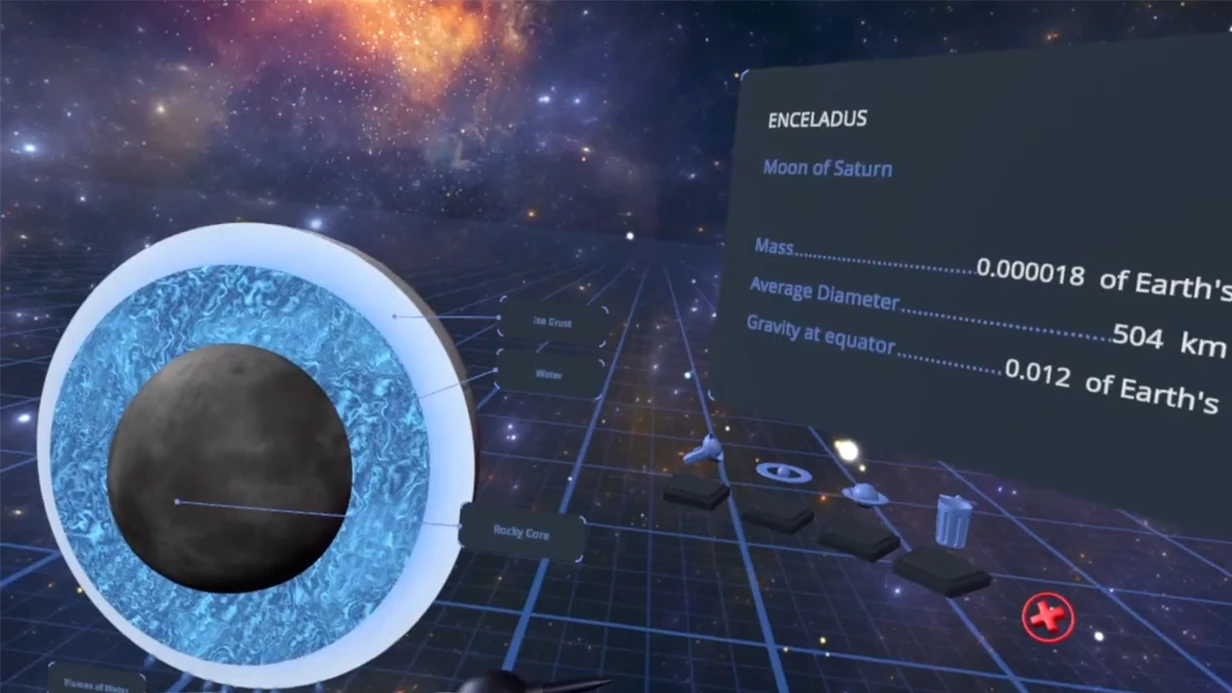
יצרנו סיור תלת-ממדי אינטראקטיבי של האזורים המרכזיים ביחידת הכוח — מאולם הטורבינות ועד חדר הבקרה. המשתמש נע בחופשיות במתקן, בוחן ציוד בפירוט ומקבל הסברים קצרים.
הכל רץ על ציוד מקצועי עם כלים מוכחים, כך שהסיור נפתח בכל מכשיר ללא התקנת אפליקציות.
התוצאות עלו על הציפיות. בחודשיים הראשונים, יותר מ-40,000 איש צפו בסיור הווירטואלי, עם משך סשן ממוצע של 4.5 דקות.
78% מהמבקרים הגיעו לנקודת הסיום של המסלול, ומספר הפניות לביקור בפועל בתחנה שולש. במקביל, ההוצאות על חומרים מודפסים וארגון סיורים פיזיים ירדו ניכר.
"קיבלנו כלי מודרני שמכסה כמה משימות בו-זמנית: הכוונה תעסוקתית, חינוך וקידום התעשייה. הסיור הווירטואלי הפך לחלק חשוב בתערוכה שלנו," ציין ראש מרכז המידע של התחנה.
אחרי ההשקה, הלקוח החליט להרחיב את הסיור ליחידות כוח אחרות ומתכנן להשתמש בו בפורומים תעשייתיים.
מה אם אתם צריכים סיור למתקן עם אבטחה קפדנית?
כן, זו משימה פתירה. סיור וירטואלי למתקן עם גישה מוגבלת נועד בדיוק להראות אזור סגור ללא גישה פיזית.
במקום להוביל קבוצה דרך סדנאות ומעבדות, אתם מארגנים ביקור דיגיטלי בטוח: המבקר רואה את החלל מהמסך, בעוד כל דרישות האבטחה נשמרות.
זה חשוב במיוחד בתחנת כוח גרעינית, שבה כל דקה שגורם חיצוני נמצא בשטח כרוכה בתדרוכים, ליווי וסיכונים.
עם סיור וירטואלי, האישורים מצטמצמים למינימום — אין צורך להוציא תעודות כניסה, לשנות לוחות זמנים של עובדים או לדאוג לצילומים לא מורשים. אתם מקבלים סיור מלא שלא מפריע לתהליכי הייצור.
האבטחה של סיור כזה מובטחת בכמה רמות.
ניתן להגביל גישה לחומרים עם סיסמאות או רשת ארגונית, והצילום נעשה ללא חשיפת פרטים רגישים — אנחנו מתאמים את רשימת החדרים וזוויות הצילום עם מחלקת האבטחה מראש.
אם צריך, הסיור מתארח על שרת פנימי ולעולם לא נוגע באינטרנט הפתוח. עבור הלקוח, זה אומר שליטה מלאה במי רואה מה.
בעצם, אתם מקבלים סיור שאפשר להשתמש בו להדרכת עובדים, דוחות להנהלה או ביקורי משלחות בלי לפתוח את שערי המתקן. האורחים יראו את האזורים המרכזיים, יעריכו את ההיקף ואת רמת הטכנולוגיה, ואתם לא תקבלו אף אישור נוסף.
הפורמט הזה עונה על הצורך להציג מתקן סגור ללא פשרה בין נגישות לאבטחה.
שאלות נפוצות על סיורים וירטואליים
אנחנו מתייחסים לחששות הנפוצים ביותר של לקוחות: מה יעלה הפרויקט, כמה זמן תיקח ההכנה, באילו מכשירים המבקרים ישתמשו ומה קורה אם הציוד נכשל ברגע הקריטי ביותר. להלן תשובות קצרות שעוזרות לקבל החלטה בלי להיכנס לפרטים טכניים.
כמה עולה פיתוח סיור וירטואלי?
העלות תלויה בהיקף ובמטרות: מספר המיקומים, רמת הפירוט והתרחישים האינטראקטיביים. אחרי הבריף, אנחנו נועלים את הערכת העלות שלא משתנה במהלך התהליך — אתם יודעים את התקציב מראש ויכולים לתכנן את ההוצאות.
בדרך כלל, הפרויקט כולל מחיר קבוע לכל היקף העבודה ולא חיוב לפי שעה. זה נוח לתקצוב ולדיווח להנהלה.
כמה זמן לוקח ליצור סיור וירטואלי?
פרויקט סטנדרטי אורך 2-4 שבועות תלוי במורכבות התרחיש ובמספר האובייקטים. לאירועים דחופים, אנחנו יכולים להתאים לכמה ימים על ידי הצעת פורמט אופטימלי בלי לאבד איכות.
בהתחלה, אתם מקבלים לוח זמנים עם אבני דרך: אישור תרחיש, בחינת ביניים, מסירת הפתרון המוגמר. אתם תמיד יודעים באיזה שלב הפרויקט נמצא.
אילו דרישות טכניות המבקרים צריכים?
הסיור הווירטואלי עובד על מחשבים ניידים ומחשבים מודרניים, כמו גם טאבלטים וסמארטפונים — המבקרים עושים את הסיור ללא הכנה מיוחדת או התקנת תוכנה מורכבת. הכל נפתח בדפדפן רגיל דרך קישור.
למסכים גדולים ופורמטי קולנוע, אנחנו משתמשים בציוד מקצועי ומספקים תמיכה טכנית מלאה ביום האירוע. אם למבקרים אין מכשיר משלהם, אנחנו יכולים לספק ציוד נדרש להשכרה.
מה קורה אם משהו נשבר ביום המצגת?
אנחנו עובדים לפי נוהל: כמה ימים לפני האירוע, אנחנו בודקים את כל התרחישים ומבצעים השקת ניסיון על הציוד שלכם או שלנו. ביום המצגת, מומחה טכני נמצא בכוננות שלוקח על עצמו את כל הסיכונים — אתם מתמקדים באורחים, לא בטכנולוגיה.
אם מסיבה כלשהי נקודת הגישה הראשית נכשלת, מסופק ערוץ השקה חלופי ממכשיר אחר. הסיור לא יופרע גם בנסיבות בלתי צפויות.
מוכנים לדון בפרויקט שלכם? השאירו בקשה — נשלח לכם דוגמאות של סיורים וירטואליים למתקנים תעשייתיים ונחשב את העלות למשימות הספציפיות שלכם.האם נדון בפרויקט הסיור הווירטואלי שלכם?
בואו נדון בפרויקט? מצוין. סיור וירטואלי לתחנת כוח גרעינית הוא לא רק מודל תלת-ממדי, אלא כלי שפותר כמה משימות בו-זמנית: מציג מתקן שקשה לבקר בו, מאמן עובדים ובונה אמון במפעל.
במהלך השנים, צברנו ניסיון ביצירת פתרונות כאלה למתקנים תעשייתיים, כך שאנחנו מבינים את ההתמחות: מגבלות אבטחה, היקף ודרישות להצגת מידע.
השלב הראשון הוא ייעוץ חינמי וחישוב עלות. אתם מתארים את המשימה, אנחנו מעריכים את לוח הזמנים והתקציב ומציעים את הפורמט האופטימלי. בלי מקדמה, בלי התחייבויות, עם מספרים קונקרטיים מהשיחה הראשונה.
מה אתם מקבלים אחרי פנייה אלינו
- ייעוץ חינמי עם מהנדס ומנהל פרויקט: אנחנו דנים במטרות הסיור, בקהל היעד ובתרחיש.
- הערכת עלות וזמן ראשונית — לפני תחילת העבודה, אתם פשוט מקבלים את המספרים והבנה של התקציב.
- הדגמה של פרויקטים דומים — נראה לכם דוגמאות של סיורי VR למפעלים תעשייתיים כדי שתראו את האיכות והסגנון.
- המלצות על פורמט: למחשבים, טאבלטים או משקפי מציאות מדומה — מותאם למשימה שלכם וליכולות הקהל שלכם.
- תוכנית פיתוח עם שלבים, תפקידים ותאריכים — אתם תמיד יודעים מה קורה ומתי התוצאה תהיה מוכנה.
- תמיכה לאחר ההשקה: עדכונים, תיקונים וייעוץ על שימוש בתוכן בהדרכות, בתערוכות ובאינטרנט.
באופן נוח, אנחנו עובדים מרחוק — אין צורך לארגן פגישות או לשלם עבור נסיעות עסקים. כל התהליך קורה באינטרנט: בריף, גרסאות הדגמה, אישור. קבלן אחד מטפל במודלים, בתכנות ובאריזה הסופית — אין צורך לחפש חמש חברות שונות.
עבור מתקנים עם גישה מוגבלת, זה יתרון נוסף: כל העבודה קורה בצד שלנו, ולא תצטרכו להכניס אותנו לשטח.
כדי להתחיל, פשוט כתבו לנו: תארו את המתקן ואת מטרות הסיור בכמה משפטים. נגיב תוך יום עסקים אחד, נשאל כמה שאלות הבהרה ונכין הערכת עלות. אחרי זה, זה רק החלטה: אם ההצעה מתאימה לכם או לא.