



מדוע גן בוטני מאבד מבקרים ללא סיור וירטואלי
מבקרים מודרניים רגילים לקבל חוויות בלחיצה אחת. גן בוטני, המוגבל בשטחו ובשעות הפתיחה שלו, מפסיד לבידור המקוון — אפילו הפארק היפה ביותר אינו יכול להתחרות בעדכון תוכן אינסופי על תשומת הלב של קהלים פוטנציאליים.
אנשים דוחים את ביקורם ל"אחר כך" ואז פשוט שוכחים שהגן קיים. העניין באינטראקציה חיה עם הטבע לא נעלם, אבל צריך סיבה דיגיטלית נוחה כדי לעורר אותו.
זה משפיע על כמות המבקרים, על הכרת המותג ועל ההכנסות מאירועים. הבעיה היא לא שהגן הפך לפחות טוב, אלא שאנשים כבר לא מקבלים תזכורת עליו בפורמט הנכון.
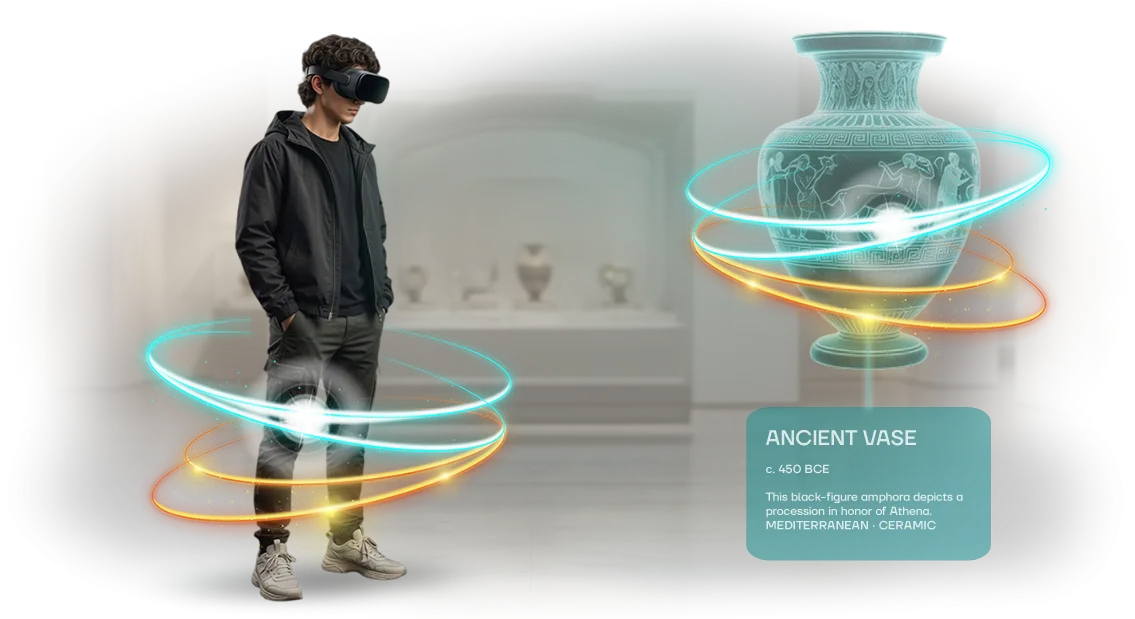
סיור וירטואלי פותר את הבעיה הזו: הוא פותח את אוסף הצמחים מכל מקום בעולם ובכל זמן, הופך עניין פסיבי לרצון לבקר פיזית, ויוצר סיבה לשתף את החוויה ברשתות החברתיות. מי שכבר ביקר בגן וירטואלית נוטה הרבה יותר להגיע פיזית.
כך הגן זוכה למבקרים חדשים ומחזק את הקשר עם הקהל הקבוע שלו, מבלי לשנות את המציאות הפיזית.
הפורמט הדיגיטלי מגדיל את הכרת המותג מעבר לעיר — אנשים שמעולם לא שמעו על הגן יכולים "להטייל" בשביליו ולרצות לראות אותם בעיניים.
הסיור הווירטואלי הופך לחלק משגרת היומיום: נוח להשתמש בו בתוכניות חינוכיות, באתר וברשתות החברתיות, בעוד תלמידים ותיירים בוחרים בגן לביקורם הבא.
אנחנו יוצרים סיורים וירטואליים שעובדים ככלי מתמשך למשיכת תשומת לב, לא כקמפיין חד-פעמי. אנחנו עוזרים לגנים לשמור על עניין הקהל, להגדיל את ההכרה ולהפוך ביקור חד-פעמי לקשר ארוך טווח עם המקום.
זו דרך להישאר רלוונטיים עבור מי שכבר אוהב את הגן ולפתוח אותו לקהל חדש.
מה תערוכה וירטואלית נותנת לגן שלך: 5 יתרונות מרכזיים
יתרון: גידול בכמות המבקרים ללא מגבלות עונתיות
סיור וירטואלי פותח את הגן כל השנה — אפילו בחורף, אורחים יכולים לראות חממות פורחות בסיור תלת-ממדי ואז לרצות לבקר פיזית. הפורמט המקוון אינו מחליף את הביקור; הוא מזין את העניין.
יתרון: משיכת תיירים
אולם תצוגה וירטואלי הוא המדריך הדיגיטלי שלך לאורחים מערים ומדינות אחרות. תיירים בוחרים יותר ויותר יעדים על בסיס סיורים מקוונים מרהיבים: סיור חי ומרשים הופך לטיעון מכריע ומביא מבקרים חדשים ללא עלויות פרסום.
יתרון: חיזוק התדמית
פלטפורמה דיגיטלית מודרנית מראה שהגן מתעדכן עם הזמן. זה מגביר את האמון של שותפים, נותני חסות והתקשורת, יוצר סיבות לחדשות ועוזר לכם לבלוט בין מקומות אחרים.
יתרון: איסוף לידים
קל לשלב בתערוכה תלת-ממדית טפסי הזמנת סיורים, הרשמה לניוזלטר והזמנת כרטיסים. מבקרים משאירים את פרטי הקשר שלהם — אתם מקבלים מאגר של אורחים מתעניינים ויכולים להזמין אותם לאירועים חיים.
יתרון: חשיפה ברשתות החברתיות
תמונות יפות מסיור וירטואלי גורמות לאנשים לרצות לשתף אותן עם חברים. כל שיתוף מרחיב את החשיפה ללא תקציב פרסום, וכפתורי השיתוף הופכים את הצופים למקדמים חינמיים של הגן.
פורמטים של סיורים וירטואליים למטרות שונות
גן בוטני הוא מקום שבו רוצים להראות כל שביל ופרח נדיר. אבל מבקרים, שותפים וסטודנטים מגיעים עם שאלות שונות, ופורמט אחד לא יכול לענות על כולן.
חלקם רק צריכים להסתכל במהירות על השטח, אחרים צריכים לשקוע באווירה ובפרטים, ועוד אחרים צריכים ידע שיטתי.
הפתרון הוא להתאים את פורמט הסיור הווירטואלי למטרה. זה יכול להיות פנורמה קלה לקהל רחב, סיור תלת-ממדי מרשים לפגישות עסקיות, או מסלול אינטראקטיבי עם חומרים חינוכיים לבתי ספר ואוניברסיטאות.
| פורמט | למי הוא מתאים | מה הוא נותן ללקוח |
|---|---|---|
| סיור פנורמי | מבקרים כלליים באתר | השקה מהירה, חשיפה לקהל רחב, היכרות קלה עם הגן מכל מכשיר |
| סיור תלת-ממדי | אירועי B2B, שותפים, משקיעים | הצגה ויזואלית של היקף הגן וייחודיותו, רושם חזק למשא ומתן |
| סיור אינטראקטיבי | תוכניות חינוכיות | מעורבות תלמידים, חומרים מובנים על צמחים, גידול בפניות חוזרות מבתי ספר ואוניברסיטאות |
בחירת הפורמט משפיעה על התוצאה: פנורמה מגדילה את התנועה לאתר, סיור תלת-ממדי מחזק את עמדות המשא ומתן, ופורמט אינטראקטיבי בונה בסיס לשותפויות ארוכות טווח עם בתי ספר. אנחנו נעזור לכם לבחור את האפשרות הנכונה ולפתח סיור שפותר את המשימה הספציפית שלכם.
איך מפתחים סיור וירטואלי במפתח סגור
פיתוח סיור וירטואלי לגן בוטני הוא תהליך שבו הלקוח רואה את התוצאה בכל שלב, ולא "קופסה שחורה." מבננו אותו כך שאתם שולטים בלוח הזמנים ובתוכן, בעוד הצוות מטפל בכל העניינים הטכניים — מהבריף הראשוני ועד לתמיכה לאחר ההשקה.
- בריף ומטרות — אנחנו דנים באילו אזורים בגן להראות, מי יהיה הקהל, ומה חשוב יותר: משיכת מבקרים, סיפור על האוספים או יצירת מסלול חינוכי. אנחנו קובעים את הפורמט: גרסת אינטרנט, משקפי VR או שילוב באתר.
- תוכנית פרויקט וקונספט — אנחנו מכינים את מסלול הסיור, מבנה המעברים ורשימת נקודות מפתח. אתם מקבלים תרשים ברור של החלל הווירטואלי העתידי והבנה של מה המשתמשים יראו.
- צילום והכנת חומרים — אנחנו מגיעים לגן בזמן נוח ומצלמים את המיקומים המרכזיים עם ציוד מקצועי. זה מבטיח תוצאות עקביות ללא עיוותים או תיקונים מיותרים.
- הרכבה ותוכן — אנחנו בונים את הסיור הווירטואלי: מעברים בין אזורים, תיאורי צמחים, מדריך קולי ורמזים אינטראקטיביים. בשלב זה אתם מקבלים גרסת ביניים ויכולים להשאיר הערות.
- בדיקות והשקה — אנחנו בודקים את הסיור במכשירים שונים, מתקנים בעיות ומפרסמים אותו באתר שלכם או בעמוד ייעודי. אנחנו מספקים מדריך קצר לצוות שלכם.
- תמיכה לאחר ההשקה — אנחנו נשארים בקשר: מבצעים עריכות טקסט, עוזרים להוסיף אזורים חדשים ומעדכנים מידע על התערוכה. אם תרצו להרחיב את המסלול, זה הופך לשלב הבא ללא בנייה מחדש של המערכת כולה.
תהליך העבודה הזה מאפשר לכם לראות את התפתחות הפרויקט מדי שבוע ולהשפיע על התוצאה בזמן — בלי הפתעות במסירה הסופית.
מה כולל הפרויקט: חבילת השקה מלאה
סיור וירטואלי לגן בוטני הוא לא רק תמונות פנורמיות אלא מוצר דיגיטלי מוגמר שמביא מבקרים לשטח ומגדיל את ההכרה. כדי לתת ללקוח תוצאה עובדת, אנחנו מוסרים את הפרויקט במפתח סגור: מצילום ועד הדרכת צוות. להלן חבילת המסירה המלאה.
מה כולל הפרויקט:
- צילום פנורמי של השטח והחממות — צילום מקצועי באיכות גבוהה שמעביר את אווירת הגן ונותן למבקרים תחושת נוכחות.
- סמנים אינטראקטיביים ונקודות עניין — אזורים ניתנים ללחיצה עם תיאורי צמחים, היסטוריית האוסף ומידע שימושי. המבקרים בוחרים את המסלול שלהם.
- מדריך קולי וחומרי טקסט — סיפורים מוקלטים וטקסטים לעיון לקהלים שונים: משפחות עם ילדים, תיירים, חוקרים.
- עריכה ופוסט-פרודקשן — חיבור פנורמות, הגדרת מעברים, תיקון צבע. התוצאה היא מסע חלק ללא "תפרים" או פגמים טכניים נראים לעין.
- שילוב באתר וברשתות החברתיות — הסיור נפתח בלחיצה אחת, ללא צורך בהתקנת אפליקציה. אפשר למקם אותו בעמוד הבית או במדור ייעודי.
- הדרכת צוות והוראות עדכון — הצוות שלכם יכול להוסיף אובייקטים חדשים ולשנות מידע בעצמו, ללא פנייה למפתחים.
זו לא קבוצה של שירותים מנותקים אלא חבילה אחת עם אחריות נקודתית אחת. לאחר ההשקה אנחנו נשארים בקשר: מבצעים התאמות במהירות, מוסיפים תערוכות עונתיות ומספקים תמיכה טכנית לפרויקט.
אתם לא צריכים להבין בפרטים — רק לקבל את העבודה ולספר למבקרים על הפורמט החדש.
מקרה בוחן: סיור וירטואלי לגן בוטני
משפחות מבקרות בגנים בוטניים, אבל לא כולם יכולים להגיע פיזית. הורים עם ילדים קטנים, קשישים ואורחים מאזורים אחרים לא תמיד יכולים להצטרף לסיור חי.
הצענו ליצור סיור וירטואלי של החממות הראשיות והאוספים הפתוחים כדי להסיר את החסם הזה ולהרחיב את קהל הגן.
איך בנינו את הפרויקט
יחד עם המומחים של הגן בחרנו את נקודות המפתח במסלול: החממה הטרופית, הגן היפני ואוסף הצמחים הנדירים.
המשימה שלנו הייתה לא רק לצלם וידאו אלא ליצור אווירה של טיול — עם מעברים חלקים בין מיקומים וסיפורים קצרים על המוצגים המעניינים ביותר. הסיור המוגמר, באורך של כ-15 דקות, פורסם באתר הגן וברשתות החברתיות.
מה הלקוח הרוויח
בחודש הראשון, הסיור הווירטואלי נצפה יותר מ-120,000 פעמים. צפיות העמודים המקוונות של הגן שולשו, וההזמנות לסיורים אמיתיים גדלו ברבע — אנשים מכירים את הגן וירטואלית ואז מבקרים פיזית.
הייתה גם השפעה מוניטרית בולטת.
כמה פרסומים עירוניים כתבו על הסיור, והגן ביסס את מעמדו כמקום מודרני ולא רק "מוזיאון פתוח." לאחר ההשקה, הלקוח חזר אלינו לסיור שני לקבוצות בתי ספר וממשיך להשתמש בפורמט הווירטואלי בעבודתו.
הגן הבוטני העירוני הפך לדוגמה לאיך מוצר דיגיטלי משפר את החוויה החיה ומרחיב את החשיפה ללא השקעה פרסומית נוספת.
איך לבחור פורמט סיור וירטואלי למטרות שלכם?
כשעולה השאלה של סיור וירטואלי, קל להרגיש מוצפים: יש הרבה אפשרויות, וכל אחת נשמעת משכנעת. אבל בחירת פורמט היא לא על "מה יותר טרנדי" אלא על "מה פותר את המשימה שלכם."
הנקודה הראשונה היא לנסח את המטרה: למשוך אורחים חדשים, להציג אוספים, לשמר מבקרים קבועים או לספר על העבודה המדעית של הגן. התשובה קובעת אם אתם צריכים חשיפה רחבה או מעורבות עמוקה.
לחשיפה רחבה ודחיפה עדינה לביקור אמיתי, סיור פנורמי הוא אופטימלי: הוא נפתח במהירות בכל מכשיר, אינו דורש התקנת אפליקציה וקל לשילוב באתרים וברשתות חברתיות. היתרון המרכזי שלו הוא כיסוי רחב עם חסם כניסה מינימלי לצופה.
כשהמשימה היא לא רק להציג אלא להחזיק תשומת לב וליצור רושם, הבחירה היא סיור אינטראקטיבי עם מעברים בין אזורים, תרחישים עונתיים ורמזים נסתרים.
פורמט זה מתאים לפרויקטים מיוחדים ולקהל קבוע: מבקרים בוחרים את המסלול שלהם, מגלים פרטים ונשארים בקשר עם המותג זמן רב יותר.
הקריטריון השלישי הוא תרחיש השימוש. שיעור בבית ספר צריך מבנה קצר וברור; מצגת בכנס צריכה נרטיב אווירתי. החליטו מראש אם הסיור יהיה עמוד עצמאי, חלק מתערוכה או תוכנית חינוכית.
בבריף, נסקור את המטרות שלכם, נשווה פורמטים באמצעות דוגמאות אמיתיות ונציע אפשרות שעובדת לתוצאות. כך אתם מבטלים את הסיכון לטעות לפני ההתחלה ומקבלים סיור שבאמת מושך תשומת לב לגן הבוטני.
שאלות נפוצות על סיורים וירטואליים
לפני הזמנת סיור וירטואלי לגן בוטני עולות הרבה שאלות: כמה זמן ייקח ההכנה, על אילו מכשירים הכל יעבוד, והאם אפשר לעדכן את התערוכה מאוחר יותר. להלן תשובות לדאגות הנפוצות ביותר שאנחנו שומעים מלקוחות בתחילת הדרך.
כמה זמן לוקח ליצור סיור וירטואלי?
בדרך כלל שבועיים עד ארבעה, תלוי במספר האזורים וברמת הפירוט. אנחנו מציגים את הגרסה הראשונה תוך 7–10 ימים, מבצעים עריכות ללא תשלום נוסף וקובעים את לוח הזמנים המדויק בחוזה.
כמה קשה לארגן את הצילום?
אנחנו מביאים ציוד משלנו ועובדים מבלי להפריע לפעילות הגן. הצילום אורך יום או יומיים ואינו מפריע למבקרים: אנחנו בוחרים מראש את השעות הפחות עמוסות.
באילו מכשירים הסיור יעבוד?
הסיור רץ בדפדפן בכל מכשיר — מחשבים, טאבלטים וסמארטפונים. המבקרים לא צריכים להתקין כלום: הם פשוט פותחים קישור או סורקים קוד QR.
כמה עולה יצירת סיור וירטואלי?
העלות תלויה במספר האזורים ובעומק הפירוט. לאחר הבריף, אנחנו קובעים את האומדן ולא משנים אותו במהלך הפרויקט. התשלום מחולק לשלבים — זה מפחית את הסיכון הפיננסי ללקוח.
האם אפשר לעדכן את המסלול הווירטואלי מאוחר יותר?
כן, היכולת הזו מובנית מההתחלה. אפשר להוסיף צמחים חדשים, תערוכות עונתיות או שינויים במסלול בכל זמן, והעדכונים בדרך כלל אורכים רק כמה ימים.
מהם הסיכונים, ואיך אתם מבטיחים את התוצאה?
כל ההסכמות מתועדות במפרט הטכני, אנחנו מציגים גרסאות ביניים ומשלבים משוב בכל שלב. לאחר ההשקה, אנחנו מספקים אחריות על פעולת הסיור ונשארים זמינים לתמיכה מהירה.
הזמינו סיור וירטואלי ומשכו אורחים חדשים
סיור וירטואלי הוא כבר לא רק תוספת לאתר — הוא ערוץ עצמאי למשיכת מבקרים.
משתמשים יכולים לראות צמחים נדירים, שבילים וחממות בכל זמן, מכל מקום בעולם, ואחרי ביקור כזה הם נוטים יותר לתכנן טיול אמיתי לגן שלכם.
יצרנו עשרות סיורים אינטראקטיביים למוזיאונים, פארקים וחללי תצוגה.
הלקוח מקבל פתרון מוכן שעובד להגברת ההכרה של הגן ולהבאת אורחים חדשים תוך ימים ספורים מהפרסום — ללא הרחבת צוות או השקעה פרסומית נוספת.
לאחר פנייתכם, אתם מקבלים:
- סיור וירטואלי שמשתלב באתר וברשתות החברתיות — מבקרים רואים מיד את המסלולים ונקודות המפתח של הגן.
- ממשק אינטואיטיבי לאורחים בכל הגילאים — מתלמידי בית ספר ועד קשישים, ללא צורך בתוכנות מיוחדות או התקנות.
- גישה מסביב לשעון לשטח — הסיור עובד גם בלילה, בגשם או מחוץ לעונה כשהגן סגור פיזית.
- חשיפה נוספת דרך ניוזלטרים וקודי QR על פוסטרים — כל מדריך ודלפק מידע הופכים לנקודת משיכה.
- ניתוח ביקורים: מונה צפיות מראה אילו תערוכות מעניינות את האורחים ביותר ועוזר לתכנן תצוגות עתידיות.
- תמיכה ועדכונים — כשמתווה הגן משתנה, אנחנו מבצעים התאמות מהירות כך שהסיור תמיד תואם למפה האמיתית.
השאירו פנייה באתר — נראה לכם איך נראה הסיור הסופי באמצעות השבילים שלכם כדוגמה ונכין הצעה מותאמת אישית. אולי תוך שבועיים בלבד, אלפי אורחים חדשים יראו את הגן שלכם באור הטוב ביותר.