



קוסמודרום למבקרים: איך מציגים קנה מידה ללא סיכון?
הצגת קוסמודרום אמיתי למבקרים באופן אישי היא כמעט משימה בלתי אפשרית. גישה מוגבלת, דרישות בטיחות, תנאי מזג אוויר ולוגיסטיקה הופכים תצוגה שיווקית ליקרה ומסובכת.
במקביל, דווקא קנה המידה—משטחי שיגור, האנגרים, רוחב מסלול ההמראה—הוא זה שיוצר את הרושם החזק ביותר ונשאר בזיכרון לאורך זמן. בלעדיו, המבקרים רואים רק תצלומים ולא חשים בקנה המידה.
סיור וירטואלי פותר בעיה זו: הוא מרכז את המיקומים המרכזיים של הקוסמודרום למסלול אחד ומאפשר לכל מבקר להרגיש כאילו הוא במרכז ההתרחשות.
משתמש "מטייל" בשטח, בוחן את המתקנים ורואה את קנה המידה האמיתי שלהם—ללא צורך באישור ביטחוני או נסיעה אלפי קילומטרים משם.
סיור כזה ניתן להציג בתערוכה, בכנס או באולם תצוגה, וניתן גם להשתמש בו כנכס שיווקי עצמאי.
עבור הלקוח, זו הזדמנות למשוך תשומת לב לקוסמודרום ללא סיכונים או הוצאות מיותרות. סיור וירטואלי אינו תלוי במזג אוויר, בעונה או בהגבלות גישה—הוא תמיד מוכן להצגה.
המבקרים מקבלים חוויה עוצמתית שהם דנים בה ומשתפים ברשתות החברתיות. המארגן מקבל כלי שממשיך לבנות מודעות לפרויקט הרבה אחרי שהאירוע מסתיים.
אנו בונים סיורים וירטואליים על בסיס נתונים וצילומים אמיתיים—כך שהחזותי היא כנה ומוכרת. כל מתקן מוצג מזוויות מועדפות, והמסלול מעוצב כך שהמבקר מקבל רושם מלא על הקוסמודרום.
במקביל, אנו מטפלים בכל התהליך: מתכנון המסלול ועד למוצר מוגמר שמשתלב בקלות בתצוגה השיווקית שלכם.
מה סיור וירטואלי נותן למתקן שלכם
קוסמודרום הוא מתקן שרוב האנשים ראו רק בחדשות. ביקור אמיתי מוגבל על ידי הגבלות גישה, מרחק ועלויות נסיעה, כך שאפילו התשתית המרשימה ביותר נותרת סגורה לקהל רחב.
סיור וירטואלי מסיר את כל המחסומים: אתם פותחים את דלתות המתקן לכל מי שיש לו גישה לאינטרנט, ואתם עושים זאת מבלי לפגוע בביטחון או בפעילות השוטפת.
ההגעה לקהל מפסיקה להיות תלויה בגאוגרפיה ולוגיסטיקה. תלמידי בית ספר מאזור אחר, משלחות זרות, שותפים פוטנציאליים ופשוט חובבי חלל—כולם מקבלים גישה אישית לאתרי שיגור ולמתחמים טכניים.
עבור המותג, זה לא רק סיור אלא כלי שיווקי שיטתי: הוא עובד 24/7, אינו דורש נוכחות צוות, ושימושי באותה מידה להכוונה תעסוקתית, לעבודה עם תיירים ולמשא ומתן עם משקיעים.
המעורבות מבוססת על עניין אמיתי, לא על צפייה פסיבית. במקום וידאו, המשתמשים שולטים בתנועה, בוחרים נקודות תצפית ובוחנים את הפרטים שבאמת מעניינים אותם.
אינטראקציה זו מחזיקה תשומת לב זמן רב יותר מאשר מצגת רגילה: המבקר מרגיש כמו חוקר, לא כמו צופה. האפקט הזה הוא שהופך ביקור חד-פעמי לחוויה בלתי נשכחת ששווה לספר עליה לאחרים.
הזיכרון מוביל ישירות להכרת המותג. סיור וירטואלי הוא סיפור חי שקל לספר מחדש וקל לשתף. כל מי שרואה את משטח השיגור או את מרכז הבקרה דרך מסך מקשר את הרגשות האלה למתקן שלכם.
ההמלצות מפה לאוזן מוגברות על ידי פוסטים ברשתות החברתיות, והופכות כל ביקור לערוץ שיווקי חינמי. אנו יוצרים סיורים כאלה עם ציוד מקצועי וכלים מוכחים כך שתקבלו תוצאות באיכות גבוהה באופן עקבי—ללא תקלות או פשרות.
השורה התחתונה פשוטה: סיור וירטואלי פותר שלוש משימות עסקיות בבת אחת—הוא מרחיב את הקהל שלכם, מחזיק תשומת לב ובונה תדמית של מתקן מודרני, פתוח וטכנולוגי. עבור קוסמודרום, זה לא תוספת אופציונלית אלא מרכיב הכרחי באסטרטגיית הקידום.
פורמטים של סיור דיגיטלי למטרה שלכם
סיור דיגיטלי הוא לא רק "מודל תלת-ממדי מצויר". הפורמט קובע מה הפרויקט ישיג: הצגת מוצר בפירוט, הדרכת אורח באזור מוגבל או שיתוף אנשים בלמידה דרך משחק. אין פתרון אחד שמתאים לכולם, ואנו לוקחים זאת בחשבון במהלך הפיתוח.
הנה תרחישים אופייניים שלקוחותינו פונים אלינו איתם. ראו איזה פורמט מתאים ביותר למטרה שלכם—או שלבו אותם כדי לחזק את האפקט.
| פורמט | למי | מה הוא נותן ללקוח |
|---|---|---|
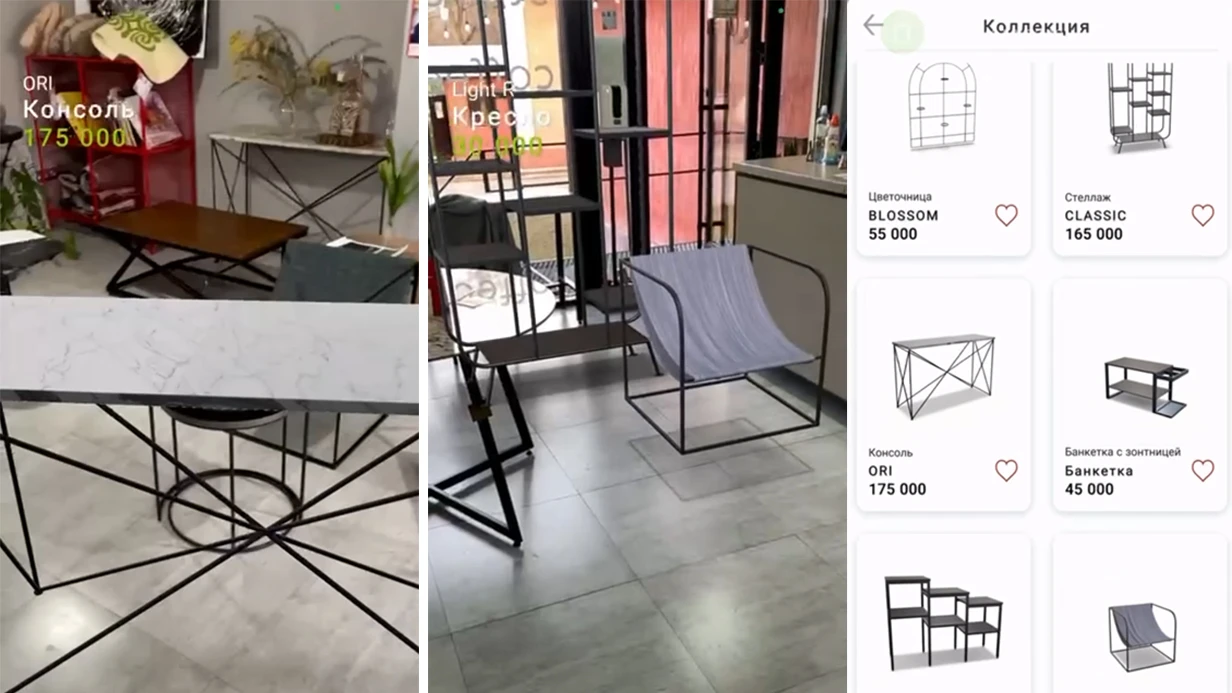
| אולם תצוגה תלת-ממדי | חברות עם מגוון רחב של מוצרים | הקונה "נוגע" במוצר בפירוט מבלי לצאת מהבית—המרה גבוהה יותר להזמנה |
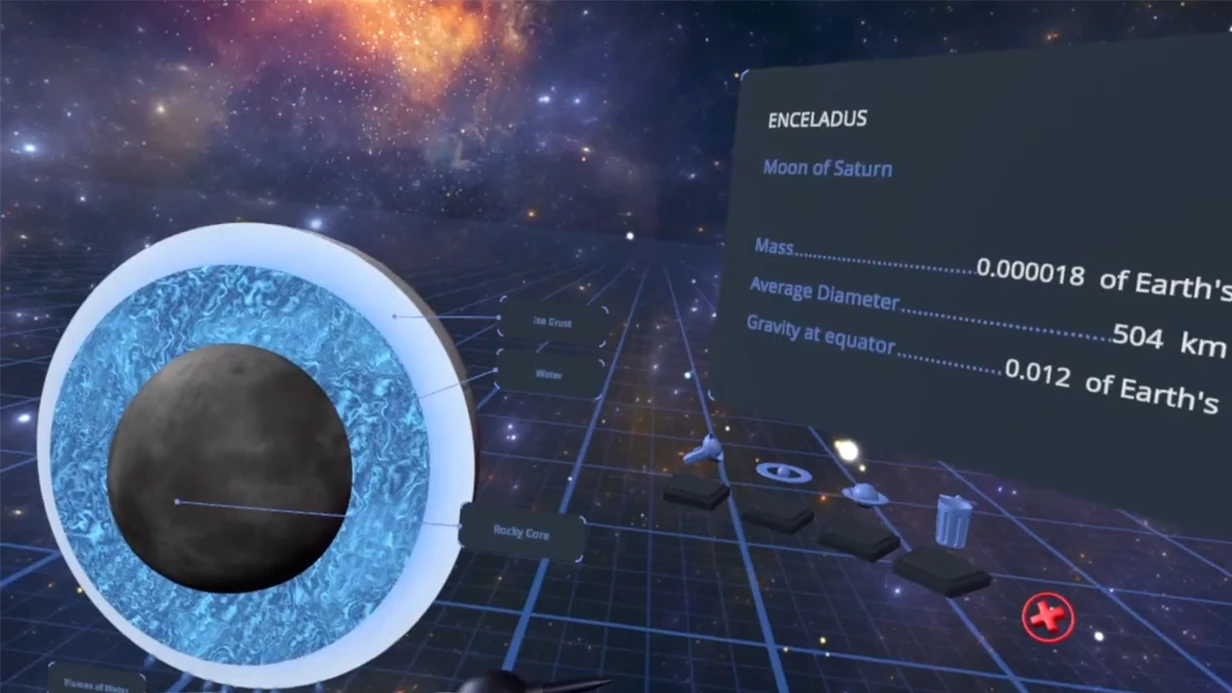
| סיור VR | מוזיאונים, קוסמודרומים, מתקנים תעשייתיים | האורח מקבל תחושת נוכחות—עניין רב יותר וזכירות מותג גבוהה יותר |
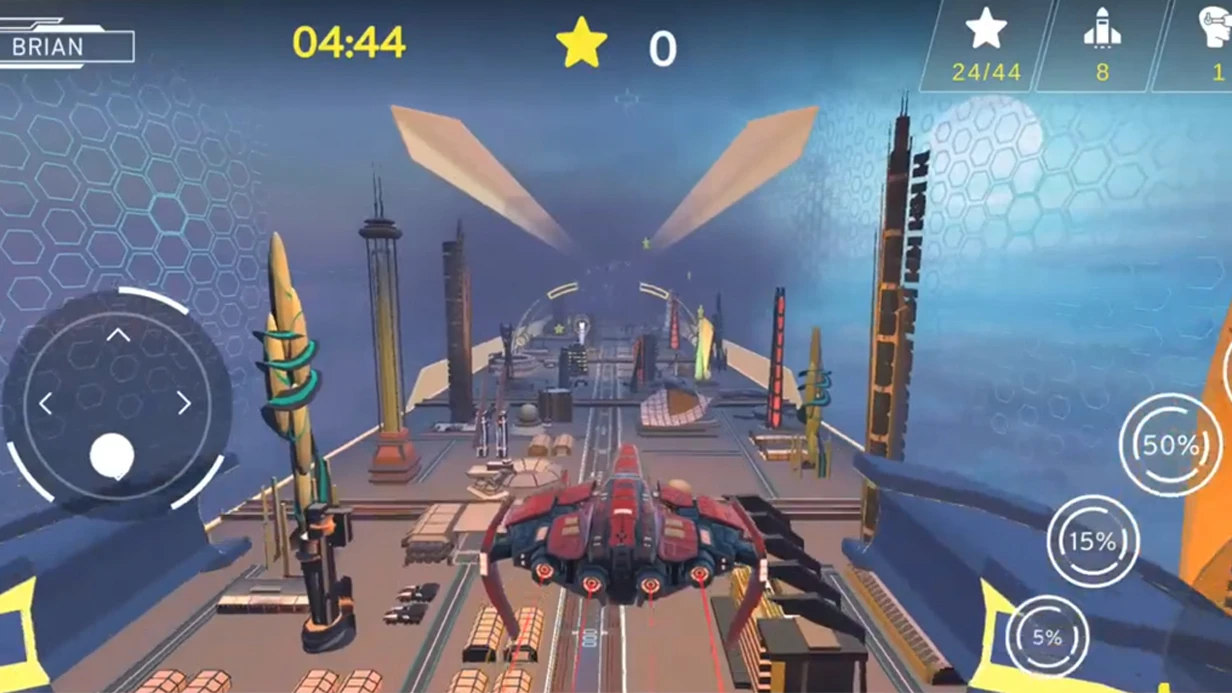
| משימה אינטראקטיבית | פרויקטים חינוכיים, אירועי חברה | המשתתפים נמשכים למשחק—טווחי תשומת לב ארוכים יותר והגעה ויראלית טבעית |
| סיור וירטואלי 360° | נדל"ן, מלונות, דוכני תערוכה | הלקוח חוקר את החלל בקצב שלו—פחות שיחות מיותרות והחלטות מהירות יותר |
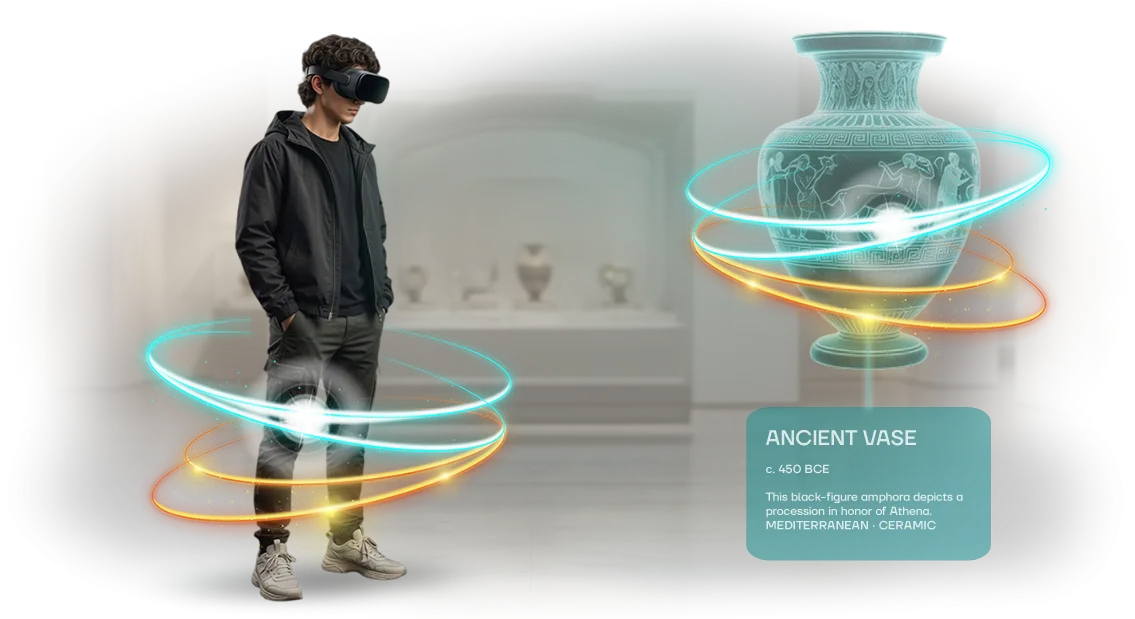
עבור קוסמודרום, למשל, סיור VR פותח את מה שסגור למבקרים במציאות: מתחמי שיגור, אזורים טכניים, מרכזי בקרה. האורח מקבל תחושת נוכחות, ואתם מקבלים הכרה וסיבה לדבר על הפרויקט ברשתות החברתיות ובעיתונות.
אנו בונים כל פורמט עם ציוד מקצועי וכלים מוכחים—זה מבטיח ביצועים יציבים גם בעומס שיא. אם אתם צריכים שילוב, למשל אולם תצוגה תלת-ממדי עם סיור VR, נעצב פתרון אחיד שבו כל פורמט מחזק את השני.
שלבי השקת סיור וירטואלי: מבריף ועד תמיכה
תהליך השקת הסיור הווירטואלי בנוי כך שאתם מבינים בכל שלב מה קורה ובעבור מה אתם משלמים. אנו עובדים ללא "קופסאות שחורות": אתם רואים תוצאות ביניים, מבצעים שינויים ומחליטים אם לעבור לשלב הבא. להלן השלבים העיקריים שפרויקט עובר, מהבריף הראשוני ועד לתמיכה לאחר ההשקה.
-
בריף והתעמקות במשימה. אנו דנים במטרות הסיור: מה המבקר צריך לראות, אילו מתקנים להציג ואיזו פעולה הוא צריך לבצע. אתם מקבלים תיאור קונספט ותוכנית עבודה עם לוחות זמנים ברורים.
-
אישור תסריט ומבנה. אנו מגדירים את הרכב האזורים, היגיון התנועה ונקודות עניין. אתם מאשרים את מפת הסיור ומבינים כיצד מבקרים יתקשרו עם החלל—זה הבסיס להמשך העבודה.
-
יישום החלל הווירטואלי. אנו מרכיבים מודלים של מתקנים וממלאים את הסצנה בנקודות מידע ובאלמנטים אינטראקטיביים. אנו מציגים גרסאות ביניים כדי שתוכלו לראות את ההתקדמות ולהתאים פרטים.
-
בדיקות ואישור. אנו בודקים את נוחות הניווט, מהירות הטעינה ותצוגה תקינה במכשירים שונים—מסמארטפונים ועד מסכים גדולים. אתם מקבלים את הגרסה הסופית לאישורכם.
-
השקה ופרסום. אנו ממקמים את הסיור באתר שלכם או בעמוד נפרד ומחברים קישור או כפתור נוחים. המבקרים מקבלים גישה מידית—ללא התקנות נוספות או הגדרות מורכבות.
-
תמיכה ופיתוח. לאחר ההשקה, אנו נשארים בקשר: אנו פותרים כל בעיה, מעדכנים מידע ומוסיפים מתקנים חדשים. אם הסיור צריך להשתנות עם הזמן, אתם יודעים בדיוק למי לפנות.
מה כלול במסירה: חבילת הלקוח
חבילת המסירה המלאה היא לא רק קישור לסיור מוגמר—זו מערכת עובדת שהצוות שלכם יכול להשתמש בה מיד, ללא הבאת קבלנים חיצוניים. הנה בדיוק מה תקבלו לאחר שהסיור של הקוסמודרום שלכם יעלה לאוויר.
- מודל תלת-ממדי של מתקני הקוסמודרום — עותקים וירטואליים מפורטים של מבנים, מכונות ומוצגים מרכזיים. המבקרים יכולים להתקרב לפרטים, לצפות בהם מזוויות שונות ואפילו "להציץ" פנימה.
- תסריט סיור — מסלול מובנה היטב בשטח עם עצירות הגיוניות, עובדות מעניינות והדגשים משמעותיים. התסריט מתאים את עצמו לקהלים שונים, ממשפחות עם ילדים ועד מומחים טכניים.
- אינטגרציה עם האתר שלכם ורשימת האירועים — הסיור נפתח בכמה קליקים בכל מכשיר: מחשב, טאבלט או סמארטפון. אין צורך להתקין דבר—המבקרים מועברים מיד לקוסמודרום הווירטואלי.
- הכשרת הצוות שלכם — אנו מספקים הוראות פשוטות והדרכה קצרה כך שהצוות שלכם יוכל לעדכן תוכן באופן עצמאי, להוסיף מתקנים חדשים ולנהל את הסיור.
- תמיכה טכנית — לאחר ההשקה, אנו נשארים זמינים לעזור בפתרון בעיות ולבצע עריכות מהירות אם קונספט התערוכה משתנה או מוצגים חדשים מופיעים.
- אנליטיקת מבקרים — אתם רואים אילו נקודות בסיור מושכות את מירב תשומת הלב, היכן האורחים מתעכבים והיכן הם עוזבים מוקדם. זה עוזר לשפר את התסריט ולהפוך את הסיור למרתק יותר.
מקרה בוחן: קוסמודרום וירטואלי שהחזיר את ההשקעה בשלושה חודשים
סיור רגיל בקוסמודרום נתקל במגבלות: שטח מוגבל, תקנות, עונתיות וגאוגרפיה עצומה. רוב האורחים המעוניינים פשוט לא יכולים להגיע למתקן, כך שהקופה מאבדת זרם עצום של מבקרים.
הלקוח הגיע עם בקשה ספציפית: ליצור סיור דיגיטלי שיציג את הקוסמודרום האמיתי לאנשים אלפי קילומטרים משם.
בנינו אולם תצוגה וירטואלי הכולל מתחמי שיגור, בית מלאכה להרכבה, מרפסות תצפית ועמדות צפייה. האורחים נעים בשטח ממחשב, טאבלט או טלפון, צופים בפנורמות ויכולים לבחור מיד תאריך ביקור. הייצור ארך שישה שבועות; לאחר מכן שולב הסיור באתר ובחנות הכרטוס.
תוצאות לאחר שלושה חודשים
בחודש הראשון בלבד, הקוסמודרום הווירטואלי הביא 40% מבקרים חדשים לחנות המקוונת. עד סוף הרבעון, הפרויקט החזיר את ההשקעה: הבקשות לסיורים אמיתיים שולשו, ומכירות הכרטיסים עלו ב-70%.
במקביל, ערך הקנייה הממוצע של אלה ש"ביקרו" לראשונה בקוסמודרום באינטרנט היה גבוה בשליש: אנשים בוחרים תוכניות מורחבות וסחורה למזכרת.
"הסיור הסיר את המגבלה העיקרית—המרחק. עכשיו החלל מגיע לביתו של התייר, ורק אלה שבאמת רוצים לראות הכל מקרוב מגיעים לאתר", מסבירה מנהלת השיווק של ווסחוד.
מקרה זה מראה שסיור וירטואלי עובד כמוצר עצמאי, לא רק כחנות. הוא מספק תוצאות מדידות כבר בעונה הראשונה, מושך אורחים מאזורים אחרים ואינו דורש תקציב פרסום שנתי לקידום.
שאלות נפוצות על סיורים וירטואליים
לפני הזמנת סיור וירטואלי של קוסמודרום, לכל מנהל יש ספקות: איך זה יעבוד, היכן המבקר יראה את הערך, והאם לא יהיה צורך לעשות הכל מחדש בעוד חודש? אספנו את שלוש השאלות הנפוצות ביותר וענינו עליהן בכנות—ללא ז'רגון טכני.
האם זה בטוח להציג סיור וירטואלי במתקן עם גישה מוגבלת?
אנו מתכננים את הסיור כך שרק החלק בשטח שאתם מרשים להציג יופיע בגישה ציבורית. אזורים חסויים מוחרגים לחלוטין מהצילומים או מוסתרים באמצעות מיסוך במהלך הפוסט-פרודקשן.
הגרסה הסופית מושקת רק לאחר אישורכם בכתב—הגישה לחומרי המקור נשארת אצלכם.
באילו מכשירים ישתמשו מבקרים כדי לצפות בסיור?
הסיור מותאם לרוב הסמארטפונים, הטאבלטים והמחשבים המודרניים—המבקרים לא צריכים משקפיים מיוחדים או התקנות תוכנה. לאירועים המוניים ודוכנים, אנו מגדירים בנוסף מצב קיוסק: האורחים פשוט נוגעים במסך ומנווטים בחלל. ההתקנה הטכנית של המקום לא תדרוש החלפה—כל מכשיר עם דפדפן מספיק.
באיזו תדירות ניתן לעדכן את תוכן הסיור?
כל מתקן משתנה עם הזמן—מוצגים חדשים מופיעים, מסלולים או לוחות זמנים משתנים. אנו מספקים לכם לוח בקרה קל לשימוש שבאמצעותו עובד ללא ידע מיוחד יכול להחליף טקסטים, תמונות וסרטונים בסיור הקיים תוך מספר שעות.
לשינויים משמעותיים, כמו הוספת ביתן חדש, פשוט צרו איתנו קשר—נבצע את העריכות מבלי לצלם מחדש את כל הקוסמודרום.
אם לא מצאתם את שאלתכם ברשימה זו—שלחו לנו את התרחיש שלכם. נראה דוגמאות של פרויקטים דומים ונעריך לוחות זמנים ופורמט עבודה למשימה שלכם.איך לבחור את הפורמט הנכון למטרה שלכם?
בחירת פורמט סיור וירטואלי מתחילה לא בטכנולוגיה אלא בשאלה: איזו משימה הסיור יפתור עבור הקוסמודרום שלכם?
אם המטרה היא למשוך קהל רחב ולמקסם הגעה, סיור אינטראקטיבי 360° שנפתח בקלות בסמארטפון ללא התקנת אפליקציות מספיק.
אם אתם צריכים להציג פרטי מתקנים, להוביל צופים דרך אזורים טכניים וליצור תחושת נוכחות—אולם תצוגה תלת-ממדי או סיור VR הוא הכיוון הטוב יותר.
הקריטריון השני הוא מי הצופה שלכם. תלמידי בית ספר ותיירים צריכים פשטות: מאמץ מינימלי, ניווט ברור והזדמנות לבקר באתר תוך 5–7 דקות.
משקיעים ושותפים צריכים אותנטיות ופירוט: הם חייבים לבחון את מתחם השיגור, להעריך את קנה המידה של התשתית ולהרגיש את רצינות הפרויקט. ברגע שמבינים את פרופיל המשתמש, קל לקבוע איזו רמת התעמקות מוצדקת בתקציב.
הנקודה השלישית היא היכן הצופה יחווה את הסיור. גרסת אינטרנט לשוק המוני עובדת לרשתות חברתיות, אתרים וניוזלטרים. משקפי VR מספקים התעמקות מלאה אך דורשים ציוד—פורמט זה מתאים לאירועים פנים-אל-פנים, תערוכות ומצגות. בפועל, אנו משלבים לעתים קרובות את שתי האפשרויות: סיור אחד, אך עם עומקי התעמקות שונים.
תשובה ישירה: התחילו עם המטרה והקהל שלכם, לא עם רשימת פורמטים. למודעות, סיור קליל מספיק; למכירות או להצגת פרטים, אחד עשיר יותר עובד טוב יותר.
הרכיבו בריף קצר, תארו שלוש סצנות מפתח שהצופים שלכם צריכים לראות, ושלחו אותו אלינו—נציע פתרון שפותר את הבעיה שלכם, לא רק אחד שנראה מרשים.
הזמינו סיור וירטואלי: קבלו כלי מוכן לשימוש
לאחר ההזמנה, אתם מקבלים לא מצגת ולא "מפרט טכני להדפסה"—אלא סיור וירטואלי מוגמר של הקוסמודרום שתוכלו להציג מיד למבקרי האתר, לשותפים ולאורחי התערוכה. זה כלי עובד, לא הבטחה.
הנה מה שהתוצאה כוללת:
- סיור וירטואלי מוכן — קישור להצבה באתר וברשתות החברתיות, ללא צורך בהגדרות נוספות.
- התאמה לקהל שלכם — הסיור משתלב בקלות בתוכניות לתלמידי בית ספר, משלחות או עיתונאים.
- הכשרת הצוות שלכם — מנהלים ומדריכים מפעילים את הסיור בעצמם ללא מעורבות מפתחים.
- תמיכה לאחר ההשקה — אנו מתקנים משוב, מבצעים עריכות ועוזרים בעדכונים.
- לוחות זמנים קבועים — אתם יודעים את תאריך המסירה לפני תחילת העבודה, כך שתוכלו לתכנן השקת מבצע או אירוע.
- סיוע בפרסום — אנו מגדירים את הדומיין, מהירות הטעינה ותצוגה תקינה בכל מכשיר.
היתרון ברור: אתם לא צריכים לשכור קבלן נפרד לצילום, מעצב layout ומשתלב. הזמנה אחת מכסה את כל המשימה—מצילום פנורמי ועד עמוד עובד שהקהל שלכם יראה כבר מחר.
סיור וירטואלי מחזיר את ההשקעה כבר באירוע המרכזי הראשון: הוא מקל על המדריכים, מרחיב את ההגעה למי שלא יכול להגיע פיזית, וממשיך לעבוד הרבה אחרי שהאירוע מסתיים.
השאירו פנייה—נשלח דוגמאות של סיורים לתעשיית החלל ונחשב לוחות זמנים למתקן שלכם. זה לוקח רק כמה דקות, ותראו את התוצאה בפעולה.