



מדוע מועמדים בוחרים בבית ספר לטיסה על סמך סיור וירטואלי
מועמדים בוחרים בית ספר לטיסה פעם אחת בחייהם—והבחירה הזו מלווה בציפיות גבוהות ובפחד מטעות.
תמונות וטקסט באתר אינם מעבירים תחושת מציאות: אי אפשר להבין איך נראים ההאנגרים, הסימולטורים והכיתות, או איזו אווירה שוררת בפנים.
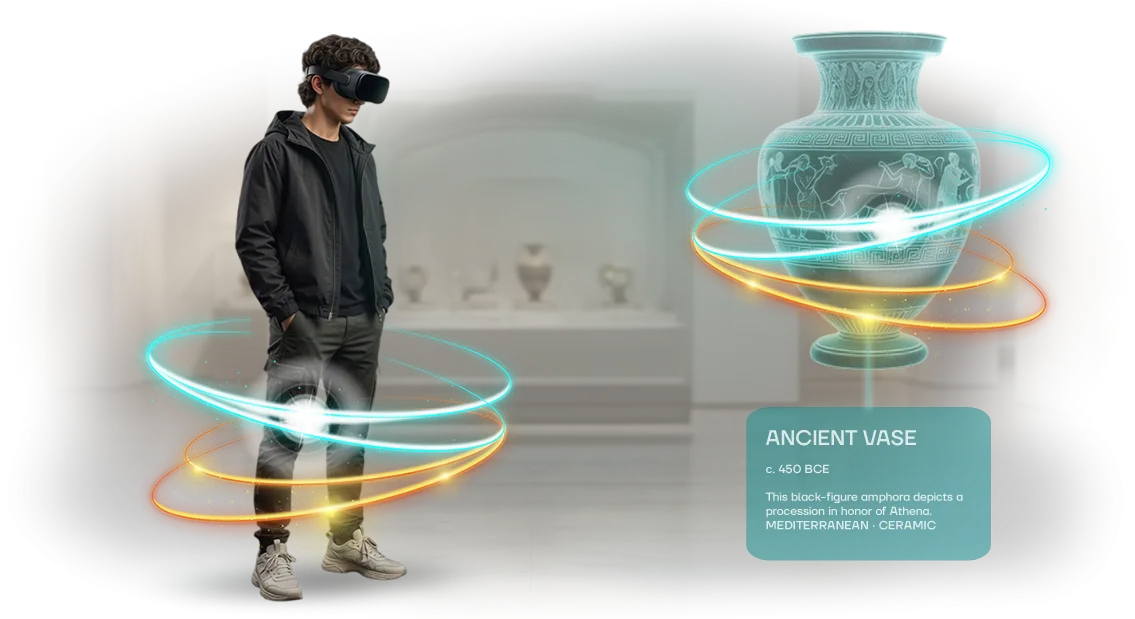
סיור וירטואלי סוגר את הפער הזה: הוא מאפשר לצוערים לעתיד "להסתובב" בשטח בית הספר, להציץ לתא הטייס של הסימולטור, לראות את צי המטוסים, ולהרגיש חלק מהעולם הזה עוד לפני שהם מגישים את המסמכים.
כשמועמד יכול לחקור בית ספר בפירוט, מתחיל להיווצר אמון.
הם רואים שהמוסד פתוח ומוכן להראות הכל ללא ייפוי—זה מסיר את הספקות המרכזיים: "מה אם אגיע למקום אחר?" סיור וירטואלי פועל כמו פגישה אישית: הוא יוצר חיבור רגשי, שלאחריו בית הספר נזכר והופך לבחירה המועדפת.
עבור הורים, שלעיתים קרובות מעורבים בהחלטה, זה גם טיעון חזק—הם רואים בטיחות וציוד במו עיניהם.
יתר על כן, סיור וירטואלי מבדל את בית הספר בין עשרות אתרים דומים. בעוד מתחרים מסתפקים בדפים סטטיים, בית הספר שלך מציע חוויה מלאה—זה מעיד על גישה מודרנית ותשומת לב לפרטים.
המועמד לא רק קורא על תנאים; הוא כבר נמצא מנטלית בקמפוס, מתוודע אליו, ונושא את התחושה הזו לתוך ההחלטה שלו.
בסופו של דבר, סיור וירטואלי פותר את המשימה המרכזית של קמפיין הקבלה—הוא הופך עניין מעורפל לכוונה קונקרטית להגיש מסמכים. הוא מאיץ את ההחלטה, מגדיל את ההמרה באתר, ומפחית את מספר הסירובים לאחר הביקור הראשון.
ההשקעה בפורמט הזה מחזירה את עצמה ברישום גבוה יותר ובנאמנות סטודנטים—הם מגיעים ל"מקום מוכר".
מה סיור וירטואלי נותן למוסד חינוכי
מועמדים והוריהם בוחרים בית ספר לטיסה על סמך רושם ראשוני. תמונות רגילות כבר לא מפתיעות—צריך "להיכנס פנימה" ולהרגיש את האווירה.
סיור תלת-ממדי וירטואלי פותר את הבעיה הזו: הוא מציג כיתות, האנגרים וסימולטורים בדיוק כפי שצוער עתידי יראה אותם.
תדמית בית הספר
גישה מודרנית להצגת מוסד חינוכי מבדלת אתכם מיד מהמתחרים. הצוות שלנו יוצר סיורי תלת-ממד ריאליסטיים שמעבירים דאגה לסטודנטים ואת התחכום הטכנולוגי של תהליך הלמידה. זה תורם להכרה ולאמון—גורמי מפתח בבחירת בית ספר.
חיסכון בזמן
במקום ביקורים אישיים וימי פתוח, מועמדים יכולים לחקור את הקמפוס באינטרנט בכל זמן. הפורמט הזה חשוב במיוחד למועמדים מערים אחרות: הם מקבלים רושם מלא ללא נסיעות. הצוות שלך גם חוסך משאבים—הסיורים זמינים לאלפי מועמדים בו-זמנית.
משיכת סטודנטים
סיור תלת-ממדי מוטמע בקלות באתר, ברשתות החברתיות ובניוזלטרים. כל קליק מביא מועמד מתעניין, והיכולת "להסתובב" בכיתות מגדילה את הסבירות להגשת מסמכים.
אנחנו עובדים עם ציוד מקצועי, כך שהתמונה נשארת חדה גם בחיבורי אינטרנט חלשים—סטודנט עתידי לא יעזוב בגלל תקלות טכניות.
כתוצאה מכך, אתה מקבל כלי גיוס מודרני שמחזיר את עצמו דרך עלייה בפניות וחיסכון בזמן על סיורים שגרתיים.
פורמטים של סיור וירטואלי לבית ספר לטיסה
לכל בית ספר לטיסה יש משימה אחת: להראות למועמדים מה מצפה להם בתא הטייס, בשדה התעופה ובכיתה—לפני שהם מגיעים. סיור וירטואלי פותר את זה, אבל חשוב לבחור את הפורמט הנכון. נשווה בין שתי אפשרויות עיקריות כדי שתבין איזו מהן תיתן תוצאות לבית הספר שלך.
| פורמט | למי זה מתאים | מה זה נותן ללקוח |
|---|---|---|
| וידאו 360 של שטחים ותאי טייס | בתי ספר עם מיקום אמיתי שבו תחושת הנוכחות חשובה | מציג את האווירה ללא עריכה; הצופה "מסתובב" בהאנגר ויושב במושב—זה בונה אמון ומסיר את הפחד מה"לא נודע" |
| אולם תצוגה תלת-ממדי של מטוסים וכיתות | בתי ספר ללא חלל תצוגה קבוע או עם צי מטוסים גדול | מאפשר להציג כל מטוס בפירוט, לסובב את המודל ולחקור אלמנטים של תא הטייס—המועמד מבין עם מה הוא יעבוד לפני הביקור |
וידאו 360 מצולם עם ציוד מקצועי ומורכב לוידאו מוגמר שניתן להטמיע באתר או ברשתות החברתיות. הוא מתאים אם יש לך בסיס אימונים שאתה רוצה להראות "חי"—ממוקד הבקרה ועד מסלול ההמראה.
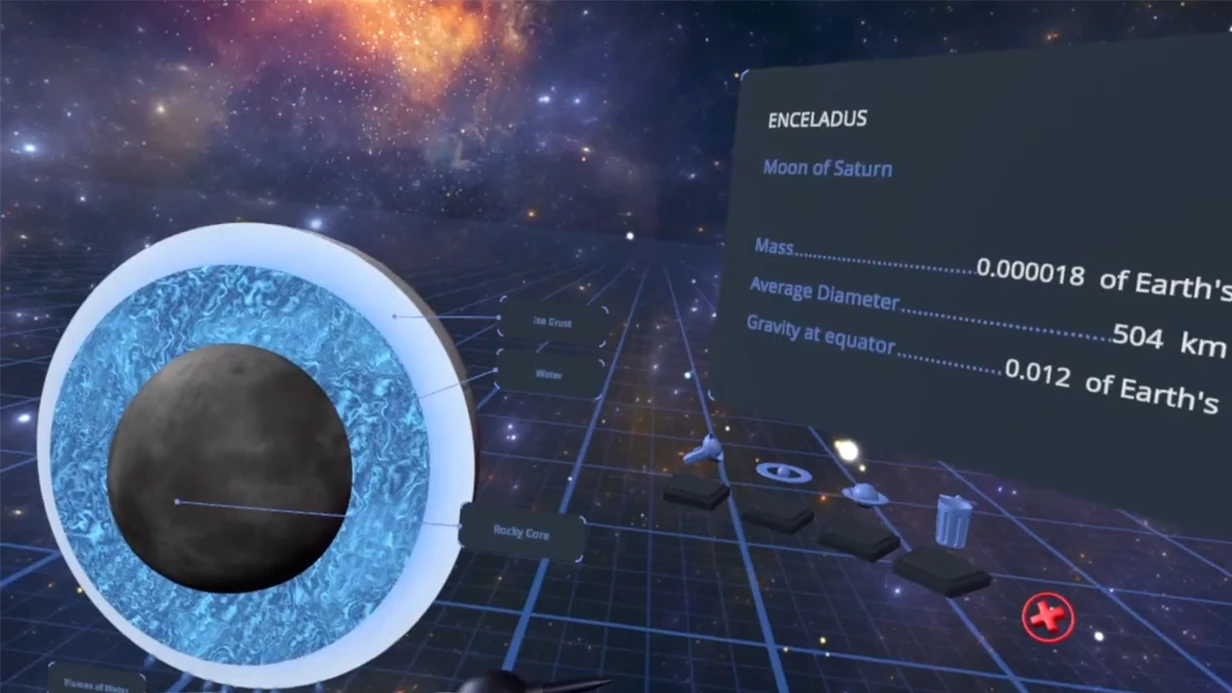
אולם תצוגה תלת-ממדי הוא מודל אינטראקטיבי שבו מועמדים בוחרים את המטוס בעצמם, מתקרבים ללוח המחוונים ובוחנים את הסימולטור.
הפורמט הזה נוח לבתי ספר עם סניפים מרובים או צי מטוסים שמתעדכן: אפשר להרחיב את המודל ללא צילום חדש.
נעזור לך לקבוע איזה פורמט יעבוד עבור המטרות שלך: אם האווירה חשובה—נבחר וידאו 360; אם אתה צריך קטלוג ציוד ופירוט—נלך עם אולם תצוגה תלת-ממדי.
בשני המקרים, אתה מקבל מוצר מוגמר שמתחיל להביא פניות כבר למחרת ומגביר את האמון בבית הספר.
איך עובד תהליך יצירת סיור וירטואלי
כל פרויקט מתחיל במטרה: מה הסיור צריך לתת לבית הספר—למשוך צוערים, להראות את שדה התעופה, או להציג את המדריכים. הצוות שלנו הופך את זה לתוכנית שאתה מאשר לפני תחילת הצילומים.
אתה רואה את המסלול וההרכב של הסיור העתידי במקום לקבל "הפתעה" אחרי ההפקה.
- בריף וסקירת אתר — אנו דנים במטרות, אוספים מידע על בית הספר ומזהים נקודות תצוגה מרכזיות: האנגרים, כיתות, מסלול המראה, סימולטורים. אתה מקבל מפה של הסיור העתידי.
- תסריט ומסלול — אנו מפתחים את לוגיקת הניווט, בוחרים פורמטים (פנורמות, וידאו, אינפוגרפיקה) וכותבים תסריט שימשוך צוערים עתידיים והוריהם.
- אישור קונספט — אנו מציגים אב-טיפוס של המבנה והסגנון החזותי. אתה מבצע עריכות, ואנחנו קובעים לוחות זמנים. שלב זה מבטל את הסיכון לפערים בציפיות.
- צילום חומרים — אנו מגיעים לאתר ומצלמים זוויות, פנים ואווירת טיסה לפי התוכנית המאושרת. ציוד מקצועי מבטיח תוצאות עקביות.
- הרכבה ואינטראקטיביות — אנו משלבים חומרים לסיור וירטואלי אחד, מוסיפים ניווט, כיתובים, חלונות קופצים וכפתור להרשמה לשיעור ניסיון.
- בדיקות ותיקונים — אנו בודקים את הסיור במכשירים ודפדפנים שונים ומתקנים בעיות כדי שמבקרים לא יתקלו במחסומים טכניים.
- השקה ומסירה — אנו ממקמים את הסיור באתר בית הספר או בדף ייעודי ומספקים גישה ומדריך קצר. משם, הסיור עובד למשיכת סטודנטים 24/7.
הודות לרצף הזה, אתה שולט בתהליך בכל שלב ויודע בדיוק מתי ומה תקבל. אין "קופסה שחורה": רק אישורים ברורים, צילום והשקה—עם תוצאות שמחזירות את עצמן בטווח הגעה ובפניות.
מה כלול במסירת הסיור הווירטואלי
לאחר השקת הסיור, לא אמורות להיות לך שאלות לגבי מה לעשות הלאה. לכן אנחנו מרכיבים את החבילה הסופית כפתרון מוכן לשימוש: היא כוללת כל מה שצריך כדי להציג ולהפיץ את הסיור, להכשיר צוות ולשלב אותו במהירות בערוצים שלך.
אתה מקבל לא קישור בהודעה, אלא חבילה מסודרת של קבצים, פרטי גישה והוראות.
הנה מה שכלול במסירת סיור וירטואלי לבית ספר לטיסה:
- קישור מוכן לסיור הווירטואלי וגרסה נפרדת לסמארטפונים—מבקרים יכולים לעבור בסיור ללא התקנת אפליקציות, מכל מכשיר.
- מדריך פשוט להפעלה ושימוש בסיור: היכן למקם את הקישור, איך להציג את הסיור במשקפת ועל פאנל אינטראקטיבי בלובי.
- חומרים לאתר ולרשתות החברתיות: באנרים, טקסט טיזר ומצגת וידאו קצרה למשיכת מועמדים.
- גישה לניהול הסיור—אתה יכול לערוך בלוקי מידע, לעדכן מחירי קורסים ולוח טיסות ללא מעורבות מפתחים.
- המלצות הדגמה: תרחישים ל"איך להציג את הסיור ביום פתוח," "למבקר יחיד" ו"בתערוכה."
- תמיכה טכנית במהלך תקופת האחריות: אנו עונים על שאלות, עוזרים בהשקה ומתקנים בעיות במהירות.
אנחנו כותבים הוראות בשפה שהמנהלים והמנהלות שלך יבינו, לא מפתחים. כל התיעוד כלול בחבילה, ואם משהו לא ברור, התמיכה הטכנית תישאר זמינה גם לאחר המסירה.
מקרה בוחן: איך סיור וירטואלי הכפיל את פניות המועמדים
סקירת מקרה הבוחן
מועמדים מכל רחבי הארץ הם הקהל העיקרי של בית הספר לטיסה, אבל להראות להם את שדה האימונים, ההאנגרים ותאי הטייס עם תמונות רגילות זה בלתי אפשרי.
רק מעטים מגיעים לימי פתוח; השאר בוחרים על סמך ברושור—ולעיתים קרובות הולכים למתחרים שכבר יש להם סיור מקוון. סגרנו את הפער הזה עבור בית הספר לטיסה "ויסוטה": פיתחנו סיור VR וירטואלי הזמין למועמדים בכל מקום בארץ.
בדפדפן או במשקפת VR, מועמדים הולכים על פני שדה הטיסה, מציצים לתא הטייס של מטוס אימון, וחוקרים כיתות ומעונות. אין "בואו ותראו"—כל הקמפוס פתוח באינטרנט מסביב לשעון.
ועדת הקבלה קיבלה כלי גיוס עובד, ומועמדים קיבלו הזדמנות לנסות את מקום הלימודים העתידי שלהם.
תוצאות מקרה הבוחן
בשלושת החודשים הראשונים לאחר השקת הסיור הווירטואלי, מספר פניות המועמדים הוכפל.
יותר מ-800 אנשים השלימו את הסיור, עם זמן צפייה ממוצע של שש וחצי דקות—כך הרבה זמן צוער עתידי מבלה לא על תמונת פרסום, אלא בחקירת הקמפוס והציוד האמיתיים.
שינויים מרכזיים במספרים:
- פניות מועמדים — צמיחה של פי 2.
- טווח הגעה — יותר מ-800 צפיות בסיור ב-3 חודשים.
- מעורבות — 6.5 דקות ממוצעות לאדם.
ועדת הקבלה שמה לב שמועמדים החלו להגיע "כבר מכירים" את התשתית: שאלות על תנאי מגורים עברו לשאלות על קבלה ותוכנית לימודים.
חודשיים לאחר מכן, בית הספר הזמין סיור שני לסניף שלו—וזה המדד האולטימטיבי לשביעות רצון מהתוצאה.
שאלות נפוצות על סיורים וירטואליים לבתי ספר
אנחנו מבינים: לפני השקת סיור וירטואלי, ללקוחות תמיד יש שאלות מעשיות—מתקציב ועד תאימות לציוד קיים. נענה על העיקריות כאן כדי שתוכל לקבל החלטה ללא סיכונים או מלכודות נסתרות.
כמה עולה פיתוח סיור וירטואלי לבית ספר לטיסה?
העלות תלויה בהיקף: מספר המיקומים (כיתות, האנגרים, מסלול המראה), רמת הפירוט של המודל התלת-ממדי, והתכונות האינטראקטיביות הנדרשות. אנו מציעים אפשרויות החל מסקירת שטחים קומפקטית ועד אולם תצוגה מלא עם "נקודות חמות" ווידאו מוטמע.
אנו מספקים הערכה מדויקת לאחר בריף קצר—זה ללא התחייבות. אנו עובדים עם הערכה קבועה כך שהתקציב לא "זז" במהלך התהליך.
מהם לוחות הזמנים לפיתוח? נספיק לתאריך האירוע שלנו?
פרויקט סטנדרטי לוקח שבועיים עד ארבעה שבועות תלוי בעושר התסריט. ללוחות זמנים צפופים, יש פורמט "אקספרס"—גרסה בסיסית של מיקומים מרכזיים מושקת תוך שבוע.
אנו קובעים לוחות זמנים בחוזה ומטפלים בתמיכה כך שתקבל את המוצר המוגמר בדיוק בזמן לפתיחת ההרשמה או ליום הפתוח.
האם המבקרים יצטרכו ציוד מיוחד או משקפי VR?
לא, זה היתרון המרכזי. הסיור רץ בדפדפן רגיל על כל מחשב נייד או טאבלט, מה שהופך אותו למתאים לאירועים רחבי היקף: מועמדים פשוט לוחצים על הקישור ומיד "מגיעים" לבית הספר לטיסה.
אם תרצה להגביר את האפקט, נוכל להתאים את הפרויקט למשקפי VR—אבל זו אופציה, לא דרישה. בית הספר מקבל כלי שעובד עם הציוד שכבר יש לו.
מה קורה לאחר ההשקה? האם נוכל לשנות תוכן?
כן, אנו מספקים יכולות עדכון: לשנות תיאורי קורסים, להוסיף הישגים חדשים או תמונות מדריכים. נכשיר את הצוות שלך בפעולות פשוטות או ניקח על עצמנו את התמיכה—הבחירה שלך.
אנו גם מספקים סטטיסטיקות ביקור: אתה יכול לראות אילו סעיפים נצפים יותר, מה שעוזר לשפר גם את הסיור וגם את הצגת תוכנית ההכשרה.
כדי לדון בפרויקט שלך ולקבל הערכה ראשונית, שלח לנו קישור לאתר שלך או רשימה של מתקנים שאתה צריך להציג. נגיב תוך יום עסקים אחד עם אפשרויות פתרון ספציפיות ומחירים.קבל הערכת עלות לסיור וירטואלי תוך יום אחד
קבל הבנה מדויקת של תקציב ולוחות זמנים לפני שהפרויקט אפילו מתחיל—זה מפחית סיכונים ועוזר לך לתכנן את ההשקה. נכין הערכת עלות לסיור וירטואלי לבית הספר לטיסה שלך תוך 24 שעות מהבקשה שלך, ללא התחייבות מצידך.
ההערכה מותאמת לבקשה הספציפית שלך: מספר מתקנים, פורמט רצוי, נקודות אינטגרציה. תראה את התמונה המלאה—מהסקיצה הראשונה ועד ההשקה הסופית—ותוכל להשוות אותנו עם קבלנים אחרים בתנאים שווים.
מה תקבל בהערכה:
- העלות המדויקת לפיתוח מלא—ללא תוספות נסתרות;
- לוחות זמנים לכל שלב: מבריף ועד פרסום;
- המלצת פורמט: אולם תצוגה תלת-ממדי, סיור VR, או תערוכה מקוונת אינטראקטיבית;
- רשימת ציוד ותוכנה נדרשים;
- אפשרויות להטמעה באתר וברשתות החברתיות;
- תוכנית תוכן: תמונות, וידאו, תיאורים, מדריך שמע.
זו לא רק הערכת עלות; זו מפת דרכים מוכנה להשקה שאתה יכול לאשר ומיד לעבור לפעולה. השאר בקשה—ותוך יום תדע איך להפוך את בית הספר לטיסה שלך לפרויקט דיגיטלי מודרני שמושך צוערים ושותפים חדשים.
איך לבחור את הפורמט הנכון לסיור וירטואלי?
בחירת פורמט סיור וירטואלי מתחילה לא בטכנולוגיה אלא בתשובה לשאלה: את מי אתה רוצה למשוך, ומה האנשים האלה צריכים להרגיש?
עבור בית ספר לטיסה, הקהל בדרך כלל מתחלק לשלוש קבוצות: מועמדים שעדיין מתלבטים, הורים שמקבלים את ההחלטה, ושותפים שמעריכים את אמינות בית הספר. כל קבוצה צריכה תרחיש היכרות משלה—והפורמט נבחר בהתאם.
אם המטרה שלך היא להציג את האווירה ולעורר את הרגש "אני רוצה ללמוד כאן," סיורים פנורמיים של האנגרים, כיתות ותא הטייס הם הבחירה הנכונה. הם נטענים מהר, נוחים לצפייה במובייל, וקל לשתף אותם בהודעות. הפורמט הזה עובד היטב לנקודת המגע הראשונה, כשאדם עדיין לא מוכן לשקוע עמוק.
כשמדובר בבחירה מושכלת והשוואה עם מוסדות אחרים, כדאי לשקול אולם תצוגה תלת-ממדי אינטראקטיבי עם אפשרות לבחון מטוסים בפירוט, לפתוח את תא הטייס ולצפות בסימולטורים.
כאן המבקר שולט בתרחיש בעצמו—וזה בונה אמון כי בית הספר לא מסתיר דבר. הפורמט הזה ניתן להטמעה באתר ולשימוש ככלי הכוונה תעסוקתית קבוע.
לימי פתוח ואירועי הכוונה תעסוקתית, סיור VR מודרך הוא יעיל: מדריך מוביל קבוצה דרך מיקומים מרכזיים בעוד המשתתפים שואלים שאלות בצ'אט.
הפורמט הזה חשוב במיוחד למועמדים מערים אחרות ולהוריהם—הוא מגשר על המרחק ומספק משוב חי.
עצה מרכזית: אל תבחר פורמט על העיקרון של "כמה שיותר חדש, יותר טוב." הערך את קהל היעד, התקציב, וכמה זמן החומר יישאר רלוונטי.
נעזור ליישר את המטרות של בית הספר עם היכולות של כל פורמט—ונציע פתרון שמחזיר את עצמו בהכרה וברישום סטודנטים.