



מדוע מתחם הנצחה זקוק לסיור VR?
מבקרים מגיעים למתחם הנצחה בשביל חוויות רגשיות, אבל לרוב הם מקבלים תערוכה סטטית שקשה להרגיש אותה באמת.
סיור מודרך רגיל מחזיק תשומת לב לזמן מוגבל: מבוגרים מקשיבים, ילדים מוסחים, ובני נוער פשוט תופסים את ההיסטוריה כ"עוד מוזיאון". כתוצאה מכך, המתחם מאבד את הדבר העיקרי — הקשר החי בין העבר לאלה שבאים ללמוד עליו.
פורמטי תצוגה מיושנים — דוכנים, ויטרינות, לוחות — אינם מספקים טבילה בהקשר האירועים. אדם רואה חפצים אבל לא יכול לדמיין איך הם נראו בפעולה, איזו סביבה הקיפה אותם, אילו החלטות התקבלו בין הקירות האלה.
בלי זה, ההיסטוריה נשארת אוסף של עובדות ולא חוויה חיה שנזכרת וגורמת לאנשים לרצות לחזור.
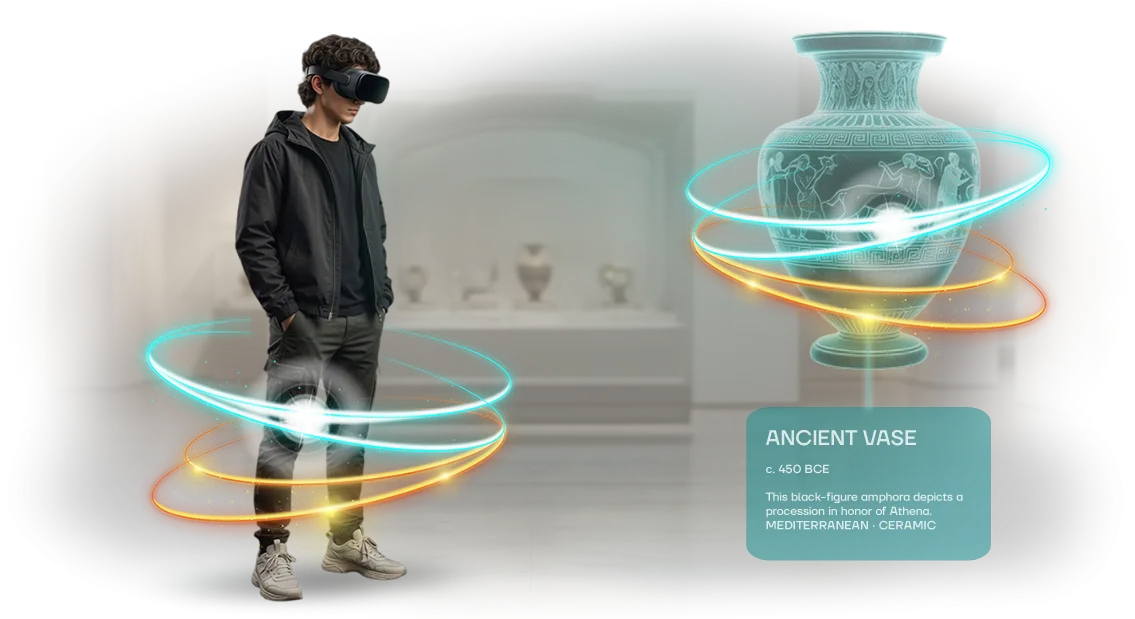
סיור וירטואלי פותר את הבעיה הזו. הוא יוצר תחושת נוכחות: המבקר נע דרך אולמות משוחזרים, בוחן חפצים משמעותיים מכל זווית, ורואה אירועים בתנועה.
זו לא תחליף למדריך חי, אלא שכבה חדשה של תפיסה שהופכת התבוננות פסיבית לגילוי אישי.
טבילה כזו מגבירה מעורבות בכל קבוצות הגיל.
צעירים מוכנים יותר לבקר במוזיאון שבו הם יכולים "למצוא את עצמם בתוך" ההיסטוריה, הדור המבוגר מקבל משמעות נוספת, והמארגנים מקבלים סיבה לפורמטי עבודה חדשים: מסלולים אישיים, תוכניות חינוכיות, וגישה לאלה שאינם יכולים פיזית לבקר במתחם.
עבור מתחם הנצחה, זו לא רק שדרוג טכנולוגי, אלא דרך לשמר זיכרון בפורמט שמדבר בשפת המבקר המודרני.
אנחנו מתכננים סיורים וירטואליים המותאמים לאובייקט הספציפי: מלכידת חללים אמיתיים ועד יצירת תרחישים אינטראקטיביים, כך שכל מבקר יוצא עם תחושת שייכות.
מה טבילת VR נותנת למבקרים ולמארגנים?
מבקרים במתחמי הנצחה מגיעים בשביל שקט וזיכרון, אבל תערוכות סטטיות לא תמיד מעבירות את עומק האירועים. זה נכון במיוחד לדור הצעיר, הרגיל לתוכן אינטראקטיבי ולשינויים מהירים של רשמים. מארגנים צריכים למצוא דרכים להחזיק את תשומת הלב של האורחים ולהפוך את הביקור לבלתי נשכח באמת.
טבילת VR פותרת את הבעיה הזו. היא מאפשרת למבקרים למצוא את עצמם ממש בתוך רגע היסטורי — לשמוע צלילים, לראות פרטים, ולהרגיש את האווירה. חוויה כזו מעוררת רגשות עזים ונשארת בזיכרון לאורך זמן.
האפקט החינוכי מוכפל: אדם לא רק קורא לוח, אלא חי את האירוע, כך שהמידע נקלט לעומק ובעניין רב יותר.
הפורמט החריג מבדל את מתחם ההנצחה ממקומות אחרים והופך לנושא חדשותי עצמאי.
אורחים משתפים תמונות וסרטונים ברשתות החברתיות, דנים בסיור בשיחות אישיות — זה מעלה את המודעות למותג ומספק פרסום חינמי שממשיך לעבוד הרבה אחרי הביקור.
בנוסף, סיור VR מושך מארגני טיולים, מארגני אירועים ובתי ספר, ומרחיב את קהל המתחם.
עבור מארגנים, VR הוא גם כלי מעשי. על ידי הזמנת סשנים, אפשר לאסוף פרטי קשר של מבקרים, לפתח תוכניות נאמנות, ולעדכן על אירועים חדשים. אנליטיקה על אילו סצנות מייצרות את התגובה הגדולה ביותר עוזרת לשפר את התערוכה ולהפוך אותה למבוקשת עוד יותר.
כדי שטבילת VR תרוץ ללא תקלות טכניות ותעורר את הרגשות הנכונים, נדרש שותף אמין. הצוות שלנו משתמש בציוד מקצועי ובתרחישים מנוסים — זה מבטיח חוויה יציבה לאורחים ושקט נפשי למארגנים.
אנחנו לוקחים על עצמנו את הפיתוח, ההשקה והתמיכה בפתרון ה-VR, כך שתוכלו להתמקד במשימה המרכזית של המתחם.
פורמטי סיור VR למתחם הנצחה
מבקרים במתחם הנצחה מגיעים עם מטרות שונות: חלק רוצים לצפות בתערוכה בנחת, אחרים זקוקים לתדריך היסטורי מלא, וקבוצות זקוקות להסברה מסונכרנת.
פורמט סיור ה-VR חייב לקחת בחשבון את כמות החומר, זרמי המבקרים, והכי חשוב — את העומס הרגשי, שגבוה במיוחד במקומות הנצחה. אנחנו בוחרים את הפורמט עבור האתר שלכם כך שהוא יחזק את הרושם ולא יפריע לטבילה.
במהלך השנים, השלמנו יותר ממאה פרויקטי VR למוזיאונים ולחללים ציבוריים וראינו שאין פתרון אוניברסלי.
לכן, אנחנו מציעים שלושה פורמטים עיקריים — הם נבדלים בציוד, בשיטת ההצגה ובמידת המעורבות, אבל מתייחסים לחומר באותה זהירות ונותנים לאורח את אפקט הנוכחות האישית.
| פורמט | למי | מה הוא נותן ללקוח |
|---|---|---|
| מתקן VR נייח | מתחמים עם זרם מבקרים גדול | טבילה ב-5–7 דקות ללא מדריך, תפוקה של עד כמה עשרות אנשים בשעה, פעולה יציבה בשעות השיא |
| סיור VR נייד | מבקרים בודדים וקבוצות קטנות | מסלול אישי, אפשרות לעצור בכל נקודה בתערוכה, הגבלות זמן מינימליות |
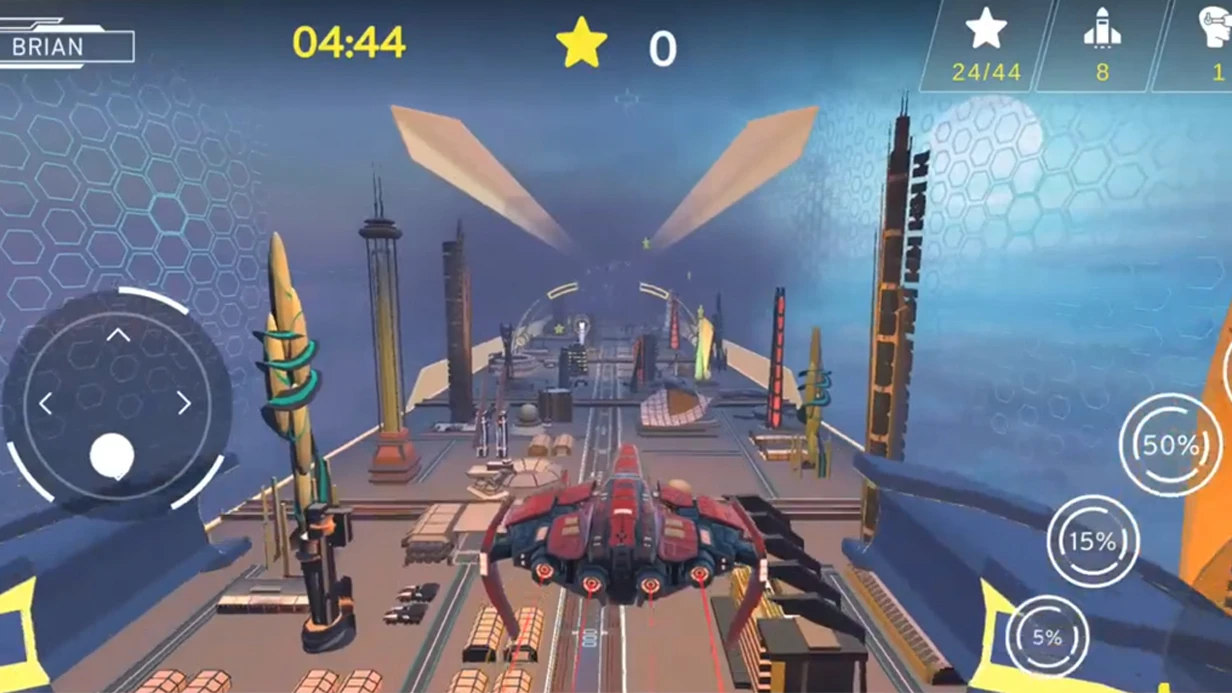
| פורמט אינטראקטיבי | קבוצות בית ספר, קהל משפחתי | תרחישי בחירה ודיאלוג עם ההיסטוריה — מבקרים זוכרים יותר ומוכנים יותר לחזור |
חשוב גם שהפורמטים קלים לשילוב. לדוגמה, נקודה נייחת בכניסה יוצרת רושם כללי, בעוד סיור VR נייד מספק טבילה עמוקה למי שרוצה פרטים.
אנחנו נעזור לכם לבחור את הסכימה האופטימלית, לחשב את העומס על הציוד, ולהכין תוכן שיחזק את משמעות המתחם שלכם וישאיר לאורחים תחושת שייכות להיסטוריה.
איך נוצר סיור VR: שלבי הפרויקט
אנחנו הופכים כל פרויקט לתהליך ברור שבו אתם יכולים לראות בכל השלבים מה קורה ומה אתם מקבלים כתוצאה. חשוב לנו שתשלטו בהתקדמות העבודה, ולא תחכו ל"הפתעות" חודש אחר כך. לכן, שלבי פיתוח סיור ה-VR נראים כך:
- בריף וחקר חומרים. אנחנו אוספים רקע היסטורי, תצלומים, תוכניות אתר, רשימות מוצגים והעדפותיכם. אנחנו מזהים את נקודות התצוגה המרכזיות ואת קהל היעד של הסיור.
- תסריט ולוגיקת מסלול. אנחנו מציעים מבנה: היכן מתחיל הביקור הווירטואלי, אילו אובייקטים לכלול, היכן לעצור, ובאיזה סדר המבקר יחקור את המתחם. אנחנו מיישרים איתכם את הטקסט ואת מיקום הדגשים הסיפוריים.
- אישור סגנון חזותי. אנחנו מראים סצנות מפתח של סיור ה-VR העתידי: סגנון, אווירה, רמת פירוט. אתם רואים את התמונה לפני שפיתוח מלא מתחיל ומבצעים תיקונים בשלב מוקדם.
- יצירת חללים וירטואליים. אנחנו מדמים את השטח, המבנים, המוצגים, ומוסיפים תמיכת סאונד ורמזים אינטראקטיביים. בשלב זה, אנחנו שולחים תוצאות ביניים ללקוח לבדיקה.
- בניית בדיקה והתאמות. אנחנו בודקים את המסלול המוגמר על מכשירים שונים: מחשבים, טאבלטים, משקפי מציאות מדומה. אתם עוברים את הסיור מהתחלה ועד הסוף ומציינים מה צריך לשפר.
- השקה. אנחנו מפרסמים את הסיור ומספקים קישור או קוד QR להצבה באתר וברשתות החברתיות. במידת הצורך, אנחנו עורכים סשן הדרכה קצר לצוות שלכם כדי שיוכלו לסייע למבקרים.
- תמיכה ופיתוח. אחרי ההשקה, אנחנו נשארים בקשר: מעדכנים מידע, מוסיפים אובייקטים חדשים, ומשכללים את המסלול כדי לענות על צרכים משתנים. הסיור ממשיך לעבוד עבורכם כנכס דיגיטלי מלא.
גישה זו מספקת תוצאה צפויה ומונעת אישורים מיותרים בסוף. אתם יודעים מראש איך הסיור ייראה ומקבלים כלי שניתן להרחיב במהירות ולמלא בתוכן חדש.
מה כולל הפרויקט: ערכת מסירה מלאה
מתחם הנצחה זקוק לא רק למודל תלת-ממדי, אלא לאווירה אותנטית. לכן אנחנו מספקים ערכת מסירה מלאה: איתה, סיור ה-VR ניתן להשיק מיד לאחר הקבלה. לא תצטרכו להבין פרטים או להרכיב את הפרויקט מ"חלקים מוכנים למחצה".
כלול בערכה:
- תסריט ובימוי סיור: מסלול, טקסטים, לוגיקת תצוגה, בחירת נקודות מפתח. הסיור הופך לסיפור, לא רק לסקירה של מיקומים.
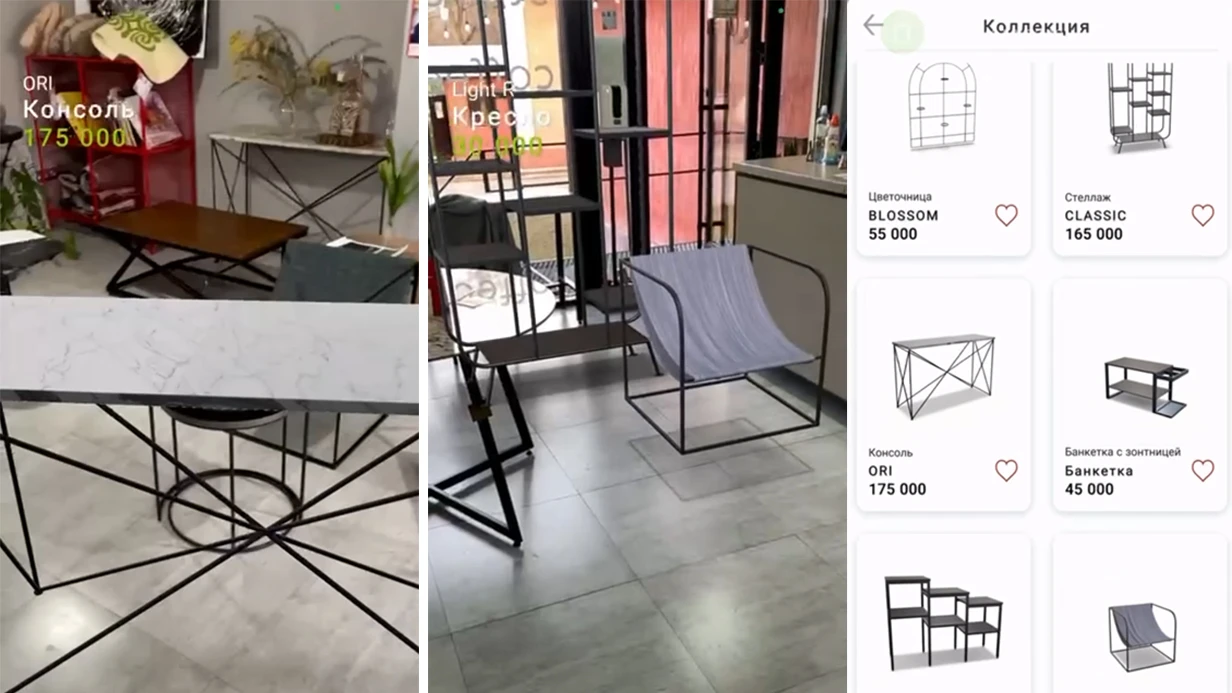
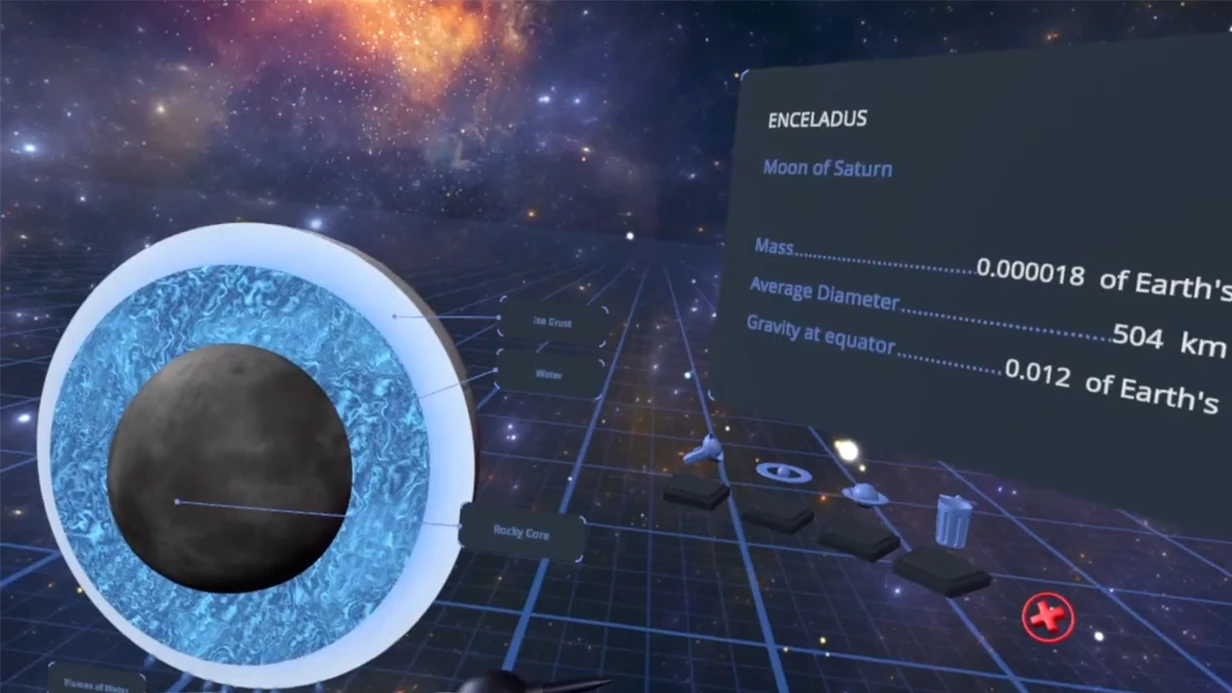
- תוכן מוכן: פוטוגרמטריה וסריקת לייזר, עיבוד מודלים, טקסטורות, סאונד וקול קריין. אתם מקבלים פרויקט מוגדר, לא "קבצי מקור".
- תוכנה: אפליקציה למשקפי VR ולמחשבים, מותאמת לציוד שלכם — עם הגדרות לאולם ספציפי או למתחם נייד.
- התקנה והגדרה: ביקור מומחה באתר או הגדרה מרחוק, בדיקת כל התרחישים לפני ההשקה הרשמית. אין הפתעות ביום הפתיחה.
- הדרכת צוות: הדרכה למנהלים ולמדריכים כיצד להתחיל סשן, לנהל תורים ולטפל במצבים טיפוסיים. אנחנו יכולים לחזור עליה במידת הצורך.
- תמיכה טכנית: קו חם, תמיכה לכל תקופת הפעילות, עדכוני תוכן, עזרה במקרה של תקלות. אתם אף פעם לא נשארים לבד עם הטכנולוגיה.
- חומרים מתודולוגיים: הוראות לצוות, רשימת בדיקה להשקה, תקנון תפעולי — הכל כדי לעזור לצוות לעבוד בביטחון מהיום הראשון.
מקרה בוחן: איך סיור VR הגביר עניין בהיסטוריה
כשמתחם ההנצחה "רובז'" פנה אלינו, הבקשה הייתה פשוטה: צעירים מגיעים לסיור, אבל אחרי 15 דקות הם מאבדים עניין. ההיסטוריה נשארת על דוכנים ולוחות, בעוד המטרה הייתה ליצור אמפתיה חיה. הצענו סיור VR שהופך ביקור לחוויה אישית.
יחד עם צוות המתחם, בחרנו שלושה פרקים מרכזיים ושחזרנו אותם בתלת-ממד. מבקר מרכיב משקפיים ומועבר לחפירה משוחזרת, לקו ההגנה, ולרגע של זיכרון לאומי.
המסלול אורך 12 דקות ומסונכרן עם האולמות האמיתיים של המוזיאון — אחרי החלק הווירטואלי, אורחים עוברים למוצגים האמיתיים.
מספרים שמדברים louder ממילים
במהלך שלושת החודשים הראשונים לפעילות, יותר מ-4,000 אורחים השתתפו בסשני VR. זמן השהייה הממוצע בתערוכה גדל מ-25 ל-50 דקות, וחלק הביקורים החוזרים עלה ב-30%.
לפי סקר יציאה, 9 מתוך 10 מבקרים ציינו את הסיור הווירטואלי כסיבה העיקרית להמליץ על המתחם לחברים.
עובדה משמחת נוספת: המתחם הזמין מאיתנו סיור VR שני להנצחה שכנה — האינדיקציה הטובה ביותר לכך שהפרויקט עובד.
משוב המנהלת
"ציפינו שהסיור הווירטואלי יהפוך לאטרקציה, אבל קיבלנו כלי חינוכי שמחזיר לאנשים את הזיכרון שלהם. אורחים שנהגו לחלוף על פניו עכשיו עוצרים ושואלים שאלות.
זו בדיוק התוצאה שלשמה קיים מוזיאון," אומרת אלנה סמירנובה, מנהלת המתחם.
מה אם יש לכם דרישות מרחביות ספציפיות?
מקום לא סטנדרטי אינו סיבה לוותר על סיור וירטואלי. מתחם הנצחה עם המבנים ההיסטוריים שלו, השטחים הפתוחים והפרוטוקול המיוחד דורש גישה אישית: אנחנו לא מיישמים תבניות מוכנות; אנחנו מעצבים את החלל לצרכים ספציפיים.
דרישות ספציפיות יכולות להתייחס לכל דבר: אזור ביטחון, גישה מוגבלת לאובייקטים מסוימים, הצורך להראות אובייקט בזמן מסוים בשנה, או מזוויות שאינן נגישות למבקרים.
אנחנו מבקרים באתר, חוקרים את מאפייניו, מתאמים מסלולי צילום, ופותרים בעיות לוגיסטיות מראש — כך שאתם מקבלים סיור שלא רק עונה על הצרכים האמיתיים של הצוות שלכם, אלא ממש נותן להם מענה.
במקביל, הטיפול בשימור האובייקטים ועמידה בתקנות נשאר בראש סדר העדיפויות. הצילום מתבצע מרחוק ובצורה לא פולשנית, מבלי להפריע לתערוכה או להפריע לקצב העבודה הרגיל. אתם שולטים בכל שלב — מהבריף ועד לתוצאה הסופית — בעוד אנחנו מטפלים בצד הטכני.
בסופו של דבר, מקום לא סטנדרטי מפסיק להיות מגבלה. אתם מקבלים סיור וירטואלי שזמין למבקרים מכל מקום בעולם, עובד על מכשירים שונים, וקל לעדכון כשהתערוכה משתנה.
התוצאה היא הכרה למתחם, קהל מורחב, ויכולת להגיע לאלה שעדיין לא יכולים לבקר פיזית.
שאלות נפוצות על פיתוח סיור VR
לפני השקת סיור VR, לקוחות שואלים את אותן שאלות: כמה זמן זה ייקח, איזה ציוד נדרש, ואיך לעדכן תוכן אחרי המסירה. הספקות מובנים — נראה שפרויקט למתחם הנצחה הוא מורכב וגוזל זמן.
בפועל, התהליך שיטתי: אנחנו מבצעים צילום, יוצרים את החלל הווירטואלי, ועוזרים בהשקה כך שלא תצטרכו להיכנס לפרטים טכניים.
להלן תשובות לשאלות המרכזיות שנשאלות לרוב לפני תחילת פרויקט.
כמה זמן לוקח פיתוח סיור VR?
פרויקט סטנדרטי אורך בין 3 ל-6 שבועות, תלוי בהיקף השטח ובמספר האובייקטים עליו. עבור מתחם הנצחה, 4 שבועות בדרך כלל מספיקים: שניים הולכים לצילום ועיבוד, ושניים נוספים להרכבה ובדיקת הסיור.
הקבלה מתבצעת בשלבים: אתם רואים גרסאות ביניים ומבצעים תיקונים מבלי לפספס מועדים. אם אתם צריכים להשיק בתאריך ספציפי — לדוגמה, תאריך זיכרון או יום נישואין — אנחנו בונים זמן חיץ בשלב התכנון.
איזה ציוד המבקרים צריכים?
אין צורך בציוד מיוחד. מבקרים יכולים לקחת את הסיור מהסמארטפון, הטאבלט או המחשב שלהם — הם רק צריכים לפתוח קישור. לאפקט טבילה מלא, אפשר להשתמש במשקפי VR זולים, אבל זה אופציונלי.
אנחנו מטפלים בהגדרה ובדיקה על מכשירים שונים בעצמנו, כך שהתוצאה נראית טוב באותה מידה בטלפון מודרני ובלפטופ ישן. לא תצטרכו לקנות ציוד נוסף או להכשיר צוות — הוראות למבקרים מובנות בממשק.
האם אפשר לעדכן תוכן אחרי ההשקה?
כן, התוכן אינו סטטי. אם אובייקטים חדשים, לוחות זיכרון מופיעים בשטח, או שהמסלול משתנה, אנחנו נבצע תיקונים ונעדכן את גרסת הסיור. זה זול ומהיר יותר מאשר יצירת פרויקט מאפס.
בנוסף, אפשר להוסיף הפניות היסטוריות, ארכיוני תמונות ומדריכי שמע ככל שחומרים הופכים זמינים. אתם מקבלים כלי ארוך טווח שחי לצד המתחם, לא עמוד חד-פעמי.
נדון בסיור VR לאתר שלכם?
מתחם הנצחה הוא מקום שבו ההיסטוריה פוגשת אדם. אבל לא כולם יכולים להגיע פיזית: מרחק, זמן, מגבלות פיזיות.
סיור VR פותר את הבעיה הזו — הוא נותן אפשרות "להתהלך" בשדרות הזיכרון, לבחון פרטים, ולהרגיש את האווירה מכל מקום בעולם.
אנחנו יוצרים סיורים כאלה מאפס: מתסריט ועד הרכבה סופית. אם אתם רוצים לפתוח את האתר שלכם לקהל רחב — התחילו בפניית בקשה לסיור VR.
אחרי פנייתכם, אתם מקבלים:
- ייעוץ — נייעץ איזה פורמט מתאים למתחם הספציפי שלכם;
- הערכת פרויקט מדויקת — היקף עבודה, לוח זמנים ועלות ללא תוספות נסתרות;
- גרסת פיילוט — לפני מסירה מלאה, אתם רואים איך הסיור נראה;
- תוכנית שלב-אחר-שלב עם תאריכים — אתם תמיד יודעים מה קורה ומתי זה יהיה מוכן;
- גישה לצוות שלכם — נכשיר אותם כיצד לקבל מבקרים ולהציג את סיור ה-VR;
- תמיכה אחרי ההשקה — אנחנו מבצעים תיקונים במהירות ועוזרים בעדכונים.
זו לא סתם "עוד טכנולוגיה". זו דרך לשמר זיכרון ולהפוך אותו לנגיש לכולם — תלמידי בית ספר, אורחי העיר, אנשים ממדינות אחרות. ככל שיותר אנשים רואים את ההנצחה שלכם, כך הרעיון שלה פועל חזק יותר.
שלחו בקשה דרך הטופס באתר או כתבו לנו ישירות. כבר למחרת תקבלו ייעוץ והערכת פרויקט. אז נלך בדרך יחד: נדון בקונספט, נכין גרסת פיילוט, ונשיק את סיור ה-VR המוגמר. אנחנו נוודא שההיסטוריה מגיעה לכל מי שלא יכול להגיע פיזית.