



אחוזת מוזיאון מאבדת מבקרים? צרו סיור VR
קהלים צעירים ממעטים לבקר באחוזות קלאסיות: תצוגות סטטיות וסיורים מודרכים ארוכים מפסידים לתוכן אינטראקטיבי ברשתות החברתיות. אחוזת מוזיאון מסתכנת להישאר נחלתם של מעגל מצומצם של מומחים, וקבוצות בית ספר מזדמנות לא מצילות את המצב.
ובכל זאת, העניין התיירותי באתרים היסטוריים הוא עצום — רק צריך להגיע אליו בשפה של המבקר המודרני.
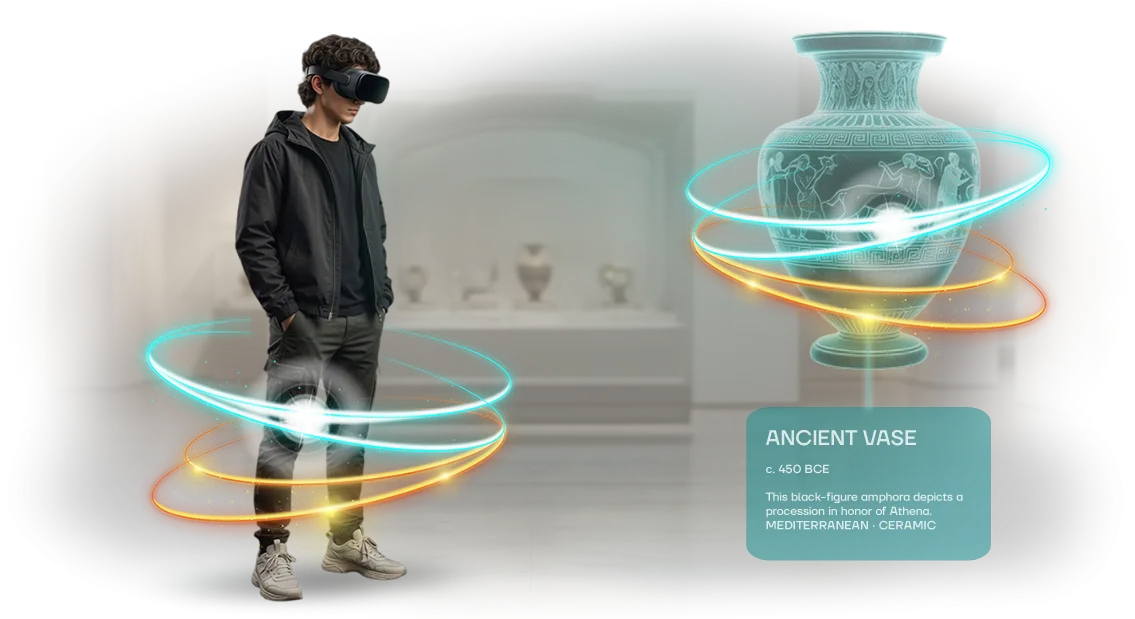
סיור וירטואלי הופך מוזיאון מנקודת ציון מקומית לאטרקציה נגישה. סיור VR לאחוזה מאפשר לאורחים להיכנס לאולמות המפוארים, לבחון פרטי עיצוב, ואפילו לצפות בחדרים הסגורים לביקורים רגילים — מכל מכשיר ומכל מקום בעולם.
זו לא תחליף לביקור פיזי אלא צעד ראשון שמזין את הרצון להגיע. כך, תצוגה מוזיאלית מרוחקת פועלת למשיכת מבקרים לאחוזה: אלה שכבר ראו את התערוכה באינטרנט הופכים לאורחים הממוקדמים ביותר.
צילום מקצועי מעביר את האווירה של אתר היסטורי מבלי לאבד פרטים, ותסריט מחושב היטב מוביל את המשתמש דרך נקודות השיא העיקריות של הסיור.
אנו יוצרים סיור וירטואלי שתופס תשומת לב ומעודד שיתוף של הקישור — חשיפה חינמית למוזיאון. הדיוק ההיסטורי נשמר: כל אולם, חפץ וזווית מתואמים עם האוצרים שלכם.
זו הסיבה שמוזיאונים שמאמצים תצוגה דיגיטלית רואים עניין גובר בקרב צעירים וקבוצות תיירות. אנו מכסים צורך זה מקצה לקצה: מצילום ועד פרסום באתר ובמדיה החברתית שלכם. כל מה שנשאר לכם הוא לקבל הזמנות מאלה שכבר בחרו באחוזה.
אילו יתרונות יקבל המוזיאון שלכם מסיור וירטואלי
סיור וירטואלי לאחוזת מוזיאון הוא לא רק עותק דיגיטלי של האולמות אלא כניסה חדשה לעולם שלכם עבור אלה שעדיין לא יכולים לבקר פיזית.
תלמידים מערים אחרות, אנשים עם מוגבלויות, אנשי מקצוע עסוקים — כולם מקבלים הזדמנות לטייל בין הפנים שלכם בזמן שנוח להם.
כך, אתם מרחיבים את הקהל שלכם והופכים מבקרים מזדמנים של יום אחד לאורחים חוזרים, שאחרי הליכה מקוונת ירצו לראות את המקור בעיניים שלהם.
זמינות 24/7 היא היתרון המרכזי. מוזיאון פיזי עובד לפי שעות, בעוד סיור וירטואלי פתוח תמיד: בלילה, בחגים, בעונת הגשמים. האורח בוחר את הקצב והמסלול וחוזר לתערוכות האהובות עליו. עבור המוזיאון, זה אומר ביקוש גובר בלי להרחיב צוות או להוסיף משמרות.
הפורמט המקוון עובד גם עבור התדמית שלכם. הצגה מודרנית מבדילה אחוזת מוזיאון ממקומות תרבות אחרים ומושכת תשומת לב של עיתונות ובלוגרים.
הסיור הווירטואלי הופך לתערוכה בפני עצמה: מדברים עליו, משתפים אותו ברשתות החברתיות, ומשלבים אותו במסלולי תיירות. המודעות גדלה בלי תקציבי פרסום גדולים.
לבסוף, זה הכנסה נוספת ופוטנציאל חינוכי. אתם יכולים למכור גישה לתרחישים מורחבים, לקיים הרצאות מקוונות ומשחקי בריחה לבתי ספר, ולהציע הקרנות פרטיות ללקוחות עסקיים.
הפורמט הווירטואלי משתלב בקלות בשיעורי היסטוריה ולימודי מולדת, מה שהופך את המוזיאון שלכם לחלק מתוכניות חינוכיות.
בסופו של דבר, אתם מקבלים לא רק "תמונה" אלא כלי עבודה שמושך אנשים, תופס את תשומת ליבם, ופותח הזדמנויות פיתוח חדשות.
פורמטים של סיור VR לאחוזת מוזיאון: בחרו את שלכם
לכל אחוזת מוזיאון יש אווירה ייחודית, אבל לא כל המבקרים הפוטנציאליים יכולים להגיע פיזית.
סיורים וירטואליים מסירים מגבלה זו: אורחים מערים אחרות "הולכים" בין האולמות לפני הטיול שלהם, בעוד הקהל הקבוע שלכם חוזר למקומות אהובים בכל זמן. המפתח הוא לבחור פורמט שפותר את המשימות שלכם בלי השקעות מיותרות.
אנו מפתחים פורמטים של סיור וירטואלי בשלוש רמות עומק — מסיור פנורמי מהיר ועד תצוגה תלת-ממדית מפורטת עם מדריך קולי. כל אפשרות עובדת אחרת עבור מודעות ומעורבות, ולכן חשוב להבין למי אתם יוצרים את החלל הווירטואלי.
| פורמט | למי | מה הוא נותן ללקוח |
|---|---|---|
| סיור פנורמי תלת-ממדי של האחוזה | מבקרים המוניים, קבוצות תיירות | היכרות מהירה עם השטח, חשיפה רחבה, עלות השקה נמוכה |
| סיור אינטראקטיבי עם מדריך קולי | מבקרים עצמאיים, משפחות עם ילדים | תשומת לב מתמשכת, שקיעה עמוקה בהיסטוריה, אפשרות לשימוש כתוספת לביקור פיזי |
| תצוגת מוזיאון וירטואלית מלאה | אניני אמנות, אספנים, מארגני אירועים | תחושת נוכחות, בחינה מפורטת של מוצגים, תדמית יוקרתית ובסיס לתערוכות מקוונות |
סיור פנורמי הוא דרך מהירה להראות את האחוזה לקהל רחב. סיור אינטראקטיבי מוסיף תסריט ומדריך קולי כך שהאורח לא רק מסתכל אלא לומד את הסיפורים שמאחורי האולמות והחפצים.
תצוגה תלת-ממדית היא כבר מוזיאון וירטואלי מלא: אפשר לבחון כל מוצג בפירוט, ולהשתמש בחלל לאירועים מקוונים ומכירת כרטיסים.
הבחירה תלויה במטרות שלכם: פנורמה עובדת לחשיפה, פורמט אינטראקטיבי למעורבות, ותצוגה לתדמית.
אנחנו נעזור לכם לקבוע את הפורמט האופטימלי ולספק אותו במפתח פתוח — מותאם לטלפון, טאבלט ומחשב, כך שכל אורח מקבל חוויה איכותית באותה מידה.
איך אנחנו יוצרים סיור VR: הדרך מהבריף ועד ההשקה
יצירת סיור VR לאחוזת מוזיאון היא לא רק צילום חדרים. אנחנו מבנים את התהליך כך שתבינו מה קורה בכל שלב ותוכלו להשפיע על התוצאה. להלן השלבים של פיתוח סיור VR שאנחנו עוברים יחד איתכם.
-
בריף לסיור וירטואלי. אנחנו דנים במטרות: למשוך תיירים, להראות את האחוזה למי שלא יכול לבקר, או ליצור פורמט מודרני לקבוצות בית ספר. אנחנו מזהים את האתרים המרכזיים — אולמות מפוארים, פארק, מבני חוץ — ואת הרגשות שהסיור צריך לעורר.
-
תוכנית צילום. אנחנו נוסעים לאחוזה, בוחנים את השטח, ובוחרים את השעה ביום עם התאורה הטובה ביותר. אנחנו מסכמים על רשימת החדרים, מסלול התנועה, והנקודות שיהיו בפריים. עבור אתרים מורכבים, אנחנו מכינים תוכנית צילום שמתחשבת במאפיינים אדריכליים.
-
אישור תסריט. אנחנו מראים לכם את המבנה של הסיור העתידי: אילו אזורים יהיו אינטראקטיביים, איפה יופיע המדריך הקולי, ואיפה ימוקמו רמזים קופצים. אתם עורכים תיקונים, משכללים את הטקסטים ומתאימים את סדר ההצגה. בשלב זה אנחנו נועלים את כל הפרטים — לשנות אותם מאוחר יותר קשה יותר.
-
יישום. אנחנו מרכיבים את החומר המצולם למרחב אחיד: תופרים פנורמות, מוסיפים מעברים, סאונד ואלמנטים אינטראקטיביים. במידת הצורך, אנחנו מקליטים קול של קריין ומשלבים אזכורים היסטוריים או תצלומי ארכיון. אנחנו עובדים על ציוד מקצועי, כך שהתמונה נשארת יציבה בכל מכשיר.
-
השקת ניסיון. אנחנו נותנים לכם גישה לסיור המוגמר לפני הפרסום. אתם בודקים אותו במחשב, בטאבלט ובסמארטפון — אנחנו מכווננים את מהירות המעברים, בהירות הניווט ופעולת כל הכפתורים. לאחר מכן, הסיור מוכן להשקה.
-
השקת הסיור ותמיכה. אנחנו מפרסמים את סיור ה-VR באתר שלכם או מספקים קישור הטמעה. אנחנו מאמנים את הצוות שיציג את הסיור למבקרים ונשארים בקשר: אם צריך לעדכן או לשנות משהו, פשוט כתבו לנו.
בסופו של דבר, אתם מקבלים כלי מוכן לקידום האחוזה: הסיור עובד על כל מכשיר מודרני, לא דורש התקנת אפליקציה, ועוזר למבקרים להחליט להגיע פיזית. אתם שולטים בכל שלב ויודעים בדיוק על מה אתם משלמים.
מה כלול במסירת סיור VR למוזיאון
אנחנו מכינים סיור VR כמוצר שלם לאחוזת מוזיאון: אתם מקבלים לא חומרים מפוזרים אלא פרויקט מוגמר שהצוות יכול להפעיל מהיום הראשון. הנה בדיוק מה שכלול במסירה.
- פנורמות של האחוזה. אנחנו מצלמים ומעבדים את כל האזורים המרכזיים — אולמות מפוארים, תערוכות והשטחים הסובבים. הפנורמות המוגמרות נראות טבעיות ולא דורשות הכנה מיוחדת מהצופה.
- מדריך קולי. אנחנו כותבים את תסריט הסיור ובמידת הצורך מביאים קריין מקצועי. הקול מלווה את המבקר לאורך כל המסלול, ויוצר שקיעה מלאה.
- סמנים אינטראקטיביים. על כל פנורמה אנחנו מציבים נקודות מעבר, תיאורי מוצגים קופצים, תמונות וסרטונים. המבקר בוחר מה לחקור לעומק.
- עריכה ולוגיקת מסלול. אנחנו תופרים את כל האלמנטים למסע אחד עם רצף מחושב היטב. אין "אזורים מתים" או מעברים מבלבלים — המסלול מוביל את הצופה מהתחלה ועד הסוף.
- הוראות לצוות. מדריך ברור על השקה, הגדרה ושאלות נפוצות של מבקרים. הצוות שלכם יכול לתחזק את הסיור בלי להזמין קבלן.
- קבצים סופיים וגישה. אנחנו מוסרים כל מה שצריך לפרסום: גרסאות מותאמות לאתר, למדיה חברתית או למסכים לא מקוונים. פשוט שימו את הקישור ופתחו את הסיור.
במידת הצורך, אנחנו מתאימים את החבילה למאפיינים של אחוזה מסוימת: מוסיפים שפות נוספות, תרגום לשפת סימנים או גרסאות לילדים. העיקר שאתם מקבלים כלי מוכן שמתחיל לעבוד מההשקה הראשונה.
מקרה בוחן: איך סיור VR משך אורחים חדשים
יצירת סיור וירטואלי לאחוזת מוזיאון היא לא רק עותק דיגיטלי של התערוכה. זה כלי שפותר אתגרים עסקיים ספציפיים: משיכת אורחים חדשים ושיפור היעילות של תוכנית הסיורים.
דוגמה מאלפת היא פרויקט עבור אחוזת המוזיאון זנמנסקויה. ההנהלה פנתה אלינו עם שתי בעיות: זרם המבקרים היה לא יציב, וסיורים רבים בוטלו בגלל מספרי קבוצות נמוכים.
הצענו ליצור סיור מקוון של האולמות המרכזיים ופארק האחוזה כך שאורחים יוכלו "להציץ פנימה" לפני הביקור.
הסיור הווירטואלי עלה לאוויר באתר ובמדיה החברתית. מבקרים פוטנציאליים ראו את הפנים המשוחזרים, טיילו בשבילים, ורצו להגיע פיזית. הפורמט הזה עבד טוב במיוחד עבור משפחות עם ילדים ותיירים מחוץ לעיר שמתכננים את המסלול מראש.
התוצאות הגיעו מהר. בעונה הראשונה, הסיור נצפה על ידי יותר משמונה אלף איש, ומספר האורחים בפועל גדל ב-35%. לפי הניתוחים, מחצית מאלה שצפו בסיור הזמינו ביקור מודרך תוך חודש.
והכי חשוב, שיעור המילוי של הקבוצות עלה ל-95%: הזמנות הסיורים התמלאו כמעט לחלוטין, וביטולים בגלל מספרים נמוכים כמעט נעלמו. אחרי ההשקה המוצלחת, המוזיאון הזמין סיור VR נוסף של האגף שנפתח זה עתה למבקרים.
מקרה זה מראה שסיור וירטואלי הוא לא תחליף לביקור חי אלא מגבר שלו. הוא בונה מודעות למותג, מושך קהל ממוקד, ועוזר למדריכים לנצל את זמנם ביעילות רבה יותר.
אם אתם רוצים תוצאה דומה לאחוזת המוזיאון שלכם — התחילו בייעוץ: נמליץ על הפורמט שמתאים לכם ונראה דוגמאות מהעבודה שלנו.
איך לבחור את הפורמט הנכון לסיור וירטואלי?
בחירת פורמט סיור וירטואלי מתחילה לא בטכנולוגיה אלא במטרות של אחוזת המוזיאון. אם אתם צריכים להכיר לקהל מרוחק את השטח והפנים, סיור פנורמי מספיק.
אם אתם רוצים להראות סצנות היסטוריות או אזורים סגורים למבקרים, תצטרכו מודל תלת-ממדי מלא עם אלמנטים של שחזור. כל אפשרות פותרת משימה משלה, ולכן העיקר הוא לא לשלם יותר מדי על מורכבות מיותרת ולקבל בדיוק מה שעובד עבור המוזיאון שלכם.
קבעו מי ישתמש בסיור: מבקרים בודדים, קבוצות בית ספר, חוקרים או תיירים במסלול. עומק הנרטיב, מספר הנקודות האינטראקטיביות והצורך בהנחיה קולית תלויים בכך.
התקציב גם משפיע על הבחירה: פנורמות מורכבות במהירות וקלות יותר על הכיס, בעוד סיור VR מלא עם מדריך דורש עבודה ארוכה יותר עם חומרים היסטוריים.
הערכת עלות שקופה וחוזה בשלבים עוזרים לבחור את רמת השקיעה שתשתלם בנסיבות שלכם.
נקודת התייחסות נוספת היא השימוש המיועד בסיור. סיור וירטואלי שנועד למשוך אורחים מוצב בדרך כלל באתר ובמדיה החברתית, עם דגש על משיכה ויזואלית. גרסה חינוכית יכולה להפוך לבסיס לשיעורים מקוונים ותוכניות מרחוק.
אם אחוזת המוזיאון היא חלק ממסלול תיירותי, פורמט עם קו עלילתי וקריינות של מדריך יחזק את הרושם ויבדל אתכם מאתרים שכנים. כך, הסיור הופך לכלי שיווקי ולא רק לדף תמונות.
אנחנו עוזרים לכם לבחור פורמט שמתאים לתקציב ולמטרות של המוזיאון. במהלך ייעוץ VR חינמי, אנחנו בוחנים את המשימות, הקהל והציפיות שלכם מהפרויקט, ואז מציעים תרחיש שמספק תוצאות מקסימליות בלי עלויות מיותרות.
אתם מקבלים סיור וירטואלי שמעלה מודעות, מושך אורחים חדשים ומחזיר ותיקים — במקום לשבת כמשקל מת באתר שלכם.
שאלות נפוצות על סיורי VR למוזיאונים
סיור וירטואלי לאחוזת מוזיאון הוא לא מחווה לאופנה אלא דרך להראות את התערוכה למי שלא יכול לבקר ולהפתיע את אלה שכבר ראו את האולמות פיזית. מנהלים לעתים קרובות מדמיינים ש-VR הוא יקר, מסובך ודורש ציוד מיוחד.
במציאות, סיור וירטואלי מודרני נגיש אפילו לאחוזות קטנות, ומבקרים מפעילים אותו מהסמארטפונים שלהם.
אספנו תשובות לשאלות שצוותי מוזיאונים שואלים הכי הרבה לפני ההשקה. הגרסה הקצרה: ההשקה אורכת שבועות, אין צורך במכשירים מיוחדים, והעלות דומה לעמדת הדפסה רגילה.
כמה עולה פיתוח סיור VR למוזיאון?
העלות תלויה במספר המיקומים וברמת הפירוט, אבל היא נמוכה משמעותית ממה שרוב מצפים. אנחנו מתאימים את הפורמט לתקציב המוסד: מסיור פנורמי ועד חלל תלת-ממדי מלא עם אלמנטים אינטראקטיביים.
מהם לוחות הזמנים לפיתוח?
סיור וירטואלי בסיסי מוכן תוך 2–4 שבועות. לוח הזמנים תלוי במורכבות האתר ובצורך בדיגיטציה של חומרים נוספים. כל המועדים קבועים בחוזה, כך שאתם יודעים מראש מתי הפרויקט יימסר.
האם צריך לקנות ציוד יקר לצפייה?
לא. רוב המבקרים עושים את הסיור בסמארטפונים שלהם — הם פשוט סורקים קוד QR. למוזיאונים שבהם נקודות נייחות נוחות יותר, אנחנו מקימים תצוגה על טאבלטים או קיוסקים עם מסך מגע.
האם מבקרים יוכלו להבין את זה בלי הוראות?
הממשק אינטואיטיבי: החלקה או לחיצה על החצים. לאורחים מבוגרים יותר, יש מצב רמזים, וצוות המוזיאון לומד את המערכת בסדנה קצרה אחת. התמיכה נשארת בקשר גם אחרי ההשקה.
דונו בפרויקט הסיור הווירטואלי שלכם
כדי להזמין סיור וירטואלי לאחוזת מוזיאון, אתם לא צריכים להבין בטכנולוגיה. פשוט תארו את התוצאה הרצויה: יותר מבקרים, גישה לתערוכה מכל עיר, או פורמט אינטראקטיבי לקבוצות בית ספר. נייעץ לכם ונכין הערכת עלות לפרויקט לפי התקציב שלכם.
לפני השיחה, כדאי לעבור על רשימת בדיקה — זה מזרז את הדיון על פרויקט האחוזה שלכם ומבטיח ששום דבר לא מוחמץ:
- מה המטרה: למשוך תיירים, להראות את האחוזה למשקיעים, או ליצור מוצר חינוכי?
- אילו אתרים חשובים: הבית המרכזי, פארק, פנים, אוספים — מה חייב להיכלל בסקירה?
- מי ישתמש בזה: מבוגרים, ילדים, אורחים בינלאומיים — זה קובע את השפה של התסריט והממשק.
- איפה לארח את הגרסה: באתר, בעמוד נפרד, או דרך קישור פרטי לאירועים?
- האם יש מועדים: קשורים לאירוע, לתחילת העונה או לתקופת דיווח?
- האם נדרשות תוספות: מדריך קולי, סקירת וידאו, פנורמות תלת-ממדיות או תמיכה במציאות מדומה?
מילוי רשימת הבדיקה אינו חובה — אתם יכולים פשוט לתאר את המשימה. כדי ליצור קשר, שלחו הודעה או השאירו בקשה בטופס למטה. צרפו כמה תמונות של האחוזה אם יש לכם — זה יהפוך את ההערכה למדויקת יותר.
אנחנו עובדים מרחוק וכבר השלמנו פרויקטים למוזיאונים ואתרים היסטוריים. נגיב תוך יום עסקים אחד ונראה דוגמאות לפתרונות דומים. התחילו בייעוץ חינמי — זה לגמרי לא מחייב.