



מדוע מוזיאון מאבד מבקרים: פורמט ה-VR מחזיר את העניין
מבקר מגיע למוזיאון כדי לקבל חוויה, ובמקום זה מוצא שלטים "אין לגעת" וויטרינות סטטיות. קהל צעיר מאבד עניין תוך דקה, ובלי רגשות חדשים המוזיאון הופך למקום לטיולים בית ספריים שאנשים מבקרים בו פעם בחיים.
הבעיה אינה המוצגים אלא פורמט ההצגה — תערוכה מיושנת לא מצליחה לשמור על תשומת הלב.
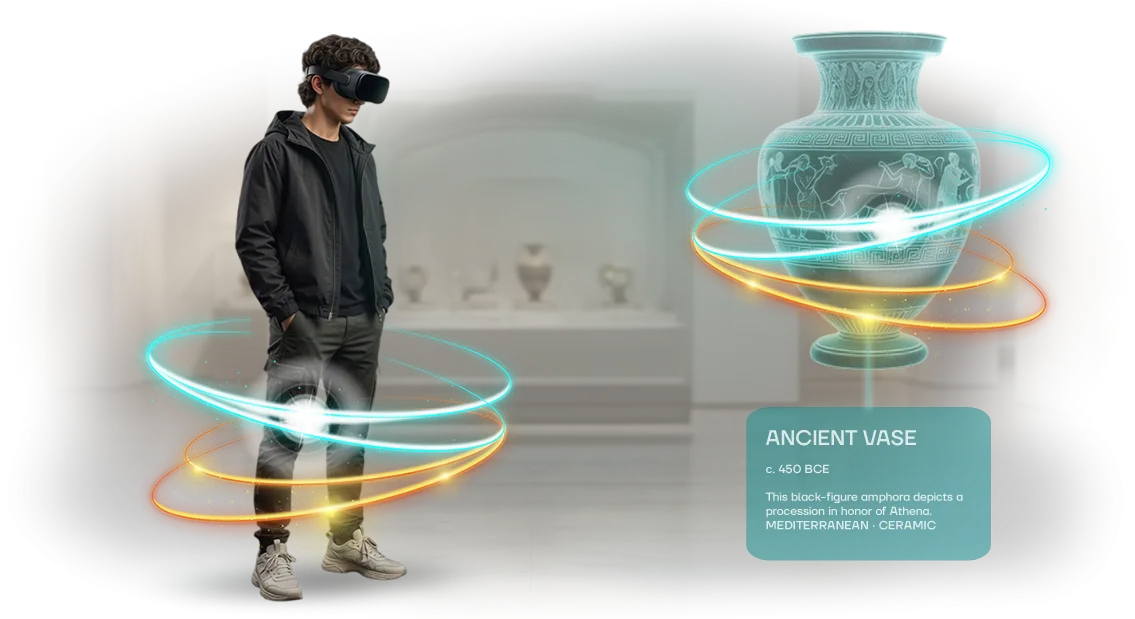
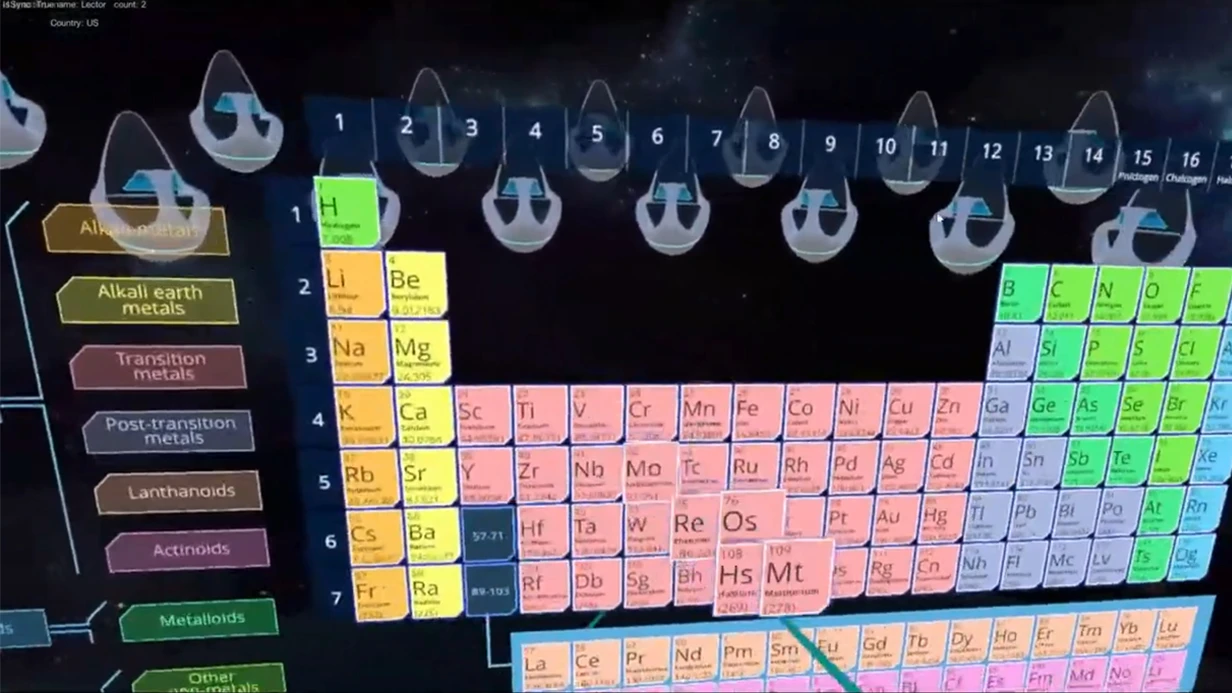
פורמט ה-VR משנה את חוקי המשחק: המבקר מפסיק להיות צופה והופך למשתתף. הוא יכול "להיכנס" לחפירה ארכיאולוגית, לראות תקופה היסטורית מבפנים, או ליצור אינטראקציה עם חפצים שאי אפשר לגעת בהם מאחורי זכוכית.
כך נולדת תערוכה אינטראקטיבית — כזו שמבקרים מספרים עליה לחברים וחוזרים אליה לחוויה חדשה.
פתרונות מודרניים למוזיאון הם דרך להרחיב את טווח ההגעה ולמשוך את אלה שכבר ראו את האוסף הקלאסי.
למשפחות עם ילדים, VR הופך לסיבה לבחור במוזיאון שלכם בין עשרות אפשרויות בילוי, ולמטיילים זו תכונה ייחודית ששווה לתכנן סביבה ביקור. טכנולוגיית מוזיאון פועלת למען המטרה המרכזית: הפיכת ביקור חד-פעמי להרגל קבוע.
אנחנו עוזרים למוזיאונים לעבור מדוכנים סטטיים לדיאלוג חי עם מבקרים. אנו מתכננים מסלולים כך שתוך 10–15 דקות אדם מקבל רגש שיזכור לשנים, בעוד המוזיאון מקבל סיבות חדשות לחזרתם.
סיורי ה-VR שאנו יוצרים פותרים את בעיית משיכת המבקרים ללא שיפוץ גדול של הבניין או שינוי באוסף.
5 יתרונות של סיור וירטואלי לחלל שלכם
מוזיאונים כיום מתחרים לא רק זה בזה אלא גם בבידור דיגיטלי. מבקרים רוצים לא רק לראות מוצגים אלא לקבל רושם שהם יכולים לשתף.
סיור רגיל מוגבל בגודל האולמות ובשעות הפתיחה — חלק מהקהל פשוט לא יכול להגיע, ואחרים לא מוכנים לחכות לקבוצה שלהם.
סיור וירטואלי מסיר את המגבלות האלה. אנו יוצרים תאום דיגיטלי תלת-ממדי של החלל שלכם או של מוצגים בודדים שניתן לגשת אליו מכל מכשיר.
זה עוזר להגדיל את הנוכחות גם אופליין וגם אונליין: אורחים מרוחקים מכירים את האוסף ואז מגיעים אישית לחוויה החיה.
הפורמט מספק גם דרכים חדשות לערב את הקהל. בסיור VR, מבקרים יכולים לבחור מסלול משלהם, לבחון פרטים המוסתרים מאחורי זכוכית, או להיכנס לחללי פנים היסטוריים שאינם נגישים במהלך ביקור רגיל. תרחישים כאלה מאריכים את העניין ונותנים לאנשים סיבה לחזור שוב.
למותג, זה אומר הכרה רחבה יותר: פורמט יוצא דופן נדון בהתלהבות, מצולם ומשותף במדיה החברתית. כל פוסט כזה משמש כהמלצה, ומביא קהלים חדשים ללא תקציב פרסום.
כך סיור וירטואלי הופך לא רק לתוספת אלא לכלי למשיכת אורחים שיטתית.
אנחנו יוצרים פרויקטים כאלה מרחוק כבר יותר מ-10 שנים. אנו עובדים עם ציוד מקצועי וארכיטקטורת שרתים משלנו — כלומר אתם מקבלים מוצר יציב שלא יאכזב אתכם ברגע החשוב ביותר. אנו מטפלים בכל המחזור: מרעיון ועד השקה ותמיכה.
פורמטים של סיורי VR למוזיאון: התאמה למשימה ולתקציב
לכל מוזיאון יש מטרות משלו: אחד רוצה להראות את אולמותיו למי שלא יכול לבקר אישית, אחר רוצה ללכוד את תשומת הלב של קהל צעיר. יש פורמט סיור וירטואלי מתאים לכל בקשה — מפנורמת 360 ועד אולם תצוגה תלת-ממדי מלא.
פנורמת 360 פותרת את משימת "להראות את החלל", בעוד סיור תלת-ממדי פותר את "לתת להם לגעת בהיסטוריה". להלן הפורמטים הסטנדרטיים, אותם אנו מתאימים לאוסף ולמטרות של המוזיאון שלכם.
| פורמט | למי הוא מיועד | מה הוא נותן ללקוח |
|---|---|---|
| פנורמת 360 | מוזיאונים עם אולמות מרווחים שבהם האווירה חשובה | סיור וירטואלי מהיר באולמות עם אפשרות להתקרב למוצגים. ניתן להוסיף לאתר תוך מספר ימים. |
| סיור וירטואלי עם נקודות עניין | תערוכות עם טקסטים עשירים וחפצים נדירים | מבקרים בוחרים מסלול משלהם, קוראים כרטיסיות ומאזינים למדריך קולי. מגדיל את זמן השהייה באתר ומקל על עומס העבודה של המדריכים. |
| סיור תלת-ממדי של אולם מסורק | מוזיאונים עם ארכיטקטורה ייחודית | שקיעה מלאה בחלל עם תחושת נוכחות וניווט בין חפצים. |
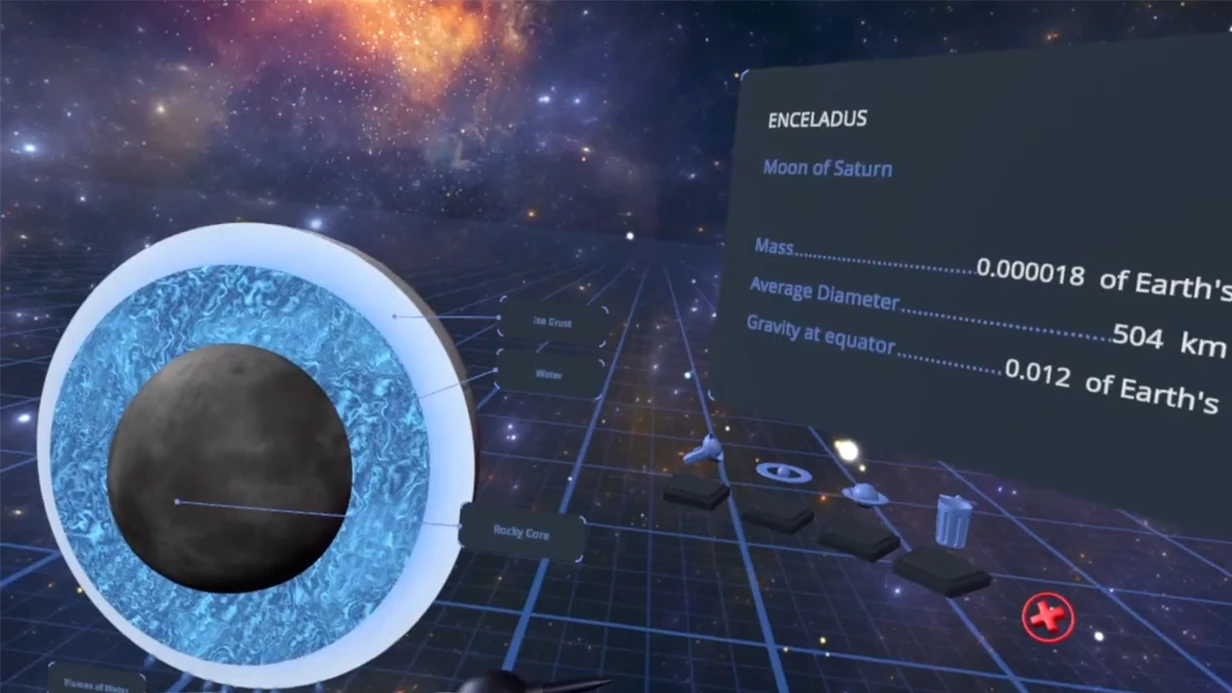
| אולם תצוגה תלת-ממדי אינטראקטיבי | מוזיאוני ילדים וטכניים, תערוכות עם מוצגים אינטראקטיביים | מבקרים יכולים לסובב מוצג, להביט בתוכו ולהפעיל אנימציות. מרתק ובלתי נשכח, במיוחד עבור חפצים שבירים. |
בחירת פורמט היא איזון בין תקציב ללוח זמנים: פנורמת 360 להשקה מהירה, אולם תצוגה תלת-ממדי לשקיעה מקסימלית. אנו נבחר את האפשרות המתאימה למשימה שלכם ונראה לכם דוגמאות לפרויקטים דומים.
כיצד מפתחים סיור VR: שלבים עבור הלקוח
תהליך שקוף חשוב כי אתם נשארים בשליטה בכל שלב. אנו מפרקים את הפרויקט לשלבים — לכל אחד יש תוצאה ברורה, לוח זמנים ואחראי. אתם תמיד יודעים מה קורה ומה הלאה.
-
בריף ומטרות. בתחילה, אנו דנים במטרות סיור ה-VR: אילו מוצגים ואולמות להראות, אילו רגשות ופעולות מבקרים חשובים. אנו מגדירים קריטריוני הצלחה כדי שניתן יהיה למדוד את התוצאה.
-
תוכנית ותסריט. אנו מציעים את מבנה הסיור: היגיון התנועה, נקודות מפתח, אינטראקטיביות וטקסטים נלווים. אתם מקבלים מסמך שקל לדון בו ולהתאים.
-
אישור. אנו מאשרים את הקונספט והתוכנית לפני תחילת ההפקה. כל העריכות נעשות בשלב זה — ללא עלויות בלתי צפויות או עיבודים ממושכים.
-
פיתוח ותוכן. אנו יוצרים חללים וירטואליים, מוסיפים חומרי צילום ווידאו ומרכיבים את הליווי הקולי. בכל שלב אתם יכולים לראות גרסאות ביניים ולהעיר עליהן.
-
בדיקות ועידון. אנו בודקים כיצד הסיור עובד על מכשירים שונים, מתקנים פרטים ומחזרים על תרחיש ההשקה — כך שההצגה הפומבית הראשונה עוברת ללא הפתעות.
-
השקה ומסירה. אנו ממקמים את סיור ה-VR במקום שבו המבקרים שלכם צריכים אותו: באתר, באולם מוזיאון או בעמדה נפרדת. אנו מאמנים את הצוות שלכם ומוסרים הוראות. לאחר ההשקה, אנו נשארים בקשר.
בסופו של דבר, אתם מקבלים לא רק טכנולוגיה אלא כלי עבודה שהופך את המוזיאון לנגיש יותר לקהלים מרוחקים ומוסיף סוג חדש של חוויה למי שכבר ביקר.
התהליך מתוכנן כך שתוכלו לתכנן תקציב, לוח זמנים ומעורבות צוות ללא הפתעות.
מה כלול במסירת סיור וירטואלי לתערוכה
כשאתם מזמינים סיור וירטואלי למוזיאון, חשוב להבין: אתם מקבלים לא רק קישור מוכן אלא כלי עבודה מלא שהצוות יכול להשתמש בו ולפתח באופן עצמאי.
אנו מרכיבים את המסירה כחבילה סגורה — מחומרי מקור ועד תיעוד והדרכת צוות.
הנה מה שכלול בחבילה הסופית:
- תערוכה וירטואלית מוכנה — גרסה מותאמת לאתר ולמדיה החברתית, עם ניווט נוח וממשק ברור. מבקרים בוחרים מסלול משלהם, מתקרבים למוצגים וקוראים תיאורים.
- קבצי פרויקט מקוריים — כל הקבצים בפורמט ניתן לעריכה, ללא הגבלות על שימוש חוזר. אתם יכולים לעדכן את הסיור, לשנות טקסטים או להוסיף מוצגים חדשים עם המומחים שלכם בכל עת.
- זכויות תוכן — מועברות אליכם במלואן. אין לנו זכויות להשתמש במוצגים, בתצלומים או בטקסטים שלכם בפרויקטים אחרים ללא הסכמתכם.
- הדרכת צוות — אנו מקיימים מפגש לעובדים שלכם: אנו מראים כיצד להעלות את הסיור לאתר, לשנות תיאורים, להוסיף סמנים ולעקוב אחר סטטיסטיקות ביקור. הפורמט הוא מקוון, עם הקלטה לעובדים חדשים.
- תיעוד ניהולי — הוראה פשוטה בעברית המתארת כל תרחיש עבודה שלב אחר שלב, מעדכון מידע ועד פרסום שינויים.
- תמיכה טכנית לאחר ההשקה — אנו נשארים בקשר למשך חודש כדי לעזור בהתקנה ולענות על שאלות צוות. לאחר מכן, אתם יכולים לעבוד באופן עצמאי.
חבילה זו מכסה את כל צרכי המוזיאון: אתם עצמאיים מאיתנו לאחר מסירת הפרויקט, ויש לכם את כל החומרים והידע לתחזוקה שוטפת.
ואם תצטרכו להרחיב — למשל, להוסיף אולם חדש או ליצור סיור בשפה זרה — תוכלו לעשות זאת לבד או עם התמיכה שלנו.
מקרה בוחן: כיצד סיור VR הגדיל את נוכחות המוזיאון ב-40%
המשימה
מוזיאון "ההיסטוריה של העיר" איבד את תשומת הלב של המבקרים. התערוכה הייתה מעניינת, אבל באמצע המסלול אנשים התעייפו; רובם עברו באולמות תוך 30–40 דקות ועזבו בלי רצון לחזור. קהל צעיר ציפה להשתתפות חיה, לא רק ויטרינות עם שלטים.
הפתרון
הצענו סיור VR שהופך ביקור במוזיאון להרפתקה. מבקר מרכיב משקפיים ונוסע אל העבר: הוא רואה איך נראתה הכיכר לפני מאה שנה, "נכנס" לציורים ופוגש דמויות היסטוריות.
האולמות המוכרים הופכים לבמה, והמבקר הופך למשתתף. המדריך לא צריך לשנות את התוכנית: המסלול נשאר זהה, והמדריך מלווה את הקבוצה כמו קודם.
בצד הטכני, בנינו את הפתרון על ציוד VR מקצועי ותוכנה משלנו — התמונה נשארת יציבה גם עם זרם מבקרים. הגדרנו מספר מפגשים ביום כדי למנוע תורים והכשרנו את צוות המוזיאון להפעיל את המערכת באופן עצמאי. ההשקה ארכה שלושה שבועות, וההשקעה היחידה בתשתית הייתה ערכה אחת לכל אולם.
התוצאה
שלושה חודשים לאחר ההשקה, הנוכחות גדלה ב-40%, וזמן הביקור הממוצע עלה מ-40 דקות לשעה וחצי.
חלקם של ביקורים חוזרים גדל ברבע, והאזכורים של המוזיאון במדיה החברתית הוכפלו: כל מפגש הסתיים בתמונות וסרטונים מהמסע הווירטואלי.
המוזיאון לא עצר שם: שישה חודשים לאחר מכן, קיבלנו הזמנה לדיגיטציה של שני אולמות נוספים ולהשקת קווסט VR לקבוצות בית ספר. ההנהלה ציינה שהקהל הקבוע החדש כלל בעיקר אנשים שהגיעו תחילה למפגש VR. זה מאשר שהפרויקט החזיר את ההשקעה גם בעניין הקהל וגם במונחים תקציביים.
כיצד לבחור פורמט סיור וירטואלי למשימה שלכם?
בחירת פורמט סיור וירטואלי מתחילה לא בטכנולוגיה אלא במשימה: מה המוזיאון רוצה להראות, למי, ובאיזה עומק.
אין פתרון אוניברסלי — לעתים קרובות צריך לשלב פורמטים כדי לכסות תלמידי בית ספר, חוקרים ואלה שרק מתכננים ביקור.
הקריטריון הראשון הוא המטרה. אם צריך להכין אורח לביקור או למשוך קהלים חדשים, פורמט עם תחושת נוכחות עובד היטב: אדם "הולך" באולמות ומרגיש את האווירה.
אם המטרה היא לחקור מוצגים בפירוט, אז תקריבים, תיאורים וחומרי ארכיון מקבלים עדיפות. ברגע שמגדירים את המטרה המרכזית, תימנעו מממשק עמוס ועלויות מיותרות.
הקריטריון השני הוא המאפיינים הספציפיים של המוזיאון: גודל האולם, שבירות וקנה המידה של המוצגים, ותדירות השינוי של התערוכה. סיורים פנורמיים מעבירים את קנה המידה של החלל, בעוד נקודות עניין מפורטות חושפות את המרקם של חפצים קטנים.
לאוספים המשתנים לעתים קרובות, עדיף לבחור פורמט מודולרי — קל להרחיב אותו ללא עיבוד מלא.
הקריטריון השלישי הוא הקהל. קבוצות מבקרים גדולות זקוקות לממשק פשוט שעובד על סמארטפונים וטאבלטים, בעוד חוקרים זקוקים לחיפוש באוסף, תגיות וקישורים למקורות. אנו מתאימים את הניווט והטקסטים למבקרים אמיתיים כך שהסיור לא ידרוש הוראות.
הפורמט הנכון הוא זה שפותר את משימת המוזיאון ואינו דורש הכנה מיוחדת מהצופה. אנו נעזור לכם לבחור תסריט, לעצב את המבנה וליישם סיור וירטואלי שמתחשב במאפייני התערוכה והקהל שלה.
שאלות נפוצות על סיורי VR לאתרי תרבות
לפני השקת סיור VR, לקוחות נוטים לשאול את אותן שאלות: כמה מאמץ זה דורש, האם זה יעבוד עם הציוד שלהם, ומה קורה לאחר המסירה. אנו עונים על החששות המרכזיים בקצרה ולעניין — באותה דרך שבה אנו בונים את העבודה שלנו.
האם המבקרים יצטרכו ציוד מיוחד?
לא. אנו בוחרים פורמט למקום שלכם: ממשקפי VR נייחים ועד צפייה בסמארטפון רגיל. מבקרים או מרכיבים משקפיים שאנו מספקים או פשוט סורקים קוד QR — אין מה לקנות או להתקין.
האם הפרויקט תואם לציוד שכבר קיים במוזיאון?
כן. אנו עובדים עם המחשבים, הטאבלטים והמסכים הסטנדרטיים שנמצאים ברוב אתרי התרבות. האינטגרציה מתבצעת ללא החלפת צי המכשירים — במידת הצורך, אנו מתאימים את הממשק לדגם ולרזולוציית מסך ספציפיים.
אילו ערבויות אתם מספקים בשלב ההשקה ולאחריו?
אנו קובעים את לוחות הזמנים והיקף העבודה בחוזה, ולפני ההשקה המרכזית אנו מקיימים הצגת ניסיון במקום שלכם. לאחר המסירה, נשארת תקופת תמיכה: אנו מתקנים בעיות תצוגה, עוזרים בעדכונים ומגיבים במהירות לתקלות אפשריות. אם משהו לא עובד כראוי, אנו מתקנים אותו במסגרת ההסכם.
כמה זמן ייקח היצירה, ומי יאמן את הצוות?
בממוצע, זה לוקח 2–4 שבועות מהפגישה הראשונה ועד לסיור מוגמר — תלוי במספר הסצנות וברמת הפירוט של המוצגים. אנו גם מקיימים הדרכה נפרדת לצוות שלכם: אנו מראים כיצד להפעיל את הסיור, להחליף מצבים ולטפל במצבים טיפוסיים. למבקרים, הכל אינטואיטיבי, כך שהצוות צריך רק בריף קצר.
אנו מבינים שהחלטה להקצות תקציב לסיור VR דורשת ביטחון. לכן אנו מוכנים לענות על כל שאלה נוספת בדוא"ל או בטלפון — נשלח דוגמאות לפרויקטי מוזיאון דומים ונחשב לוח זמנים למשימה שלכם.הזמינו סיור VR למוזיאון שלכם וקבלו עניין מוגבר של מבקרים
מוזיאון מודרני הוא מרחב של חוויות, לא רק ויטרינות. סיור וירטואלי מאפשר למבקרים לראות את התערוכה בדרך חדשה, מושך קהלים צעירים ויוצר סיבה לחזור.
כדי להשיק פרויקט כזה, אין צורך להבין בטכנולוגיה — פשוט עקבו אחר השלבים שלהלן, ואנו נספק את התוצאה.
- בקשת פיתוח. אתם שולחים בקשה באתר — ניצור קשר ונבהיר את פרטי התערוכה שלכם.
- ייעוץ. נדון במטרותיכם, בקהל היעד ובפורמט סיור ה-VR המתאים למוזיאון שלכם.
- חישוב עלות. נכין הערכת מחיר שקופה — ללא תוספות נסתרות או הוצאות בלתי צפויות.
- גרסת הדגמה. נראה לכם איך ייראה הסיור לפני תחילת ההפקה המלאה — כדי שתוכלו לבצע שינויים.
- התאמה לתערוכה. נתחשב במאפייני המוזיאון שלכם: פריסה, ערך היסטורי ונושא.
- השקה ותמיכה. נעזור לכם לשלב את הסיור הווירטואלי בפעילות היומיומית ולעדכן תוכן.
שלחו את בקשת הפיתוח היום — נחשב את העלות ונכין הצעה מסחרית. תראו גרסת הדגמה לפני תחילת העבודה ותבינו כיצד סיור VR יגביר את עניין המבקרים במוזיאון שלכם. עשו את הצעד הראשון — והמוזיאון שלכם יקבל פורמט מודרני שידברו עליו.