



מדוע הפארק הלאומי שלך מאבד מבקרים?
אורחים פוטנציאליים בוחרים ברגשות וחוויות, אבל הפארק הלאומי שלך מזוהה עם תמונות סטטיות ותיאורים ארוכים. התייר המודרני מחפש מידע באינטרנט, ואם הוא לא מוצא תמונה מעוררת השראה — הוא עובר ליעד אחר. כתוצאה מכך, אתה מאבד מבקרים, למרות שהטבע שלך יכול בקלות להשאיר אותם.
פורמטי הצגה מיושנים לא עובדים: אלבומי תמונות ודפי טקסט לא מעבירים לא את היקף השטח ולא את האווירה שלו.
אדם לא מבין מה הוא יראה בשטח, לא מרגיש את הרגש של טיול — ודוחה את ההחלטה או בוחר באפשרות מובנת יותר. השיווק של הפארק מפגר אחרי הרגלי הקהל, כך שאפילו טבע ייחודי לא זוכה לתשומת לב ומספרי המבקרים לא גדלים.
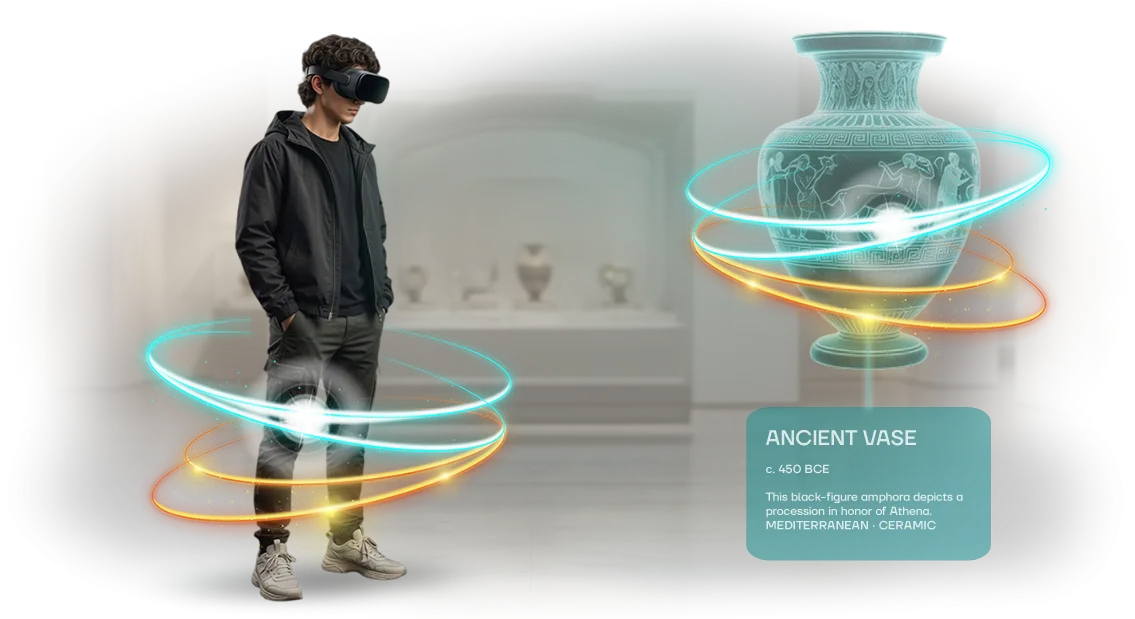
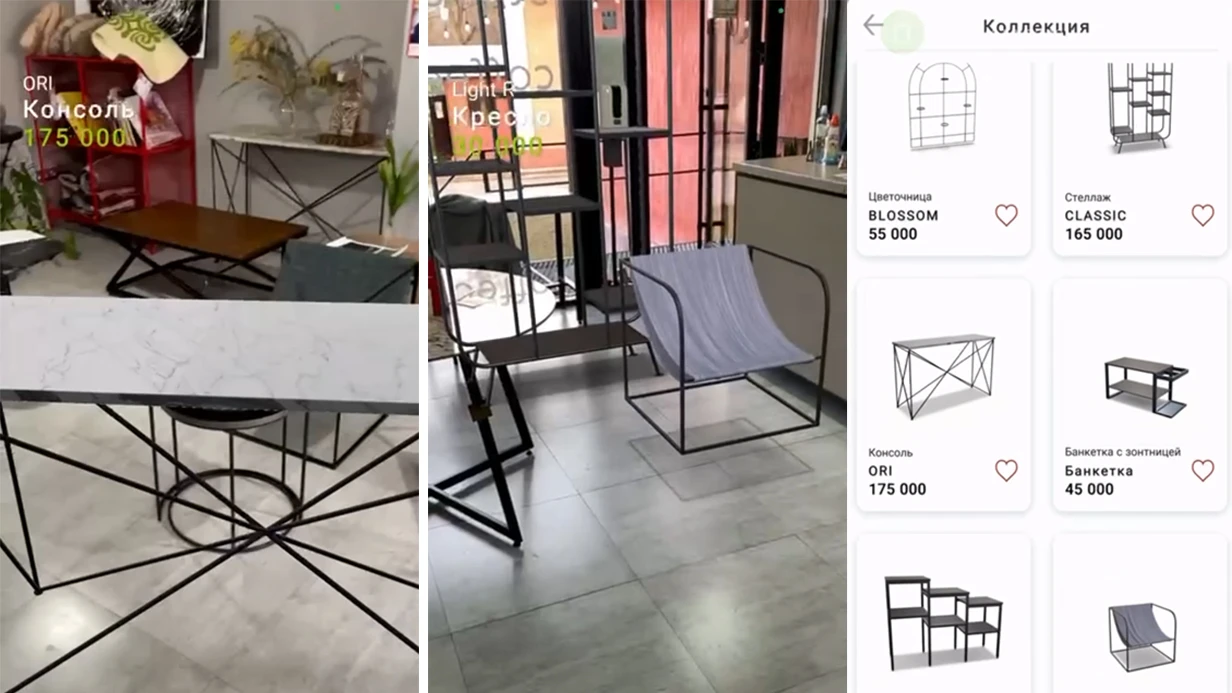
סיור וירטואלי פותר את הבעיה הזו. הוא מציג מסלולים, נופים וחוויות לפני הביקור, ומאפשר לאורחים לדמיין את עצמם בפארק ולצעוד בשבילים.
הפורמט הזה מעורר מעורבות, מניע אותם לתכנן טיול ולרצות לחזור — וקל לשתף אותו, מה שמספק קידום חינמי דרך רשתות חברתיות ומסרונים.
אנחנו עוזרים לפארקים לאומיים להחליף דרכי תקשורת מיושנות עם הקהל בדרכים מודרניות ויעילות. סיורים וירטואליים מגדילים את מספר המבקרים כי אדם מרגיש את הערך של המקום לפני הטיול.
אנחנו הופכים עניין לביקורים אמיתיים — בלי תקציבי פרסום גדולים או קמפיינים מורכבים, פשוט על ידי הצגת הפארק כפי שהוא.
מה סיור וירטואלי נותן לאתר שלך
פארק לאומי הוא טבע ייחודי שאתה רוצה להראות לכמה שיותר אנשים. אבל לא כולם יכולים לבקר פיזית: מרחק, עונתיות ומגבלות פיזיות מפריעים. סיור וירטואלי מסיר את המחסומים האלה ופותח את הפארק לכל מי שיש לו גישה לאינטרנט.
נגישות הסיור
מבקר נכנס לפארק מכל מקום בעולם ובכל זמן. כל מה שהוא צריך זה מחשב, טאבלט או סמארטפון — בלי תוכנות מיוחדות להתקנה או הגדרות מסובכות להבין.
זה חשוב במיוחד למבוגרים, למשפחות עם ילדים ולאורחים עם מוגבלות בניידות שלא יכלו לראות את הפארק בעבר.
תוכן אינטראקטיבי
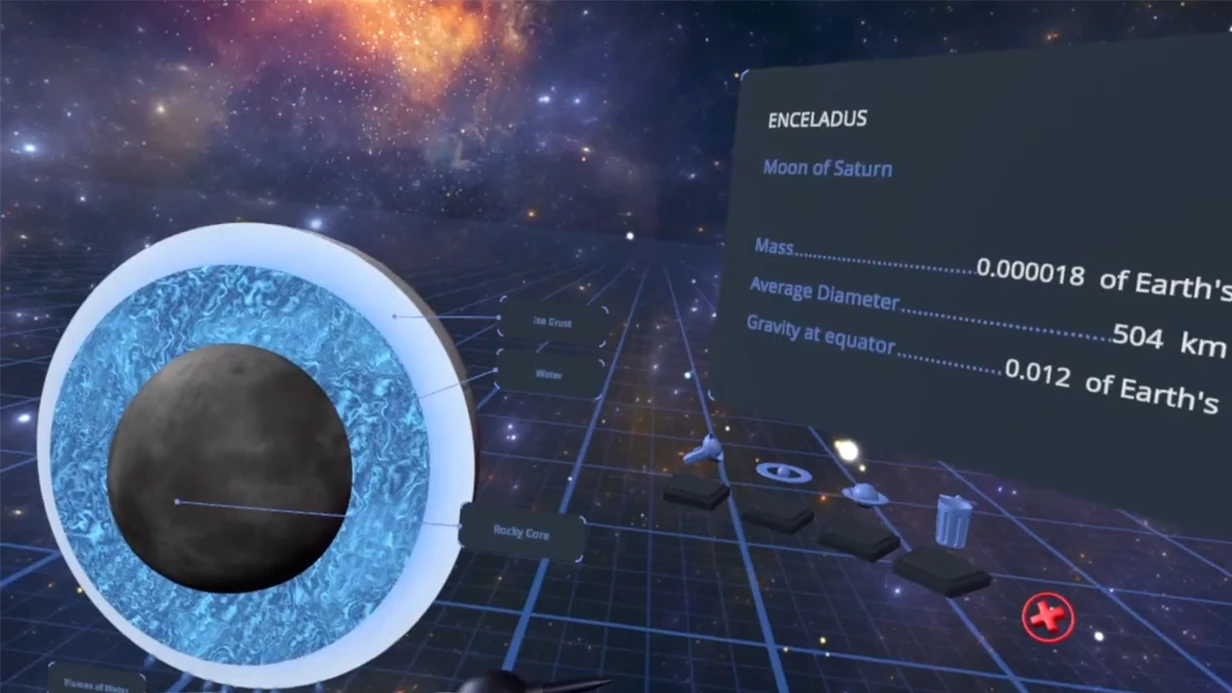
במקום תמונות שטוחות — מרחב חי שבו אפשר להסתכל סביב, להתקרב לפרטים ולבחור מסלול משלך. ההצגה הזו מחזיקה תשומת לב יותר מסרטון רגיל ומאפשרת להראות את הפארק מהזווית הטובה ביותר בכל עונה.
מעורבות ורגש
כשאדם "צועד" בשביל או בוחן צמחים נדירים בעצמו, זה מעורר רגש אמיתי, ורגשות נזכרים. אחרי חוויה כזו, אורחים רוצים לבקר בפארק באופן אישי ולראות את הטבע בעיניים שלהם.
קל לשתף חוויות — כלומר כל משתתף מביא איתו עוד כמה מבקרים פוטנציאליים.
הכרה גוברת
קל להטמיע סיור וירטואלי באתר הפארק, לפרסם אותו ברשתות חברתיות ולהשתמש בו בפרויקטים חינוכיים. אנשים משתפים אותו, מקשרים אליו ומדברים עליו — הפארק הלאומי זוכה לטווח הגעה אורגני יציב בלי להוציא על פרסום. זה הופך את הפארק למותג מוכר הידוע הרבה מעבר לאזור שלו.
בחרו את פורמט הסיור הווירטואלי למשימה שלכם
עבור פארק לאומי, המשימה המרכזית היא לא רק להראות את השטח על המסך — אלא להעביר את התחושה של מרחב פתוח, שקט ויופי השבילים.
פורמט הסיור הווירטואלי הנכון פותר את זה בדרכים שונות: אחד עוזר למבקרים להתמצא במהירות ולבחור מסלול, אחר מחזיק תשומת לב ויוצר תחושת נוכחות. אנחנו מתאימים את הפורמט למטרת השיווק הספציפית שלך — מניווט ועד קמפיינים ויראליים.
| פורמט | למי הוא מתאים | מה הוא נותן ללקוח |
|---|---|---|
| פנורמה 360 | מבקר באתר שרוצה להעריך במהירות את היקף השטח | סקירה מיידית של נקודות מפתח — נקודות תצפית, שבילי אקו, תשתיות. עובד על סמארטפון בלי התקנת אפליקציות, נוח להיכרות ראשונה ולניווט |
| סיור תלת-ממדי | תייר שמתכנן טיול וחוקר פרטים | התעמקות עמוקה: המבקר בוחר את המסלול שלו, מתקרב לאובייקטים, "צועד" לאורך מסלולים. תשומת הלב שלו מוחזקת פי 3–5 יותר מאשר בדף רגיל |
| חוויית VR | מארגני אירועים, תערוכות ותוכניות חינוכיות | נוכחות מלאה בתוך הפארק — קולות יער, אור משתנה, תנועה לאורך השביל. יוצר תגובה רגשית חזקה ורצון לבקר פיזית, אידיאלי לפרויקטים מיוחדים ותוכניות שותפים |
אנחנו נעזור לכם לבחור פורמט שמחזק את שאר השיווק שלכם: הגדלת זמן השהייה באתר, שיפור ההמרה להזמנות סיורים ומתן חומר לרשתות חברתיות ולעיתונות.
נשלח דוגמאות של פרויקטים דומים ונציע פתרון למשימות שלכם — מפנורמה בודדת ועד סיור VR מלא עם מדריך.
איך נוצר סיור VR לפארק לאומי
יצירת סיור VR לפארק לאומי היא פרויקט ברור עם שלבים ולוחות זמנים קבועים. אנחנו מטפלים בכל שרשרת הייצור: מהרעיון ועד ההשקה, ובכל שלב אתם רואים תוצאות ביניים ויכולים לבצע שינויים.
התהליך מתוכנן כך שהנהלת הפארק והשיווק מבינים מה קורה ולמה, ואנחנו מקבלים אישורים בזמן. להלן שלבי הפרויקט העיקריים.
- בריף והתעמקות — אנחנו לומדים את מטרות הפארק, המיקומים המרכזיים והקהל. אנחנו קובעים ציפיות לפורמט, היקף ולוחות זמנים.
- אישור קונספט ומסלול — אנחנו קובעים אילו אובייקטים ייכללו בסיור ואיך מבקרים ינועו בו. אנחנו מתאמים עם מחלקת החינוך הסביבתי וצוות השיווק שלכם.
- איסוף חומרים וצילום בשטח — אנחנו אוספים תמונות, סרטונים, מפות והפניות היסטוריות. במידת הצורך, אנחנו מבקרים במיקום לצילום פנורמי ותיעוד צילומי.
- יצירת המרחב הווירטואלי — אנחנו מפתחים מודלים תלת-ממדיים של הפארק, ממלאים את הסצנה בצמחייה, מבנים ונקודות אינטראקטיביות. אתם רואים איך המיקום ייראה למבקר.
- הדגמת ביניים — אנחנו מראים גרסה עובדת לקבוצת עובדים שלכם. אנחנו מבצעים עריכות בטקסטים, בלוגיקת המעבר ובסגנון.
- בדיקות והשקה — אנחנו בודקים את הסיור במכשירים שונים, מפרסמים אותו באתר הפארק ומפיצים את הקישור דרך רשתות חברתיות וקודי QR על שלטים.
- תמיכה ופיתוח — אנחנו מעדכנים מידע, מוסיפים אובייקטים חדשים ומנתחים סטטיסטיקות ביקורים וירטואליים. אנחנו מציעים התאמות ככל שהפארק גדל.
הודות לתהליך הזה, אתם מקבלים מוצר מוגמר בלי הפתעות נסתרות, ולוח הזמנים של כל שלב קבוע בחוזה ובאישורים.
מה מקבלים אחרי השקת הסיור הווירטואלי
הסיור הווירטואלי הופך לערוץ עצמאי למשיכת אורחים ועובד עבור הפארק מסביב לשעון.
אחרי ההשקה, אתם מקבלים סט חומרים מוכנים שקל להשתמש בהם בהכרזות, באתר וברשתות החברתיות — בלי עריכות או שכירת קבלנים.
- סיור וירטואלי מושלם בכתובת ייעודית — הטמיעו אותו באתר, שתפו ברשתות חברתיות או כללו במיילים למנויים.
- פנורמות באיכות גבוהה של נקודות המפתח בפארק: נקודות תצפית, שבילי אקו, אזורי מנוחה, מרכז מבקרים.
- מדריך קולי והקראת טקסט לכל מיקום — מבקרים בוחרים את עומק ההתעמקות ואת קצב החקר שלהם.
- כפתורים אינטראקטיביים: "קניית כרטיס," "הזמנת סיור," "בניית מסלול" — הסיור הופך לערוץ מכירות.
- אנליטיקה מובנית: מספר צפיות, זמן בסיור, מיקומים פופולריים, לחיצות על כפתורים — נתונים לקידום ותכנון.
- פורמט רספונסיבי: הסיור עובד על סמארטפונים ומחשבים בלי התקנת אפליקציות או שלבים נוספים למבקרים.
- קוד QR וקישור קצר לחומרים מודפסים, פוסטרים וניווט בשטח — אורחים נכנסים לסיור בלחיצה אחת.
התוצאה: איך אתר טבע אחד הגדיל את מספר המבקרים
אורחים זוכרים רגשות, לא עובדות יבשות. כך גם לגבי פארק לאומי — אפילו הפינה הציורית ביותר קשה למכירה אם אדם מעולם לא ראה אותה. מבקרים פוטנציאליים גולשים באתר, מסתכלים בתמונות משעממות ומהססים לבזבז סוף שבוע על הדרך. הצענו לפתור את הבעיה אחרת: להראות את הפארק כסיפור חי.
איך זה עבד
במקום תמונות שטוחות, יצרנו סיור וירטואלי לאורך שביל האקו ונקודות התצפית המרכזיות. מבקרי האתר יכולים לראות נופים אמיתיים, להעריך איך נראה המסלול ולדמיין את עצמם במקום תייר. זה הסיר את הפחד העיקרי מחוסר ודאות — "האם שווה את הנסיעה."
התוצאה הורגשה כבר בעונת התיירות הראשונה. פניות ספונטניות לכרטיסים גדלו, וחלק ההזמנות המקוונות דרך האתר עלה ברבע לעומת התקופה הקודמת. הפארק קיבל לא רק דף יפה, אלא כלי שמביא אנשים פיזית.
המלצה
ראש מחלקת הפיתוח של הפארק ציין לא רק את המספרים אלא גם את הפורמט העובד עצמו: "הפסקנו להתחרות בפארקים אחרים רק על תיירים עונתיים.
הסיור הווירטואלי עובד כמדריך קבוע: אנשים מגיעים כבר מוכנים ועם קבוצות משלהם. חשוב שלא היינו צריכים ללמד אתכם איך לדבר עם הקהל — הצעתם פתרון שפוגע במטרה בדיוק."
הגישה הזו שינתה את היחס לפורמטים וירטואליים: עכשיו זה לא "תחבולה" אלא מחלקת מכירות מלאה עבור אתר טבע.
אחרי ההשקה, הפארק האריך את שיתוף הפעולה — אנחנו מכינים עכשיו מסלולים נוספים, כולל אזורים סגורים לביקורים רגילים, שבהם התוכן עובד כמעט כמו צילומי טבע דוקומנטריים.
שאלות נפוצות על סיורים וירטואליים
לפני ההשקה, לקוחות שואלים את אותן שאלות: מה אם הטכנולוגיה תיכשל, מי מטפל בתמיכה, וכמה מהר הכל נעשה. אנחנו עונים על העיקריות — בלי ז'רגון מקצועי או תנאים נסתרים.
מה קורה אם מתרחש כשל טכני במהלך הסיור?
אנחנו בונים תרחישי גיבוי ומשכפלים ערוצי תצוגה. ביום ההשקה, תמיכה טכנית זמינה: במקרה של תקלה, אנחנו עוברים אוטומטית לגיבוי ומבקרים לא ישימו לב להפרעה.
מי יתחזק את הפרויקט אחרי ההשקה?
אנחנו מספקים הוראות ומכשירים מנהלים לעדכון טקסטים. לשינויים מורכבים, יש הסכם תמיכה: אנחנו מגיבים תוך יום, ובעיות דחופות מטופלות מיד.
כמה זמן לוקח ליצור סיור וירטואלי?
פרויקט סטנדרטי לוקח משבועיים. לוח הזמנים המדויק תלוי במספר המיקומים ובפורמט התצוגה. אחרי הבריף, אנחנו קובעים את התאריכים בחוזה.
מה מבקרים צריכים כדי לצפות בסיור?
רק סמארטפון או מחשב עם גישה לאינטרנט. הסיור נפתח דרך קישור בכל דפדפן מודרני, בלי התקנת תוכנה. לסיורים קבוצתיים, אנחנו יכולים לארגן משקפי VR או מסך גדול.
מוכנים להפוך את האתר שלכם לנגיש לכולם?
דמיינו: כל אחד מכל מקום בעולם פותח קישור — ומוצא את עצמו בין הנופים, הארכיטקטורה או המוצגים שלכם. סיור וירטואלי מסיר את המחסומים העיקריים: מרחק, מזג אוויר, תורים, שעות פתיחה מוגבלות.
האתר הופך לנגיש לתייר מאזור אחר, לקבוצת בית ספר ולמבקר עם מוגבלות. זה לא רק עותק דיגיטלי של המציאות — זה ערוץ תקשורת חדש עם הקהל שלכם.
אנחנו מטפלים בכל המחזור: צילום, עיבוד, הרכבת המרחב האינטראקטיבי וההשקה.
אתם לא צריכים להבין בטכנולוגיה — אתם מקבלים כלי מוכן שעובד על כל מכשיר, משתלב בקלות באתר וברשתות החברתיות ולא דורש כישורים מיוחדים מהצוות שלכם.
מה מקבלים אחרי פנייה אלינו:
- ייעוץ על פורמט והיקף הפרויקט — מותאם לאתר ולתקציב שלכם
- לוח זמנים ועלות מחושבים אחרי בדיקה תוך 1–2 ימים, בלי חיובים נסתרים
- תוכנית עבודה ברורה עם נקודות ביקורת: אתם רואים התקדמות בכל שלב
- צוות עם ניסיון בפרויקטי טבע ומוזיאונים
- תמיכה לאורך כל הדרך — מהצילום הראשון ועד הפרסום והתמיכה הטכנית
- חומרי קידום: קישור לאתר, קודי QR, הוראות לצוות
- אפשרות להתחיל עם קטע פיילוט ולהרחיב בהדרגה את הכיסוי לכל השטח
השאירו בקשה לייעוץ — נדון במטרות הפארק שלכם, נראה דוגמאות ונבחר פתרון שמספק תוצאות. הפרויקט יכול להתחיל תוך שבוע אחרי הבריף. קרבו את האתר שלכם לכולם — ומבקרים חדשים יראו אותו העונה.
איך לבחור את פורמט הסיור הווירטואלי הנכון?
בחירת פורמט סיור וירטואלי היא לא שאלה טכנולוגית — היא שאלה של מטרה. עבור פארק לאומי, משימה אחת היא להראות את יופי הטבע ולמשוך תיירים; אחרת היא לספר על מינים נדירים או על ההיסטוריה של השטח.
המטרה היא שקובעת אם אתם צריכים הליכה פנורמית של 360 מעלות או סיור אינטראקטיבי מלא עם קריינות.
עצה מעשית: התחילו מהשאלה מה הצופה צריך להרגיש אחרי הצפייה. אם אתם צריכים לעורר רצון לבקר — התמקדו ברגש ובהשפעה ויזואלית. אם המשימה החינוכית חשובה — התמקדו בעומק ההצגה ובעושר המידע. אותו פארק יכול להיות מוצג גם כפורמט סקירה קל וגם כמסע חקר מרתק.
סיור פנורמי בדרך כלל הכי טוב לקהל רחב — הוא עובד כמו סרטון מעורר השראה: פותחים — צופים — רוצים לראות בשידור חי.
למיקומים נדירים או לאזורים מוגנים במיוחד עם גישה מוגבלת, הגיוני ליצור מסע אינטראקטיבי עמוק שבו משתמשים חוקרים פרטים בקצב שלהם. אנחנו עוזרים לכם לבחור את האפשרות שפותר את המשימה שלכם, לא רק אחת שנראית מרשימה.
במהלך הייעוץ, אנחנו שואלים כמה שאלות הבהרה: מי הקהל שלכם, איזו תוצאה אתם מצפים, ואיפה תשתפו את הסיור. על סמך התשובות, אנחנו מציעים פורמט שמספק תשואה מקסימלית במסגרת התקציב שלכם.
הגישה הזו מבטלת הוצאות מיותרות ומבטיחה שהפרויקט עובד למען המטרות הספציפיות שלכם.
יש לנו ניסיון ביצירת סיורים וירטואליים לאתרי טבע ותרבות, כך שאנחנו מבינים את הפרטים של משימות הקשורות למשיכה תיירותית של שטח. זה מאפשר לנו להציע לא פתרון תבניתי, אלא סיור שבאמת יועיל לפארק שלכם.