



פלנטריום מאבד מבקרים: איך להחזיר את העניין?
מבקרי הפלנטריום מגיעים בשביל חוויה וידע, אבל עם הזמן אפילו המופעים המרהיבים ביותר מתחילים להרגיש אותו דבר. אותו אולם, אותה הקרנה, אותו תסריט מוכר — ואחרי שנה, הקהל הקבוע נמס בעוד מבקרים חדשים לא מגיעים.
זו בעיה טיפוסית של פלנטריום: התוכן לא מתעדכן באותה מהירות שבה הציפיות של הקהל גדלות.
כשהעניין במדע דועך, זה פוגע לא רק בכמות המבקרים אלא גם בשליחות המוסד. הורים מפסיקים להביא את ילדיהם, בתי ספר בוחרים מקומות אחרים, והפלנטריום הופך בהדרגה לאתר לחוג מצומצם של חובבים.
כל ניסיון לעדכן את התכנית נתקל במגבלות של שטח פיזי ותקציב — בעוד הצופה רוצה לא רק לצפות, אלא גם להשתתף.
תערוכה וירטואלית משנה את כללי המשחק.
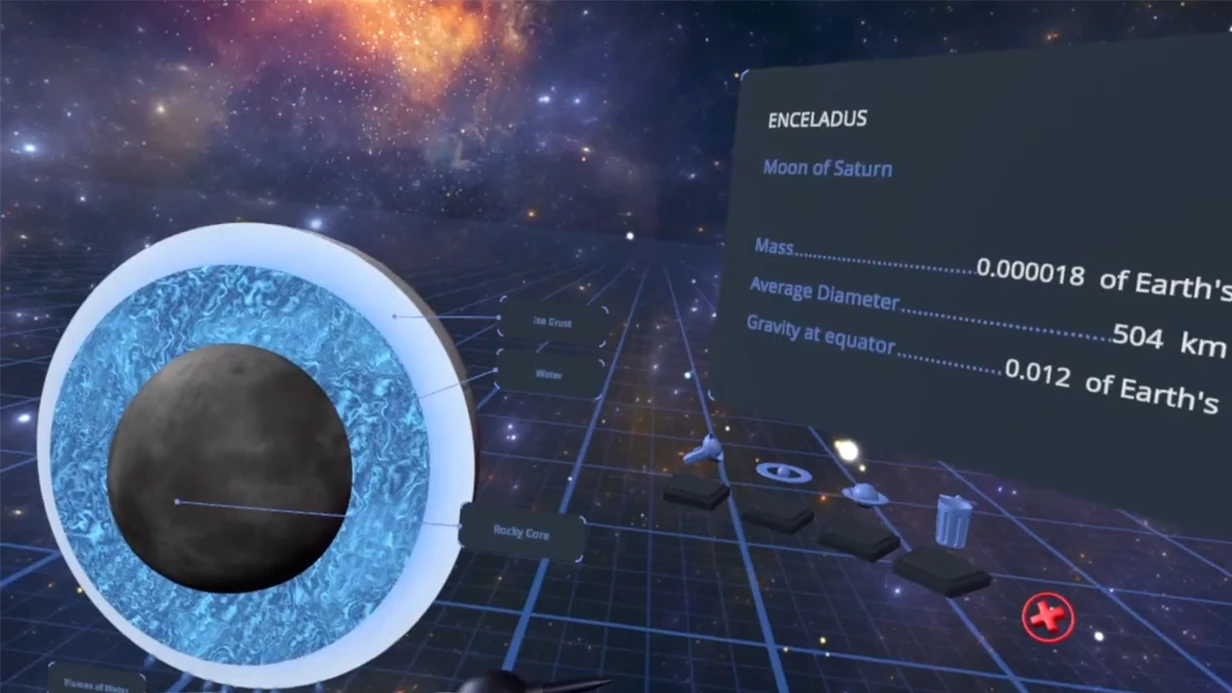
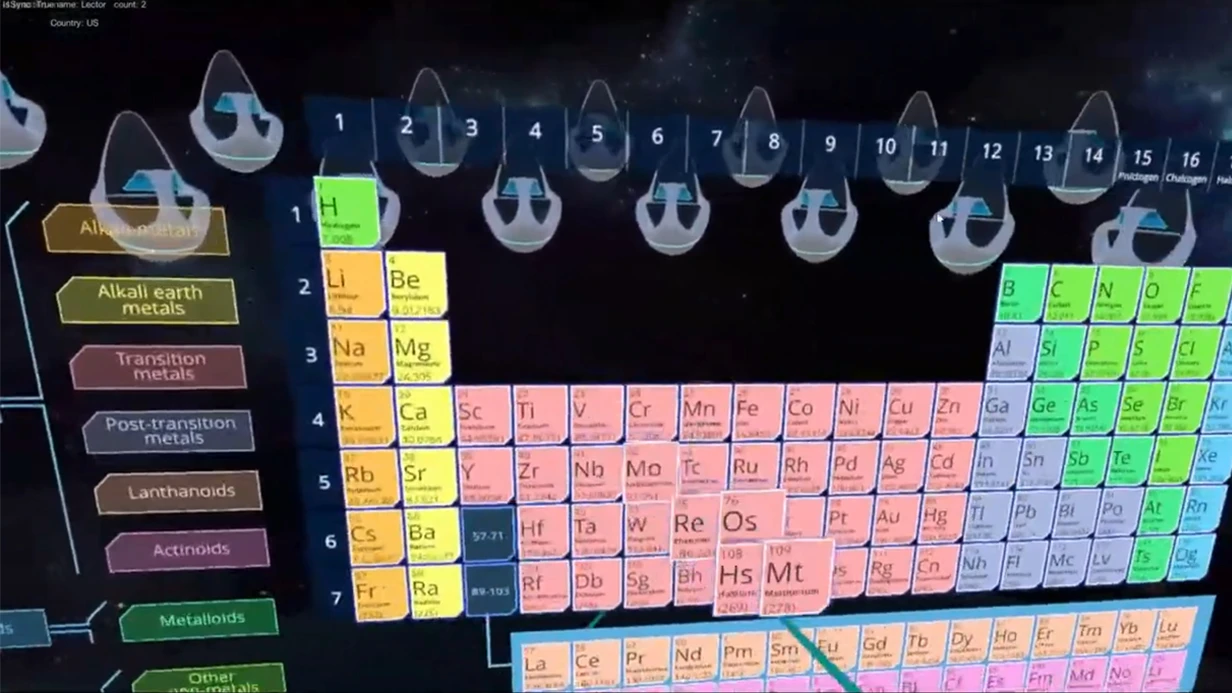
אנחנו יוצרים סביבה דיגיטלית שבה תערוכות ומופעים מוכרים מתעוררים לחיים: המבקר יכול לטייל בתחנת חלל, לצפות בשיגור רקטה, או לחקור את פני השטח של כוכב לכת — הכל ישירות מהסמארטפון שלו או באולם הפלנטריום על מסך גדול.
הפורמט הזה מחזיר את תחושת החידוש שגורמת לאנשים לקנות כרטיסים שוב ולחזור בפעם הבאה.
זה גם פותר אתגר תפעולי: אפשר לעדכן תערוכות וירטואליות מהר יותר ובזול יותר מאשר פיזיות, והטווח גדל בזכות אלה שלא יכולים להגיע פיזית.
מבקרי הפלנטריום זוכים לחוויה עוצמתית, משתפים אותה ברשתות החברתיות, והעניין במדע בקרב קבוצות גיל שונות מתאושש באופן טבעי. זה בדיוק מה שאנחנו עובדים עליו — להחזיר לפלנטריום את הכוח המרכזי שלו: היכולת להדהים.
מה תערוכה וירטואלית נותנת לפלנטריום
פלנטריום מושך אורחים עם תכניות ייחודיות, אבל האולם הפיזי מגביל את כמות המבקרים. אפשר להכיל רק כמה עשרות צופים בכל פעם, ולוח הזמנים של ההקרנות לא תואם את הקצב של החיים של אנשים רבים.
תערוכה וירטואלית הופכת את התערוכה שלכם למוצר דיגיטלי שפועל מסביב לשעון, שבעה ימים בשבוע.
גידול בכמות המבקרים
תערוכה וירטואלית לא מבטלת את הביקור הפיזי — היא הופכת אותו למטרה. אורחים יכולים לחקור את האולמות מראש, לצפות בקטעים מתכניות המופע, ולתכנן את הביקור שלהם.
בניסיון שלנו, פלנטריומים עם תערוכות מקוונות רואים גידול של 20–30% במבקרים חדשים — אנשים מגיעים כבר מעודכנים ומעוניינים.
הרחבת טווח ההגעה
סיור מקוון נגיש מכל מקום בעולם, כלומר המותג שלכם מגיע הרבה מעבר לעיר שלכם. סטודנטים מאזורים אחרים, תיירים, משפחות עם ילדים — כולם יכולים לטייל וירטואלית בפלנטריום לפני שהם קונים כרטיס.
לדוגמה, עבור הפלנטריום של מוסקבה, הפורמט הזה הפך לערוץ נוסף למשיכת אורחים ממדינות אחרות.
מודעות למותג
תערוכה וירטואלית היא כלי מודרני לבניית תדמית. היא מדגישה את התחכום הטכנולוגי של הפלנטריום, מבדלת אותו מהמתחרים, ויוצרת הרגל לעקוב אחרי הפרסומים החדשים שלכם. צופה שביקר פעם בתערוכה מקוונת זוכר את השם וחוזר לתכניות חדשות.
פורמטים של תערוכות וירטואליות לפלנטריום
פלנטריום הוא מקום שאנשים מבקרים בו בשביל חוויה. תמונות של האולם ופוסטרים מראים את הכיפה, המושבים והמקרנים, אבל הם לא מעבירים את הגודל ואת אפקט ההשתקעות.
תערוכה וירטואלית בפורמט הנכון הופכת את החוויה הזו למוחשית ישירות באתר, לפני שהמבקר מגיע.
בחירת הפורמט תלויה ישירות במטרה: למכור כרטיסים, להראות את יכולות המקום לשותפים, או להשיק תכנית חינוכית. לכל משימה יש לנו פורמט — מסקירה מהירה ועד סיור וירטואלי מלא.
| פורמט | למי | מה הוא נותן ללקוח |
|---|---|---|
| סיור 360° בפלנטריום | מבקרים שבוחרים אירוע | מטביע אותם באווירת האולם מהמסך הראשון ומעודד רכישת כרטיסים, ללא צורך בהתקנת תוכנה |
| תצוגת תלת-ממד של אולמות וציוד | מארגני הקרנות פרטיות, שותפים, משכירים | מאפשר "להסתובב" במקום ללא פגישה אישית, לראות פרטים, ולהצדיק את בחירת הפלנטריום לאירוע עסקי |
| סיור VR | בתי ספר, קבוצות משפחתיות, מועדונים | פורמט חדש לפנאי חינוכי: סיור בשמי הכוכבים יכול להתבצע מרחוק או כתוספת להקרנה המרכזית |
| שילוב 360° + תצוגת תלת-ממד + VR | פלנטריומים שמוכנים להשיק פרויקט מקוון מתמשך | טווח הגעה מקסימלי: כל צופה בוחר את עומק ההשתקעות שלו — ממבט מהיר ועד סיור מודרך מלא |
התוצאה הטובה ביותר מגיעה משילוב של פורמטים, שבו כל סוג של אורח מקבל את התרחיש שלו. האתר משתמש בסיור 360° להיכרות, בעוד סיור VR הופך לתוספת בתשלום לכרטיס או לפעילות נפרדת לקבוצות בית ספר.
אתם לא חייבים להשיק הכל בבת אחת. פלנטריומים רבים מתחילים עם פורמט אחד — בדרך כלל סיור 360°, כי הוא מכסה את הצורך המרכזי: לעזור לאורח להחליט לבקר.
בהדרגה, אפשר להוסיף תצוגת תלת-ממד ותכנית VR, ולהפוך את האתר לפלטפורמה הדיגיטלית הקבועה של הפלנטריום.
איך נוצרת תערוכה וירטואלית: 6 שלבים
העבודה על תערוכה וירטואלית לפלנטריום מתנהלת לפי תרחיש ברור, כך שמיום הראשון אתם מבינים מה קורה ומתי תגיע התוצאה. להלן ששת השלבים שפרויקט עובר מהפגישה הראשונה ועד ההשקה. אתם לא נכנסים לפרטים טכניים; אתם מנהלים תוכן, לוחות זמנים ותוצאה.
-
בריף ומטרות. אנחנו לוכדים את המטרות של התערוכה הווירטואלית: למשוך מבקרים חדשים, להציג את התערוכה מרחוק, להרשים קבוצות בית ספר. אנחנו דנים בנושא הפלנטריום, בסגנון החזותי ובקהל, כך שהחלל יעבוד למען המטרות שלכם.
-
קונספט ותרחיש. אנחנו מגדירים את מבנה החלל: אולמות, מסלול צפייה, מוצגים מרכזיים ונקודות אינטראקטיביות. בשלב הזה אתם רואים איך מבקר ינוע בתערוכה, אילו סצנות יפתיעו אורחים, ואילו אלמנטים יעודדו שהייה ארוכה יותר.
-
עיצוב ואווירה. אנחנו מפתחים את הזהות החזותית של כל אולם: תאורה, מרקמים, פרטי פנים. עבור פלנטריום, חשוב להעביר את האווירה של החלל, העומק והאותנטיות המדעית — זה יוצר את הרושם שמחזיר אורחים שוב.
-
הרכבה ותוכן. אנחנו ממקמים מוצגים, תיאורים, תמונות וחומרי וידאו. אנחנו ממלאים את התערוכה במשמעות ומוודאים שכל אלמנט נגיש וברור. אתם יכולים לראות תוצאות ביניים בכל עת ולערוך שינויים מבלי לפספס מועדים.
-
בדיקות. אנחנו בודקים איך התערוכה נפתחת במכשירים שונים, כמה מהר האולמות נטענים, וכמה קל לאורחים לנווט. אנחנו מחליקים קצוות גסים לפני שמבקרים רואים את הפרויקט. בשלב הזה יש לכם ביטחון מלא שהכל עובד כמתוכנן.
-
השקה ותמיכה. אנחנו מוסרים את החלל המוגמר, מטמיעים אותו באתר או ברשתות החברתיות שלכם, ומכשירים מנהלים. אחרי ההשקה אנחנו נשארים קרובים: אנחנו מטפלים בפניות, מעדכנים תוכן, ומפתחים את התערוכה סביב מטרות חדשות.
התוצאה: אתם מקבלים לא רק "תמונה על מסך", אלא כלי שיווקי מוכן שמשך אורחים ולא דורש גיוס מומחים טכניים. אנחנו מנהלים את הפרויקט מהבריף ועד ההשקה, בזמן שאתם שולטים בנקודות ציון מרכזיות ומקבלים את התוצאה כשהיא באמת מוכנה.
מה אתם מקבלים בפרויקט המוגמר
פרויקט מוגמר הוא לא רק אוסף של קבצים — זה חבילה מלאה להשקת סיור בפלנטריום. אנחנו מבנים את המסירה כך שהצוות שלכם צריך רק לבחור שעת מופע, להפעיל את החומר ולקבל את פני המבקרים.
כל מה שכלול בפרויקט מגיע אליכם בצורה מובנית עם הוראות ברורות. להלן תכולת המסירה:
- תרחיש הסיור. מסלול מחושב היטב עבור הצופה: היגיון נרטיבי, נקודות שיא בסיפור וסידור משמעויות, כך שב-20–30 דקות המבקר מקבל חוויה מלאה.
- קונספט עיצובי וסגנון חזותי. פלטת צבעים, תאורה, אווירת האולמות — הכל נשמר בסגנון אחיד שמחזק את ההכרה של הפלנטריום והמותג שלכם.
- מודלים תלת-ממדיים מפורטים של עצמים וסביבה. מוצגים, גרמי שמיים, פנים — אלמנטים ריאליסטיים שיוצרים אפקט השתקעות מלא ומעוררים רגש באורחים.
- עריכה והרכבת החומר. רצף וידאו מוכן להקרנה או סביבה אינטראקטיבית שניתן להפעיל על הציוד הקיים של הפלנטריום ללא שינויים נוספים.
- מדריך לצוות. מדריך שלב-אחר-שלב: איך להפעיל את הסיור, להחליף הקרנות במהירות, ולפתור תקלות טכניות נפוצות — כך שהעובד שלכם יכול להתמודד אפילו עם היום העמוס ביותר.
- חומרי תמיכה. טקסטים פרסומיים, פוסטרים ותיאורים לרשתות חברתיות — כך שתוכלו להכריז מיד על הסיור החדש ולמשוך מבקרים.
- תמיכה טכנית לאחר ההשקה. ייעוץ ועדכונים: אם תרצו להרחיב את המופע או להתאים אותו לכיפה אחרת, אנחנו בקשר.
הנקודה המרכזית: אתם מקבלים לא "חומר גלם", אלא כלי עבודה למשיכת אורחים. אתם פותחים את הפרויקט, לוחצים "התחל" — והסיור רץ.
עיצוב, תרחיש, מודלים והוראות כבר מחושבים עבורכם, והפלנטריום זוכה לחוויה חדשה שמבקרים ירצו לחזור עליה.
מקרה בוחן: איך הגדלנו את כמות המבקרים בתערוכה
פלנטריום עירוני פנה אלינו עם משימה שמוכרת לכל מארגן תערוכות: האירוע נמשך רק חודש, ובזמן הזה צריך למשוך כמה שיותר מבקרים.
פוסטרים רגילים, פרסומים וקמפיינים במייל משכו בעיקר אורחים קבועים, אבל הלקוח היה צריך להרחיב את הקהל — למשוך משפחות, קבוצות בית ספר ואנשים שלא ביקרו בפלנטריום כבר הרבה זמן.
הצענו סיור וירטואלי באולמות התערוכה. אורחים מקוונים חוקרים את התערוכה בקצב שלהם, פותחים אלמנטים אינטראקטיביים, ומקבלים רגשות קרובים לביקור חי.
עבור הפלנטריום, הסיור הזה הפך לפרסום חינמי שעובד בכל העיר והאזור, לא רק עבור עוברי אורח בכניסה.
במקרה הזה, מה שחשוב הוא לא רק מודל תלת-ממד יפה, אלא התוצאה: סיור וירטואלי מאפשר לאדם "לנסות" את התערוכה לפני קניית כרטיס. זה מוריד את המחסום והופך סקרנות לרצון להגיע פיזית.
מה עבד
הסיור הושק שלושה שבועות לפני פתיחת התערוכה. ביום הראשון, 1,500 אנשים עברו דרכו, ובמהלך שבועיים הוא קיבל יותר מ-12,000 צפיות. רבע מהאורחים הווירטואליים השאירו את פרטי הקשר שלהם ונרשמו לסיור אמיתי.
כתוצאה מכך, כמות המבקרים בתערוכה עצמה גדלה בשליש, וחלקם של מבקרים חדשים שלא היו בפלנטריום לפני כן היה כמחצית.
תוצאה והזמנה חוזרת
המספרים הם ההוכחה העיקרית לערך עבור הלקוח. הם קיבלו גידול מדיד בטווח ההגעה, פניות מקהל מעוניין, וכרטיסים אמיתיים לתערוכה.
לאחר סיום הפרויקט, הפלנטריום חזר עם הזמנה חדשה: תערוכה וירטואלית של האוסף הקבוע ומפגשי VR לקבוצות בית ספר. כך נראה אפקט בר-קיימא: כשסיור מביא מבקרים, ממשיכים להשתמש בו ולפתח אותו.
שאלות נפוצות על תערוכות וירטואליות
לפני השקת תערוכה וירטואלית, לקוחות נוטים לשאול את אותן שאלות: כמה זמן ייקח הפיתוח, איזה תקציב נדרש, האם התערוכה תעבוד על מכשירים רגילים, וכמה מורכבת ההטמעה. אנחנו עונים בקצרה — כך שתוכלו לתכנן את הפרויקט עוד לפני השיחה הראשונה.
כמה זמן לוקח ליצור תערוכה וירטואלית?
פרויקט טיפוסי לוקח 2–4 שבועות מאישור הקונספט. לוח הזמנים תלוי במספר המוצגים, ברמת הפירוט של המודלים התלת-ממדיים ובפונקציונליות הנדרשת.
אנחנו קובעים לוח זמנים ונקודות בקרה, כך שאתם יודעים מההתחלה מתי הפתרון יהיה מוכן להשקה. אם צריך, אנחנו מאיצים את הפרויקט: מקצים צוות ייעודי ומריצים שלבים מרכזיים במקביל.
כמה עולה תערוכה וירטואלית?
התקציב נבנה באופן אישי: הוא תלוי בהיקף התערוכה, במורכבות המודלים, במספר התרחישים האינטראקטיביים ובאינטגרציה עם האתר שלכם. אנחנו מכינים הערכת עלות מפורטת לפני תחילת העבודה ונועלים אותה — ללא חיובים נסתרים נוספים.
לצעד ראשון, אפשר לבחור בפורמט הבסיסי "תצוגת תלת-ממד" ואז להרחיב אותו לסיור VR מלא. כך אתם מגדילים את טווח ההגעה בהדרגה ושולטים בהשקעה שלכם.
באילו מכשירים התערוכה תיפתח?
מבקרים נכנסים לחלל הווירטואלי דרך קישור בדפדפן רגיל — ממחשב, טאבלט או סמארטפון. אין צורך בהתקנת תוכנה מיוחדת, מה שמוריד את מחסום הכניסה עבור הקהל שלכם.
אם תרצו להציע לאורחים השתקעות מקסימלית, אנחנו כוללים מצב למשקפי VR. הגרסה המרכזית מיועדת למגוון רחב של משתמשים, כך שאתם לא מפסידים כלום.
האם הפתרון קשה להטמעה ולתחזוקה?
אנחנו מטפלים בכל הצד הטכני: מטמיעים את התערוכה באתר או באירוח שלכם, מגדירים גישה, ומראים למנהל המערכת איך לעדכן את התערוכה. ההטמעה לוקחת שעות ספורות, לא שבועות.
לאחר ההשקה, אנחנו נשארים בתמיכה: עוזרים בשיפורים, מוסיפים חומרים חדשים ומפקחים על פעילות יציבה. כל מה שנשאר לכם זה להזמין מבקרים.
השיקו את התערוכה הווירטואלית שלכם בפלנטריום
ארגון תערוכה וירטואלית בפלנטריום הוא משימה שחורגת מסיור תלת-ממד רגיל. היא דורשת אינטגרציה עם הקרנת כיפה, תרחיש שמחזיק את תשומת הלב של המבקרים, ותוצאה שבונה הכרה למותג שלכם או למותגים של השותפים שלכם.
ביצענו פרויקטים כאלה עבור מוזיאונים, מרכזים חינוכיים ומארגני אירועים — אנחנו יודעים להפוך רעיון לתערוכה עובדת.
השאירו פנייה לייעוץ — נספר לכם איך זה עובד בפועל ונציע פתרון מותאם למשימות שלכם. הנה מה שתקבלו אחרי הפנייה אלינו:
- קונספט ראשוני ותכנית תרחיש לתערוכה הווירטואלית שתתאים לתקציב וללוח הזמנים שלכם
- הערכת פורמט: תערוכה סטטית, סיור אינטראקטיבי או סיור VR לפלנטריום
- חישוב שלבי העבודה — מהבריף ועד ההשקה
- דוגמאות לפרויקטים שהושלמו והמלצות מלקוחות
- המלצות על ציוד ואינטגרציה עם המקום שלכם
- הערכת עלות שקופה ללא חיובים נסתרים
הפרויקט יכול להתחיל מיד לאחר אישור התכנית. אנחנו לוקחים על עצמנו פיתוח, תוכן ובדיקות, וכל מה שנשאר לכם זה לקבל את התוצאה ולהשיק את התערוכה.
אל תדחו — פורמטי כיפה נמצאים בשיא העניין של הקהל כרגע. הציגו את הפרויקט שלכם בפלנטריום לפני המתחרים: השאירו פנייה היום — וכבר למחרת נדון בפרטים של התערוכה הווירטואלית שלכם.
איך לבחור פורמט תערוכה וירטואלית למשימה שלכם?
תערוכה וירטואלית לפלנטריום היא לא סיור תבניתי באולם, אלא כלי שחייב לפתור משימה ספציפית: להכיר לתלמידי בית ספר את האסטרונומיה, להראות לנותני חסות מתקן עתידי, או לאסוף קהל להרצאה מקוונת.
אז השאלה הראשונה היא לא "איזה פורמט נראה טוב יותר", אלא "מה צריך לקרות אחרי הצפייה". אם המטרה היא לספר על התכניות של הפלנטריום ולאסוף פניות, סיור תלת-ממד כללי מספיק.
אם צריך לעניין את המבקר ולהחזיק אותו כמה דקות, אתם צריכים פורמט אינטראקטיבי עם בחירות תרחיש.
המיוחדות של פלנטריום היא חלל הכיפה וקהל שמגיע בשביל חוויה. סיור וירטואלי חייב להעביר את הגודל של הכיפה ואת תחושת ההשתקעות, ועדיין לעבוד על מסך מחשב נייד או טאבלט רגיל.
כאן הפורמט מחליט הכל: גרפיקה גרועה הורגת את אפקט ה"וואו", בעוד פירוט מוגזם מאט מכשירים חלשים ומבריח צופים.
אנחנו מוצאים את האיזון הנכון בין איכות תמונה למהירות טעינה עבור פלטפורמה ספציפית — מרשתות חברתיות ועד מקרן בלובי.
חשוב לשקול מי ישתמש בפתרון. עבור מנהל הפלנטריום, פאנל פשוט עם שינויי תוכן מהירים נוח יותר; עבור מבקר, ניווט ברור ללא הוראות הוא המפתח.
אם התערוכה נוצרת עבור שותפים ומשקיעים, יכולות ההצגה עומדות בחזית: תקריבים, מעברים חלקים והדגשת אזורים מרכזיים. בכל מקרה, אנחנו מציעים פורמט שמתאים למשימה, לא אופציה "אופנתית" לשם הטכנולוגיה.
התפקיד שלנו הוא לעזור לכם להחליט ולהפחית סיכונים. אנחנו מבהירים מראש היכן ישמש הסיור, באילו מכשירים, לאיזו מטרה, ואיזה קהל יגיע.
ואז אנחנו מציעים לא תרחיש נוקשה אחד, אלא פתרון עם מקום לצמיחה: החל מסיור קומפקטי, אפשר להרחיב אותו לתערוכה אינטראקטיבית מלאה בלי לשכתב הכל מאפס. זה חוסך תקציב וזמן לצוות הפלנטריום.
בסופו של דבר, הפורמט הנכון הוא כזה שהצוות שלכם יכול להשתמש בו ללא הכשרה מיוחדת והמבקרים שלכם יכולים להבין בקלות. כבר יצרנו סיורים וירטואליים לחללי תרבות ואנחנו יודעים לשלב אפקטים מיוחדים עם ממשק ברור.
בואו עם משימה — יחד נבחר פורמט שיעבד עבור הקהל שלכם ועבור קידום הפלנטריום.