

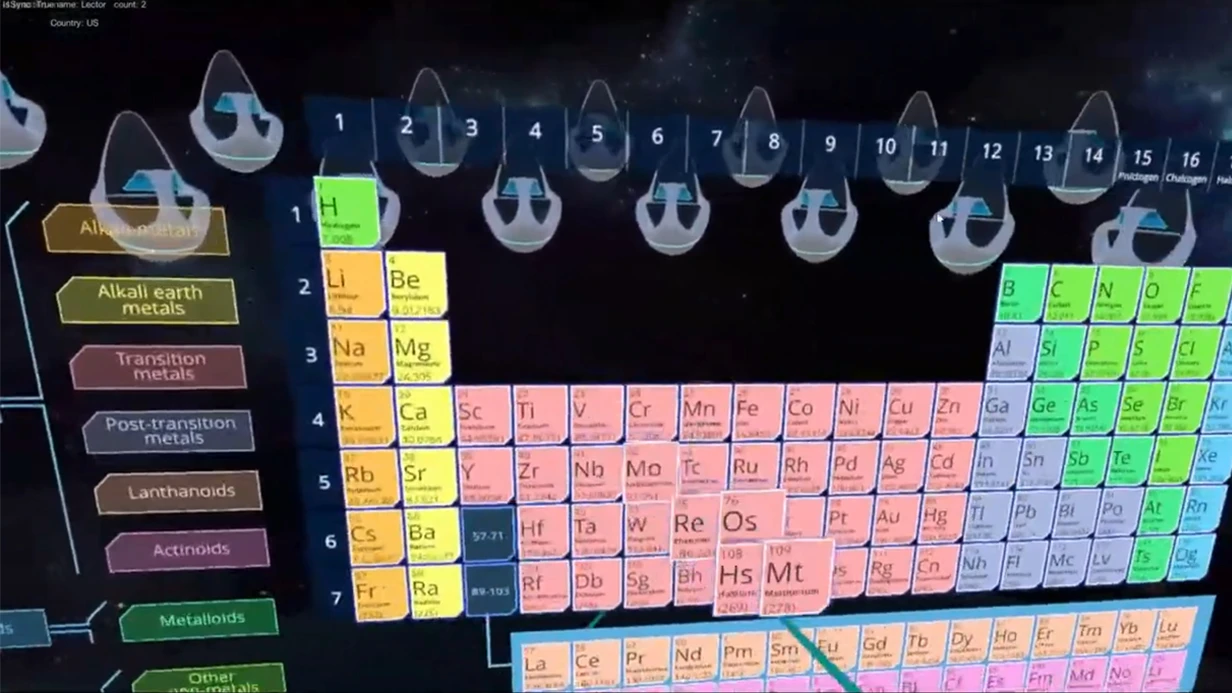


מדוע אתם מפסידים הזמנות ללא תערוכה וירטואלית
שותף פוטנציאלי או מארגן אירוע גדול פוגש לראשונה את הנמל שלכם דרך מסך המחשב הנייד. אם הוא רואה רק תמונות סטטיות של רציפים ותיאור טקסטואלי, האמון במתקן נשאר נמוך.
קבלת החלטה לקיים אירוע או לשכור מתחם מרחוק היא קשה — המחיר של טעות והסיכון המוניטרי גבוהים מדי.
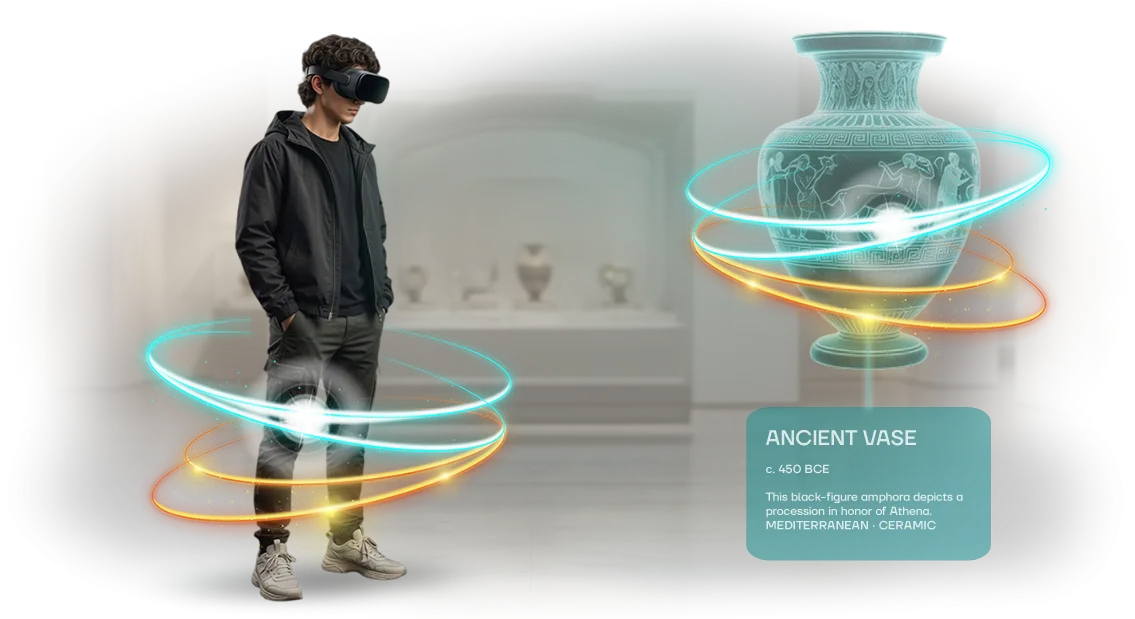
תערוכה וירטואלית ואולם תצוגה בתלת-ממד מסירים את ההתנגדות הזו. במקום תמונה שטוחה, האורח מקבל אפקט של נוכחות פיזית: סיור VR מאפשר לו להסתובב במתקן, להעריך את גודלו, הלוגיסטיקה והמוכנות הטכנית שלו.
זה מסיר את הפחד מקניית "חתול בשק" — הלקוח רואה את התוצאה הסופית לפני חתימת החוזה, במקום לקחת אותה באמונה.
היעדר כלי כזה הוא עדין אך שיטתי — הוא מנתק את אלה שרגילים לקבל החלטות במהירות ובהתבסס על עובדות. בזמן שאתם מבזבזים שבועות בארגון ביקורים פיזיים, מתחרים עם מצגות אינטראקטיביות כבר סוגרים עסקאות.
כשמדובר באורחים חשובים ושותפויות יקרות ערך, מהירות ובהירות חזותית קובעות הכול.
אנחנו נותנים מענה לצורך הזה: אנו יוצרים מרחבים וירטואליים שעובדים כטיעון משכנע במשא ומתן וכדוכן מצגות 24/7 עבור הנמל שלכם. לקוחות לא צריכים לנסוע על פני העיר כדי לראות את יכולות המתחם — פשוט שלחו להם קישור.
סיור וירטואלי לנמל: מה הוא מספק
נמל הוא מתקן מורכב ורחב היקף שקשה להראות במלואו אפילו בביקור פיזי.
סיור וירטואלי לנמל פותר את הבעיה הזו: כל לקוח, שותף או משקיע יכול לחקור את השטח, הרציפים והטרמינלים בזמן נוח מבלי לצאת מהמשרד. פורמט זה משפר את תדמית החברה וממיר תשומת לב לתוצאות עסקיות קונקרטיות.
הכרה ותדמית
סיור וירטואלי לנמל הוא כלי שיווקי מודרני שמבדל אתכם מהמתחרים. לקוחות פוטנציאליים זוכרים חברה שמציגה את התשתית שלה בצורה ויזואלית וחדשנית.
בנוסף, פרויקט כזה הופך פעמים רבות לנושא חדשותי עבור התקשורת הענפית ואירועים עסקיים, ומחזק את ההכרה במותג.
משקיעים ושותפים
משקיעים מעריכים שקיפות והיקף. במקום עשרות תמונות ומצגות, אתם נותנים להם את ההזדמנות "ללכת" באופן עצמאי בשטח הנמל ולהעריך את הלוגיסטיקה והציוד הטכני שלו.
זה בונה אמון ומאיץ משאים ומתנים: שותפים מקבלים החלטות מהר יותר כשהם רואים את המתקן בפירוט.
צמיחה בלידים ובמכירות
סיור אינטראקטיבי שומר על מבקרים באתר שלכם זמן רב פי כמה מעמוד טקסט רגיל. בזמן שמשתמשים חוקרים את הטרמינלים ואזורי האחסון, הם לומדים בו-זמנית על השירותים ואנשי הקשר שלכם.
זה מגדיל את מספר הפניות האיכותיות ועוזר לצוות המכירות לעבוד עם קהל "חם".
מעורבות קהל
סיור וירטואלי לנמל הופך צפייה פסיבית לחקירה פעילה: מבקרים בוחרים את המסלול שלהם, מתקרבים למושאי עניין ועוברים בין אזורים. מעורבות כזו מפחיתה את שיעור הנטישה ויוצרת חוויית משתמש חיובית.
תגיות מידע ולוחות מידע מובנים מאפשרים לכם להדגיש את יתרונות הנמל מבלי להציף את המבקרים במידע.
אנחנו מפתחים סיורים וירטואליים המותאמים למטרות הנמל שלכם — מצילום 360° ועד להרכבת מרחב אינטראקטיבי באתר שלכם. ספרו לנו על המטרות שלכם, ונמצא פורמט שמניב תוצאות מדידות.
פורמטים של תערוכה וירטואלית: מאולם תצוגה ועד סיור VR
בחירת פורמט תערוכה וירטואלית אינה שאלה טכנית אלא שאלה של מטרות: את מי אתם רוצים להרשים ואיזו תוצאה אתם מצפים להשיג.
עבור נמל, זה יכול להיות הצגת השטח והתשתית למבקרים, הדגמת ציוד לטיפול במטענים, או משיכת שותפים לפרויקטים חדשים. חלק מהפורמטים עובדים כהקדמה מהירה, ואחרים משמשים כתחליף מלא לדוכן פיזי.
אנחנו מתאימים את הפורמט למטרה שלכם כך שכל מבקר יראה בדיוק את מה שהוא צריך לזכור, ואתם מקבלים תוצאה מדידה — פניות, בקשות ועניין בשיתוף פעולה.
| פורמט | למי מיועד | מה הוא נותן ללקוח |
|---|---|---|
| סיור 360 מעלות | לקוחות ושותפים שרוצים להעריך את היקף הנמל | תחושת נוכחות מלאה: אפשר "ללכת" בין הרציפים והטרמינלים מבלי לתאם ביקור |
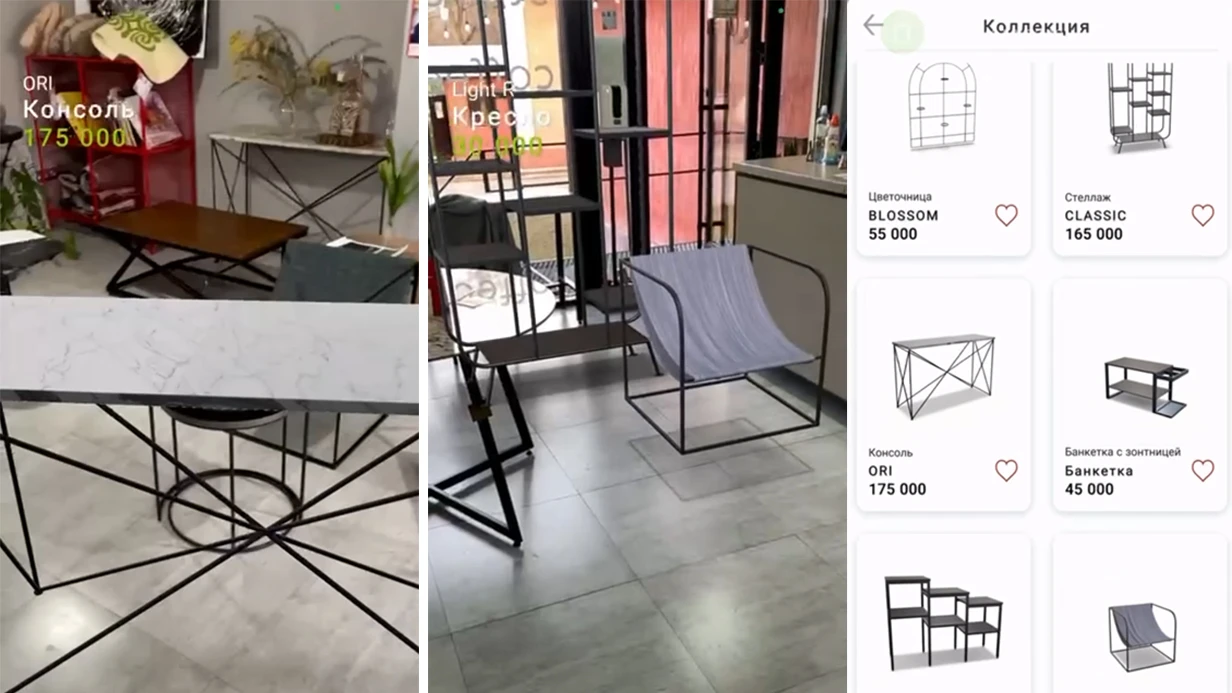
| אולם תצוגה בתלת-ממד | הצגת מכונות, ציוד ומוצרים | תצוגה ברורה של מושאים עם אפשרות לבחון פרטים מכל זווית |
| אולם תערוכה אינטראקטיבי | אירועים, כנסים, מצגות | מרחב אחד עם דוכני מידע, סרטונים ומסמכים — עובד כדוכן מלא |
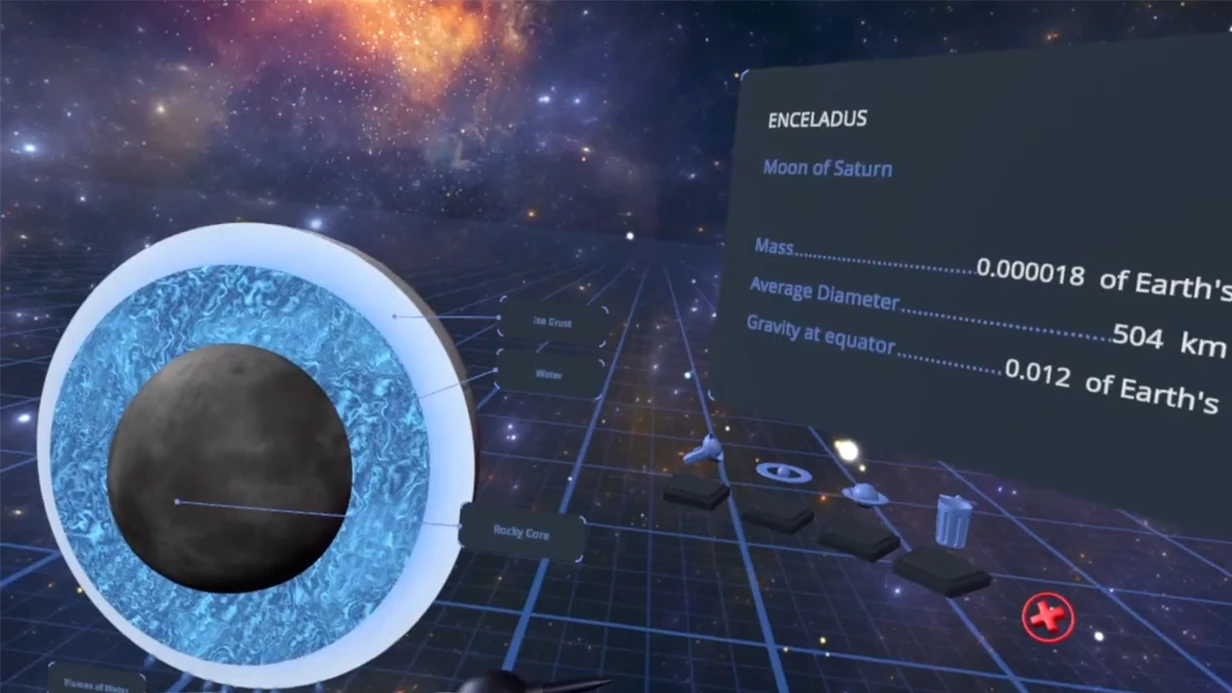
| סיור VR | משקיעים, מנהלים בכירים, משלחות בינלאומיות | שקיעה מקסימלית: חוויית סביבת הנמל ללא נסיעה למתקן |
לכל פורמט יש מטרה-על משלו: סיור 360 מעלות מרחיב את הגאוגרפיה הלקוחות שלכם, אולם תצוגה בתלת-ממד הופך את ההצעה למוחשית, וסיור VR יוצר אפקט של נוכחות אישית.
אנחנו משלבים את הפורמטים האלה כך שתקבלו לא רק "תמונה" אלא כלי עבודה למכירות ולתקשורת. אם אתם לא בטוחים איזו אפשרות מתאימה לכם, נתחיל בייעוץ קצר ונראה דוגמאות מהענף שלכם.
איך מפתחים סיור וירטואלי
פיתוח סיור וירטואלי לנמל עוקב אחר תהליך ברור של שבעה שלבים. אתם יודעים מראש מה קורה, מה לוח הזמנים והעלות, ואתם יכולים להתאים את ההיקף בכל נקודה. כך העבודה מתנהלת — מהבריף ועד לתמיכה.
-
בריף והתעמקות — אנו דנים במטרה: משיכת לקוחות, הצגת תשתית או הכשרת עובדים. אנו מזהים את האתרים שחייבים להיכלל בסיור ואת הקהל שהתסריט מותאם לו.
-
בדיקה ותסריט מסלול — אנו חוקרים את שטח הנמל: רציפים, מחסנים, טרמינלים, לוגיסטיקה. אנו קובעים נקודות מפתח ואת רצף התנועה כך שמבקרים יראו את העיקר בלי להסיח את הדעת לפרטים משניים.
-
תוכנית והערכת עלות — אתם מקבלים מסמך שקוף עם שלבים, לוחות זמנים ועלות, כולל איך תיקונים משפיעים על המחיר. אתם מבינים על מה אתם משלמים ויכולים לראות את לוח הזמנים.
-
צילום ועיבוד — אנו מצלמים את החלל עם ציוד מקצועי, ומפיקים פנורמות וסרטונים מפורטים. אנו מכינים כיתובים אינטראקטיביים, מפות קומה ואנשי קשר.
-
הרכבה ובדיקות — אנו בונים את המסלול: מעברים, סרטונים, כפתורי יצירת קשר, ניווט. אנו בודקים על מחשבים ניידים וניידים כדי להבטיח שהסיור נפתח במהירות ורץ ביציבות.
-
השקה והטמעה — אנו מטמיעים את הסיור באתר שלכם או בעמוד ייעודי. אנו מוסרים חבילה מלאה: קישורים לרשתות חברתיות, קוד QR להדפסה והוראות לצוות שלכם.
-
תמיכה וניתוח — לאחר ההשקה, אנו נשארים זמינים: עדכון נתונים, הוספת מושאים וניתוח צפיות. זה עוזר לשפר את הסיור ולהשתמש בו בקמפיינים עתידיים.
מה כלול במסירת הפרויקט הווירטואלי
כשאתם מזמינים סיור וירטואלי לנמל, חשוב להבין שאתם מקבלים לא רק "תמונה" אלא כלי עבודה מלא לעסק שלכם.
אנחנו מרכיבים חבילה המותאמת למשימה שלכם — מפלטפורמת VR מוכנה לשימוש ועד להכשרת צוות — כך שהפרויקט מבצעי כבר למחרת המסירה.
המסירה כוללת:
- סיור וירטואלי מוכן של שטח הנמל — סקירה של רציפים, טרמינלים ומתקנים מרכזיים. המודל התלת-ממדי הריאליסטי נפתח בדפדפנים ובמכשירים ניידים, כך ששותפים ואורחים יכולים לחקור את הנמל ללא התקנת תוכנה נוספת.
- מערכת ניהול פרויקט — אתם יכולים לשנות טקסטים, להוסיף מושאים חדשים ולעדכן מידע בעצמכם. אין צורך לפנות למפתחים בכל פעם.
- פאנל ניהול עם סטטיסטיקות ביקורים — אתם יכולים לראות כמה אנשים צפו בסיור, אילו אזורים מעוררים עניין וכמה זמן אורחים מבלים בפנים.
- ממשק דו-לשוני ברוסית ובאנגלית — נוח למשלחות בינלאומיות, משקיעים ושותפי נמל.
- חבילת תיעוד מלאה — הוראות להשקה, תפעול ועדכונים, בתוספת מדריך מנהל לפרויקט.
- הכשרת צוות העובדים שלכם — שני מפגשי וידאו המכסים הגדרה, ניהול תוכן ותרחישי שימוש אופייניים.
- תמיכת השקה ואחריות — אנו עוזרים עם כל שאלה במהלך התקופה המוגדרת בחוזה.
חבילה זו מבטלת את התרחיש של "עשינו ושכחנו". לאחר קבלת הפרויקט, אתם הופכים לבעלים המלאים שלו: צוות הנמל מנהל את הסיור בעצמו, ואתם לא תלויים בקבלן בפעילות השוטפת.
מקרה בוחן: איך סיור וירטואלי עזר לנמל
עבור הנמל הימי "סברני", פיתחנו סיור וירטואלי כדי להציג למשקיעים ולשותפים את התשתית ללא צורך בביקורים בשטח. הלקוח נזקק להצגת ההיקף והציוד המודרני מבלי לחשוף פרטים מסחריים.
תוצאות תוך חודשיים
במהלך חודשיים, הסיור נצפה יותר מ-12,000 פעמים, עם זמן צפייה ממוצע של שש דקות — כמעט מסלול מלא. אחד מכל שמונה מבקרים ביקש חומרי מצגת או עבר למחלקת המכירות לאחר הצפייה. שיעור ההמרה לפניות היה גבוה פי שלושה מאשר עם דף נחיתה רגיל.
ראש מחלקת פיתוח הלקוחות אמר: "נהגנו לבזבז שבועות בארגון ביקורים פיזיים. עכשיו לקוחות צופים בשטח בעצמם ומגיעים כבר כשהם יודעים שזה מתאים להם. אנחנו עוברים את שלב הסינון הרבה יותר מהר."
מה זה אומר לעסק
הנמל קיבל כלי שעובד מסביב לשעון ללא מעורבות מנהלים. הסיור הווירטואלי משמש במכרזים, מצגות ומשאים ומתנים — הוא החליף עשרות אירועים פיזיים.
שנה לאחר מכן, הלקוח חזר לעדכון לכיסוי תשתית חדשה, מה שמאשר את ערך הפתרון.
איך לבחור פורמט תערוכה וירטואלית?
בחירת פורמט תערוכה וירטואלית מתחילה לא בטכנולוגיה אלא במענה על שלוש שאלות: איזו בעיה הפרויקט פותר, מי קהל היעד שלכם ומה התקציב המוקצה.
אין פתרון אוניברסלי — לחלק מהמשימות מספיק אולם תצוגה בתלת-ממד חסכוני; לאחרות נדרש סיור VR מלא עם תמיכה מודרכת.
העיקר הוא שהפורמט הנבחר מניב תוצאות מדידות: משיכת מבקרים נכונים, הגברת הכרה ותמיכה במכירות.
עבור נמל, כמו עבור כל מתקן תעשייתי גדול, המשימה המרכזית היא להציג היקף ותשתית ללא נסיעות עסקים מיותרות. תערוכה וירטואלית מאפשרת זאת בכל זמן, מכל מקום בעולם.
אם המטרה שלכם היא להציג לשותפים פוטנציאליים את יכולות הטרמינל, מספיק סיור תלת-ממדי מפורט שבו הם יכולים לחקור רציפים, אזורי אחסון ומסלולים לוגיסטיים.
אם אתם מתכוננים לתערוכה ענפית גדולה או רוצים ליצור תחושת נוכחות, שקלו פורמט סיור VR עם מדריך חי שמלווה את הצופים במתקן ועונה על שאלות בזמן אמת.
קהל היעד קובע עד כמה הפורמט צריך להיות אינטראקטיבי. לקוחות B2B מעריכים דיוק ומהירות — הם צריכים למצוא במהירות מתקן ספציפי, לבצע מדידות ולקבל חומרי מצגת.
מבקרים באירועים ציבוריים, לעומת זאת, מצפים לרגש ולחוויות ויזואליות מרשימות. לכן, לפני הפיתוח, אנו תמיד מבהירים מי ישתמש בתערוכה ואילו תרחישי אינטראקציה הם הטבעיים ביותר עבורם.
תקציב אינו מגבלה אלא קריטריון לבחירת הפורמט האופטימלי. כלים מודרניים מאפשרים ליצור תערוכות וירטואליות איכותיות בדרגות שונות של פירוט ואינטראקטיביות.
אנחנו נמצא פתרון שמתאים לתקציב שלכם ועדיין עומד במטרות שלכם — לא להפך. לא נציע מורכבות מיותרת במקום שבו מספיק סיור פשוט וברור.
בסופו של דבר, בחירת הפורמט היא תמיד פשרה בין מטרות, קהל ותקציב. אנחנו עוזרים למצוא את האיזון הזה: אנו מנתחים את המשימה, מראים דוגמאות של פרויקטים שהושלמו ומציעים אפשרות שמניבה תוצאות מקסימליות תמורת השקעה סבירה.
שאלות נפוצות על פיתוח סיורים וירטואליים
לקוחות שואלים לעתים קרובות כמה קשה ליצור סיור וירטואלי של נמל, האם נדרש ציוד מיוחד וכמה מהר אפשר להשיק פרויקט. כך זה עובד בפועל — ללא פרטים טכניים, רק מה שחשוב לתוצאות שלכם.
האם קשה לארגן סיור וירטואלי של נמל?
אנחנו מטפלים בכל השלבים: צילום, עיבוד, הרכבה ופרסום. אתם לא צריכים לשכור קבלנים — רק לספק גישה לאתר ולאשר את התסריט. האחריות היחידה שלכם היא לאשר תוצאות ביניים.
איזה ציוד המבקרים צריכים?
כלום. הסיור הווירטואלי נפתח בדפדפן רגיל במחשב, טאבלט או סמארטפון. אורחים לא צריכים משקפי VR או אפליקציות מיוחדות — זה נוח גם לקמפיינים בדוא"ל וגם למצגות באירועים.
כמה זמן לוקח הפיתוח?
פרויקט סטנדרטי לוקח בין שבועיים לארבעה שבועות, תלוי במספר המתקנים וברמת הפירוט. אנו מספקים את לוח הזמנים המדויק לאחר הבריף וכוללים אותו בחוזה. אם אתם צריכים את זה לאירוע, אנחנו יכולים לבצע השקה מואצת.
איך מעדכנים את הסיור הווירטואלי לאחר ההשקה?
עדכונים מתבצעים לפי בקשה: מתקנים חדשים, שינויים בשטח, תמונות מעודכנות, טקסטים ואנשי קשר. אתם שולחים לנו את החומרים, אנחנו מבצעים את התיקונים ומחזירים את הגרסה המוגמרת. אין תלות מתמשכת במפתח.
הזמינו תערוכה וירטואלית לעסק שלכם
השאירו פנייה, ונחשב את עלות התערוכה הווירטואלית למשימה הספציפית שלכם. נמל, מוזיאון, מפעל, קניון: נראה כיצד פורמט דיגיטלי יכול לחזק את השיווק שלכם וליצור ערוץ תקשורת חדש עם לקוחות.
תערוכה וירטואלית עובדת מסביב לשעון ונגישה מכל מכשיר, כך שהיא מגיעה ליותר מבקרים מאשר מתחם פיזי.
איך העבודה מתחילה? עם שאלון קצר: אתם מתארים את מטרות האירוע, הקהל והתוצאה הרצויה — ואז אנחנו מכינים את הקונספט, האומדן ולוח הזמנים.
בשלב זה, אתם מקבלים הערכה: תוכנית פעולה ברורה ומבינים איך הפרויקט משתלב בתקציב שלכם. האומדן מפרט את היקף העבודה ולוחות הזמנים — ללא שלבים נסתרים, ללא עלויות מיותרות.
לאחר ההזמנה, אתם מקבלים:
- תערוכה וירטואלית המותאמת למותג ולמטרות האירוע שלכם.
- פורמטי תצוגה מרובים: לאתר, לרשתות חברתיות, למסכים פיזיים ולציוד VR.
- הכשרת צוות והוראות פשוטות — השקה ללא מעורבות של מומחים טכניים.
- תמיכה ביום ההשקה ואחריות לעבודה.
- מדדים על נוכחות ועניין במוצגים: אתם רואים מיד אילו דוכנים מושכים תשומת לב.
- הערכת עלות בתוך יום עסקים אחד לאחר בקשתכם.
כדי לדון בפרויקט שלכם, כתבו לנו או השאירו את פרטי הקשר שלכם בטופס בעמוד זה. נשיב בתוך יום עסקים אחד, נמליץ על הפורמט המתאים ונכין חישוב מותאם אישית.
תערוכה וירטואלית תמשיך להביא לקוחות גם לאחר סיום האירוע — בואו נתחיל בשיחה קצרה כדי לדון במטרות שלכם.