



לא מצליחים להראות את המכרה למשקיעים ולאורחים?
משקיע מחליט על חוזה לא בחודשים, אלא בכמה פגישות. עד שהם רואים את המתקן במו עיניהם—או מקבלים תמונה מדויקת וויזואלית—העסקה נשארת בהמתנה.
מכרה הוא מתקן מוגבל: רק כדי להיכנס, צריך אישור ביטחוני, הדרכת בטיחות וציוד מגן, וזמן הביקור מוגבל על ידי תקנות. ארגון ביקור בשטח עבור כל גורם מעוניין הוא פעולה נפרדת שלוקחת שבועות.
כל עיכוב כזה מצנן את העניין ומוסר את המשא ומתן למתחרים. חוזה שהיה יכול להיסגר בשבוע נמתח לחודשים, וכשהמומנטום הרגשי אובד, הוא נעלם כליל.
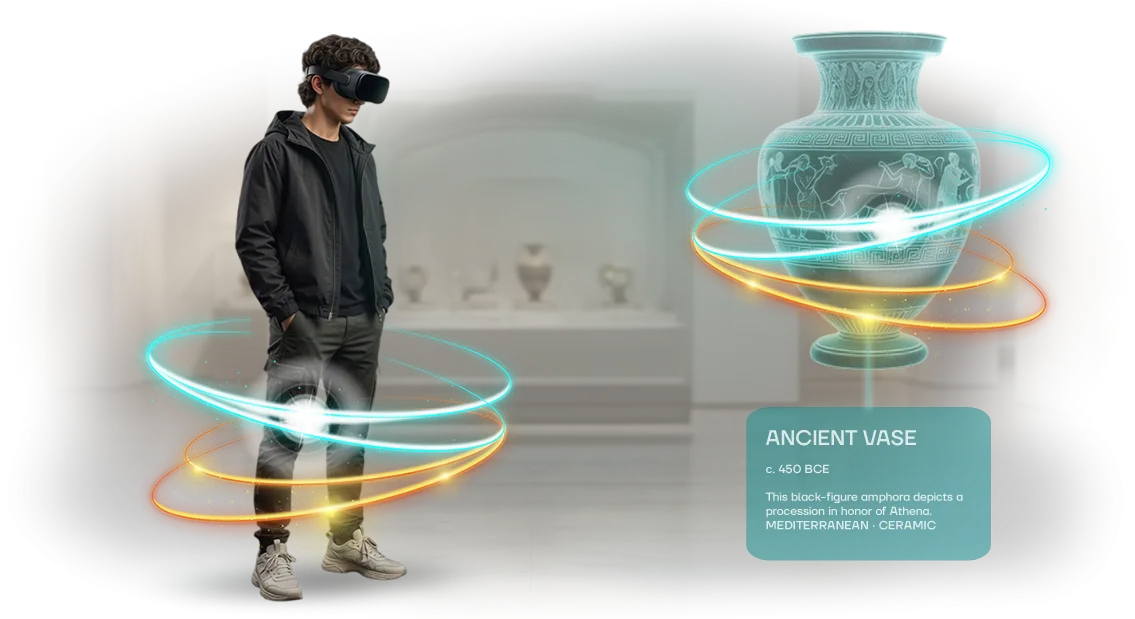
סיור וירטואלי במכרה מסיר את המכשול העיקרי: משקיעים ואורחי המתקן רואים את כל המפעל—ממסך מחשב, טאבלט או משקפי VR—ללא אישורים, נסיעות עסקים או השבתת ייצור.
אותה גישה מחזקת גם את התיירות התעשייתית. אנשים רבים רוצים לראות את המפעל, אבל פיזית אי אפשר להכניס את כולם—יש בטיחות, תקנות ותהליך ייצור חי.
סיור וירטואלי פותח את המכרה למבקרים בעוד המפעל נשאר מוגן וממשיך לפעול כרגיל.
אנחנו מצלמים וממפים את המתקן עם ציוד מקצועי כך שהצופה יוכל לחוש את קנה המידה של המנהרות, לראות את התשתית ולהבין איך העבודה מאורגנת.
אלה לא תמונות סטטיות, אלא מסלול מלא דרך נקודות מפתח עם אפשרות להסתכל מסביב בפירוט. החומר נשאר אצלך לנצח ועובד בכל רגע: משקיע חוזר אליו לפני ההחלטה הסופית, אורח אחרי אירוע.
בסופו של דבר, אתה לא מאבד חוזים כי קשה להראות את המתקן. המשקיע מקבל ביטחון, האורחים מקבלים רושם, והעסק מקבל מהירות במשא ומתן ללא נסיעות ואישורים מיותרים.
אנחנו מכסים את הצורך הזה במפתח מלא וגורמים למתקן לדבר בעד עצמו גם אלפי קילומטרים משם.
למה סיור וירטואלי מעלה את המרת המכירות
קונה של ציוד תעשייתי—למשל, ציוד כרייה—לא ייסע למתקן "רק כדי להסתכל". כל נסיעה למכרה אמיתי דורשת זמן, אישורים וכסף, כך שרק מעטים מגיעים אי פעם לפגישה אישית.
סיור וירטואלי מסיר את החסם הזה: הלקוח רואה את המתקן מהמשרד שלו, לומד את האזורים המרכזיים ומקבל החלטה מקדימה לפני שהמשא ומתן בכלל מתחיל.
היתרון הראשון הוא עניין והמרה גדולים יותר. כשאתה מציג סדנה, פני מכרה או מחסן בפורמט תלת-ממדי במקום בתמונות וטקסטים, הלקוח תופס את קנה המידה והפרטים של המתקן תוך דקות.
זה מחזיק תשומת לב יותר זמן משקופיות, מה שאומר שיותר פניות מגיעות לשלב הצעת המסחר.
השני הוא בטיחות. אי אפשר להביא כל מי שמעוניין למכרה אמיתי: יש סיכונים בריאותיים, דרישות ציוד ומגבלות על מספר מבקרים. סיור וירטואלי מאפשר להראות אפילו אזורים מסוכנים ללא אישור או הדרכת בטיחות. אתה מקבל הדגמה מקסימלית ללא האיום הקטן ביותר על אנשים או רכוש.
השלישי הוא חיסכון בנסיעות ובזמן. סיור אחד מחליף עשרות ביקורי שטח: אתה מציג אותו ללקוחות בערים שונות באותו זמן, לא מוציא תקציב על כרטיסים ולינה, ואישורים לוקחים ימים, לא שבועות. הלקוח מקבל את הרושם הנכון מהר יותר—ומקבל החלטה מהר יותר.
זה בדיוק מה שאנחנו מספקים בצוות שלנו: אנחנו יוצרים אולמות תצוגה וסיורים וירטואליים שעובדים כטיעון משכנע במשא ומתן. אתה לא צריך להסביר במילים מה הלקוח יכול לראות במו עיניו ישירות ממסך המחשב הנייד.
פורמטים של סיור VR במכרה: מפנורמות ועד חוויה מלאה
בחירת פורמט הסיור הווירטואלי תלויה במשימה: להראות את המכרה לקהל רחב, לבצע הדרכה או להרשים משקיעים בתחושת נוכחות. אנחנו מציעים שלושה פתרונות—מפנורמות פשוטות ועד חוויה מלאה. כל אחד ממלא את המטרה שלו ואינו דורש ידע מיוחד מהצופה.
| פורמט | למי זה מיועד | מה זה נותן ללקוח |
|---|---|---|
| פנורמות 360° | לתצוגה המונית באתר וברשתות החברתיות | צפייה מהירה במתקנים מרכזיים ללא התקנת תוכנה או אפליקציות |
| סיור מכרה תלת-ממדי | להדרכת עובדים, מצגות למשקיעים ולשותפים | תנועה חופשית לאורך המסלול, פריסה ברורה, ניווט נוח |
| VR עם חוויה מלאה | לאורחי VIP, תערוכות ופרויקטים מיוחדים | תחושת נוכחות, רגשות חזקים, תדמית מותג בלתי נשכחת |
פנורמות עובדות על כל מכשיר, הסיור התלת-ממדי מציע יותר חופש ופירוט, ו-VR הופך את הסיור לאירוע אמיתי. אם צריך להראות את המכרה לעומק המרבי, אנחנו בוחרים בחוויה מלאה. אם טווח הגעה ופשטות חשובים יותר, אנחנו נשארים עם פנורמות או סיור תלת-ממדי.
הסיור התלת-ממדי המוגמר נשאר ברשותך: אתה יכול להוסיף מתקנים חדשים, להשתמש בו בתוכניות הדרכה ולעשות בו שימוש חוזר במצגות במשך שנים.
במהלך הייעוץ, נייעץ לך איזה פורמט מתאים למשימה שלך, נעזור לך לצלם את המכרה ולהשיק את הסיור המוגמר באתר שלך או באירוע—ללא טרחה מיותרת לצוות שלך.
שלבי פיתוח הסיור הווירטואלי
יצירת סיור וירטואלי במכרה היא תהליך מחושב היטב שלוקח בחשבון את מטרות העסק שלך: מהדרכת עובדים ועד משיכת שותפים. אנחנו עובדים שלב אחר שלב כך שאתה רואה את התוצאה בכל שלב ויכול להשפיע עליה. להלן שלבי הפרויקט מהבריף ועד ההשקה.
- בריף והגדרת מטרות. אנחנו דנים ביעדים: מי ישתמש בסיור, אילו אזורי מכרה חשובים, ואיזה פורמט נוח לקהל שלך. אנחנו מתעדים את התרחישים המרכזיים—סיור כללי או הדרכת פעולות בטוחות.
- ניתוח מתקן ותכנון. אנחנו לומדים תיעוד, שרטוטים ותמונות, ומבקרים בשטח במידת הצורך. אם צילום בלתי אפשרי, אנחנו בונים מודל תלת-ממדי מדויק.
- צילום ואיסוף נתונים. אנחנו משתמשים בציוד מקצועי כדי לקבל חומר באיכות גבוהה. עבור מנהרות תת-קרקעיות, זה מבטיח קני מידה ופירוט נכונים.
- מידול ופיתוח. בהתבסס על הנתונים, אנחנו יוצרים מרחב אחיד עם ניווט ונקודות מידע. אנחנו מציגים גרסאות ביניים כדי שתוכל להתאים את הפרויקט בזמן.
- אישור ותיקונים. אתה עובד עם הגרסה המוגמרת, משאיר הערות, ואנחנו משכללים את הפרטים. בדרך כלל שתיים או שלוש איטרציות מספיקות, והתוצאה עומדת במלוא הציפיות.
- השקה ואינטגרציה. אנחנו ממקמים את הסיור באתר שלך או באפליקציה נפרדת ומחברים אנליטיקה כדי שתוכל לראות את עניין הקהל. אנחנו מאמנים את הצוות שלך אם אתה מתכנן להשתמש בסיור באופן עצמאי.
- תמיכה ועדכונים. אנחנו נשארים בקשר: מעדכנים תוכן, מוסיפים נקודות חדשות ומשנים דגשים. זה חשוב כשהמכרה מתפתח או דרישות ההדרכה משתנות.
מה אתה מקבל בפתרון המוגמר
כשמזמינים סיור וירטואלי במכרה, חשוב לקבל לא רק קישור, אלא כלי עבודה שנכנס במהירות לתהליכים שלך. אנחנו מעצבים את חבילת המסירה סביב צרכי המפעל שלך: מסיור מוכן ועד הדרכת עובדים ותמיכה טכנית לאחר ההשקה.
הנה מה שאתה מקבל בפתרון:
- סיור וירטואלי מוכן במכרה — עם סקירה של האזורים המרכזיים, ניווט ברור ותוויות מסודרות. המבקרים יכולים לבדוק את המתקן ללא סיכון או ציוד מגן מיוחד.
- אינטגרציה לאתר או לפורטל ההדרכה שלך — הסיור נפתח בלחיצה אחת, משתלב בעמודים הרלוונטיים ועובד על כל מכשיר. אנחנו בוחרים את שיטת האירוח שמתאימה לפלטפורמה שלך.
- הדרכת צוות — אנחנו מקיימים מפגש קצר למנהלים ומדריכים: איך לנהל את הסיור, לעדכן מידע ולענות על שאלות מבקרים.
- תיעוד והוראות — חומרים ברורים על שימוש, הגדרות ושיפורים אפשריים. העובדים יכולים לרענן את הידע שלהם בכל עת.
- תמיכה לאחר ההשקה — אנחנו עונים על שאלות, עוזרים בבעיות טכניות ומבצעים תיקונים במסגרת התקופה המוסכמת בעת הצורך.
חבילה זו הופכת את הסיור לכלי עצמאי: אתה לא תלוי בנו לאחר המסירה, והעובדים שלך שולטים במערכת במהירות. במקביל, אתה שומר על היכולת לפתח את הסיור—הוספת מתקנים חדשים או תרחישים למשימות שונות.
מקרה בוחן: סיור דיגיטלי למתחם כרייה
עבור חברות כרייה, נקודת הכאב המרכזית היא הצגת המתקן למקבלי החלטות: משקיעים, שותפים וועדות ממשלתיות. נסיעה רגילה למכרה פירושה יומיים של נסיעות, תדריכי בטיחות, אישורים והסכמות. כתוצאה מכך, המשא ומתן נמשך, וחלק מהמשקיעים הפוטנציאליים נושרים לפני הביקור הראשון.
פתרנו את המשימה הזו עבור מתחם הכרייה סוורני: יצרנו סיור וירטואלי של האזורים המרכזיים—מפיר המכרה ועד מפעל העיבוד.
הלקוח קיבל קישור שעובד על כל מכשיר: משקיע רואה את המתקן כאילו ירד בעצמו, אבל ללא הטיסה ובזבוז הזמן.
המספרים מדברים בעד עצמם
בשלושת החודשים הראשונים לאחר ההשקה, צפיות הסיור גדלו פי ארבעה, ומספר פניות המשקיעים גדל ב-60%.
זמן ההיכרות הממוצע עם המתקן הצטמצם מיומיים לעשרים דקות—עכשיו מנהלי משא ומתן עוברים על נקודות המפתח של המכרה ישירות במהלך ועידת וידאו.
זה השפיע גם על מהירות העסקאות: במקום שניים או שלושה ביקורים מתוכננים, מספיק אחד. ואחרי מצגת מוצלחת של המתקן, החברה הזמינה סיור שני למרבץ שכן—החזרה של הלקוח הפכה לערובה הטובה ביותר לאיכות שלנו.
מקרה זה מאשר: סיור וירטואלי משתלם לא כ"תמונה תלת-ממדית יפה", אלא ככלי מכירות עובד עבור מתקן תעשייתי מורכב.
איך לבחור את הפורמט הנכון למשימה שלך?
בחירת הפורמט מתחילה לא בטכנולוגיה, אלא במטרה שלך. אם אתה צריך להראות מוצרים וחלל לקהל רחב, אולם תצוגה וירטואלי מספיק: המבקר נע באולמות בעצמו, בוחן חפצים ומקבל את החומרים הדרושים.
אם המשימה רצינית יותר—למשל, הצגת פעילות המכרה למשקיעים או שותפים—סיור VR מתאים יותר כי הוא יוצר תחושת נוכחות ומאפשר לאנשים לחוות בבטחה סביבה מורכבת.
התקציב גם משפיע על ההחלטה, אבל לא קובע אותה. להיכרות מהירה עם המפעל, מודל תלת-ממדי אינטראקטיבי המוצב באתר ונפתח מכל מכשיר הוא לרוב מספיק.
סיור וירטואלי מלא במכרה דורש יותר עבודה: צריך להעביר קנה מידה, תאורה ונקודות מסלול מרכזיות—אבל התוצאה בונה הכרה ואמון לשנים.
אנחנו לא מוכרים את האפשרות היקרה ביותר. בפגישה הראשונה, אנחנו מתעדים את המשימות: מי הקהל שלך, איזו תוצאה אתה צריך—יותר פניות, הדרכת עובדים או מצגת למשקיעים.
אנחנו מתאימים פתרון לתוצאה הזו ומחלקים את התקציב כך שכל חלק בפרויקט מכסה צורך ספציפי.
למשל, שילוב עובד היטב עבור מכרה: אולם תצוגה תלת-ממדי כללי לאתר וסיור VR לתערוכות ומשא ומתן. כך אתה מקבל גם טווח הגעה המוני וגם היכרות מעמיקה עם המתקן ללא עלויות נוספות.
העיקר הוא לא לבחור פורמט מראש. בוא עם משימה, ואנחנו נציע שתיים או שלוש אפשרויות לתקציב שלך ונסביר מה העסק מקבל בכל מקרה. זה ללא התחייבות.
שאלות נפוצות על סיורים וירטואליים
כשלקוח שוקל לראשונה סיור וירטואלי, עולות שאלות רבות: כמה זמן ייקח הפיתוח, איזה תקציב צריך להקצות, איך לעדכן תוכן מאוחר יותר, ובאילו מכשירים הכל יעבוד.
זה חשוב במיוחד עבור מתקנים מורכבים כמו מכרות—קשה להביא לשם מבקרים, אבל עדיין רוצים להראות את פעולת הייצור או המוזיאון בצורה ברורה ובטוחה ככל האפשר.
אספנו תשובות לשאלות הנפוצות ביותר—על לוחות זמנים, עלות, עדכונים, תאימות ואחריות. אם לא מצאת את השאלה שלך, פשוט כתוב לנו, ונבחן את הפרויקט שלך באופן אישי.
כמה זמן לוקח פיתוח סיור וירטואלי?
לוח הזמנים תלוי בהיקף: סיור בסיסי של מתקן אחד אורך משבועיים; פרויקט מורכב עם סצנות רבות ואלמנטים אינטראקטיביים אורך עד חודשיים. אנחנו נותנים תוכנית מדויקת לאחר הבריף וקובעים אותה בחוזה.
כמה עולה יצירת סיור וירטואלי?
אנחנו מחשבים את העלות באופן אישי כי כל פרויקט הוא ייחודי: מספרי מתקנים שונים, רמות פירוט ופונקציונליות. נציע מספר אפשרויות לתקציב שלך—מסקירה פשוטה ועד מרחב VR מלא.
האם אוכל לבצע שינויים לאחר ההשקה?
כן, קל לעדכן את הסיור: להוסיף מוצגים חדשים, לשנות תיאורים, להעלות תמונות וסרטונים חדשים. זה זול יותר מבניית הפרויקט מאפס ושומר על המידע עדכני.
באילו מכשירים הסיור יעבוד?
המבקרים יוכלו לצפות בסיור במחשבים, טאבלטים וסמארטפונים—פשוט דרך קישור בדפדפן, ללא התקנת תוכנה. אם יש צורך באפקט חוויה מלאה, אנחנו מתאימים את הפרויקט למשקפי VR.
אילו אחריות אתם מספקים?
אנחנו עובדים לפי חוזה: קובעים לוחות זמנים, היקף עבודה ותוצרים. לאחר מסירת הפרויקט, אנחנו נשארים בקשר—עוזרים בהשקה ובשיפורים. אם משהו משתבש, נתקן במהירות במסגרת התחייבויות האחריות.
השאר בקשה לפיתוח סיור וירטואלי
סיור וירטואלי במכרה הוא דרך להראות את המתקן למשקיעים, שותפים ואורחים ללא סיכון וללא עלויות של ביקורים אמיתיים. אבל כדי שסיור כזה יהיה שימושי, צריך לחשוב עליו: התרחיש, נקודות המפתח והמצגת.
אנחנו עוזרים לך לעשות את זה ולארוז אותו בפורמט שקל להשתמש בו במכירות, מצגות והדרכות.
השאר בקשה לפיתוח—נדון במשימות, נציע רעיונות ונחשב את העלות. בלי שגרה טכנית: אתה מספר לנו על המטרות שלך, ואנחנו מציעים פתרון לתקציב שלך.
- ייעוץ: נקבע איזה פורמט סיור מתאים למשימה שלך.
- הערכת עלות וזמן תוך 1–2 ימים—ללא עמלות נסתרות.
- ניתוח קהל: למשקיעים, שותפים או עובדים חדשים.
- תרחיש סיור: כללי, הדרכתי או מצגתי.
- דוגמאות עבודה למתקנים דומים.
- תוכנית ברורה: שלבים, לוחות זמנים והיקף אחריות.
כדי לדון במשימה שלך, התקשר אלינו או השאר בקשה באתר—נחזור אליך תוך יום עסקים אחד.
הייעוץ אינו כרוך בהתחייבות, אבל הוא עוזר לך לראות איך סיור וירטואלי יחזק את השיווק שלך, יפחית את העומס על העובדים ויקצץ בעלויות ארגון ביקורים אמיתיים.