



פארק שעשועים מאבד מבקרים — מה אפשר לעשות?
אורחים מגיעים לפארק שעשועים בשביל חוויות עוצמתיות, אבל לעתים קרובות עוזבים בלי לראות אפילו חצי מהמתקנים. הסיבה העיקרית היא חוסר מידע: אנשים לא יודעים איפה דברים נמצאים, כמה זמן ייקח להגיע לאזור מעניין, או אם בכלל שווה ללכת לשם.
כתוצאה מכך, הפארק מפסיד גם את הזמן של האורח וגם את הרושם שלו מהחוויה — ולצד זה, ביקורים חוזרים והמלצות מפה לאוזן.
התחרות בין הפארקים גוברת, והמנצח הוא מי שיודע להציג את עצמו לפני שהאורח בכלל קונה כרטיס. אנשים בוחרים במקומות שבהם הם כבר יכולים לדמיין מה מצפה להם.
תמונות ותיאורים רגילים לא מעבירים את הקנה מידה והאווירה, ולכן מבקרים פוטנציאליים פונים לעתים קרובות למתחרה "מובן" יותר. זהו אובדן ישיר של נוכחות והכרת מותג.
סיור וירטואלי פותר את הבעיה הזו: הוא מאפשר לאורח לטייל בפארק מראש, להציץ לאזורים תמטיים, לראות את המתקנים המרכזיים ולתכנן מסלול.
ברגע שמישהו כבר ביקר בפארק שלך מבחינה מנטלית, קל לו יותר להחליט לקנות כרטיס ולהגיע — ולא רק לכמה שעות, אלא ליום שלם.
גישה זו מגדילה את משך השהייה בפארק והופכת את החוויה לשלמה יותר, מה שמשפיע ישירות על הכנסות ונאמנות.
אנחנו עוזרים לפארקי שעשועים ליצור סיורים וירטואליים שהופכים לנקודת הכניסה למבקרים חדשים ולסיבה לחזור עבור אלה שכבר היו. זה לא רק "תמונה יפה" — זה כלי משיכה שעובד לפני הביקור, במהלכו ואחריו.
כך פארק הופך ממקום בילוי למקום שאנשים רוצים לחזור אליו שוב ושוב.
אילו יתרונות סיור וירטואלי מביא לפארק?
סיור וירטואלי של פארק שעשועים הוא לא רק "חלון ראווה" לאתר, אלא כלי שיווקי לכל דבר. הוא עוזר לאורח לחוות את הרגש לפני קניית הכרטיס, ובמקביל מסיר את המחסום המרכזי — הפחד מהלא נודע. כתוצאה מכך, הפארק מקבל זרם מבקרים צפוי במקום עוברי אורח אקראיים.
להלן היתרונות המרכזיים שמאשרים את האפקטיביות של סיור תלת-ממדי:
-
הגדלת נוכחות. סיור תלת-ממדי מבוסס תמונה מאפשר למבקרים לראות את הפארק דרך עיניו של אורח: הקנה מידה, האווירה, פריסת המתקנים.
זה חשוב במיוחד לקהל המשפחתי — הורים מקבלים החלטה לנסוע מהר יותר כשהם כבר "הסתובבו" בשטח אונליין. כתוצאה מכך, ההמרה מצפייה לרכישת כרטיסים גדלה באופן ניכר.
-
מעורבות רגשית. תמונות סטטיות לא מעבירות את הריגוש של המתקנים או את השמחה של הילדים. סיור תלת-ממדי עם תנועה וצלילים יוצר ציפייה — האורח מרגיש חלק מהפארק עוד לפני ההגעה. אפקט זה מחזק את הרצון לבקר ומגביר את נאמנות המותג.
-
הכרת מותג. מבקרי האתר משתפים סיור כזה, ופורטלי תיירות מטמיעים אותו בסקירות שלהם. החשיפה גדלה באופן טבעי — דרך רשתות חברתיות ואתרים שותפים. פארקים ברמה עולמית, כמו Disney, הפכו מזמן סיורים וירטואליים לחלק מאסטרטגיית הקידום שלהם.
-
הכנסות נוספות. ניתן לייצר רווח מסיור וירטואלי — ממכירת כרטיסים לאזורי "גישה מלאה" ועד גרסאות VR בתשלום עם נקודות תצפית ייחודיות.
בעונה המתה, כשהפארק סגור, הסיור התלת-ממדי ממשיך לייצר רווח דרך מזכרות וירטואליות והצעות מיוחדות.
פורמטים של סיור וירטואלי לפארק שעשועים
בחירת פורמט סיור וירטואלי היא לא שאלה טכנית אלא שיווקית. פארק אחד צריך רק להציג פנורמות כדי שמבקרים יחליטו לצאת לדרך; אחר צריך להרשים משקיעים ושותפים עם מודל תלת-ממדי של מתקן עתידי.
התקציב, לוח הזמנים והאופן שבו מבקרים תופסים את המותג — כל אלה תלויים בכך. כדי לא לשלם יותר מדי על אפשרויות מיותרות ולא לאכזב אורחים, כדאי לקבוע מראש איזו משימה הסיור אמור לפתור.
דוגמאות מוכרות עוזרות להמחיש את ההבדל: במפות Yandex, פנורמה של 360 מעלות נותנת תחושה מהירה של התמצאות באזור. עבור פארק שעשועים, אותו פורמט ישמש כצעד ראשון — הוא נגיש מהטלפון ואינו דורש התקנת אפליקציה.
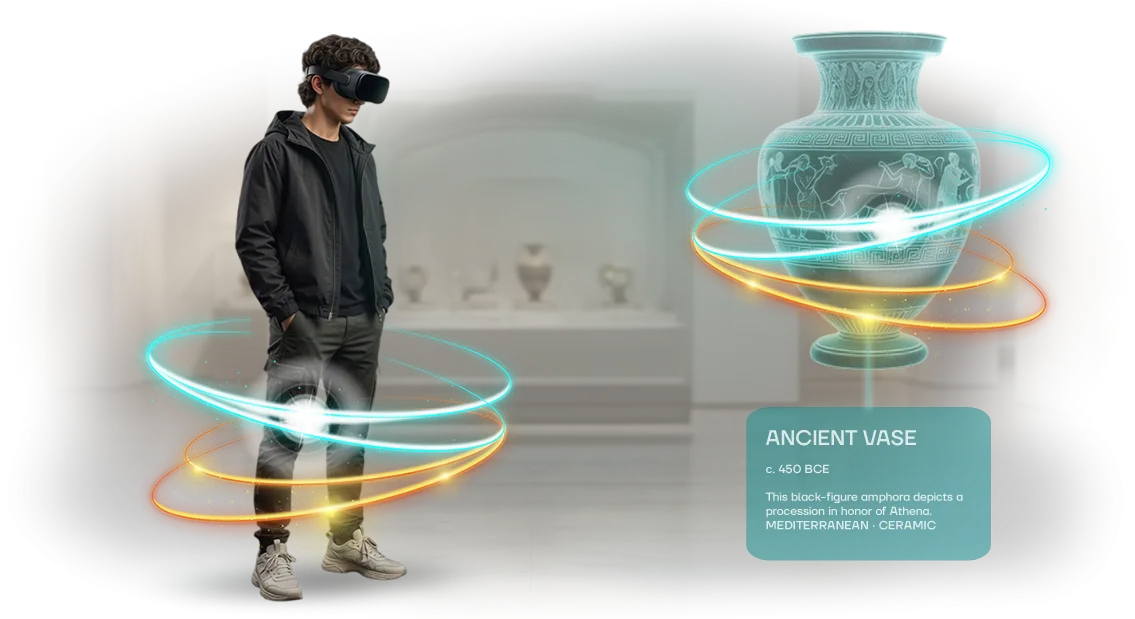
אם הפארק צריך מעורבות חזקה, סיור VR הוא הבחירה: אדם מרכיב משקפיים ומוצא את עצמו בתוך המיקום, כמו במשחק וידאו.
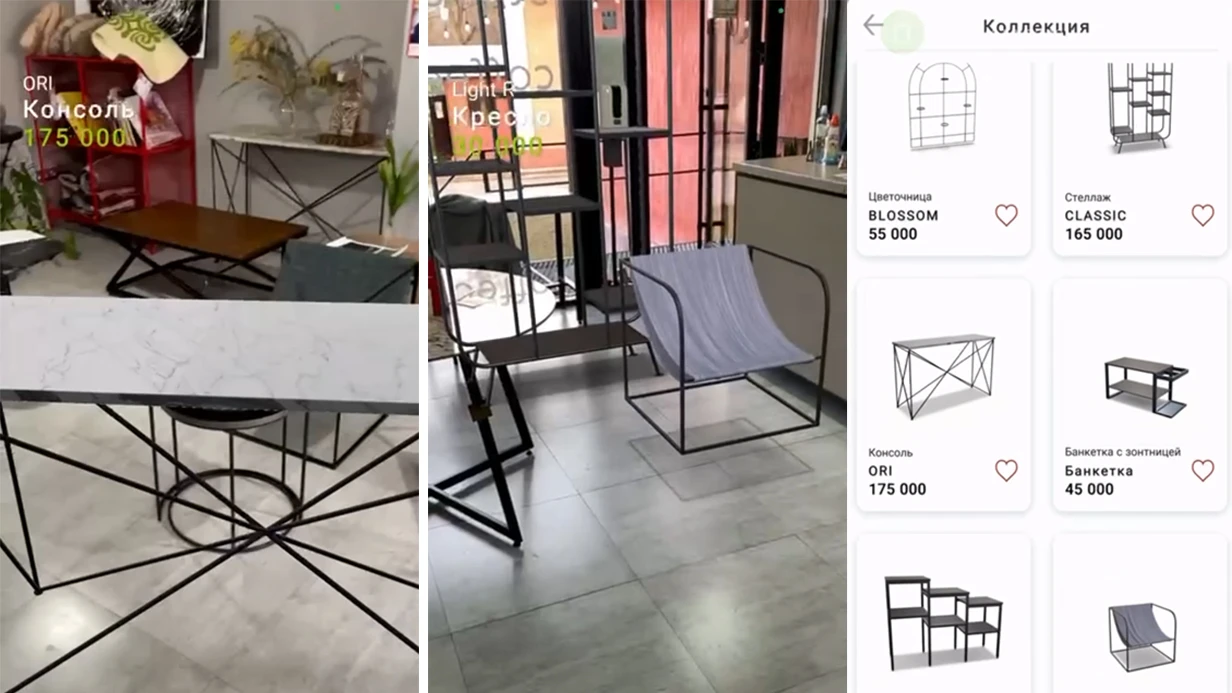
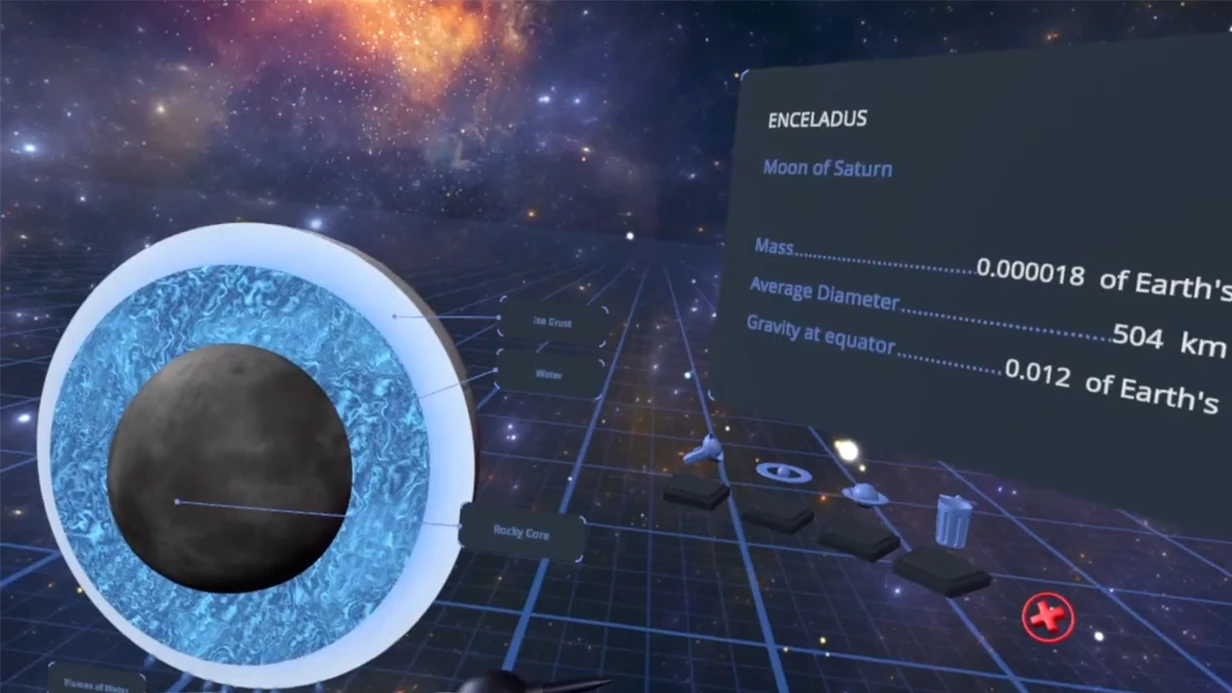
תרחיש שלישי הוא אולם תצוגה תלת-ממדי, שבו אפשר להדריך את האורח בין אולמות ומתקנים, ללחוץ על אובייקטים ולקבל מידע.
| פורמט | למי הוא מיועד | מה הוא נותן ללקוח |
|---|---|---|
| סיור 360 | שיווק באתר וברשתות חברתיות | סקירה מהירה של הפארק, מעורבות מוגברת ללא הורדות |
| סיור VR | מבקרים משפחתיים, צעירים | שקיעה רגשית, רצון לבקר פיזית |
| אולם תצוגה תלת-ממדי | משא ומתן עסקי, משקיעים | הצגת תוכניות ואזורים, מצגת מרשימה לשותפים |
חשוב לציין שאפשר לשלב פורמטים: סיורי 360 עובדים לקהל הרחב, בעוד אולם תצוגה תלת-ממדי עובד לפגישות סגורות. אנחנו נעזור לכם לבחור את האפשרות האופטימלית בהתאם למטרות הפארק ולתקציב, כך שתקבלו לא רק תמונות אלא כלי מכירות.
כשתפנו אלינו, תקבלו פתרון סוהר: אנחנו נציע את הפורמט בעצמנו, נצלם ונרכיב את הסיור — כל מה שנותר לכם הוא להעלות אותו לאתר.
איך מתבצעת העבודה על סיור וירטואלי
העבודה על סיור וירטואלי לפארק שעשועים מתבצעת לפי נוהל ברור: אתם תמיד יודעים באיזה שלב נמצא הפרויקט, מה כבר נעשה ומה צפוי בהמשך. אין "קופסה שחורה" — בכל שלב יש נקודות בקרה לאישור, תיקונים ורישום תוצאות. להלן שלבי הפיתוח המרכזיים, מהבריף ועד ההשקה.
- בריף והבנת המשימה. אנחנו מנתחים אילו אזורים בפארק צריך להציג, מי הקהל שלכם ומה המטרות של הסיור: מכירת כרטיסים, ניווט, משיכת אורחים חדשים או חינוך. אנחנו קובעים את לוח הזמנים, הפורמט והתוצאה הצפויה.
- עיצוב מסלול ותסריט. אנחנו מגדירים את ההיגיון של התנועה בפארק, נקודות תצוגה מרכזיות ואלמנטים אינטראקטיביים. אנחנו מסכמים על המבנה איתכם — לפני תחילת הצילומים, אתם רואים את התוכנית ויכולים לבצע שינויים.
- צילום והכנת תוכן תלת-ממדי. אנחנו מגיעים לשטח, עובדים עם ציוד מקצועי ולוכדים פנורמות וחומרים נוספים. במידת הצורך, אנחנו יוצרים מודלים תלת-ממדיים של אובייקטים שעדיין לא קיימים בפארק.
- הרכבת הסיור ותצוגות ביניים. אנחנו מרכיבים את הסיור למערכת אחת, ומוסיפים מעברים, תיאורים, מדריך קולי או סרטונים מוטמעים. אנחנו מראים לכם גרסאות עבודה — אתם משאירים הערות, ואנחנו מבצעים התאמות.
- בדיקות סופיות והשקה. אנחנו בודקים מהירות טעינה, ביצועים במכשירים שונים ודיוק תצוגה. לאחר האישור הסופי שלכם, אנחנו מפרסמים את הסיור באתר שלכם או בעמוד ייעודי.
- תמיכה לאחר ההשקה. אנחנו עוזרים בהטמעה ומכשירים את הצוות שלכם לעדכון תוכן. במידת הצורך, אנחנו מוסיפים אובייקטים חדשים או משנים את המיקוד — הסיור נשאר רלוונטי למבקרים.
בכל שלב אתם מקבלים תוצאה קונקרטית: מתסריט מאושר ועד קישור מוכן למבקרים. זה מאפשר לכם לשלוט בתקציב ובלוח הזמנים, וגם לבצע שינויים בלי לאבד איכות או לדחות את ההשקה.
מה כלול במסירת הסיור הווירטואלי
כשאתם מזמינים סיור וירטואלי לפארק שעשועים, אתם מקבלים מוצר סוהר מוכן, לא אב-טיפוס גולמי. חבילת המסירה כוללת את כל האלמנטים הדרושים להשקה, תפעול ופיתוח הפרויקט — מהמודל והממשק ועד הכשרת צוות ותמיכה טכנית.
- מודל תלת-ממדי מדויק של הפארק. אנחנו משחזרים מיקומים מרכזיים, מתקנים ומסלולים עם הסגנון הייחודי של החלל שלכם. אורחים "מטיילים" בפארק ומכירים אותו לפני הביקור.
- ממשק ניהול לצוות שלכם. פאנל ניהול פשוט — אתם משנים תיאורים, מוסיפים חדשות, מבצעים והכרזות מתחלפות בעצמכם בלי לערב מתכנתים. הכל אינטואיטיבי: ההכשרה אורכת יום אחד.
- תסריטי סיור מוכנים. זה לא רק סיור כללי אלא מספר מסלולים: למשפחות עם ילדים, קבוצות בית ספר ומבקרים מבוגרים. לכל תסריט יש עלילה משלו ודגש משלו.
- מוצרי מזכרות וניווט בפארק. החבילה כוללת שלטים עם קודי QR שמובילים לסיור הווירטואלי, וכרטיסים ממותגים לחלוקה בדלפק המידע. כך, המרחב הפיזי והמקוון עובדים כאחד.
- קבצי מקור של הפרויקט. לאחר המסירה, אתם מקבלים את כל החומרים: אבות טיפוס, טקסטים, קבצי מדיה וגישה לפרויקט. אתם לא תלויים בקבלן ויכולים להעביר את הפרויקט לצוות אחר או לבצע ריענון מותג בכל עת.
- הכשרת צוות. אנחנו מקיימים מפגש למנהלים ולצוות דלפק הכרטיסים: אנחנו מראים איך להפעיל את הסיור, לשנות תוכן ולעבוד עם דוחות. העובדים שלכם יענו בביטחון על שאלות האורחים.
- תמיכה טכנית ועדכונים. אנחנו תומכים בפרויקט לאחר ההשקה: עוקבים אחר יציבות, מעדכנים תוכן לפי בקשה ועוזרים לשלב מיקומים חדשים. זה מגן על ההשקעה שלכם מפני תקלות.
כל פריט בחבילה נותן מענה למשימה ספציפית — ממשיכת אורחים ועד חיסכון בזמן של הצוות שלכם. אתם משלמים פעם אחת על מוצר שלם, לא על שירותים נפרדים של מפתחים, מעצבים ויועצים.
לאחר מסירת הפרויקט, אתם מקבלים תיעוד ברור ואיש קשר שיהיה זמין לאורך כל השותפות.
מקרה בוחן אמיתי: איך הגדלנו את נוכחות הפארק
בעבודה עם פארק ההרפתקאות "לסנוי אוסטרוב" (אי היער), ראינו בעיה אופיינית: בימי חול ובעונה המתה, השטח ריק, למרות שהמתקנים ואזורי הצילום מיועדים לזרם גדול של אורחים.
אנשים פשוט לא יודעים כמה מעניין שם ומעדיפים מקומות שהם כבר מכירים. הנהלת הפארק רצתה להראות למבקרים פוטנציאליים את האווירה בלי לחכות שהם יקנו כרטיס קודם.
פיתחנו סיור וירטואלי שלוקח אורחים דרך הנקודות המרכזיות של הפארק ב-3–4 דקות: מהכניסה והבתי קפה ועד מתקני אקסטרים ואזורי מנוחה שקטים.
הסיור הוצב באתר וברשתות החברתיות — כך הוא התחיל לעבוד כמדריך אישי שמזמין אנשים להגיע.
מה הסיור הווירטואלי נתן לפארק
בתוך החודש הראשון לאחר ההשקה, הנוכחות בימי חול גדלה ב-34%, ובסופי שבוע ב-18%. זמן השהייה הממוצע בפארק גדל ב-20–25 דקות: אורחים בחרו את המסלול שלהם מראש ולא בזבזו זמן בחיפושים.
ציינו גם עלייה בעניין בתעריפים משפחתיים — הורים היו מוכנים יותר לתכנן את היום שלהם, כשראו שיהיה לילדים plenty לעשות.
חשוב לציין, הסיור מספק יותר מאפקט חד-פעמי. ההמרה המקוונת לעמוד רכישת הכרטיסים הגיעה ל-27%, וחלק הביקורים החוזרים בחודשיים הבאים בערך הוכפל.
הפארק הפך לקל יותר למציאה דרך חיפושים של "לאן ללכת עם ילדים" — מנועי חיפוש מעלים יותר אתרים עם תוכן אינטראקטיבי.
בסופו של דבר, הפארק קיבל כלי קידום קל לשימוש שעובד בלי פרסום נוסף. חודשיים לאחר מכן, ההנהלה הזמינה סיור שני — לעונת החורף, עם תוכנית חגים ומקומות חדשים.
שאלות נפוצות על סיורים וירטואליים
פארק שעשועים חי על חוויות, וסיור וירטואלי עוזר להראות את האווירה שלו למי שעדיין לא הגיע. ללקוחות יש בדרך כלל שלוש חששות לגבי פרויקטים כאלה: תקציב, לוח זמנים ומורכבות ארגונית. אנחנו עונים על השאלות המרכזיות — ישירות ולעניין.
כמה עולה לפתח סיור וירטואלי לפארק שעשועים?
העלות של סיור תלויה במספר המיקומים, ברמת הפירוט של הסצנות ובתסריט. אנחנו קובעים את האומדן בחוזה ומפצלים את התשלום לשלבים — אתם רואים על מה אתם משלמים בכל שלב.
מחיר שקוף ללא עמלות נסתרות מאפשר לכם לתכנן את תקציב הפארק מראש ולהימנע מהפתעות.
מהו לוח הזמנים ליישום סיור וירטואלי?
פרויקט טיפוסי אורך בין שלושה לשמונה שבועות, תלוי בקנה המידה ובמוכנות חומרי המקור. אנחנו יוצרים לוח שנה עם תאריכים מדויקים לשלבי ביניים ועומדים בלוח הזמנים. עבורכם, זה אומר להיות מוכנים לעונה העמוסה בלי שיבושים או דחיות.
כמה קשה לארגן פיתוח אם לצוות אין מומחים טכניים?
אנחנו מטפלים בכל העניינים הטכניים בעצמנו. מצד הלקוח, אתם רק צריכים לאשר את התסריט ולספק גישה לאתרים.
אתם מקבלים סיור מוכן, לא רשימת משימות — המורכבות של הפיתוח נשארת מאחורי הקלעים, והצוות שלכם ממשיך לעבוד במצב הרגיל שלו.
עדיין לא החלטנו איזה פורמט סיור אנחנו צריכים. אתם יכולים לעזור לנו לבחור?
נתחיל עם בריף ונציע אפשרויות קונספט: סיור כללי, מסלול עם עלילה, קווסט לילדים או התאמה למבקרים בינלאומיים.
אנחנו מבססים את ההמלצות שלנו על קהל היעד והמטרות שלכם — הגדלת נוכחות, הארכת זמן שהיית אורחים או קידום אזורים חדשים. אנחנו בוחרים פורמט שמניב תוצאות, לא רק תמונות יפות.
אם יש לכם שאלות נוספות — פנו אלינו ישירות: אנחנו עונים תוך יום עסקים אחד ונציע פתרון מותאם לפרטי הפארק שלכם.נדבר על סיור וירטואלי לפארק שלכם?
סיור וירטואלי לפארק שעשועים הוא דרך להראות את האווירה והמתקנים למי שעדיין לא הגיע — ולהזכיר לאורחים קבועים עליכם.
כדי שסיור יפתור משימות שיווקיות ולא יהיה רק תמונה יפה, הוא צריך להיות מעוצב סביב התסריט והקהל שלכם. אנחנו יודעים איך עושים את זה: נדון במשימה בייעוץ חינמי, נחשב את הפרויקט ונציע פורמט שמתאים למטרות הפארק.
לאחר הזמנת סיור, אתם מקבלים לא "קישור מוכן" אלא כלי קידום עובד. מה כולל הפרויקט:
- אומדן פרויקט והזמנת סיור — אנחנו קובעים את לוח הזמנים, התקציב והפורמט של הסיור.
- מסלול מבוסס תסריט — אנחנו מגדירים את המיקומים המרכזיים של הפארק ואת ההיגיון של התנועה ביניהם.
- צילום ועיבוד חומרים — אנחנו משתמשים בציוד מקצועי כדי להעביר את הקנה מידה והפרטים של החלל.
- הרכבת הסיור הווירטואלי — ניווט, נקודות עניין, תיאורי מתקנים ומדריך קולי במידת הצורך.
- הטמעה באתר וברשתות החברתיות — בתוספת קודי QR לדלפקי כרטיסים, ברושורים וניווט בתוך הפארק.
- הכשרת צוות — אנחנו מראים איך לעדכן תוכן ולעקוב אחר אילו נקודות עניין אורחים בוחרים.
אנחנו עובדים לפי לוח זמנים שקוף: בריף ותוכנית — צילום או הכנת מודל תלת-ממדי — הרכבת סיור — בדיקות והשקה. בכל שלב אתם רואים תוצאות ביניים ויכולים לבצע שינויים בלי לחכות לגרסה הסופית.
כדי לקבל אומדן פרויקט, השאירו בקשה לייעוץ חינמי. נשוחח, נבהיר את המשימות, ובתוך כמה ימים נשלח הצעה ברורה — עם הפורמט, לוח הזמנים והיקף העבודה. כל מה שנותר הוא ליצור קשר בדרך הנוחה לכם.
איך לבחור פורמט סיור וירטואלי למשימה שלכם?
אין פורמט אחד שמתאים לכולם לסיור וירטואלי — הוא תלוי ישירות במשימה שהפארק שלכם צריך לפתור.
עבור פארק שעשועים, זה חשוב במיוחד: סיור כללי סטנדרטי יראה את השטח והמיקומים, אבל לא יעביר את האווירה שמשפחות עם ילדים, זוגות וקבוצות חברים באים בשבילה.
לכן בהתחלה אנחנו לא מציעים תבניות מוכנות — במקום זאת, אנחנו עובדים איתכם כדי לקבוע מה בדיוק הסיור צריך לעשות: לבדר את המבקר, לספק התמצאות, ליצור עניין בקניית כרטיס או לספר את הסיפור של הפארק.
פתרונות פנורמיים פשוטים עובדים כשצריך להראות את השטח בזול ובמהירות — למשל, מתחם אירועים או אזור מרכז כנסים. אבל אורח של פארק שעשועים מחפש רגש ושקיעה, לא רק תמונה.
כאן, סיור לא סטנדרטי יעיל הרבה יותר: מסע דרך האגדה של הפארק עם בחירת מסלולים, תחנות סיפוריות, מפגשים עם דמויות או אתגרים שמנחים מבקרים מנקודה לנקודה.
פורמט זה לוכד תשומת לב הרבה לפני הביקור והופך את הטיול העתידי למשהו שמצפים לו.
דרישות אישיות עולות גם כשפארק יש כמה אזורים תמטיים שצריך לאחד לחוויה מגובשת.
במקרה זה, אנחנו מתכננים את ההיגיון של מעברים בין אזורים, סגנון ויזואלי אחיד ורמת פירוט עקבית כך שהסיור ירגיש כמו סיפור אחד שלם.
לפעמים עדיף להציג חלק מהמיקומים כמסלול תלת-ממדי אינטראקטיבי ואחרים כסצנות נרטיביות עשירות: ההחלטה מונעת על ידי המטרות העסקיות שלכם, לא על ידי היכולות הטכניות של הקבלן.
פורמט הסיור הנכון הוא לא בחירה של מהנדס אלא החלטה המבוססת על התנהגות הקהל שלכם ומטרות הפארק.
אנחנו שואלים את השאלות הנכונות, מציעים אפשרויות ומסבירים איך הן שונות בתוצאות: איפה המעורבות תהיה גבוהה יותר, ואיפה מהירות הכיסוי של מיקומים תהיה חשובה יותר.
בסופו של דבר, אתם מקבלים לא תבנית אוניברסלית אלא כלי שמנחה אורחים לעבר הפעולה שאתם צריכים — וכל דולר מושקע עובד למען הנוכחות.