



קניון מאבד מבקרים: סיור VR פותר את הבעיה
מבקרי קניונים נשארים יותר ויותר בבית: חנויות מקוונות תופסות את תשומת הלב, בעוד ששיטות משיכה מסורתיות — פרסום, הנחות, מבצעים — עובדות יותר ויותר גרוע.
התנועה יורדת, וזה משפיע על כולם: פחות קונים, עניין חלש יותר מצד השוכרים, וקשה יותר לשמור על תפוסה.
כשהתנועה יורדת, השוכרים מתחילים לפקפק בסיכויי המיקום. הם צריכים הוכחה שהקניון חי, גדל ומביא אנשים. בלי זה, המשא ומתן על חוזים חדשים נמשך, ועסקים קיימים מסתכלים על מקומות אחרים. זה הופך למעגל קסמים: ככל שיש פחות מבקרים, כך קשה יותר למשוך ולשמר שוכרים.
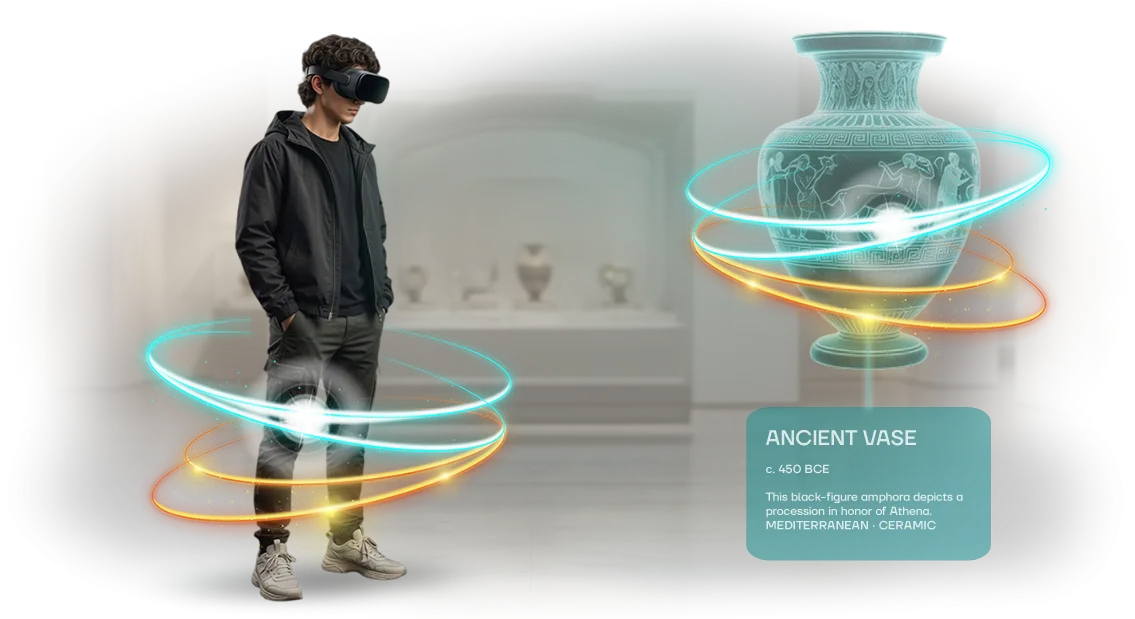
סיור VR לקניון שובר את המעגל הזה. זה לא רק סרטון יפה אלא כלי קידום עובד: מבקר פוטנציאלי יכול "להסתובב" בין הקומות מראש, לראות את האווירה, מיקומי החנויות, הבידור, בתי הקפה והחניה.
הפורמט הזה מוריד את החסם לביקור ראשון ומגדיל את החשיפה, כי הסיור משותף ברשתות החברתיות. במקביל, זה טיעון חזק לשוכרים: במהלך משא ומתן אתה מציג לא מצגת מבוססת מספרים אלא תמונה חיה וחיה של החלל שלך.
לכן אנחנו מפתחים סיורי וירטואליים שפותרים שתי משימות בבת אחת: מושכים מבקרים ועוזרים למכור שטח לשוכרים.
אנחנו לוקחים על עצמנו את כל התהליך — מצילום והרכבה ועד השקה באתר וברשתות החברתיות — כך שאתה מקבל כלי שמתחיל לעבוד להגדלת תנועה מיד לאחר ההשקה.
סיור VR: יתרונות מרכזיים לעסק שלך
סיור וירטואלי של קניון הוא לא רק תמונה תלת-ממדית אלא כלי שמגביר את המודעות למותג ומביא מבקרים חדשים. עוד לפני שיוצאים מהבית, אורח עובר בין הקומות, רואה את חזיתות החנויות ומתכנן מסלול — מה שהופך את הקניון שלך למוכר ונגיש.
מודעות למותג בלי תקציב פרסום. אנשים משתפים בשמחה סיור חווייתי בהודעות וברשתות חברתיות. כל קישור הוא אזכור נוסף של המותג שעובד למשיכת קהל צעיר יותר: אינטראקטיביות מודרנית נתפסת כסימן לחלל חי.
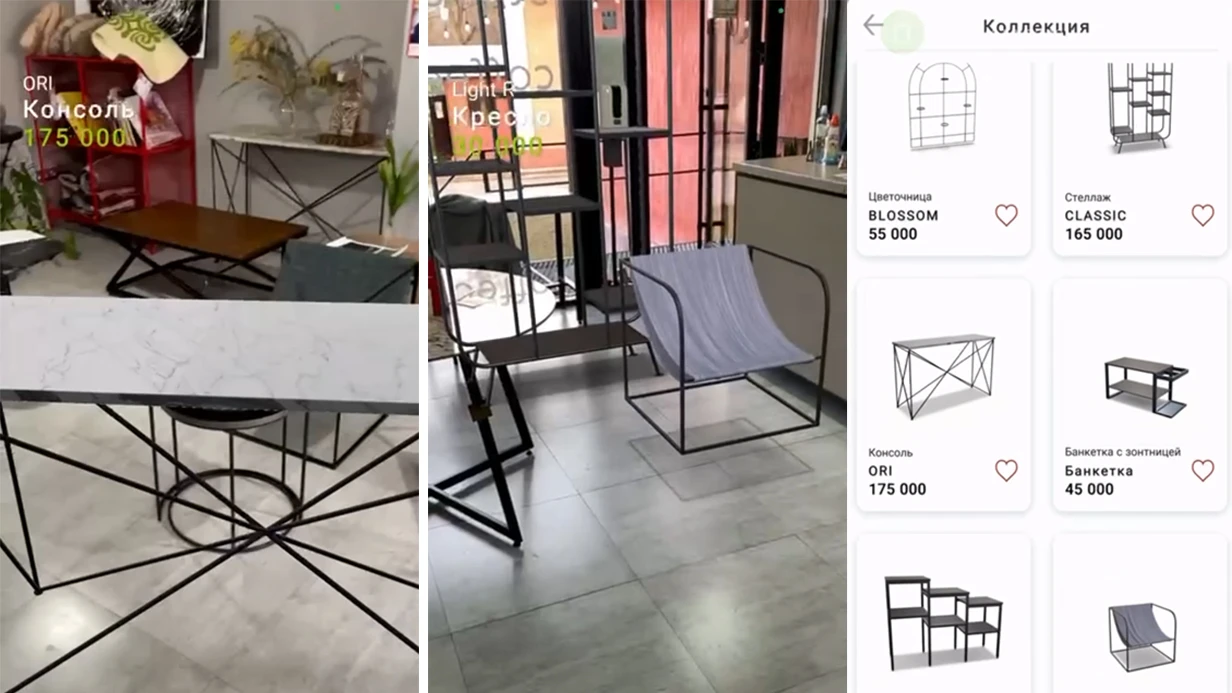
ניווט שחוסך זמן. במקום עשרות שיחות למנהל, מבקרים מגיעים כבר כשהם יודעים את המסלול. הסיור הווירטואלי מציג את מיקומי החנויות, בתי הקפה והחניה — ומסיר את החסם הגדול ביותר לביקור ראשון.
נתונים לשיווק. אנחנו רואים אילו אזורים נצפים הכי הרבה, איפה העין מתעכבת, אילו חזיתות חנויות מושכות תשומת לב. אותם נתונים עוזרים לתכנן תעריפי שכירות וקמפיינים פרסומיים — אתה מקבל אנליטיקה כבונוס עם הסיור.
לקוחות כבר ראו את האפקט: "השאלות על מיקומי חנויות ירדו בשליש, ואורחים אומרים שהם מגיעים לקניון במיוחד אחרי הליכה וירטואלית." המנהל המסחרי של קניון מול סיטי
מבחינה טכנית, הפרויקט בנוי על ציוד מקצועי וכלי גרפיקה תלת-ממדית מוכחים — הסיור נפתח באותה מהירות במחשב ובטלפון.
אתה לא צריך להיכנס לפרטים: אנחנו מטפלים בצילום, בהרכבה ובפרסום במפתח אחד, ואתה מקבל כלי מוכן לניווט ולקידום.
פורמטים של סיור VR לקניון
מבקר בקניון מגיע עם בקשה ספציפית: איפה החנות הדרושה, אילו מבצעים פעילים, האם יש אזור ילדים וחניה. אם הוא לא מוצא את התשובה תוך דקה — הוא עוזב למתחרה.
הפורמט הווירטואלי עוזר להציג את החלל לפני ובמהלך הביקור: האדם כבר מכיר את הדרך, והקניון מקבל ביקורים ממוקדים יותר.
אנחנו מפתחים סיורים וירטואליים בשלושה פורמטים — למשימות ותקציבים שונים. כל אחד מכסה את המטרה שלו: מהכרות מהירה עם המבנה ועד הצגה מלאה של שטחים להשכרה.
| פורמט | למי זה מיועד ואילו משימות זה מכסה | מה הלקוח מקבל |
|---|---|---|
| סיור VR בגלריות ובאזורים | מושך מבקרים חדשים, מציג את ההיקף והאווירה של הקניון, עובד כחלון ראווה לאירועים ופעילויות | האורח "מסתובב" בין הקומות מראש — פחות חסם לפני הביקור, חשיפה גבוהה יותר של קמפיינים פרסומיים |
| אולם תצוגה תלת-ממדי של שטחים | למחלקת ההשכרה: להראות לשוכר פוטנציאלי את המבנה, אזורי הזכוכית, תנועת הרגליים | הסכמים מתקדמים לעסקאות מהר יותר, השוכר רואה את החלל בלי ביקור פיזי |
| מפה אינטראקטיבית | לניווט באתר ובקיוסקים בכניסה: למצוא חנות, בית קפה, שירותים, חניה | המבקר מבלה יותר זמן בקניון, מוציא יותר, ביקורים חוזרים גדלים |
נתאים את הפורמט למשימה שלך — למשל, נשלב סיור VR לרשתות חברתיות ומפה לניווט. ציוד מקצועי ותהליך צילום מוכח מספקים תוצאה שעובדת גם במחשב וגם בסמארטפון של מבקר, בלי התקנת אפליקציות.
איך נוצר סיור VR: מבריף ועד השקה
סיור VR לקניון מציג את החלל ומביא מבקרים. כדי שתהיה בשליטה על התהליך, מבננו את העבודה בשלבים — מהבריף הראשוני ועד מסירת הסיור המוגמר. הנה מה שקורה בכל שלב.
-
בריף ומטרות. אנחנו דנים במטרות הסיור: הדרכה בין הקומות, הצגת שוכרים, עזרה בהתמצאות. אנחנו קובעים את הקהל ואת נקודות העניין המרכזיות.
-
תוכנית והערכת עלות. אנחנו מכינים מפת צילום, רשימת אזורים למודלים תלת-ממדיים ולוח זמנים. אנחנו מסכמים על היקף ולוחות זמנים כדי שתדע בדיוק מה תקבל ומתי.
-
אישור קונספט. אנחנו מציגים את מבנה הסיור: מסלול, נקודות בחירה, אלמנטים אינטראקטיביים — "פתח את הבוטיק," "קח את הדרגנוע." תיקונים נעשים לפני תחילת העבודה, ללא עלות נוספת.
-
יצירת הסיור. אנחנו מצלמים ומעבדים את החלל, בונים סצנות תלת-ממדיות, מוסיפים ניווט. אנחנו יוצרים גרסה לסמארטפונים, טאבלטים ומשקפי VR — כך שמבקרים יכולים לצפות בסיור גם בבית וגם בקיוסק מידע.
-
בדיקות והשקה. אתה מקבל קישור לבדיקה ועובר על הסיור כמו אורח. אנחנו מבצעים תיקונים אחרונים, מפרסמים את הסיור באתר ובמסכי מידע ומכשירים את הצוות שלך.
-
תמיכה. לאחר ההשקה, אנחנו מעדכנים את מפת השוכרים, משנים אזורי קידום, מוסיפים שטחים חדשים. הסיור תמיד עדכני — אתה לא צריך להבין בטכנולוגיה.
המחזור המלא אורך בדרך כלל 2–4 שבועות — תלוי בשטח ובמספר האזורים. אתה מקבל כלי שעוזר למבקרים למצוא את דרכם מהיום הראשון ומגדיל את זמן השהייה בקניון.
מה כלול בחבילת מסירת סיור VR
כשאתה קונה סיור VR, אתה מקבל לא רק קישור לחוויה וירטואלית אלא כלי מוכן למשיכת מבקרים. הרכבנו את החבילה כך שהצוות שלך לא יצטרך לסיים שום דבר: הכל מגיע מוגדר, נבדק ומוכן לשימוש.
הנה מה שכלול בחבילת המסירה:
- סיור VR מוכן. סיור מוגדר במלואו שעובד במחשב, טאבלט, סמארטפון ומשקפי VR. מבקרים נכנסים לסיור בלי להתקין אפליקציות ומיד רואים את הקניון שלך בתלת-ממד.
- אינטגרציה לאתר ולרשתות חברתיות. אנחנו מטמיעים את הסיור בעמוד שלך, מוסיפים כפתור השקה לגרסה הניידת ומגדירים תצוגה ברשתות חברתיות. זה מרחיב את החשיפה בלי השקעה פרסומית נוספת.
- מדריך לצוות. מדריכים פשוטים בשפה ברורה: איך להפעיל את הסיור, לשנות מידע, להוסיף אובייקט חדש או לארגן מצגת על מסך גדול. בלי מורכבות טכנית.
- הכשרת צוות. אנחנו מקיימים סמינר מקוון קצר או מפגש פנים אל פנים ומכסים כל תרחיש — מ"איך להפעיל" ועד "איך לתת לאורח סיור." העובדים שלך מתחילים לעבוד עם הסיור כבר למחרת.
- חומרי מקור. אנחנו מוסרים את כל קבצי הפרויקט: פנורמות, מפות ניווט, עותקי גיבוי. אתה נשאר הבעלים המלא של התוכן ויכול להשתמש בו בכל חומרי שיווק.
- תמיכת אחריות. לתקופה מוסכמת, אנחנו עונים על שאלות ומבצעים תיקונים. הופיע שוכר חדש או השתנה המבנה — פשוט שלח בקשה, ואנחנו נעדכן את הסיור.
עם החבילה הזו, ההשקה אורכת יום או יומיים עסקיים: אתה מקבל כלי עובד, לא מוצר גולמי שצריך לסיים. המבקרים שלך מקבלים חוויה, הצוות שלך מקבל מערכת ברורה, ואתה מקבל מודעות גוברת וזרם חדש של אורחים לקניון.
מקרה בוחן: איך סיור VR הגדיל את תנועת המבקרים
כשקניון אזורי התמודד עם ירידה בתנועת מבקרים בימי חול, המבצעים וההנחות הרגילים כבר לא השפיעו. ההנהלה חיפשה פורמט שישאיר אורחים זמן רב יותר, ייצור סיפור חדשותי ויחזיר את העניין של אנשים בחלל הפיזי. הפתרון היה סיור VR חווייתי באזורים החדשים של המתחם, שהוצב באטריום המרכזי.
פיתחנו מסלול וירטואלי דרך כל הקומות של קניון מגהפוליס עם נקודות עניין: ממתחם האוכל ועד בידור לילדים. אורחים עם משקפי VR "הסתובבו" בחנויות שעדיין לא נפתחו תוך דקות ספורות וקיבלו קודי קידום אישיים להנחות.
זה יצר באז אמיתי: מבקרים עמדו בתור כדי לנסות את החוויה החדשה ואז שיתפו סרטונים ברשתות חברתיות.
תוצאות עבור מגהפוליס
בחודש הראשון של סיור ה-VR, תנועת המבקרים בקניון גדלה ב-27% בהשוואה לתקופה הקודמת — והגידול הגיע דווקא מימי חול, שהיו חלשים בעבר.
המדד המרכזי — זמן השהייה — גדל משעה וחצי לשעתיים וחצי: אורחים נשארו כדי לחקור את המיקומים והמבצעים שהומלצו בסיור.
יותר מ-15,000 איש עברו באזור ה-VR בחודש, ומשך הסשן הממוצע היה 6 דקות. כל משתתף שלישי הלך לנקודות שהוצגו בסיור, מה שהשפיע ישירות על המכירות של השוכרים.
המפה האינטראקטיבית בתוך הסיור הוכחה כנוחה יותר משילוט נייר — מבקרים הפסיקו לשאול את המנהלים לכיוונים ובילו יותר זמן בקניות במקום בחיפוש חנות.
אחרי שהעונה הראשונה הסתיימה, מגהפוליס הזמינה מאיתנו סיור מעודכן לפתיחת אגף חדש.
לפי מנהל השיווק, אזור ה-VR הפך לאירוע המשתלם ביותר של השנה: הוא משך אורחים חדשים, שמר על קבועים והניב ערך מדיד לשוכרים.
אנחנו עכשיו מרחיבים את הפורמט הזה בקניונים אחרים, ומתאימים את התרחישים לאזורים ולקהלים ספציפיים.
איך לבחור את פורמט סיור ה-VR המתאים?
בחירת פורמט סיור VR מתחילה לא בטכנולוגיה אלא בשאלה: מה בדיוק אתה רוצה להשיג? עבור קניון, זה יכול להיות ניווט בין קומות, הצגת שטחים חדשים לשוכרים, או מסע חווייתי למבקרים — ולכל משימה יש פתרון אופטימלי משלה.
אם המטרה העיקרית היא להראות את ההיקף והנוחות של המיקום, תצוגה פנורמית עם נקודות מפתח מספיקה.
כשצריך להחזיק את תשומת הלב של האורחים וליצור אפקט וואו, אנחנו מוסיפים אלמנטים אינטראקטיביים: תוכל "להיכנס" לחנויות, לבחון חלונות ראווה בפירוט ולקבל הצעה אישית.
קניון הוא חלל שבו חשוב שאדם יבין מהר מה זמין וירצה להישאר זמן רב יותר.
התקציב גם משפיע על הבחירה אבל לא צריך להגביל את התוצאה.
ניסיון רב מאפשר לנו להעריך במדויק אילו אלמנטים מניבים את התשואה הגדולה ביותר: עבור פרויקטים מסוימים, ויזואליזציה איכותית על ציוד מקצועי מספיקה; עבור אחרים, נדרשת טבילה מלאה עם יכולת לנוע בחופשיות בתוך הבניין. אנחנו לא מציעים שום דבר מיותר ולא חוסכים במה שחשוב.
כשאנחנו מעריכים פרויקט, אנחנו בוחנים את שטח המתקן, מספר הנקודות המשמעותיות, הצורך בעדכוני תוכן קבועים ותדירות השימוש בסיור.
זה עוזר לנו לבחור טכנולוגיה שתעבוד בצורה אמינה על כל אחד מהמכשירים של המבקרים שלך — מסמארטפון ועד משקפי VR — בלי לפגוע באיכות התמונה או במהירות הטעינה.
בסופו של דבר, הפורמט הנכון הוא זה שפותר את הבעיה העסקית שלך בתקציב סביר. בייעוץ, נסקור את המקרה הספציפי שלך, נציע שתיים או שלוש אפשרויות ונסביר בכנות מה כל אחת תניב.
תשובות לשאלות נפוצות על סיורי VR
כשעולים נושאים של סיורי VR לקניונים, אנשים שואלים לרוב על מורכבות היישום, עלות, תאימות לערוצים קיימים ואחריות. להלן אנו מתייחסים להתנגדויות הטיפוסיות — כדי שתוכל לקבל החלטה בלי להתקשר למנהל.
האם קשה לשלב את זה בתהליכים הקיימים שלנו?
לא, כל העבודה היא בצד שלנו: אנחנו מצלמים, בונים את החלל הווירטואלי ומשלבים אותו באתר או באפליקציה שלך. כל מה שאנחנו צריכים ממך הוא איש קשר אחד לאישורים. ההשקה אורכת בדרך כלל 2–4 שבועות לאחר אישור התוכנית.
כמה זה עולה ומתי זה מחזיר את ההשקעה?
העלות מחושבת באופן אישי לאחר בדיקה. ההחזר מגיע ממספר מקורות: שימור מבקרים, משיכת אורחים חדשים, גידול בעניין השוכרים והורדת עלויות דפוס.
חלק מהאפקט נראה כבר בחודש הראשון, ואחר כך הסיור עובד כחלון ראווה מסביב לשעון.
האם נצטרך לקנות ציוד יקר?
לא. מבקרים יכולים לצפות בסיור בסמארטפונים שלהם, ולאזורים נייחים מספיק טאבלט או מסך. אנחנו מביאים משקפי VR למצגות ולאירועים לפי בקשה — אין צורך לקנות שום דבר נוסף.
האם זה יעבוד עם האתר והרשתות החברתיות שלנו?
כן. אנחנו מתאימים את הסיור לפלטפורמה שלך: מטמיעים אותו באתר, מוסיפים כפתור לרשתות חברתיות, יוצרים קוד QR לפוסטרים ולקיוסקי מידע. כך התוכן נכנס לערוצים קיימים במקום לדרוש חדשים.
אילו ערבויות שישלימו את הפרויקט?
אנחנו עובדים לפי חוזה עם לוחות זמנים ושלבים קבועים. לפני הפרסום, אתה מקבל גרסת בדיקה ומבצע תיקונים. כל השיפורים נעשים ללא עלות נוספת, ואנחנו נשארים בקשר לאחר ההשקה.
קבל הערכת פרויקט תוך יום אחד
שלח בקשה — תוך יום עסקים אחד תקבל הערכת פרויקט לסיור וירטואלי לקניון שלך. זה ללא התחייבות: תלמד את לוחות הזמנים, השלבים והתוצאה הצפויה לפני קבלת החלטה.
איך אנחנו עובדים:
- בקשה — אתה מתאר את המשימה, אנחנו מבהירים את הפרטים.
- הערכה — אנחנו מכינים הערכת לוח זמנים ותקציב תוך יום אחד.
- ייעוץ — אנחנו סוקרים אפשרויות ועונים על שאלות.
- תוכנית — אנחנו קובעים שלבים, אחראים ואבני דרך.
- תחילת פרויקט — אנחנו מתחילים בעבודה ומקצים מנהל.
ההערכה לוקחת בחשבון את המאפיינים הספציפיים של הקניון שלך: אזורי עניין למבקרים, צרכי שוכרים ומטרות שיווקיות. כך אתה מקבל לא דף עלויות מופשט אלא תוכנית פעולה המכוונת לתוצאה שלך.
מה אתה מקבל עם ההערכה:
- לוחות זמנים ריאליים להשקת הסיור.
- היקף העבודה והתוצאה של כל שלב.
- תקציב ברור ללא עלויות נסתרות.
- המלצות לאינטגרציה עם האתר והרשתות החברתיות שלך.
- תחזית של חשיפת קהל וצמיחת תנועה.
- תמיכת מומחים לאחר ההשקה.
"שלחנו בקשה בתחילת השבוע וקיבלנו את ההערכה למחרת. תוך חודש הסיור הווירטואלי כבר היה פעיל, ומבקרים התחילו לבלות יותר זמן בגלריה" — מנהל השיווק של קניון אוסטרוב.
שלח את הבקשה שלך עכשיו — ועד מחר תדע איך להפוך סיור וירטואלי לכלי למשיכת לקוחות.