

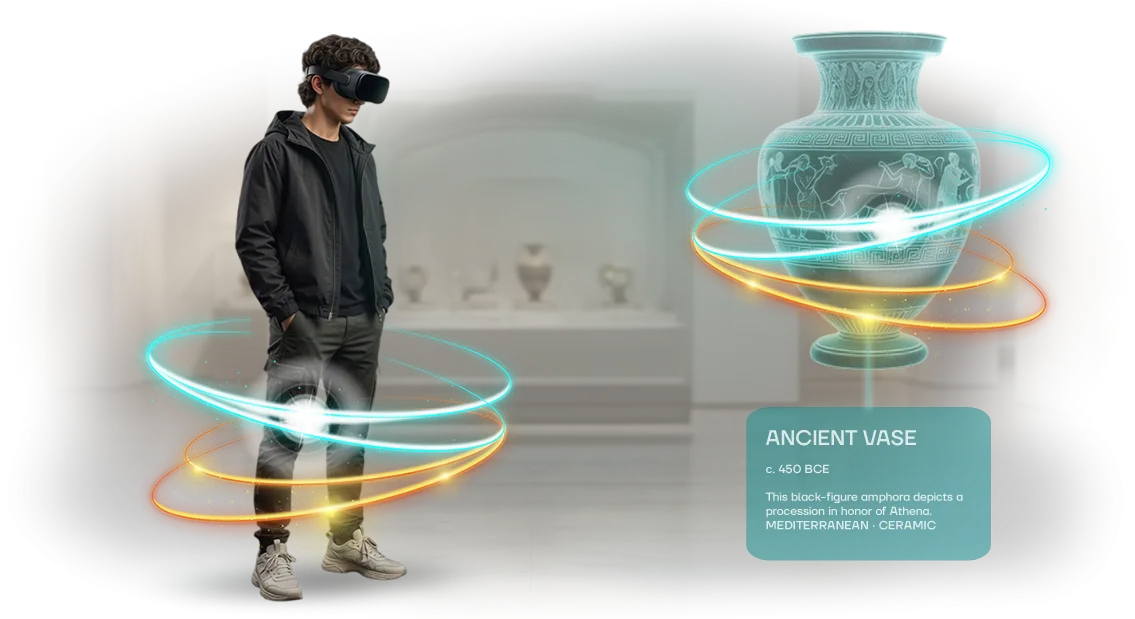
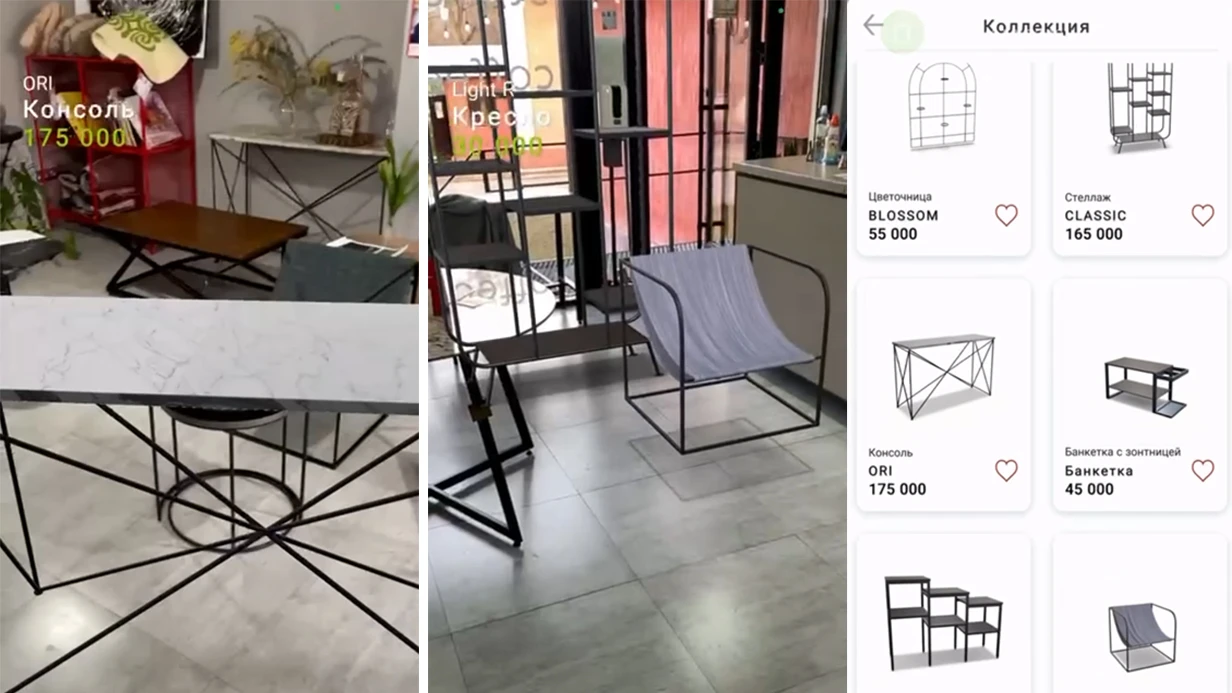
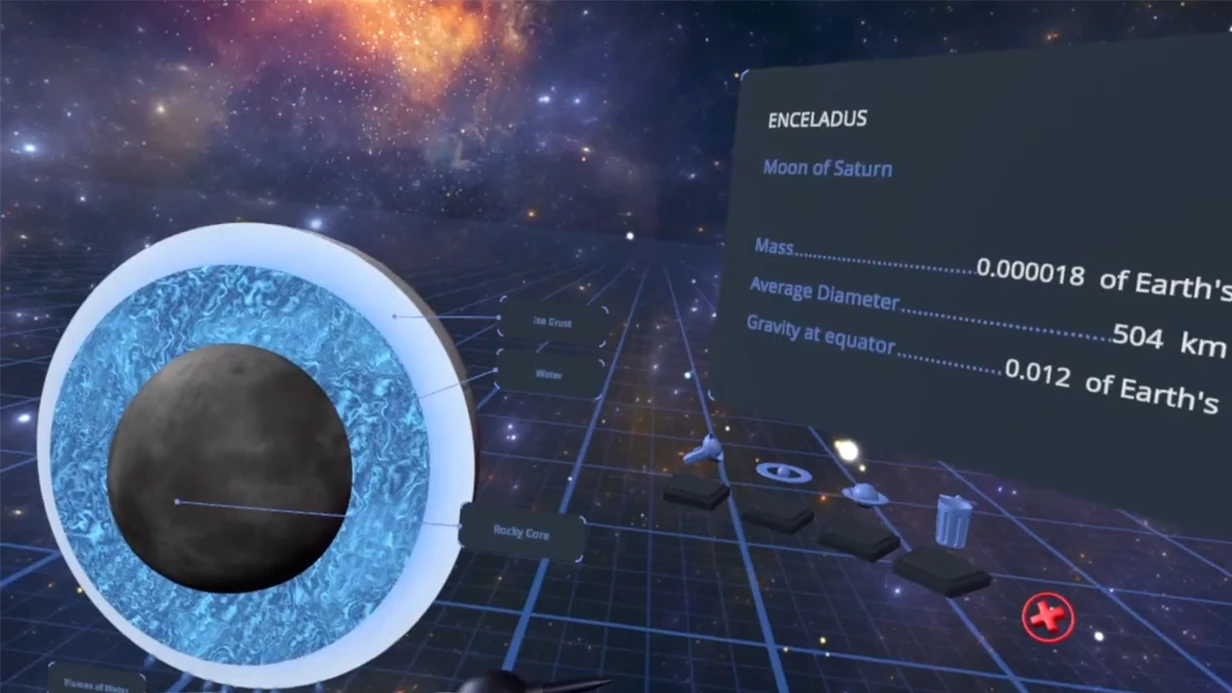
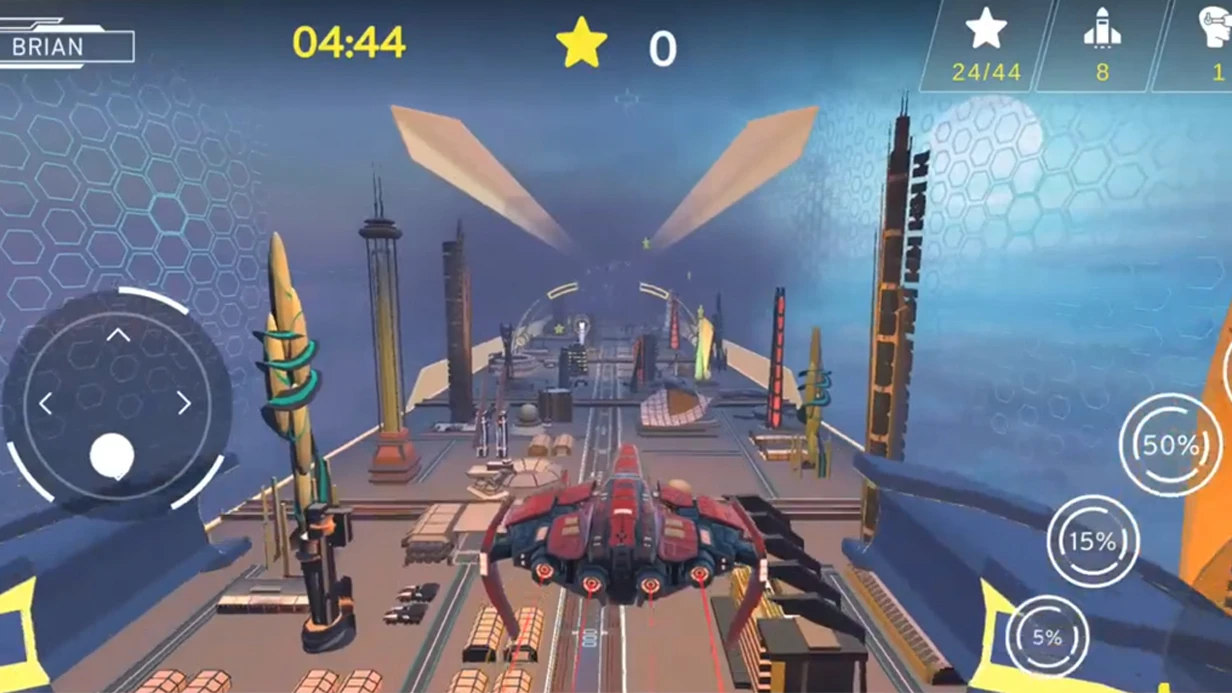


מרכז מבקרים ללא סיור VR: למה אורחים עוזבים למתחרים
הזמן שבו מרכז מבקרים היה המקור היחיד למידע על אזור או מתקן ייצור נגמר. אורחים בוחרים את המסלול שלהם לפני הטיול: הם גולשים באתרים, קוראים ביקורות ומשווים חוויות.
אם מבקר פוטנציאלי לא מוצא סיור וירטואלי, הוא מאבד עניין במהירות ועובר לאלה שמציגים את התערוכות שלהם בתלת-ממד.
הבעיה המרכזית היא תפיסה. מרכז מבקרים ללא סיור וירטואלי מרגיש סגור ומיושן, גם אם בפנים מחכה אוסף עשיר. בינתיים, מתחרים שמאפשרים לאנשים "להציץ פנימה" מראש מקבלים יותר פניות, הזמנות וביקורים חוזרים. קהלים רוצים לתכנן את המסלול שלהם ולדעת מה מצפה להם — לא להגיע סתם.
משיכת מבקרים היום מבוססת על הפיכת החוויה לנגישה. סיור וירטואלי מסיר את המחסום של "לא בטוח ששווה לנסוע" ומערב אפילו את אלה שעדיין לא תכננו ביקור.
זה עובד עבור קבוצות בית ספר, משלחות עסקיות ותיירים שמשווים כמה אטרקציות בבת אחת — והם בוחרים בזו שכבר ראו.
אנחנו מכסים את הצורך הזה: אנחנו מפתחים סיורים וירטואליים למרכזי מבקרים שמעוררים את הרצון לבקר ומופצים בקלות ברשתות החברתיות. התוצאה — יותר מבקרים, תדמית חזקה יותר לטריטוריה ועמדה בטוחה לצד המתחרים.
מה הלקוח מקבל לאחר השקת סיור וירטואלי
עבור מרכז מבקרים, התוצאה העיקרית היא לא "תמונה יפה" אלא צמיחה מדידה בערך התערוכה.
סיור תלת-ממדי הופך היכרות חד-פעמית עם המקום לערוץ משיכה מתמשך: אורחים רואים את החלל לפני ההגעה, ואלה שלא יכולים להגיע פיזית נשארים מחוברים למותג באינטרנט.
הצוות שלנו מספק פרויקט כזה במפתח פתוח ומוסר ללקוח לא רק קישור אלא כלי שעובד עבור נוכחות והכרה.
לאחר ההשקה, אתה מקבל:
- נוכחות מוגברת — לאורחים יש סיבה להגיע: הם כבר "היו בפנים" ורוצים לראות את המקום באופן אישי. המארגנים מקבלים טיעון מוכן להודעות, הזמנות ועבודה עם מפעילי טיולים.
- קהל מקוון מורחב — הסיור הווירטואלי נפתח מכל מכשיר, כך שאנשים מערים ומדינות אחרות מתוודעים למרכז ללא כרטיסים, לוגיסטיקה או תורים.
- הכרה — הסיור משותף ברשתות החברתיות וביישומוני מסרים, ומופיע באתרי שותפים ושירותי תיירות. אנשים שמעולם לא שמעו על המרכז מגלים אותו עכשיו.
- פניות ולידים — הסיור יכול לכלול טופס הזמנה, כפתור "קנה כרטיס" או כפתור "צור קשר". כל מבקר מתעניין הופך לאיש קשר עבור מחלקת המכירות.
- חיי מדף ארוכים — בניגוד לבאנר או קמפיין פרסומי חד-פעמי, הסיור עובד ברציפות. אפשר לעדכן אותו, להוסיף אולמות חדשים ולהשתמש בו במצגות, תערוכות ומשא ומתן.
זה עובד גם כמוצר עצמאי וגם כמאיץ לזרימה הפיזית. הלקוח מקבל סיור תלת-ממדי מוכן, הוראות לצוות ומדדים ברורים: כמה אנשים פתחו את הסיור, כמה צפו בו עד הסוף וכמה המשיכו לפנייה.
כל מה שנשאר הוא להפעיל את הערוץ החדש בפעילויות השיווק שלך — אנחנו מטפלים בצד הטכני ובקידום.
פורמטים של סיור וירטואלי: איזה תרחיש מתאים לך
כל קהל מגיע למרכז מבקרים עם שאלה משלו. תייר רוצה לקבל רושם ב-10 דקות ולהחליט לאן ללכת, שותף מעריך את אמינות המקום, משקיע מעריך את הפוטנציאל להשקעה. סיור אוניברסלי שמתאים לכולם הוא נדיר, ולכן בחירת תרחיש למשימה חשובה יותר.
אנחנו מתאימים את הפורמט למטרות שלך, לא להפך. אנחנו מתחילים בשאלה אילו אורחים אתה מצפה לרוב ומה התוצאה שהם צריכים.
אותו מקום יכול להיות מוצג כפנורמה פתוחה להיכרות מהירה, כאולם תצוגה תלת-ממדי מפורט לבחינת פרטים, או כמסלול אינטראקטיבי עם נקודות משחק.
גישה זו כבר הוכיחה את עצמה בפרויקטים לאתרי תיירות, כולל מרכז המבקרים של העיר העתיקה.
| פורמט | למי | מה זה נותן ללקוח |
|---|---|---|
| סיור פנורמי | תיירים ומשפחות | סיור מהיר בחלל ללא רישום מוקדם, ממשק אינטואיטיבי ומעורבות מיידית של מבקרים |
| אולם תצוגה תלת-ממדי מפורט | שותפים ומשקיעים | היכולת לצפות במקום מזוויות שונות ולהעריך את קנה המידה והתשתית ללא נסיעה לפגישה |
| משימה אינטראקטיבית | קבוצות בית ספר ומשתתפי אירועים | חוויה רגשית שאורחים זוכרים ומשתפים ברשתות החברתיות, מה שמגביר את ההכרה במרכז המבקרים |
אחת השאלות המרכזיות היא מה קורה אחרי הבכורה. טוב כשאפשר לעדכן את הסיור: להזיז דגשים, להוסיף תערוכות או בניין חדש לרגל יום נישואין. לכן בכל פרויקט אנחנו בונים את היכולת לערוך ללא אישור מחדש.
איך עובד פיתוח סיור וירטואלי
כל פרויקט מתחיל בשאלה "מה אורח במרכז מבקרים צריך להרגיש". הבנת המטרה הזו מאפשרת לנו לבנות תהליך כך שהסיור הווירטואלי יעבוד עבור תדמית המקום והמשימה ההסברתית, לא רק כתמונה יפה.
השלמנו עשרות פרויקטים למוזיאונים, אתרי תיירות ותערוכות — ופיתחנו מסלול שקוף בן שישה שלבים.
- בריף וניתוח משימה — אנחנו דנים במי אתה רוצה למשוך: תיירים, תושבים מקומיים, קבוצות בית ספר או משקיעים. אנחנו לוכדים את נקודות התצוגה המרכזיות, תרחיש התנועה והדגש הסיפורי להעברה.
- יצירת קונספט סיור — אנחנו מתכננים את הלוגיקה של המסלול הווירטואלי: איפה האורח מתחיל, מה הוא בוחן, איפה הוא עוצר להסתכלות קרובה. בשלב זה אתה מקבל את מבנה הסיור כדי לאשר את התוכן מראש.
- צילום והכנת חלל — אנחנו הולכים למקום, אוספים פנורמות וחומרים נוספים. במקביל, אנחנו מחליטים איפה נדרשים סמנים אינטראקטיביים, קטעי וידאו או קריינות כדי שמבקרים יוכלו לנווט בקלות.
- הרכבת סיור וירטואלי — אנחנו משלבים חומרים לחלל אחד: מעברים חלקים בין נקודות, תיאורי מוצגים, כפתורי "הבא" וחלונות עזר. אתה רואה גרסאות ביניים ועורך שינויים בטקסטים ובלוגיקה.
- ריצה סופית והתאמה — אנחנו בודקים את הסיור במחשב, בטאבלט ובסמארטפון, ובודקים את הלחיצות של כל האזורים ומהירות הטעינה. הסיור המוגמר ממוקם באתר שלך או בעמוד נפרד — עבור מרכז מבקרים, זו אלטרנטיבה מודרנית לעלוני נייר.
- השקה ותמיכה — אנחנו מוסרים את קישור הסיור, מדריך קצר לעדכון תוכן ותמיכה טכנית לחודש הראשון. אם צריך, אנחנו משכללים את התרחיש לעונה חדשה או לתערוכה מתרחבת.
כל שלב מסתיים בתוצר ברור: מהתרחיש ועד הקישור הסופי. אתה שולט בתהליך בלי לבזבז זמן על פרטים טכניים — אנחנו לוקחים אותם על עצמנו.
כתוצאה מכך, יצירת סיור VR למרכז מבקרים אורכת שבועיים עד ארבעה שבועות, תלוי במספר המיקומים ובמורכבות התרחיש.
מה כלול בחבילה עבור מרכז המבקרים שלך
אנחנו לא רק מספקים "קבצי תלת-ממד" — אנחנו מספקים כלי עבודה מלא למרכז המבקרים שלך. זהו פתרון מקיף שמתחיל לספק ערך מהיום הראשון: הוא מרשים מבקרים, מקל על המנהלים ומחזק את תדמית הטריטוריה. להלן החבילה שאתה מקבל לאחר מסירת הפרויקט.
החבילה הסטנדרטית כוללת:
- סיור תלת-ממדי אינטראקטיבי של אזורים מרכזיים — מבקרים חוקרים את התערוכה באופן עצמאי מקיוסק מסך מגע, טאבלט או סמארטפון אישי. זה מחליף עלוני נייר וחוסך זמן צוות על שאלות חוזרות.
- מדריך וירטואלי עם קריינות אודיו — סיפורים מוקלטים מקצועית על כל מוצג מופעלים בלחיצת כפתור. אורחים מקבלים חוויה מודרכת ללא מעורבות צוות, ואתה מקבל סטנדרט הצגה עקבי.
- סצנות מונפשות ומוצגים "חיים" — התצוגות החשובות ביותר מקבלות תאורה, תנועה או זוויות משתנות. טכניקה זו מחזיקה תשומת לב פי 2–3 יותר מאשר גרפיקה סטטית.
- ממשק רספונסיבי לכל מסך — מפאנל מגע גדול בלובי ועד טלפון נייד. אורחים יכולים להתחיל לחקור בקיוסק ולהמשיך בבית, מה שמרחיב את טווח ההגעה של התערוכה שלך.
- אינטגרציה עם האתר והרשתות החברתיות שלך — הסיור מוטמע בעמוד בלחיצה אחת, ללא עיצוב מחדש של האתר. בנוסף, כפתורי "שיתוף" מוכנים כך שמבקרים מפיצים את הקישור בעצמם.
- פאנל ניהול לצוות — אתה מעדכן טקסטים, מעלה תמונות חדשות ומפרסם חדשות עדכניות באופן עצמאי, ללא פנייה למפתחים. אין תלות בקבלן במשימות יומיומיות.
- הדרכת צוות ותמיכה טכנית — אנחנו מעבירים הדרכה קצרה למנהלים ומקימים ערוץ תקשורת. זמן תגובה ממוצע הוא כמה שעות, לא ימים, כך שכל בעיה נפתרת ללא עצירת פעילות מרכז המבקרים.
כל הרכיבים מחוברים למערכת אחת שנראית מקצועית ועובדת בצורה אמינה. כל מה שאתה צריך לעשות הוא לקבל את התוצאה המוגמרת ולהפעיל אותה — אנחנו מטפלים בכל העניינים הטכניים.
האם תרצה לדון בחבילה המותאמת לצרכים של מרכז המבקרים שלך? נכין הצעה מותאמת אישית בתוך יום עסקים אחד.
מקרה בוחן שלנו: מספרי צמיחה לאחר השקת סיור וירטואלי
מבקר ממעט לחזור למקום שכבר ראה — אלא אם הטיול מבטיח חוויה חדשה. מנהל מרכז המבקרים "עמק היער" הגיע אלינו עם בעיה מוכרת: אורחים הגיעו פעם אחת, פניות קבוצתיות היו נדירות, ומפעילי טיולים עקפו את המסלול.
היינו צריכים להראות את ערך הטיול ממש מהמסך, בלי לגרום לאורחים לבזבז זמן על הדרך.
יצרנו סיור וירטואלי של 10 דקות: מיקומים מרכזיים, זוויות נסתרות וקריינות מדריך רגועה. זה הפך למסלול טיזר שנשלח לבתי ספר, למפעילי טיולים ופורסם באתר.
תוצאות לעונה הראשונה: הנוכחות גדלה ב-140%, וכל מבקר חדש שלישי ציין את הסיור הווירטואלי כסיבה לנסיעה. מרכז המבקרים גם הפך לבחירה תכופה יותר לבילוי משפחתי — פלח מבקרים זה גדל ב-25%.
המספרים אז החזיקו מעמד: משך הביקור הממוצע גדל משעה וחצי לשלוש שעות, ביקורים חוזרים — ב-40%, ופניות קבוצות מאורגנות הוכפלו.
הסיור הווירטואלי נכלל בתוכניות תיירות רשמיות, ועכשיו הוא עובד כוויטרינה חיה גם מחוץ לשעות הפעילות של המרכז.
המספרים האלה הם לא רק מדדים — הם מתורגמים ישירות לתפוסת אולמות, תנועת בית קפה ומכירות מזכרות. תוך שמונה חודשים, הפרויקט החזיר את עצמו במלואו, והלקוח חזר אלינו להרחבה למקומות חדשים.
איך לדעת איזה פורמט סיור תלת-ממדי מתאים לך
בחירת פורמט סיור תלת-ממדי מתחילה לא בטכנולוגיה אלא במטרה שלך. מרכז מבקרים יכול להיות יפה, אבל אם הסיור המקוון לא עונה על "למה למבקר צריך להיות אכפת" — הוא הופך לתמונה חסרת תועלת.
לכן הדבר הראשון שאנחנו עושים כשאנחנו בוחרים פתרון הוא להבין איזה תפקיד הסיור צריך למלא בחיי מרכז המבקרים שלך: להציג את התערוכה, למשוך תיירים, להדריך קבוצות בית ספר בהכוונה תעסוקתית, או להציג את הפרויקט לשותפים מחוץ לעיר.
אם המטרה היא היכרות מהירה עם החלל, סיור פנורמי מספיק: אדם "הולך" דרך האולמות, פותח תמונות ותיאורים של המוצגים.
להעמקה גדולה יותר, כשצריך להראות את מבנה המקום, אזורים אינטראקטיביים או שלבי ייצור, בחר בסיור תלת-ממדי עם סמנים, חלונות קופצים ומעברים בין מיקומים.
שתי האפשרויות הן לא רק דרך להראות תמונה אלא כלי שמקרב את המבקר למרכז לפני הביקור בפועל.
איך אתה יודע איזה פורמט מתאים לך? התמקד בפעולה הקונקרטית שאתה רוצה מהמשתמש. אם הוא רק צריך להסתכל ולהתעניין, סיור פנורמי קצר יספיק.
אם אתה צריך להחזיק תשומת לב, להסביר תהליך מורכב או לאפשר לו "להציץ פנימה" למקום, פורמט תלת-ממדי אינטראקטיבי עם סיפור וניווט עובד טוב יותר.
מה שחשוב הוא שהסיור מוטמע באתר וברשתות החברתיות שלך ללא שלבים נוספים — אז הוא הופך לחלק מלא בתקשורת שלך עם הקהל.
אל תנסה לבחור פורמט לפי שם בלבד: פנורמה, אולם תצוגה תלת-ממדי, סיור VR. שמות מתארים את שיטת ההצגה, לא אם היא תפתור את הבעיה שלך.
הרבה יותר שימושי לתאר את התרחיש: לאן האורח הווירטואלי מגיע, מה הוא רואה, מה הוא שומע, על מה הוא יכול ללחוץ, ואיך הוא מרגיש אחרי הצפייה.
המומחים שלנו יעזרו להפוך את הסיפור הזה למפרט טכני ברור ולהציע פורמט שתואם את הציפיות שלך ללא הוצאות מיותרות.
המסקנה: בחירת פתרון היא תמיד דיאלוג, לא בחירה מקטלוג. אתה מספר לנו על התערוכה והקהל שלך, ואנחנו מציעים תרחיש ופורמט שעובדים לתוצאה שלך. ואז — יישום, השקה ותמיכה.
בוא לייעוץ — יחד נמצא את הפורמט שהופך את הסיור התלת-ממדי של מרכז המבקרים שלך לכלי שימושי, לא רק ויטרינה.
תשובות לשאלות נפוצות על סיורים וירטואליים
לרוב, סיורים וירטואליים למרכזי מבקרים מעלים שאלות על לוחות זמנים, מורכבות וערבויות.
התשובה הקצרה: סיור וירטואלי מודרני מושק תוך כמה ימים, אינו דורש התקנת תוכנה ועובד בבטחה על מכשירים סטנדרטיים — מחשבים, טאבלטים וסמארטפונים. להלן אנו מתייחסים לחששות הנפוצים ביותר של לקוחות.
אנחנו צריכים להשיק סיור וירטואלי בדחיפות. האם תספיקו?
כן, הגרסה הבסיסית מוכנה תוך 5–7 ימי עסקים, בתנאי שיש לך חומרי מקור — תמונות פנורמיות או תוכניות קומה. אם אתה צריך אינטראקטיביות מותאמת אישית, לוח הזמנים ארוך מעט יותר, אבל הוא תמיד קבוע בחוזה. במקרים דחופים, אנחנו מסדרים מסירה תוך 2–3 ימים, תוך ויתור על אלמנטים משניים.
אורחי מרכז המבקרים לא בקיאים בטכנולוגיה. האם הם יוכלו להשתמש בסיור?
אין צורך להתקין שום דבר כדי לצפות בסיור: הוא נפתח דרך קישור בדפדפן. הפקדים מוגבלים ללחיצת חצים ובחירת נקודות במפה — כל אחד יכול להתמודד עם זה ללא הוראות. אנחנו גם מוסיפים חלונות עזר וכפתור "איך לנווט" כך שמבקרים לעולם לא הולכים לאיבוד.
מה קורה אם מופיעה שגיאה לאחר ההשקה?
אנחנו בודקים את הסיור במכשירים ודפדפנים שונים לפני המסירה לך. לאחר הפרסום, אנחנו מספקים תמיכת אחריות: בתקופה זו, כל הבעיות המדווחות מתוקנות ללא תשלום, בדרך כלל תוך 1–2 ימי עסקים. אם עולות שאלות חדשות, אנחנו נשארים בקשר ומספקים הדרכה.
עדיין יש ספקות? כתוב לנו — נייעץ על הפורמט שמתאים למשימה שלך ונחשב את לוח הזמנים המדויק שלך.התחל את פרויקט הסיור הווירטואלי שלך היום
הזמנת סיור וירטואלי למרכז מבקרים היא לא מכרז ארוך או המתנה לתגובת קבלן. אנחנו מתחילים עם בריף קצר וחוזרים תוך יום עסקים אחד עם תוכנית ברורה, לוח זמנים ואומדן עלות קבוע.
לא "אחרי החגים" ולא "נרכיב צוות מאוחר יותר" — אנחנו לוקחים את המשימה לעבודה מיד.
התחלה סטנדרטית נראית כך:
- אתה שולח בקשה באתר או כותב לנו במסנג'ר דרך אנשי הקשר — המנהל שלנו חוזר אליך תוך יום עסקים אחד.
- בשיחה קצרה, אנחנו מבהירים את המטרות של מרכז המבקרים, פרופיל המבקר והתוצאה הצפויה של הסיור.
- אנחנו מכינים הצעה מסחרית עם עלות קבועה ולוח זמנים, ללא תוספות נסתרות.
- אנחנו מסכימים על תרחיש המסלול ומבנה המקום: אולמות, מוצגים, נקודות מיקוד מרכזיות.
- אנחנו מתחילים בפיתוח הסיור התלת-ממדי ומראים לך גרסת ביניים לעריכות שלך.
- אנחנו משיקים את הסיור המוגמר, מעבירים זכויות תוכן ומספקים מדריך עדכון קצר.
כך, אתה לא מבזבז זמן על אישורים ומקבל כלי עבודה למרכז המבקרים שלך תוך שבועות, לא חודשים. שלח בקשה עכשיו — ונציע זמן נוח לשיחה הראשונה. התחלת פרויקט קלה יותר ממה שזה נראה: אתה רק צריך לפנות אלינו.