



מדוע מתחם התערוכות שלך מאבד מבקרים והכנסות?
מבקר מגיע למתחם התערוכות שלך בחיפוש אחר חוויה, אך לעיתים קרובות עוזב תוך שעה, לאחר שראה רק חלק קטן מהתערוכה.
דוכנים רגילים, שלטים ומודלים סטטיים לא מצליחים להחזיק את תשומת הלב — המסלול מתמצה במהירות, והרגשות שיכלו להחזיר אורחים לא מתממשים.
כתוצאה מכך, מספר המבקרים בתערוכה יורד, ואיתו גם העניין של השוכרים שמשלמים עבור שטח ומצפים לתנועת מבקרים.
הבעיה העומדת בפני מתחם תערוכות אינה רק התחרות מאירועים מקוונים. אפילו אורחים פיזיים נתקלים במגבלות המרחב הפיזי: חלק מהמוצגים מוסתרים, אזורים מסוימים אינם נגישים, וסיפורו של כל מוצג במהלך ביקור קצר הוא בלתי אפשרי.
התוצאה היא שהמתחם שלך מאבד לא רק מבקרים נוכחיים אלא גם עתידיים — אלה שיכלו להגיע בהמלצה או לחזור לחוויה חדשה.
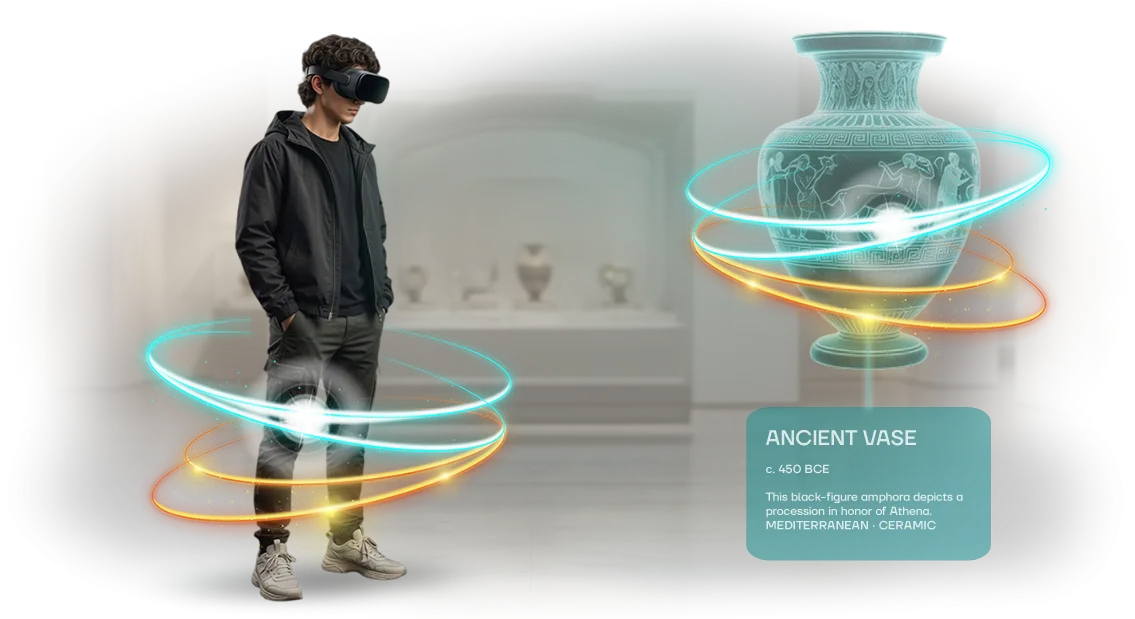
סיור וירטואלי מסיר את המגבלות הללו. הוא נותן לאורחים את ההזדמנות לחקור את המתחם לפני ביקורם, לחזור למוצגים האהובים לאחר מכן, ואפילו להשתתף בתערוכה מעיר אחרת.
זו אינה תחליף למרחב הפיזי אלא הרחבה דיגיטלית שלו: אתה מציג את כל מה שיש לך והופך את התערוכה לנגישה בכל זמן.
גישה זו מגבירה ישירות את מספר המבקרים בתערוכה — באמצעות קהלים מרוחקים, ביקורים חוזרים ומעורבות עמוקה יותר של כל אורח.
בילינו למעלה מעשור ביצירת סיורים וירטואליים ואולמות תצוגה תלת-ממדיים עבור מתחמי תערוכות. אנו עוזרים להפוך צפייה חד-פעמית לעניין קבוע ומבקרים לקהל נאמן שבוחר במקום שלך שוב ושוב.
5 יתרונות מרכזיים של סיור וירטואלי עבורך
המבקרים מצפים יותר ויותר מחוויית תערוכה חיה, לא רק דוכנים עם חוברות. סיור וירטואלי הופך ביקור חד-פעמי לערוץ תקשורת מתמשך עם הקהל שלך — הוא פועל גם במהלך האירוע וגם לאחר סיומו.
חמישה יתרונות מרכזיים עבור המתחם שלך:
- גידול במספר המבקרים. סיור מקוון נגיש לאנשים מערים ומדינות אחרות שאינם יכולים לנסוע אליך. אתה מרחיב את טווח ההגעה הגיאוגרפי שלך ומושך את אלה שלא יכלו להגיע פיזית.
- מעורבות קהל. נקודות חמות אינטראקטיביות וניווט תלת-ממדי מחזיקים את תשומת הלב 5–7 דקות יותר מאשר סיור רגיל. האורחים זוכרים את המוצגים טוב יותר ומוכנים יותר לשתף את התרשמותם ברשתות החברתיות.
- איסוף נתונים אנליטיים. המערכת מתעדת אילו אזורים נצפים בתדירות הגבוהה ביותר והיכן האורחים מתעכבים. אתה מקבל נתונים אובייקטיביים לתכנון תערוכות עתידיות.
- הכרת המותג. קל להטמיע סיור וירטואלי באתר ובמדיה החברתית שלך — הוא הופך לחלק מהשיווק שלך ומבדל אותך מהמתחרים.
- חיסכון בכוח אדם. מדריך אוטומטי מטפל בחלק מפניות המבקרים, ומאפשר לעובדים שלך להתמקד במשימות חשובות במקום לחזור על אותו מידע.
הטכנולוגיות שבהן אנו משתמשים לוטשו בעשרות פרויקטים. זה מבטיח ביצועים יציבים של הסיור בכל מכשיר ללא תקלות או עיכובים. אתה מקבל כלי מוכן שמוכיח את ערכו כבר בחודש הראשון לשימוש.
פורמטים של סיורי VR למתחם תערוכות
מתחם תערוכות עובד עם קהלים שונים: מבקרים פוטנציאליים חוקרים את האתר לפני הגעתם, שוכרים מחפשים דרכים להציג את הדוכנים שלהם ביעילות, ומארגני תוכניות עסקיות רוצים לערוך סיורים לקבוצות מרוחקות.
פורמט אחד שמתאים לכולם אינו קיים — סיור VR חייב לפתור משימה ספציפית, אחרת הוא נשאר רק וידאו יפה ללא תוצאות מדידות.
אנו עוזרים לך לבחור את הפורמט האופטימלי למטרה ולקהל שלך. הטבלה שלהלן משווה בין האפשרויות העיקריות המשמשות מתחמי תערוכות: מטרתן והערך העסקי שלהן.
| פורמט | למי מיועד | מה הוא מספק |
|---|---|---|
| סיור תלת-ממדי בכל האולמות | מבקרי אתר ומדיה חברתית שעדיין לא החליטו להגיע | שקיעה מלאה באווירת התערוכה לפני הביקור; גידול בפניות לכרטיסים ולהשכרת דוכנים |
| סיור VR עם הדרכה קולית | מארגני תוכניות עסקיות, מפעילי תיירות | יכולת לערוך סיורים לקבוצות מקוונות ללא נוכחות פיזית; חיסכון בזמן צוות |
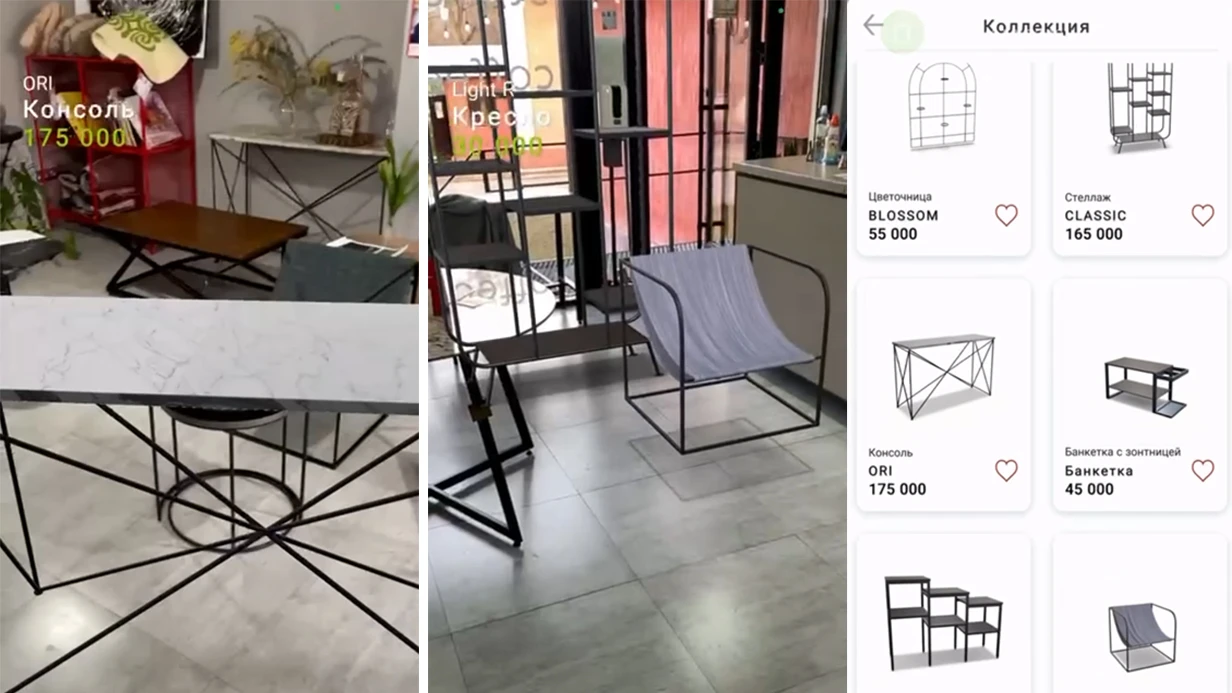
| אולם תצוגה וירטואלי של דוכנים בודדים | שוכרים ומציגים | כלי להצגת מוצרים ללקוחות מכל עיר; הארכת חיי התערוכה לאחר סגירתה |
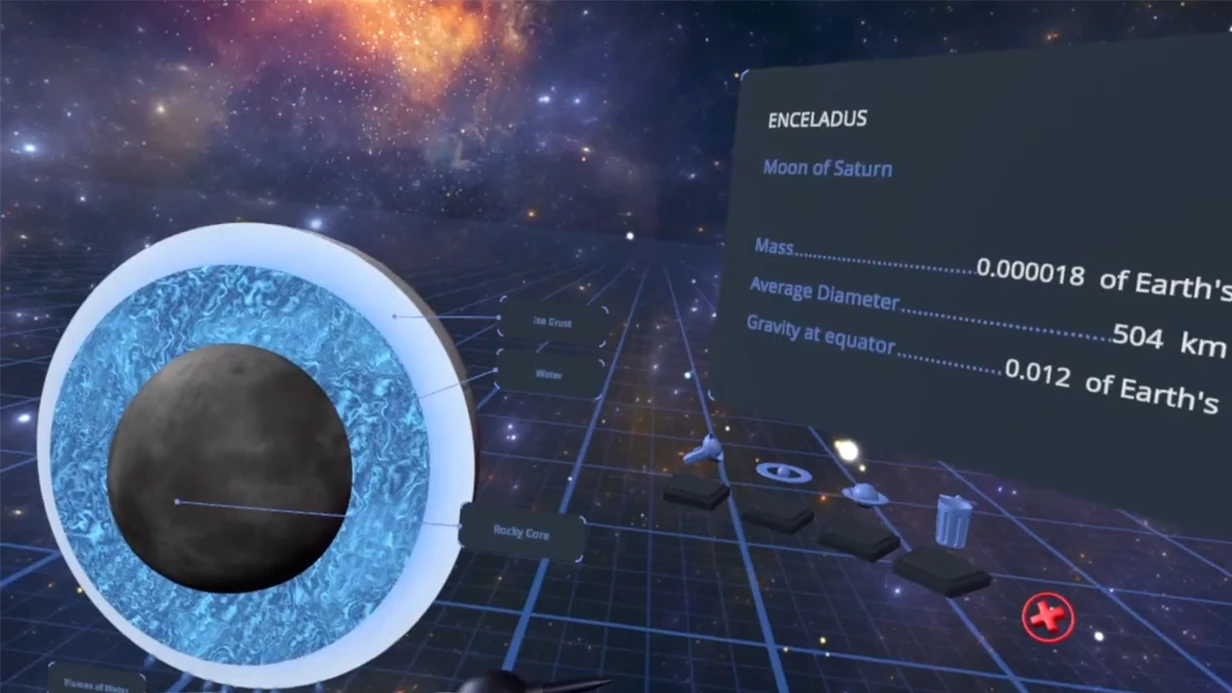
| פנורמה אינטראקטיבית עם נקודות עניין | מחלקת השיווק של המתחם | קטלוג של מוצגים ודוכנים עם גישה מהירה לפרטים; ניווט נוח לאורחים |
| סיור VR כללי לאירועי עיתונות | עיתונאים ובלוגרים | חומר מדיה מוכן לפרסומים; זווית חדשותית נוספת לעיתונות |
כיצד פועל פיתוח סיורי VR: 6 שלבים
בנינו את תהליך הפיתוח כך שתראה תוצאות בכל שלב ותבין מה קורה.
אין "קסם" ואין לוחות זמנים אטומים: רק שלבים ברורים, אישורים בנקודות מפתח, והשקה סופית שכבר מספקת ערך למתחם התערוכות שלך.
-
בריף סיור VR והתעמקות במשימה. אנו מתחילים בראיון קצר: אילו אזורים להציג, מי המבקר היעד, ואילו משימות הסיור צריך לפתור.
בהתבסס על הבריף, אנו קובעים את הפורמט, לוח הזמנים והתוצאה הצפויה — כך שאנו מתקדמים לעבר המטרה שלך מההתחלה ולא רק "עושים תלת-ממד."
-
תסריט ותוכנית הסיור. יחד איתך, אנו מגדירים את המסלול: מאזור הכניסה ועד למוצגים או דוכנים מרכזיים. אנו ממפים את היגיון התנועה, נקודות תשומת הלב והאלמנטים האינטראקטיביים — כך שהמבקר מקבל סיפור קוהרנטי ולא רק אוסף של פנורמות.
-
יצירת מודלים תלת-ממדיים והמרחב. אנו מביאים את האולמות, הדוכנים והאובייקטים שלך לפורמט דיגיטלי. זו יכולה להיות העתק מדויק של המתחם הקיים או אולם תצוגה וירטואלי לתערוכות עתידיות.
בשלב זה, אתה רואה גרסאות ביניים ויכול לבצע עריכות לפני שהכל מורכב למוצר אחיד.
-
הרכבת הסיור ואינטראקטיביות. אנו מחברים את האזורים המוכנים למסלול רציף, ומוסיפים ניווט, רמזים קופצים ומעברים בין אולמות. כאן אנו מחליטים כיצד המבקר יתקשר — בלחיצה, במבט או בשליטה במסך — ומכווננים את חוויית הממשק.
-
בדיקות במכשירים שונים. אנו מוודאים כיצד הסיור פועל במחשבים שולחניים, טאבלטים וסמארטפונים, ומבטלים פיגורים ורגעי מעבר מביכים.
אתה מקבל גרסה יציבה שלא תיכשל ברגע הקריטי ביותר — במהלך פתיחת תערוכה או ביקור משלחת.
-
השקה ותמיכה. אנו מפרסמים את הסיור באתר שלך או בלוח בקרה ייעודי, ומוסרים גישת ניהול והוראות לצוות שלך. לאחר ההשקה, אנו נשארים בקשר: מבצעים עריכות במהירות, עוזרים בעדכון תוכן ומוסיפים אזורים חדשים随着 התערוכה מתרחבת.
גישה זו מסירה את הסיכון הגדול ביותר של הלקוח — "לא ברור מה תהיה התוצאה ומתי." אתה תמיד יודע באיזה שלב נמצא הפרויקט ויכול להשפיע על התוצאה לפני ההשקה הסופית.
מה כלול במסירת סיור VR
אנו מספקים לא רק קבצים אלא כלי מוכן לשימוש. חבילת המסירה המלאה כוללת את כל מה שצריך כדי שמתחם התערוכות יתחיל לארח סיורים וירטואליים מהיום הראשון — ללא השקעות פיתוח נוספות או הגדרות ארוכות.
- סיור וירטואלי מוגמר — העתק תלת-ממדי מפורט של האולמות והמוצגים שלך. המבקרים יכולים לחקור את המרחב מרחוק דרך דפדפן או עם משקפי VR באתר.
- תוכנה — פלטפורמה מוגדרת להפעלת הסיור, ניהול סשנים ועדכון תוכן. אינך צריך להיכנס לפרטים טכניים — הכל עובד ישירות מהקופסה.
- חומרה — במידת הצורך, נבחר ונספק משקפי VR וציוד תומך. לחלופין, נתאים את הסיור לחומרה הקיימת שלך כדי שלא תשלם יותר מדי.
- הכשרת צוות — אנו עורכים הדרכה קצרה לעובדים שלך: כיצד להפעיל את הסיור, לסייע למבקרים ולטפל בשאלות נפוצות. בדרך כלל שעה אחת מספיקה כדי שהצוות שלך יעבוד בביטחון.
- תמיכה טכנית VR — אנו תומכים בפרויקט לאחר ההשקה: עונים על שאלות, עוזרים בעדכונים ופותרים כל בעיה טכנית במהירות. התמיכה כלולה בשנה הראשונה.
- תיעוד והוראות — מדריכים ונהלים תמציתיים לצוות כדי שיוכלו למצוא תשובות במהירות ללא פנייה אלינו.
- אינטגרציה עם האתר שלך — כאופציה, אנו מפרסמים את הסיור הווירטואלי באתר שלך כך שהמבקרים יוכלו "להסתובב" במתחם אפילו מהבית ולהתעניין בביקור פיזי.
כך, אתה מקבל פתרון מלא לחלוטין: תוכן, תוכנה, הכשרה ותמיכה. כל מה שנשאר לך הוא להשיק את הסיור ולהזמין מבקרים — כל השאר כבר מחושב עבורך.
התוצאה: +40% מבקרים לאחר השקת סיור VR
מתחם תערוכות גדול התמודד עם בעיה אופיינית: מבקרים סיירו רק באולמות הראשונים, ורק מעטים הגיעו למוצגים הרחוקים. מספר המבקרים הכולל ירד למרות שהתוכן היה מעניין — אנשים פשוט לא הבינו לאן להמשיך.
הצענו להשיק סיור VR שמציג את כל המרחב בבת אחת. במקום שלטים ומפות שטוחים — מדריך סוחף: האורח רואה את האולמות, בוחר מסלול ו"מציץ" לאזורים תמטיים עוד לפני הגעתו. עבור המתחם, זה הפך לנקודת הכניסה לתערוכה ולכלי הניווט העיקרי.
מקרה בוחן של סיור VR
בחודש הראשון לאחר ההשקה, המתחם ראה +40% יותר מבקרים. זמן השהייה הממוצע גדל משעה וחצי לשלוש שעות, ו-70% מהאורחים שלקחו את סיור ה-VR הגיעו לאולמות הרחוקים שהיו ריקים בעבר.
במהלך העונה, המתחם קיבל יותר מ-80,000 איש, וחלקם של הביקורים החוזרים הוכפל.
מנהל המתחם שיתף את הערכתו: "סיור ה-VR הפך לכלי המשיכה המרכזי שלנו. אורחים מגיעים בהמלצות ובוחרים את המסלול מראש — אנחנו רואים זאת בנתוני הכרטיסים. בהתחלה חשבנו שזה חידוש, אבל התברר שזו השקעה בתנועת מבקרים."
עבור הלקוח, זו לא רק טכנולוגיה אלא צמיחה מדידה במדדים מרכזיים: נוכחות גבוהה יותר, ביקורים ארוכים יותר, יותר הזמנות חוזרות. סיור VR כזה מספק ערך באמצעות מבקרים חדשים ועוזר למתחם התערוכות לתפוס עמדה מובילה באזורו.
כיצד לבחור את פורמט סיור ה-VR המתאים למטרותיך?
בחירת פורמט סיור VR אינה שאלה של טכנולוגיה אלא שאלה של המטרות של מתחם התערוכות שלך.
אין פתרון אוניברסלי: פרויקט אחד רק צריך וידאו 360° מרשים כדי למשוך מבקרים, בעוד אחר דורש סיור תלת-ממדי אינטראקטיבי עם יכולת מעבר בין ביתנים. הפורמט הנכון תמיד צומח מתוך המאפיינים של התערוכה, היקפה ומטרתה הסופית.
ראשית, קבע מי הקהל שלך ואיזו פעולה הוא צריך לבצע לאחר הצפייה. אם אתה רוצה שמבקרים עתידיים יתכננו את המסלול לפני הגעתם, מודל תלת-ממדי אינטראקטיבי עם ניווט הוא הבחירה הנכונה.
אם המטרה העיקרית שלך היא טווח הגעה ומודעות למותג, בחר סיור קצר שקל לשתף במדיה החברתית.
מנקודת מבט טכנית, בחירת פתרון VR תלויה במקום שבו הצופים יחוו את הסיור. עבור אתרים וקמפיינים בדוא"ל, אתה צריך טעינה מהירה בכל סמארטפון ובקרות אינטואיטיביות.
עבור אזור לא מקוון בתערוכה עצמה, משקפי VR הם הבחירה הנכונה — הם מספקים שקיעה מקסימלית אך דורשים מקום וכוח אדם.
המאפיינים של מתחם התערוכות משפיעים גם על בחירת הפורמט. עבור מקום גדול עם מספר קומות ועשרות מוצגים, סיור תלת-ממדי עם ניווט עובד הכי טוב — הוא חוסך זמן לאורחים ומפחית את עומס העבודה של הצוות.
עבור תערוכה זמנית קטנה, סקירה קלה שנפתחת במהירות בכל מכשיר ומשתלבת בקלות בתוכנית מספיקה.
שאלות נפוצות על הטמעת סיורי VR
לפני השקת סיור VR, לקוחות מודאגים משלושה דברים: אמינות הציוד, קלות השימוש לאורחים והחזר ההשקעה. נטפל בשאלות הנפוצות ביותר — ונראה כיצד אנו מפחיתים סיכונים אלה.
מה אם הציוד יתקלקל במהלך אירוע?
אנו משתמשים במשקפיים מקצועיים ובודקים אותם לפני כל אירוע. ערכת גיבוי ומהנדס נמצאים תמיד בשטח, כך שהחלפות אורכות דקות והאורחים לא שמים לב לכלום.
האם קשה למבקרים להשתמש ב-VR?
לא. התסריט מתוכנן למי שאין לו ניסיון קודם: הרכיבו את המשקפיים ועקבו אחר ההנחיות. אנו מוסיפים הדרכה קולית ורמזים אינטואיטיביים, והצוות שלך מאומן במפגש אחד.
מתי ההשקעה תשתלם?
סיור VR מושך מבקרים חדשים ונותן לרגילים סיבה לחזור. הוא מגדיל את זמן השהייה באתר, הופך להזדמנות צילום ורגע במדיה החברתית — ומרחיב את טווח ההגעה שלך ללא תקציב פרסום.
עם מיקום נכון בשטח המתחם, תנועת מבקרים וביקורים חוזרים מכסים במהירות את ההשקעה.
אנו יכולים לערוך סשן ניסיון במקום שלך כדי שתוכל להעריך את החוויה ואת התרשמות האורחים לפני קבלת החלטה סופית.מוכן לדון בפרויקט שלך? השאר בקשה
כל פרויקט תערוכה וירטואלית או אולם תצוגה תלת-ממדי מתחיל בשיחה על מטרות, לא במפרט טכני. השאר בקשה לסיור VR — זה לוקח רק כמה דקות.
נחזור אליך בזמן נוח, נבהיר את ההיקף, הפורמט ולוח הזמנים, ואז נציע פתרון שמתאים לתקציב שלך.
הייעוץ ללא התחייבות. תקבל נתונים קונקרטיים ותוכנית פעולה גם אם אתה רק בוחן פורמטים וירטואליים.
כדי שהשיחה תהיה פורייה, אנו חוקרים מראש את המאפיינים והקהל של מתחם התערוכות — כך שאנו דנים בערך לעסק שלך, לא בפרטים טכניים.
מה תקבל לאחר פנייה:
- התקשרות חוזרת תוך יום עסקים אחד — נדון במשימה שלך ונענה על שאלות על פורמטים ולוחות זמנים.
- ייעוץ ליצירת תערוכה וירטואלית: נייעץ איזו אפשרות מתאימה למטרותיך — פנורמות, אולם תצוגה תלת-ממדי או מדריך אינטראקטיבי.
- הערכת עלות פיתוח — אומדן שקוף ללא עמלות נסתרות או הפתעות. אתה יודע בדיוק על מה אתה משלם מראש.
- המלצות לטווח הגעה לקהל: היכן וכיצד להשתמש בסיור — באתר, במדיה החברתית, בקמפיינים בדוא"ל ובדוכני מידע.
- דוגמאות לפרויקטים דומים עבור מתחמי תערוכות — נראה מקרי בוחן ונסביר אילו אתגרים פתרנו.
- תוכנית יישום ראשונית: שלבים, לוח זמנים, הרכב צוות ונקודות בדיקה — כדי שתוכל לראות התקדמות לעבר התוצאה.
בסוף השיחה, תהיה לך הבנה ברורה כיצד סיור וירטואלי יחזק את מתחם התערוכות שלך: ירחיב את טווח ההגעה, יקצר את המרחק למבקרים ויעלה את מעמד המקום שלך. השאר הוא העבודה שלנו — מהפקה ועד השקה ותמיכה.
השאר בקשה, ונתחיל לחפש פתרון עבור המרחב שלך היום. מלא את הטופס למטה או התקשר אלינו — אנחנו תמיד זמינים.