

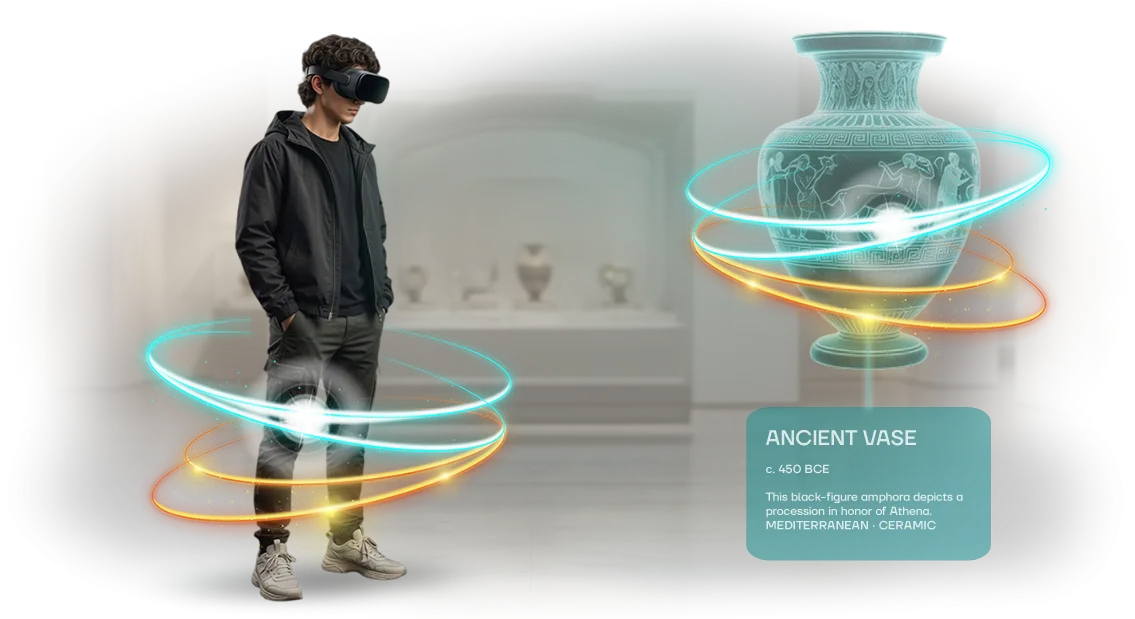
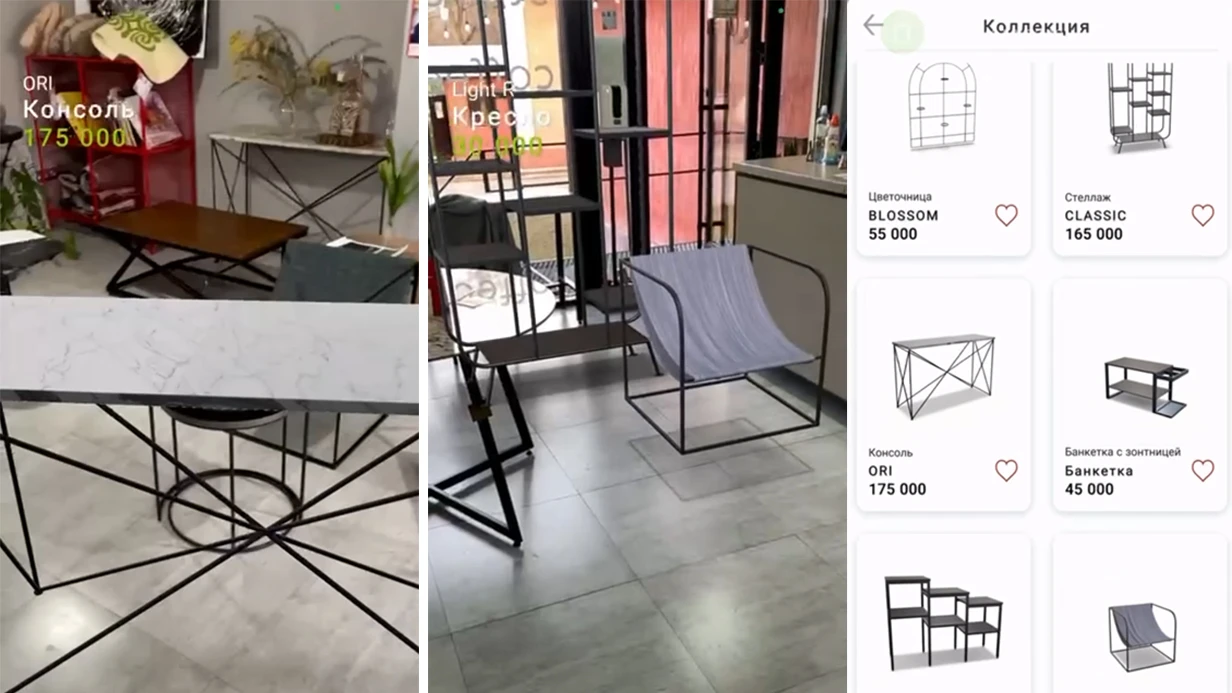
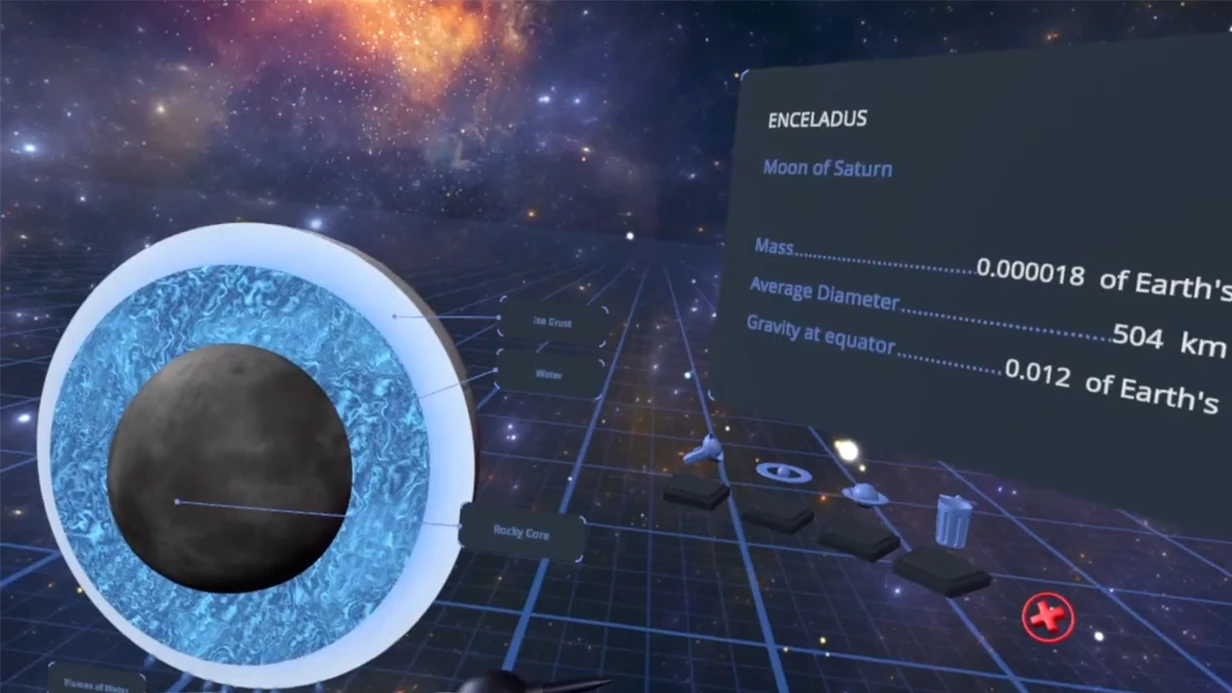
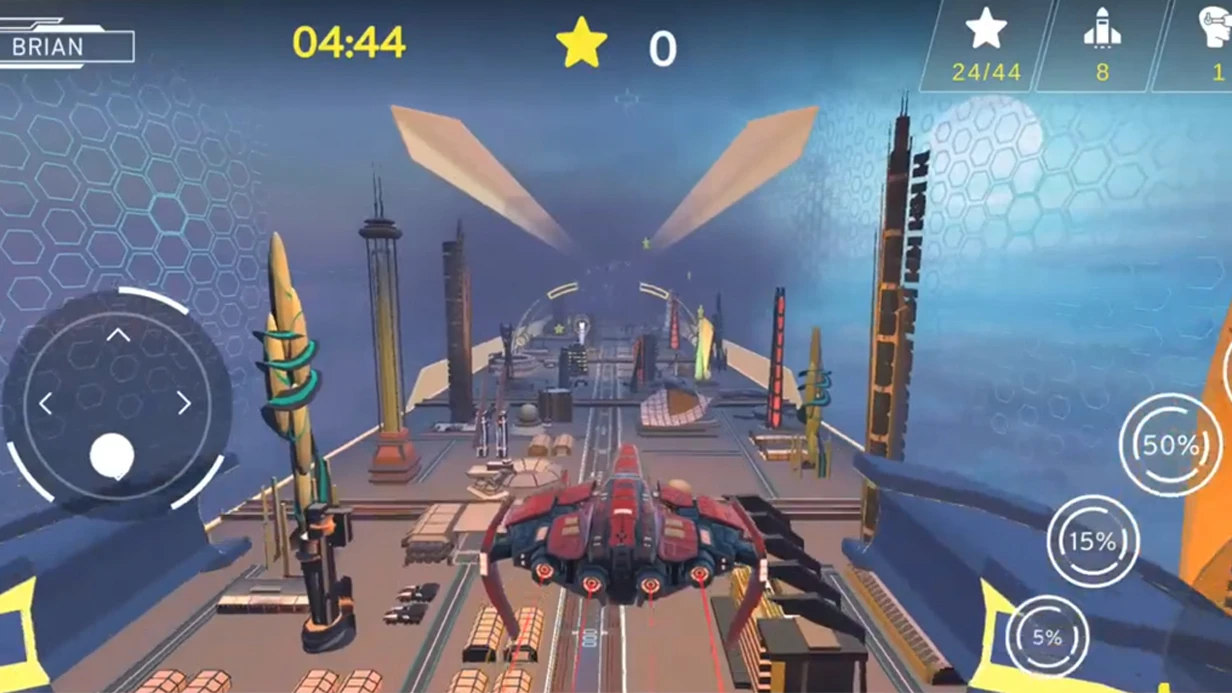
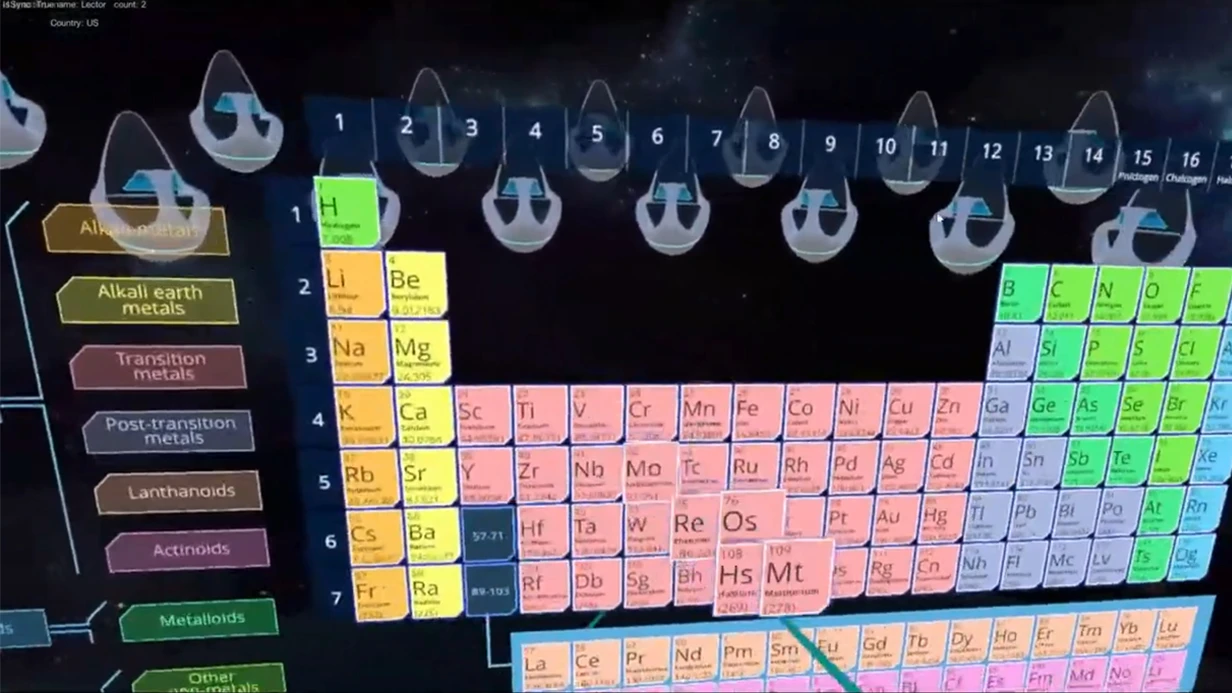


בלי אולם וירטואלי, אתם מאבדים אורחים ולידים
היום הקהל שלכם חי באינטרנט, ובכל זאת חברות עדיין מסתמכות רק על אולמות פיזיים ואירועים חד-פעמיים.
בלי תערוכה וירטואלית או אולם תצוגה תלת-ממדי, אתם מנתקים את כל מי שלא יכול לנסוע, לא מוכן לבזבז זמן על הדרך, או רגיל לחקור מוצר מכל מקום בעולם.
כתוצאה מכך, אתם מאבדים אורחים שיכלו להפוך ללקוחות, ולידים הולכים למתחרים שכבר בנו מרחב דיגיטלי נוח.
הבעיה היא לא רק טווח הגעה — הציפיות של הקהל עצמן משתנות. אנשים רוצים לראות מוצר בפירוט, להשוות אפשרויות, לחזור לצפייה בזמן נוח, ולקבל חוויה מרשימה בלי לצאת מהבית.
אם אין לכם אולם וירטואלי, אתם מאבדים תשומת לב עוד לפני שהאירוע המקוון מתחיל: קונה פוטנציאלי רואה שלמתחרה יש אולם תצוגה תלת-ממדי אינטראקטיבי ובוחר במתחרה הזה.
לקוחות אבודים נובעים מפרטים קטנים: מישהו מפספס את המצגת, מישהו שוכח מהאירוע, מישהו לא יכול להראות את המוצר לעמיתים. כל מקרה כזה הוא לא רק קשר שהוחמץ אלא גם הכנסה שאבדה.
חברות שבונות מרחב דיגיטלי בזמן הופכות אירוע חד-פעמי לנקודת מגע מתמשכת: התערוכה הווירטואלית עובדת מסביב לשעון ומושכת אורחים חדשים גם אחרי שהשידור מסתיים.
אנחנו עוזרים לסגור את הפער הזה — אנחנו מתכננים אולם וירטואלי שתופס תשומת לב, מוביל אורחים להגשת בקשה, ומספק תוצאות מדידות.
במקום אירועים מפוזרים, אתם מקבלים כלי שיטתי שמפחית אובדן קהל והופך אירוע מקוון למקור של לידים יציבים.
אילו יתרונות אירועים מקוונים מביאים לעסק
הפורמט המקוון מסיר את המגבלה המרכזית של אולמות פיזיים — הגאוגרפיה. אורחים מכל עיר או מדינה יכולים להשתתף: אין צורך לבזבז תקציב על נסיעות, השכרת אולם או לוגיסטיקה.
אתם מקבלים גישה לקהל שהיה בעבר מחוץ להישג יד ומרחיבים את טווח ההגעה בלי עלייה פרופורציונלית בעלויות.
מרחב וירטואלי עובד לא רק ביום האירוע. הקלטות של מפגשים, מוצגים ואזורי תקשורת נשארים זמינים ימים ושבועות אחרי שהאירוע מסתיים — מבקרים חוזרים, משתפים קישורים, ומשתמשים חדשים מגלים את המותג שלכם. זה הופך אירוע חד-פעמי לערוץ תקשורת ארוך טווח.
אינטראקטיביות היא יתרון נוסף שמשפיע ישירות על נאמנות. משתתפים יכולים לבחון מוצגים, לשוחח, לשאול שאלות למרצים, ולהשפיע על התכנית בזמן אמת.
מעורבות כזו נזכרת חזק יותר מאשר צפייה פסיבית בוובינר ומגדילה את הסבירות לביקור חוזר.
כל צעד שמבקר עושה במרחב הווירטואלי מתועד: מה הוא צפה, כמה זמן הוא בילה, באילו חומרים הוא התעניין.
הנתונים האלה מאפשרים לכם לפלח את הקהל, לזהות אנשי קשר חמים, ולהעביר למחלקת המכירות רק את אלה שגילו עניין אמיתי. יצירת לידים מפסיקה להיות משחק ניחושים — אתם רואים את המספרים ואת ההמרה של כל אלמנט.
לבסוף, אירוע מקוון מחזק את תדמית החברה שלכם כעסק מודרני וטכנולוגי. שותפים ולקוחות רואים שאתם משתמשים בפורמטים עדכניים, יודעים להפתיע, ולא חוששים להתנסות.
בסביבה תחרותית, זה הופך לחלק מהמוניטין שלכם ומשפיע על הבחירה לטובתכם.
פורמטים של אולמות וירטואליים למשימה שלכם
הפורמט של האולם קובע איך אורחים מתקשרים עם המותג והתוכן שלכם. אנחנו מתאימים אותו למטרות שלכם: להציג מוצרים חדשים, לאסוף בקשות, או לאחד קהלים פיזיים ומקוונים. להלן שלושת הפורמטים המרכזיים של אולמות וירטואליים שמכסים את רוב המשימות.
תערוכה וירטואלית, אולם תצוגה תלת-ממדי, או היברידי?
| פורמט | למי | מה הוא נותן ללקוח |
|---|---|---|
| תערוכה וירטואלית | חברות שרוצות לקיים אירוע רחב היקף בלי השכרה ולוגיסטיקה | דוכנים, מצגות ומשא ומתן במרחב אחד; אורחים מערים ומדינות שונות בלי נסיעות |
| אולם תצוגה תלת-ממדי | יצרנים ומפיצים עם מגוון מוצרים רחב | הדגמה ויזואלית של מוצרים בסביבה ריאליסטית; הלקוח "מסתובב" באולמות ורואה מיד מפרטים — קל יותר לקבל החלטת רכישה |
| אירוע היברידי | מארגנים עם אולם פיזי שכבר מתוכנן | אורחים פיזיים מקבלים את האווירה המוכרת; משתתפים מקוונים מקבלים נוכחות מלאה: שידורים, צ'אטים, דוכנים וירטואליים; טווח ההגעה מוכפל |
אנחנו מתאימים כל פורמט לזהות המותג שלכם: הסגנון הארגוני, הניווט ותסריט האירוע נשארים בשליטתכם. אורחים מצטרפים מכל מכשיר בלי להתקין תוכנות נוספות — חסם ההשתתפות מינימלי.
אחרי ההשקה, אתם מקבלים לא רק את האולם אלא גם נתונים על התנהגות מבקרים: כמה זמן הם בילו, אילו דוכנים הם צפו, לאילו חומרים הם הגיבו. זה הופך אירוע מפעילות חד-פעמית למקור של בקשות ואנליטיקה למחלקת המכירות.
איך הפרויקט עובד: שלבים ובקרה
כדי שלעולם לא תצטרכו לתהות באיזה שלב הפרויקט נמצא או מתי יופיעו תוצאות, מבננו את העבודה שלנו לשלבים שקופים. אין "קופסאות שחורות": אתם תמיד יודעים מה קורה, מה מוכן, ומה מגיע בהמשך.
בכל שלב, אתם מקבלים דוח ברור ורואים את האולם הווירטואלי שלכם הופך לכלי עבור הלקוחות שלכם.
- בריף ומטרות — אנחנו מגדירים את היעדים, קהל היעד ופורמט התערוכה. אתם מספרים לנו על העסק שלכם, ואנחנו מתרגמים את זה לדרישות קונקרטיות למרחב.
- תכנית ואישור — אנחנו מכינים תכנית עבודה מפורטת, לוח זמנים ומבנה צוות. אתם מאשרים אותה לפני שפיתוח מתחיל — בלי הפתעות בתקציב או בזמן.
- עיצוב המרחב — אנחנו מתכננים את מבנה התערוכה, הניווט ותסריטי המבקרים. אתם רואים איך מבקר ינוע, אילו אזורים להדגיש, ואיפה למקם חומרי מפתח.
- פיתוח ותוכן — אנחנו בונים את אולם התצוגה התלת-ממדי, מעלים את החומרים שלכם ומגדירים אינטראקטיביות. בשלב הזה, אתם מקבלים גרסאות ביניים ויכולים לבצע שינויים.
- בדיקות ותיקונים — אנחנו בודקים את האולם במכשירים שונים ומוודאים שהכל עובד בצורה אמינה. אתם מקבלים קישור מוכן לסקירה סופית.
- השקה ומסירה — אנחנו מפרסמים את האולם, מאמנים את הצוות שלכם לנהל אותו, ומוסרים גישה. הפרויקט מתחיל לעבוד לטובתכם.
- תמיכה לאחר השקה — אנחנו נשארים בקשר: עוזרים בעדכונים, מוסיפים חומרים חדשים ומבצעים התאמות כשהעסק שלכם גדל.
הרצף הזה מבטל כאוס ואי-הבנות. אתם שולטים בתהליך, ואנחנו מטפלים בכל העבודה הטכנית — אתם רק מקבלים החלטות ורואים את התערוכה הווירטואלית שלכם מושכת תשומת לב ומספקת תוצאות.
התוצאה הסופית: מה כלול
אתם מקבלים לא שירות מופשט אלא מרחב אירועים וירטואלי מוכן שעובד מיד אחרי המסירה. אנחנו מטפלים בהגדרות, בעיצוב ובצד הטכני; אתם מטפלים בניהול ובתוצאות. להלן היקף המסירה שתראו בחוזה.
-
אולם וירטואלי מוכן — מרחב עם אולמות, דוכנים ואזור שידור, מותאם למשימה שלכם. אורחים נכנסים דרך קישור ולא מבזבזים זמן על התקנת תוכנות או הבנת הגדרות.
-
ניהול והגדרות — אנחנו מגדירים גישה, תפקידי משתתפים ולוח זמנים, ודואגים לשגרה הטכנית. כל מה שאתם צריכים לעשות זה לפתוח את האירוע ולקבל אורחים.
-
הכשרת צוות — סדנה מעשית קצרה למארגנים ומנחים: ניהול שידורים חיים, ניהול צ'אטים, ניווט באזורים פרטיים. הצוות שלכם עובד בביטחון מהיום הראשון, בלי תקופת הסתגלות ארוכה.
-
תמיכה והבטחת זמינות — תמיכה טכנית בהשקה ובימי האירוע. אם למשתתף יש שאלות או קשיים, הצוות שלנו נמצא בקרבת מקום — האירוע לא ייכשל.
-
אנליטיקה ודוחות — אחרי האירוע, אתם מקבלים נתונים ברורים: מספר מבקרים, פופולריות של אולמות ודוכנים, זמן ממוצע באולם. המספרים האלה מראים החזר השקעה ועוזרים לתכנן את האירוע הבא על סמך עניין אמיתי.
כל האלמנטים הם חלק מהזמנה אחת, בלי עמלות נסתרות או אישורים נוספים. אתם יודעים מראש מה השירות כולל ומקבלים את התוצאה כמוצר מוגמר, לא כאוסף של פרטים טכניים.
אנחנו לוקחים אחריות על כך שהאולם מספק את התוצאה הצפויה: טווח הגעה, משתתפים מרוצים והזמנות חוזרות.
מקרה בוחן: איך הגדלנו טווח הגעה והמרה
עבור סוכנות הרכב "מרידיאן", יצרנו מרחב וירטואלי שהחליף את אולם התצוגה הפיזי עבור לקוחות מערים אחרות. בעבר, טווח ההגעה היה מוגבל למבקרי הסוכנות — כ-5,000 איש בחודש.
ההנהלה רצתה להציג דגמים חדשים לקהל רחב בלי לפתוח מיקומים נוספים ותוך שמירה על האווירה של אולם תצוגה אמיתי.
פיתחנו אולם תצוגה תלת-ממדי שבו כל מבקר יכול לבחון מכונית מכל הזוויות — מהחוץ ועד פרטי הפנים — לשנות את הצבע ורמת הגימור, ואז מיד להגיש בקשה לנסיעת מבחן או לשיחת חוזר.
לא נדרשו הורדות כדי להשתתף: אורחים נכנסו דרך קישור מכל מכשיר, כך שעניין לא אבד בגלל שעות פתיחה של אולם התצוגה.
בחודש הראשון, אולם התצוגה הווירטואלי משך יותר מ-40,000 מבקרים ייחודיים — עלייה של פי 8 בטווח ההגעה. ההמרה לבקשות עלתה מ-2.5% ל-7%, והרכישה הממוצעת נשארה ברמה של אולם התצוגה הפיזי.
ראינו גם שלקוחות מאזורים מרוחקים התעניינו יותר בדגמים שבעבר לא היו זמינים לבדיקה "פנים אל פנים".
חודשיים לאחר מכן, הסוכנות הזמינה מודול למצגות מקוונות של דגמים חדשים — מה שאישר שהפתרון סיפק ערך מדיד וממשיך להניע מכירות.
ראינו בעצמנו: מרחבים וירטואליים נותנים לעסקים לא רק טווח הגעה אלא גם המרה דומה לפגישות פיזיות.
איך לבחור את הפורמט המתאים לאירוע שלכם?
בחירת הפורמט הנכון מתחילה לא באפשרויות טכניות אלא במטרת האירוע. חשוב להבין מה אתם רוצים להשיג: טווח הגעה ואפקט מותג, מכירות ישירות, או אינטראקציה חיה בין משתתפים.
זה קובע אם אתם צריכים אולם וירטואלי רחב היקף עם אולמות תלת-ממדיים או סטודיו וובינר קומפקטי.
קבלן מנוסה תמיד שואל את השאלות האלה לפני שמתחיל לעבוד — ורק אז מציע פתרון שפותר את הבעיה העסקית ולא רק נראה מרשים.
הקריטריון השני הוא תקציב וזמן הכנה. להצגת מוצר חד-יומית, מספיק פורמט קל שניתן להפעיל תוך כמה ימים.
לתערוכה גדולה שנמשכת כמה שבועות, הגיוני להשקיע באולם תצוגה תלת-ממדי מפורט: הוא נשאר רלוונטי יותר זמן ומחזיר את ההשקעה דרך ביקורים חוזרים.
במקביל, האפשרות היקרה ביותר לא תמיד נותנת את התוצאה הטובה ביותר — מה שחשוב יותר הוא התאמת הפורמט לציפיות האורחים.
הקהל שלכם מכתיב את הדרישות. בדקו כמה הלקוחות שלכם מוכנים ללמוד דברים חדשים: אם הם משתמשים צעירים וטכנולוגיים, הם יעריכו אזורים אינטראקטיביים וגיימיפיקציה.
אם הקהל רחב ומגוון, עדיף לבחור ממשק פשוט ואינטואיטיבי שבו הכניסה לאירוע אורכת פחות מדקה. נוחות האורח משפיעה ישירות על זמן השהייה, מספר אנשי הקשר, ובסופו של דבר על החזר ההשקעה.
עוד עצה מעשית: בדקו את האולם לפני ההשקה, רצוי עם תרחישים אמיתיים — איך מבקר נרשם, נע בין אולמות, מתקשר עם נציגי דוכנים.
קבלן טוב מציג לא רק מצגת אלא גם איך המערכת מתנהגת תחת עומס, ומסביר איך תמיכה טכנית תהיה מאורגנת במהלך האירוע. אמינות חשובה יותר ממספר אפקטים ויזואליים, כי תקלה משמעותה לקוחות אבודים.
הבחירה הסופית צריכה להיעשות יחד עם צוות שכבר ניהל עשרות אירועים. אנחנו עוזרים לכם לבחור פורמט מתאים למשימה ולתקציב שלכם, מציגים דוגמאות, ותומכים בכם מהבריף ועד אנליטיקה לאחר השקה.
כתוצאה מכך, אתם מקבלים מרחב אירועים וירטואלי שעובד עבור המדדים שלכם ולא רק עושה רושם.
שאלות נפוצות וחששות של לקוחות
לפני שמזמינים תערוכה וירטואלית, לכל מנהל יש ספקות דומים: האם קשה ליישם, האם זה יפרוץ את התקציב, מה אם האולם ייכשל ברגע קריטי, והאם מבקרים בכלל יגיעו? אנחנו עונים ישירות ולעניין.
כמה קשה זה לצוות שלנו?
אנחנו מטפלים בכל העבודה הטכנית: מפיתוח המרחב ועד השקה ותמיכה. אתם רק צריכים לספק חומרים על המוצרים שלכם. הפרויקט בדרך כלל מושק תוך 2–4 שבועות.
כמה זה עולה והאם יהיו עמלות נסתרות?
העלות תלויה במספר המוצגים, הפונקציונליות ותסריטי האינטראקציה. אחרי סיכום הפרטים, אנחנו נותנים מחיר קבוע ולא משנים אותו במהלך התהליך. אתם יכולים להתחיל בפורמט קומפקטי ולהרחיב את האולם אחרי האירועים הראשונים.
מה אם האולם לא יעמוד בעומס או יתקלקל?
ארכיטקטורת השרת מתוכננת לתמוך במאות אורחים בו-זמנית. אחרי ההשקה, אנחנו עוקבים אחר הביצועים ומתקנים תקלות במהירות. החוזה מגדיר זמני תגובה ותחומי אחריות — לא תצטרכו לפתור בעיות טכניות לבד.
איך נמשוך מבקרים לאולם הווירטואלי?
הפלטפורמה יוצרת אפקט של אירוע חי: אורחים נעים בחופשיות, מתקשרים בצ'אטים ומשאירים פרטי קשר. הקישור מתפשט בקלות דרך דוא"ל, מדיה חברתית והאתר שלכם, בעוד אנליטיקה מראה פעילות אמיתית. אתם מקבלים כלי עבודה להגעה לקהל ואיסוף בקשות.
ספקות נפתרים כשכל שלב שקוף ומתועד בחוזה. אנחנו אחראים לתוצאות ונשארים זמינים אחרי ההשקה.מוכנים לדון בפרויקט שלכם? בואו נתחיל היום
כל תערוכה וירטואלית או אולם תצוגה תלת-ממדי מתחיל בשאלה, "איך זה יעבוד?" אתם רוצים להציג מוצר, לאסוף אורחים ולקבל תוצאות מדידות — אנחנו הופכים את המטרות האלה לתכנית פעולה קונקרטית בשיחה אחת.
נדון בפורמט, בקהל, בלוח הזמנים, נבין מה חשוב לכם, ונציע פתרון שלא ידרוש עבודה חוזרת.
במקום אישורים ארוכים — לוח זמנים שקוף של שישה שלבים. אתם רואים איפה הפרויקט עומד, מה הוא עולה, ומתי הוא יושק.
- בקשה — אתם משאירים פרטי קשר, אנחנו חוזרים אליכם תוך יום עסקים אחד, ומבהירים את המשימות כדי להבין את ההיקף מיד.
- ייעוץ — אנחנו צוללים לתרחיש שלכם: מספר אורחים, מבנה דוכנים, פעילויות מפתח ודרכים למדידת הצלחה.
- חישוב עלות — אנחנו קובעים אומדן בלי עמלות נסתרות ושולחים הצעה מסחרית עם מספרים ולוחות זמנים קונקרטיים.
- אב-טיפוס של המרחב — אנחנו יוצרים את הפריסה והלוגיקה של התנועה, מראים איך כל אזור דוכן ייראה, ומבצעים שינויים לפני שההרכבה מתחילה.
- בנייה והגדרות — אנחנו ממלאים את האולם בתוכן שלכם, מחברים רישום, וידאו, צ'אטים ואנליטיקה שתראה נוכחות בכל דוכן.
- השקה ותמיכה — אנחנו עושים ריצת בדיקה, מתקנים בעיות, משיקים את האירוע ונשארים זמינים לכל משך הזמן.
שלחו בקשה — נשלח לכם הצעה מסחרית ונציע זמן לייעוץ. בואו נתחיל היום כדי שתוכלו להשיק את הפרויקט עד התאריך היעד שלכם. נחשב את העלות ונייעץ לכם על הדרך המהירה ביותר להשיג את המטרה שלכם.