



כתבי יד אוספים אבק בארכיונים? מציג תלת-ממד לכתבי יד יחיה את העניין בהם
כתבי יד הם עדים חיים להיסטוריה, אך עבור רוב המבקרים הם נותרים בלתי נגישים. ויטרינות זכוכית מציגות עמוד בודד, חדרי אחסון מסתירים את השאר, ובמהלך השנים העניין באוסף דועך.
המוזיאון עומד בפני פרדוקס: חומר ייחודי קיים, אך הוא אינו פועל למשיכת קהל או להבאת הכרה.
דיגיטציה פשוטה אינה פותרת את הבעיה. צילומים שטוחים וסריקות אינם מצליחים להעביר את מרקם הכריכה, את עובי הדפים, את סימני הזמן — את כל מה שבגללו חוקר נוסע אלפי קילומטרים.
עבור מבקר רגיל, עותק כזה אינו שונה מתמונה בתוצאות חיפוש, ולא נוצר קשר רגשי עם המונומנט.
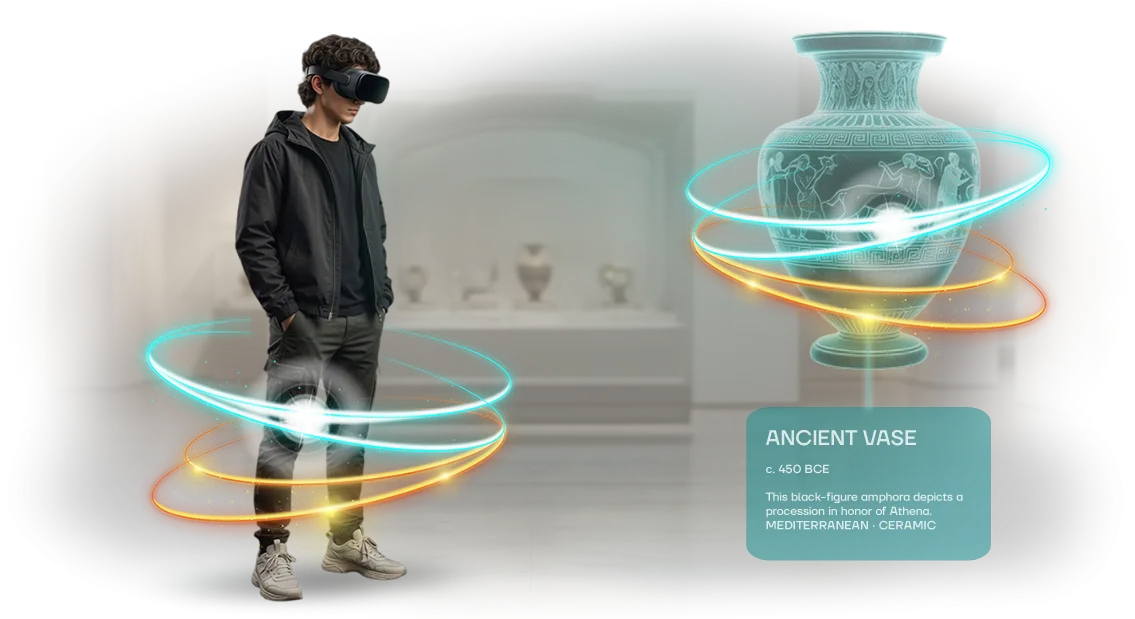
מציג תלת-ממד לכתבי יד הופך ארכיונים לתערוכה וירטואלית חיה. המשתמש דפדף בין דפים, מתקרב לפרטים, בוחן את כתב היד מזוויות שונות — כאילו הוא מחזיק אותו בידיו.
זה עובד על מחשבים, טאבלטים וסמארטפונים, כך שהאוסף פתוח לקהלים בכל מקום בעולם: סטודנטים, חוקרים, תלמידי בית ספר ופשוט סקרנים.
עבור המוזיאון, פורמט דיגיטלי זה אינו "תמונה לגלריה" אלא כלי לקידום ומעורבות מבקרים. תערוכת כתבי יד וירטואלית מגדילה את טווח ההגעה, נותנת למבקרים סיבה לחזור לאתר, ומסייעת ביצירת תערוכות זמניות ותוכניות חינוכיות. האוסף מפסיק לאסוף אבק ומתחיל לעבוד למען המוניטין של המוסד.
אנו מעצבים את מציג התלת-ממד כך שיתאים לצרכים של ארכיון ספציפי ומטמיעים אותו באתר שלכם ללא התקנה מסובכת. כל שנותר הוא לבחור את כתבי היד הראשונים — אנו נטפל בשאר.
מה תקבלו: עניין מוגבר והכרה לאוספים
מציג תלת-ממד וירטואלי הופך אוסף כתבי יד סגור לתערוכה פתוחה. חוקרים, סטודנטים ומבקרים לומדים כל עמוד בפירוט מבלי לצאת מהבית — משמעות הדבר היא נוכחות והכרה רבה יותר לאוסף.
התערוכה המקוונת פועלת מסביב לשעון ואינה מכירה גבולות. אתם מושכים אורחים מערים ומדינות אחרות שלא הייתה להם גישה למקוריים בעבר. זה מרחיב את הקהל שלכם ובונה עניין מתמשך בכתבי היד שלכם.
הפורמט התלת-ממדי מגן על המקוריים: כתבי היד נשארים באחסון, ללא צורך להזיז או לבטח אותם. אתם מפחיתים עלויות לוגיסטיקה תוך שמירה על המורשת התרבותית במצב מושלם.
כאשר חוקרים מצטטים את החומרים שלכם, העניין באוסף גדל. התערוכה הווירטואלית מספקת קישורים המופיעים במאמרים אקדמיים ובקטלוגים, ומחזקת את המוניטין של האוסף שלכם בקהילה המקצועית.
אתם מקבלים כלי נוח לכל משימה: תערוכות מקוונות נושאיות, תוכניות חינוכיות, מצגות לשותפים. אין צורך לחכות לחלל תצוגה — קישור אחד מספיק כדי להראות את כתב היד לעולם.
פורמטים של תערוכות תלת-ממד לכתבי יד ואוספים ארכיוניים
לא ניתן להראות כתבי יד לכולם באופן אישי: המקוריים שבירים ודורשים תנאי אחסון מיוחדים וביטוח. ובכל זאת, דווקא המגע החזותי עם החומר בונה אמון ועניין.
לכן, פורמט התערוכה הדיגיטלית חייב להתאים למשימה הספציפית — משיכת קהל רחב, עריכת מצגת מדעית או שילוב כתב יד בתרחיש חינוכי.
פורמטי תערוכה מרכזיים
| פורמט | למי | מה הוא נותן ללקוח |
|---|---|---|
| סיור תערוכה וירטואלי | מוזיאונים, ארכיונים, ספריות למבקרים מקוונים | המבקר "עובר" בתערוכה ללא ביקור פיזי — זה מרחיב את טווח ההגעה ומחזיק תשומת לב באתר פי 2–3 יותר מאשר עמוד רגיל עם תמונות |
| חדר תצוגה תלת-ממדי | אספנים, צוות מחקר, משקיעים, נאמנים | ניתן לסובב את כתב היד, לבחון את הכריכה והמרקם מקרוב — יצירת תחושת נוכחות אישית הבונה אמון ומצדיקה את ערך האוסף |
| עמוד כתב יד אינטראקטיבי | פרויקטים חינוכיים, קטלוגים, פרסומים תקשורתיים | כל דף נפתח עם הגדלה והערות — החומר קל ללימוד, לשיתוף באמצעות קישור ולהטמעה בקורסים |
סיור וירטואלי עובד הכי טוב כשצריך להציג אוסף שלם; חדר תצוגה תלת-ממדי כשהאובייקט ומצבו הם החשובים ביותר; ועמוד אינטראקטיבי כשהמוקד הוא מסמך בודד עם סיפור.
קל לשלב בין הפורמטים: למשל, להתחיל סיור ובנקודת מפתח לפתוח את העמוד האינטראקטיבי של כתב יד ספציפי.
אנו בוחרים את הפורמט על סמך המטרה והקהל שלכם, לא על סמך "טכנולוגיה נחמדה". המהנדסים שלנו יבנו את התערוכה כך שתעבוד על כל מכשיר ללא התקנת תוכנה — המבקרים צריכים רק דפדפן.
איך הפרויקט מתנהל: מסריקה לפרסום
בנינו את התהליך כך שתראו תוצאות בכל שלב ותוכלו להשפיע על התמונה הסופית. אינכם צריכים להבין בטכנולוגיה — אנו מטפלים בכל ההיבטים הטכניים, מסריקת מסמכים ועד פרסום התערוכה המוגמרת.
- בריף והתעמקות באוסף. אנו לומדים את כתבי היד, הארכיון או המוצגים שלכם, מבהירים את מטרת התצוגה, קהל היעד ותרחישי השימוש. התוצאה היא מפרט טכני עם לוחות זמנים ועלות ברורים.
- תוכנית פרויקט ואב-טיפוס ממשק. אנו מתכננים את מבנה התערוכה: כיצד המבקרים ינווטו, ידפדפו בין דפים, יפתחו תיאורים ויתקרבו לפרטים. אנו מאשרים את אב-הטיפוס איתכם לפני תחילת העבודה.
- סריקת מסמכים. אנו דיגיטציה בקפידה את המקוריים לפי כללי האחסון שלכם. אנו משתמשים בציוד מקצועי ללכידת צבע, מרקם נייר ופרטים עדינים ללא אובדן איכות.
- יצירת מודל תלת-ממדי. מהתמונות המתקבלות, אנו בונים מודל תלת-ממדי של כתב היד: כריכה, דפים, עיקולים. המבקרים יוכלו "לדפדף" בספר, להתקרב לאלמנטים בודדים ולבחון אותם מכל זווית.
- עיצוב חלון ראווה ופיתוח ממשק. אנו בונים את העמוד כך שיטען במהירות על כל מכשיר — מטלפון ועד מסך מוזיאון גדול. אנו מגדירים ניווט, חיפוש וכתוביות שתוכלו לשנות בעצמכם לאחר ההשקה.
- השקת התערוכה. אנו מפרסמים את הפרויקט בדומיין שלכם או מספקים קישור מוכן להטמעה. אנו בודקים ביצועים על כל הדפדפנים והמכשירים הפופולריים ומכשירים את הצוות שלכם לפעולות פשוטות — עריכת תיאורים והוספת מוצגים חדשים.
- תמיכה וצמיחה. אנו נשארים בקשר לאחר מסירת הפרויקט: מסייעים בעדכונים, חידודים ותמיכה טכנית. ככל שהאוסף גדל, אנו מוסיפים כתבי יד וסעיפים חדשים ללא עיבוד מחדש של כל המבנה.
רצף זה מסיר אי-ודאות: אתם מקבלים תוצאה צפויה בזמן, לא "תהליך יצירתי" עם תוצאה לא ברורה. לכל שלב יש נקודת ביקורת שבה אתם מאשרים את העבודה — ורק לאחר אישורכם אנו ממשיכים הלאה.
מה כלול: ערכה מלאה להשקת התערוכה שלכם
אתם מקבלים לא רק קבצי מקור אלא מציג תלת-ממד מוכן לשימוש עם כל מה שצריך להשקה. החבילה כוללת ממשק מוגדר, מודלים אופטימליים של מוצגים והכשרת צוות — כל שעליכם לעשות הוא לפתוח את התערוכה הווירטואלית ולהזמין מבקרים.
- מודלים תלת-ממדיים מוכנים לשימוש. המוצגים מותאמים לטעינה מהירה בדפדפן, תוך שמירה על הפירוט החיוני ללימוד דפים והערות.
- ממשק המציג. ניווט באולמות, התקרבות לפרטים, טקסטים נלווים וכתוביות — הכל מוגדר לתערוכה שלכם ועובד ללא התקנה נוספת.
- לוח ניהול. שנו תיאורים, הוסיפו מוצגים חדשים ועדכנו חומרי תערוכה בעצמכם — ללא מעורבות מפתחים.
- תיעוד פרויקט. הוראות ברורות: מבנה המערכת, שלבי פריסה, העברה לשרת שלכם וחיבור דומיין.
- הנחיות תוכן. תיאור כיצד להכין תמונות, טקסטים ומטא-דאטה לכתבי יד חדשים כדי שתוכלו להרחיב את התערוכה בעצמכם.
- הכשרת צוות. מפגש מעשי שלאחריו העובדים שלכם משתמשים בביטחון בלוח הניהול ועונים על שאלות מבקרים.
- תמיכת השקה. אנו מסייעים בהתקנת הערכה, העלאת המוצגים הראשונים ופתרון כל בעיה בשבועות הראשונים של התערוכה.
כל הערכה נמסרת במסגרת לוח הזמנים המוסכם עם רשימת בדיקת קבלה. אתם מקבלים מוצר עובד, לא "חומר גלם" לפיתוח — ואתם יכולים להתמקד בתוכן התערוכה ולא בפרטים טכניים.
מקרה בוחן: כיצד כתב יד מהספרייה הבריטית הגיע ל-50,000 צפיות
כתבי יד נראים בדרך כלל רק על ידי קומץ חוקרים: המקור שמור באוסף סגור, ועותקים דיגיטליים בצורת תצלומים אינם מעבירים לא מרקם ולא קנה מידה.
עבור הספרייה הבריטית, יצרנו מציג תלת-ממד אינטראקטיבי שפתח גישה למסמך עבור כל העולם — ללא סיכון למקור.
העותק הווירטואלי מאפשר למשתמשים לדפדף בין דפים, להתקרב לאלמנטים וללמוד פרטים שנראו בעבר רק לאוצרים. זה הפך מוצג ארכיוני למוצר דיגיטלי מלא: תוך מספר חודשים, כתב היד זכה ל-50,000 צפיות ממדינות שונות.
הקהל כלל לא רק חוקרים אלא גם סטודנטים, עיתונאים, אנשי מוזיאון ופשוט חובבי היסטוריה.
מה הפורמט הזה נתן למוזיאון
התוצאה המרכזית הייתה הכרה בינלאומית. כתב היד הפך לאירוע בולט בתחום המקצועי: בלוגי מחקר ופרסומים אקדמיים ציטטו אותו, ואזכורים במדיה החברתית הביאו תנועה נוספת לאתר הספרייה.
עבור המוסד, משמעות הדבר היא טווח הגעה רחב יותר ללא הרחבת צוות או תקציב פרסום. מוצג דיגיטלי מוצלח אחד עובד כמו תערוכה קבועה — 24/7, ללא תורים או הגבלות זמן.
לאחר הצלחת הפרויקט הראשון, הספרייה הזמינה מאיתנו מספר תערוכות וירטואליות נוספות.
הזמנה חוזרת היא המדד הטוב ביותר לכך שמציג התלת-ממד פותר בעיות אמיתיות: הוא משמר מורשת, הופך אותה לנגישה ומעלה את סמכות הארגון בקהילה הבינלאומית.
כיצד לבחור פורמט לכתבי יד נדירים?
בחירת פורמט לכתבי יד נדירים היא תמיד פשרה בין מה שאתם רוצים להראות לבין כמה משאבים אתם מוכנים להשקיע. אין תשובה נכונה אחת: מה שעובד מצוין לאוסף קטן עם פנינה אחת הולך לאיבוד בהצגת מאות דפים.
המשימה שלנו היא לעזור לכם למצוא פתרון שחושף את ערך האוסף ללא עלויות מיותרות.
ראשית, אנו מסתכלים על כתבי היד עצמם: כמה הם שבירים, האם יש אלמנטים מורכבים — מיניאטורות, הערות שוליים, מבנה רב-שכבתי.
אם הפרטים הקטנים ביותר חשובים, גלריית תמונות רגילה אינה מספיקה; אתם צריכים מציג עם זום חלק ויכולת השוואת פרטים. עבור אוספים גדולים ומגוונים, יש צורך במבנה מודולרי כדי שמבקרים לא ילכו לאיבוד בניווט.
תקציב ולוחות זמנים קובעים את עומק הפיתוח. אפשרות מהירה היא חלון ראווה וירטואלי עם תמונות באיכות גבוהה וזום: ניתן להשיק אותו תוך מספר שבועות.
אם הזמן והמשאבים מאפשרים, אנו בונים חדר תצוגה תלת-ממדי מלא עם הערות, חיפוש באוסף ותרחישים אינטראקטיביים. אנו מראים בבירור מה כל פורמט כולל כדי שתוכלו לקבל החלטה ללא עלויות נסתרות.
פרופיל המבקר חשוב גם הוא. חוקרים זקוקים לדיוק, לכלים להשוואת דפים וליכולת לצטט פרטים; הקהל הרחב זקוק להצגה רגשית ולתרחיש צפייה פשוט.
במקרה הראשון, אנו מתמקדים בפונקציונליות; במקרה השני, בסיפור חזותי שמחזיק תשומת לב ונשאר בזיכרון.
יחד איתכם, אנו ננתח את האוסף, המטרות והתקציב, נציע את הפורמט האופטימלי ונראה אב-טיפוס לפני תחילת העבודה העיקרית. כך, אתם רואים מיד כיצד כתבי היד נראים בצורה דיגיטלית ויכולים לכוון את הכיוון לפני ההשקה הסופית.
שאלות נפוצות על פיתוח תערוכות וירטואליות
לפני השקת גלריה וירטואלית, למנהלים תמיד יש אותם ספקות: האם המוצג הפיזי ייפגע, האם הסריקות יועתקו, האם הפלטפורמה תעמוד בעומס מבקרים, ומה קורה לאחר מסירת הפרויקט. להלן אנו עונים על השאלות שאנו שומעים לרוב.
האם הדיגיטציה תפגע במקור?
המקור לא ייפגע. אנו מצלמים ללא מגע ישיר: תאורה, טמפרטורה וזמן עבודה מנוטרים. כתבי יד שבירים מסורקים ישירות בחלון הראווה או בחדר האחסון — מוצגים לא מוסרים, וכל הפעולות מבוצעות על ידי הצוות שלכם.
כיצד מוגנים עותקים דיגיטליים?
עותקים דיגיטליים מוגנים במספר רמות: קבצי מקור זמינים רק לכם, הגרסה הציבורית משתמשת בסימני מים והגבלות הורדה. הזכויות מוגדרות בחוזה — יש לכם שליטה מלאה על השימוש באוספים שלכם.
האם הפלטפורמה תעמוד בעומס מבקרים?
הפלטפורמה מתוכננת עם מרווח לעומסי שיא: אפילו אלפי מבקרים בו-זמנית מקבלים תגובה מהירה ותמונה באיכות גבוהה. יום ההשקה או פרסום במדיה חברתית לא יגרמו להפרעות.
מהן הערבויות, ומה קורה לאחר ההשקה?
האחריות נמשכת 12 חודשים: כל תקלה טכנית מתוקנת ללא עלות. לאחר ההשקה, אנו ממנים מנהל שעוזר לכם להוסיף מוצגים, לעדכן תוכן ולנטר ביצועים.
הערכת העלות קבועה בחוזה, התיעוד והגישה נשארים אצלכם, ואנו ממשיכים בתמיכה.
מוכנים להראות את כתבי היד שלכם לעולם? הזמינו סיור וירטואלי
אין יותר סיבה להעביר כתבי יד בין ערים או לחכות שהקהל יגיע למתקן האחסון. סיור וירטואלי מציג את האוסף לכל העולם — חוקרים, סטודנטים וחובבים שלא הייתה להם גישה בעבר.
אנו מטפלים בפיתוח מקצה לקצה: מדיגיטציה והרכבת מציג תלת-ממד ועד השקה בדומיין שלכם והכשרת צוות. אינכם צריכים להבין בטכנולוגיה — אנו נעצב פתרון לפורמט האוסף שלכם ונטמיע אותו באתר הנוכחי שלכם.
מה תקבלו לאחר פנייתכם אלינו:
- בריף והערכת פרויקט — אנו דנים במשימה ומציעים פתרון במסגרת התקציב שלכם תוך 2 ימי עבודה.
- דוגמת הדגמה של מציג התלת-ממד — ראו כיצד כתב היד שלכם ייראה בפורמט דפדוף לפני התשלום הסופי.
- ממשק אינטואיטיבי ברוסית ובאנגלית — מבקרים דפדפו בין דפים, מתקרבים לפרטים וקוראים הערות ללא התקנת תוכנה.
- השקה בדומיין שלכם תוך 2–4 שבועות — אנו מחברים את המודול לאתר שלכם; אין צורך להעביר או להתקין מחדש דבר.
- הכשרה ותמיכה טכנית לשנה — העובד שלכם יכול להוסיף כתבי יד חדשים, ואנו נשארים זמינים בצ'אט ובטלפון.
- מערכת אנליטיקה — ראו אילו דפים נצפים ביותר ומאילו מדינות מגיע הקהל שלכם.
השאירו פנייה באתר — נחזור אליכם תוך יום עסקים אחד, נראה דוגמאות מעבודתנו ונכין פתרון לאוסף שלכם. העולם מוכן לראות את כתבי היד שלכם היום.