



מוזיאון תלת-ממד וירטואלי במוסקבה: למה אתם מאבדים מבקרים בלעדיו
מבקר נכנס לאינטרנט קודם—ורק אחר כך מגיע אליכם. אם למוזיאון אין תערוכה דיגיטלית, אורח פוטנציאלי לא יכול למצוא תשובות לשאלות המפתח: מה יש בפנים, איך האולמות מסודרים, האם כדאי להשקיע זמן בנסיעה. כתוצאה מכך, הם בוחרים בפרויקט אחר, ואתם מאבדים מבקרים עוד לפני הביקור הראשון שלהם.
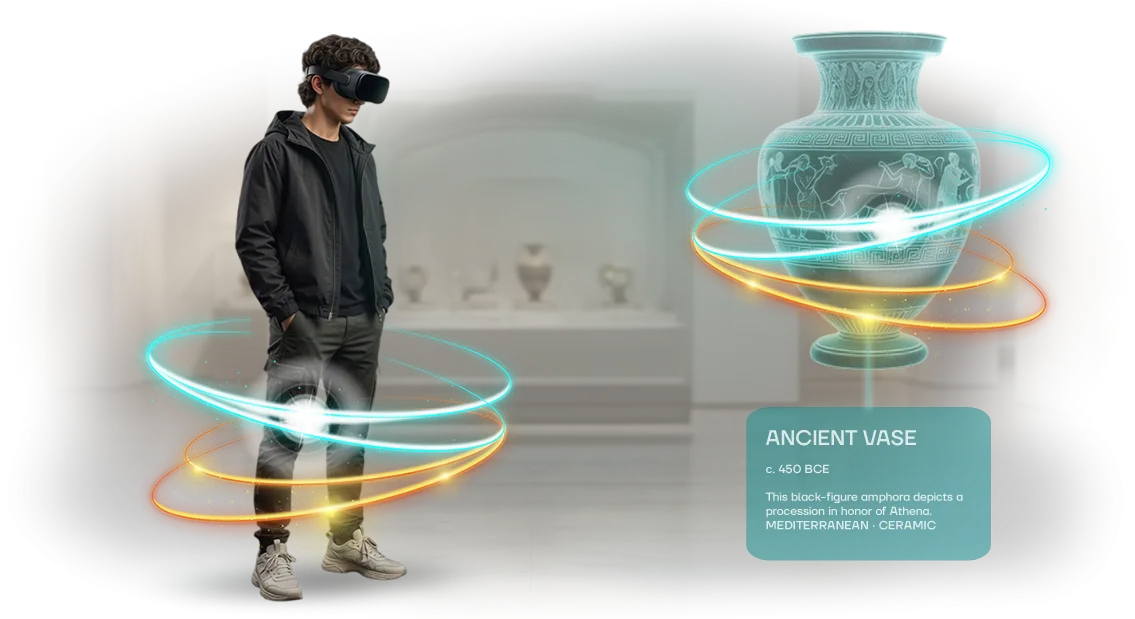
מוזיאון תלת-ממד וירטואלי סוגר את הפער הזה: תערוכה מקוונת משמשת כחלון ראווה לאוסף, שבו אדם יכול לראות את המוצגים, לחוש בקנה המידה של החלל, ולדמיין לאן הוא הולך.
זו לא תחליף לביקור פיזי אלא הצעד הראשון שהופך עניין מזדמן לסיור אמיתי. ככל שהאווירה מועברת בצורה מדויקת יותר, כך הרצון לראות אותה בעיניים גובר.
זה חשוב במיוחד במוסקבה, שבה מאות מקומות מתחרים על תשומת הלב של הקהל. מוזיאון תלת-ממד וירטואלי מבדל אתכם מהמתחרים, מושך את אלה שלא יכולים להגיע פיזית, ומשכנע את אלה שמתלבטים.
תערוכה מקוונת מסירה מחסומים גיאוגרפיים: צופים מערים ומדינות אחרות יכולים לראות את המוצגים שלכם, והתערוכה הדיגיטלית זמינה מסביב לשעון—בלי תורים ובלי ימי חופש.
אנחנו יוצרים חללים וירטואליים שמעבירים את האופי של מוזיאון אמיתי: אורחים נעים בין אולמות, מתקרבים למוצגים, קוראים תיאורים, ומשתפים את התרשמותם.
למבקרים, זה מסע מרתק; עבורכם, זה ערוץ רכישת קהל עובד שמרחיב את טווח ההגעה ומגביר את העניין באוסף.
אילו יתרונות עסק מקבל מתערוכה וירטואלית
צמיחה בטווח ההגעה לקהל
תערוכה וירטואלית נגישה לכל מבקר מכל מקום בעולם—אין צורך לנסוע למוסקבה או להתאים את עצמכם לשעות הפתיחה. אתם זוכים בקהל שהיה בעבר מחוץ להישג יד פיזית: אזורים מרוחקים, מדינות אחרות, אנשים עם מוגבלות בניידות.
כל מבקר כזה הוא לקוח פוטנציאלי שמכיר את המוצר שלכם בלי עלות הנסיעה. טווח ההגעה גדל פי כמה, בעוד שעלות לכידת תשומת הלב נשארת זהה.
הכרת המותג
הפורמט התלת-ממדי יוצא הדופן עצמו הופך לסיבה לדבר על החברה. מבקרים משתפים קישורים, שומרים את התערוכה בסימניות, וחוזרים שוב—כך מותג הופך לבלתי נשכח.
מוזיאון דיגיטלי מודרני מבדל אתכם מהמתחרים שמסתפקים בתמונות וטקסט. זה עובד לטובת התדמית שלכם: החברה נתפסת כטכנולוגית וקשובה לחוויית הלקוח.
זרם פניות ולידים
מוזיאון תלת-ממד וירטואלי הוא לא רק חלון ראווה אלא כלי מכירות עובד. בתוך התערוכה, אפשר למקם כפתורי יצירת קשר, טפסי פנייה, ופרטי התקשרות—מבקר יכול להמשיך להזמנה בלי לצאת מהחלל.
אתם רואים אילו מוצגים מושכים עניין, כמה זמן אורחים מבלים, וכמה פעמים הם חוזרים. הנתונים האלה עוזרים לכם לחדד את ההיצע ולהפוך צפיות לפניות אמיתיות.
חיסכון בשכירות ולוגיסטיקה
תערוכה פיזית דורשת השכרת מקום, הובלת מוצגים, הדפסת חומרים, וכוח אדם. מוזיאון וירטואלי מחליף את העלויות האלה בתקציב פיתוח חד-פעמי—ועובד שנים בלי תשלומים חודשיים.
אין מגבלות שטח: אפשר להציג מאות מוצרים או מוצגים בלי לדאוג למטר רבוע. עדכון תוכן עולה מעט מאוד בהשוואה לארגון תערוכה חדשה.
גישה מסביב לשעון
מוזיאון וירטואלי פתוח 24/7—בכל שעה ביום, בחגים ובסופי שבוע. אורחים מבקרים כשנוח להם, וזה מגביר המרות: שום פנייה לא הולכת לאיבוד כי הדלתות סגורות.
לקהל בינלאומי, אין הבדל אזורי זמן. אתם תמיד זמינים, גם כשהמשרד והמקום הפיזי סגורים.
פורמטים של תערוכת תלת-ממד למטרות עסקיות שונות
את אותו מוצר אפשר להציג בדרכים שונות: מפנורמה פשוטה ועד חלל אינטראקטיבי מלא. הפורמט קובע איך המבקר מתקשר עם התערוכה ואיזו תוצאה העסק מקבל—טווח הגעה, מעורבות, מכירות.
חברות בוחרות לעתים קרובות ב"סיור סטנדרטי" בלי להעריך תרחישים אחרים וכך מאבדות ערך פוטנציאלי.
אנחנו בוחרים פורמט למשימה ספציפית: מספר ומורכבות האובייקטים, סוג הקהל, תקציב, ולוחות זמנים. להלן טבלה של האפשרויות העיקריות שבהן אנו משתמשים בפרויקטים למוזיאונים, מותגים ויצרנים.
| פורמט | למי | מה זה נותן ללקוח |
|---|---|---|
| סיור וירטואלי | מוזיאונים, גלריות, אולמות תצוגה | השקה מהירה וטווח הגעה רחב בלי עלויות לוגיסטיקה. המבקר עובר בין האולמות מהסמארטפון או המחשב בכל זמן, והמוזיאון זוכה ליותר מבקרים מרוחקים ויותר ביקורים אמיתיים. |
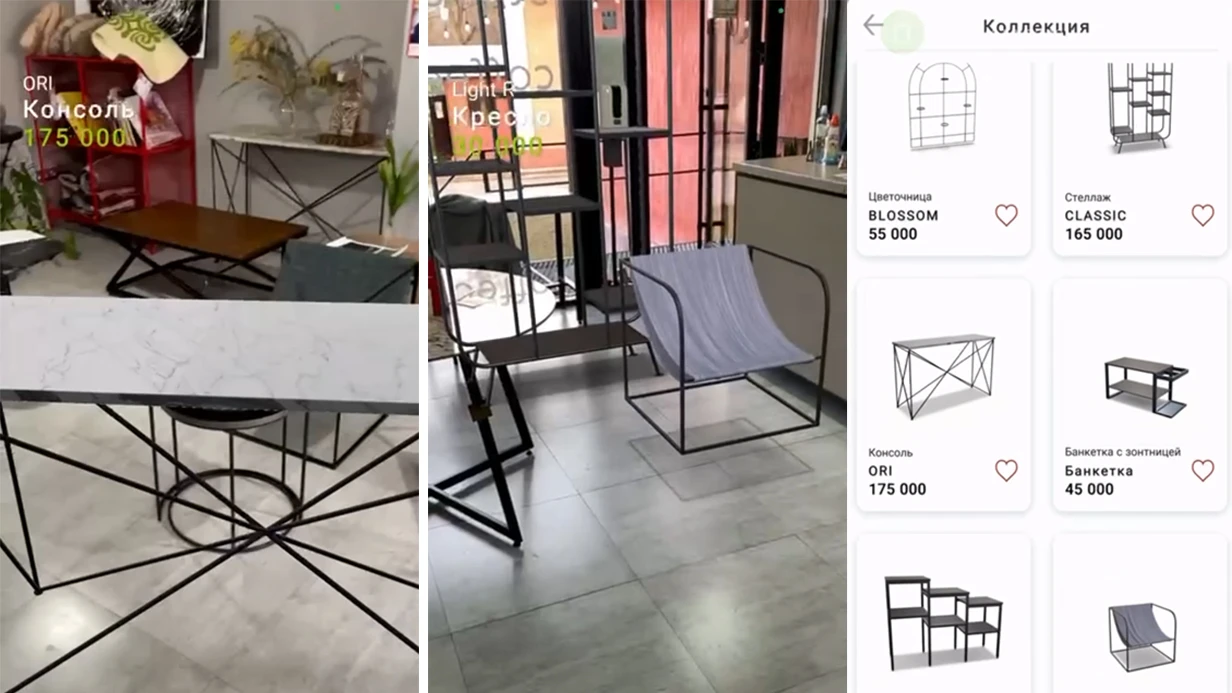
| חדר תצוגה תלת-ממדי | יצרנים, משווקים, מחלקות מכירות | הצגה מפורטת של מוצרים בהקשר של פנים. הלקוח רואה את המגוון, משווה דגמים, ומקבל החלטת רכישה בלי להגיע למשרד—זה מקצר את מחזור העסקה ומגביר המרת פניות. |
| תערוכת מוזיאון | מוזיאונים, מרכזי תרבות, ארכיוני מותג | שקיעה מלאה בהיסטוריה של המותג או בתקופה דרך סצנות אינטראקטיביות, כיתובים ווידאו. מבקרים מבלים פי 2-3 יותר זמן בתערוכה, חוזרים, ומביאים אורחים חדשים—זה מחזק את הכרת המותג. |
בכל פורמט, אנחנו מתכננים תרחיש תנועה, שמים דגש על אובייקטים מרכזיים, ומוסיפים נקודות מגע אינטראקטיביות: כיתובים, תמונות, וידאו, סאונד. אם צריך, אנחנו מטמיעים טופס בקשת חישוב או עגלת קניות כך שהחלל הווירטואלי עובד למכירות, לא רק לתדמית.
ספרו לנו על המשימה שלכם—נבחר את הפורמט המתאים ונשלח לכם קונספט עם הערכת תקציב תוך מספר ימים. ללא התחייבות.
תהליך העבודה בפרויקט: מהבריף ועד ההשקה
כל פרויקט מתחיל לא בקוד אלא בהבנת המשימה. אנחנו אוספים מידע מקסימלי על האוסף שלכם, קהל היעד, ומטרות התערוכה—זה מאפשר לנו להניח בסיס נכון מההתחלה. אחר כך אנחנו מתקדמים בשלבים קצרים ומוסכמים: אתם תמיד יודעים מה קורה ומה הלאה.
- בריף והתעמקות במשימה. אנחנו עורכים ראיונות ומבהירים מטרות: למשוך מבקרים חדשים, להציג את האוסף באינטרנט, להכין את המקום לאירוע אופליין. אנחנו מספקים שאלות לניתוח עצמי ודוגמאות לפתרונות מהתעשייה שלכם.
- קונספט ואב-טיפוס. אנחנו מציעים מבנה מרחבי: אולמות, מסלולים, מוצגים מודגשים. אנחנו מראים את הפריסה של המוזיאון העתידי לפני תחילת הפיתוח—אתם יכולים לראות את ההיגיון ולבצע התאמות בלי עבודה חוזרת.
- אישור מוקאפ. אנחנו מלוטשים את המראה החזותי של האולמות הווירטואליים: סגנון, עיצוב, התנהגות מבקרים. אחרי האישור, אנחנו מבצעים שינויי עיצוב—בשלב הזה, תיקונים הם זולים.
- פיתוח החלל הווירטואלי. אנחנו בונים סצנות תלת-ממד, מגדירים ניווט ומעברים בין אולמות. אתם מקבלים גרסת טיוטה ורואים איך המוזיאון מוביל את המבקר מהכניסה לאובייקטים מרכזיים.
- העשרת תוכן. אנחנו מעלים תיאורי מוצגים, תמונות, סרטונים, ומדריכי שמע. אנחנו עוזרים לבנות את החומר כך שכל מוצג נחשף תוך 30-60 שניות של צפייה.
- בדיקות ותיקון באגים. אנחנו בודקים את הפרויקט במכשירים שונים: מסמארטפונים ועד מחשבים שולחניים. אנחנו מתקנים בעיות טעינה ותאימות לפני שמבקרים רואים את המוזיאון.
- השקה ותמיכה. אנחנו מפרסמים את המוזיאון הווירטואלי בדומיין או בתת-דומיין שלכם ומחברים אנליטיקה. אחרי ההשקה, אנחנו נשארים בקשר: מעדכנים את התערוכה, מוסיפים אולמות חדשים, ומנטרים יציבות.
הסדר הזה מבטיח שהפרויקט לא נתקע בשלב הרעיון. כל שלב מסתיים בתוצאה ברורה—ובכל רגע אתם יודעים מה כבר נעשה ומה נשאר.
מה כלול בחבילת תערוכה וירטואלית במפתח מלא
אנחנו מספקים חבילת מפתח מלא—ממבנה האולמות ועד הכשרת הצוות שלכם. אתם לא צריכים להרכיב את הפתרון מקבלנים שונים: אנחנו מטפלים בכל השלבים בעצמנו ומוסרים תוצאה מוכנה לשימוש.
- מבנה התערוכה. אנחנו מתכננים את היגיון המסלול: איך מבקר נע בין האולמות, איפה הוא עוצר, אילו אובייקטים הוא רואה ראשון. זה מגביר מעורבות וזמן שהייה.
- תוכן התערוכה. אנחנו מעבירים את המוצגים, המסמכים והתצלומים שלכם לחלל תלת-ממדי. כל אובייקט ניתן לצפייה מהזווית הנכונה—בדיוק כמו במוזיאון אמיתי.
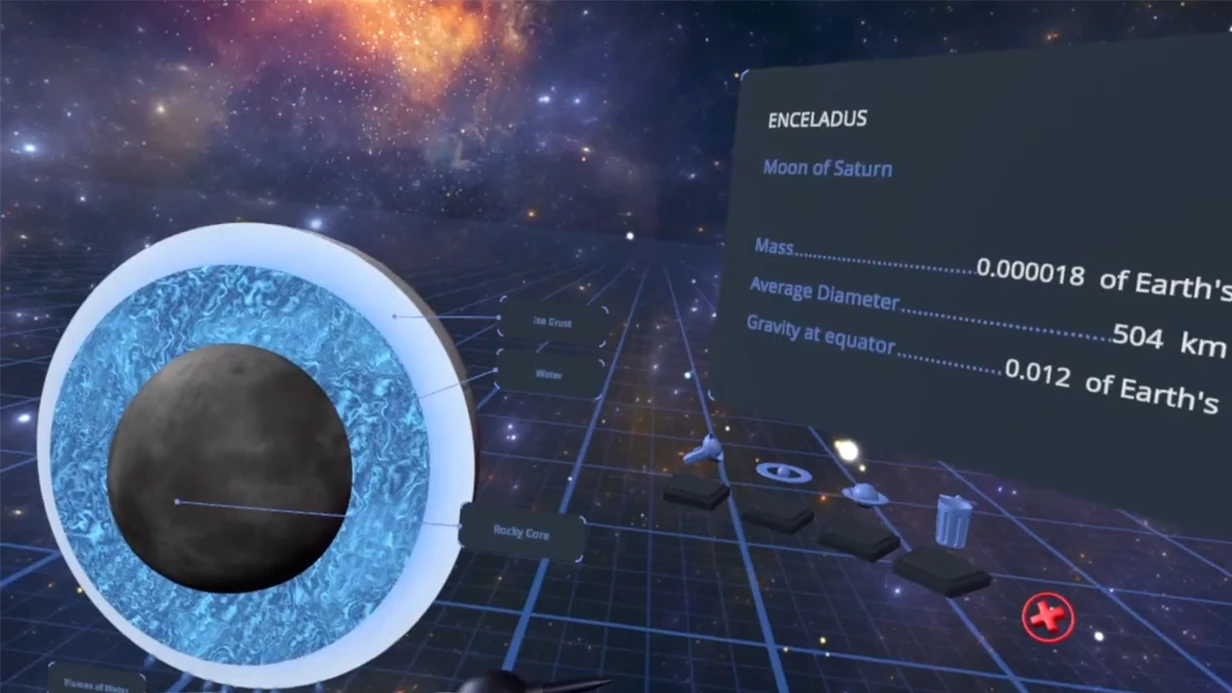
- אלמנטים אינטראקטיביים. אנחנו מוסיפים נקודות תצפית, כרטיסיות קופצות עם תיאורים, וידאו, והשוואות מוצגים. מבקרים בוחרים את עומק השקיעה שלהם—מסקירה מהירה ועד לימוד מפורט.
- מדריך שמע. אנחנו מקליבים את הנרטיב על אובייקטים מרכזיים ומסנכרנים אותו עם התנועה בין האולמות. אורחים בכל גיל מקבלים מסלול ברור בלי מעורבות צוות.
- אינטגרציה עם האתר. אנחנו מטמיעים את הסיור הווירטואלי בעמוד שלכם בלי הגדרה מורכבת. הוא נפתח בכל מכשיר, לא דורש התקנת אפליקציה, ולא מאט את הטעינה.
- הכשרת צוות. אנחנו נותנים הדגמה למנהלים ומדריכים ומספקים מדריך הוראות פשוט. העובדים שלכם יוכלו לעדכן תיאורים ולשנות תוכן בעצמם.
כתוצאה מכך, אתם מקבלים מוצר עובד, לא רק מודל תלת-ממדי. אנחנו תומכים בהשקה ונשארים זמינים אם צריך לחדד את התערוכה על סמך הביקורים הראשונים.
מקרה בוחן: איך תערוכה מקוונת משכה פי 3 יותר אורחים
מבקרים של מוזיאון אזורי היו רגילים לתערוכות קלאסיות, אבל טווח ההגעה של מקומות כאלה מוגבל על ידי קירות הבניין.
הצענו להנהלה להפוך תערוכה מרכזית למוזיאון תלת-ממד וירטואלי: אותה תערוכה, אבל נגישה מכל מקום בארץ ובעולם.
התוצאה עלתה על הציפיות—הפורמט המקוון משך פי 3 יותר אורחים מהמקום הפיזי באותה תקופה.
זמן השהייה הממוצע של מבקר בחלל הווירטואלי היה 12 דקות—אנשים לא רק גללו בין עמודים אלא חקרו מוצגים, התקרבו לפרטים, וחזרו לצפות שוב.
"ציפינו שהתערוכה המקוונת פשוט תשכפל את הפיזית. במקום זה, קיבלנו ערוץ תקשורת חדש עם הקהל: אורחים מערים אחרות היוו כמעט חצי מכל המבקרים. עבורנו, זו פתיחת שוק חדש," אמר ראש מתחם המוזיאון.
סטטיסטיקת נוכחות והמרת לידים
| מדד | לפני היישום | אחרי ההשקה |
|---|---|---|
| מבקרים ייחודיים בחודש | 2,000 | 6,800 |
| זמן ממוצע בתערוכה | 3 דקות | 12 דקות |
| פניות לסיורים ואירועים | 15 | 64 |
| חלק האורחים מאזורים אחרים | 5% | 44% |
בזכות טפסי משוב מובנים והזמנת אירועים, 64 פניות לסיורים הפכו לזרם קבוע: המוזיאון קיבל פי 3 יותר לידים בלי עלויות פרסום נוספות.
הפתרון הוכיח עצמו כניתן לשכפול—אנחנו משתמשים באותו מודל עכשיו לחדרי תצוגה של יצרנים ולדוכני תערוכה באירועי תעשייה.
ההמלצה של הלקוח מאשרת את הנקודה המרכזית: מוזיאון תלת-ממד וירטואלי במוסקבה או בכל עיר אחרת עובד לא כ"תחליף לחלל פיזי" אלא כערוץ עצמאי למשיכת קהל ופניות.
מדדי הפרויקט זמינים ללקוחות חדשים בשיחה אישית—נראה הערכת החזר השקעה למשימה שלכם.
איך לבחור פורמט תערוכה לפי המאפיינים של האוסף שלכם?
האוסף קובע את הפורמט, לא להפך. לכן אנחנו מתחילים לא בטכנולוגיה אלא בביקורת של האוסף שלכם: אילו מוצגים נראים טוב בתלת-ממד, לאילו יש טקסטורות ייחודיות, ואילו אפשר להציג עם פנורמת אולם. זה יוצר את תרחיש המוזיאון הווירטואלי—ורק אז אנחנו מעריכים תקציב ולוחות זמנים.
מוצגים לא סטנדרטיים הם לא בעיה. פסלים גדולים, ויטרינות עם פרטים קטנים, גרפיקה ממוסגרת—אנחנו מסריקים אותם לפי האובייקט הספציפי: לחלק מספיק צילום באיכות גבוהה מכמה זוויות; לאחרים נדרש דימות תלת-ממדי מדויק.
פורמט היברידי—אולמות תלת-ממד עם מעברים פנורמיים וקלוז-אפים מפורטים של אובייקטים מרכזיים—שומר על אווירת המוזיאון ולא דורש סריקת כל פריט.
אם התקציב מוגבל, אנחנו מציעים השקה מודולרית: קודם, אולם וירטואלי עם המוצגים המשמעותיים ביותר, ואז אתם מרחיבים את התערוכה כשהכספים מתאפשרים. זה מאפשר להתחיל את חלון הראווה תוך מספר שבועות ולהגדיל בהדרגה את טווח ההגעה.
לוחות זמנים צפופים מתקיימים דרך תהליכים מקבילים: בזמן שמהנדסים בונים את השלד, מומחים מסריקים ומתארים את הפריטים.
כתוצאה מכך, אתם מקבלים תערוכה שמתאימה לאוסף שלכם: מבקרים רואים את ההיסטוריה והפרטים, לא רק תמונה תלת-ממדית.
התקציב מוקצה למה שיוצר ערך לצופה, ולוח הזמנים מתוכנן סביב ההשקה שלכם—בין אם זו תערוכה, פתיחת סניף, או יום השנה למוזיאון.
שאלות נפוצות על פיתוח תערוכות וירטואליות
לפני השקת תערוכה וירטואלית, מנהלי מוזיאונים במוסקבה, גלריות ומקומות מסחריים שואלים את אותן שאלות: תקציב, לוחות זמנים, מוכנות מבקרים, אבטחה. התשובות קובעות אם להשיק את הכיוון הזה. אספנו חמישה חששות טיפוסיים והראינו איך אנחנו מטפלים בהם בפועל.
כמה עולה תערוכה וירטואלית?
העלות תלויה במספר המוצגים, הפורמט והתרחישים—אנחנו קובעים הערכה מדויקת אחרי הבריף. תקציב שקוף לפני ההתחלה; אפשר להתחיל בגרסה בסיסית ולהתרחב צעד אחר צעד.
כמה זמן לוקח ליצור אותה?
בדרך כלל בין 2 ל-6 שבועות תלוי בהיקף. אנחנו מראים את גרסת הבדיקה הראשונה תוך שבוע, ולוח הזמנים קבוע בחוזה.
מה המבקרים צריכים כדי לראות את התערוכה?
שום דבר לא צריך להתקין—התערוכה נפתחת דרך קישור בדפדפן רגיל במחשב, טאבלט או סמארטפון. התאימות נבדקת בכל הפלטפורמות המרכזיות.
האם הנתונים שלנו בטוחים?
אנחנו מארחים את הפרויקט בתשתית שרתים עם גיבוי וגישה מאובטחת. אם תרצו, אנחנו עובדים תחת הדומיין שלכם כך שהחומרים נשארים בשליטתכם.
מי תומך בתערוכה אחרי ההשקה?
אנחנו נשארים בקשר: מעדכנים תוכן, מוסיפים מוצגים, ומנטרים יציבות. תמיכת אחריות מוגדרת בחוזה.
עדיין יש שאלות? כתבו לנו—נחשב את התקציב ולוחות הזמנים למוזיאון התלת-ממד הווירטואלי שלכם.הזמינו תערוכה וירטואלית: קבלו ייעוץ והערכת עלות
מוזיאון תלת-ממד וירטואלי פותח את האוסף שלכם למבקרים מכל עיר, עובד בלי ימי חופש, ולא דורש אולמות נוספים להשכרה. הוא מחזק את הקידום שלכם ויוצר תחושת נוכחות שגורמת לאנשים לחזור שוב.
כדי לקבל תוצאה כזו, אתם לא צריכים להבין בטכנולוגיה. פשוט ספרו לנו על האוסף, הקהל והמטרות שלכם—אנחנו נעצב את הפורמט, נחשב את העלות, ונראה איך התערוכה תשתלב בתקשורת שלכם.
אחרי שתפנו אלינו, תקבלו:
- הערכת כדאיות והערכת עלות לתערוכה וירטואלית לאוסף שלכם;
- המלצות פורמט: סיור סקירה, חדר תצוגה תלת-ממדי, או תערוכה עם מדריך שמע;
- תוכנית השקה שלב אחר שלב עם שלבים ולוחות זמנים—מי משתתף ומתי אנחנו מתחילים;
- הצעה מסחרית עם היקף העבודה ומחיר קבוע בלי עמלות נסתרות;
- דוגמאות לפרויקטים שהושלמו הדומים למטרות שלכם;
- תשובות לשאלות הקשורות לתוכן: צילום, העלאת חומרים, אינטגרציה עם האתר שלכם.
אנחנו עובדים מרחוק בכל רחבי רוסיה, כולל עם מוזיאונים במוסקבה, וכבר השקנו תערוכות וירטואליות לגלריות ופרויקטים חינוכיים.
השאירו פנייה לייעוץ—נחזור אליכם תוך יום עסקים אחד עם הצעה, נקבע זמן לשיחה, ונשלח הערכת עלות אחרי השיחה.