



מבקרים לא מגיעים למוזיאון — ולא רואים את האוסף
האוסף קיים, האוצרים והעבודה המחקרית קיימים — אבל הקהל אינו. אנשים חיים בערים ובמדינות אחרות, ההגעה ארוכה ויקרה, ובסופו של דבר את המוזיאון רואים רק אלה שנמצאים בקרבת מקום. התצוגה, שבה הושקעו שנים של עבודה, עומדת ללא שימוש, והנוכחות נשענת על חוג מצומצם של מקומיים.
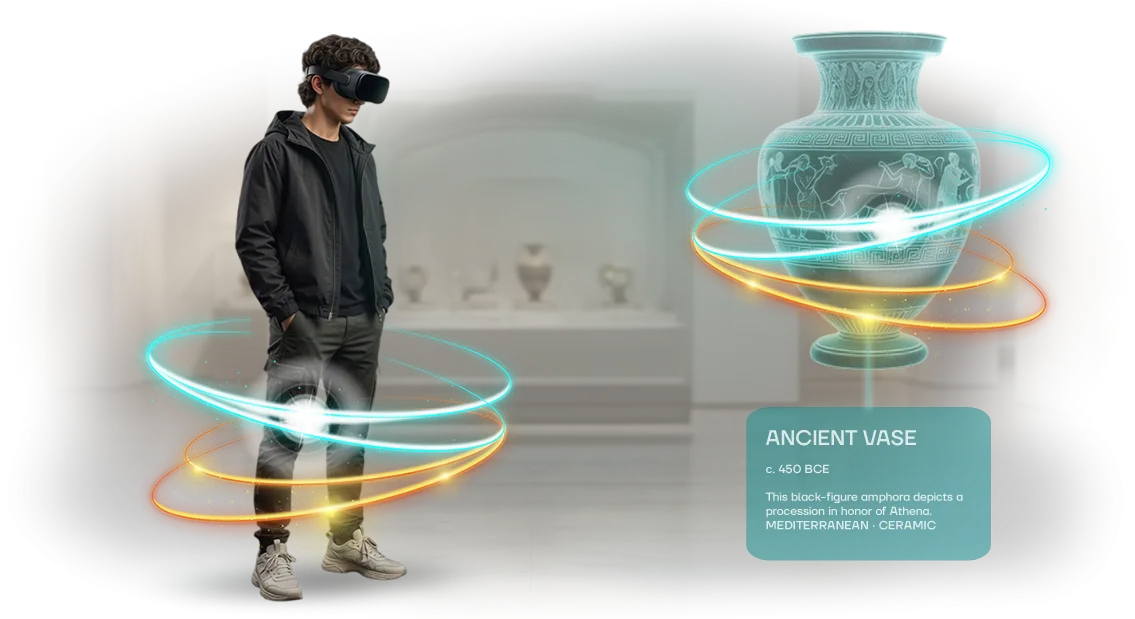
סיור וירטואלי במוזיאון מסיר את המגבלה הזו. המבקר פותח את האולמות מהמכשיר שלו, הולך במסלול בקצב שלו, מתקרב למוצגים, קורא את ההסברים — ומקבל חוויה מלאה בלי לצאת מהבית. עבור המוזיאון זהו אמצעי להגיע למבקרים מרוחקים שלעולם לא היו מגיעים פיזית.
מה זה נותן לתחום. הנגישות של האוסף מפסיקה להיות תלויה בגיאוגרפיה: קבוצות בית ספר מאזורים אחרים, תיירים, חוקרים ואנשים עם ניידות מוגבלת הופכים לקהל שלכם. החשיפה גדלה, מופיעים ביקורים חוזרים — אדם שב לסיור המקוון במוזיאון לפני נסיעה ממשית או אחריה.
אנחנו עושים פרויקטים כאלה כך שיעבדו על הנוכחות, ולא רק "יתלו באתר". הסיור במוזיאון הופך לערוץ משיכה עצמאי: מציגים אותו ברשתות החברתיות, ממליצים עליו לחברים, משלבים אותו בתוכניות חינוכיות.
חלק מהאורחים המקוונים מגיעים למוזיאון באופן אישי — הביקור הווירטואלי הופך לעתים קרובות לצעד הראשון לקראת ביקור ממשי.
מה מקבל המוזיאון מסיור וירטואלי
סיור וירטואלי במוזיאון מפסיק להיות "תוספת לאתר" והופך לערוץ נפרד שפועל מסביב לשעון. אולמות שמכילים פיזית מספר מוגבל של מבקרים ביום, בפורמט מקוון מקבלים זרימה בלתי מוגבלת — וכל מבקר מקבל חוויה מלאה, ולא אוסף של תמונות.
עבור המוזיאון זהו גידול ישיר בקהל היעד: מגיעים אלה שלא יכולים להגיע — מערים אחרות, ממדינות אחרות, עם מגבלות בריאותיות, וכן קבוצות בית ספר ומשפחות שבוחרות בפורמט "קודם לראות, אחר כך לבוא".
היתרון השני — הכרת המוזיאון. סיור וירטואלי במוזיאון חי בחיפוש, ברשתות החברתיות ובהמלצות, מעבירים אותו אחד לשני, כותבים עליו בלוגרים ופלטפורמות חינוכיות. פעם אחת שנעשה, הוא ממשיך להביא אנשים חדשים במשך חודשים — בניגוד לקמפיין פרסומי חד-פעמי שמסתיים יחד עם התקציב.
האפקט השלישי — מעורבות המבקרים. האדם לא רק מדפדף בעמוד: הוא הולך בין האולמות, מתקרב למוצגים, מקשיב להסברים, מבצע משימות. פורמט כזה מחזיק את הקשב פי כמה יותר מאשר מאמר רגיל על המוזיאון, ולכן המבקר זוכר את המוזיאון עצמו וחוזר — כבר באופן לא מקוון או לתוכניות מקוונות בתשלום.
כיוון נפרד — תוכניות חינוכיות. סיור וירטואלי משתלב בקלות בשיעורי היסטוריה, ידיעת הארץ, אמנות: המורה לא צריך לארגן יציאה, והתלמידים עוברים את החומר בצורה אינטראקטיבית. זה פותח למוזיאון שותפויות עם בתי ספר, אוניברסיטאות ופרויקטים תרבותיים — סיבות חדשות לתוכניות משותפות ולמענקים.
אנחנו סוגרים את המשימה הזו בשלמותה: מהרעיון והתסריט של הסיור ועד להשקה ולתמיכה. אתם מקבלים לא "אתר עם פנורמות", אלא כלי שמביא אנשים, מחזיק את הקשב שלהם ופועל למוניטין של המוזיאון.
פורמטים של סיור וירטואלי בהתאמה למשימת המוזיאון
הפורמט נבחר לא לפי יופי התמונה, אלא לפי משימת המוזיאון: להציג תצוגה קבועה, להוביל בתערוכה זמנית או לספק גישה לאוספים שאינם מוצגים פיזית. להלן תרחישים עובדים שאנו מיישמים בתדירות הגבוהה ביותר.
| פורמט | למי מתאים | מה נותן למוזיאון |
|---|---|---|
| סיור תלת-ממדי באולמות | תצוגה קבועה, מוזיאונים גדולים | המבקר עובר את המסלול בקצב שלו, זמן השהייה באתר ו� מספר הביקורים החוזרים עולים |
| סיור פנורמי | סניפים, אחוזות, אתרים עם גישה מוגבלת | הצגה במקומות שאי אפשר להגיע אליהם: החשיפה עולה ללא עלויות קבלת אורחים |
| סיור אינטראקטיבי | תוכניות חינוכיות, קבוצות בית ספר | משלב קהל צעיר: משימות ורמזים מחזיקים את תשומת הלב זמן רב יותר מדף סטטי |
| סיור וירטואלי עם שמעguide | מוזיאונים עם סיפור עשיר של מוצגים | האורח מקשיב לסיפור ונשאר בסיור זמן רב יותר, שיעור הצפיות עד הסוף עולה |
| סיור בתערוכה זמנית | פרויקטים עם תקופת חיים קצרה | התערוכה נשארת נגישה לאחר הפירוק וממשיכה להביא מבקרים |
כיצד לבחור בהתאמה למשימה שלך
אם המטרה היא הכרה וחשיפה, התחילו בסיור פנורמי באולמות החזקים ביותר: קל יותר להשיק אותו, והוא מובן לכל מבקר מהמסך הראשון. אם המטרה היא עומק ואפקט חינוכי, נוסיף אינטראקטיב ושמעguide: האורח לא רק צופה, אלא עובר מסלול עם משימות והסברים.
הפורמטים אינם סותרים זה את זה: סיור בתצוגה קבועה יכול להשתלב בשלווה עם סיור נפרד בתערוכה זמנית, ושמעguide מתחבר לכל אחד מהם. אנו מתאימים את המערך למשימה ולתקציב שלכם, ולא מוכרים את האפשרות היקרה ביותר — התחילו בפורמט אחד, ואת השאר תוסיפו כשתראו את תגובת הקהל.
איך עובר הפרויקט: מרעיון ועד להשקת הסיור
התהליך בנוי כך שתדעו מה קורה בכל שלב ומתי תקבלו סיור מוכן במוזיאון. בלי "הפתעות באמצע": לוחות זמנים, תחומי אחריות ונקודות תיאום נקבעים כבר בהתחלה — אתם תמיד יודעים באיזה שלב נמצא הפרויקט ומה יהיה הלאה.
- תדריך ומטרות. דנים במשימה: את מי מביאים למוזיאון — תיירים, קבוצות בית ספר, נותני חסות; מה חשוב יותר — חשיפה, מודעות או הכנה לביקור. קובעים אילו אולמות ומוצגים מציגים בראש ובראשונה.
- תוכנית ותסריט הסיור. מציעים מסלול בין האולמות, נקודות עניין וההיגיון של המעברים ביניהם. מאשרים את המבנה לפני תחילת העבודה — תיקונים בשלב הזה לא עולים לכם בזמן ולא בעבודות מחדש.
- צילום האולמות. המהנדסים שלנו מגיעים לאתר ומצלמים את התצוגה בציוד מקצועי. עובדים בשעות נוחות למוזיאון, כולל כשהמבקרים אינם.
- הרכבת הסיור. מהחומר המצולם מרכיבים סיור שלם: מסלול, כיתובים למוצגים, הסברים של המדריך, חומרים נוספים. אתם רואים גרסה ראשונית ואומרים מה לחזק.
- תיאום. מציגים את הסיור המוכן, מבצעים תיקונים בטקסטים, בהדגשים ובסדר האולמות. מאשרים את המראה הסופי לפני הפרסום.
- השקת הסיור. מפרסמים את הסיור באתר שלכם ובפלטפורמות שמהן מגיעים המבקרים. בודקים שהכול נפתח מהסמארטפון, מהטאבלט ומהמחשב.
- תמיכה לאחר ההשקה. עוזרים לעדכן את התצוגה, להוסיף אולמות חדשים ודואגים שהסיור יעבוד באופן יציב.
מה אתם מקבלים בסוף
סיור וירטואלי מוכן שאפשר להציג למבקרים, לשותפים ולנותני חסות בלי השתתפותכם. אנחנו נשארים בקשר גם אחרי ההשקה: עדכון אולמות ותיקונים — חלק מהעבודה, ולא סיפור נפרד.
מה ייכלל באספקה
אספקה היא לא אוסף קבצים, אלא סיור מוכן במוזיאון שאפשר להציג למבקרים ביום ההשקה. את כל מה שדרוש לעבודה אנו מוסרים בפקודה אחת: הסיור עצמו, הטקסטים, סכמת הניווט, הדרכת העובדים והתיעוד. לא תצטרכו להרכיב קבלנים חלקים-חלקים או להשלים את הפרויקט בכוחות עצמכם.
מה בדיוק אתם מקבלים
- סיור וירטואלי מוכן — מסלול ערוך בין האולמות עם מעברים חלקים, כתוביות ונקודות עניין. נפתח מכל מכשיר: המבקר נכנס ומתחיל ללכת, בלי הוראות ובלי התקנת תוכנות.
- ניווט בין האולמות — סכמה ברורה: מפה, מעברים בין קומות, חיפוש לפי מוצגים. האורח לא הולך לאיבוד ומגיע לאולם הרצוי בשתי לחיצות.
- טקסטים ותיאורים — הערות מוכנות למוצגים ולאולמות, ערוכות ומותאמות לקריאה מהמסך. נתאם את הניסוחים עם האוצרים והעובדים המדעיים שלכם.
- הדרכת עובדים — נקיים שיעורים עם הצוות שלכם: כיצד לעדכן מוצגים, לשנות טקסטים, להוסיף אולמות חדשים. לאחר ההדרכה התיקונים נעשים בכוחות עצמכם, בלי לפנות אלינו.
- תיעוד — מדריך ברור לעבודה עם הסיור: מבנה, תפקידים, משימות טיפוסיות. יישאר אצלכם וישרוד חילופי אחראים.
- גישות והרשאות — מוסרים הכול לחשבונות שלכם. בלי שום תלות בנו: הסיור כולו שלכם.
- תקופת ליווי לאחר ההשקה — נעזור עם העדכונים הראשונים ונענה לשאלות הצוות, עד שהתהליך ייכנס למסלול.
כל סעיף סוגר משימה משלו: הסיור מושך מבקרים, הניווט מחזיק אותם במסלול, ההדרכה מסירה את התלות בקבלן. יחד זה נותן תוצאה שחיה ומתפתחת בתוך המוזיאון, ולא דורשת מעורבות חיצונית מתמדת.
תארו את התצוגה שלכם — נחזור עם הערכה ותוכנית אספקה בהתאם לפורמט שלכם.
מקרה בוחן: כיצד סיור במוזיאון הגדיל את החשיפה
משימת הלקוח
פנה אלינו מוזיאון אזורי עם אוסף המוכר הרחק מעבר לגבולות העיר, אך נגיש פיזית ליחידים בלבד: האולם מכיל מספר מוגבל של מבקרים ביום, וקבוצות בית ספר ותיירים מאזורים אחרים הגיעו לעתים רחוקות.
ההנהלה רצתה לא "אתר עם תמונות", אלא סיור מלא במוזיאון — כך שהמבקר יעבור בין האולמות בקצב שלו, יעצור ליד המוצגים ויחזור אליהם, ולא ידפדף בגלריה בדקה.
מה עשינו וכיצד מדדנו זאת
הרכבנו סיור וירטואלי בין האולמות עם לוגיקה של סיור מודרך: מסלול, הסברים למוצגים, אפשרות להתעכב ליד הוויטרינה ולחזור אליה מאוחר יותר. בנפרד עבדנו על תרחיש למי שנכנס בפעם הראשונה ולמי שכבר ביקר במוזיאון באופן אישי — להם חשובה העומק, לא הסקירה.
את התוצאה הערכנו לפי מדדים המובנים למוזיאון: כמה אנשים עוברים את הסיור עד הסוף, כמה זמן מבלים בפנים, האם חוזרים בשנית ומה כותבים במשוב.
לפי תוצאות החודשים הראשונים, מספר המבקרים הווירטואליים גדל פי כמה, וזמן הצפייה הממוצע עלה על זמן ביקור רגיל באולם — אנשים החלו להתעכב ליד מוצגים שעליהם למדו קודם לכן רק מכיתוביות.
מה זה נתן למוזיאון
הגידול בכמות המבקרים הפסיק להיות תלוי בגיאוגרפיה ובקיבולת האולמות: את הסיור עוברים גם מי שלא הצליח להגיע, וגם מי שמכין את הביקור מראש. משוב המבקרים הפך למקור לרעיונות לתוכנית הלא-מקוונת — לפי התגובות המוזיאון הבין אילו מוצגים כדאי להציג בסיפורים נפרדים. לאחר ההשקה הפרויקט הורחב: נוספו אולמות חדשים ומסלולים נושאיים, והמוזיאון חזר אלינו עם הזמנה חוזרת.
אותה גישה אנו מיישמים לתערוכות וירטואליות וחדרי תצוגה תלת-ממדיים בתחומים אחרים — את התוצאה תמיד מחשבים במבקרים, בזמן ובפניות חוזרות, ולא בתמונות יפות.
מה קורה אם התערוכה מתעדכנת או שמשהו מתקלקל?
סיור וירטואלי במוזיאון הוא לא "מסרנו ושכחנו". תערוכות משתנות, נפתחים אולמות חדשים ותערוכות זמניות, והטכניקה חיה את החיים שלה. לכן אנחנו מלכתחילה משלבים בפרויקט תמיכה בסיור: עדכון התערוכה, אחריות על הפעילות ותקנון ברור למקרה של תקלות טכניות. הלקוח מקבל לא מוצר חד-פעמי, אלא שירות חי שמתפתח יחד עם המוזיאון.
כיצד מתעדכנת התערוכה
כשאתם מביאים מוצג חדש או מחליפים אולם, אין צורך להרכיב את הסיור מחדש מאפס. אנחנו מוסיפים אזורים חדשים, משנים כיתובים, תמונות ומסלולים — המבקר רואה את התערוכה העדכנית, ולא את זו של השנה שעברה. העדכון אורך ימים, לא חודשים, ואינו דורש את השתתפותכם בחלק הטכני.
מה קורה בעת תקלה
כל מערכת דיגיטלית עלולה להיתקל בתקלה — חשוב כמה מהר היא נסגרת. אנחנו צופים תרחישי גיבוי כדי שהסיור יישאר זמין גם בעת בעיות עם הציוד, ולוקחים על עצמנו שירות ותחזוקה: עוקבים אחר הפעילות, מגיבים לפניות ומטפלים בגורמים, ולא רק בתוצאות.
מה כלול בתמיכה לאחר ההשקה?
אנחנו מלווים את הסיור: מעדכנים את התערוכה לפי בקשתכם, עוקבים אחר יציבות הפעילות, מייעצים לעובדי המוזיאון וסוגרים תקלות טכניות במהירות. אתם מקבלים נקודת קשר אחת במקום חיפוש קבלנים לכל שאלה.
האם אתם נותנים אחריות על פעילות הסיור?
כן. על הפרויקט שהושק חלה אחריות, והלאה — לפי רצונכם: עדכונים חד-פעמיים או שירות ותחזוקה קבועים. את התנאים וזמני התגובה אנחנו קובעים מראש, כדי שלא יהיו לכם הפתעות.
האם נוכל לשנות את התוכן בעצמנו?
כן, עבור עובדי המוזיאון אנחנו יוצרים ממשק ניהול ברור: אפשר להחליף טקסט, להוסיף מוצג או אולם בלי מתכנת. אם נוח יותר — אנחנו לוקחים על עצמנו את העדכונים.
גישה כזו מסירה את החשש העיקרי: הסיור לא יתיישן אחרי חצי שנה ולא "ימות" בתקלה הראשונה. הוא נשאר פעיל ועדכני כל עוד המוזיאון זקוק לו.
בואו נדון בסיור המוזיאון שלכם
כדי להזמין סיור מוזיאון, אין צורך להכין אפיון טכני באורך עשרות עמודים. מספיק לספר איזה מרחב יש לכם, את מי אתם רוצים להציג בו, ואיזו תוצאה נחשבת בעיניכם להצלחה: גידול במספר המבקרים, הכרת האוסף, מכירת כרטיסים לאירועים פיזיים או דיווח לשותפים.
זה יספיק כדי לדון בפרויקט באופן ענייני ולהציע פורמט שפותר את המשימה שלכם, ולא רק "נראה יפה".
לאחר השיחה אנחנו חוזרים עם תוכנית עבודה: מה נכלל בסיור, אילו אזורים ומוצגים אנחנו מציגים, כיצד בנויה הניווט עבור האורח, כמה זמן ייקח כל שלב ומתי אפשר להשיק. אתם רואים הערכת לוחות זמנים והרכב הצוות לפני ההתחלה, ולא מגלים את הפרטים באמצע הדרך. אם משהו בתוכנית אינו תואם את סדרי העדיפויות שלכם — נשנה אותו בשקט לפני תחילת העבודה.
מה אתם מקבלים כשאתם פונים אלינו:
- ניתוח המשימה ותסריט סיור ברור המותאם לקהל שלכם — תיירים, תלמידי בית ספר, אספנים, שותפים;
- תוכנית עבודה עם שלבים, לוחות זמנים ותחומי אחריות של שני הצדדים;
- הערכת לוחות זמנים ועומס עבודה לפני תחילת הפרויקט, בלי הפתעות במהלכו;
- סיור שהאורח עובר מהטלפון או מהמחשב בלי להתקין תוכנות ובלי הוראות;
- ערכת חומרים מוכנה לקידום: קישורים, תמונות, סרטונים קצרים לרשתות חברתיות;
- הדרכה לצוות שלכם — העובדים עצמם מעדכנים תיאורים ומוסיפים מוצגים חדשים;
- תמיכה לאחר ההשקה: אנחנו עוקבים אחר היציבות ועוזרים עם שינויים.
להתחיל זה פשוט: תארו את המשימה בצורה נוחה לכם — במכתב או בשיחה קצרה. אנחנו נשאל שאלות הבהרה, נציע אפשרויות לפורמט ונחזור עם הערכה ותוכנית עבודה.
לאחר מכן אתם מחליטים מתי להתחיל את הפרויקט: אפשר להשיק את הסיור לקראת תערוכה, יום נישואין או תחילת העונה, ואפשר גם להכין אותו בשקט לאירוע הבא.