



מדוע המוזיאון שלך זקוק למודל תלת-ממדי של כתבי יד על עלי דקל
כתבי יד על עלי דקל הם פריטים ייחודיים אך שבירים ביותר: אור, לחות, ואפילו נשימה של מבקר עלולים להרוס את העלים.
בגלל הסיכון לאובדן, מוזיאונים מרבים להחביא אותם במחסנים, ואוספים יקרי ערך מפסיקים לפעול: הקהל לא רואה אותם, והעניין בתערוכה יורד.
עותק דיגיטלי פותר את הדילמה הזו. אנו יוצרים מודל תלת-ממדי מדויק של כתב היד שמעביר בקפידה כל פרט — מרקם, משטח, כתב — אל המרחב הווירטואלי.
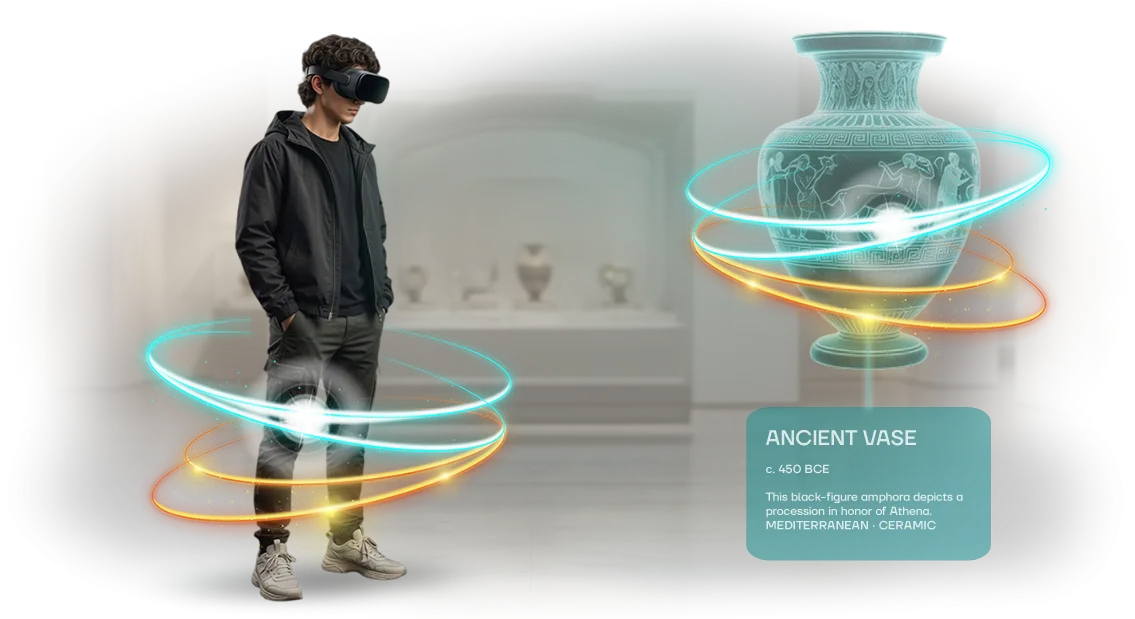
במקום ויטרינת זכוכית, מופיע אובייקט אינטראקטיבי: המבקר "דפדף" בעצמו בין הדפים, מתקרב לקטעים, וקורא את הכתובות מבלי לגעת במקור.
כך אתה משמר את כתב היד ובמקביל פותח אותו לקהל מוזיאלי רחב — מתלמידי בית ספר ועד חוקרים אקדמיים.
מודל תלת-ממדי הוא לא רק הדגמה אלא פוליסת ביטוח מלאה לאוסף. לאחר היישום, המוזיאון זוכה בכלי לעבודה מדעית, תוכניות חינוכיות ותערוכות וירטואליות.
כל מרכיב בכתב היד הופך לנגיש באינטרנט לכל מי שאינו יכול לבקר באולם באופן אישי, כלומר ערך האוסף אינו תלוי עוד בגאוגרפיה.
לשיווק, זה גם תוכן אינטראקטיבי מוכן לאתר ולרשתות החברתיות שמבדל את המוזיאון ממקומות אחרים.
אנו משתמשים בציוד מקצועי ובטכנולוגיות סריקה תלת-ממדיות מוכחות, ולכן אנו מבטיחים דיוק גבוה של ההעתק ומגע מינימלי עם המקור השביר — ההחלטות המרכזיות נשארות בידי המשמרים שלך.
התוצאה היא עותק דיגיטלי "חי" שניתן להשתמש בו במשך שנים: להוסיף הערות, לשלב במדריכי מולטימדיה, ואפילו להפוך למודלים מישושיים לאנשים עם לקויות ראייה.
אתה לא רק מחזיר עניין בכתבי יד נדירים אלא גם מעלה את המוזיאון למעמד של מוביל באוספים דיגיטליים. זו הסיבה שמודל תלת-ממדי של כתבי יד על עלי דקל הוא צעד שמשתלם דרך תשומת הלב הציבורית ושימור אוסף שלא יסולא בפז.
מה עותק דיגיטלי של כתב יד מספק: גישה, שימור, מחקר
כתבי יד על עלי דקל הם מונומנטים ייחודיים של כתיבה, אך רק מעטים יכולים לעבוד איתם ישירות. העלים שבירים, דורשים אחסון מיוחד, והגישה למחסנים מוגבלת.
עותק דיגיטלי מסיר את החסמים האלה: כתב היד הופך לנגיש לחוקרים ולציבור בכל מקום בעולם, בעוד המקור נשאר בטוח.
ספריות מובילות בעולם, כמו הספרייה הבריטית, כבר מבצעות דיגיטציה של אוספים כאלה — הביקוש מאושר. אנו עושים את הצעד הבא: לא רק סריקות, אלא מודל תלת-ממדי אינטראקטיבי שאפשר לעבוד איתו כמו עם המקור.
מה עותק דיגיטלי מספק
- קהל מקוון. התערוכה נצפית מכל מקום בעולם ללא לוגיסטיקה או עלויות הובלה של עלים שבירים. טווח ההגעה גדל, אך עלויות התצוגה לא.
- שימור המקור. כתב היד נשאר במחסן עם מיקרו-אקלים נדרש. הסיכון לנזק במהלך שילוח ותערוכה מצטמצם לאפס.
- בסיס לעבודה מדעית. חוקר יכול לסובב את המודל, לבחון את המרקם והפרטים בהגדלה — ללא סיכון למקור. זה מאיץ זיהוי, ניתוח פלאוגרפי ופרסומים.
- הפצת מורשת. עותק אינטראקטיבי מחזיק את תשומת הלב של המבקרים פי 2–3 יותר מאשר תמונה סטטית. אנשים משתפים קישורים — המורשת זוכה לקהל חדש.
מודל כזה עונה על שלושה צרכים של מוזיאון או ספרייה בבת אחת: הרחבת קהל, הגנה על האוסף ומתן כלי לחוקרים. אובייקט דיגיטלי אחד עובד במקום עשרות נסיעות ותערוכות מוגבלות.
השתמש ברשימת הבדיקה הזו כנקודת התחלה: אם האמור לעיל חשוב לפרויקט שלך, בואו נדבר על כתב היד הספציפי ופורמט התצוגה.
פורמטי דיגיטציה לאוסף ולמשימות שלך
לכל אוסף של כתבי יד על עלי דקל יש משימות משלו: אחד צריך להיות מוצג לקהל רחב, אחר נשמר בקפידה לחוקרים, שלישי מתפרסם כקטלוג. אנו מציעים פורמטי דיגיטציה המותאמים למטרה ספציפית, לא תבנית אחת שמתאימה לכולם.
הזמן עותק דיגיטלי שנוח לעבוד איתו בכל תרחיש — מתערוכה וירטואלית ועד הפקת דפוס. להלן הפורמטים העיקריים שאנו מייצרים לפי בקשתך.
| פורמט | למי | מה הוא נותן ללקוח |
|---|---|---|
| תערוכה וירטואלית | מוזיאונים, גלריות, מרכזי תרבות | מבקרים צופים בכתב היד בתלת-ממד, מתקרבים לפרטים ודפדפו בין הדפים ללא סיכון למקור. האוסף נגיש מכל מקום בעולם. |
| קטלוג מדעי | חוקרים, ארכיונים, אוניברסיטאות | מודל תלת-ממדי מדויק מאפשר חקר מבנה העלה, הכריכה והאלמנטים הקטנים ביותר. נוח לזיהוי, תיאור ופרסומים מדעיים. |
| מוצרי דפוס | הוצאות לאור, יוצרי תערוכות | תמונות באיכות גבוהה לחוברות, אלבומים ופוסטרים. הדפוס שומר על פירוט ושחזור צבע, מה שהופך את הפרסום למושך ויזואלית. |
לכל משימה, אנו בוחרים את רזולוציית הצילום האופטימלית ואת פרמטרי המודלים התלת-ממדיים. אתה מקבל נכס דיגיטלי שעובד בתערוכות, קטלוגים ודפוס כאחד — ללא צורך בדיגיטציה חוזרת של האוסף.
הפתרונות הטכניים מתאימים את עצמם לחומר העלה, לדרגת השימור ולסגנון הכריכה. המטרה שלנו היא שהגרסה הדיגיטלית תהיה מדויקת, יפה ופרקטית עבור הצוות והמבקרים שלך.
כיצד מתנהל הפרויקט: מהגדרת המשימה ועד השקת התצוגה
אנו עובדים בשקיפות: בכל שלב אתה רואה מה קורה עם הפרויקט ומקבל את ההחלטות המרכזיות.
שלבי פרויקט ברורים — מהגדרת המשימה ועד השקת התצוגה — מאפשרים לך לשלוט בלוחות זמנים ובתקציב במקום לצפות ב"קופסה שחורה" של פיתוח.
-
הגדרת המשימה. אנו דנים במטרות התצוגה: איזה קהל יגיע, אילו כתבי יד על עלי דקל להציג, ומה צריך לעניין את המבקר. אנו קובעים תקציב, לוחות זמנים וקריטריוני הצלחה.
-
תוכנית ומבנה. בהתבסס על הבריף, אנו מכינים את לוגיקת התצוגה: מדורים, סדר תצוגה, תרחישי צפייה. אתה מקבל תוכנית ברורה שמראה כיצד המבקר ינוע בתערוכה.
-
אישור סקיצה. אנו מציגים אב-טיפוס וקונספט עיצובי: איך נראים האולמות, הניווט וכרטיסי כתבי היד. אנו מבצעים תיקונים לפני המעבר לייצור — בשלב זה השינויים זולים.
-
צילום ועיבוד. אנו מבצעים דיגיטציה מקצועית של כל עלה: העברת צבע, מרקם ופרטי משטח. זו האיכות שמבדילה תצוגה חיה מאוסף תצלומים בלבד.
-
הרכבת התצוגה הווירטואלית. אנו מחברים סצנות תלת-ממדיות, ממשק והדגשת פרטים למסלול אחד. אתה מקבל גרסה עובדת ורואה איך הפרויקט נראה כמכלול.
-
השקת התצוגה. אנו מפרסמים את הפרויקט באתר שלך או בכתובת נפרדת ובודקים אותו במכשירים שונים. לאחר מכן, התצוגה פתוחה למבקרים, חוקרים ושותפים.
-
תחזוקה. אנו עוזרים לעדכן תערוכות, להוסיף כתבי יד חדשים ולנטר פעילות יציבה. במידת הצורך, אנו מפתחים את התצוגה למשימות חדשות — מהרחבת האוסף ועד אינטגרציה עם מערכות הרישום שלך.
מה כלול במסירה: ערכה מלאה לתצוגה שלך
אנו מספקים לך לא רק קובץ תלת-ממדי אלא ערכת תערוכה מוכנה לשימוש. אין צורך להזמין בנפרד צילום, לכתוב תיאורים או להבין פורמטים טכניים — הכל כבר מורכב, נבדק ומוכן לפרסום.
המסירה כוללת:
- מודל תלת-ממדי מוכן של כתב היד. העותק הדיגיטלי המפורט מעביר את מרקם העלה והכתב. מבקרים יכולים להתקרב לקטעים, לסובב את האובייקט ולבחון אותו מכל הזוויות מבלי לצאת מהדפדפן.
- מבחר זוויות. אנו מכינים 5–7 תצוגות מפתח: הצילום הכללי, קטעי כתב, הצד האחורי וקצוות צדדיים. כתב היד נראה תלת-ממדי, והצופה מקבל תמונה מלאה של המוצג.
- תיאור האוסף. סקירה היסטורית מוכנה וטקסט לתוויות, לאתר או לקטלוגים. כל שעליך לעשות הוא להכניס אותו לסקיצה או להשתמש בו כבסיס לחומרים משלך.
- קבצי אינטרנט. גרסאות מותאמות שנטענות במהירות באתר ועובדות כראוי במחשבים שולחניים, טאבלטים וסמארטפונים. המבקר לא יעזוב בגלל טעינה איטית.
- קבצי דפוס. גרסאות ברזולוציה גבוהה לחוברות, פוסטרים וקטלוגים מדעיים. הם מוכנים לשליחה לדפוס ללא עיבוד נוסף.
- אחריות איכות. אנו בודקים כל מרכיב מול המקור לפני המסירה. אם אתה מבחין באי-דיוק או רוצה לשנות את נקודת המבט, אנו מבצעים תיקונים במהירות — זה כלול בעלות.
הכל מלווה בזכויות שימוש לתערוכה שלך ובתמיכה טכנית במהלך תקופת ההשקה. אתה מקבל חבילת מפתח: קח אותה והצב אותה בתצוגה שלך — מקוונת או דרך מסך במרחב הפיזי.
מקרה בוחן: כיצד מודל תלת-ממדי החיה עניין בכתבי יד עתיקים
עבור המרכז לכתבי יד מזרחיים, יצרנו תצוגה תלת-ממדית אינטראקטיבית: מבקרים "דפדפו" בין דפי דקל, מתקרבים לפרטים וקוראים תרגומים מבלי לגעת במקור השביר.
חודש לאחר השקת מקרה הדיגיטציה, תנועת התצוגה המקוונת כמעט הוכפלה, והפניות מחוקרים במדינות אחרות גדלו פי כמה.
בעבר, הדיגיטציה הפיקה תצלומים שטוחים: שימושיים למומחים אך לא מושכים לקהל רחב. המודל התלת-ממדי מוסיף משיכה ויזואלית ורגש — מבקרים נשארים זמן רב יותר על הדף ומשתפים קישורים, כך שהמוזיאון רואה עניין גובר ללא תקציב פרסום.
מה השתנה עבור הלקוח
- זרם של פניות מחוקרים: כתבי יד נחקרים מרחוק, ללא הזמנת ביקורים בארכיון.
- גידול בתנועת התצוגה הווירטואלית: הקהל מגיע מחיפוש ומרשתות חברתיות.
- שימור המקור: המודל התלת-ממדי מכסה חלק מהפניות.
לאחר ההשקה, כמה מכונים מתמחים פנו ללקוח עם הצעות לפרויקטים משותפים. זה מאותת שהעניין של חוקרים בכתבי יד עתיקים בתלת-ממד גדל לא רק בהקשר הארכיוני אלא גם בחינוך.
אנו ממשיכים להרחיב את התצוגה ומכינים גרסה ניידת לתערוכות. הצגה נכונה של כתבי יד עתיקים מחייה עניין אמיתי בהם — והפרויקט הזה אישר זאת.
כיצד לבחור את פורמט הדיגיטציה המתאים לאוסף שלך?
פורמט הדיגיטציה הנכון נקבע לא לפי אופנה אלא לפי משימות האוסף. אם המטרה היא מחקר מדעי של מבנה העלה והטקסט, יש צורך בפירוט משטח מקסימלי כדי להעביר את הסיבים העדינים ביותר ואת תבליט הכתב.
אם האוסף מיועד לקהל רחב — תלמידי בית ספר, מבקרי אתר או אורחי תערוכה — קלות הצפייה ונוחות הניווט חשובות יותר מדיוק מדעי.
אותו כתב יד על עלי דקל ניתן לשחזור בדרכים שונות: ממודל ריאליסטי המתאים למחקר וקטלוג ועד גרסה אינטראקטיבית המאפשרת "דפדוף" מקוון בין הדפים.
גרסאות אינטרנט דורשות רזולוציה נמוכה יותר ונטענות תוך שניות, בעוד מיצב מוזיאלי עשוי לכלול מודל מפורט עם הדגשת טקסט ואנימציה. כאן, הפשרה בין איכות למהירות היא חלק מהאסטרטגיה, לא פרט טכני.
הניסיון שלנו מראה שהדבר החשוב ביותר הוא להבין שלושה דברים מראש: מי יעבוד עם המודל (חוקרים, סטודנטים, המבקר הכללי), באילו מכשירים הוא ייפתח (טאבלט, מחשב, קיוסק מסך מגע), ואיזה תקציב מוקצה ליצירה ותמיכה.
בהתאם לכך, אנו בוחרים את סוג המודל התלת-ממדי הנכון: חלק מהפורמטים מתאימים למחקר מפורט, אחרים לפרסום מהיר ברשתות חברתיות או בפלטפורמות תרבות. אתה תמיד יכול להתחיל עם חלק אחד מהאוסף, לבדוק אותו עם הקהל ולהרחיב את הכיסוי.
אנו עוזרים לך לבחור פורמט שפותר את המשימה המרכזית — להפוך את האוסף לנגיש, מובן ומוגן מבלי לאבד את ערכו ההיסטורי. כל שעליך לעשות הוא להגדיר את סדרי העדיפויות שלך: עומק פירוט, מהירות טעינה, אינטראקטיביות או תקציב.
לאחר מכן אנו מציעים אפשרות שחוסכת משאבים ומספקת את התוצאה הצפויה. זה מונע את הטעות של "לעשות קודם, לתקן אחר כך" ומבטיח שהכספים המושקעים עובדים לפיתוח הכיוון שלך.
שאלות נפוצות וחששות לגבי מודלים תלת-ממדיים של כתבי יד
עבודה עם כתבי יד נדירים על עלי דקל היא מעל לכל עניין של אחריות. בעלים חוששים שהתערבות מוגזמת תפגע בחומר השביר, ושהעותק הדיגיטלי ישכב כנטל מת. בואו נטפל בחששות הנפוצים ביותר לפי הסדר.
האם מודלים תלת-ממדיים יפגעו במקור?
לא. אנו משתמשים בשיטות ללא מגע: המקור נשאר במחסן, והצילום מתבצע לפי פרוטוקול שמוציא מגע ישיר. התאורה נבחרת כך שלא תחמם יתר על המידה את החומר, ומפגשי העבודה מוגבלים בזמן ומתואמים עם המשמרים שלך.
כמה זמן לוקח ליצור מודל?
לוחות הזמנים תלויים במצב ובהיקף כתב היד. תמונה דיגיטלית של דפים מרכזיים מוכנה בדרך כלל תוך 2–3 שבועות, קודקס מלא תוך 1–2 חודשים. בתחילת הדרך, אנו קובעים לוח זמנים מדויק ומראים תוצאות ביניים בכל נקודת בקרה כדי שתראה התקדמות ללא הפתעות.
למי שייכות הזכויות על המודל התלת-ממדי?
לך. אנו מעבירים את כל חומרי המקור והמודלים המוגמרים ללא סימני מים, והחוזה מציין את זכותך הבלעדית לשימוש מסחרי. במידת הצורך, אנו מסדירים רישיון שאינו בלעדי לתצוגה ציבורית או למטרות חינוכיות.
באילו פורמטים נקבל את התוצאה?
אנו מספקים מודלים בפורמטים פתוחים שנפתחים בצופים תלת-ממדיים סטנדרטיים ומשתלבים בקלות באתר. החבילה כוללת גרסאות מותאמות לתצוגה מקוונת ומפורטות יותר לדפוס, קטלוגים או עבודה מדעית. במידת הצורך, אנו מתאימים את הקבצים לפלטפורמה שלך.
אנו מתעדים את כל השאלות הללו בפירוט בחוזה לפני תחילת העבודה. אתה מקבל תהליך בטוח, לוחות זמנים ברורים ומודל שבו תוכל להשתמש לפי שיקול דעתך.הזמן דיגיטציה של כתבי יד — שמר אותם לנצח
כתבי יד מקוריים על עלי דקל מאבדים חדות עם הזמן, מתפרקים ודוהים. כל עותק נייר הוא רק פתרון זמני, והשיקום מתייקר מדי שנה. אנו מציעים דיגיטציה שיוצרת מודל תלת-ממדי מדויק ללא סיכון לנזק למקור.
כדי להתחיל, השאר פנייה — לאחר מכן תקבל:
- ייעוץ על פורמט הדיגיטציה: מה לשמר קודם, אילו אזורים חשובים למחקר ולתצוגה.
- חישוב עלות לאוסף שלך: מספר עלים, דרגת שימור, רמת פירוט נדרשת.
- לוחות זמנים מדויקים לפני השקת הפרויקט — אתה מבין מתי תקבל את המודל המוגמר.
- אחריות על המודל: אם העותק התלת-ממדי חושף עיוותים שאינם תואמים למקור, נתקן אותם ללא תשלום.
- זכויות מלאות לגרסה הדיגיטלית — לפרסומים מדעיים, פרויקטים חינוכיים או תערוכות מסחריות.
- המלצות לאחסון קבצים לטווח ארוך כדי שהמודל יישאר נגיש שנים רבות מהיום.
כך אתה משמר את כתבי היד לנצח, לא רק מתעד את מצבם הנוכחי. הזמן דיגיטציה היום — ואחרי השיחה הראשונה תבין את היקף הפרויקט ותקציבו.