



למה אתם מאבדים מבקרים בלי מודל תלת-ממד של כתבי היד שלכם
מבקר מגיע למוזיאון בשביל חוויה רגשית, אבל לעתים קרובות נתקל בשלט "המוצג בשיקום" — ולעולם לא חוזר. כתבי יד נדירים נשארים במחסנים לצורך שימור, והציבור רואה אותם פעם בכמה שנים או בכלל לא.
בלי עומק, כתב יד נשאר תמונה שטוחה, העניין דועך, והאוסף מתפקד כמחסן ולא כסיבה לביקור. כאן בדיוק מודל תלת-ממד של כתב יד הופך בעיה להזדמנות צמיחה.
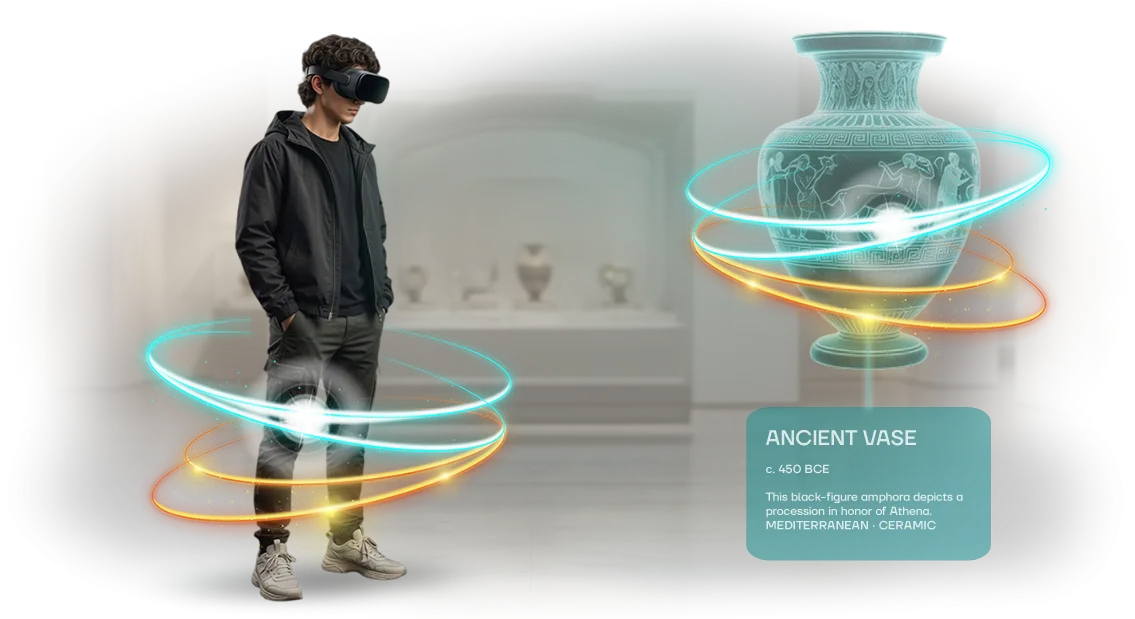
עותק תלת-ממדי הופך את המוצג לנגיש בלי לסכן את המקור.
מבקרים יכולים "לדפדף" בין הדפים, לבחון את הכריכה, הערות השוליים והקנה מידה בדרכים שתצוגה מזכוכית לא מאפשרת — מכל זווית, בכל פרט, כאילו הם מחזיקים אותו בידיים של אוצר.
עבור המוזיאון, זהו צעד לעבר דיגיטציה אמיתית: האוסף מפסיק להיות תלוי בשבריריות הנייר, באקלים ובלוגיסטיקת התערוכות.
קהלים מקוונים מקבלים את מה שבעבר נדרשו לנסוע לעיר אחרת בשבילו — מפגש עם המקור בפורמט נוח. אורחים פיזיים מקבלים סיבה נוספת לבקר בתערוכת הקבע. המוזיאון כבר לא כבול למיקום פיזי ולשעות פתיחה.
כך פועל מודל תלת-ממד למען טווח הגעה, מחייה את העניין בכתבי יד, ופותח אוספים לחוקרים, לסטודנטים ולסקרנים בכל מקום בעולם.
אנחנו יוצרים מודלים כאלה עם המטרות של המוזיאון בראש: איפה להציג, איך לספר את הסיפור, איך לשמור על תשומת הלב. כל כתב יד הופך למוצג עצמאי שניתן להטמיע באתר, באולם תערוכות או בתוכנית חינוכית.
לצוות שלנו יש עשרות פרויקטי דיגיטציה של מהדורות נדירות מאחוריו, כך שהתוצאה היא לא רק קובץ אלא כלי עבודה שמביא אנשים ומעלה את ערך האוסף.
מה תערוכה וירטואלית תיתן למוזיאון שלכם
תערוכה וירטואלית הופכת מוזיאון למשאב פתוח: מרחק, שעות פתיחה ותורי כרטוס מפסיקים להיות מחסומים. גישה מקוונת למוצגים מסירה את המגבלה המרכזית של אולם פיזי — עכשיו אפשר להכיל מספר בלתי מוגבל כמעט של מבקרים.
לקהל רחב
היתרון המרכזי הוא הגדלת טווח ההגעה וההכרה. התערוכה פועלת מסביב לשעון ומושכת את אלה שלא יכלו לנסוע: תושבי ערים אחרות, סטודנטים, משפחות עם ילדים.
צפיות וירטואליות כאלה הן לעתים קרובות נקודת ההתחלה בדרך לביקור בפועל — המוזיאון זוכה ללידים חדשים ולסיבה להזכיר לאנשים את קיומו.
קהלים צעירים תופסים את הפורמט הדיגיטלי כטבעי. צפייה אינטראקטיבית, פרטים תלת-ממדיים והיכולת לשתף התרשמות ברשתות החברתיות שומרים על תשומת הלב ויוצרים המלצות חינמיות — זהו העניין המתמשך של דור חדש.
לחוקרים ולמומחים
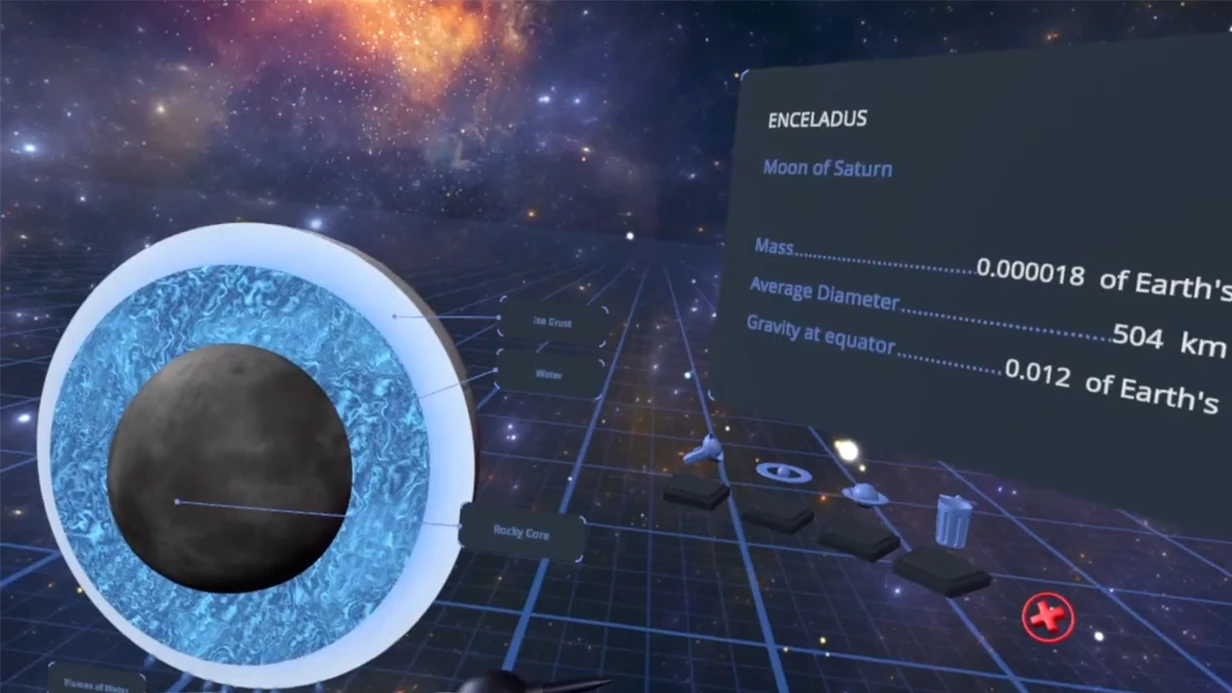
עבור חוקרים ומומחים, התערוכה מציעה לא רק תמונה אלא כלי עבודה. מודלים תלת-ממדיים מאפשרים לבחון עצמים מכל צד, להתקרב לפרטי אומנות ולחקור אזורים שהיו מוסתרים מאחורי זכוכית.
דיגיטציה זהירה שומרת על המקור: העבודה נעשית עם עותק דיגיטלי בעוד המוצג המוזיאלי נשאר במחסן.
המוזיאון פותר שתי משימות: הפיכת אוספים לנגישים לקהילה האקדמית והגנה על המורשת. חוקרים לומדים כתבי יד בכל זמן, בלי נסיעות או אישורים, בעוד המוזיאון מחזק את המוניטין שלו כמוסד פתוח.
היתרונות של תערוכות וירטואליות למוזיאון מתחברים לתוצאה אחת: טווח הגעה רחב, קשרים חדשים ובטיחות האוסף. זו השקעה שמשתלמת במוניטין ובזרימת מבקרים.
פורמטים של תערוכות וירטואליות ואולמות תצוגה
בחירת פורמט התערוכה הווירטואלית קובעת ישירות את התוצאה: טווח הגעה, מעורבות או מכירות. אנחנו בוחרים את האפשרות לפי המשימה הספציפית — לקוח אחד צריך הצגת אוסף רחבה, אחר צריך הצגת מוצר מפורטת.
לעסקים
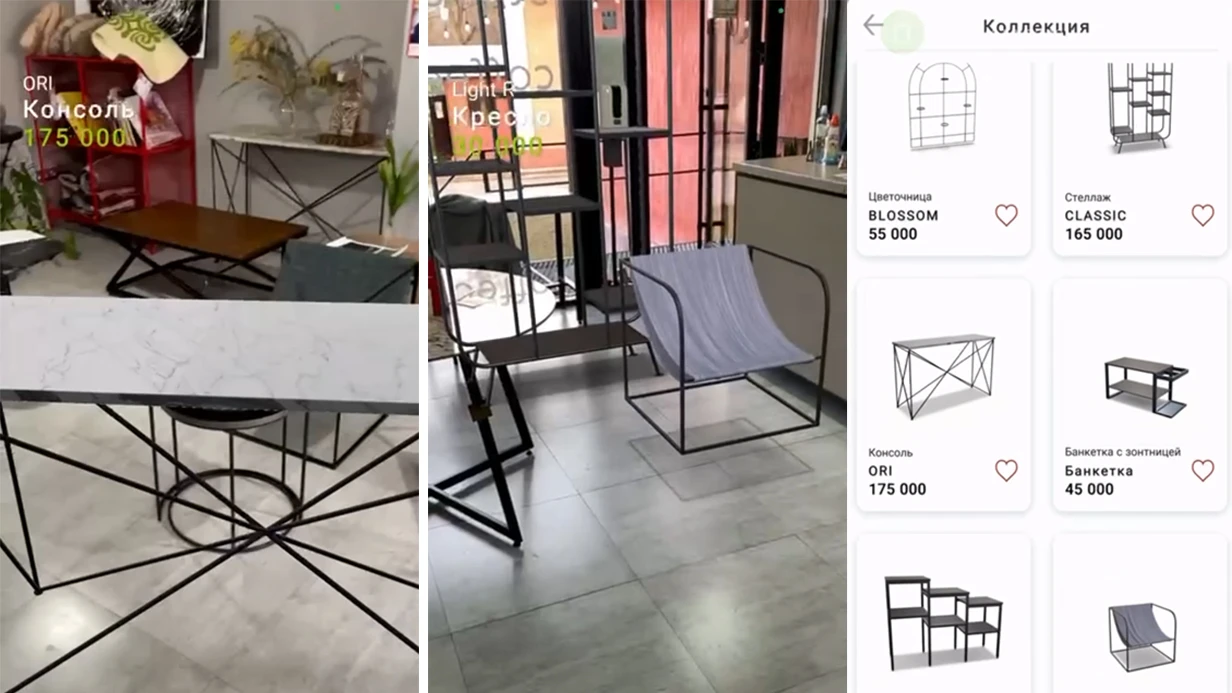
אולם תצוגה תלת-ממדי מאפשר לעסקים להציג מוצרים בפירוט בלי עלויות השכרת חלל או לוגיסטיקה.
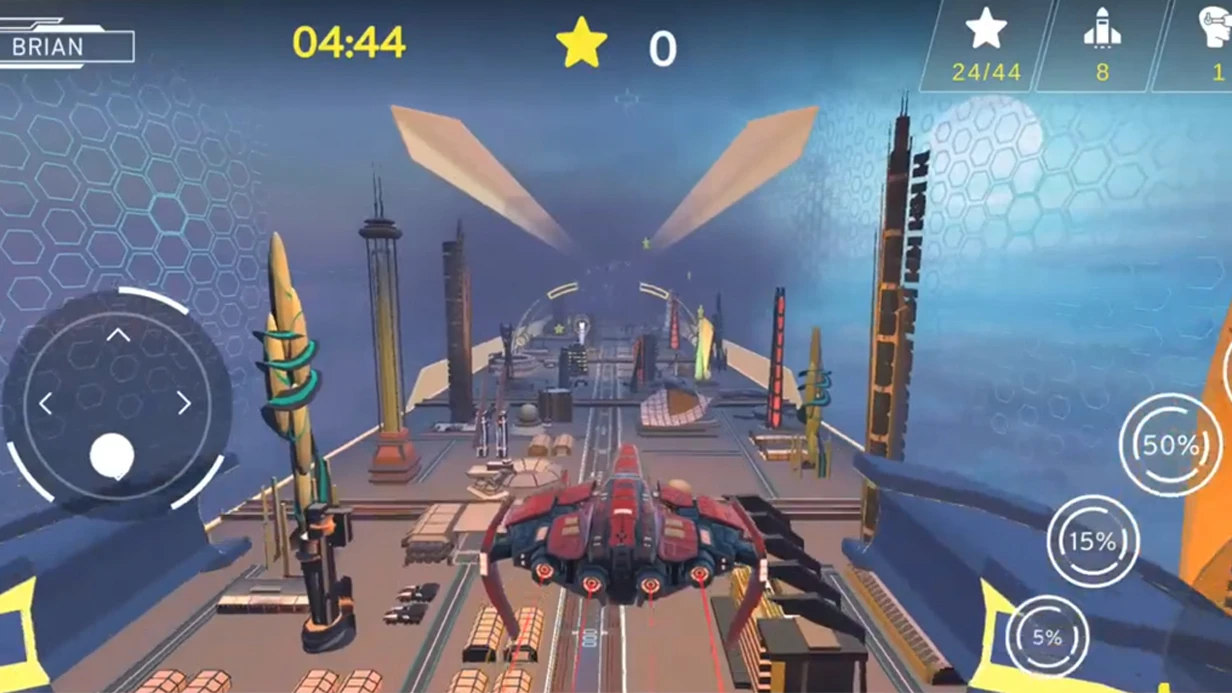
תערוכה אינטראקטיבית הופכת את הצפייה למשחק: המבקר חוקר את המוצר בעצמו, מגדיר אפשרויות ועובר לתשלום — זה שומר על תשומת הלב ומעלה המרות.
למוזיאונים
עבור מוזיאונים, סיור וירטואלי פותח אוספים למבקרים מרוחקים, בעוד אולם תצוגה תלת-ממדי למוזיאונים מציג מוצגים נדירים בפרטי פרטים תוך שימורם הדיגיטלי.
תערוכה אינטראקטיבית מוסיפה מכניקת נרטיב ומשחק — אורחים נשארים זמן רב יותר בפלטפורמה וחוזרים שוב.
טבלת הסיכום שלהלן תעזור לכם לבחור את הפורמט המתאים:
| פורמט | למי | מה הוא מציע ללקוח |
|---|---|---|
| סיור וירטואלי | מוזיאונים, גלריות, מרחבי תרבות | טווח הגעה בכל גיאוגרפיה, גישה למוצגים בכל זמן, שימור אוספים |
| אולם תצוגה תלת-ממדי | יצרנים, מוזיאונים, אולמות תצוגה | הדגמה מפורטת של עצמים בלי עלויות הובלה, עניין והזמנות מוגברים |
| תערוכה אינטראקטיבית | מותגים, מוזיאונים, מארגני אירועים | מעורבות מבקרים, שיתופים ברשתות חברתיות, ביקורים חוזרים |
איך מתנהלת העבודה על תערוכה וירטואלית
קודם התסריט, אחר כך הטכנולוגיה
כל תערוכה וירטואלית של כתבי יד מתחילה לא במודלים תלת-ממדיים אלא בשאלה: "מה המבקר צריך להרגיש?".
אנחנו מרכיבים צוות — תסריטאי, אמן תלת-ממד, מפתח — ויחד איתך קובעים אילו כתבי יד להציג, באיזה סדר להדריך את המבקר, איפה להוסיף מדריך קולי ואיפה לאפשר בדיקה מפורטת של דפים.
בשלב הזה אנחנו לא מעבדים ולו סריקה אחת עד שהתסריט מסוכם. זה חוסך חודשים של עבודה חוזרת — אתם מבינים מיד איך תיראה התערוכה, כמה זמן מבקר ישהה בכל אולם ואיזה מסלול יוביל אותו למוצגים המרכזיים.
איך אנחנו מיישרים את השלבים
בלי "הפתעות" באמצע התהליך. אחרי הבריף, אנחנו קובעים את התוכנית: לוחות זמנים, תקציב, תפקידים. כל שלב כולל הדגמת ביניים כדי שתראו את התוצאה לפני שהיא נכנסת לפיתוח סופי. אם משהו לא נכון — אנחנו מתקנים בשלב מוקדם, לא אחרי ההשקה.
- בריף. אתם מספרים לנו על האוסף, הקהל והמטרות — אנחנו שואלים שאלות ומקבלים תמונה מלאה.
- תסריט. אנחנו מגדירים את המוצגים, סדר התצוגה, טקסטים, קריינות ופרטים אינטראקטיביים.
- תוכנית והערכת עלות. אנחנו קובעים לוח זמנים, תקציב, צוות ונקודות אישור.
- אולם פיילוט. אנחנו בונים קטע ניסיון אחד של התערוכה על חומרים אמיתיים — אתם רואים ומעריכים.
- גרסה מלאה. אנחנו ממלאים את כל האולמות, מוסיפים ניווט, חיפוש כתבי יד והתקרבות לפרטים.
- השקה. אנחנו מפרסמים את התערוכה, בודקים אותה על מכשירים שונים ומשלבים אותה באתר שלכם.
- תמיכה. אנחנו עוקבים אחרי ביצועים, מוסיפים מוצגים חדשים ומעדכנים תוכן.
כל פריט מסתיים בהדגמה — אתם תמיד יודעים באיזה שלב נמצא הפרויקט ומה קורה הלאה. זו הסיבה שהתערוכה המקוונת נמסרת במפתח פתוח: עם תהליך ברור, לוחות זמנים שקופים וללא עבודה חוזרת בלתי צפויה.
מה כלול במסירת אולם תצוגה וירטואלי
כשמזמינים אולם תצוגה וירטואלי, חשוב להבין מראש מה כלול במחיר ומה תקבלו בסופו של דבר. אנחנו מוסרים לא רק קבצים אלא כלי עבודה שאפשר מיד להראות למבקרים ולהשתמש בו בתערוכה.
חבילת המסירה
- מודל תלת-ממד מושלם של כתב היד (מודל תלת-ממד של כתב יד): המוצג עבר דיגיטציה וניתן לצפייה מכל הצדדים, התקרבות ובחינת פרטי כריכה.
- ממשק בעברית: ניווט באולמות, תיאורי מוצגים, מצב בדיקה וחיפוש באוסף.
- גרסאות רספונסיביות לטאבלטים וסמארטפונים — מבקרים יכולים להיכנס לאולם התצוגה מכל מכשיר.
- הדרכה לצוות שלכם: אנחנו מראים איך להוסיף מוצגים חדשים ולעדכן טקסטים בלי עזרת מפתחים.
- תמיכה לאחר ההשקה: אנחנו מתקנים תקלות, עוזרים בעדכונים ועונים לשאלות הצוות.
- חומרי טקסט וויזואליים מוכנים להכרזת התערוכה באתר וברשתות החברתיות שלכם.
תיעוד טכני
יחד עם הפרויקט, אנחנו מספקים מדריך ניהול ותיאור מבנה הנתונים. זה מאפשר לצוות שלכם לפתח את התערוכה באופן עצמאי בלי תלות בנו בפעילות השוטפת.
לפי בקשה, אנחנו מספקים חומרי מקור ומעניקים לכם את הזכויות על התוצאה — אתם נשארים הבעלים של כל מה שנוצר במסגרת הפרויקט.
מקרה בוחן: דיגיטציה של כתב יד נדיר מאוסף ספרייה
באוסף של מאגר ספרים אזורי — נקרא לו מוזיאון הספר הכתוב — שכבו יותר מחמשת אלפים כתבי יד במשך שנים, נגישים רק לחוג מצומצם של חוקרים.
מבקרים בחדר הקריאה הפיזי נספרו בעשרות בחודש, בעוד בקשות דיגיטציה הצטברו במשך שנים. במקביל, מספר האנשים שרצו לעבוד עם המקור גדל מדי שנה, אבל הכרכים היקרים לא ניתן היה למסור.
הצענו לבצע דיגיטציה של פריטי מפתח ולהציג אותם בתערוכה וירטואלית כמודלים תלת-ממדיים של כתבי יד — דפים, כריכות ועטיפות.
המהנדסים שלנו ביצעו את הלכידה באמצעות ציוד Matterport — הלקוח לא נאלץ לרכוש שום חומרה, ואנחנו טיפלנו בכל המחזור מסריקה ועד פרסום.
תוך שלושה חודשים בלבד מהשקת האוסף המקוון, התנועה שולשה: מכמה מאות ליותר מאלף צפיות ייחודיות בחודש.
חוקרים מערים אחרות קיבלו גישה לחומרים לראשונה בלי נסיעות, והספרייה חדלה להיות "מחסן סגור".
מה הוזמן לאחר מכן
ההצלחה של הפרויקט הראשון הובילה להזמנה חוזרת: הספרייה ביקשה לבצע דיגיטציה של אוסף נוסף — כתבי יד עם איורים קרטוגרפיים. היום הם זמינים גם בפורמט תלת-ממדי, ומספר מפגשי הקריאה המרוחקים ממשיך לגדול.
שאלות נפוצות על תערוכות וירטואליות
אנחנו עונים על השאלות הנפוצות ביותר לפני השקה: לוחות זמנים, עלות, אחריות ותאימות.
כמה זמן לוקח הפיתוח?
תערוכה סטנדרטית של 20–30 עצמים אורכת 2–4 שבועות. תסריטים מורכבים או דיגיטציית ארכיונים אורכים עד חודשיים. לוח הזמנים קבוע בחוזה.
כמה זה עולה?
תצוגה בסיסית מתחילה מעלות המחושבת לאחר אודיט; סיור וירטואלי עם תיאורים ואינטראקטיביות תלוי גם הוא בהיקף. אנחנו מספקים הערכת עלות מדויקת לאחר הבריף, בלי תוספות נסתרות.
האם קשה לשלב באתר שלנו?
לא. אנחנו מספקים קוד הטמעה מוכן — הוא עובד בדפדפן בלי התקנה. המהנדסים שלנו עוזרים בחיבור ובודקים תצוגה בכל המכשירים.
מה אם משהו מתקלקל?
אנחנו מספקים אחריות על המודל התלת-ממדי והקוד: כל עוד התמיכה פעילה, אנחנו מתקנים שגיאות בחינם ועוקבים אחרי תאימות לעדכונים. ניתן להאריך את התחזוקה לכל תקופה.
מה המבקרים צריכים?
כל דפדפן מודרני במחשב, טאבלט או סמארטפון. התערוכה מתאימה את עצמה למסך אוטומטית, כך שמבקרים מוצאים במהירות את המוצגים.
הזמינו תערוכה וירטואלית לאוסף שלכם
כל כתב יד הוא ייחודי, אבל הגישה הפיזית אליו תמיד מוגבלת: שבריריות, מרחק, תנאי אחסון. תערוכה וירטואלית מסירה את המחסומים האלה ומאפשרת להציג את האוסף לחוקרים, אורחים ושותפים בכל מקום בעולם.
הזמנת תערוכה וירטואלית פירושה קבלת תערוכה שעובדת למען המוניטין וההכרה של האוסף שלכם מסביב לשעון.
אנחנו לוקחים על עצמנו את כל התהליך — מהרעיון ועד ההשקה. פשוט השאירו פנייה מקוונת: ניצור קשר תוך יום עסקים אחד, נבהיר את המשימה ונענה על שאלותיכם. תקבלו לא רק הערכת עלות אלא תוכנית ברורה שהופכת את התוצאה לנראית מיד.
לאחר הפנייה שלכם, תקבלו:
- ייעוץ על פורמט וציפיות קהל — נעזור לכם לבחור את ההצגה.
- תסריט ראשוני: הרכב מוצגים, לוגיקת מסלול ונקודות מיקוד מרכזיות.
- חישוב עלות פיתוח המותאם לתקציב ולהיקף האוסף שלכם.
- בריף עם שלבים קבועים, לוחות זמנים ותחומי אחריות.
- הערכת עלות סופית בלי תוספות נסתרות ואבני תשלום ברורות.
- אפשרויות לוח זמנים — מהשקה סטנדרטית ועד מואצת.
כך, לפני תחילת הפרויקט, אתם מבינים מה תקבלו, כמה זה עולה ומתי זה יהיה מוכן. השאירו פנייה מקוונת — ונחשב את עלות הפיתוח של התערוכה הווירטואלית שלכם היום.
איך לבחור את הפורמט המתאים לאוסף שלכם?
בחירת הפורמט תלויה ישירות בגודל האוסף ובמטרות שהצבתם לו. אין פתרון אוניברסלי: מה שמושלם לחמישה כתבי יד יהיה לא נוח לחמש מאות, ולהיפך.
לכן חשוב להסתכל לא על כמה פורמט הוא "טרנדי", אלא על איך הוא יתנהג עם מספר מסוים של מוצגים ועם סוג הקהל שלכם.
אם האוסף קטן — עד 20–30 פריטים — אולם וירטואלי אחיד עם תסריט צפייה אחד נוח יותר. המבקר עוקב אחרי מסלול בנוי מראש, רואה את כתבי היד ברצף הגיוני ואינו מוצף בבחירות. הפורמט הזה מהיר יותר להפקה, קל יותר לעדכון ועובד היטב לתערוכות נושאיות.
לאוסף נרחב עם עשרות או מאות פריטים, אולם תצוגה תלת-ממדי מודולרי הגיוני יותר: מוצגים מאורגנים באולמות, זמינים חיפוש ופילטרים, והאורח יכול להעמיק רק בחלק שמעניין אותו בלי לאבד את ההקשר הכללי.
הקריטריון השני הוא מטרת התצוגה. אם אתם יוצרים פרויקט למחקר אקדמי, הפרטים עומדים במרכז: מודל תלת-ממדי של כתב יד מאפשר לבחון את הכריכה, מרקם הדף ואלמנטים דקורטיביים עדינים בהתקרבות מקסימלית.
לקהל רחב, אווירה ונרטיב חשובים יותר מהדיוק הקפדני של כל פרט.
במקרה זה, הדגש עובר לתסריט הוויזואלי, תאורה, טקסטים נלווים והצגה, אף שהמודל עצמו נשאר הבסיס ומשמש באותה איכות גבוהה.
עצה מעשית: אפילו עם אוסף גדול, התחילו עם 10–15 מוצגי מפתח. צרו את התערוכה הווירטואלית הראשונה, העריכו איך מבקרים מתקשרים עם המודלים התלת-ממדיים, ראו אילו מוצגים מעוררים עניין, ואז הגדילו את הפתרון לכל האוסף. זה מפחית את הסיכון לחריגות תקציב ומספק תוצאה מהירה וניתנת למדידה.
אנחנו עוזרים לכם לבחור את הפורמט המתאים לאוסף שלכם: אנו מנתחים את ההרכב והמטרות, מציעים מבנה תצוגה, ואחרי ההשקה מראים לכם סטטיסטיקות מבקרים ותשומת לב לפריטים ספציפיים.
בסופו של דבר, אתם מקבלים לא רק חלון ראווה תלת-ממדי יפה אלא כלי עבודה לטווח הגעה של קהל ולשימור המקור.