



תמונות שטוחות לא מעבירות את הסיפור של כתבי היד — המוזיאון מאבד את הקהל שלו
תמונות שטוחות לא מעבירות את הסיפור של כתבי היד: המרקם של הקלף, עומק הדיו, והתחושה המישושית של מגילה שנפרשת בידיים — כל אלה נעלמים בתצלום.
המבקר רואה רק תמונה, לא את ערכו של הפריט, ולכן הוא לא מתעכב על העמוד — הוא עובר לרושמים חיים יותר. כך מוזיאון מאבד את הקהל שלו, גם כשהאוסף שלו באמת ייחודי.
קטלוג של תמונות סטטיות לא יוצר רגש, והרגש הוא זה שהופך ביקור חד-פעמי לעניין באוסף.
כשאתר מוזיאון עובד כקטלוג שטוח ולא כמרחב חוויות, המעורבות יורדת, הביקורים החוזרים פוחתים, וכך גם הרצון לבקר במוזיאון פיזית. קהלים מקוונים כבר רגילים לפורמטים אינטראקטיביים — בלעדיהם, תערוכה נעלמת מעין הציבור.
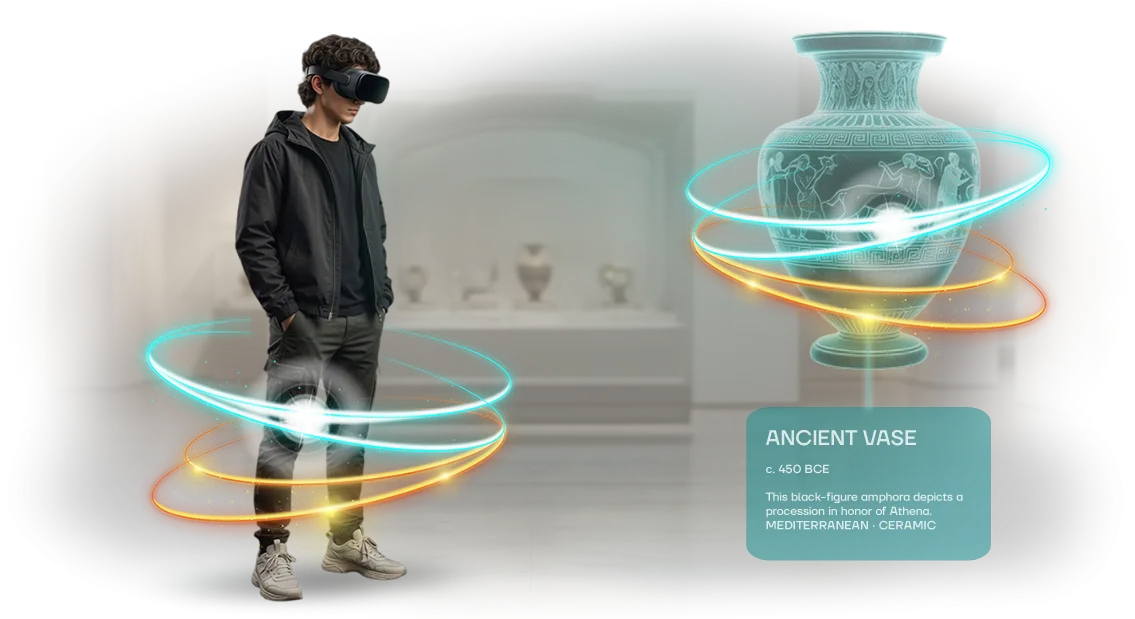
תערוכה וירטואלית הבנויה עם מידול תלת-ממד פותרת את זה: אפשר לצפות במגילה מכל צד, להגדיל קטע, לראות את הצד האחורי של דף, להתקרב לפרטים — הפריט מתחיל לספר את הסיפור שלו.
תערוכה מקוונת כזו מחזיקה מבקר פי שניים עד שלושה יותר זמן ומגבירה ישירות את מעורבות הקהל. אנחנו יוצרים פתרונות אלה עם ציוד מקצועי, כך שהתוצאה יציבה ונראית פרימיום. אנחנו מכסים את המשימה הזו במפתח אחד: ממודל תלת-ממד מדויק ועד תערוכה וירטואלית באתר שלכם.
מה מודל תלת-ממד לכתבי יד נותן למרחב הווירטואלי שלכם
מבקר במרחב וירטואלי מקבל החלטה תוך שניות.
תמונה רגילה של כתב יד לא מעבירה את מרקם הקלף או את הבוהק של הטבעת הזהב, בעוד מודל תלת-ממד לכתבי יד הופך תמונה סטטית לתערוכה אינטראקטיבית: אפשר לסובב את כתב היד, להתקרב אליו, ולהפוך דפים ישירות בדפדפן. מגע כזה מחזיק תשומת לב פי כמה יותר זמן.
ואז נכנסת הטווח. סיור וירטואלי פועל מסביב לשעון ללא כרטיסים, כך שהקהל נמדד לא במספר המבקרים אלא בכל משתמש מכל מקום בעולם.
כל מי שרואה מודל תלת-ממד של כתב יד משתף את הקישור בלחיצה אחת — המותג זוכה להכרה חינמית ברשתות החברתיות וביישומוני המסרים.
הפורמט הזה כבר בשימוש בארכיונים הגדולים ביותר: הספרייה הבריטית פתחה גישה דיגיטלית לכתבי היד שלה ומושכת מיליוני ביקורים וירטואליים.
המהנדסים שלנו בונים עבורכם את אותו תרחיש: הם יוצרים את מודל התלת-ממד לכתבי יד עם כלים מקצועיים ומבצעים אופטימיזציה למכשירים שונים ולחיבורים ניידים כך שהתערוכה נטענת מיידית.
התוצאה העיקרית היא לידים חדשים.
בתוך הסיור קל למקם כפתורים כמו "קבעו צפייה במקור", "קבלו ייעוץ" או "הורידו את הקטלוג". כך תערוכה אינטראקטיבית הופכת עניין לשאלות והופכת את המוזיאון הדיגיטלי למקור לידים לעסק.
פורמטים של מודל תלת-ממד — מאולם תצוגה ועד סיור מלא
אותו אוסף יכול לשרת מטרות שונות: להציג במהירות פריטים חדשים, להטביע את הקהל בסיפור של מותג, או להדריך אורח בכל המרחב.
הרכבנו פורמטים שנבדלים בעומק הפירוט ובתקציב ההשקה — אתם בוחרים מה שהכי קרוב למטרה ולמשאבים שלכם.
| פורמט | למי זה מיועד | מה הלקוח מקבל |
|---|---|---|
| אולם תצוגה תלת-ממדי | למצגות מהירות ולקטלוגים של פריטים חדשים | השקה מהירה, התמקדות בפריטים מרכזיים, חיסכון בתקציב |
| תערוכה וירטואלית | למוזיאונים, גלריות ומותגי מורשת | מטביעה את המבקר במרחב, טקסט ומדיה בתוך התלת-ממד, הכרה רחבה יותר |
| סיור מלא | לתערוכות רחבות היקף, סניפים ואירועים חגיגיים | מסלול מלא בכל האולמות, אינטראקטיביות, ניתוח ביקורים, ביקורים חוזרים |
אנחנו עוזרים לכם לבחור פורמט ולבנות אותו כך שיפעל למען המטרה שלכם ולא רק "ייראה יפה". אם אתם צריכים נוכחות בקנה מידה של המוזיאון ההיסטורי, אנחנו בונים סיור מלא עם ניווט בין מדורים ונקודות אינטראקציה שהאורחים זוכרים ומעבירים הלאה.
איך אנחנו יוצרים תערוכה וירטואלית: 7 צעדים עבורכם
תערוכה וירטואלית היא פרויקט שבו גם התרחיש וגם הפרטים חשובים. אנחנו מלווים אתכם מהבריף הראשון ועד ההשקה והתמיכה, ואתם שומרים על שליטה בכל שלב.
שבעה צעדים מבריף לתמיכה
-
בריף וסקירת חומרים. אנחנו לומדים את המטרות והקהל שלכם ואוספים סריקות של כתבי יד, תצלומי מגילות ותיאורים מדעיים. יחד אנחנו בוחרים את הפורמט: סיור מודרך, אולם תצוגה תלת-ממדי או אולם אינטראקטיבי.
-
עיצוב תרחיש. אנחנו מתכננים את מסלול המבקר ואת סדר הצגת הפריטים. עבור מגילות וספרים, אנחנו עובדים על רמת הפירוט כך שהצופים יוכלו לבחון את המרקם.
-
פיתוח מרחב תלת-ממדי. אנחנו בונים את האולמות ומודלים של הפריטים, תוך שמירה על המראה ההיסטורי והבטחת טעינה מהירה בכל מכשיר.
-
הרכבה אינטראקטיבית. אנחנו מוסיפים ניווט, כיתובים, מדריך קול ו"זכוכית מגדלת" לקטעים. המבקר בוחר היכן להתמקד, ואתם רואים מה מעורר עניין.
-
בדיקות והתאמה. אנחנו בודקים את התרחיש על מסכים שונים ומבטלים עיכובים או מעברים מבלבלים. האורח משלים את המסלול ללא רמזים מתמיכה טכנית.
-
השקה וקבלה. אנחנו מוסרים את הקישור, עוזרים להציג את התערוכה להנהלה שלכם, משכללים פרטים ומגדירים ניתוח ביקורים.
-
תמיכה וצמיחה. אנחנו מרעננים את התערוכה, מוסיפים פריטים חדשים ומנטרים יציבות. הכלי נשאר ניתן לניהול וקל להרחבה.
גישה זו עוזרת לנו לספק פרויקטים בזמן וללא הפתעות. אנחנו מציגים תוצאות ביניים מראש כך שבסיום, אתם מקבלים בדיוק מה שדמיינתם.
מה כלול במסירה: חבילת השקה מלאה
כדי להשיק תערוכה וירטואלית, אין צורך לקנות או להרכיב דבר חלק אחר חלק. אנחנו מוסרים חבילה מלאה: ממודלי תלת-ממד של מגילות וכתבי יד ועד ממשק מוגדר והוראות לצוות שלכם. כל מה שנשאר הוא לשתף את הקישור ולהזמין מבקרים.
המסירה כוללת:
- מודלי תלת-ממד מוכנים לשימוש: מגילות, כתבי יד, כריכות ודפים בודדים עם טקסט וחותמות. המודלים נפתחים במהירות בכל מכשיר — מבקרים לא מחכים לטעינה ויכולים לעיין בפריטים ללא עיכוב.
- סיור וירטואלי — אולם אינטראקטיבי שבו אפשר "להתקרב" לפריט, לבחון פרטים, להפוך דפים ולקרוא הסברים. המבקר מקבל תחושה של נוכחות פיזית, גם דרך מסך.
- ממשק מעוצב בהתאמה למותג שלכם: ניווט, כיתובים, מדריך קול וכפתורי רשתות חברתיות כבר מוגדרים. אפשר להשיק ללא מעצב או מפתח.
- לוח ניהול לעדכונים עצמאיים: שינוי תיאורים, הוספת פריטים חדשים ועריכת טקסטים בכמה קליקים.
- מדריך השקה: הוראות שלב-אחר-שלב לפרסום באתר, ברשתות החברתיות או בניוזלטר. מתאים גם לעובד לא טכני.
- סמינר מקוון להכשרת הצוות: אנחנו מכסים את כל התרחישים בשעה, וההקלטה נשארת אצלכם.
- קבצי מקור וזכויות תוכן: השתמשו במודלים, בסיור ובחומרים בחופשיות בערוצים שלכם, ללא עמלות נסתרות או הגבלות.
לאחר המסירה, אנחנו תומכים בהשקה: בודקים שהכל עובד על פני מכשירים, עוזרים בפרסום ועונים על שאלות. אתם מקבלים לא רק אוסף קבצים אלא כלי עבודה שמתחיל מייד למשוך תשומת לב לאוסף שלכם.
מקרה בוחן: איך מוזיאון שילש את הסיורים המקוונים שלו
כשהמוזיאון לספרים וכתבי יד נדירים פנה אלינו, הייתה לו נקודת כאב קלאסית: מגילות וכתבי יד ייחודיים לא ניתנים להצגה בגישה פתוחה — אור, לחות וטיפול תכוף הורסים אותם.
המוזיאון ניסה תמונות סטטיות, אבל הן לא העבירו לא את המרקם, לא את הנפח ולא את הסיפור של כל פריט. מבקרים בתערוכות המקוונות שלו איבדו עניין במהירות, ומספר הסיורים שהושלמו נשאר נמוך.
הצענו לא רק תצלומים אלא מודלי תלת-ממד מפורטים של המגילות וכתבי היד — כאלה שאפשר לצפות בהם מכל זווית, להתקרב לקטעים ולהשתמש בהגדלה כדי לקרוא שורות דהויות.
בנינו את האולם הווירטואלי כך שהסיור מתפתח כמו נרטיב חי: מתצוגה רחבה של הארכיון ועד לפריט ספציפי. חודשיים לאחר ההשקה, למוזיאון היו תוצאות מדידות.
הסטטיסטיקה של הפרויקט מדברת בעד עצמה: מספר הסיורים המקוונים גדל פי 3, וזמן הצפייה הממוצע עלה מ-4 ל-12 דקות. שמחנו במיוחד ש-40% ממבקרי האולם הווירטואלי הגיעו מאזורים אחרים — בעבר הקהל היה מוגבל לעיר.
סיורי מודל התלת-ממד הפכו לסעיף הפופולרי ביותר באתר המוזיאון, והמוזיאון הזמין אותנו להמיר עוד שתיים מקרנות האוסף שלו לתלת-ממד — ההוכחה הטובה ביותר ליעילות.
המקרה הזה חשוב לנו כי הוא מוכיח שטכנולוגיה עובדת כשהיא פותרת את משימת שימור המורשת ומעורבות הקהל. קיבלנו הזמנה חוזרת ואנחנו מוכנים להרחיב את הגישה הזו למוזיאונים וארכיונים אחרים.
איך לבחור את פורמט התערוכה הווירטואלית המתאים לאוסף שלכם?
בחירת הפורמט הנכון מתחילה לא בטכנולוגיה אלא במטרות שלכם: מה התערוכה הווירטואלית אמורה להשיג — טווח מקסימלי, לימוד מעמיק של מגילות, חינוך מבקרים או מכירות?
אם המטרה היא להציג את האוסף לקהל רחב, סיור תלת-ממדי כללי עם ניווט בין אולמות מספיק. אם בחינה מפורטת של כל כתב יד חשובה, אתם צריכים פורמט עם זום, צפייה בשכבות והשוואת קטעים.
הצוות שלנו עוזר לכם למצוא פתרון שמתאים לאוסף ולתקציב שלכם, ולא דוחף אפשרות "סטנדרטית" אחת. עבור אוסף קטן, הגיוני להתחיל עם קטלוג וירטואלי הכולל מצגות תלת-ממד של פריטים מרכזיים.
עבור אוסף גדול או תערוכה נושאית, אולם תצוגה תלת-ממדי מלא עם אזורי נרטיב ותנועה חופשית למבקרים עובד טוב יותר.
התקציב גם מעצב את הפורמט: אפשרות בסיסית עולה משמעותית פחות ומושקת מהר יותר, בעוד פתרון מורחב מציע יותר דרכים למעורבות קהל ויכול לגדול בשלבים.
אנחנו תמיד מציעים תרחיש שמספק תוצאות מהשלב הראשון ובונים מקום להרחבה עתידית.
אנחנו עושים את הבחירה הסופית יחד איתכם, על בסיס ניתוח האוסף, קהל היעד ומטרות התערוכה.
כך אתם מקבלים תערוכה וירטואלית שמצדיקה את ההשקעה ועובדת למען התדמית שלכם — לא רק "תמונה תלת-ממדית יפה". צריכים עזרה בבחירה? ספרו לנו על האוסף שלכם — נציע פורמט מתאים ונחשב את התקציב.
תשובות לשאלות נפוצות על תערוכות וירטואליות
תערוכות וירטואליות נראות לעתים קרובות מסובכות עד השיחה הראשונה: אתם מדמיינים שצריך מודלים יקרים, לוחות זמנים לא ריאליים וציוד מיוחד אצל כל מבקר.
בפועל, רוב הספקות נפתרים בשלב הבריף — אנחנו מתאימים את הפורמט למשימה ולתקציב, לא להפך. להלן השאלות האופייניות שאנחנו שומעים הכי הרבה מלקוחות.
האם דיגיטציה של הפריטים שלנו קשה? יש לנו כתבי יד ומגילות נדירים
לא — מורכבות המודל אינה מגבלה. עבור פריטים עם טקסט ומרקם, אנחנו משתמשים במספר שיטות לכידה, ממינימליות-פולשניות ועד אוטומטיות לחלוטין. הכל תלוי בערך המקור: ככל שהפריט נדיר יותר, כך הגישה זהירה יותר.
אתם לא צריכים לחשוב על הטכנולוגיה — נציע את האפשרות הנכונה לשימור ופירוט. בסופו של דבר, אתם מקבלים עותק דיגיטלי שלא ניתן לנזק, בעוד המקור נשאר בטוח באחסון.
כמה זמן לוקח ליצור תערוכה וירטואלית?
פרויקט טיפוסי לוקח בין שבועיים לשישה שבועות — מבריף ועד קישור מוכן. לוח הזמנים תלוי במספר הפריטים ובעומק הפירוט: פנורמה פשוטה עם תיאורי טקסט מהירה יותר; אולם תצוגה תלת-ממדי אינטראקטיבי לוקח יותר זמן.
אנחנו קובעים את השלבים והתאריכים בחוזה, כך שאתם תמיד יודעים מתי תקבלו את התוצאה. אם יש דדליין לחוץ, אפשר להשיק גרסה פשוטה קודם ולהוסיף שיפורים מיד אחר כך.
האם אפשר לעדכן את התערוכה לאחר ההשקה?
כן — זה אחד היתרונות המרכזיים של הפורמט הדיגיטלי. הוספת פריט חדש, תיקון כיתוב, שינוי תאורה או הוספת שפה — כל זה נעשה ללא בנייה מחדש של הפרויקט. אתם לא קשורים לאירוע חד-פעמי: התערוכה יכולה לחיות ולצמוח במשך שנים.
אנחנו בונים עדכניות לתוך המבנה כך ששינויים לוקחים ימים, לא חודשים. לעדכונים שוטפים, אפשר להקים לוח בקרה אישי עם עורך ידידותי.
איזה ציוד המבקרים צריכים?
כל מחשב נייד, טאבלט או סמארטפון מודרני. משקפיים מיוחדים ואוזניות VR אינם נדרשים — רוב המבקרים מצטרפים ממכשירים רגילים. הממשק הרספונסיבי מתאים את עצמו אוטומטית למסך, כך שאתם לא מאבדים קהל בגלל מגבלות טכניות.
לחוויה עמוקה יותר, אפשר להוסיף מצב VR כאופציה לבעלי אוזניות, אבל הדפדפן הרגיל נשאר הערוץ המרכזי.
כמה זה עולה?
העלות תלויה בהיקף: מספר הפריטים, רמת פירוט המודלים, תכונות אינטראקטיביות ולוחות זמנים. אנחנו עובדים בטווח רחב — מתערוכה בית ספרית קטנה ועד פרויקט מוזיאוני גדול — עם עלות מדויקת המחושבת לאחר סקירת הבריף. בשיחה שלנו, אנחנו חולקים את הטווח לאחר הבריף, לפני ההערכה המפורטת.
הנקודה המרכזית היא שאין עמלות נסתרות: אנחנו קובעים את ההערכה בחוזה, וכל העריכות במסגרת ההיקף המוסכם כלולות במחיר.
אם זיהיתם את השאלה שלכם באחת מהנקודות האלה — מעולה, זה אומר שאנחנו כבר מדברים באותה שפה. הצעד הבא הוא שיחה של 15 דקות, שלאחריה תבינו את לוח הזמנים, העלות והפורמט עבור הפריטים שלכם. השאירו פנייה, ונציע פתרון ללא התחייבות.
הזמינו תערוכה וירטואלית — התחילו למשוך מבקרים תוך חודש
השאירו פנייה — ותוך חודש התערוכה הווירטואלית שלכם תתחיל למשוך מבקרים. אנחנו משיקים פרויקטים ללא עיכוב: מההתחלה, אנחנו קובעים את לוח הזמנים, הפורמט והתקציב כך שתוכלו לראות את התוצאה הסופית מהיום הראשון.
מיד לאחר הפנייה אלינו, אתם מקבלים:
- הערכת פרויקט ולוח זמנים מדויק ליישום — ללא הבטחות מעורפלות, רק תוכנית ריאלית.
- פורמט מותאם למטרה שלכם: מאולם תצוגה תלת-ממדי פשוט ועד תערוכה וירטואלית מלאה עם אינטראקטיביות.
- עלות קבועה לעבודה — המחיר הסופי לא משתנה בדרך.
- קונספט עיצובי למרחב כדי שתבינו איך התוצאה תיראה.
- מנהל אישי שמנהל את הפרויקט מבריף ועד השקה ועונה על שאלות בכל רגע.
לאחר מכן אנחנו עובדים במחזור קצר: מאשרים עיצובים, בונים מודלי תלת-ממד, ממלאים את המרחב בתוכן ומשיקים. אתם מקבלים מקום וירטואלי מוכן הנגיש דרך קישור — הוא עובד בכל מכשיר ומושך מבקרים 24/7.
אתם לא צריכים להבין בטכנולוגיה — אנחנו מטפלים בכל היישום. כתבו לנו, ותוך חודש התערוכה הווירטואלית שלכם תהיה פתוחה למבקרים.